Skip Navigation
museum-logo
Brooklyn Museum logo
Art
Events
Shop
Visit
Learn
Donate
museum-logo
Get Tickets
Become a Member
Art
Current
Upcoming
Collection
Past
Touring
Exhibition Archives
UOVO Prize
Events
Shop
Visit
Admission and Hours
Directions
Tours
Access
Floor Directory
First Saturdays
Digital Guide
Learn
Education
Families
Teens
Adults and Academic
Visitors with Disabilities
K–12
Art Classes
Camps
Support
Join
Give Now
Corporate Partnerships
Special Events
Planned Giving
About
DEIA
Board of Trustees
Advisors
Public Support
Facility Rental
Film & Photo Shoots
Careers
200th Anniversary
Become a Member
Elizabeth A. Sackler Center for Feminist Art
First Saturday
We are open today from 11 am to 6 pm.
About
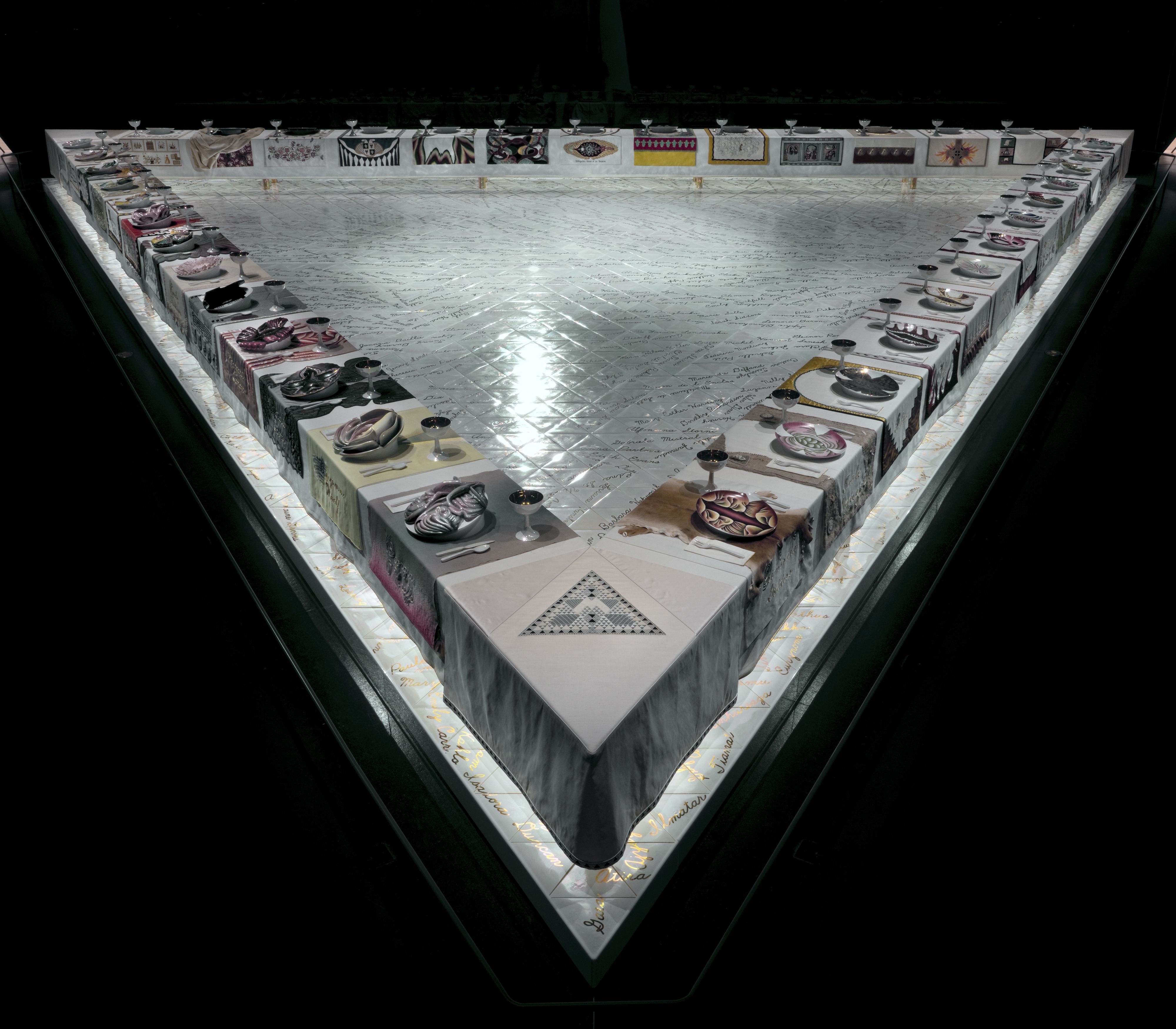
The Dinner Party
First Awards
Council for Feminist Art
Components of the Dinner Party
Entry Banners
Place Settings
Heritage Floor
Heritage Panels
Acknowledgement Panels
Curatorial Overview
Conservation
Judy Chicago
For Teachers
Components of the Dinner Party
Entry Banners
Place Settings
Heritage Floor
Heritage Panels
Acknowledgement Panels
Curatorial Overview
Conservation
Judy Chicago
For Teachers
Elizabeth A.Sackler Center for Feminist Art
The Dinner Party by Judy Chicago
Long-term Installation
Elizabeth A. Sackler Center for Feminist Art, 4th Floor
Elizabeth A. Sackler Center for Feminist Art video
Sackler Center First Awards
Honoring women who are first in their fields.