Elizabeth A. Sackler Center for Feminist Art: The Dinner Party: Heritage Floor: Lilith

signature image

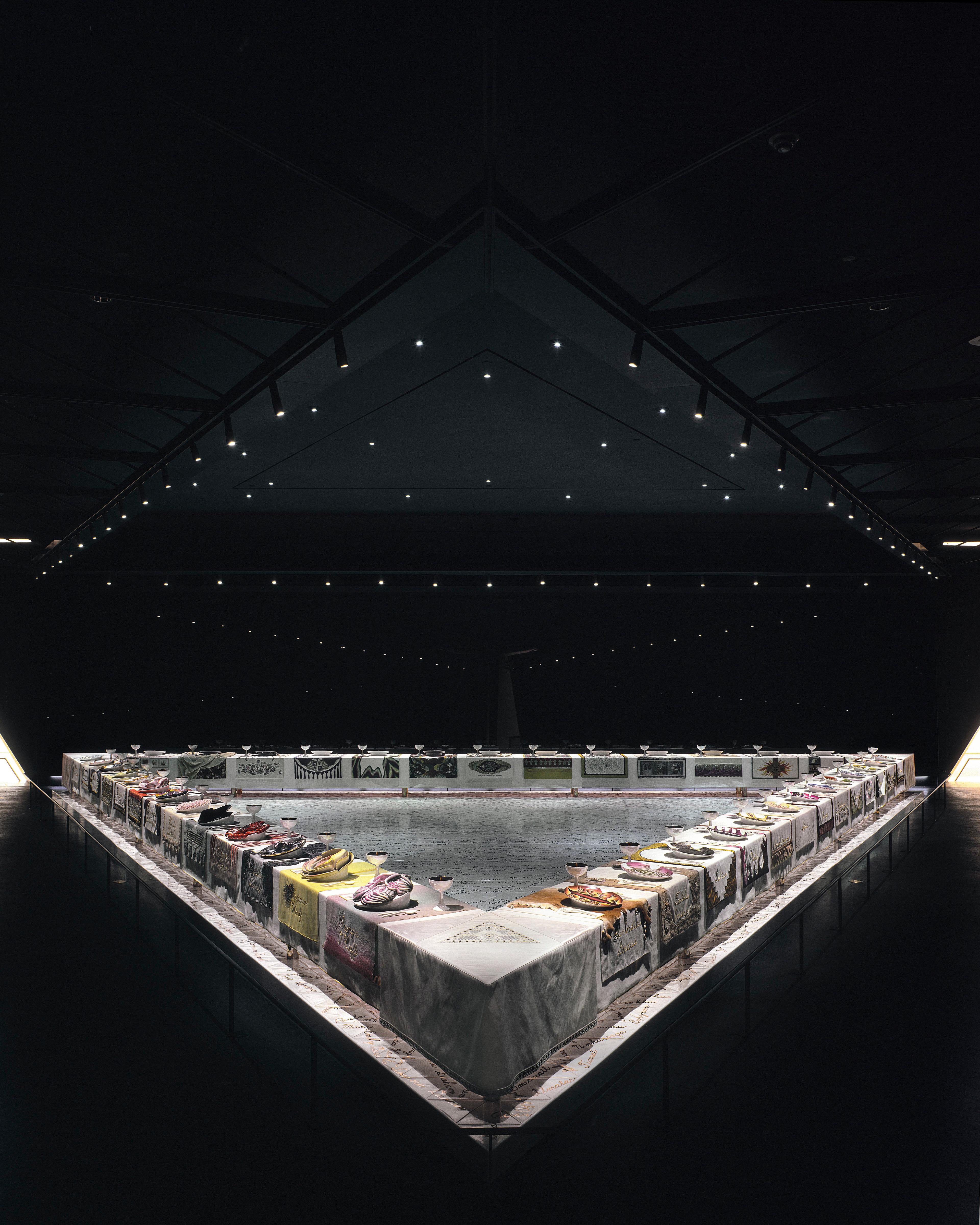
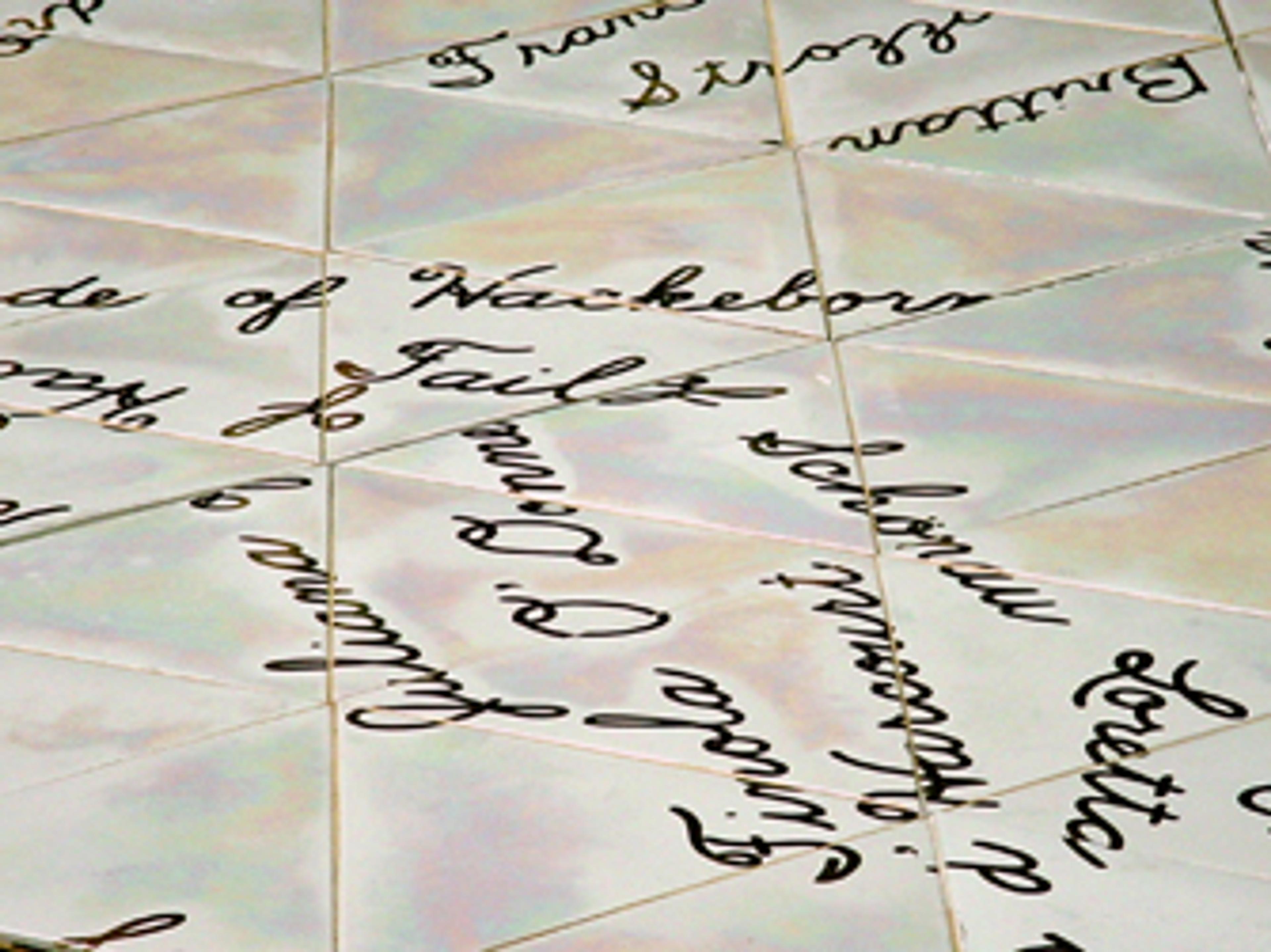
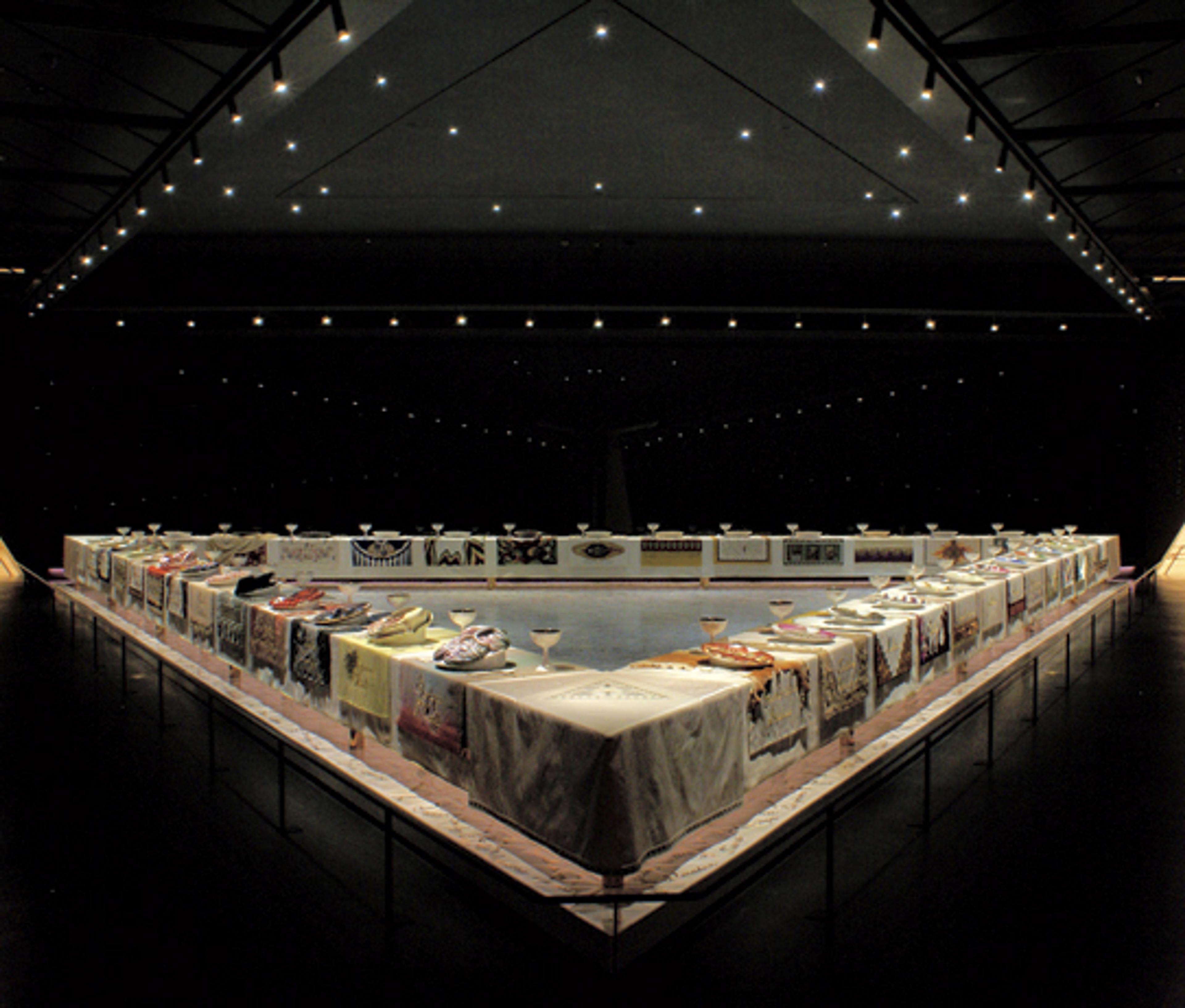
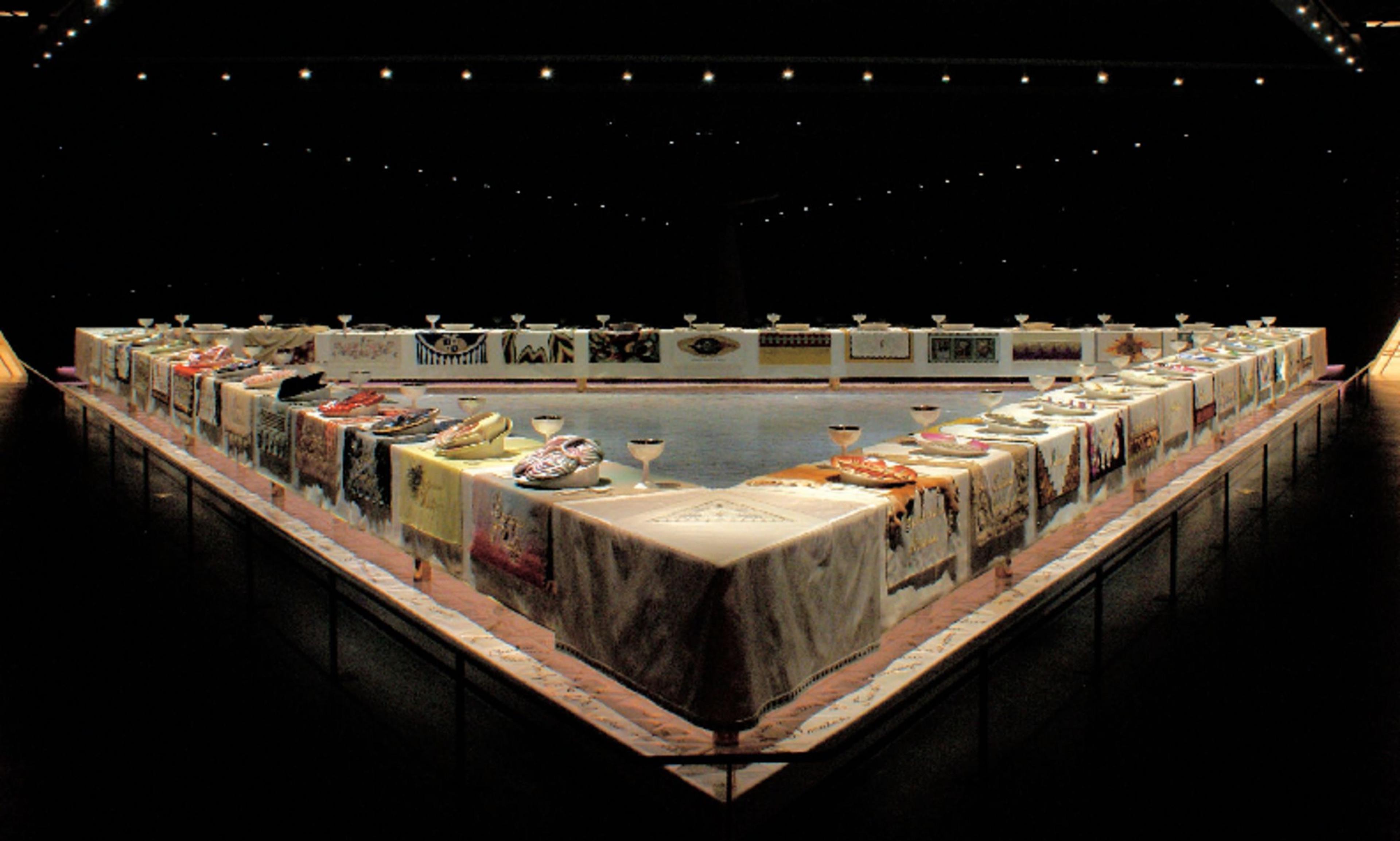
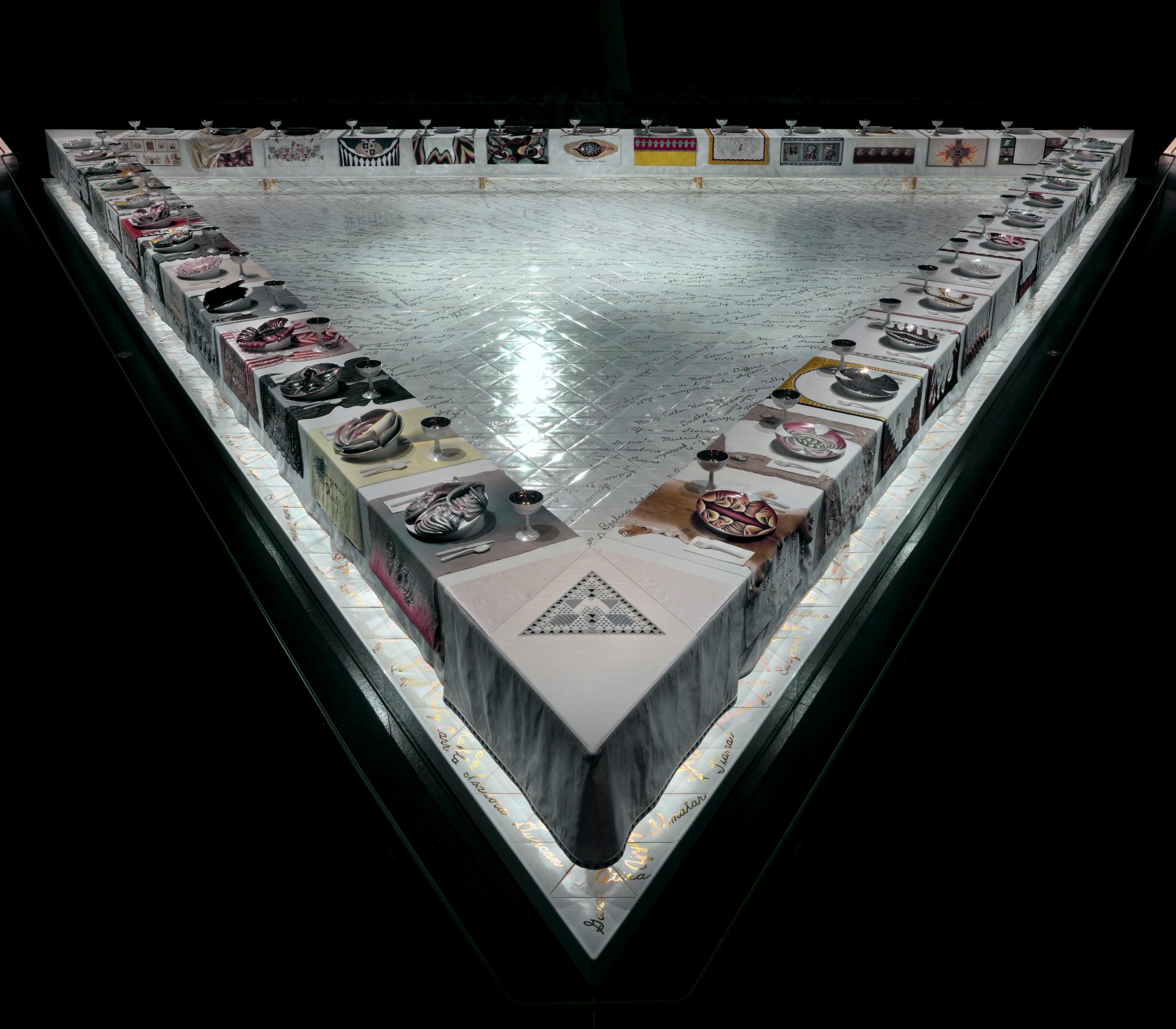
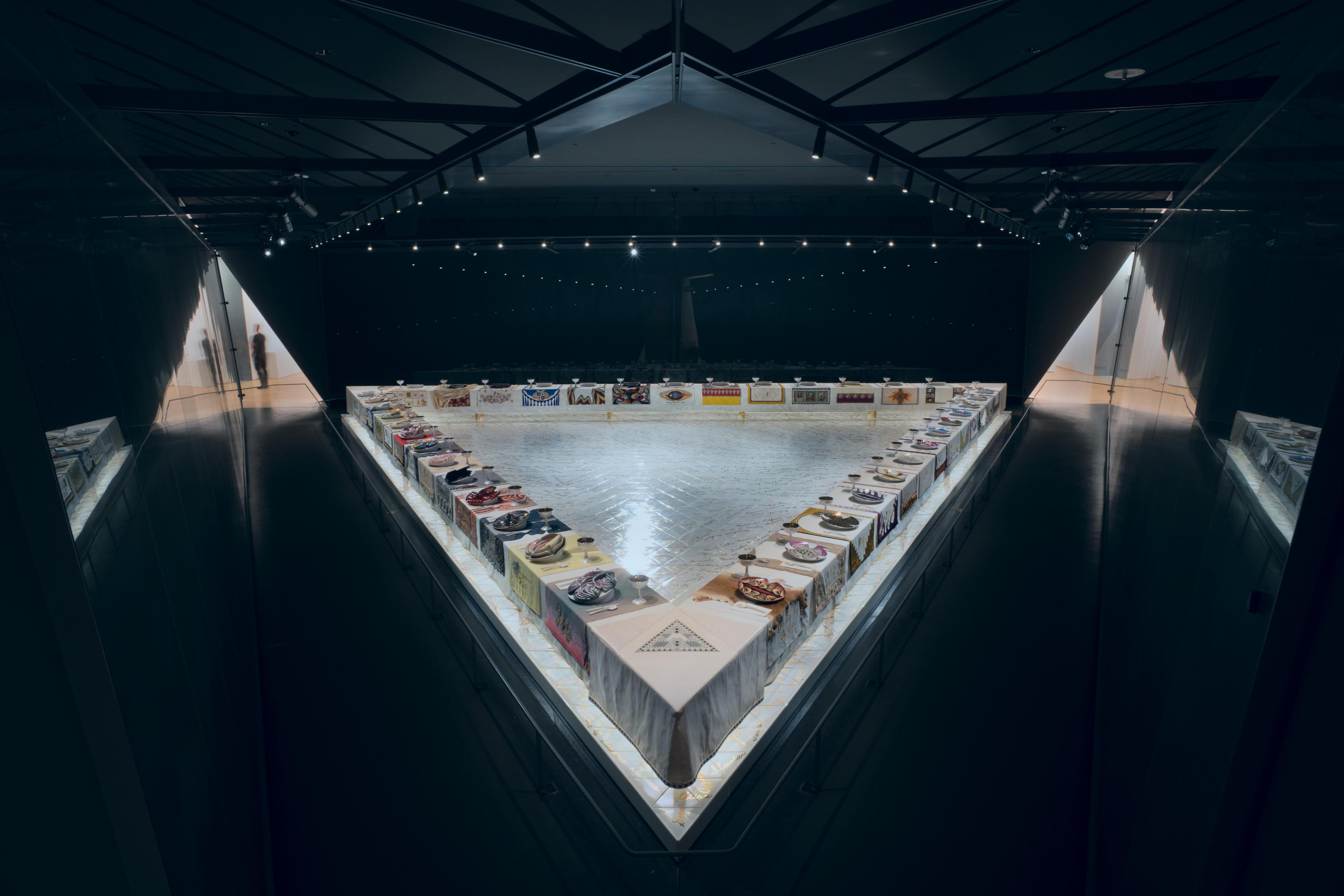
Judy Chicago (American, b. 1939). The Dinner Party (Heritage Floor; detail), 1974–79. Porcelain with rainbow and gold luster, 48 x 48 x 48 ft. (14.6 x 14.6 x 14.6 m). Brooklyn Museum, Gift of the Elizabeth A. Sackler Foundation, 2002.10. © Judy Chicago. Photograph by Jook Leung Photography

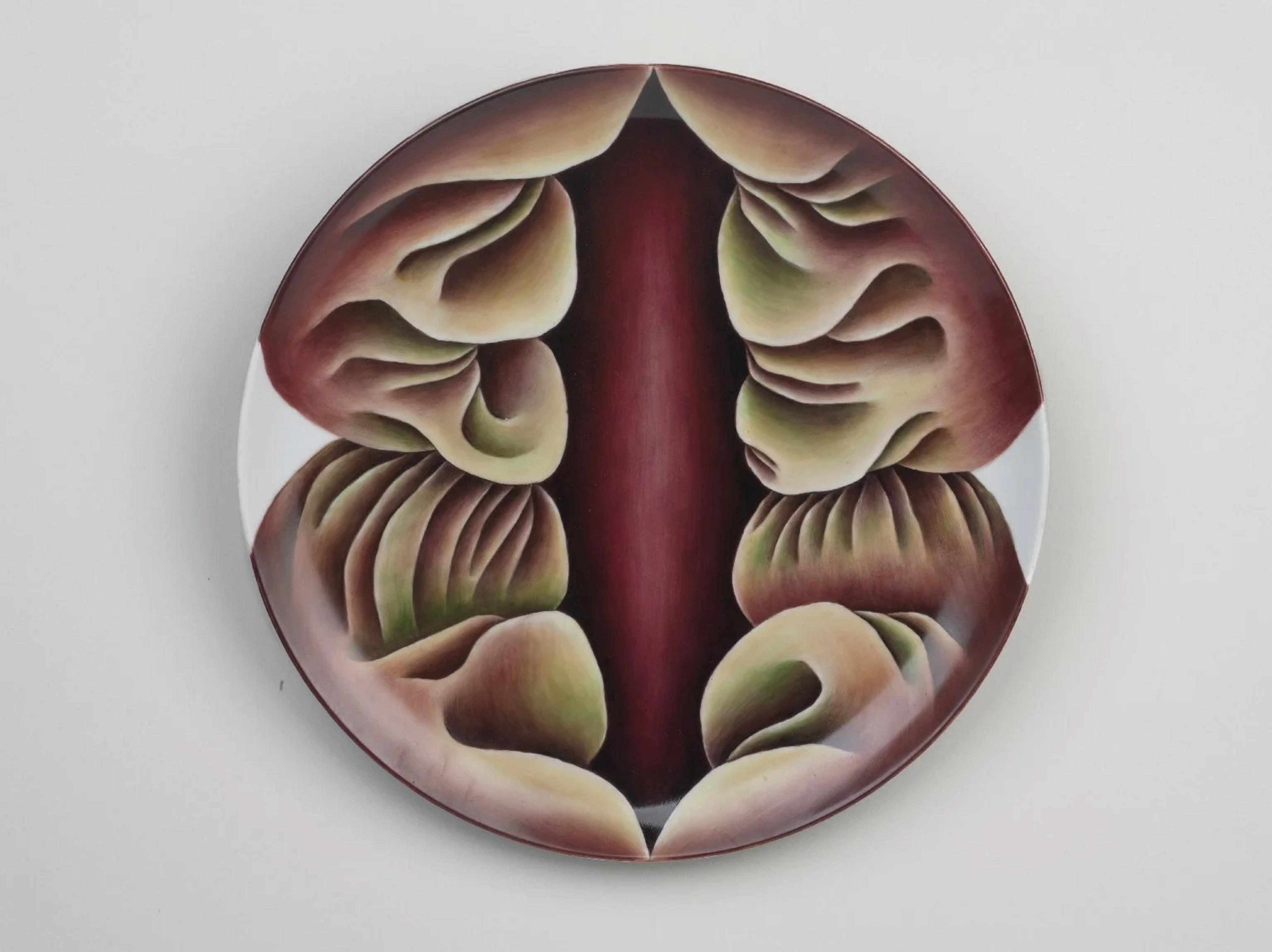
Lilith
Mythic, Hebrew, references date as far back as circa 2000 B.C.

References to Lilith in the Dead Sea Scrolls and in the Babylonian Epic of Gilgamesh (circa 2000 B.C.) identify her as an evil spirit and a night demon that harmed male children. According to Hebrew myth, however, Lilith—and not Eve—was Adam's first wife, and the two were created at the same time, suggesting their equality. Refusing to accept an inferior role, Lilith fled the Garden of Eden. When Adam complained to God, God sent three angels to retrieve Lilith, who was living beside the Red Sea giving birth to the children of lascivious demons at the rate of more than 100 per day. When she refused to return to Adam, God punished her defiance by causing 100 of her demon children to perish daily and by condemning her to be Satan's wife. Feminists sometimes use Lilith as a symbol of female independence and rebellion.

Related Place Setting

Judith

Related Heritage Floor Entries

Abigail
Athaliah
Beruriah
Deborah
Esther
Eve
Huldah
Jezebel
Leah
Maacah

Miriam
Naomi
Rachel
Rebekah
Ruth
Sarah
Vashti
Witch of Endor
Zipporah

SEARCH