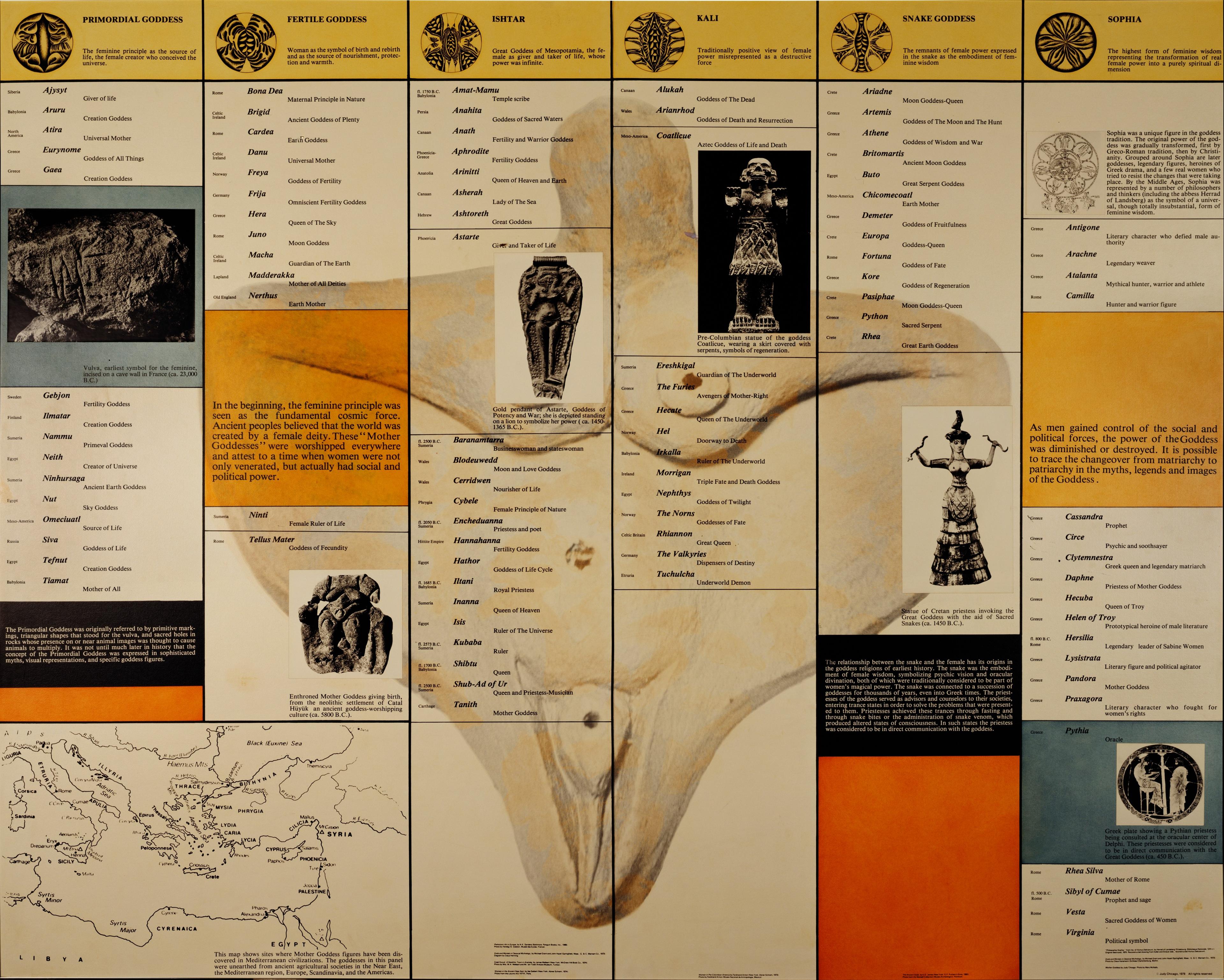
Worship of the Primordial Goddess flourished during the Upper Paleolithic era, and many scholars believe that during this period, the female body was used to explain the phenomena that prehistoric people observed in nature. The goddess, as the divine creator, was mirrored in each woman's body; she was linked to the changing seasons, the behaviors of the animals that early people hunted, and the various observable cosmological patterns. The cycles of nature were reflected in the cycles of the female body, such as menstruation, pregnancy, birth, and lactation. Stylized images of the female body have been found on cave floors, most of them emphasizing only one body part, such as the breasts, genitals, or buttocks; this anatomical emphasis may have linked the feature's biological function with other observable processes in nature, such as animal reproduction, the growth and flowering of plants, or the cycles of the moon.
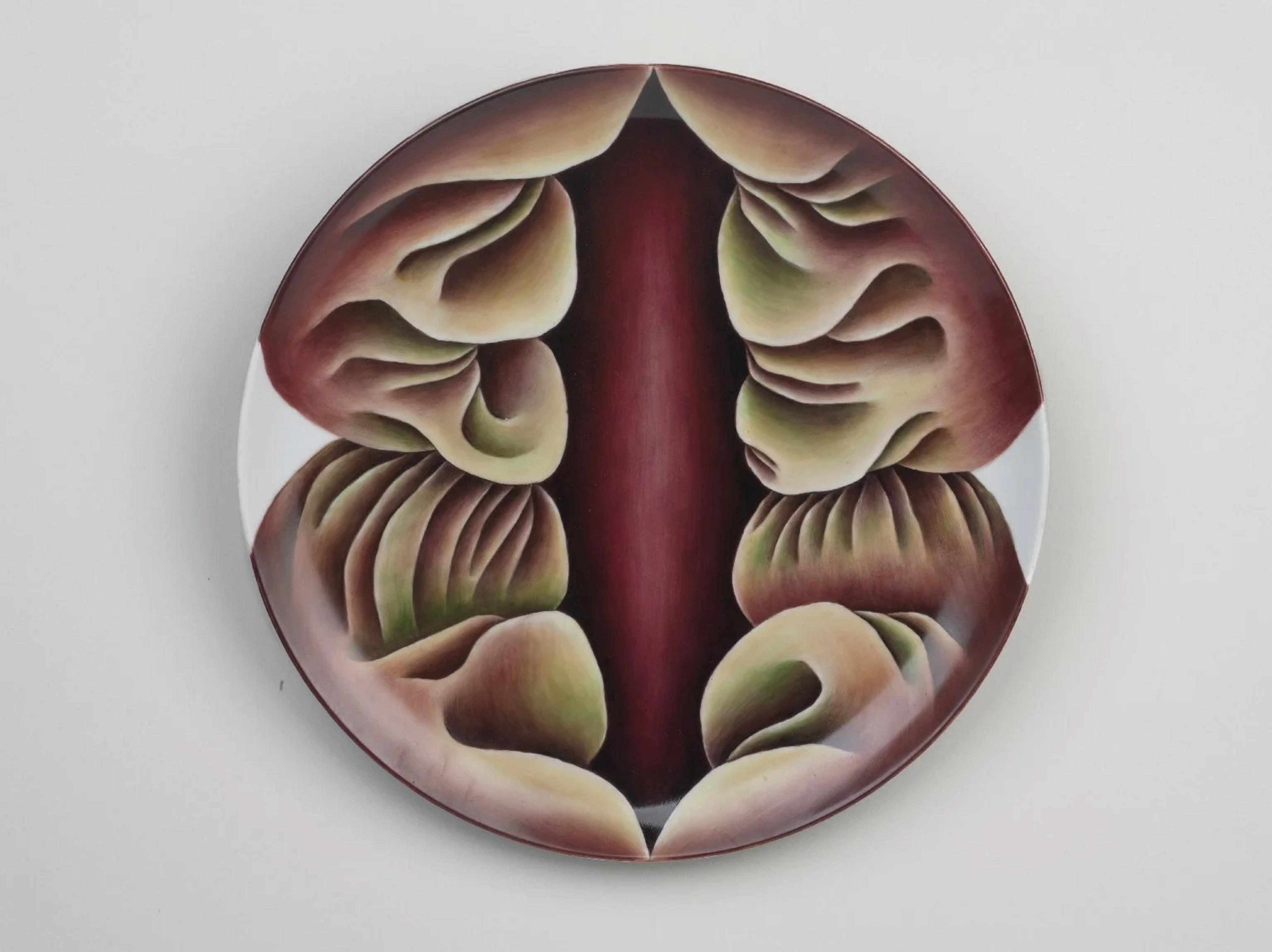
Beginning in the late Paleolithic period and continuing throughout the Neolithic era (around 10,000 B.C.), a major transition took place in which people began to live in organized communities, to domesticate animals, and to farm. With the end of nomadic life came a dramatic shift in ideology. Although the Primordial Goddess was the original model, as later goddess traditions developed, she was given different roles according to the beliefs and spiritual needs of the people who worshipped her. The tradition of the Mother Earth Goddess can be seen reflected in many different conceptions of the divine feminine including the Greek mother goddess, Gaea, the original inspiration for the Primordial Goddess place setting. Regardless of the many forms she takes that are celebrated globally, all goddess traditions owe something to the early worship of and appreciation for the Primordial Goddess.
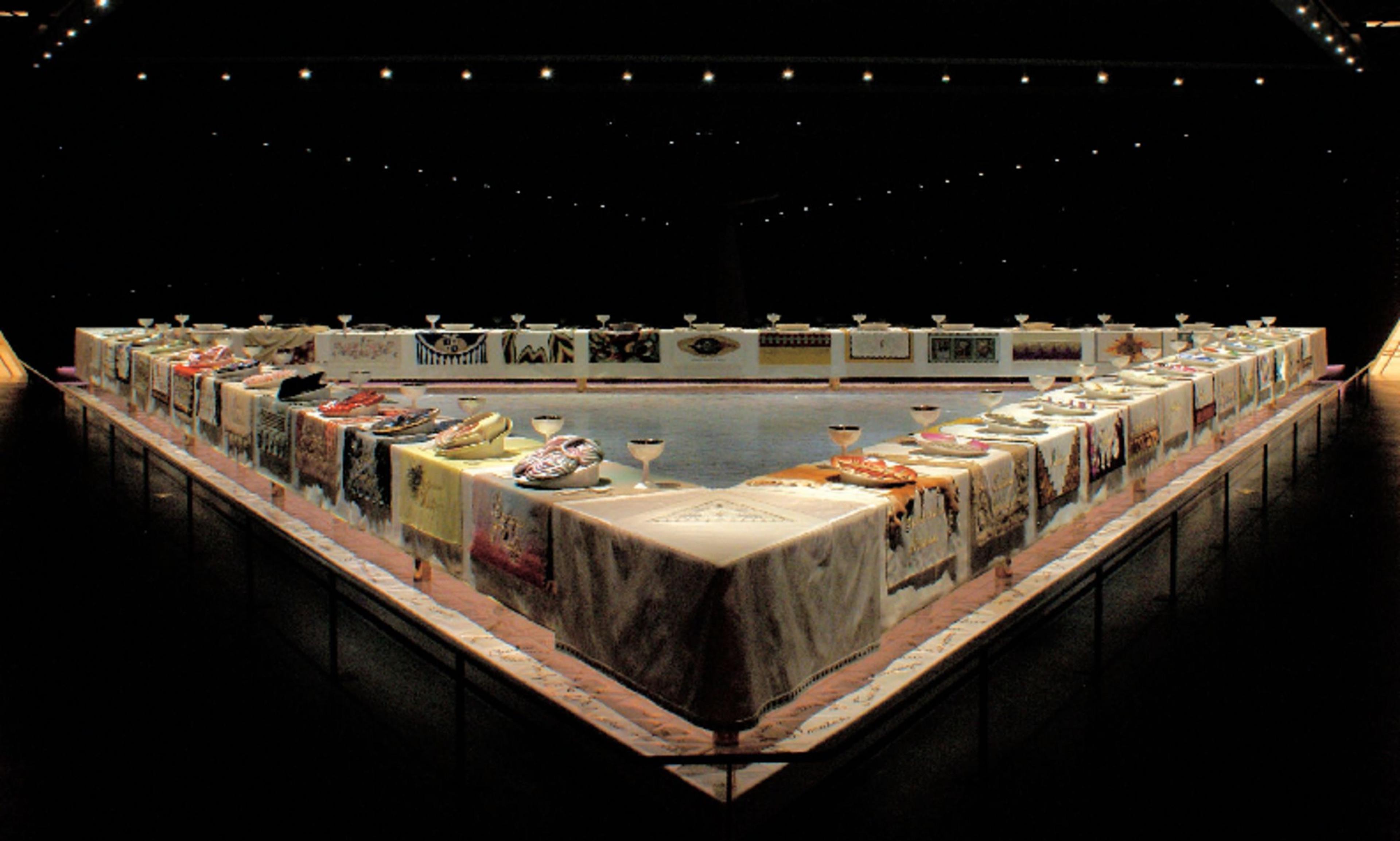
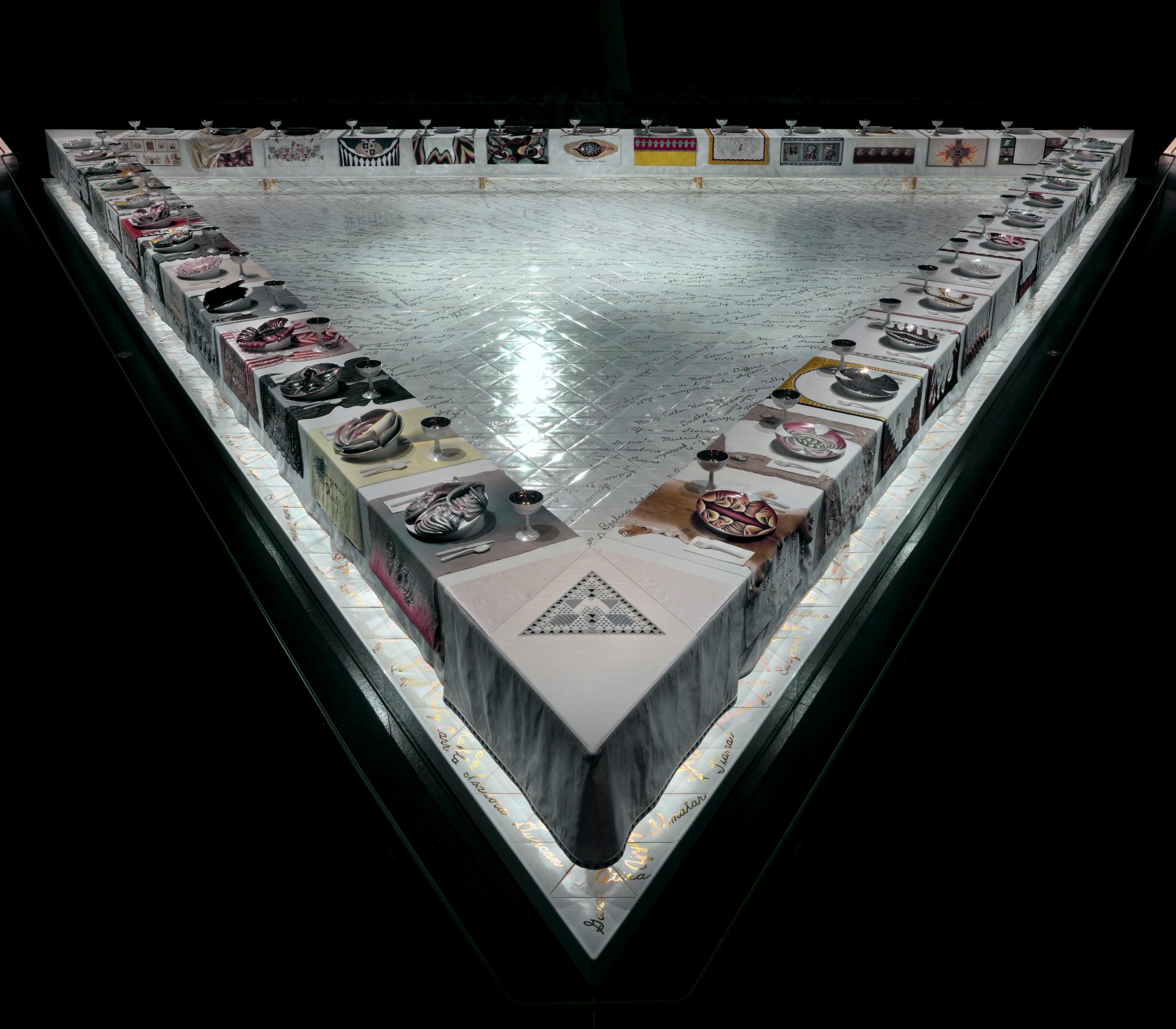
Primordial Goddess at The Dinner Party
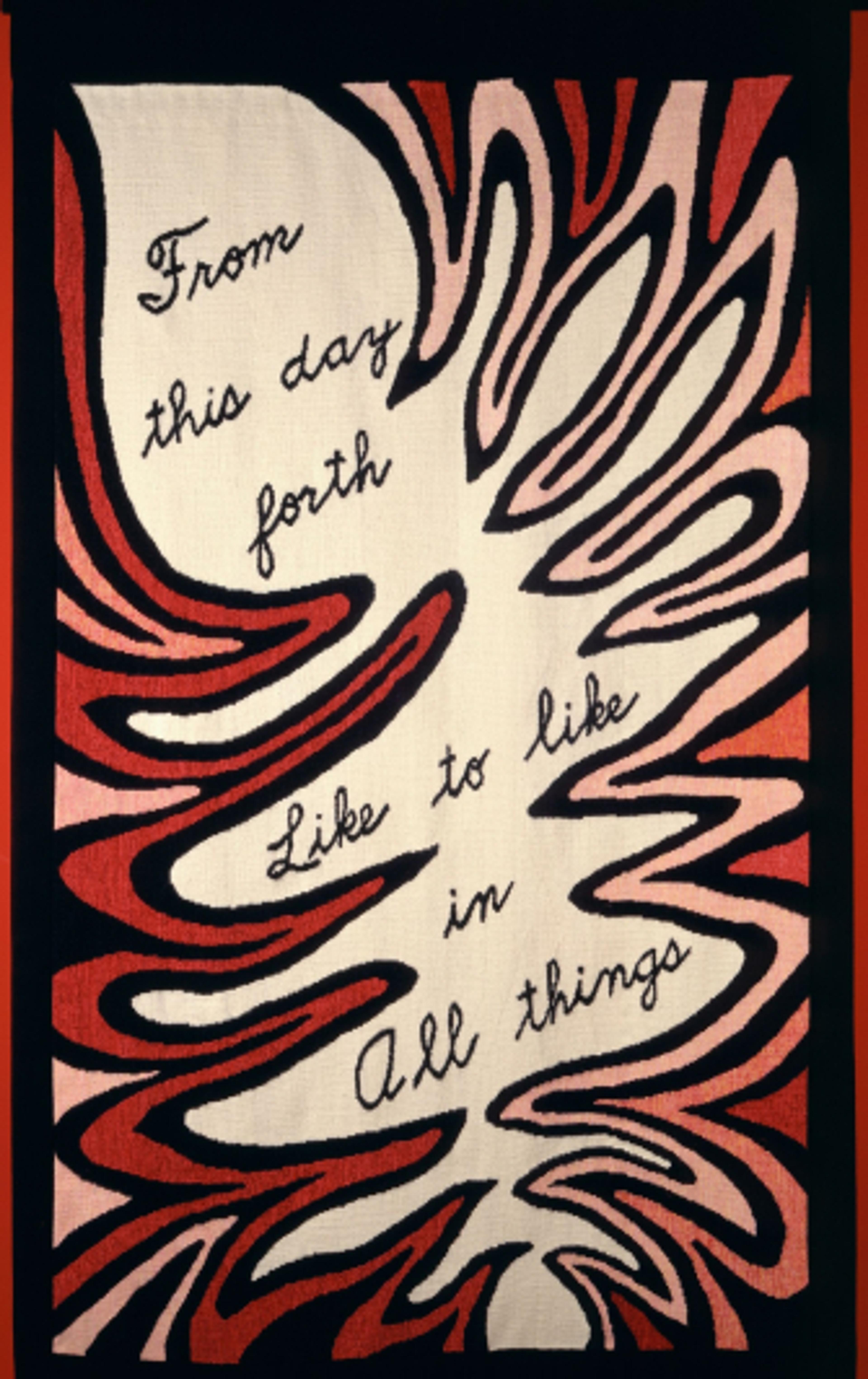
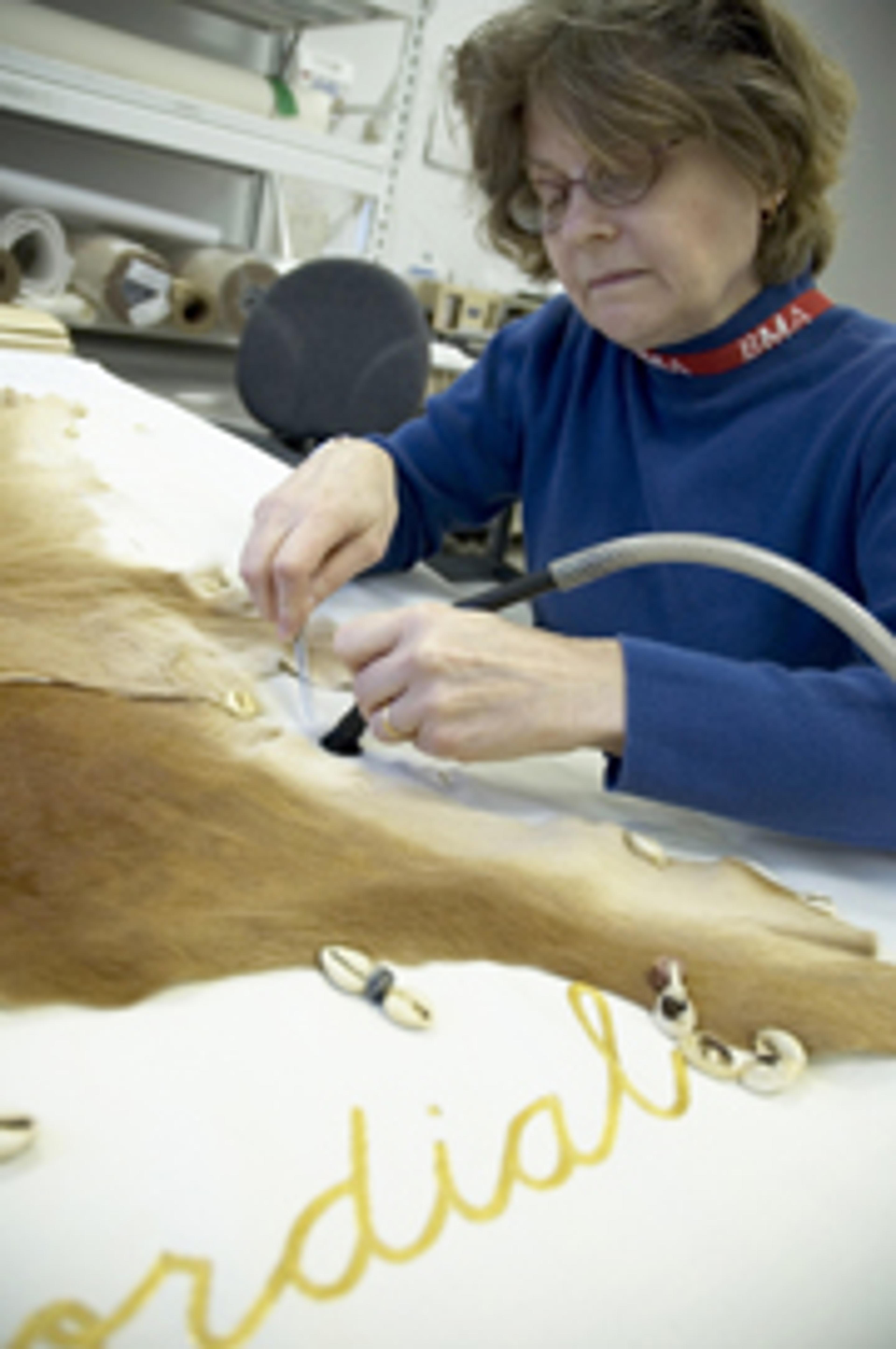
The runner suggests the importance of women's work in Paleolithic times. The coil around the Primordial Goddess's first initial represents the early baskets and pottery made by women using coil forms. It also echoes early art in which the coil is a recurrent motif, thought to be a symbol of the goddess and sacred femininity. The calfskins represent the early clothing made by women; they are adorned with cowry shells, an ancient symbol of female fertility. Fur, a soft, appealingly tactile material, is also related to the production of clothing and associated with women and women's work.
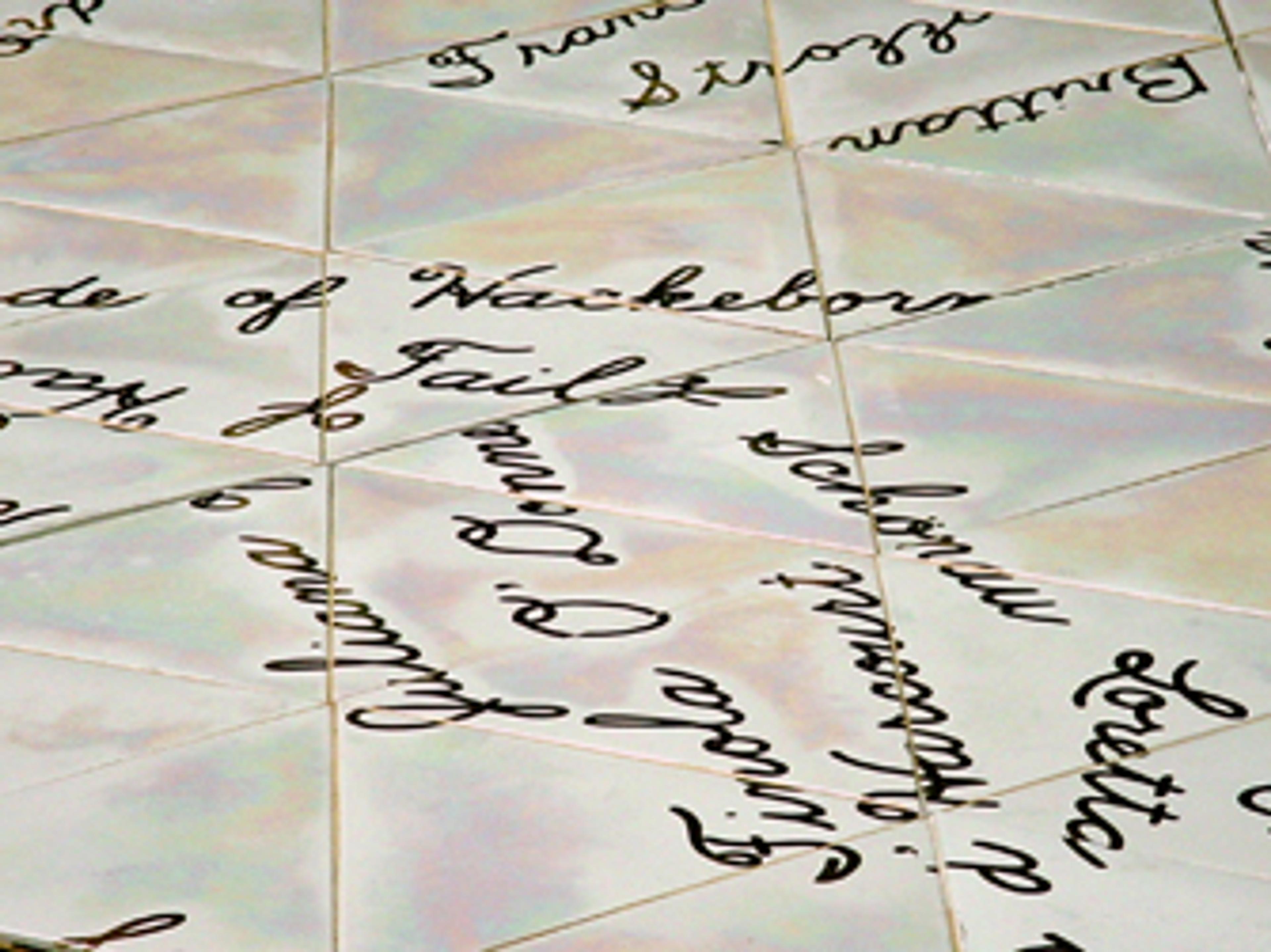
Related Heritage Floor Entries
Ajysyt
Aruru
Atira
Eurynome
Gaea
Gebjon
Ilmatar
Nammu
Neith
Ninhursaga
Nut
Omeciuatl
Siva
Tefnut
Tiamat
Translations, Editions, and Secondary Sources
Ann, Martha, and Dorothy Myers Imel. Goddesses in World Mythology. Oxford, UK and New York: Oxford University Press, 1993
Eisler, Riane. The Chalice and the Blade: Our History, Our Future. 1987; reprint ed. New York: HarperCollins, 1995.
Gadon, Elinor W. The Once and Future Goddess: A Symbol for Our Time. San Francisco: Harper & Row, 1989.
Gimbutas, Marija. The Goddess and Gods of Old Europe: Myths and Cult Images. Berkeley: University of California Press, 1982.
Husain, Shahrukh. The Goddess: Power, Sexuality, and the Feminine Divine. Ann Arbor: University of Michigan Press, 2003.
Leeming, David Adams. Goddess: Myths of the Female Divine. Oxford, UK and New York: Oxford University Press, 1994.
Ruether, Rosemary Radford. Goddesses and the Divine Feminine: A Western Religious History. Berkeley: University of California Press, 2005.
Sjoo, Monica. The Great Cosmic Mother: Rediscovering the Religion of the Earth. 1987; 2nd ed., San Francisco: HarperSanFrancisco, 1991.
Sprout, Barbara, ed. Primal Myths: Creation Myths Around the World. 1979; reprint ed., San Francisco: Harper & Row, 1991.
Stone, Merlin. When God Was a Woman. San Diego: Harvest Books, 1978.
Web Resources
FAQ

Eastern Parkway/Brooklyn Museum