Williamsburg Murals: A Rediscovery
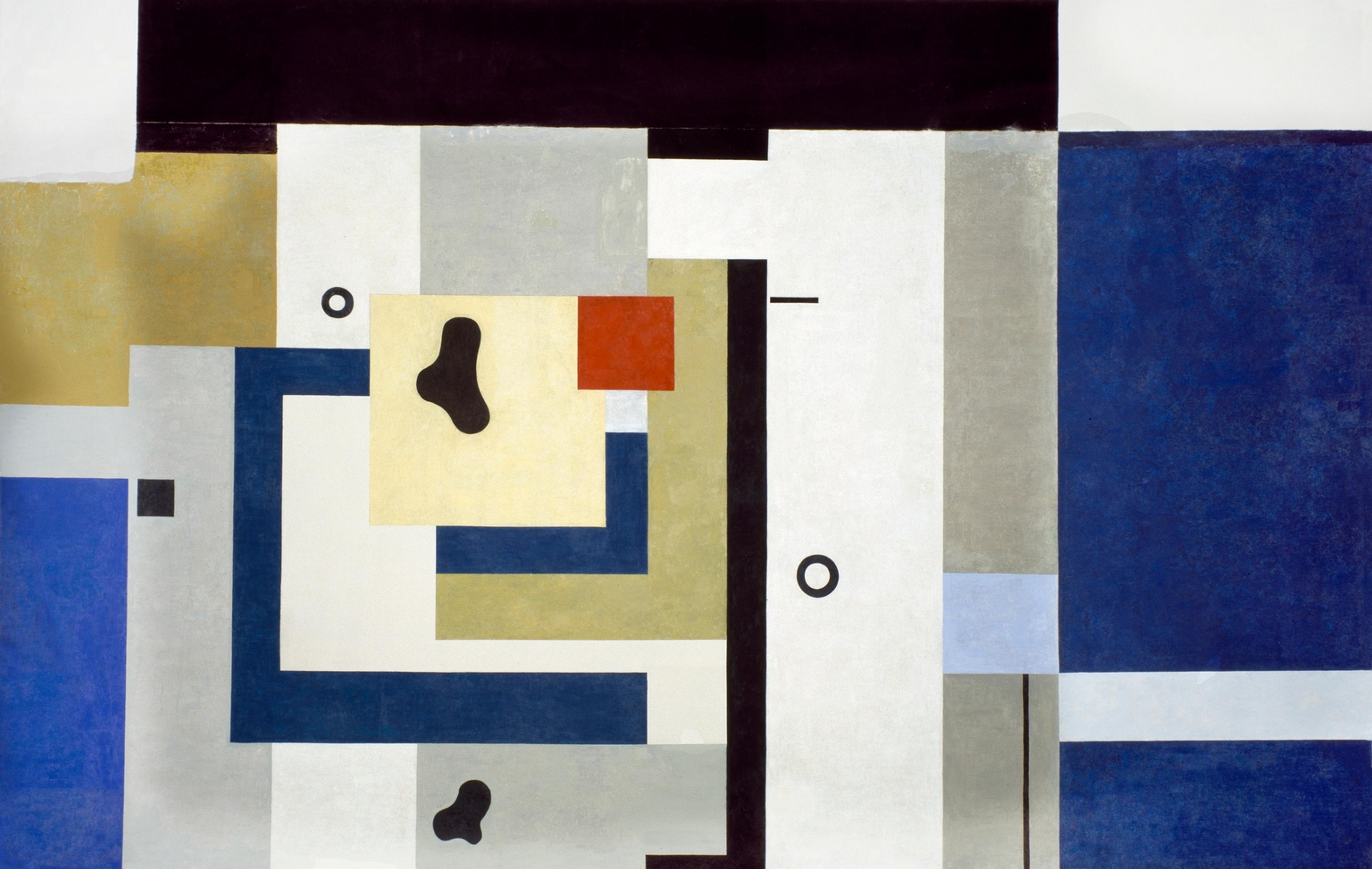
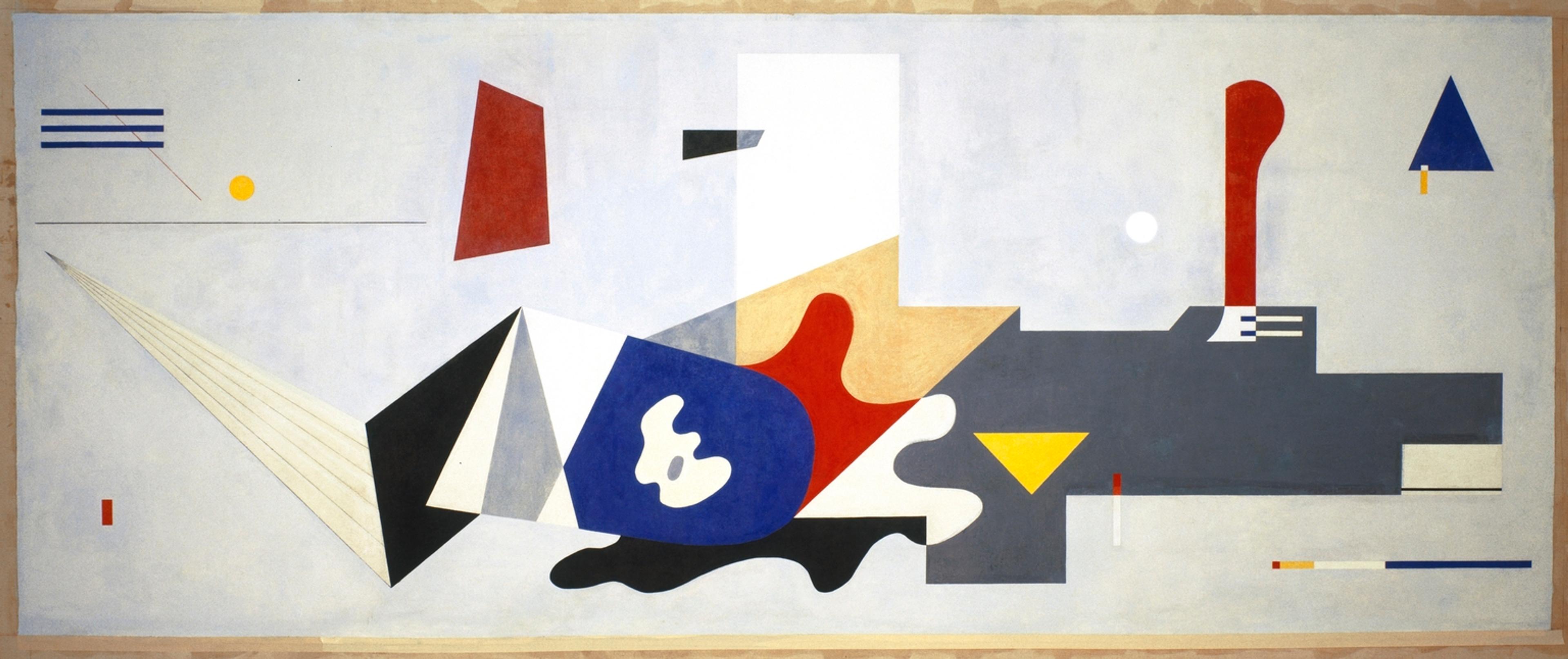
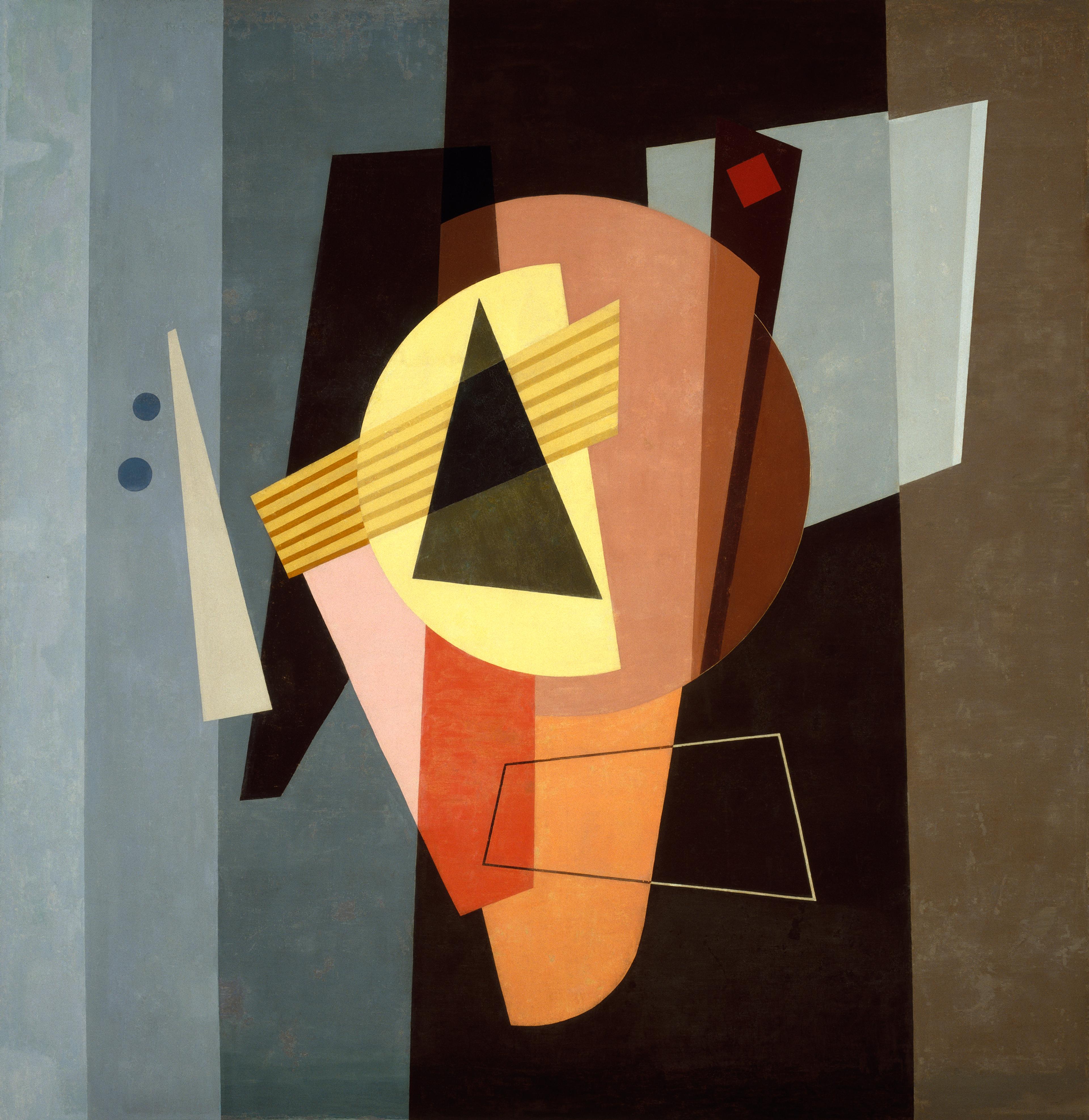
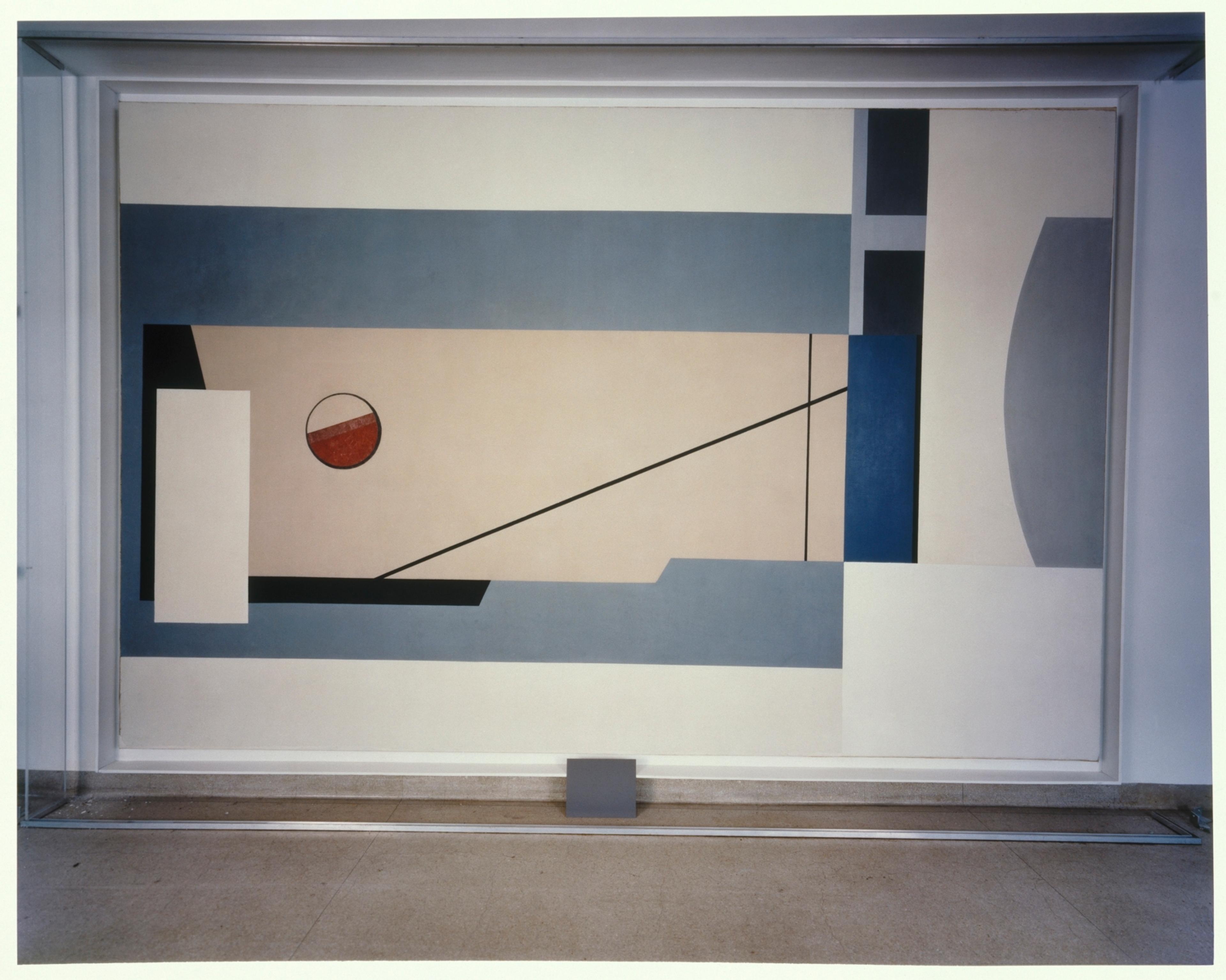
The exceptional murals installed in this area, executed by the pioneer American abstractionists Ilya Bolotowsky, Balcomb Greene, Paul Kelpe, and Albert Swinden, were commissioned by the Works Progress Administration/Federal Art Project in 1936 for Brooklyn’s Williamsburg Houses, one of the earliest and best public housing projects in New York City.
Designed by pioneering modernist architect William Lescaze, the four-story houses included basement community rooms decorated with murals in “abstract and stimulating patterns” designed to aid relaxation. Burgoyne Diller, the New York head of the Mural Division, recruited younger, innovative artists for the project, reiterating Lescaze’s viewpoint that standard realist subject matter, which celebrated productivity, would not be a source of relaxation for waterfront and factory workers.
While the prevailing subject matter in American art—and especially WPA-funded works—centered on narrative scenes of American life, these murals were virtually unique, in that they were the first non-objective public murals in the United States, containing no recognizable figures, symbols, or objects.
Fortunately, though the murals suffered from neglect over the years, they were rediscovered in the late 1980s under layers of paint. After a painstaking restoration, they were returned to public view at the Brooklyn Museum, on long-term loan from the New York City Housing Authority.
Location
Audio Guide
Listen to audio content with the Bloomberg Connects app.
Organizing department
American Art
Media
The Lost Murals of Williamsburg Houses (1990), directed by Jeffrey C. Wisotsky for the New York City Housing Authority.