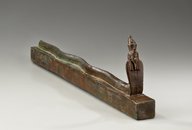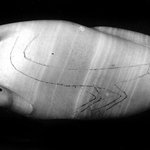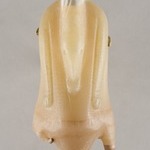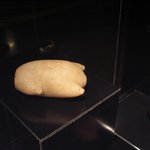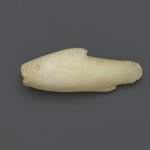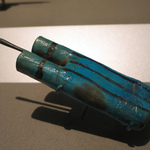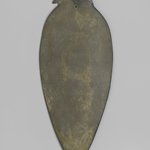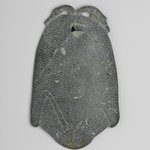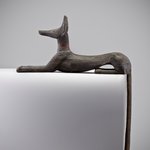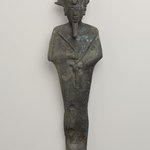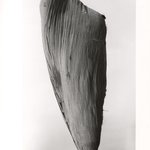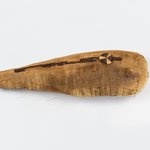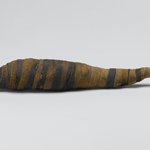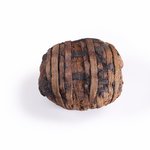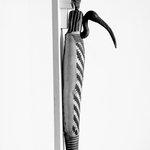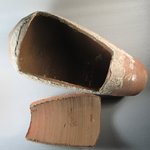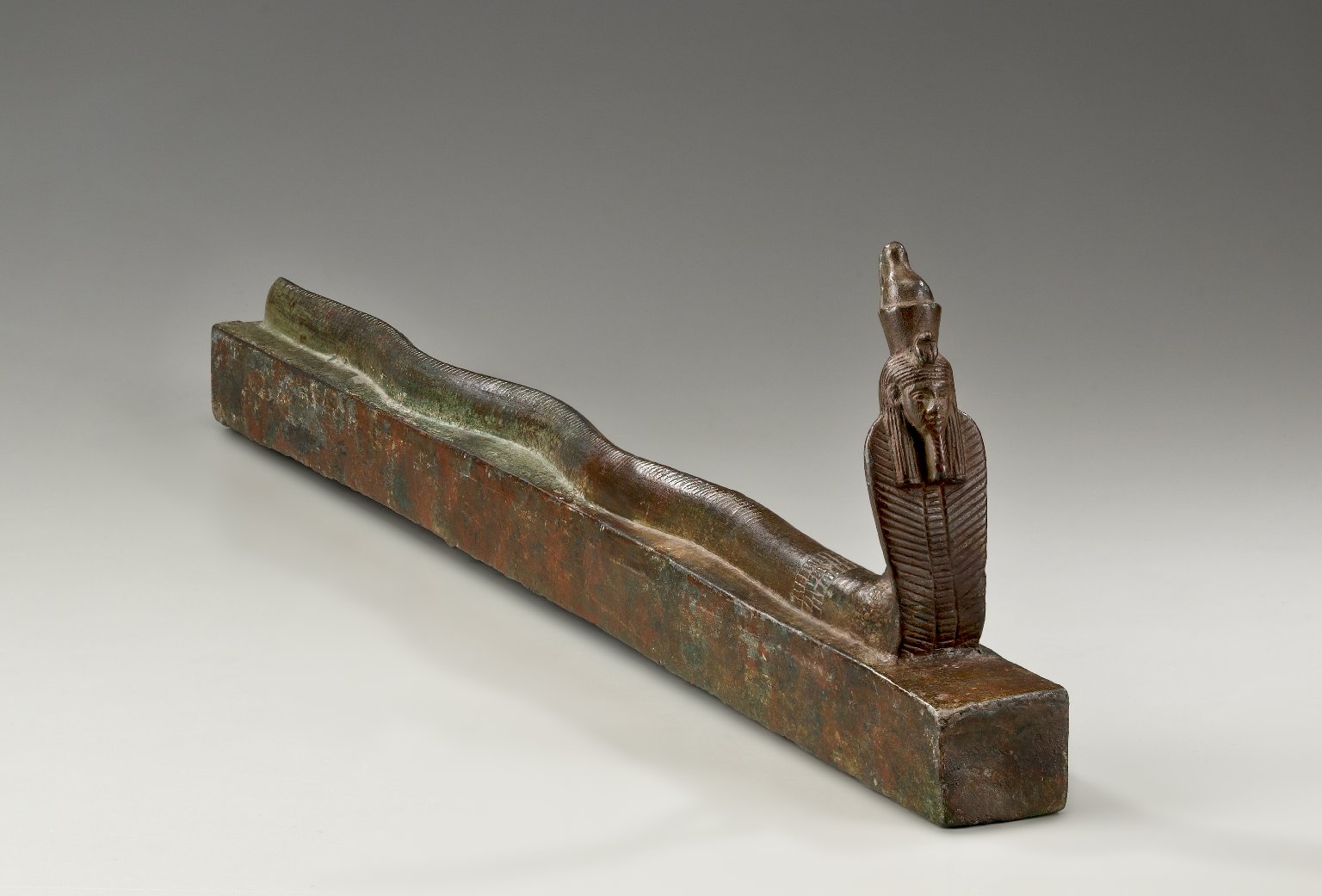
Snake Coffin, 664–30 B.C.E. Bronze, 5 3/4 x 1 7/8 x 22 in. (14.6 x 4.8 x 55.9 cm). Brooklyn Museum, Charles Edwin Wilbour Fund, 36.624. Creative Commons-BY (Photo: Brooklyn Museum (Gavin Ashworth,er), 36.624_Gavin_Ashworth_photograph.jpg)
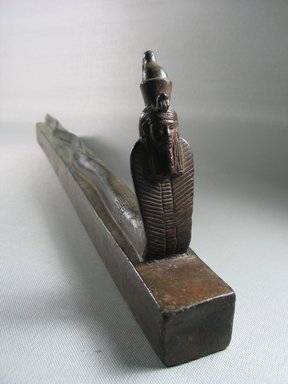
Snake Coffin, 664–30 B.C.E. Bronze, 5 3/4 x 1 7/8 x 22 in. (14.6 x 4.8 x 55.9 cm). Brooklyn Museum, Charles Edwin Wilbour Fund, 36.624. Creative Commons-BY (Photo: Brooklyn Museum, CUR.36.624_view1.jpg)
Snake Coffin, 664–30 B.C.E. Bronze, 5 3/4 x 1 7/8 x 22 in. (14.6 x 4.8 x 55.9 cm). Brooklyn Museum, Charles Edwin Wilbour Fund, 36.624. Creative Commons-BY (Photo: Brooklyn Museum, CUR.36.624_view1_wwgA-1.jpg)
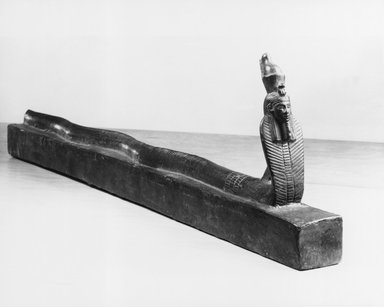
Snake Coffin, 664–30 B.C.E. Bronze, 5 3/4 x 1 7/8 x 22 in. (14.6 x 4.8 x 55.9 cm). Brooklyn Museum, Charles Edwin Wilbour Fund, 36.624. Creative Commons-BY (Photo: Brooklyn Museum, 36.624_print_bw_SL1.jpg)
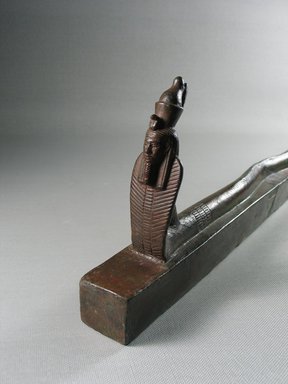
Snake Coffin, 664–30 B.C.E. Bronze, 5 3/4 x 1 7/8 x 22 in. (14.6 x 4.8 x 55.9 cm). Brooklyn Museum, Charles Edwin Wilbour Fund, 36.624. Creative Commons-BY (Photo: Brooklyn Museum, CUR.36.624_view2.jpg)

Snake Coffin, 664–30 B.C.E. Bronze, 5 3/4 x 1 7/8 x 22 in. (14.6 x 4.8 x 55.9 cm). Brooklyn Museum, Charles Edwin Wilbour Fund, 36.624. Creative Commons-BY (Photo: Brooklyn Museum, CUR.36.624_view3.jpg)
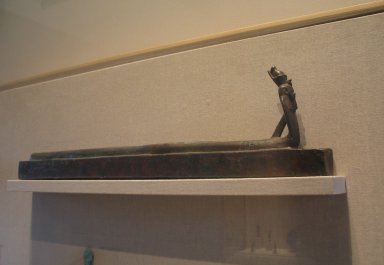
Snake Coffin, 664–30 B.C.E. Bronze, 5 3/4 x 1 7/8 x 22 in. (14.6 x 4.8 x 55.9 cm). Brooklyn Museum, Charles Edwin Wilbour Fund, 36.624. Creative Commons-BY (Photo: Brooklyn Museum, CUR.36.624_view2_wwgA-1.jpg)
Snake Coffin
Egyptian, Classical, Ancient Near Eastern Art