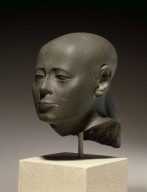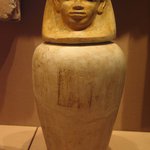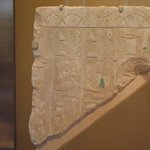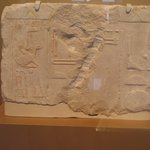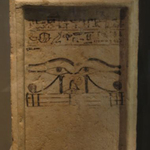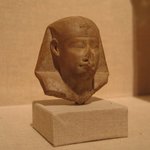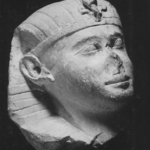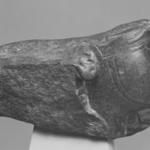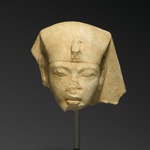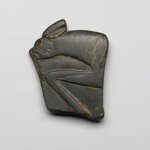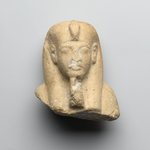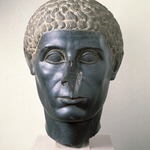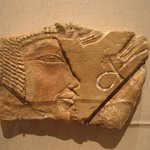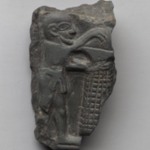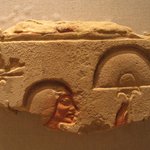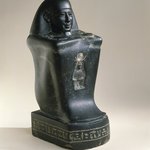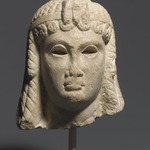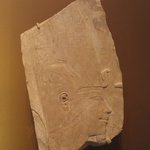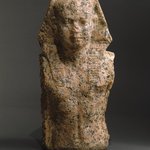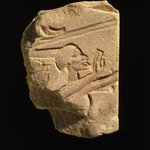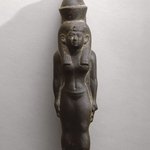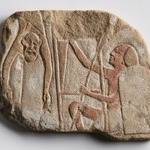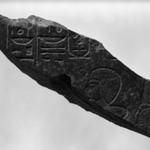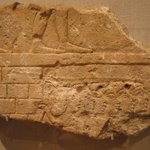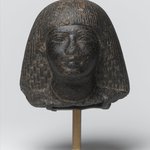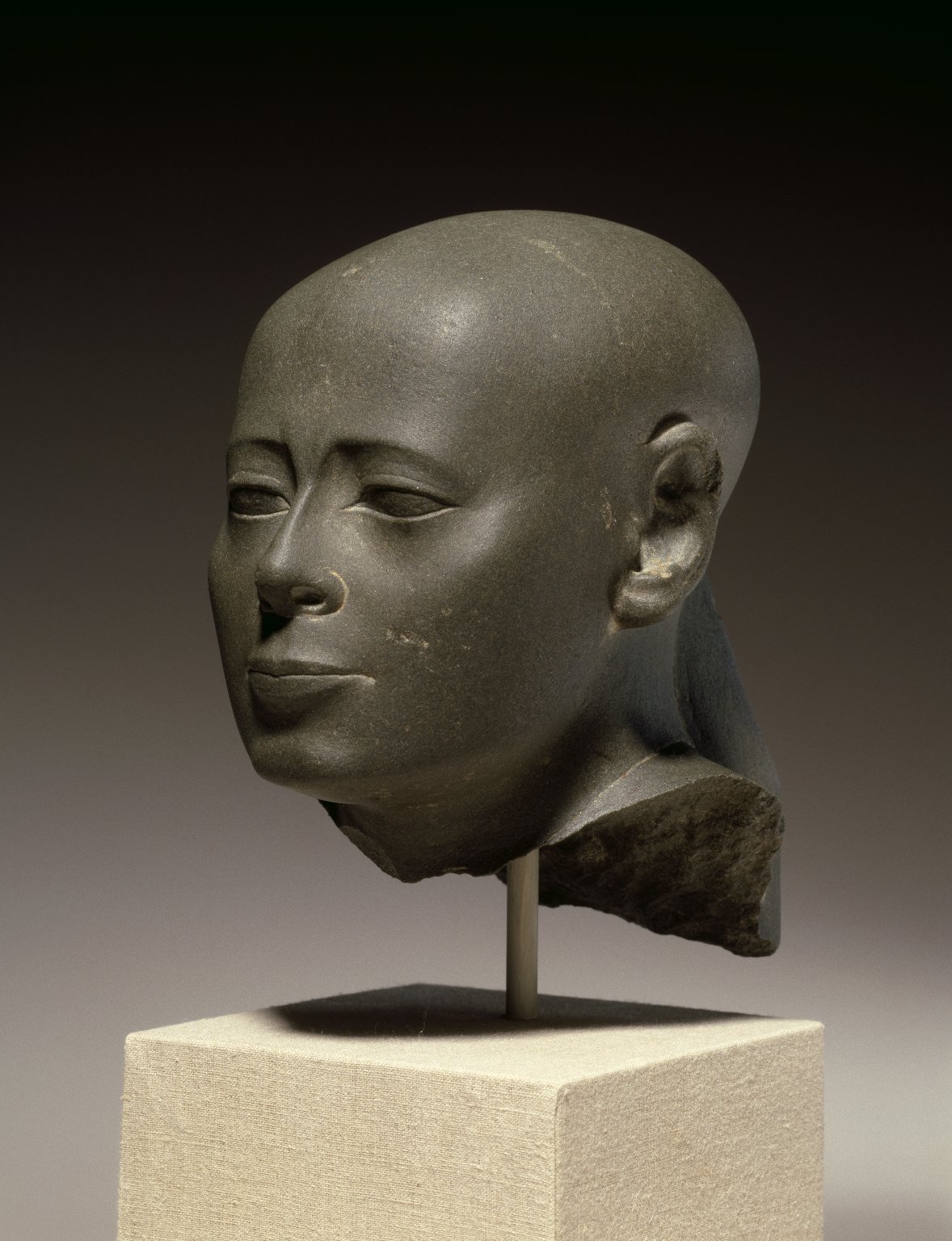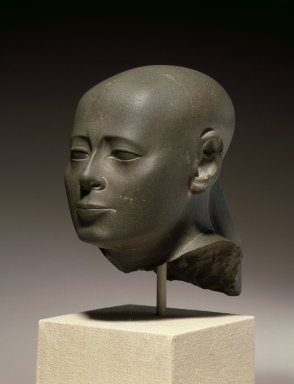
Head of Wesirwer, Priest of Montu, ca. 380–342 B.C.E. Schist, 6 x 3 1/2 x 4 1/2 in. (15.2 x 8.9 x 11.4 cm). Brooklyn Museum, Charles Edwin Wilbour Fund, 55.175. Creative Commons-BY (Photo: Brooklyn Museum, 55.175_SL3.jpg)
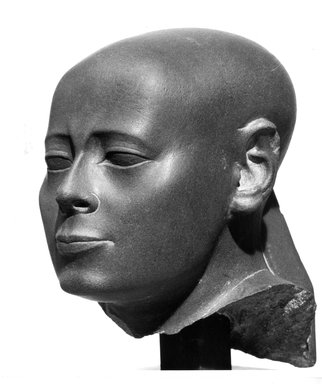
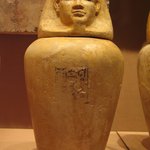
Head of Wesirwer, Priest of Montu, ca. 380–342 B.C.E. Schist, 6 x 3 1/2 x 4 1/2 in. (15.2 x 8.9 x 11.4 cm). Brooklyn Museum, Charles Edwin Wilbour Fund, 55.175. Creative Commons-BY (Photo: Brooklyn Museum, 55.175_NegA_print_SL4.jpg)
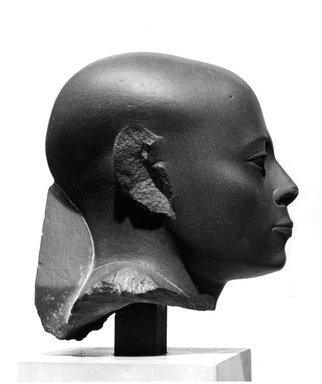
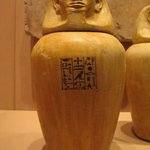
Head of Wesirwer, Priest of Montu, ca. 380–342 B.C.E. Schist, 6 x 3 1/2 x 4 1/2 in. (15.2 x 8.9 x 11.4 cm). Brooklyn Museum, Charles Edwin Wilbour Fund, 55.175. Creative Commons-BY (Photo: Brooklyn Museum, 55.175_NegD_print_SL4.jpg)
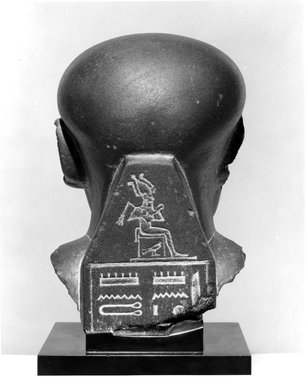
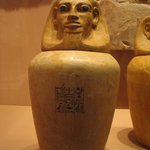
Head of Wesirwer, Priest of Montu, ca. 380–342 B.C.E. Schist, 6 x 3 1/2 x 4 1/2 in. (15.2 x 8.9 x 11.4 cm). Brooklyn Museum, Charles Edwin Wilbour Fund, 55.175. Creative Commons-BY (Photo: Brooklyn Museum, 55.175_NegE_print_SL4.jpg)

Head of Wesirwer, Priest of Montu, ca. 380–342 B.C.E. Schist, 6 x 3 1/2 x 4 1/2 in. (15.2 x 8.9 x 11.4 cm). Brooklyn Museum, Charles Edwin Wilbour Fund, 55.175. Creative Commons-BY (Photo: Brooklyn Museum, CUR.55.175.jpg)
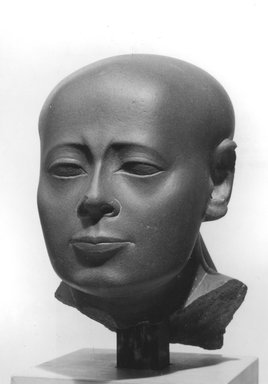
Head of Wesirwer, Priest of Montu, ca. 380–342 B.C.E. Schist, 6 x 3 1/2 x 4 1/2 in. (15.2 x 8.9 x 11.4 cm). Brooklyn Museum, Charles Edwin Wilbour Fund, 55.175. Creative Commons-BY (Photo: Brooklyn Museum, CUR.55.175_NegB_print_bw.jpg)

Head of Wesirwer, Priest of Montu, ca. 380–342 B.C.E. Schist, 6 x 3 1/2 x 4 1/2 in. (15.2 x 8.9 x 11.4 cm). Brooklyn Museum, Charles Edwin Wilbour Fund, 55.175. Creative Commons-BY (Photo: Brooklyn Museum, CUR.55.175_NegC_print_bw.jpg)
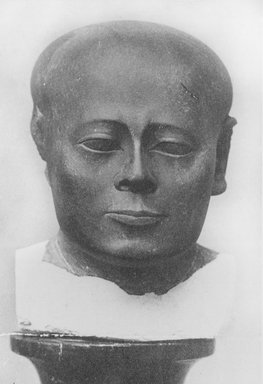
Head of Wesirwer, Priest of Montu, ca. 380–342 B.C.E. Schist, 6 x 3 1/2 x 4 1/2 in. (15.2 x 8.9 x 11.4 cm). Brooklyn Museum, Charles Edwin Wilbour Fund, 55.175. Creative Commons-BY (Photo: Brooklyn Museum, CUR.55.175_NegL265_37_print_bw.jpg)
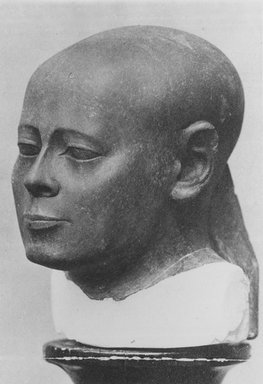
Head of Wesirwer, Priest of Montu, ca. 380–342 B.C.E. Schist, 6 x 3 1/2 x 4 1/2 in. (15.2 x 8.9 x 11.4 cm). Brooklyn Museum, Charles Edwin Wilbour Fund, 55.175. Creative Commons-BY (Photo: Brooklyn Museum, CUR.55.175_NegL265_39_print_bw.jpg)
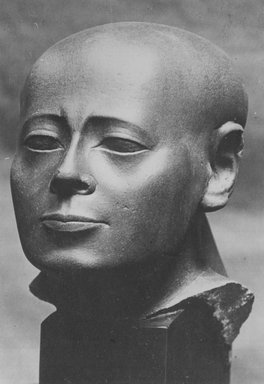
Head of Wesirwer, Priest of Montu, ca. 380–342 B.C.E. Schist, 6 x 3 1/2 x 4 1/2 in. (15.2 x 8.9 x 11.4 cm). Brooklyn Museum, Charles Edwin Wilbour Fund, 55.175. Creative Commons-BY (Photo: Brooklyn Museum, CUR.55.175_NegL265_41_print_bw.jpg)
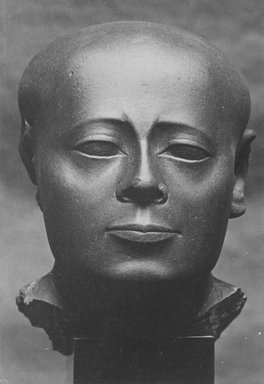
Head of Wesirwer, Priest of Montu, ca. 380–342 B.C.E. Schist, 6 x 3 1/2 x 4 1/2 in. (15.2 x 8.9 x 11.4 cm). Brooklyn Museum, Charles Edwin Wilbour Fund, 55.175. Creative Commons-BY (Photo: Brooklyn Museum, CUR.55.175_NegL265_42_print_bw.jpg)
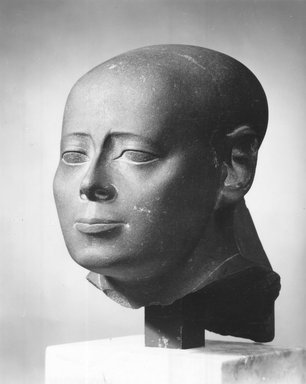
Head of Wesirwer, Priest of Montu, ca. 380–342 B.C.E. Schist, 6 x 3 1/2 x 4 1/2 in. (15.2 x 8.9 x 11.4 cm). Brooklyn Museum, Charles Edwin Wilbour Fund, 55.175. Creative Commons-BY (Photo: Brooklyn Museum, CUR.55.175_NegT_print_bw.jpg)
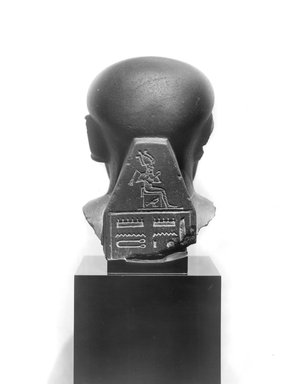
Head of Wesirwer, Priest of Montu, ca. 380–342 B.C.E. Schist, 6 x 3 1/2 x 4 1/2 in. (15.2 x 8.9 x 11.4 cm). Brooklyn Museum, Charles Edwin Wilbour Fund, 55.175. Creative Commons-BY (Photo: Brooklyn Museum, CUR.55.175_NegV_print_bw.jpg)
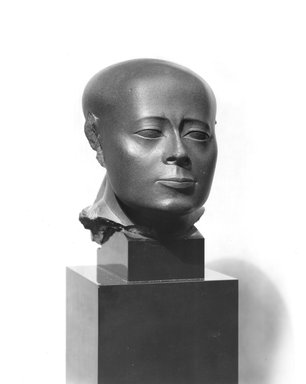
Head of Wesirwer, Priest of Montu, ca. 380–342 B.C.E. Schist, 6 x 3 1/2 x 4 1/2 in. (15.2 x 8.9 x 11.4 cm). Brooklyn Museum, Charles Edwin Wilbour Fund, 55.175. Creative Commons-BY (Photo: Brooklyn Museum, CUR.55.175_NegW_print_bw.jpg)
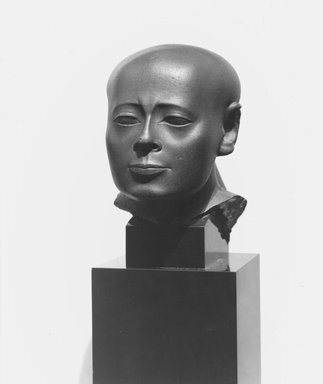
Head of Wesirwer, Priest of Montu, ca. 380–342 B.C.E. Schist, 6 x 3 1/2 x 4 1/2 in. (15.2 x 8.9 x 11.4 cm). Brooklyn Museum, Charles Edwin Wilbour Fund, 55.175. Creative Commons-BY (Photo: Brooklyn Museum, CUR.55.175_NegX_print_bw.jpg)
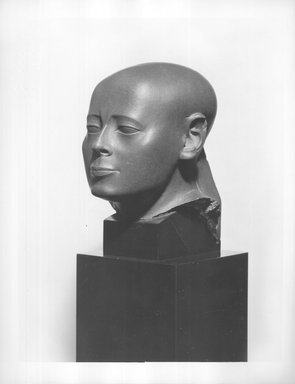
Head of Wesirwer, Priest of Montu, ca. 380–342 B.C.E. Schist, 6 x 3 1/2 x 4 1/2 in. (15.2 x 8.9 x 11.4 cm). Brooklyn Museum, Charles Edwin Wilbour Fund, 55.175. Creative Commons-BY (Photo: Brooklyn Museum, CUR.55.175_NegY_print_bw.jpg)
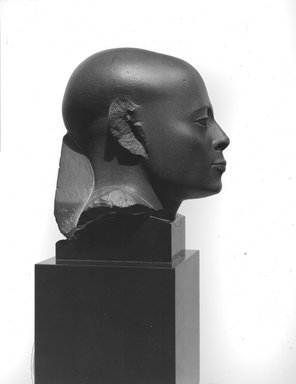
Head of Wesirwer, Priest of Montu, ca. 380–342 B.C.E. Schist, 6 x 3 1/2 x 4 1/2 in. (15.2 x 8.9 x 11.4 cm). Brooklyn Museum, Charles Edwin Wilbour Fund, 55.175. Creative Commons-BY (Photo: Brooklyn Museum, CUR.55.175_NegZ_print_bw.jpg)

Head of Wesirwer, Priest of Montu, ca. 380–342 B.C.E. Schist, 6 x 3 1/2 x 4 1/2 in. (15.2 x 8.9 x 11.4 cm). Brooklyn Museum, Charles Edwin Wilbour Fund, 55.175. Creative Commons-BY (Photo: Brooklyn Museum, CUR.55.175_wwg8.jpg)


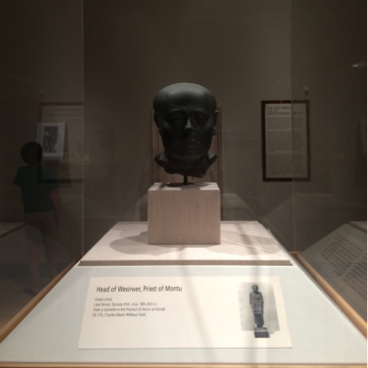
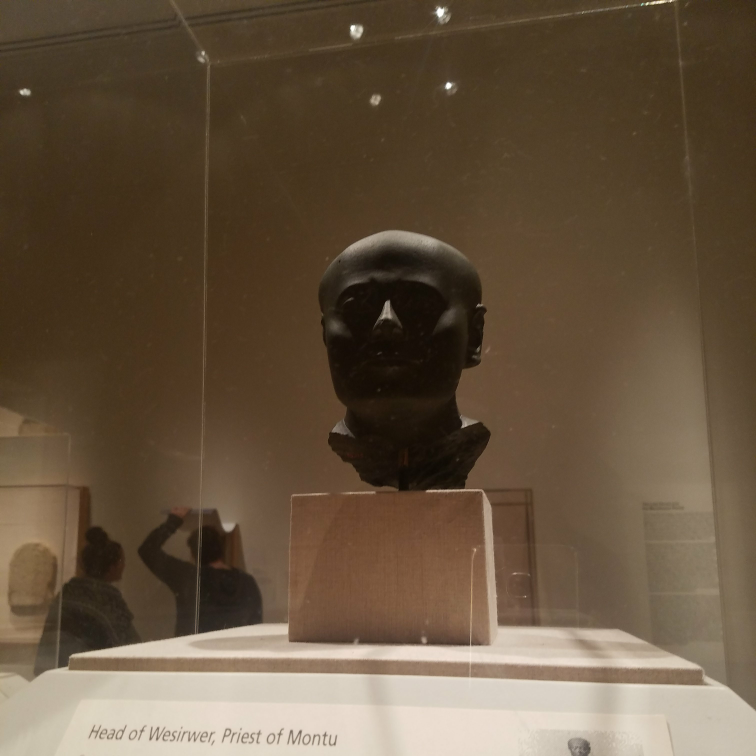
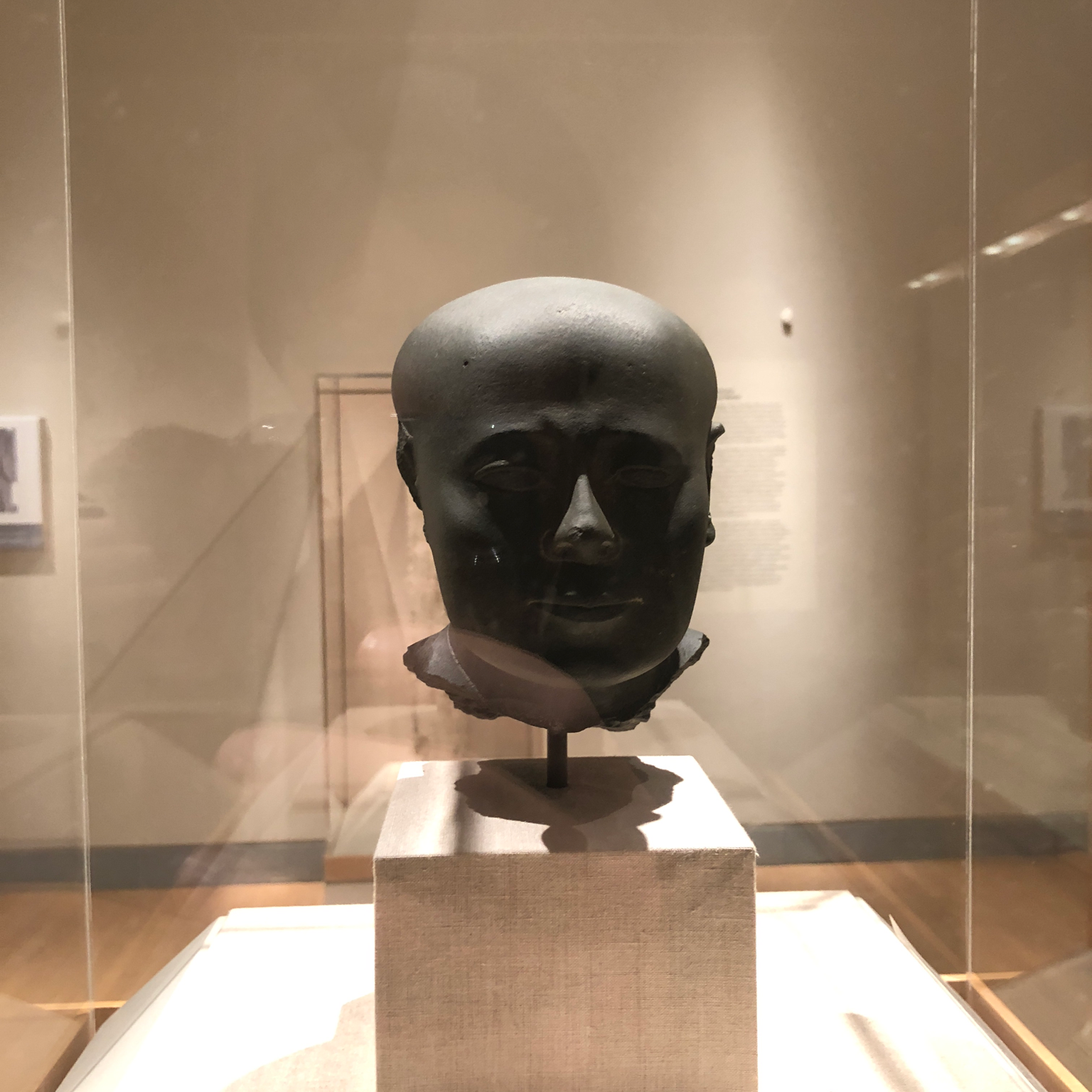
Head of Wesirwer, Priest of Montu
Egyptian, Classical, Ancient Near Eastern Art
On View: 19th Dynasty to Roman Period, Martha A. and Robert S. Rubin Gallery, 3rd Floor
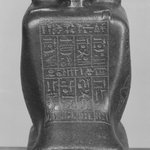
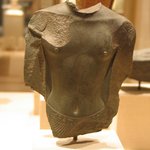
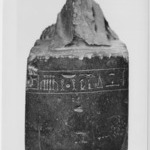
The fragmentary inscription on the dorsal pillar of this head contains a rebus that reveals the owner's name—Wesirwer ("Osiris Is Great")—and part of his title. An inscription on a statue in the Egyptian Museum in Cairo to which the head was originally attached (see photo) reveals that Wesirwer was a priest of the Theban god Montu. On the Cairo statue, Wesirwer holds figures of the Theban divine triad—Amun, king of the gods; Mut, his consort; and Khonsu, their child, a god of the moon. He sports an Achaemenid-, or Persian-, style garment, which had been introduced before Dynasty XXVII (circa 525–404 B.C.), a period of foreign occupation.
The Brooklyn fragment belongs to a group of green-stone heads that combine both conventional and naturalistic facial details. Wesirwer's egg-shaped skull and almond eyes are standard elements of fourth-century works, but the serene gaze is a naturalizing element perhaps evocative of Wesirwer's piety.