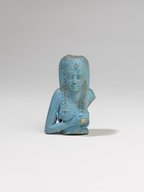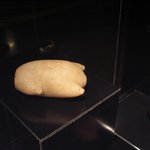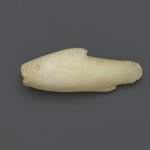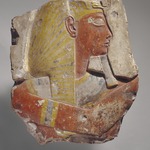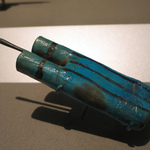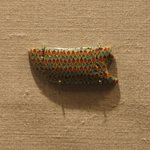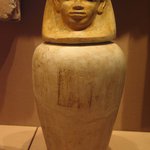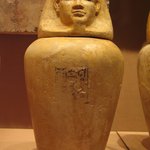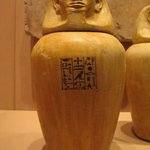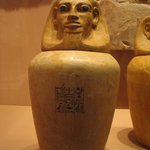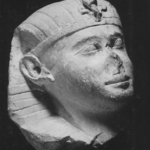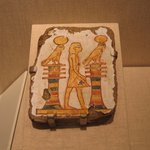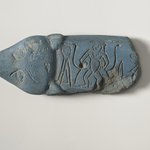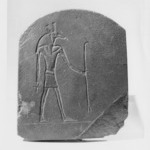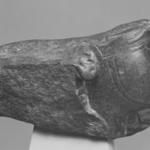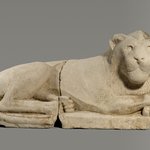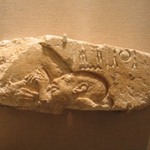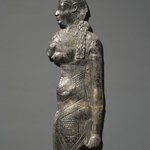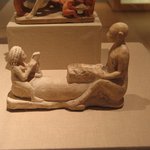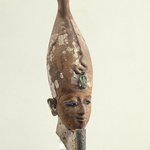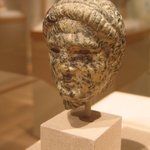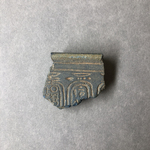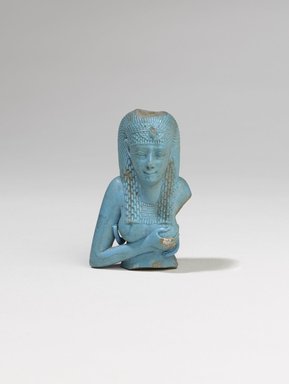
Bust of Isis, 305-30 B.C.E. Egyptian blue frit, 2 3/4 x 1 3/4 x 1 3/8 in. (7 x 4.5 x 3.5 cm). Brooklyn Museum, Charles Edwin Wilbour Fund, 37.332E. Creative Commons-BY (Photo: Brooklyn Museum, 37.332E_PS9.jpg)
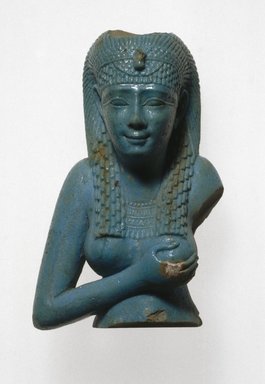
Bust of Isis, 305-30 B.C.E. Egyptian blue frit, 2 3/4 x 1 3/4 x 1 3/8 in. (7 x 4.5 x 3.5 cm). Brooklyn Museum, Charles Edwin Wilbour Fund, 37.332E. Creative Commons-BY (Photo: Brooklyn Museum, 37.332E_SL1.jpg)
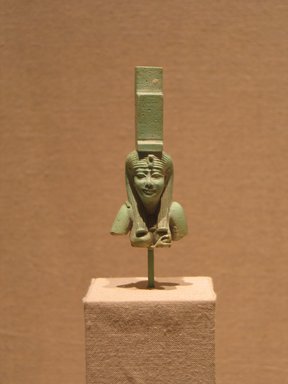
Bust of Isis, 305-30 B.C.E. Egyptian blue frit, 2 3/4 x 1 3/4 x 1 3/8 in. (7 x 4.5 x 3.5 cm). Brooklyn Museum, Charles Edwin Wilbour Fund, 37.332E. Creative Commons-BY (Photo: Brooklyn Museum, wrong_acc%23_CUR.37.332E_wwg8.jpg)

Bust of Isis, 305-30 B.C.E. Egyptian blue frit, 2 3/4 x 1 3/4 x 1 3/8 in. (7 x 4.5 x 3.5 cm). Brooklyn Museum, Charles Edwin Wilbour Fund, 37.332E. Creative Commons-BY (Photo: Brooklyn Museum, 37.332E_back_PS9.jpg)
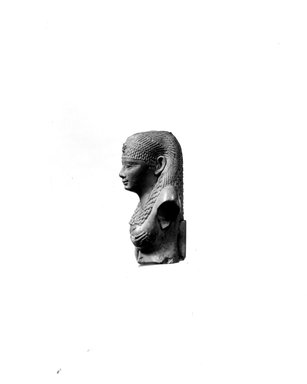
Bust of Isis, 305-30 B.C.E. Egyptian blue frit, 2 3/4 x 1 3/4 x 1 3/8 in. (7 x 4.5 x 3.5 cm). Brooklyn Museum, Charles Edwin Wilbour Fund, 37.332E. Creative Commons-BY (Photo: Brooklyn Museum, 37.332E_NegB_print_SL4.jpg)
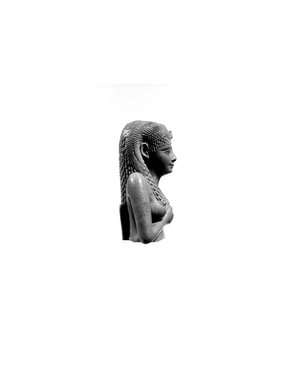
Bust of Isis, 305-30 B.C.E. Egyptian blue frit, 2 3/4 x 1 3/4 x 1 3/8 in. (7 x 4.5 x 3.5 cm). Brooklyn Museum, Charles Edwin Wilbour Fund, 37.332E. Creative Commons-BY (Photo: Brooklyn Museum, 37.332E_NegE_print_SL4.jpg)
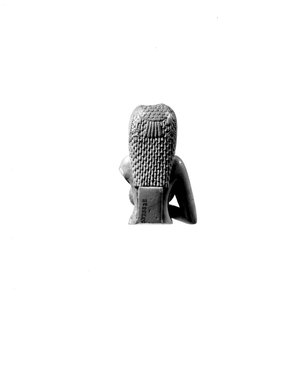
Bust of Isis, 305-30 B.C.E. Egyptian blue frit, 2 3/4 x 1 3/4 x 1 3/8 in. (7 x 4.5 x 3.5 cm). Brooklyn Museum, Charles Edwin Wilbour Fund, 37.332E. Creative Commons-BY (Photo: Brooklyn Museum, 37.332E_NegC_print_SL4.jpg)
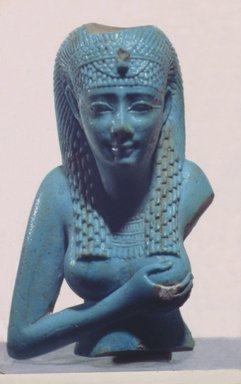
Bust of Isis, 305-30 B.C.E. Egyptian blue frit, 2 3/4 x 1 3/4 x 1 3/8 in. (7 x 4.5 x 3.5 cm). Brooklyn Museum, Charles Edwin Wilbour Fund, 37.332E. Creative Commons-BY (Photo: Brooklyn Museum, CUR.37.332E.jpg)
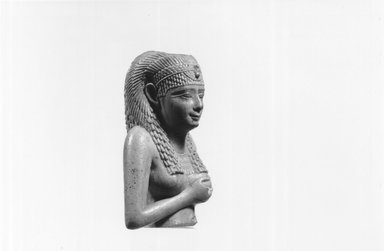
Bust of Isis, 305-30 B.C.E. Egyptian blue frit, 2 3/4 x 1 3/4 x 1 3/8 in. (7 x 4.5 x 3.5 cm). Brooklyn Museum, Charles Edwin Wilbour Fund, 37.332E. Creative Commons-BY (Photo: Brooklyn Museum, CUR.37.332E_NegD_print_bw.jpg)
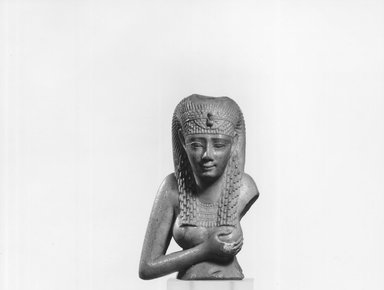
Bust of Isis, 305-30 B.C.E. Egyptian blue frit, 2 3/4 x 1 3/4 x 1 3/8 in. (7 x 4.5 x 3.5 cm). Brooklyn Museum, Charles Edwin Wilbour Fund, 37.332E. Creative Commons-BY (Photo: Brooklyn Museum, CUR.37.332E_NegA_print_bw.jpg)
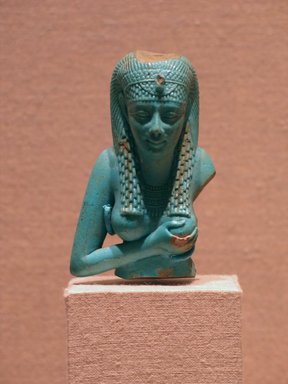
Bust of Isis, 305-30 B.C.E. Egyptian blue frit, 2 3/4 x 1 3/4 x 1 3/8 in. (7 x 4.5 x 3.5 cm). Brooklyn Museum, Charles Edwin Wilbour Fund, 37.332E. Creative Commons-BY (Photo: Brooklyn Museum, CUR.37.332E_wwg8.jpg)


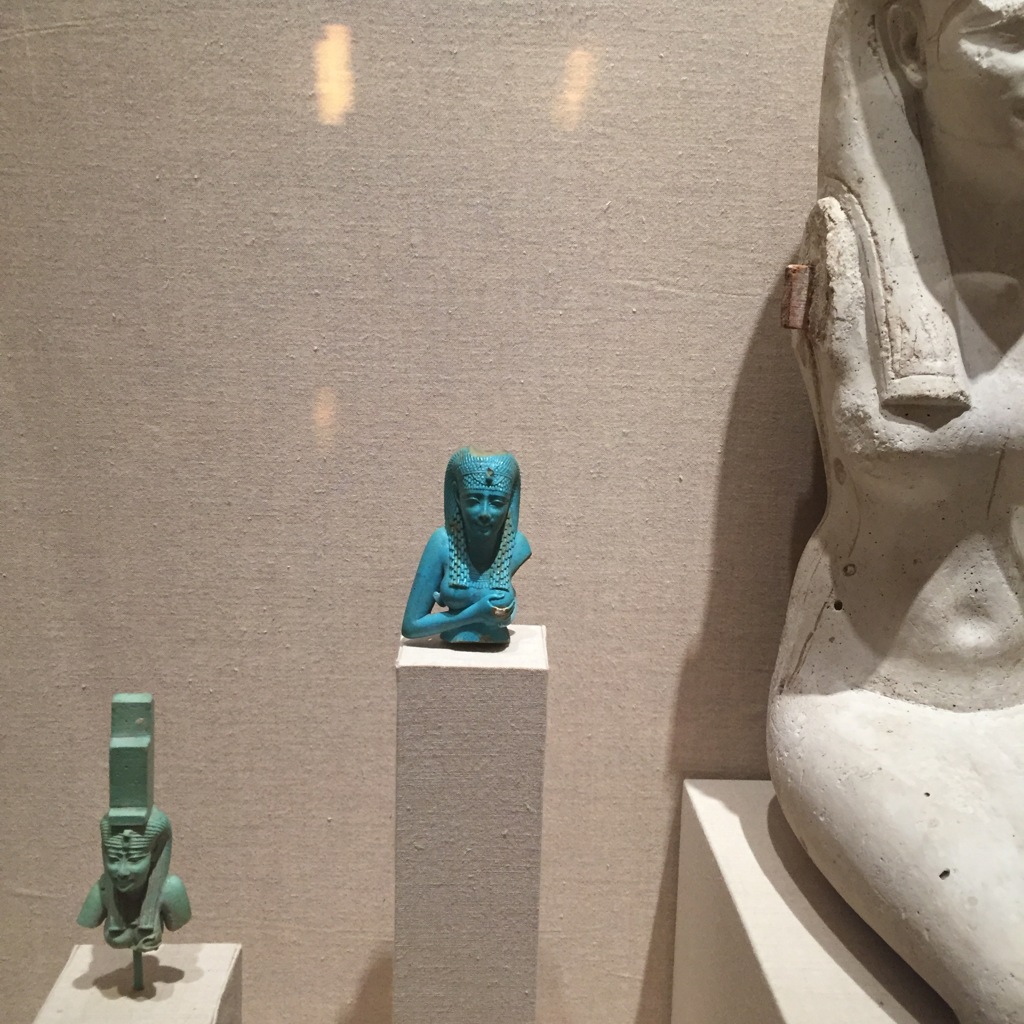
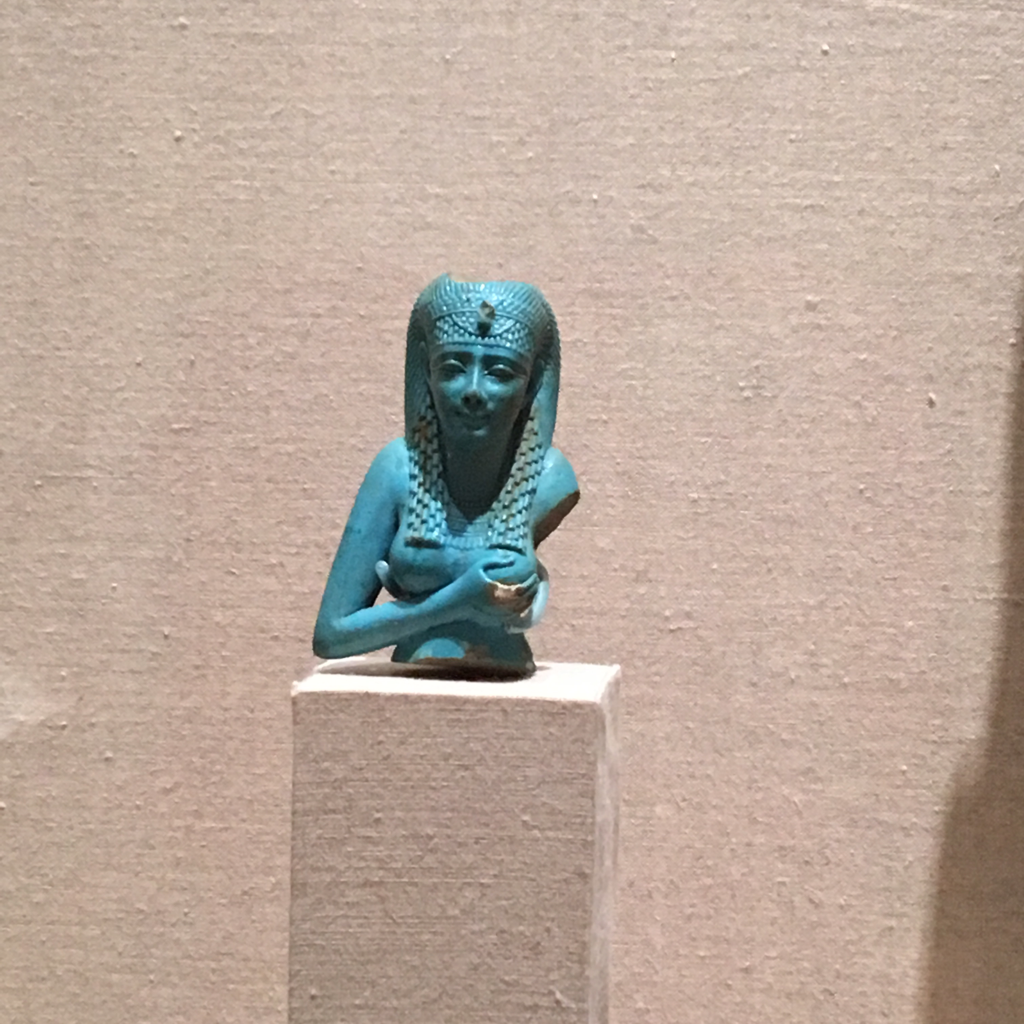
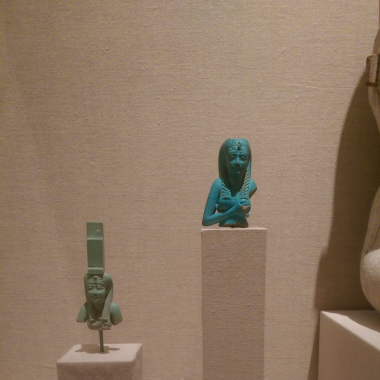

Bust of Isis
Egyptian, Classical, Ancient Near Eastern Art
On View: 19th Dynasty to Roman Period, Martha A. and Robert S. Rubin Gallery, 3rd Floor