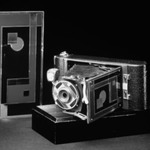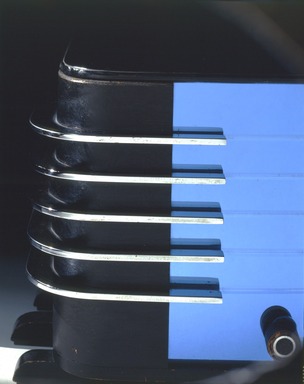
Sparks-Withington Co.. Sparton Table Radio, ca. 1936. Glass, metal, wood, rubber, 8 3/4 x 17 1/2 x 8 3/8 in. (22.2 x 44.5 x 21.3 cm). Brooklyn Museum, Purchased with funds given by the Walter Foundation, 83.158. Creative Commons-BY (Photo: Brooklyn Museum, 83.158_detail_SL4.jpg)
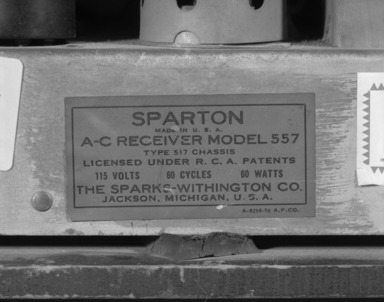
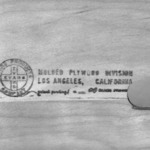
Sparks-Withington Co.. Sparton Table Radio, ca. 1936. Glass, metal, wood, rubber, 8 3/4 x 17 1/2 x 8 3/8 in. (22.2 x 44.5 x 21.3 cm). Brooklyn Museum, Purchased with funds given by the Walter Foundation, 83.158. Creative Commons-BY (Photo: Brooklyn Museum, 83.158_mark_bw.jpg)
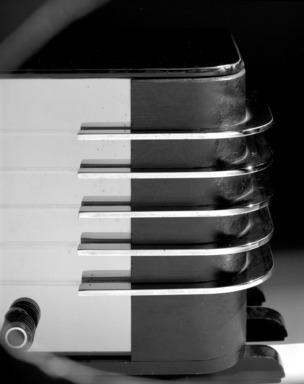
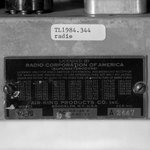
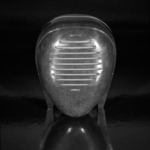
Sparks-Withington Co.. Sparton Table Radio, ca. 1936. Glass, metal, wood, rubber, 8 3/4 x 17 1/2 x 8 3/8 in. (22.2 x 44.5 x 21.3 cm). Brooklyn Museum, Purchased with funds given by the Walter Foundation, 83.158. Creative Commons-BY (Photo: Brooklyn Museum, 83.158_detail_bw.jpg)
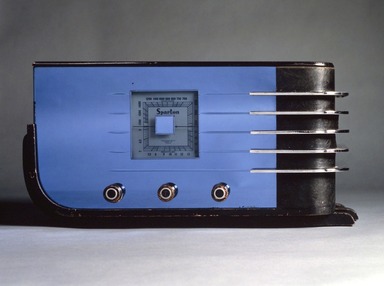
Sparks-Withington Co.. Sparton Table Radio, ca. 1936. Glass, metal, wood, rubber, 8 3/4 x 17 1/2 x 8 3/8 in. (22.2 x 44.5 x 21.3 cm). Brooklyn Museum, Purchased with funds given by the Walter Foundation, 83.158. Creative Commons-BY (Photo: Brooklyn Museum, 83.158_transp3685.jpg)
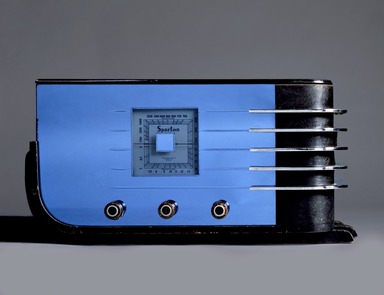
Sparks-Withington Co.. Sparton Table Radio, ca. 1936. Glass, metal, wood, rubber, 8 3/4 x 17 1/2 x 8 3/8 in. (22.2 x 44.5 x 21.3 cm). Brooklyn Museum, Purchased with funds given by the Walter Foundation, 83.158. Creative Commons-BY (Photo: , 83.158_SL3.jpg)
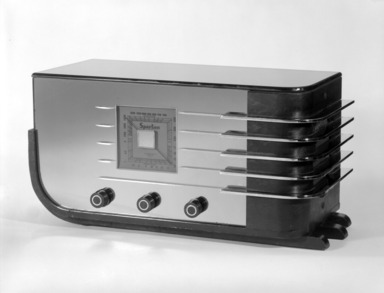
Sparks-Withington Co.. Sparton Table Radio, ca. 1936. Glass, metal, wood, rubber, 8 3/4 x 17 1/2 x 8 3/8 in. (22.2 x 44.5 x 21.3 cm). Brooklyn Museum, Purchased with funds given by the Walter Foundation, 83.158. Creative Commons-BY (Photo: Brooklyn Museum, 83.158_bw.jpg)


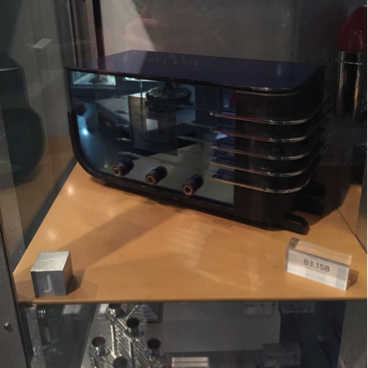
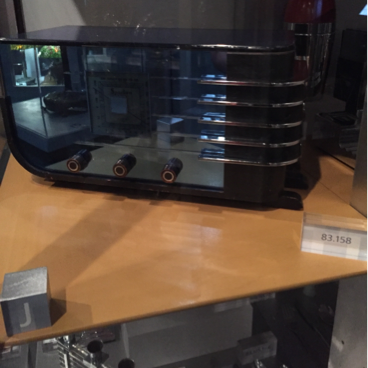
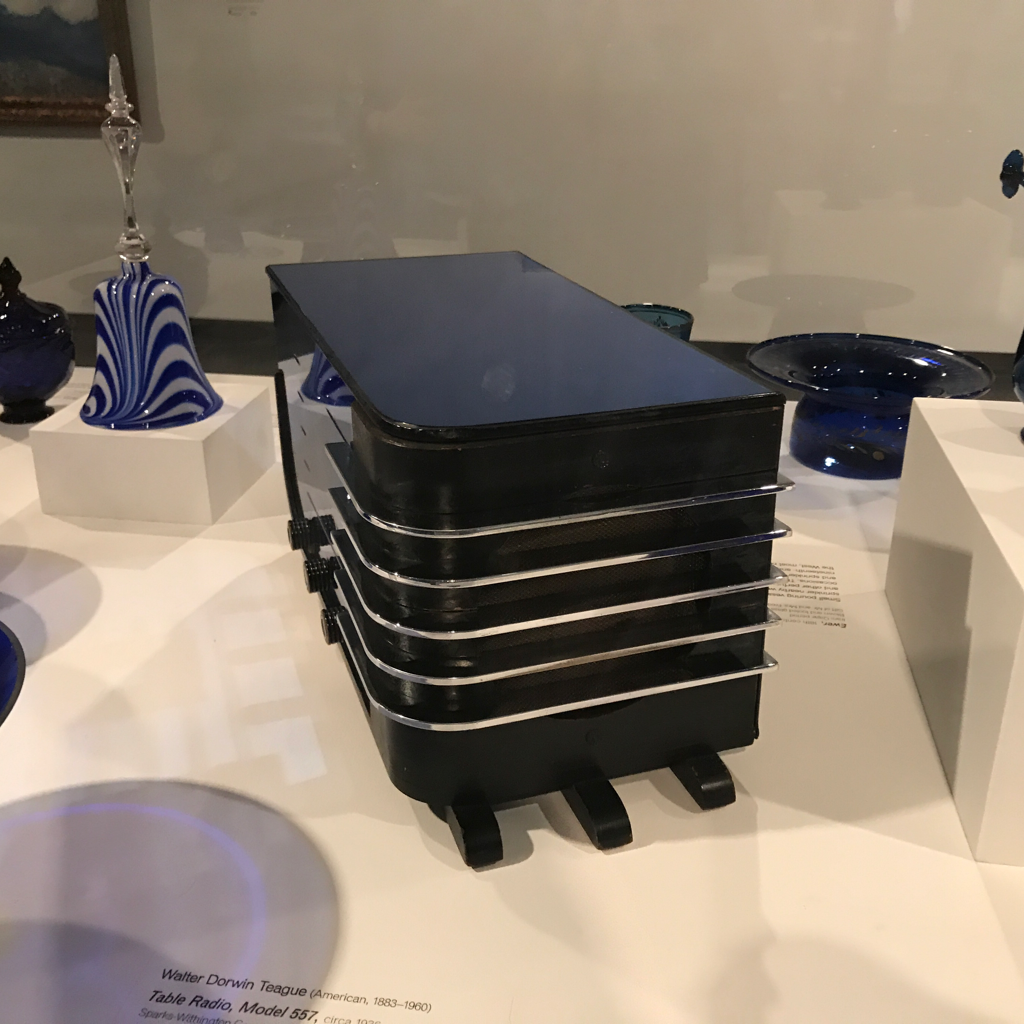
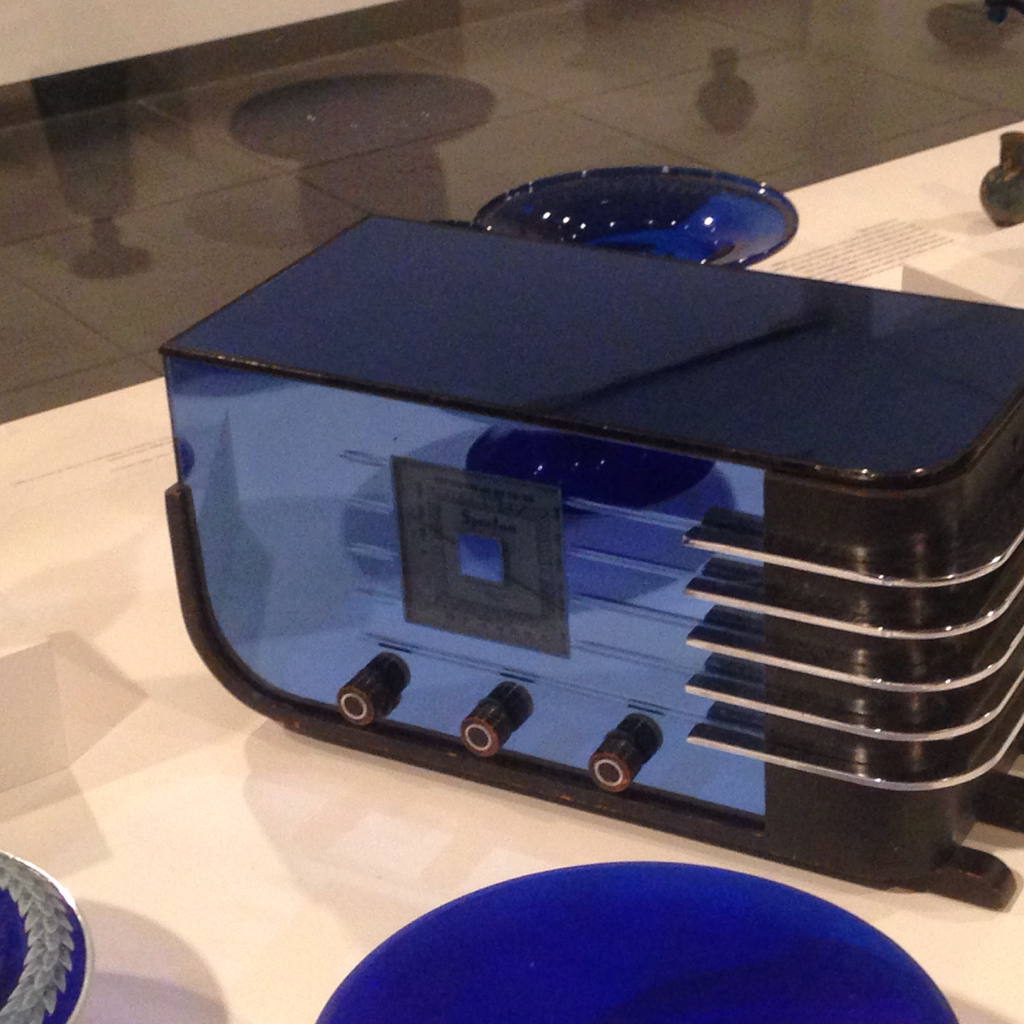
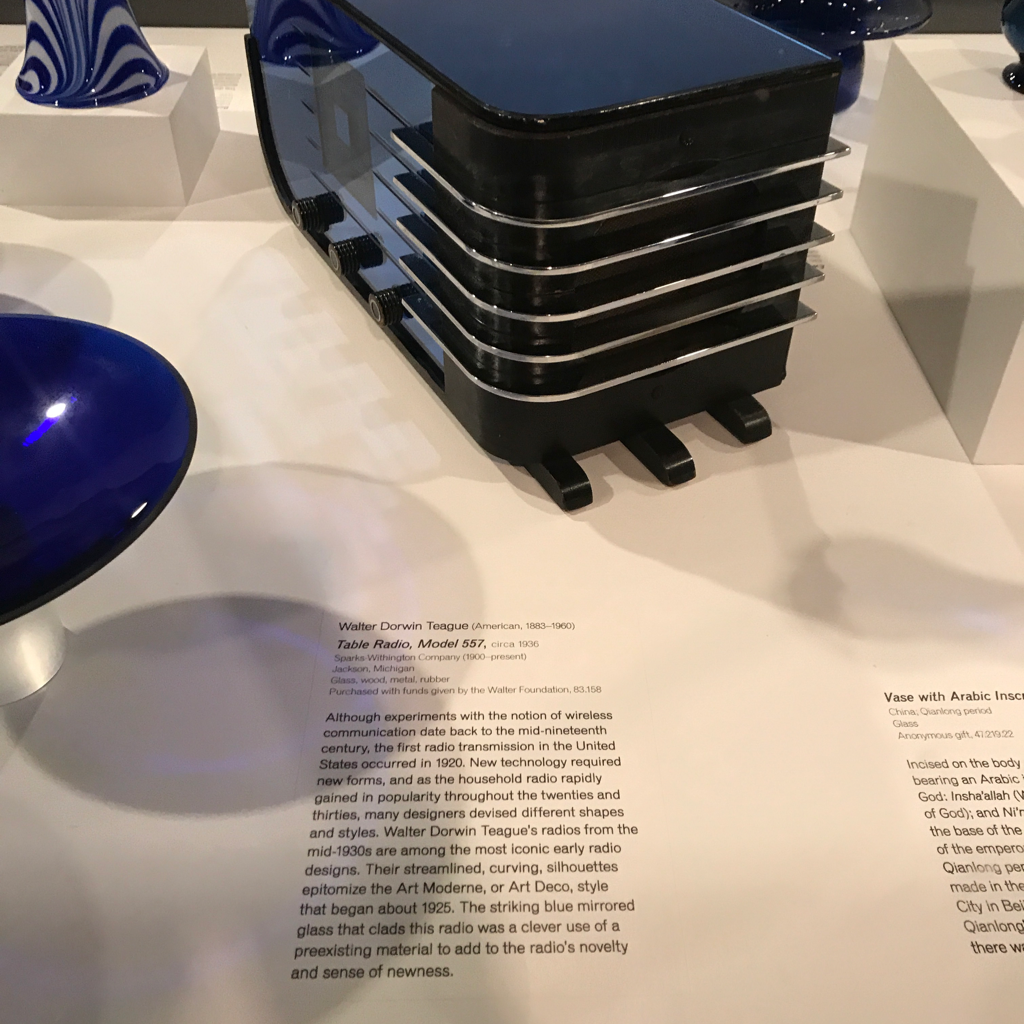
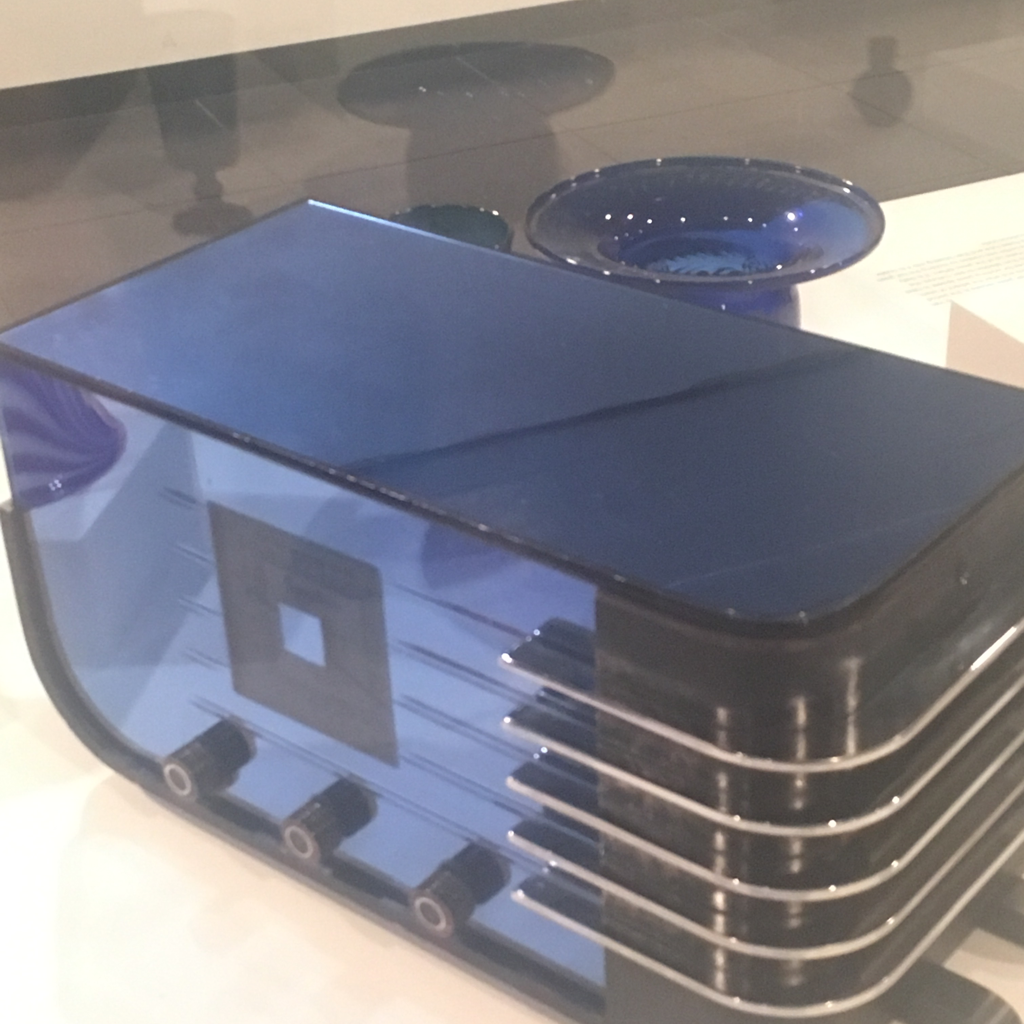
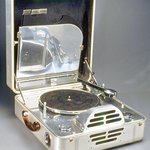
Sparton Table Radio
Decorative Arts and Design
On View: Decorative Art, 20th-Century Decorative Arts, 4th Floor





![Recto: [Untitled] (Man in Boat)
Verso: [Untitled] (Beach Scene)](https://d1lfxha3ugu3d4.cloudfront.net/images/opencollection/objects/size2_sq/1999.143a_SL1.jpg)