At the behest of Creative Time Kara E. Walker has confected: A Subtlety or the Marvelous Sugar Baby: an Homage to the unpaid and overworked Artisans who have refined our Sweet tastes from the cane fields to the Kitchens of the New world on the Occasi
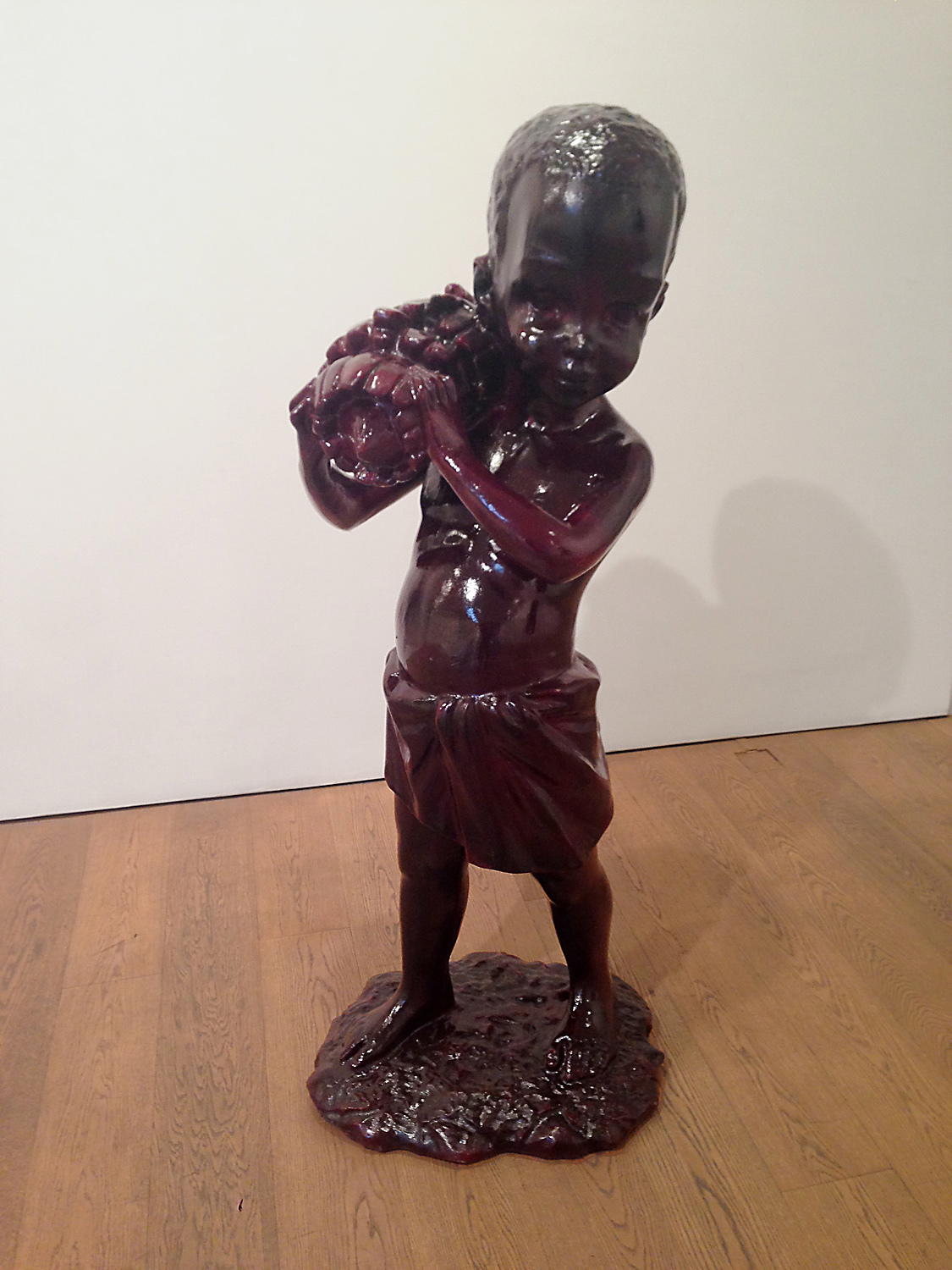
Courtesy of Sikkema Jenkins
Caption
Kara Walker (American, born 1969). At the behest of Creative Time Kara E. Walker has confected: A Subtlety or the Marvelous Sugar Baby: an Homage to the unpaid and overworked Artisans who have refined our Sweet tastes from the cane fields to the Kitchens of the New world on the Occasi, 2014. Cast pigmented polyester resin with polyurethane coating, molasses and brown sugar, 59 1/2 x 20 x 19 in., 35 lb. (151.1 x 50.8 x 48.3 cm, 15.88kg). Collection of Stephanie and Tim Ingrassia, L2015.2. © Kara Walker. (Photo: Courtesy of Sikkema Jenkins)
Gallery
Not on view
Collection
Gallery
Not on view
Collection
Artist
Title
At the behest of Creative Time Kara E. Walker has confected: A Subtlety or the Marvelous Sugar Baby: an Homage to the unpaid and overworked Artisans who have refined our Sweet tastes from the cane fields to the Kitchens of the New world on the Occasi
Date
2014
Medium
Cast pigmented polyester resin with polyurethane coating, molasses and brown sugar
Classification
Dimensions
59 1/2 x 20 x 19 in., 35 lb. (151.1 x 50.8 x 48.3 cm, 15.88kg)
Credit Line
Collection of Stephanie and Tim Ingrassia
Accession Number
L2015.2
Rights
© Kara Walker
The Brooklyn Museum holds a non-exclusive license to reproduce images of this work of art from the rights holder named here. The Museum does not warrant that the use of this work will not infringe on the rights of third parties. It is your responsibility to determine and satisfy copyright or other use restrictions before copying, transmitting, or making other use of protected items beyond that allowed by "fair use," as such term is understood under the United States Copyright Act. For further information about copyright, we recommend resources at the United States Library of Congress, Cornell University, Copyright and Cultural Institutions: Guidelines for U.S. Libraries, Archives, and Museums, and Copyright Watch. If you have any information regarding this work and rights to it, please contact copyright@brooklynmuseum.org. If you wish to contact the rights holder for this work, please email copyright@brooklynmuseum.org and we will assist if we can.
Frequent Art Questions
What's the meaning of "Curio" in Kara Walker's work?
A "curio" is a trinket or small interesting object, often from another culture. She was thinking about small porcelain figurines that Europeans would have collected and displayed in their homes in the 18th-19th centuries -- but here she's making the boy very large, of course, and bringing out the complicated history of the sugar trade that Europeans benefited from. "Curio" also references the fact that Walker based this sculpture on a specific desktop curio that she found online. It's a scaled-up version of that object.It is real sugar?
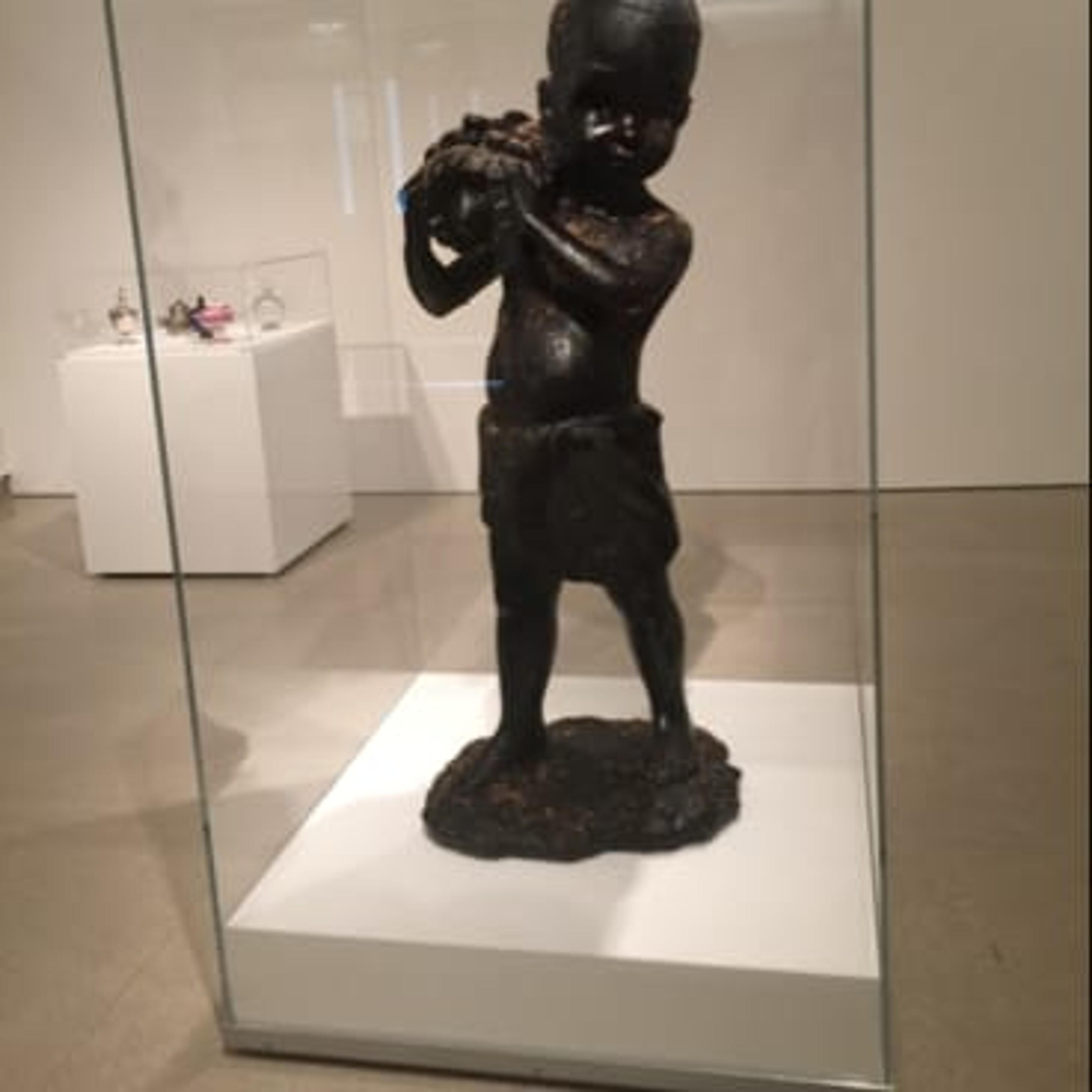 The sculpture itself is made out of resin, but those little brown speckles you see are real brown sugar that has been coated on the sculpture.The original version or this sculpture WAS made out of sugar and was installed in the old Domino Sugar Factory in Brooklyn last summer!
Can you tell me more about the sugar industry and its history?
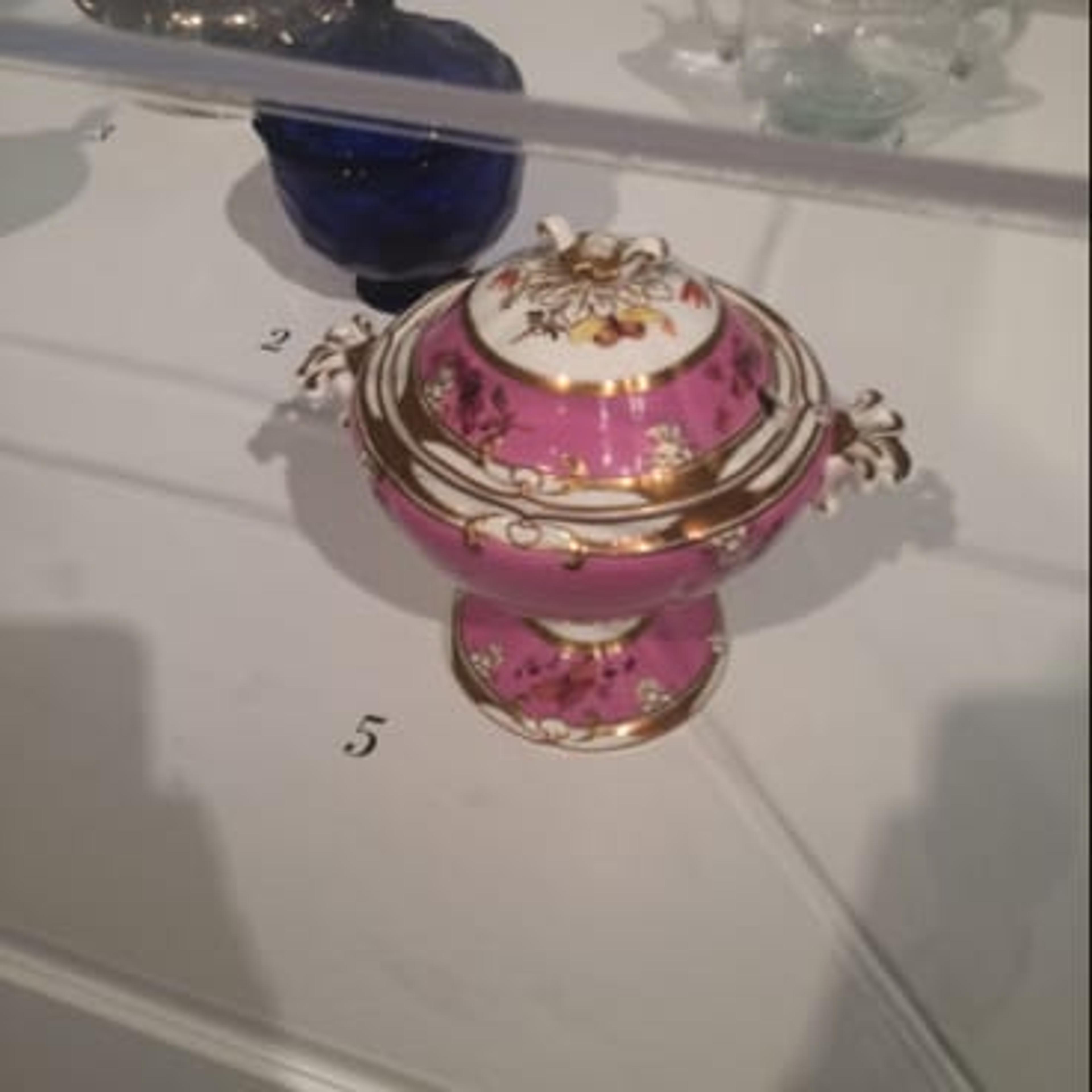 Most sugar production was done on cane plantations in the Caribbean and Brazil, and the plantations were worked on by slaves. That's the general, broad-sweeping overview of the history of the sugar industry. Wealthy Europeans and American land-owners profited off of the slave-labor and the increasing global demand for sugar.There is another tea set in this room which shows a teapot from 1876 in this room with a Chinese man's head and a sugar bowl with a Black man's head on the lid. The connection between sugar production and slavery was inherent and clear.Okay, thank you! That helps a lot and totally makes sense. I felt like I didn't really understand the ways in which the industry functioned and for how long etc. but I think it makes more sense now that it was slave labor that made it so exploitative.Kara Walker's work is incredible at addressing the cruelty of slavery. I wish we had her silhouette works on view, but they're currently not up. There's a really powerful painting in the American Art galleries (also on the 5th floor) that shows a family riding on a horse escaping slave conditions in the south. The artist Eastman Johnson saw the scene first-hand and was so emotionally moved he created the painting. It's called "A Ride for Liberty."
Have information?
Have information about an artwork? Contact us at