Desk


1 of 4
Object Label
Caption
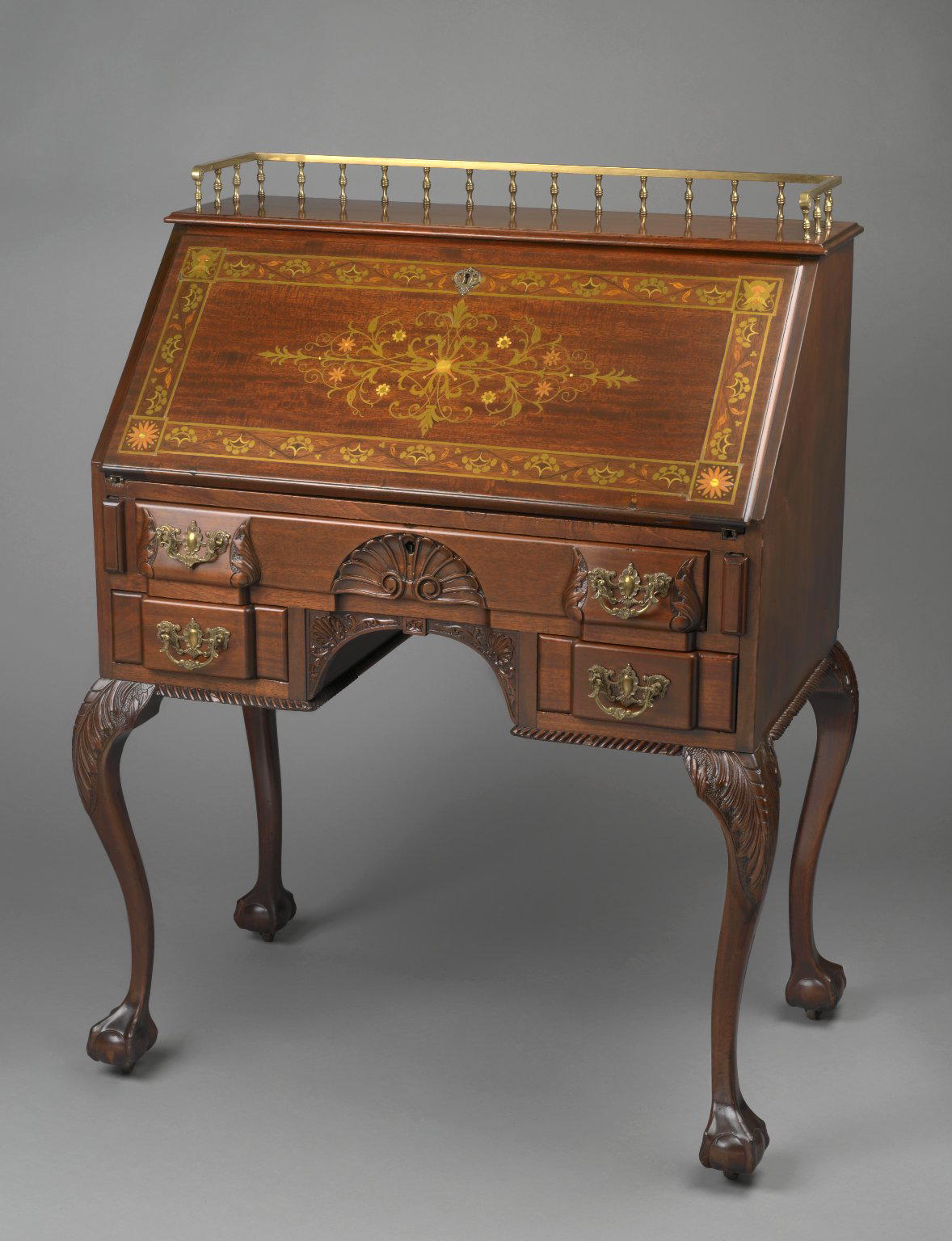
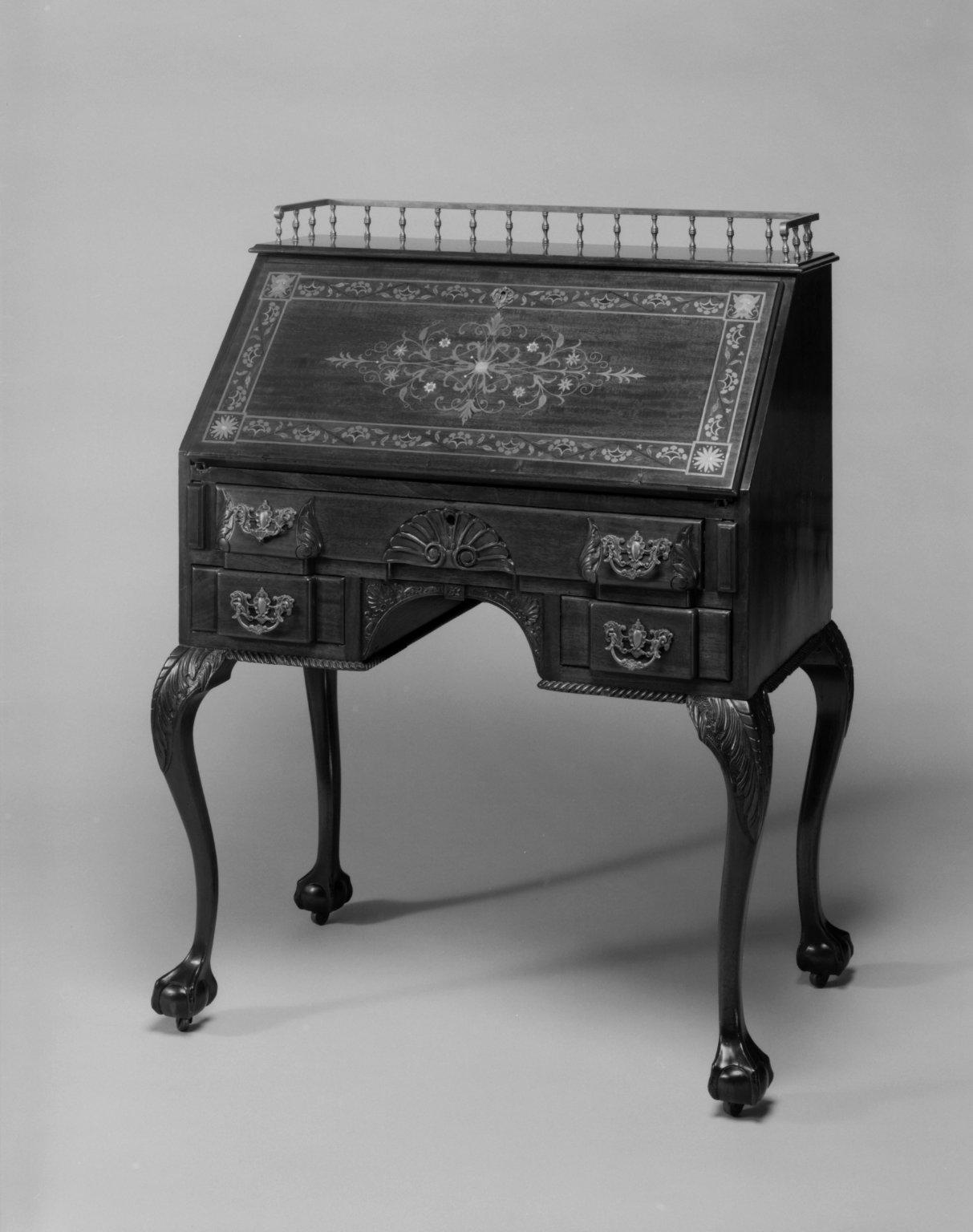
R. J. Horner. Desk, 1890–1895. Various woods, various metals, mother-of-pearl inlay, brass hardware, 42 3/4 x 32 x 19 3/4 in. (108.6 x 81.25 x 50.15 cm). Brooklyn Museum, Alfred T. and Caroline S. Zoebisch Fund, 1993.156. (Photo: Brooklyn Museum)
Gallery
Not on view
Collection
Gallery
Not on view
Collection
Maker
Title
Desk
Date
1890–1895
Geography
Place made: New York, New York, United States
Medium
Various woods, various metals, mother-of-pearl inlay, brass hardware
Classification
Dimensions
42 3/4 x 32 x 19 3/4 in. (108.6 x 81.25 x 50.15 cm)
Markings
Embossed plate screwed into top center of back of desk: "FROM / R. J. HORNER & CO. / FURNITURE MAKERS, / 61, 63 & 65 West 23rd St., N.Y." Impressed above embossed plate: "68" or "89"
Credit Line
Alfred T. and Caroline S. Zoebisch Fund
Accession Number
1993.156
Have information?
Have information about an artwork? Contact us at