The Awakening
Maurice Sterne
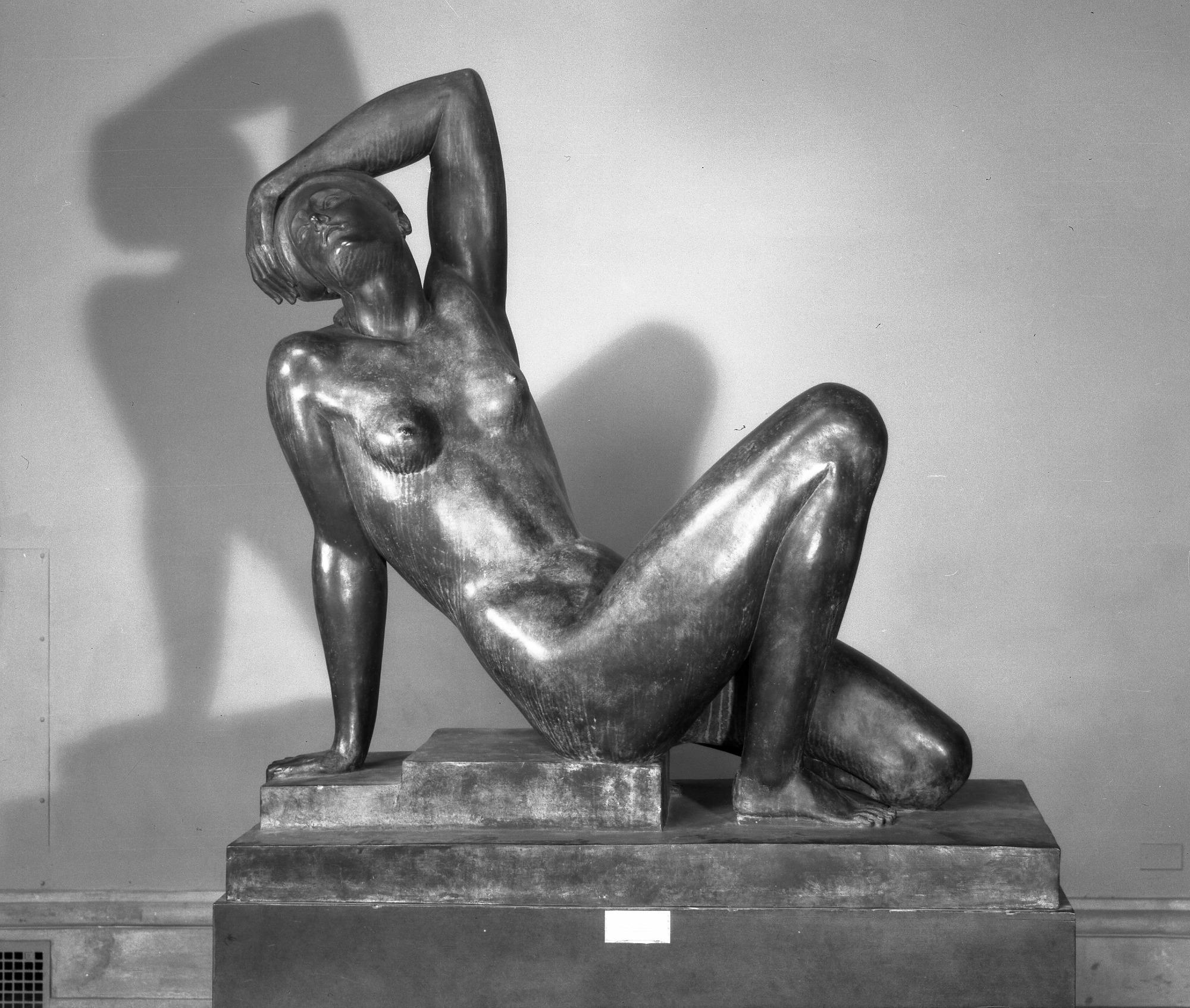
Brooklyn Museum photograph
Object Label
In the wake of World War I, many artists in the United States and Europe abandoned modernist experiments with fractured human form to celebrate the idealized human body in ways that signaled postwar recovery and liberation. Maurice Sterne, who had experimented with modernism after encountering the work of Pablo Picasso and Henri Matisse in Paris from 1904 to 1907, also took a more idealized direction in The Awakening.
The figure, based in part on the nudes of Michelangelo, shows sleek, modern proportions that blend classical art and a then-fashionable slim and athletic modern body type. This type of physique is a hallmark of the twenties style, as is the figure’s “strange combination of the masculine, feminine, and child,” as Sterne himself described it.
The figure, based in part on the nudes of Michelangelo, shows sleek, modern proportions that blend classical art and a then-fashionable slim and athletic modern body type. This type of physique is a hallmark of the twenties style, as is the figure’s “strange combination of the masculine, feminine, and child,” as Sterne himself described it.
Caption
Maurice Sterne (American, born Latvia, 1877–1957). The Awakening, ca. 1926. Bronze, 65 1/2 x 62 x 26 in. (166.4 x 157.5 x 66 cm). Brooklyn Museum, Gift of Adolph Lewisohn, 26.157. (Photo: Brooklyn Museum)
Gallery
Not on view
Collection
Gallery
Not on view
Collection
Artist
Title
The Awakening
Date
ca. 1926
Medium
Bronze
Classification
Dimensions
65 1/2 x 62 x 26 in. (166.4 x 157.5 x 66 cm)
Credit Line
Gift of Adolph Lewisohn
Accession Number
26.157
Frequent Art Questions
What is this?
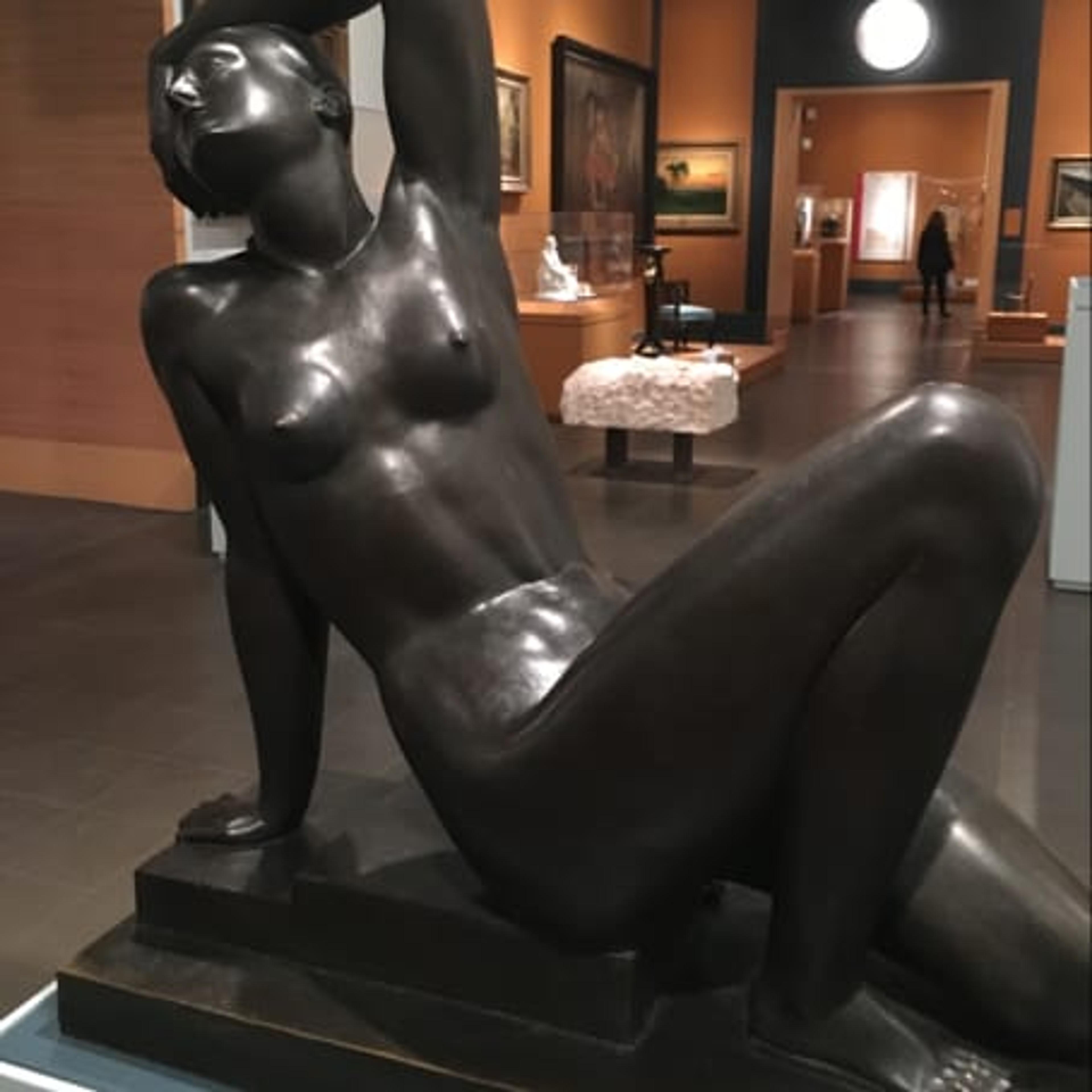 That is "The Awakening" by Maurice Sterne, dating from 1926.The awakening from what or to what?Sterne lived a bohemian life in Paris, where he first saw the art of Cézanne and other French modernists at the Salons d’Automne. He then traveled through Europe, to India and the Far East, and returned to New York in 1915.He may have made this sculpture in response to the end of World War I, so it could be interpreted as waking up from the horrors of the War. Writers at the time also suggested it was in reference to the awakening of the modern woman.
Tell me more.
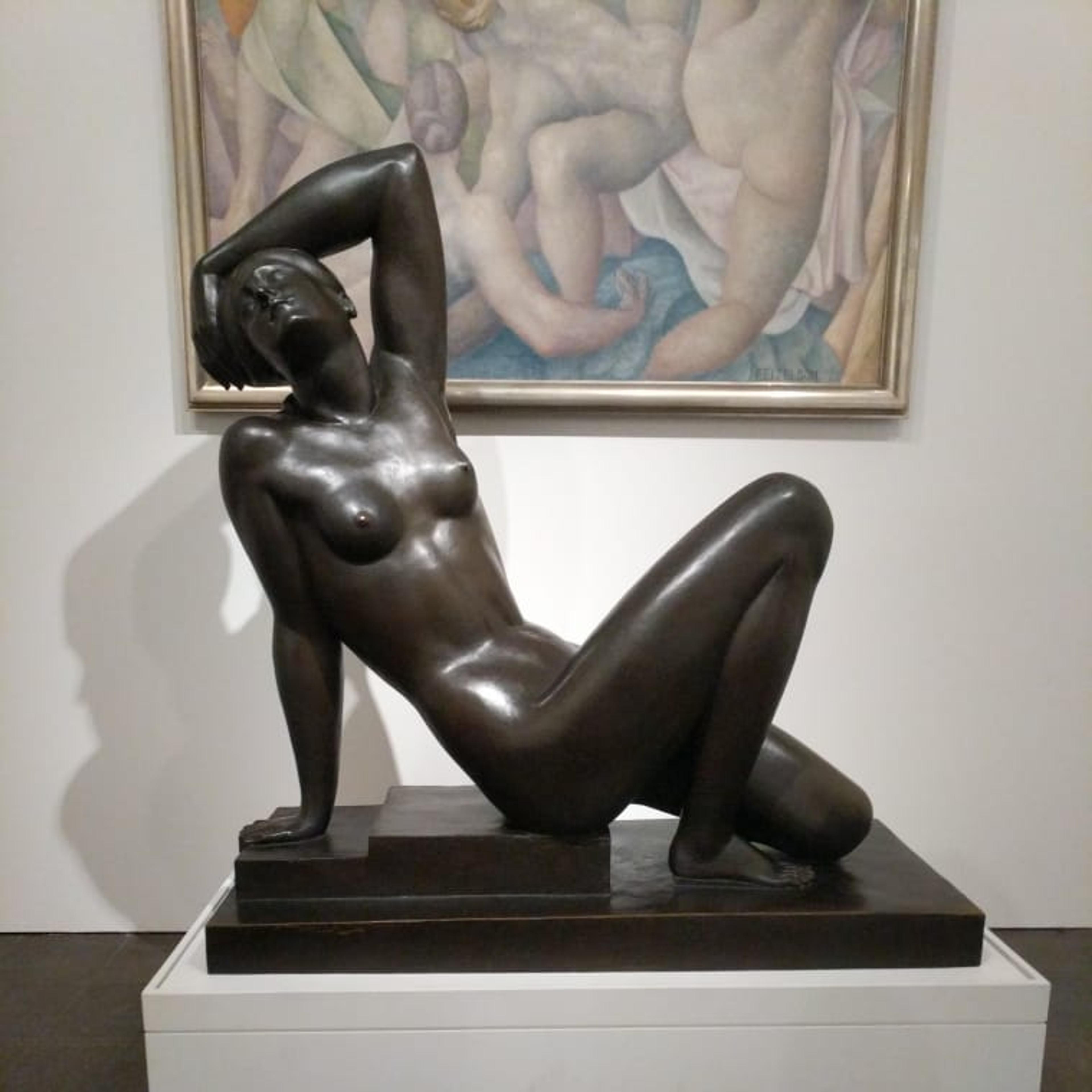 Maurice Sterne was an American painter and sculptor active during the first half of the twentieth century. Starting his career as a painter, Sterne began experimenting in three dimensions after a colleague commented on a sculptural quality in his draftsmanship. He translated into sculpture a modern aesthetic more commonly found in painting of the period.Here, we see an allegorical figure representing women's liberation efforts in the 1920's.
Would this statue be considered idealized?
"The Awakening" is idealized in the sense that it constitutes an allegorical figure. This woman, awakening from a metaphorical slumber, symbolizes the women's liberation movement of the 1920's.
Have information?
Have information about an artwork? Contact us at