Razor
ca. 1539–1292 B.C.E.
1 of 3
Object Label
The various Egyptian terms for amulets derive from verbs meaning “to protect.” Worn as jewelry or placed inside mummy wrappings, amulets protected the living and the dead from any possible impairment or harm. Some amulets in the shape of a body part guarded the part they represented or its efficacy. Others provided magical security by alluding to specific myths about body parts of a god and perhaps functioned to replace certain damaged organs so that the body would be fit for the afterlife.
Funerary texts prescribed specific materials and colors believed to have magical properties for many amulets. For instance, green and blue, the colors of cyclically renewed vegetation, water, and sky, symbolized resurrection and rebirth. Red signified the power and energy of the solar force as well as the danger and chaos of the desert.
Although semiprecious stones often bolstered a particular aspect of each amulet’s magical power, the color itself was deemed extremely important. Thus, colored glass and various hues and glazes of faience were frequently used as more affordable substitutes for the costly stone.
Funerary texts prescribed specific materials and colors believed to have magical properties for many amulets. For instance, green and blue, the colors of cyclically renewed vegetation, water, and sky, symbolized resurrection and rebirth. Red signified the power and energy of the solar force as well as the danger and chaos of the desert.
Although semiprecious stones often bolstered a particular aspect of each amulet’s magical power, the color itself was deemed extremely important. Thus, colored glass and various hues and glazes of faience were frequently used as more affordable substitutes for the costly stone.
Caption
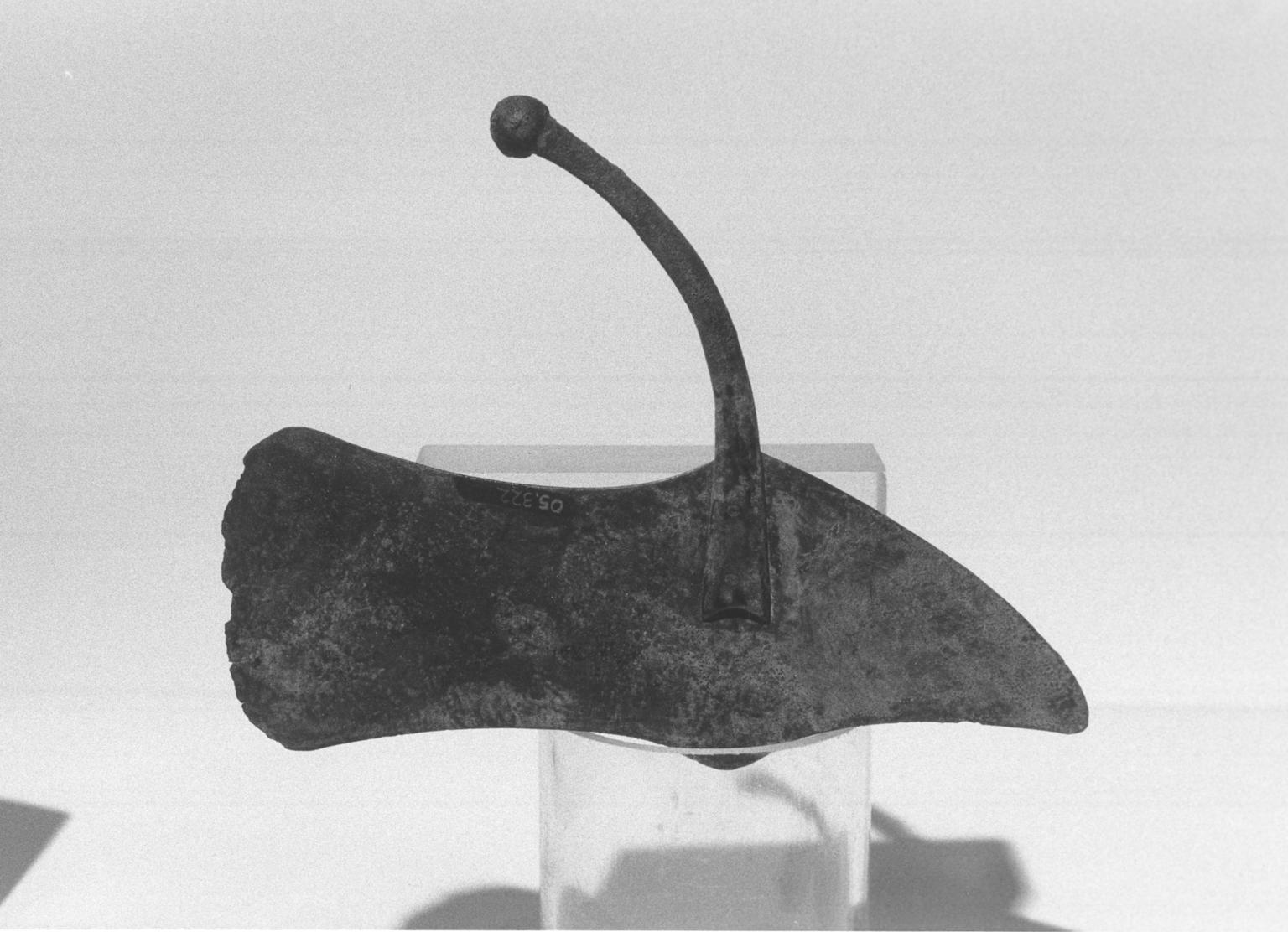
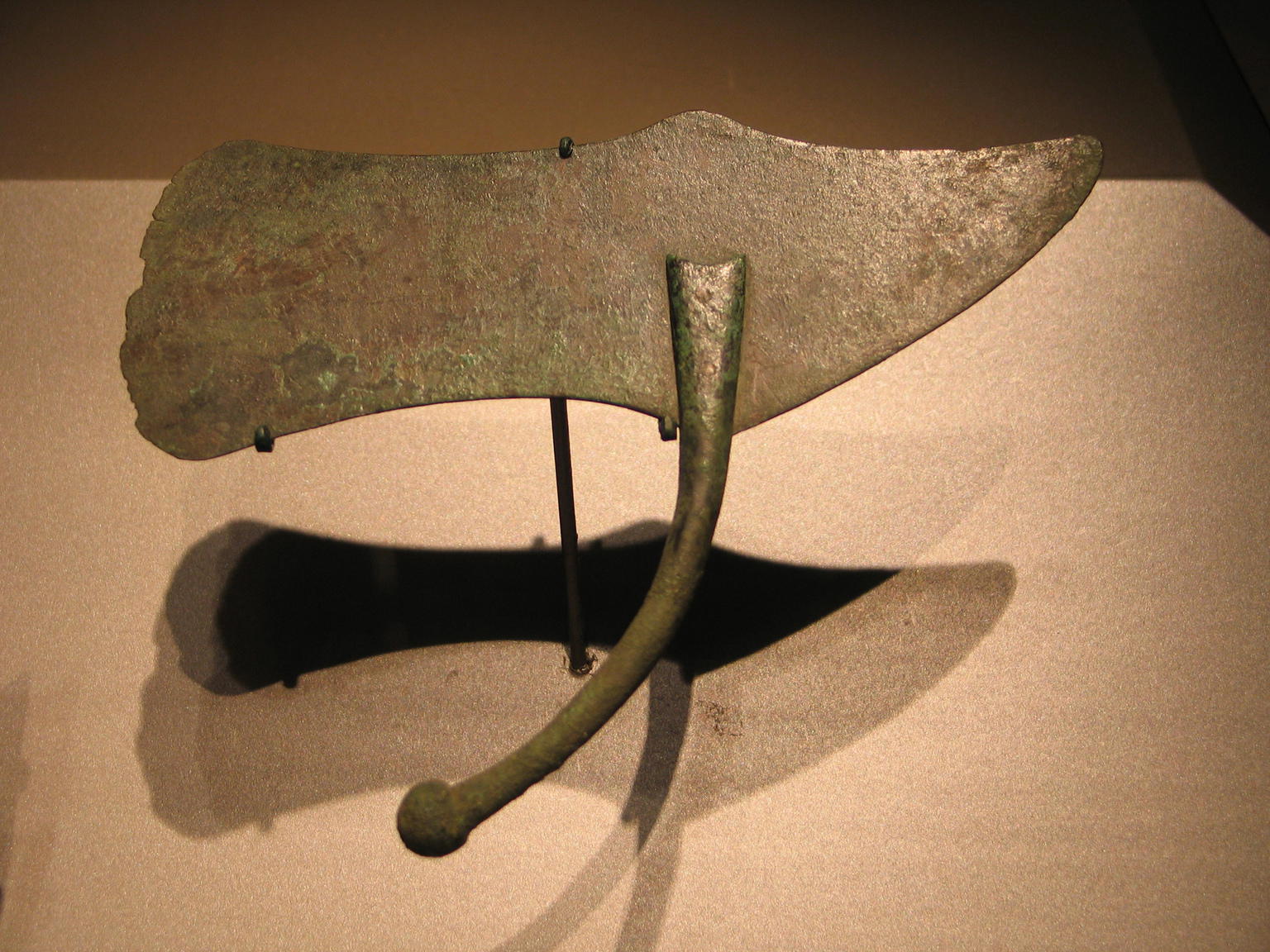
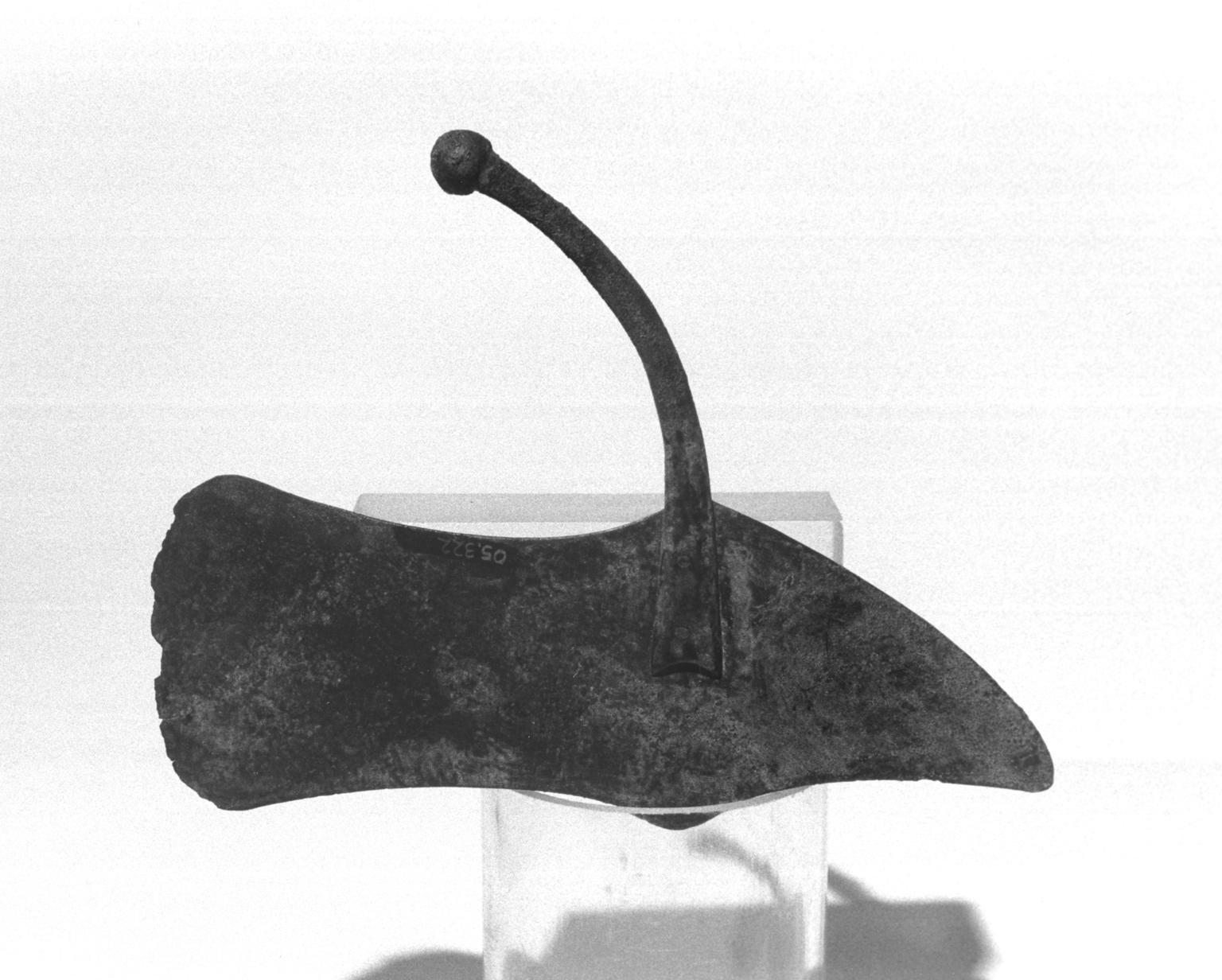
Razor, ca. 1539–1292 B.C.E.. Bronze, 2 3/16 x 5 13/16 in. (5.5 x 14.8 cm) Other (handle): 3 11/16 in. (9.3 cm). Brooklyn Museum, Charles Edwin Wilbour Fund, 05.322. (Photo: Brooklyn Museum)
Title
Razor
Date
ca. 1539–1292 B.C.E.
Dynasty
Dynasty 18
Period
New Kingdom
Medium
Bronze
Classification
Dimensions
2 3/16 x 5 13/16 in. (5.5 x 14.8 cm) Other (handle): 3 11/16 in. (9.3 cm)
Credit Line
Charles Edwin Wilbour Fund
Accession Number
05.322
Frequent Art Questions
Tell me more.
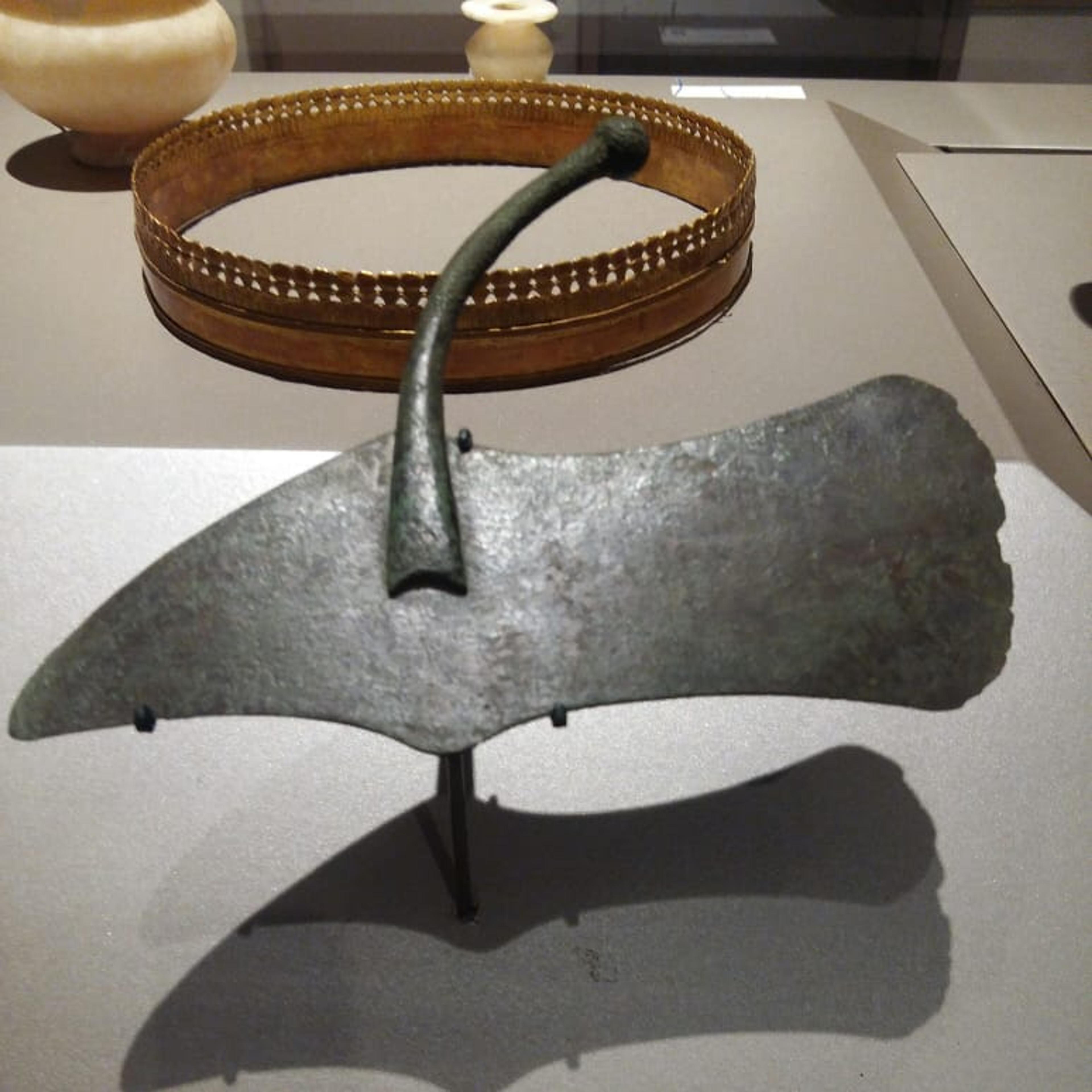 This is a large razor. Grooming was very important to the ancient Egyptians for both vanity and practical reasons. A razor like this might have been used by a priest as they were known to shave they entire bodies at least for services.
Have information?
Have information about an artwork? Contact us at