A Prince of Tekhet


1 of 9
Object Label
Tekhet was a district in Nubia, just south of the ancient Egyptian border. In the Eighteenth Dynasty, Tekhet’s ruling princes, who had family ties to the nearby Aswan nobility, were buried in Egyptian-style tombs. The text on the back pillar of this tomb statue calls the subject a “Prince of Tekhet,” but his name is not preserved. He was a Nubian prince, but is shown as an Egyptian because he adopted Egyptian culture. Statues from this period were not portraits, but rather reflections of contemporaneous Egyptian style. The prince’s heavily made-up eyes, elegantly arched brows, pleasant expression, very full wig, and short chin beard all typify aesthetics of the time.
Caption
Egyptian; Nubian. A Prince of Tekhet, ca. 1479–1400 B.C.E.. Limestone, 7 1/8 x 5 7/8 x 4 5/16 in. (18.1 x 14.9 x 10.9 cm). Brooklyn Museum, Charles Edwin Wilbour Fund, 66.1. (Photo: Brooklyn Museum)
Frequent Art Questions
Tell me more.
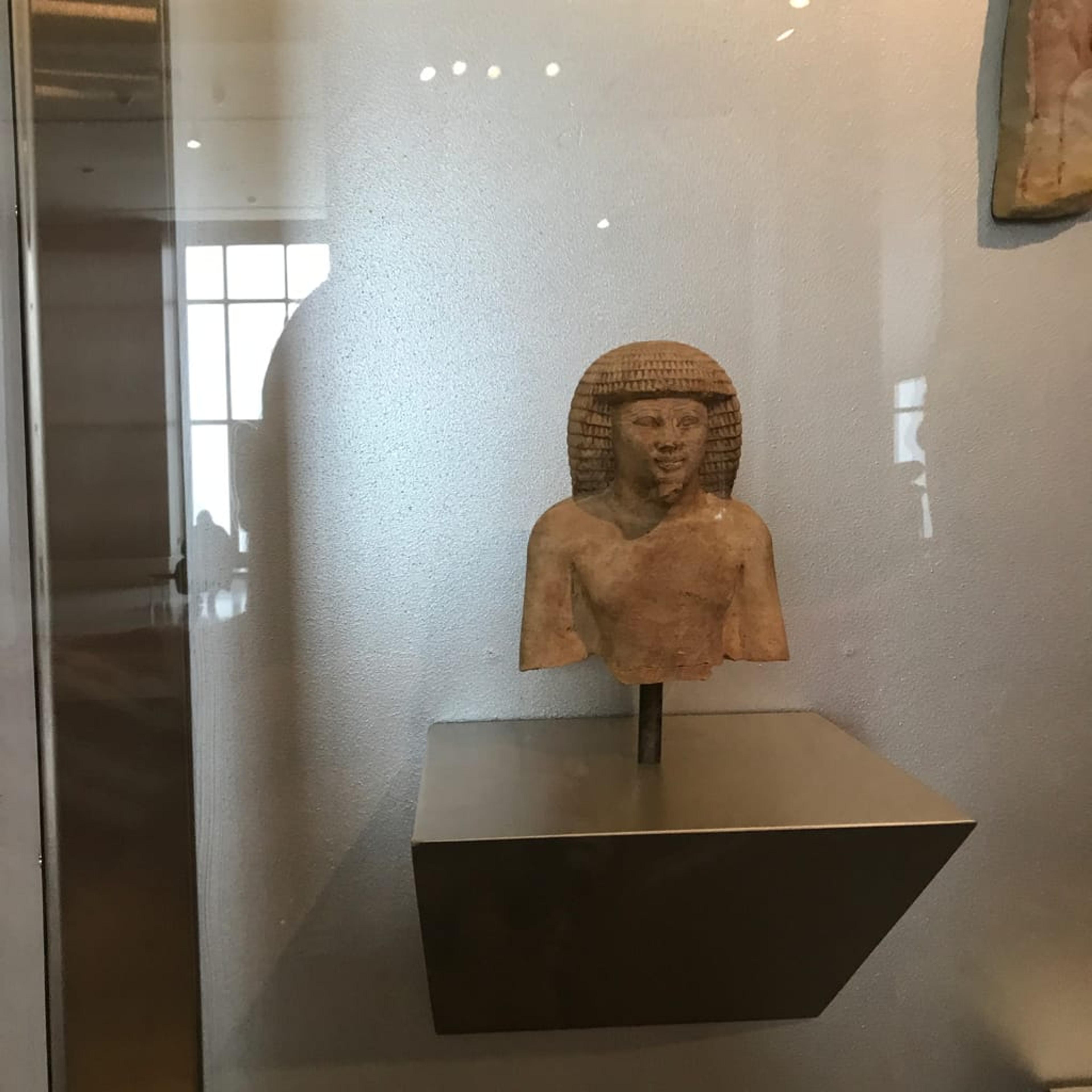 This fragment of a statue of a Prince of Tekhet illustrates the close relationship between the trends and artistic traditions of Egypt and Nubia in the ancient times. "Tekhet" refers to a region of Nubia which would, today, be in Sudan. This prince was approximately contemporary with Hatshepsut and Thutmose III in Egypt. You can see that he is wearing an Egyptian style wig and false beard.
What was this chin accessory for? Did it mean something?
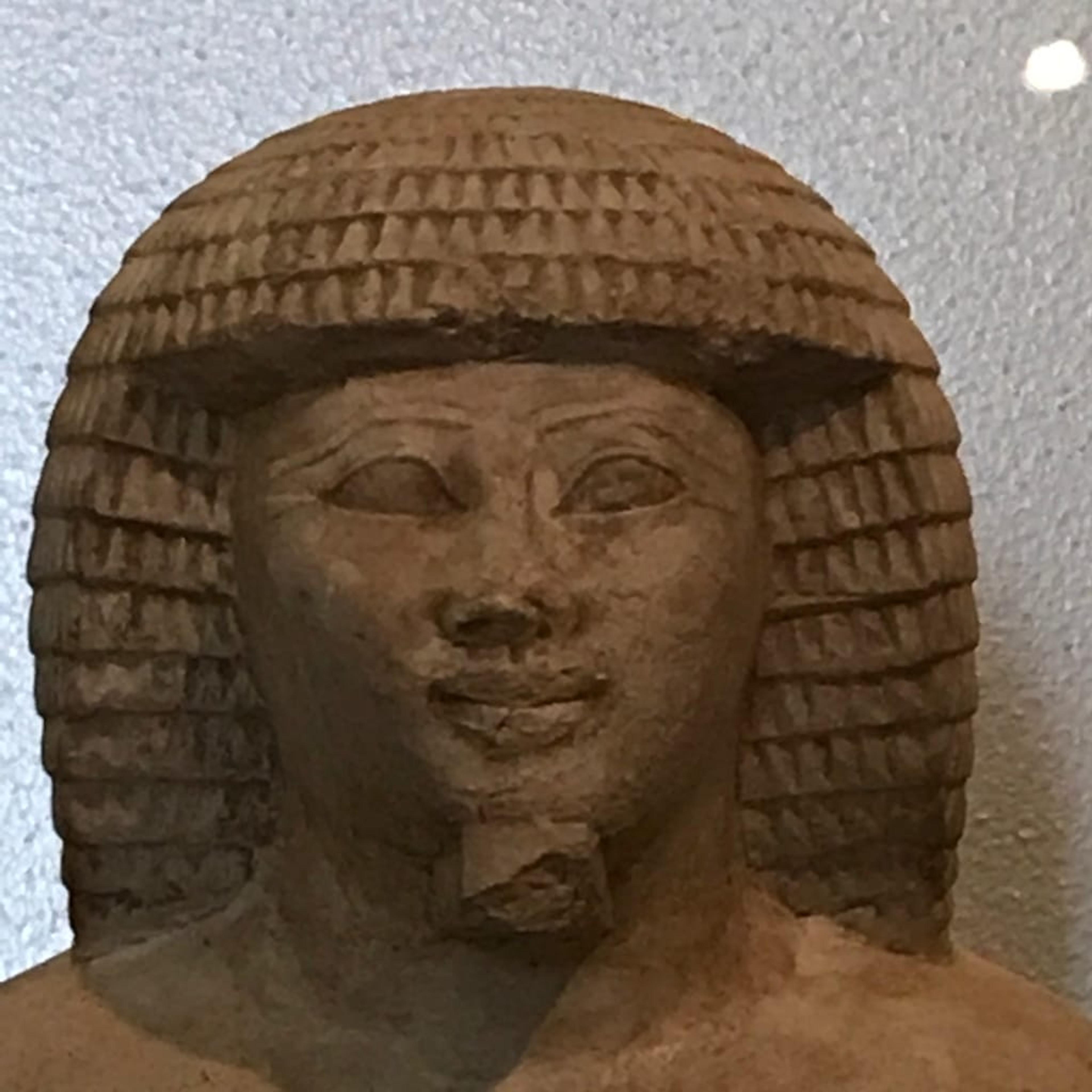 The chin accessory is essentially a tightly braided false beard! Different styles of beard could be signifiers of status, but with the bottom broken off we aren't sure what the rest of this one looked like.If course, wigs and false beards were also simply fashionable.Oh ok
Have information?
Have information about an artwork? Contact us at