Lion-Shaped Furniture Leg
Nubian
1 of 16
Object Label
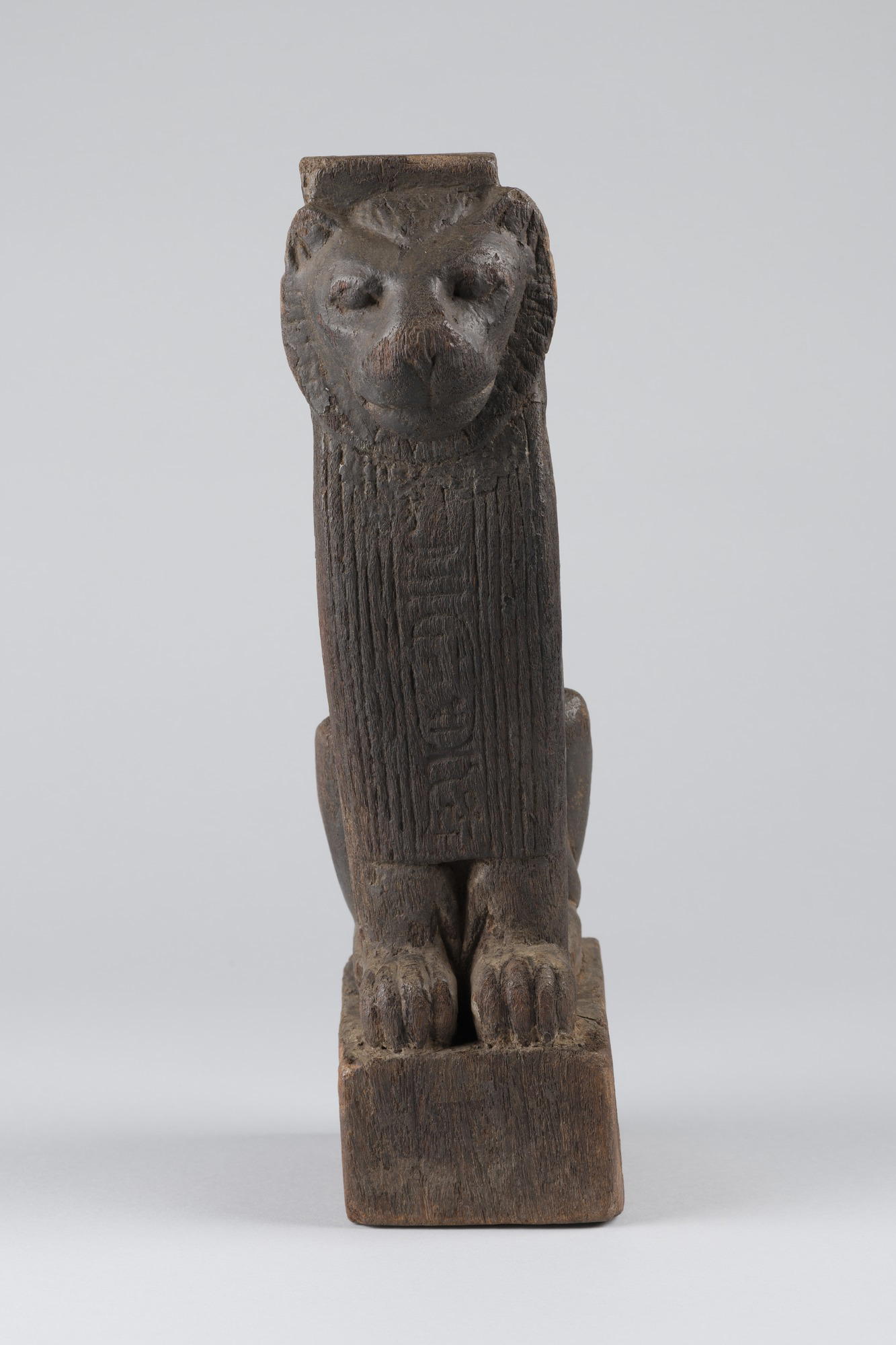
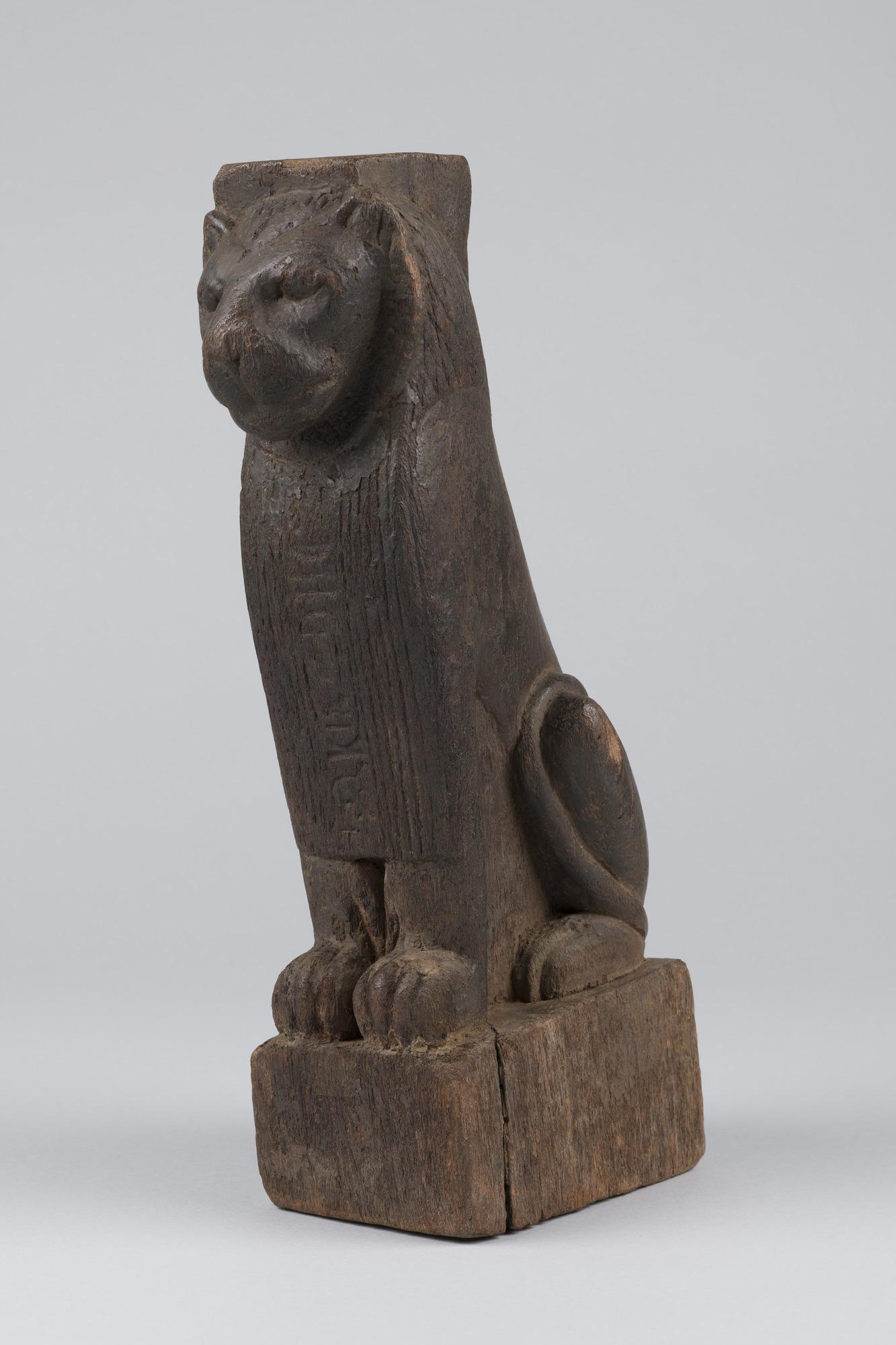
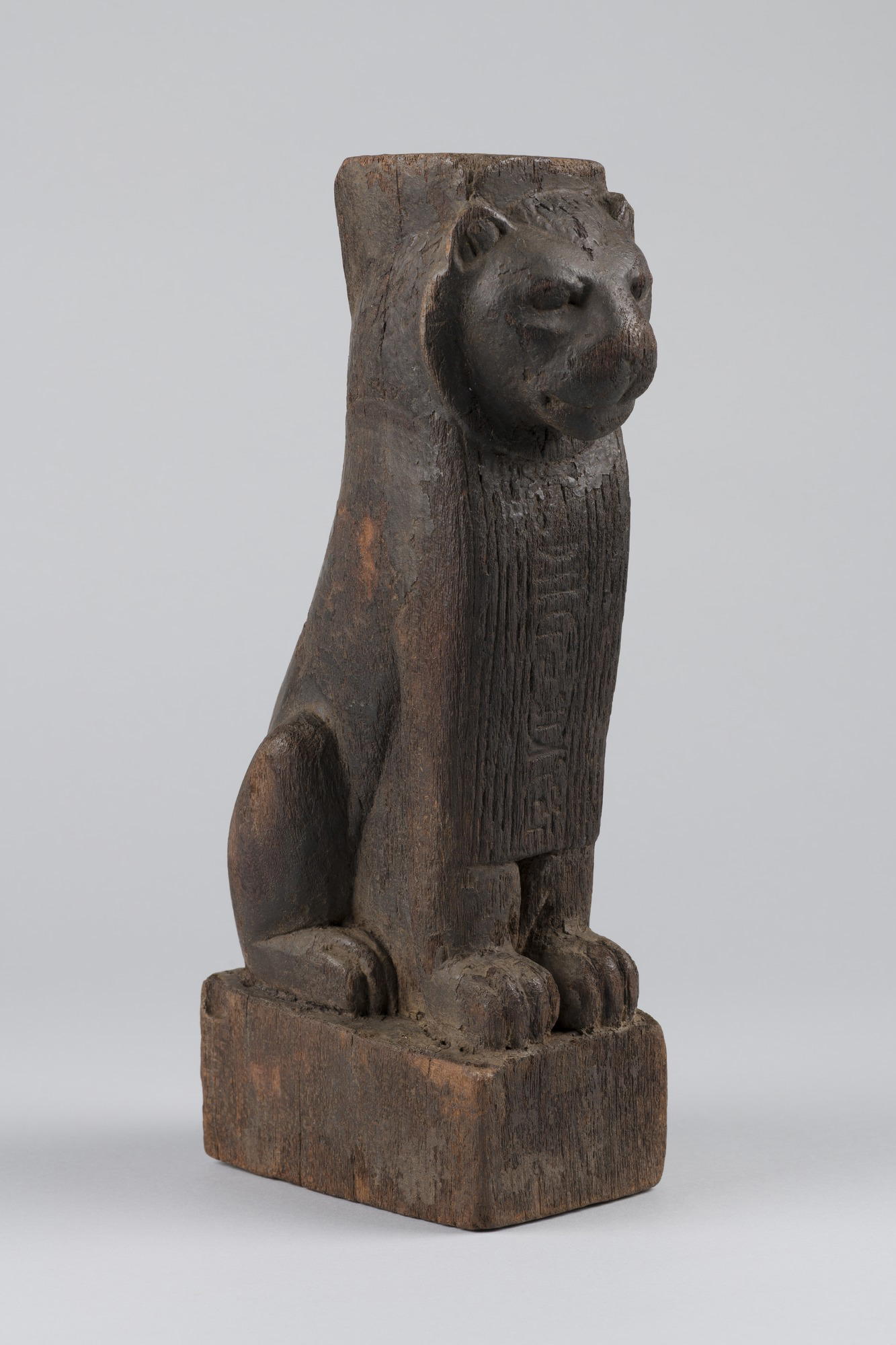
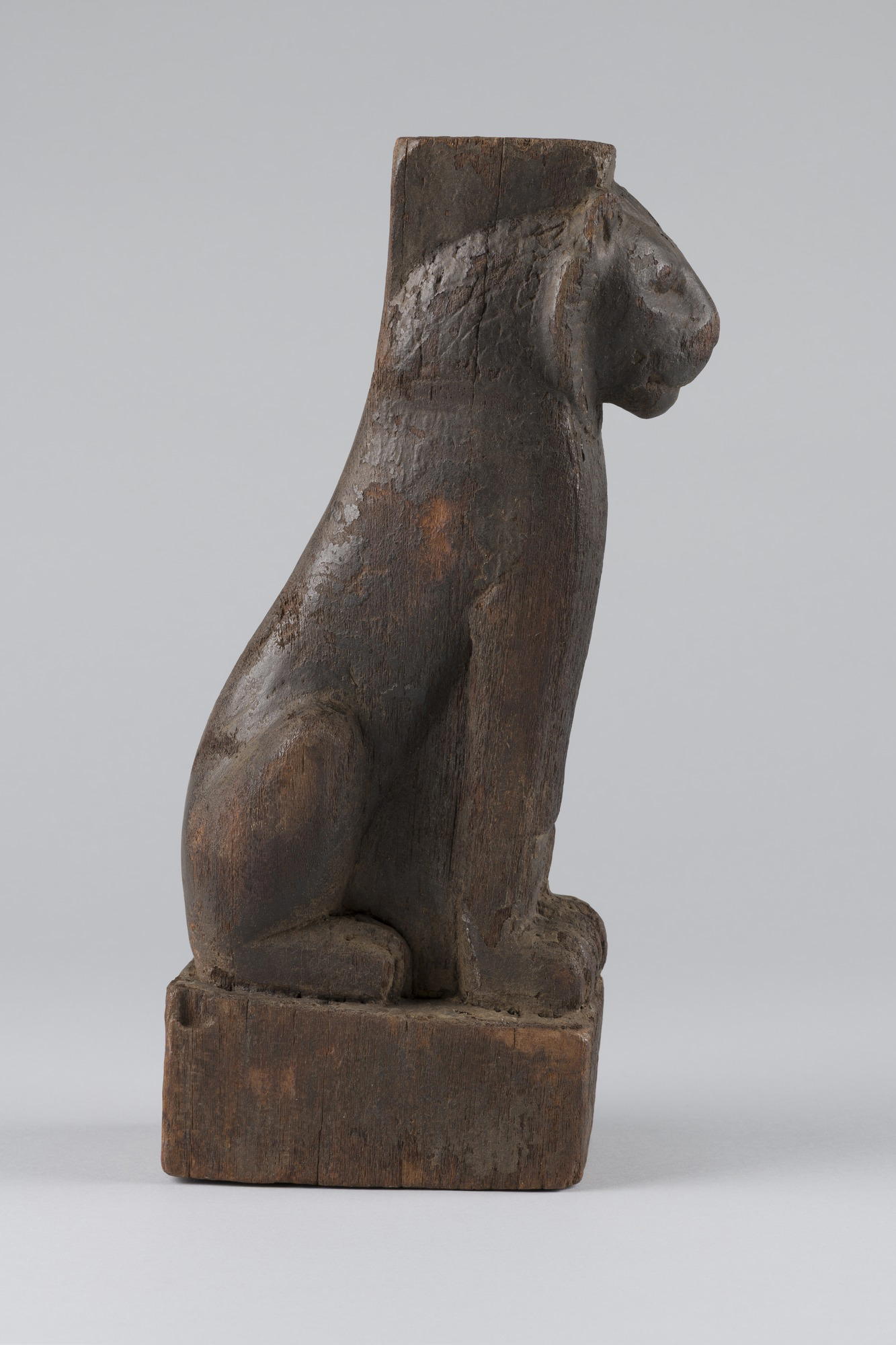
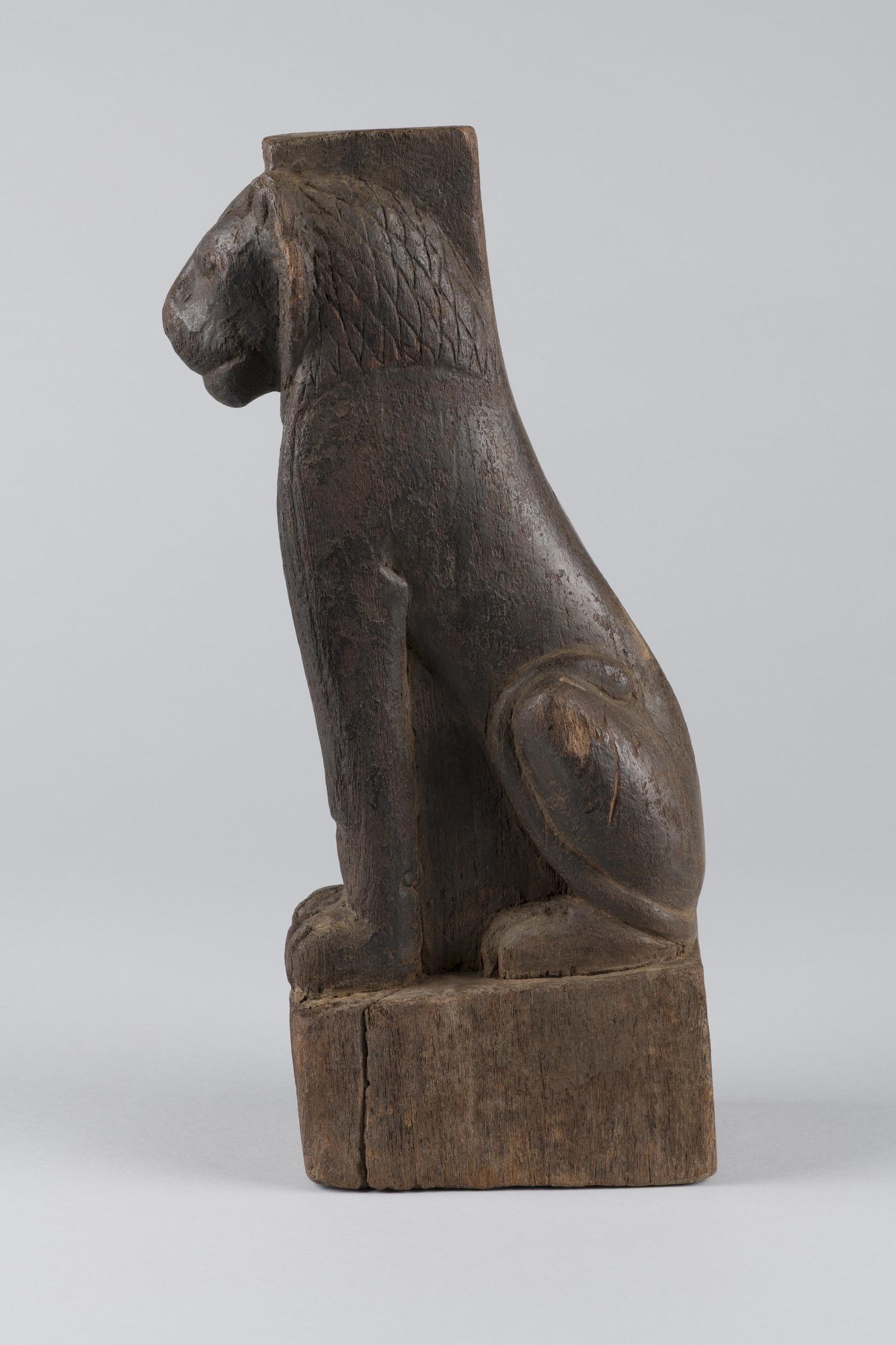
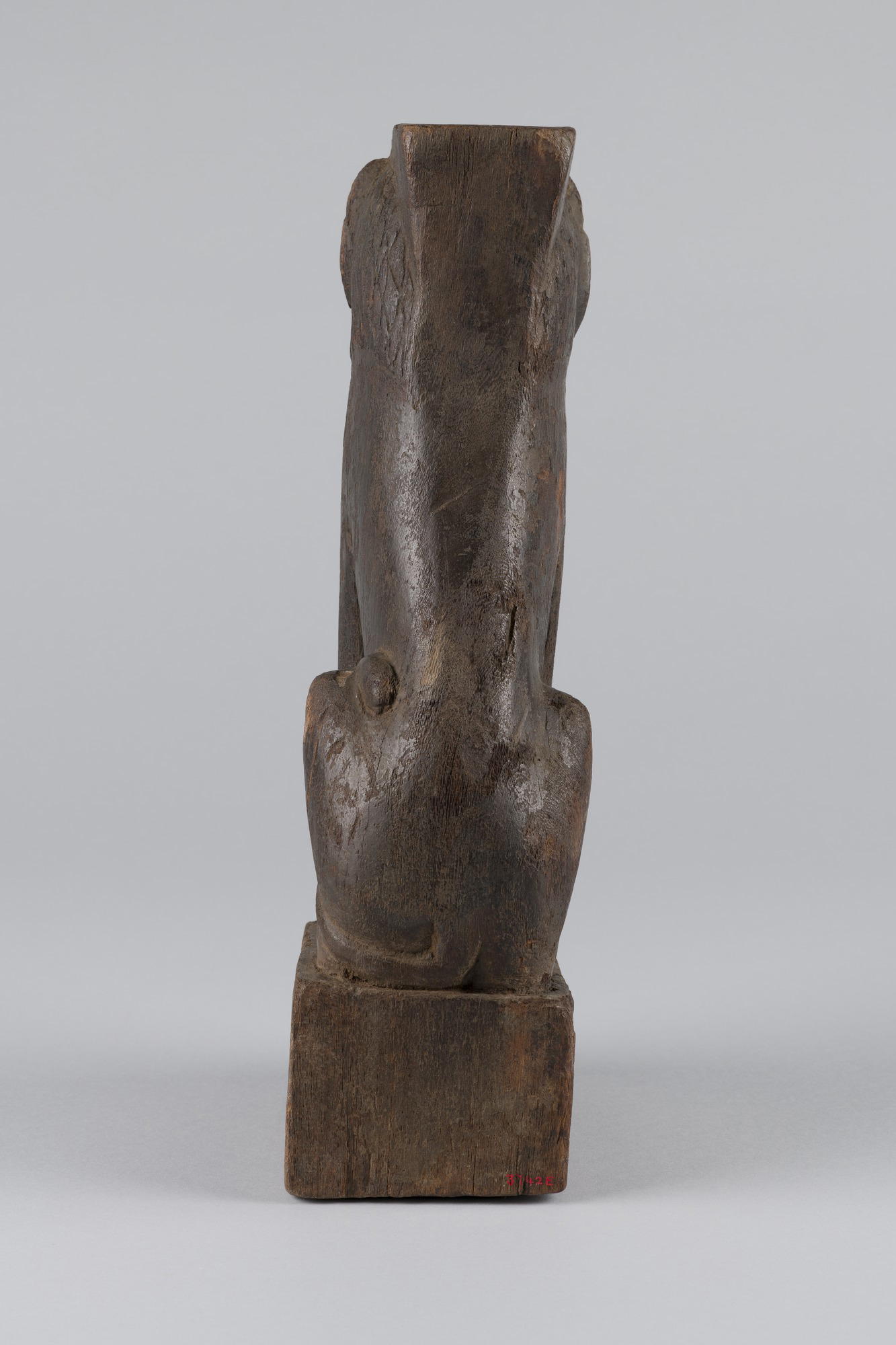
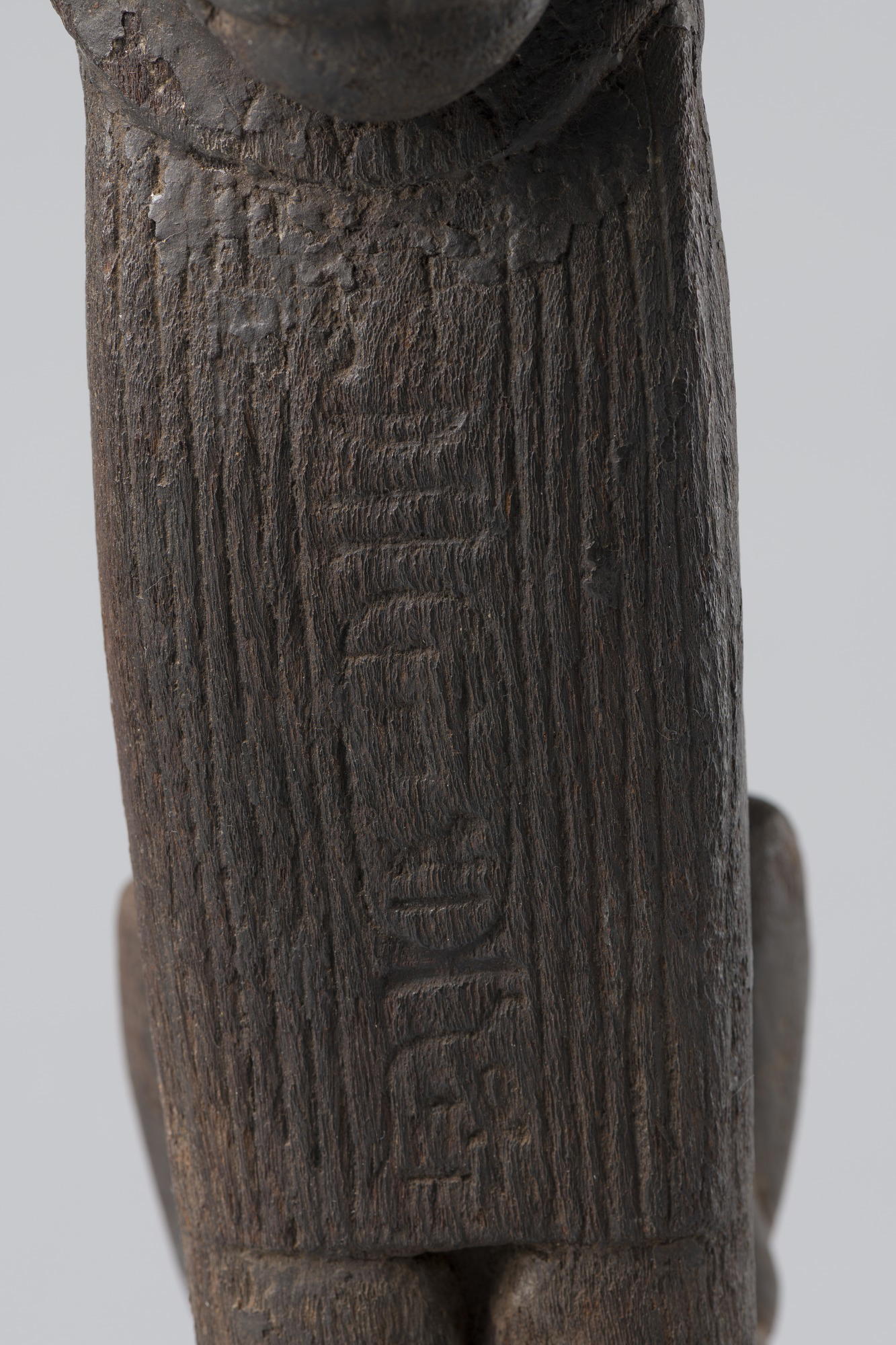
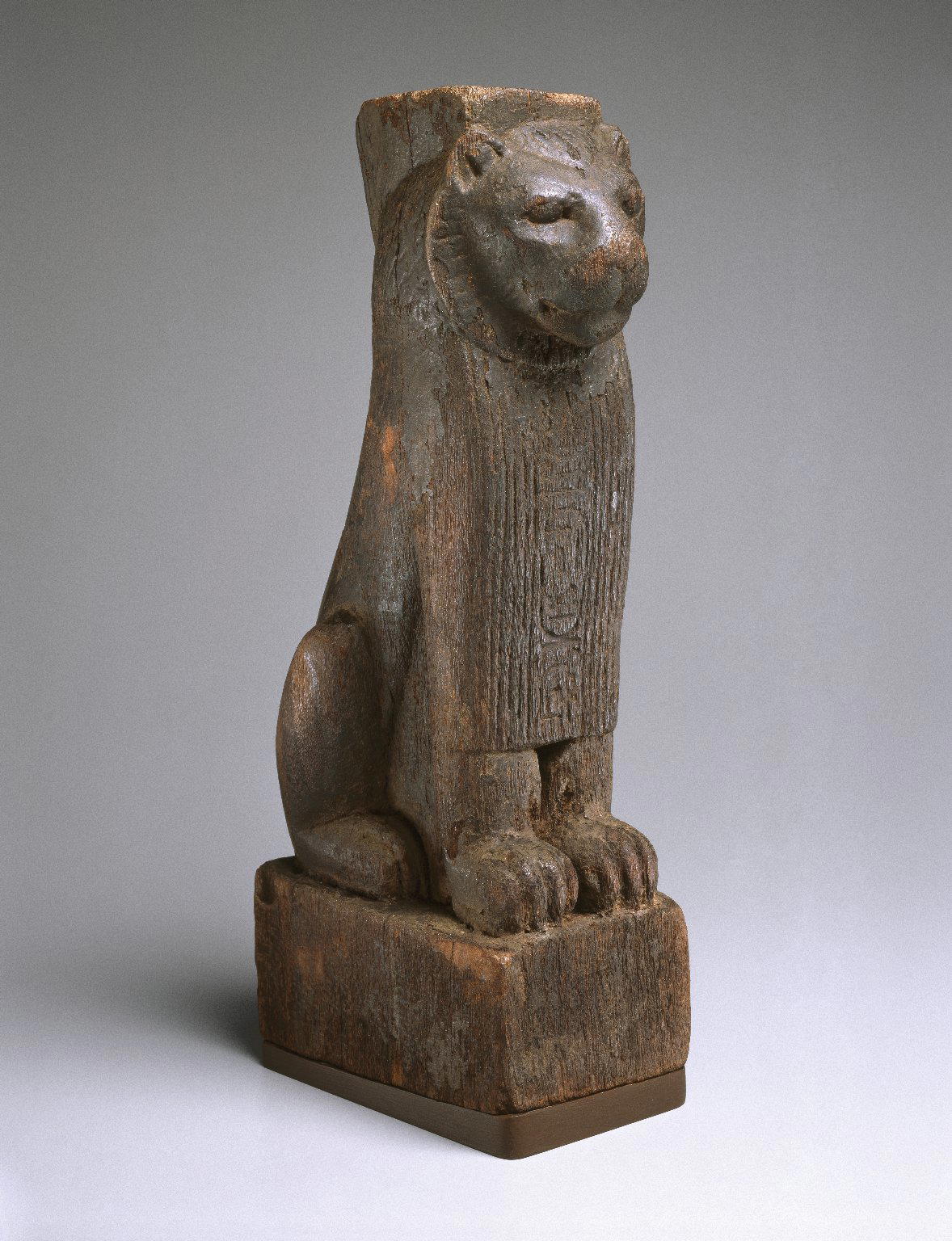
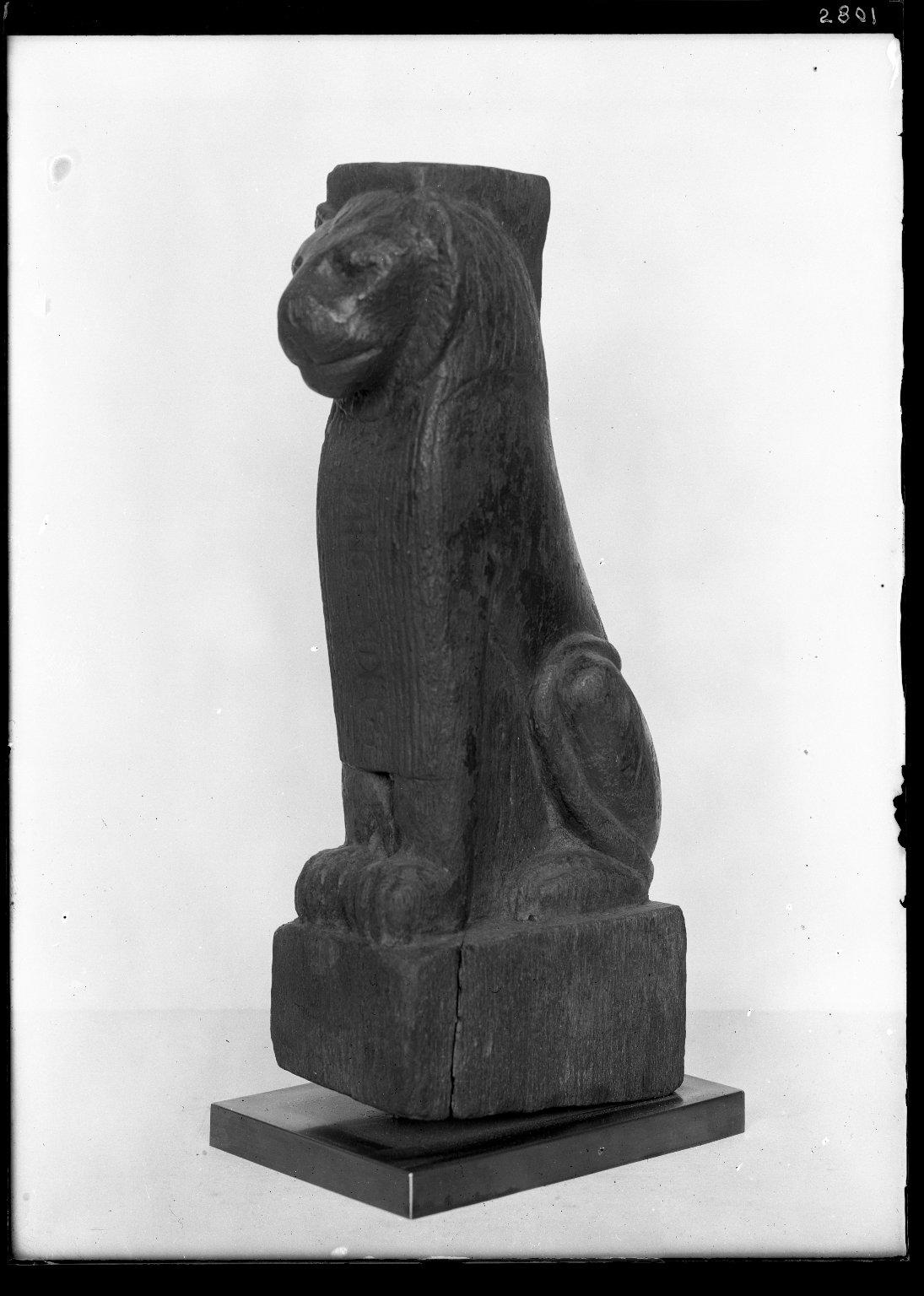
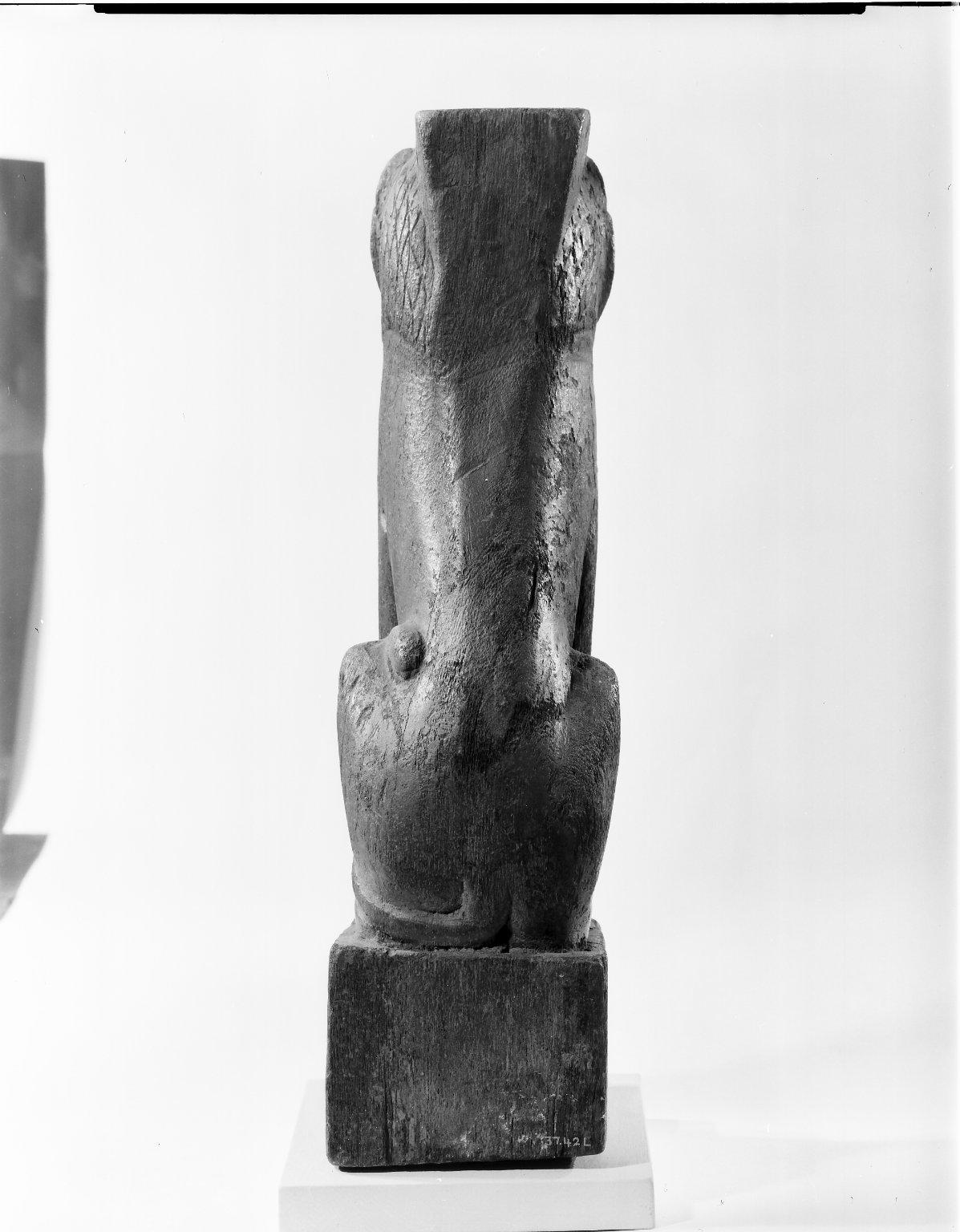
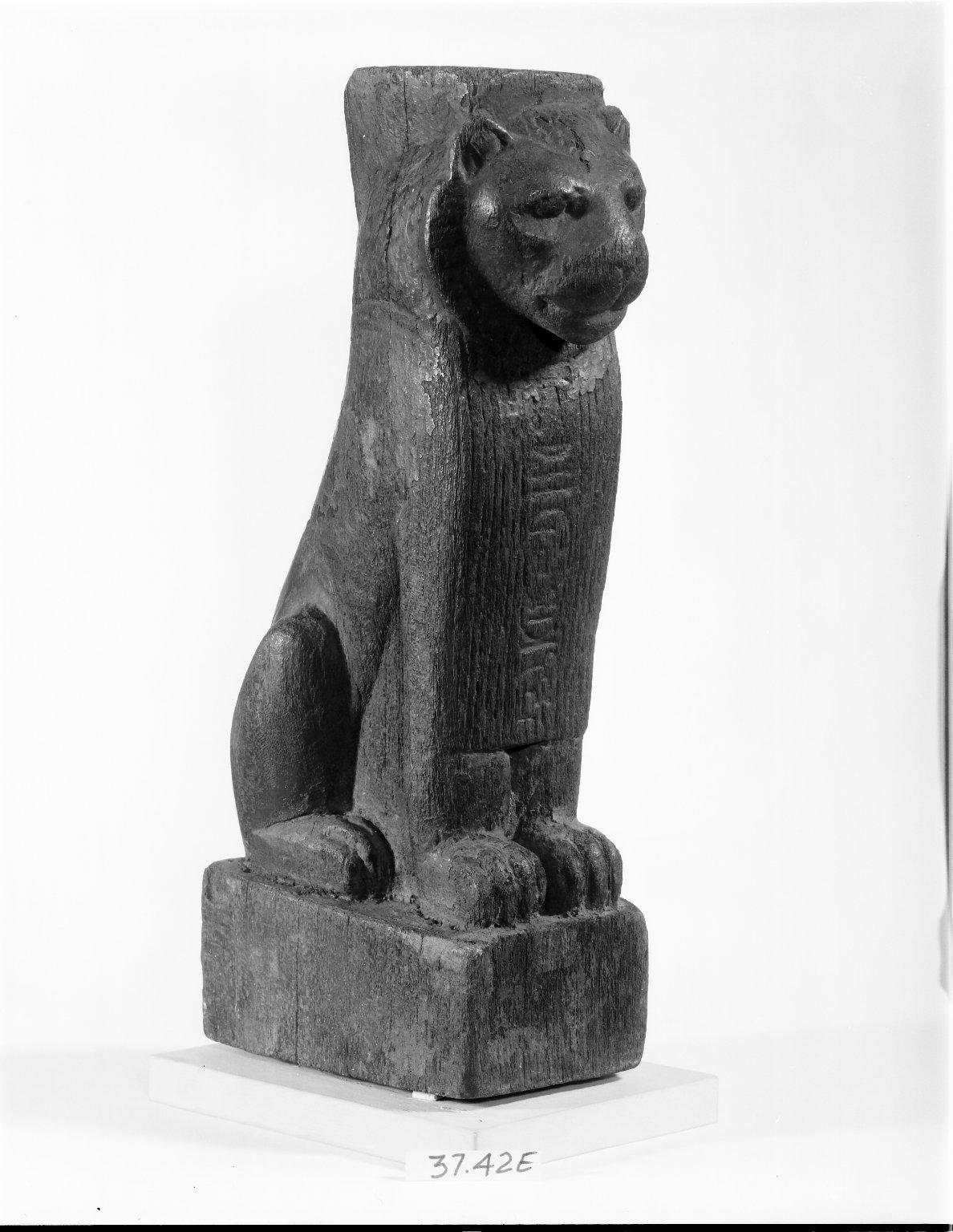
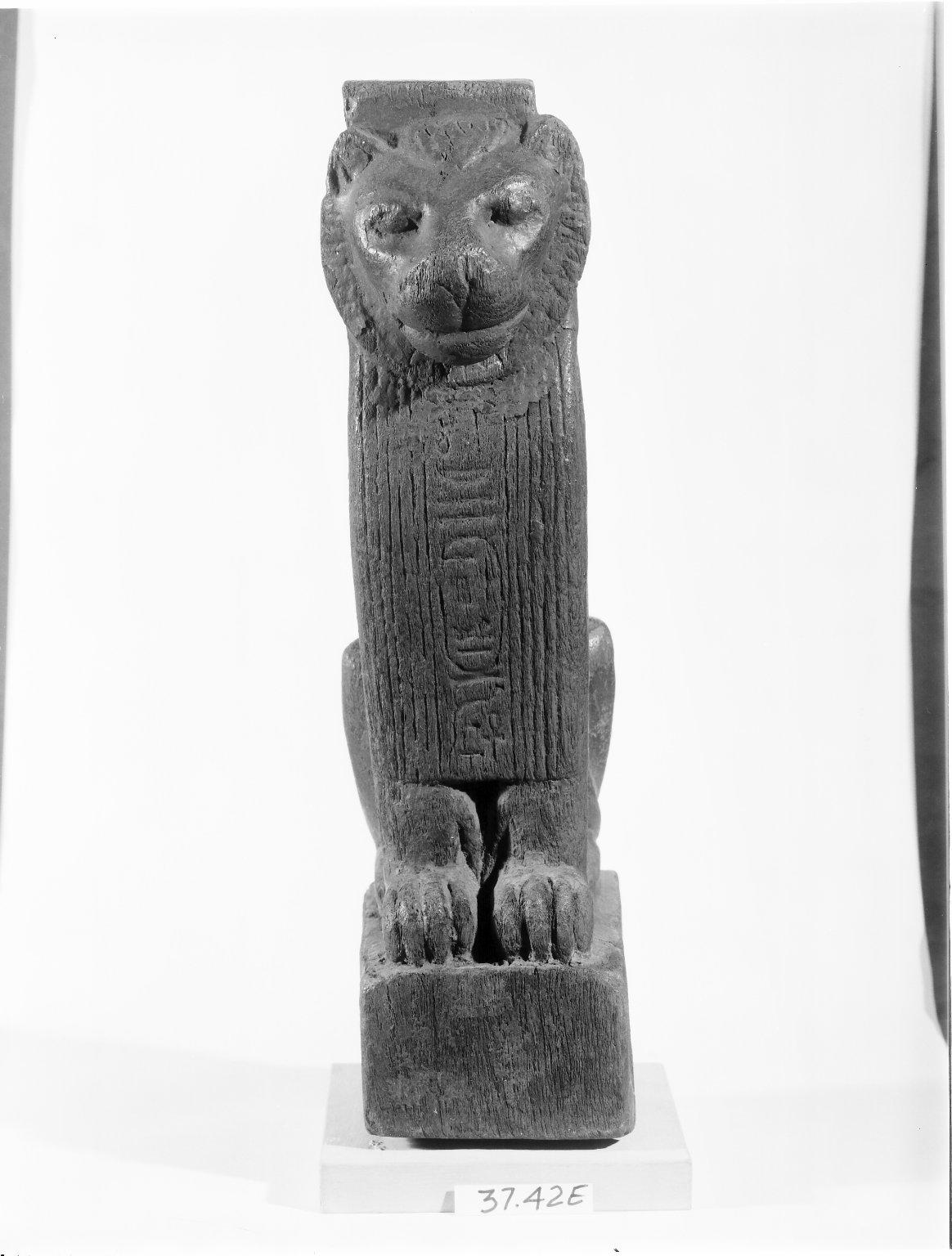
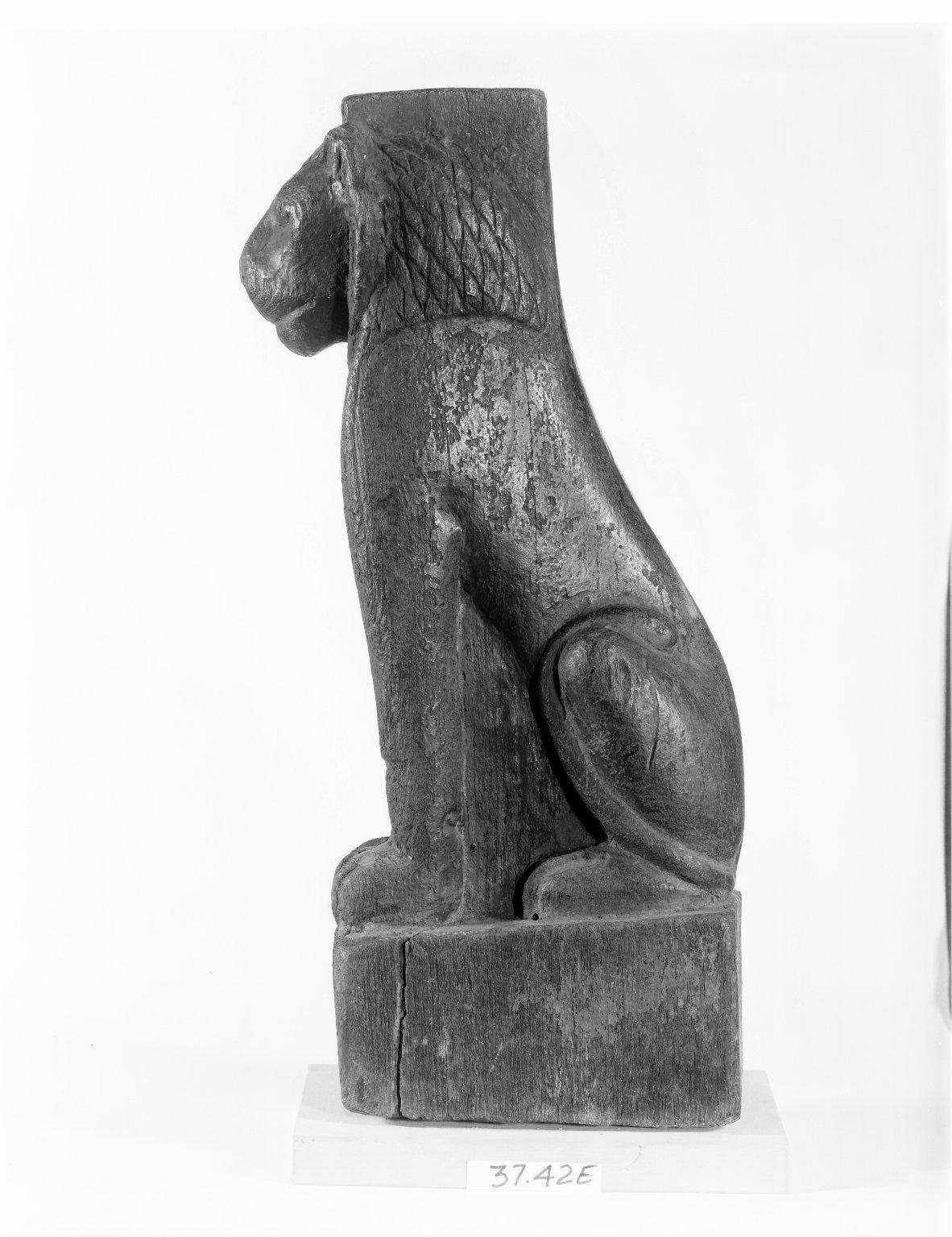
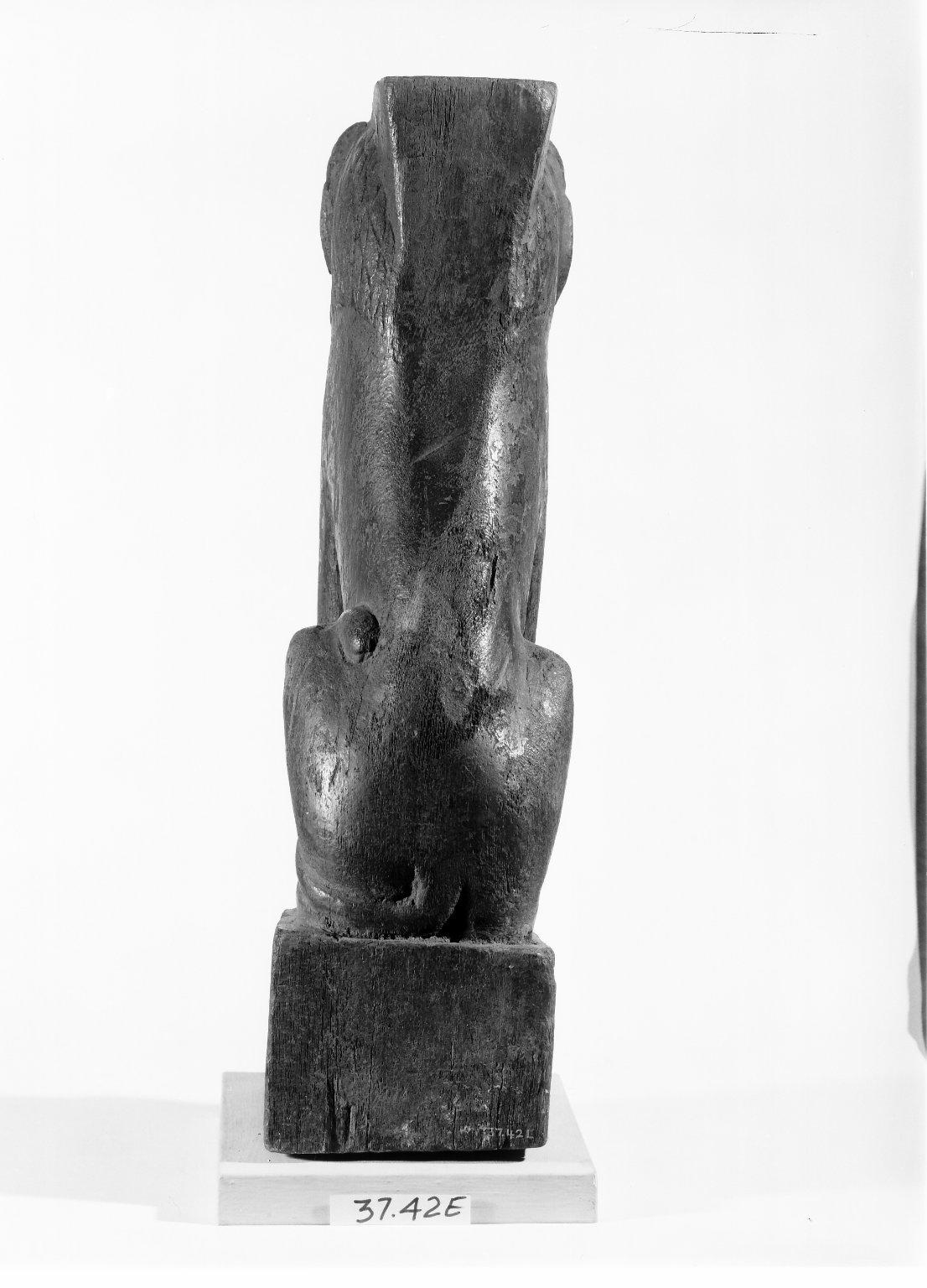
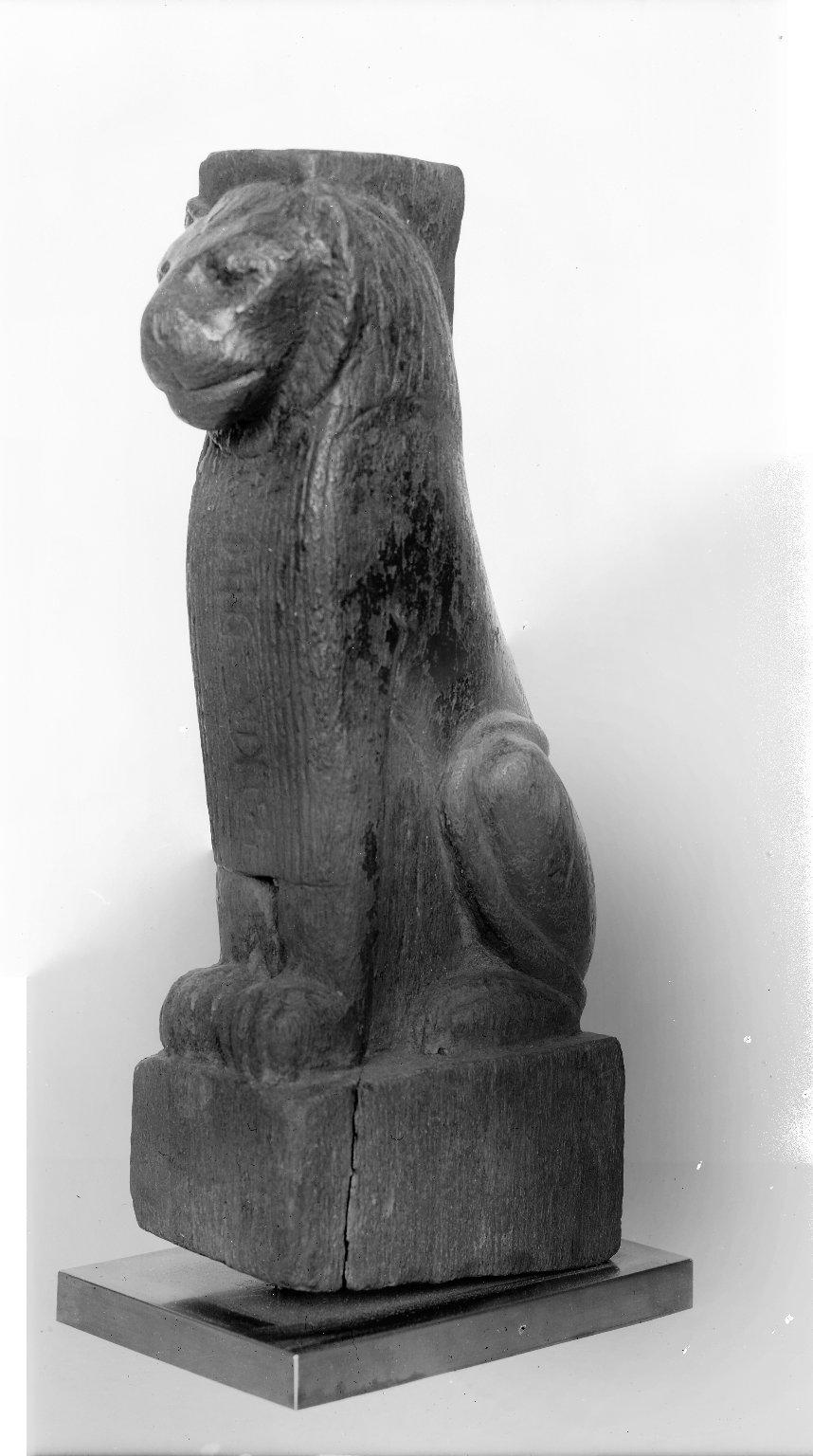
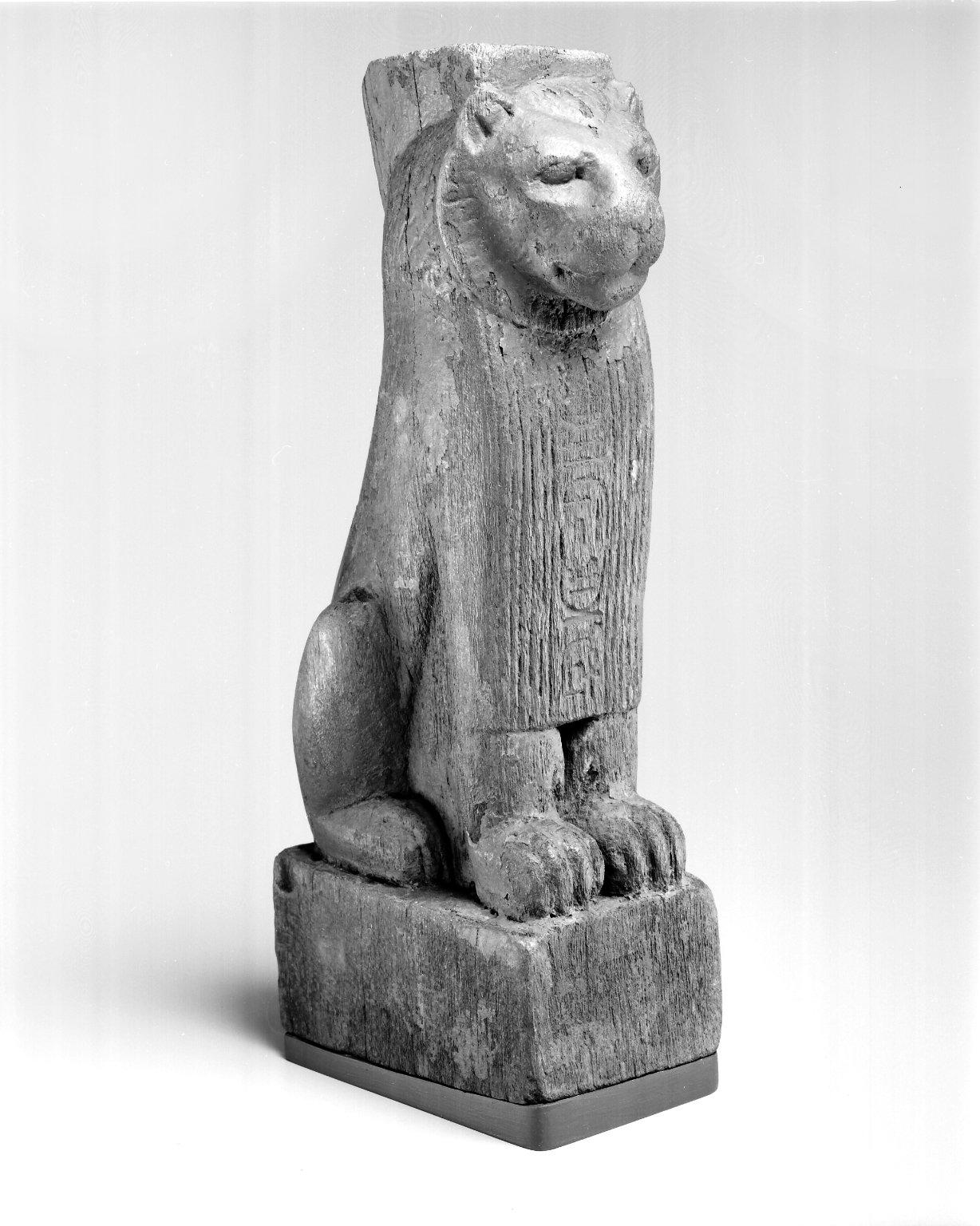
In both Egypt and Nubia the lion was associated with the sun god and symbolized royalty. Because the king was seen as a living embodiment of the sun, leonine images conveyed both connotations. The broad ruff with incised zigzag decoration is characteristic of representations of lions from the Twenty-fifth Dynasty, when Egypt was ruled by Nubian kings. A cartouche of the Kushite king Aspelta, a ruler who resided in the Nubian capital, Napata, appears on the front of the furniture leg.
Caption
Nubian. Lion-Shaped Furniture Leg, ca. 690–664 B.C.E.. Wood (Sycamore Fig, Ficus sycomorus), 13 7/8 x 3 9/16 x 5 1/2 in. (35.3 x 9 x 14 cm). Brooklyn Museum, Charles Edwin Wilbour Fund, 37.42E. (Photo: Brooklyn Museum)
Gallery
Not on view
Gallery
Not on view
Culture
Title
Lion-Shaped Furniture Leg
Date
ca. 690–664 B.C.E.
Dynasty
Dynasty 25
Period
Third Intermediate Period
Geography
Reportedly from: Egypt, Possible place made: Sudan (ancient Nubia)
Medium
Wood (Sycamore Fig, Ficus sycomorus)
Classification
Dimensions
13 7/8 x 3 9/16 x 5 1/2 in. (35.3 x 9 x 14 cm)
Credit Line
Charles Edwin Wilbour Fund
Accession Number
37.42E
Have information?
Have information about an artwork? Contact us at