Shabty of the Man Kenamun
ca. 1426–1400 B.C.E.
1 of 4
Object Label
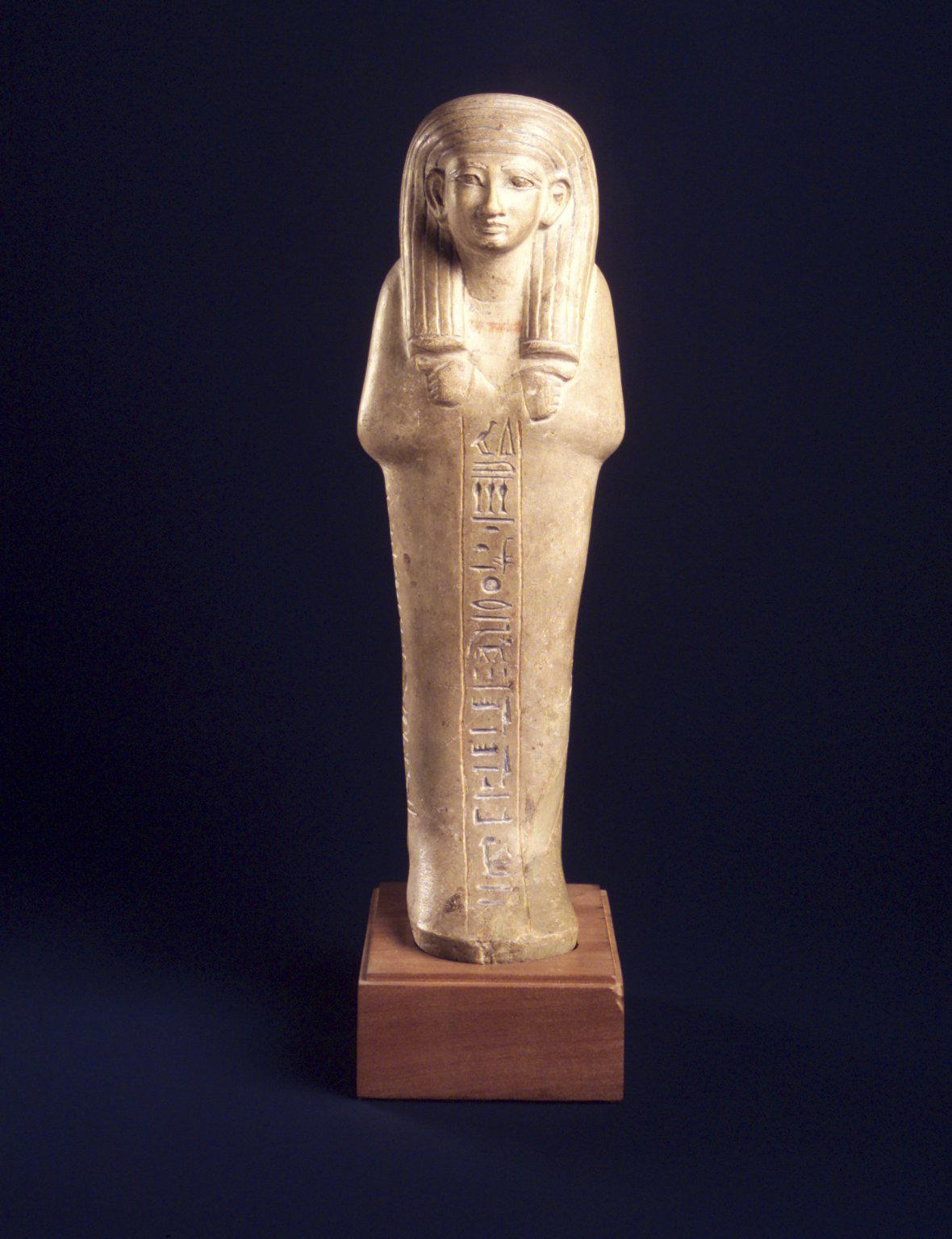
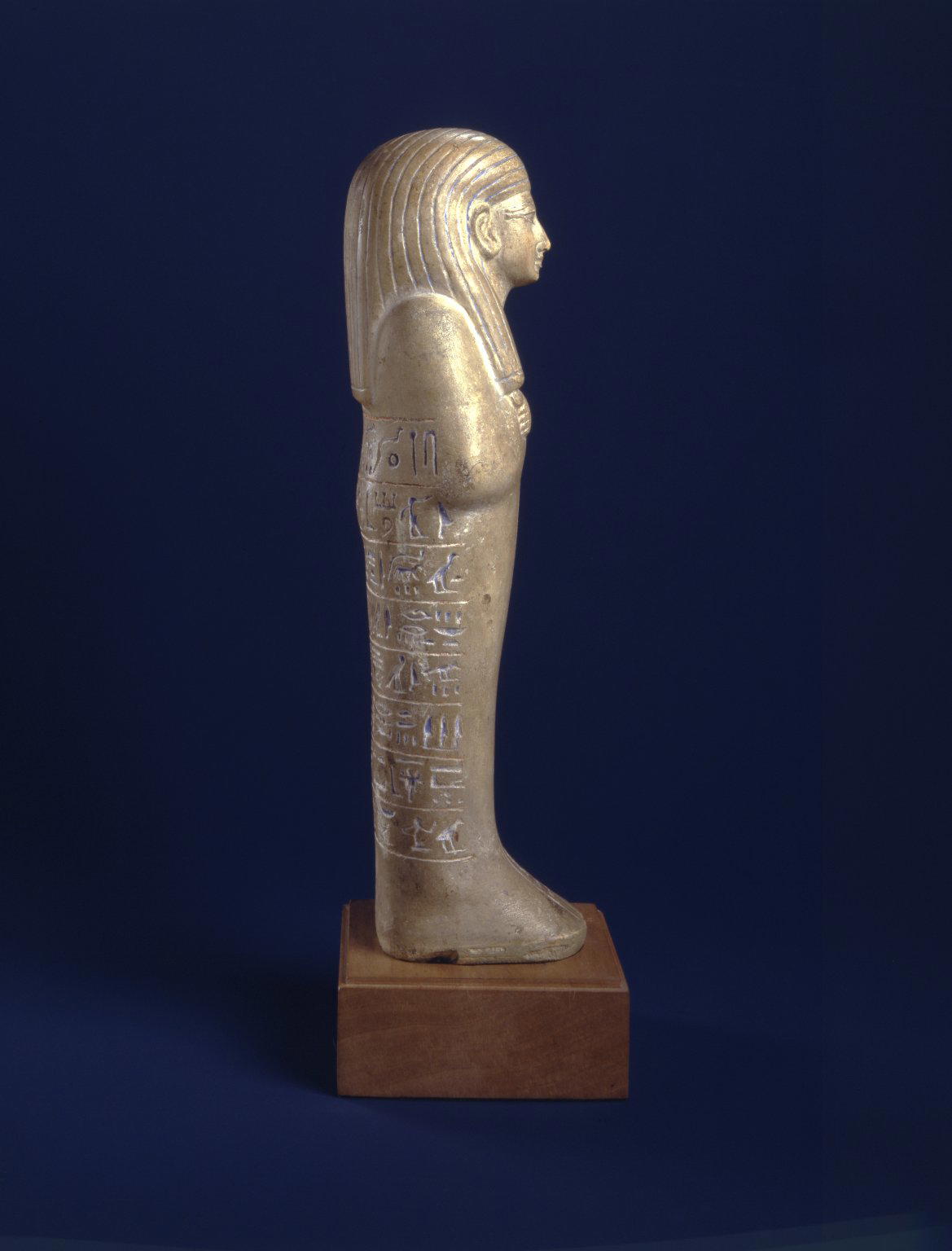
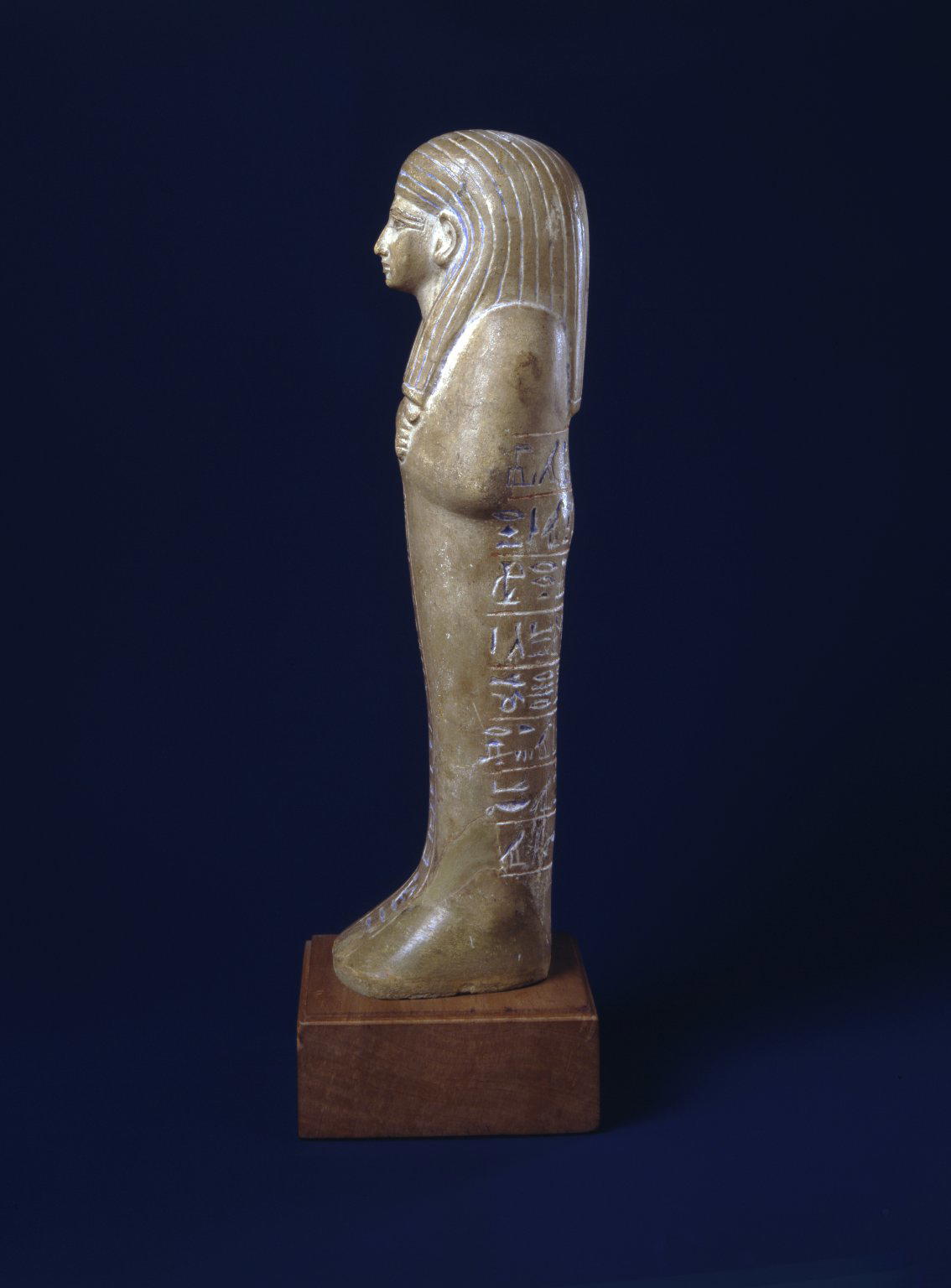
Documentary sources reveal that Kenamun administered the cattle of the “Estate [Temple] of Amun” under Amunhotep II. Compared with the earlier shabty figure of Ahhotep on the left, this statue’s eyes are smaller, the nose is thicker, and the small mouth is less curved. These differences reflect the styles of different rulers; similar features appear on a much larger scale on the face of Amunhotep II exhibited in the adjacent gallery.
Caption
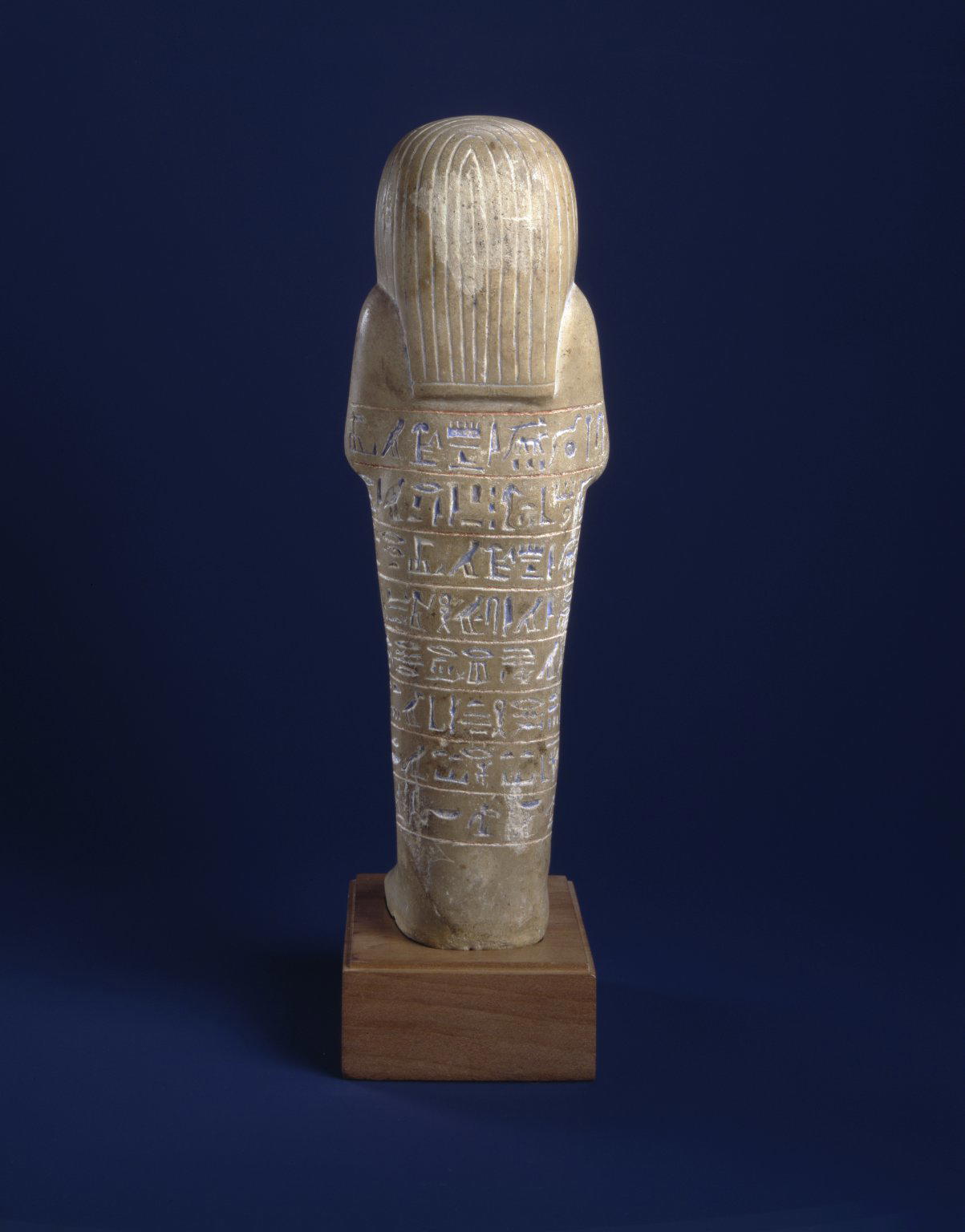
Shabty of the Man Kenamun, ca. 1426–1400 B.C.E.. Limestone, pigment, Height 10 1/4 in. (26 cm). Brooklyn Museum, Charles Edwin Wilbour Fund, 1996.89. (Photo: Brooklyn Museum)
Gallery
Not on view
Gallery
Not on view
Title
Shabty of the Man Kenamun
Date
ca. 1426–1400 B.C.E.
Dynasty
Dynasty 18
Period
New Kingdom
Medium
Limestone, pigment
Classification
Dimensions
Height 10 1/4 in. (26 cm)
Credit Line
Charles Edwin Wilbour Fund
Accession Number
1996.89
Frequent Art Questions
What is a shabti?
Shabties are small figurines that often look like little mummy figures. They are usually inscribed with magical spells that help them to perform various tasks in the underworld.They basically act as servants or personal assistants to a deceased person! They were buried with that person in order to help him/her in the next life.Like what tasks? Daily chores like a servant does?The deceased were expected to do work in the afterlife and shabties served as stand-ins so deceased souls could relax instead of working. For example, some of the shabties were specifically designed to perform "agricultural tasks" -- that is, farming!The English word "shabti" comes from the ancient Egyptian hieroglyphs meaning "the-one-who-replies."Who is Shabty?
Shabty isn't actually a who, but a what. A shabty is essentially a helper mummy, a small figurine of a servant. This figurine would be buried with an individual to help them with tasks like farming in the afterlife.
Have information?
Have information about an artwork? Contact us at