Upright or Harp Piano
American; Kuhn & Ridgeway
Caption
American; Kuhn & Ridgeway. Upright or Harp Piano, ca. 1860. Rosewood case, 89 x 31 x 56 1/2 in. (226.1 x 78.7 x 143.5 cm). Brooklyn Museum, Dick S. Ramsay Fund, 43.62.
Gallery
Not on view
Collection
Gallery
Not on view
Collection
Culture
Maker
Title
Upright or Harp Piano
Date
ca. 1860
Medium
Rosewood case
Classification
Dimensions
89 x 31 x 56 1/2 in. (226.1 x 78.7 x 143.5 cm)
Markings
On the inside of cover: Kuhn & Ridgeway Baltimore
Credit Line
Dick S. Ramsay Fund
Accession Number
43.62
Frequent Art Questions
What is this Instrument?
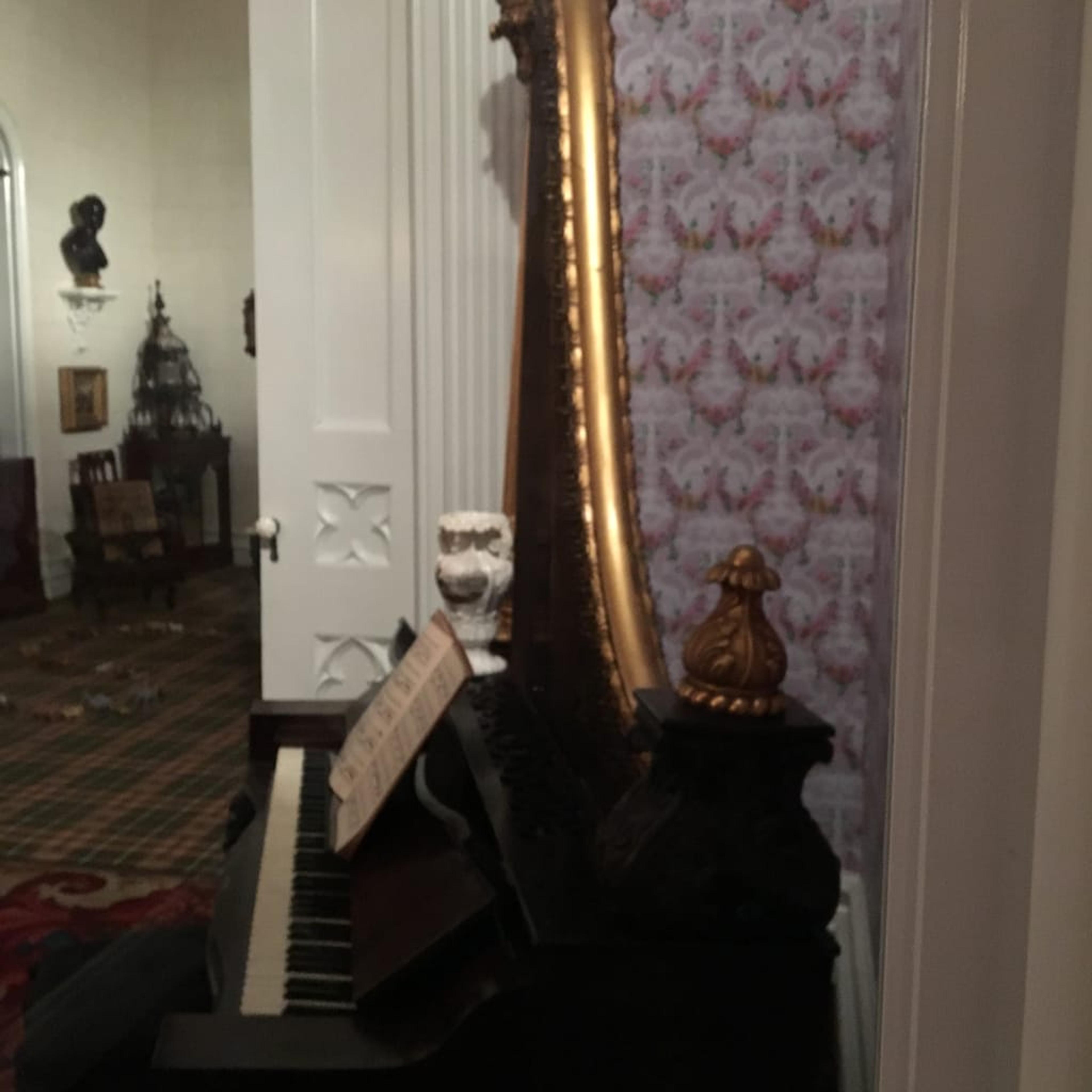 That is called a clavi-harp (also sometimes called a piano-harp). The instrument was invented and patented by Johan Dietz in 1814. The keyboard is just like a piano and the keys activate hammers with small hooked tips that pop up and pluck the strings of the harp.
What is this?
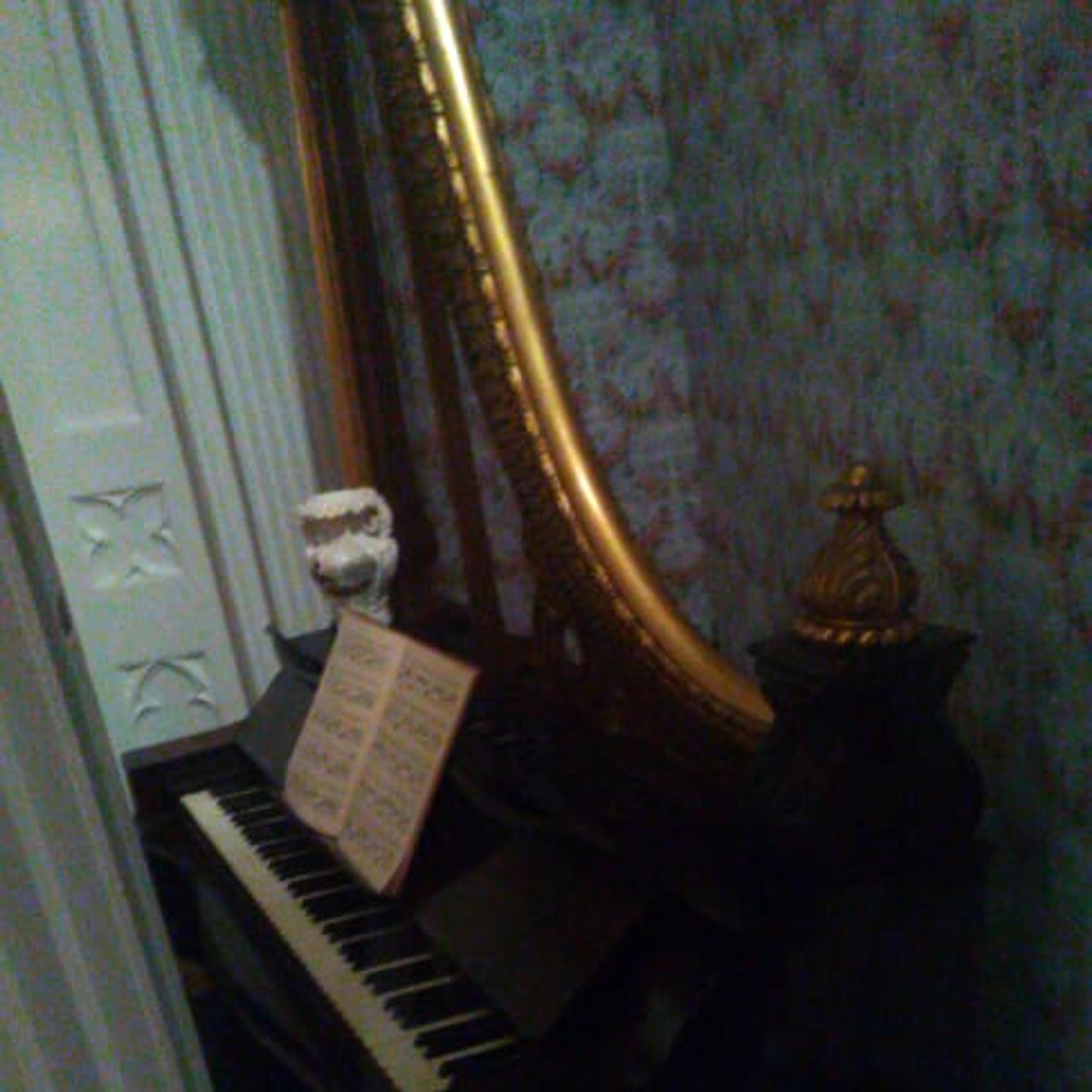 That is a clavi-harp!It is an instrument that is a combination of a piano and a harp, as you can probably tell! The keys of the piano keyboard activate hammers that pluck the harp strings. The instrument was favored because of its portability! It is much lighter than a standard piano and usually took up less space.
Do you play the harp or the piano part?
You play the piano part! The piano keys pluck the harp strings for you, making a sound essentially like a normal harp. The advantage for harp players would be that the strings would not go out of tune as easily.AwesomeIt is, isn't it! It seems like a very clever invention, it was most widely used in the 19th century.Is this two different instruments? Or do the piano hammers play the harp string?
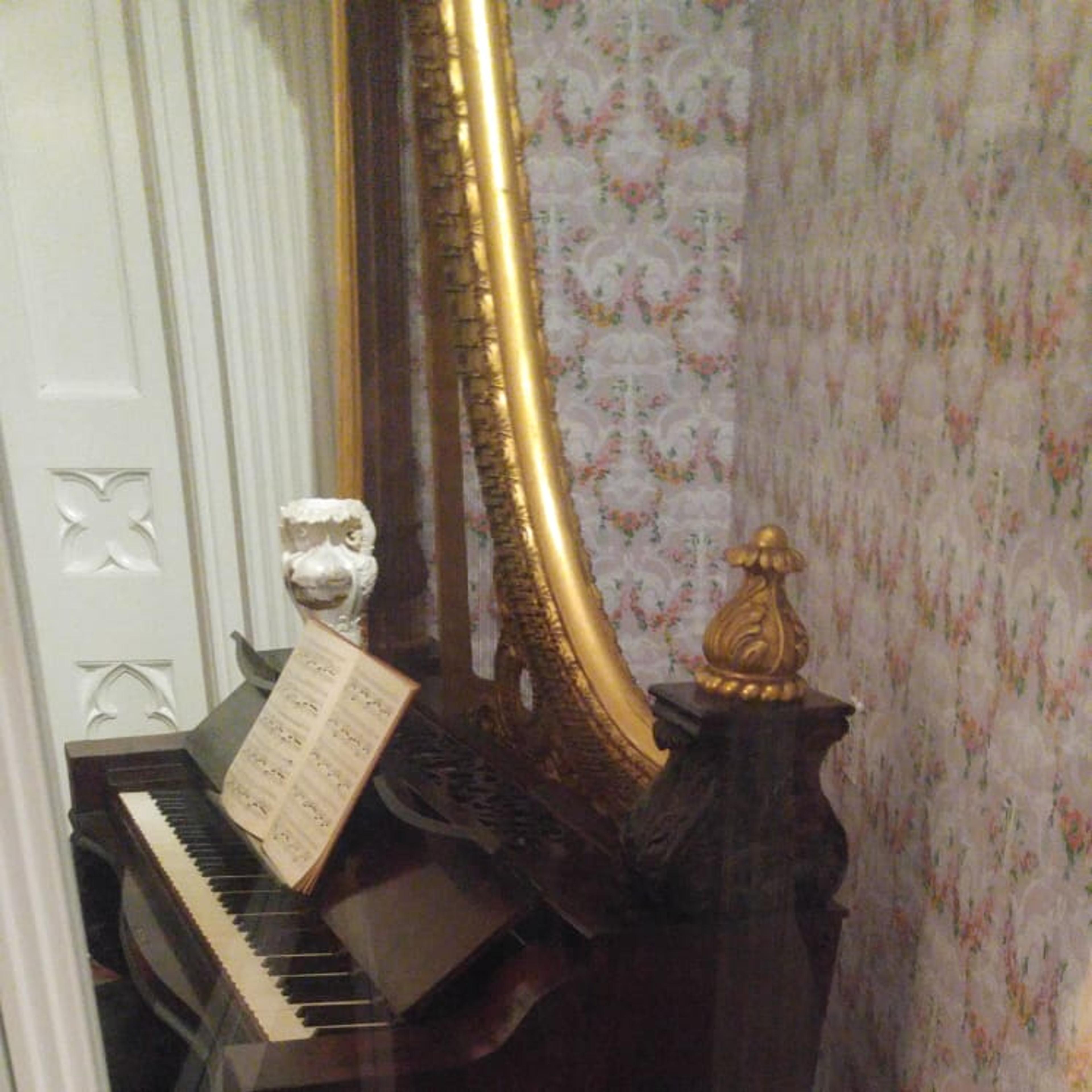 This is one instrument and its known as a piano-harp or clavi-harp! You are correct, the hammers activate small hooks that pluck the strings.Oh cool! So, I assume it would be mono-volume, like a harpsichord?Yes; it is very similar to the harpsichord in sound!Cool, thanks
When was it made? Do you know who made it?
This harp piano was made by Kuhn and Ridgeway of Baltimore, and dates to around 1860. The instrument was invented and patented by Johan Christian Dietz in 1814.Were there others like it? How common was it?
I am not certain, but I get the impression that piano-harps, or clavi-harps, were not particularly widespread. Part of the purpose of the invention was to solve some of the problems of harp-playing, like variations in the way the strings sound based on the way different people's finger's moved. I think that they were more common for performance than in the home, but playing of pianos and similar instruments was a popular and important skill for women of the 19th century.What does this sound like? I would imagine that it would have a soft sound since it's lacking the amplifying sound board of a piano or harpsichord.
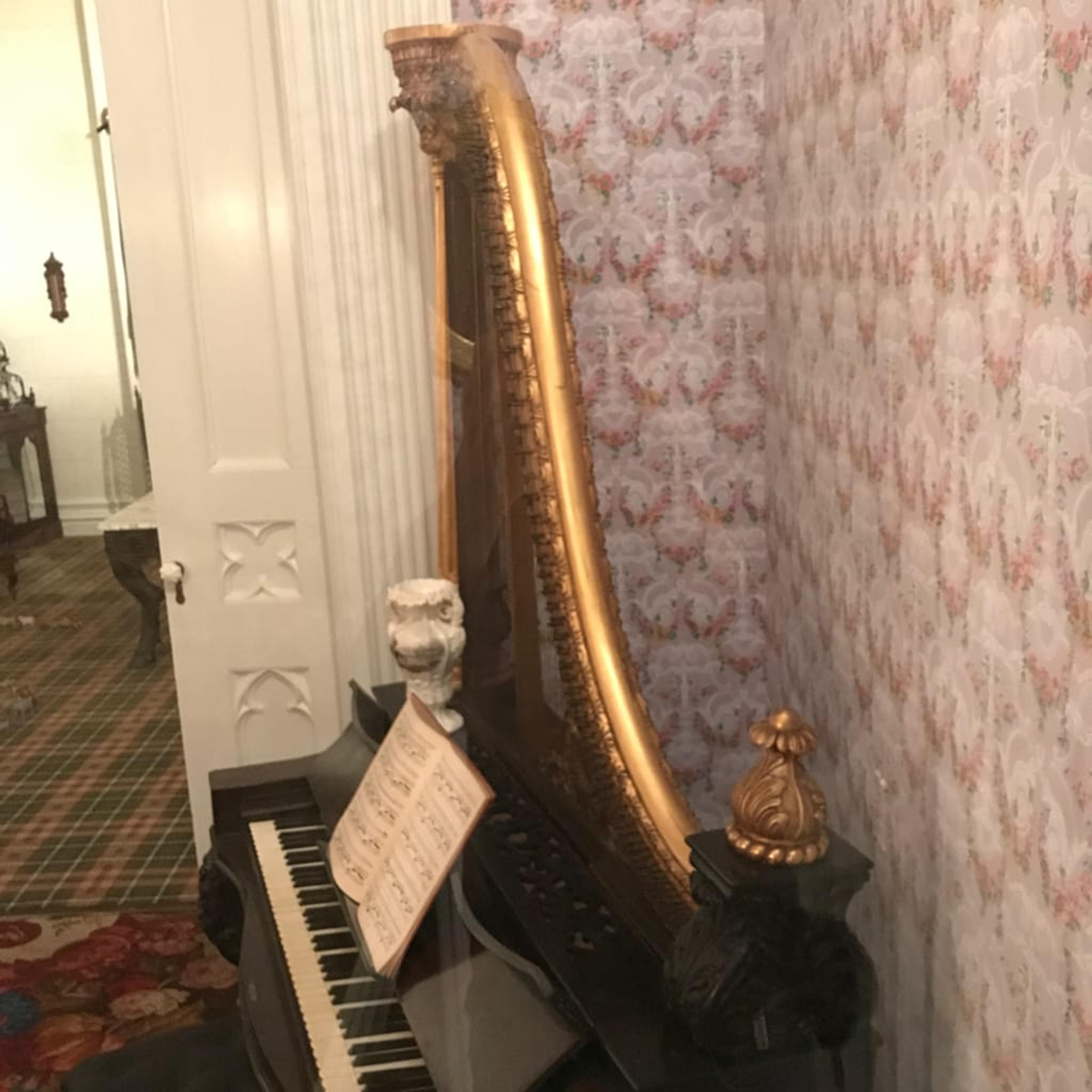 It is certainly relatively soft. Since the strings of the clavi-harp are also plucked, it does have a similar sounds quality to the harpsichord.
When was this made?
It was made between 1850-1875. The instrument was invented in 1813 and patented in 1814.Can you tell me about the harp-piano in the Rococo Revival Room?
That's what is called a clavi-harp, an instrument that was invented and patented by Johan Christian Dietz in 1814. The keyboard works just like a piano keyboard but the strings protrude above the case! The pressure of the keys activates hammers that cause small hooks to pluck the strings. Clavi-harps are lighter than pianos and could be moved around rooms more easily. Middle-class women of the time learned to play the piano for social gatherings, as it was considered socially advantageous.Is this a piano?
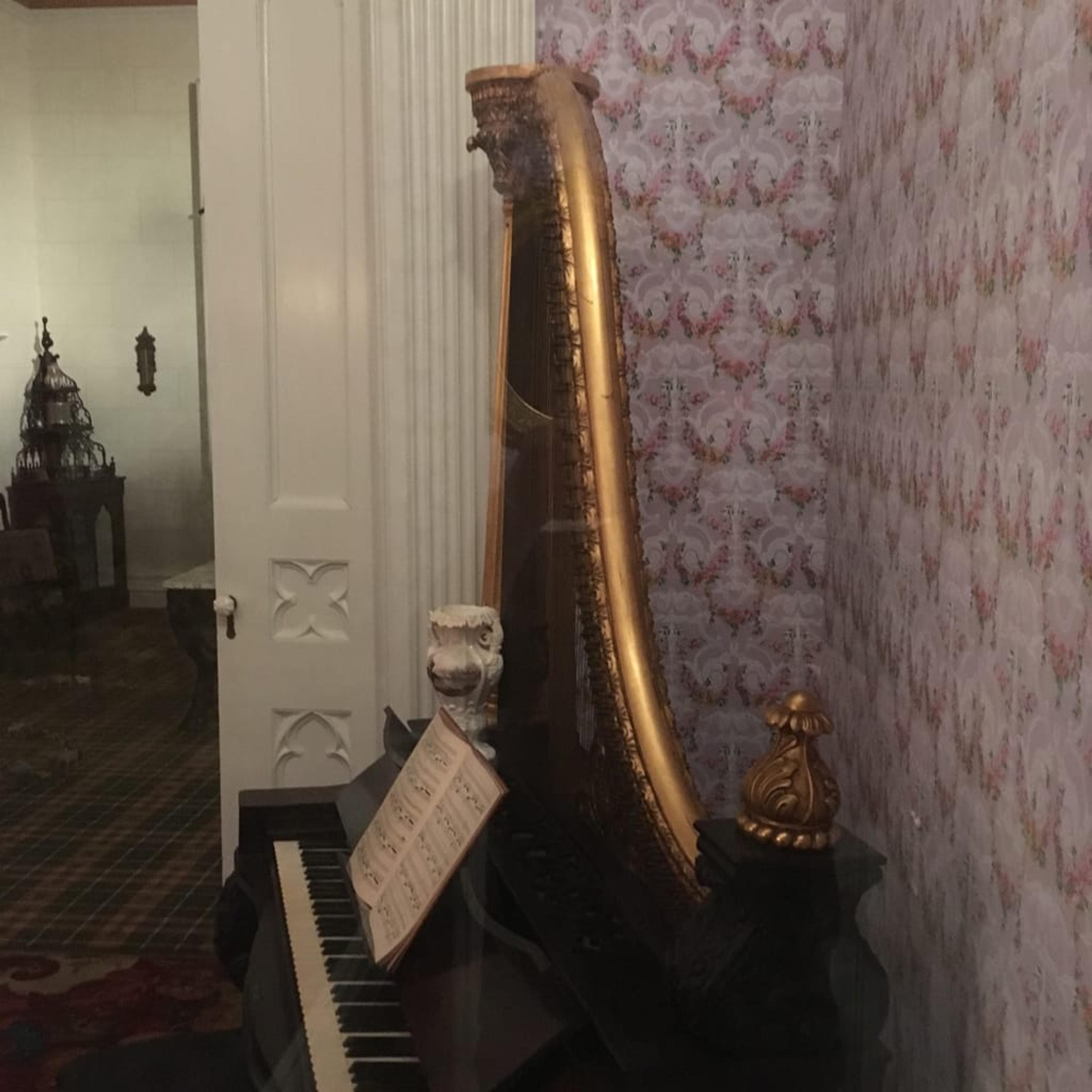 Partially! This instrument is called a piano-harp or a clavi-harp. When you play the keys, a mechanism plucks the harp's strings, producing a sound similar to that of a harpsichord.The instrument was invented in 1814 and there was some interest in it because it was smaller than a traditional piano. It was mostly regarded as a novelty, though.Thanks.
Have information?
Have information about an artwork? Contact us at