Armchair, Model B3
Marcel Breuer

Brooklyn Museum photograph
Object Label
In 1925, Marcel Breuer arrived as a teacher at the Bauhaus, the German school of art, design, and architecture that had recently moved to Dessau. Soon thereafter, he purchased an Adler bicycle, whose strength, flexibility, and lightness—made possible by its tubular steel frame—greatly impressed him. That same year, Breuer began making furniture from polished tubular steel, starting with the Wassily Chair—named after his friend and fellow Bauhaus instructor, the painter Wassily Kandinsky—and extending to side chairs and tables, examples of which are on view here.
Though it lasted only from 1919 until 1933, when it closed under Nazi pressure, the Bauhaus was highly influential due in part to the number of vanguard figures who were affiliated with it. Many of them, because of the persecution of Jewish people and those deemed “degenerate,” fled Germany and established themselves in the United States. The school advocated the equality of the arts and elevation of craft, echoing the ideals of the earlier Arts and Crafts and other movements. However, in later years, the Bauhaus became more widely associated with industrial production, of which Breuer’s tubular steel furniture is among the best-known examples.
Though it lasted only from 1919 until 1933, when it closed under Nazi pressure, the Bauhaus was highly influential due in part to the number of vanguard figures who were affiliated with it. Many of them, because of the persecution of Jewish people and those deemed “degenerate,” fled Germany and established themselves in the United States. The school advocated the equality of the arts and elevation of craft, echoing the ideals of the earlier Arts and Crafts and other movements. However, in later years, the Bauhaus became more widely associated with industrial production, of which Breuer’s tubular steel furniture is among the best-known examples.
Caption
Marcel Breuer (American, born Hungary, 1902–1981). Armchair, Model B3, ca.1927–1928. Chromium plated tubular steel, natural canvas, 28 3/4 × 32 3/8 × 29 1/4 in. (73 × 82.2 × 74.3 cm). Brooklyn Museum, Gift of Mr. and Mrs. Alexis Zalstem-Zalessky, 59.236.4. (Photo: Brooklyn Museum)
Maker
Manufacturer
Title
Armchair, Model B3
Date
ca.1927–1928
Medium
Chromium plated tubular steel, natural canvas
Classification
Dimensions
28 3/4 × 32 3/8 × 29 1/4 in. (73 × 82.2 × 74.3 cm)
Credit Line
Gift of Mr. and Mrs. Alexis Zalstem-Zalessky
Accession Number
59.236.4
Frequent Art Questions
Tell me more.
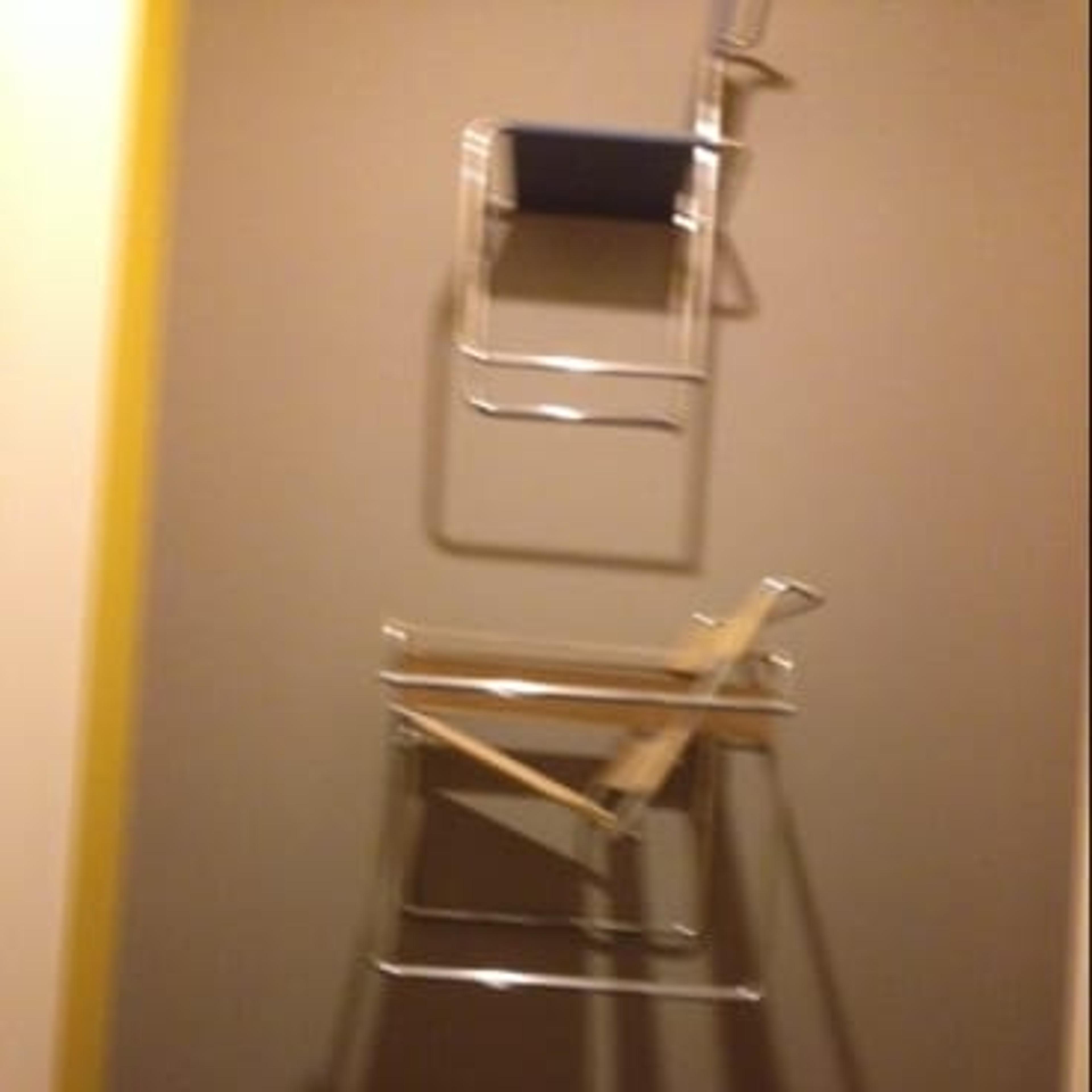 Marcel Breuer was the first designer to develop tubular steel furniture. This kind of furniture was meant to be functional, comfortable, and lightweight all at once. Breuer started working on these designs when he was teaching at the Bauhaus school in Dessau, Germany.
Did anyone ever sit in this chair?
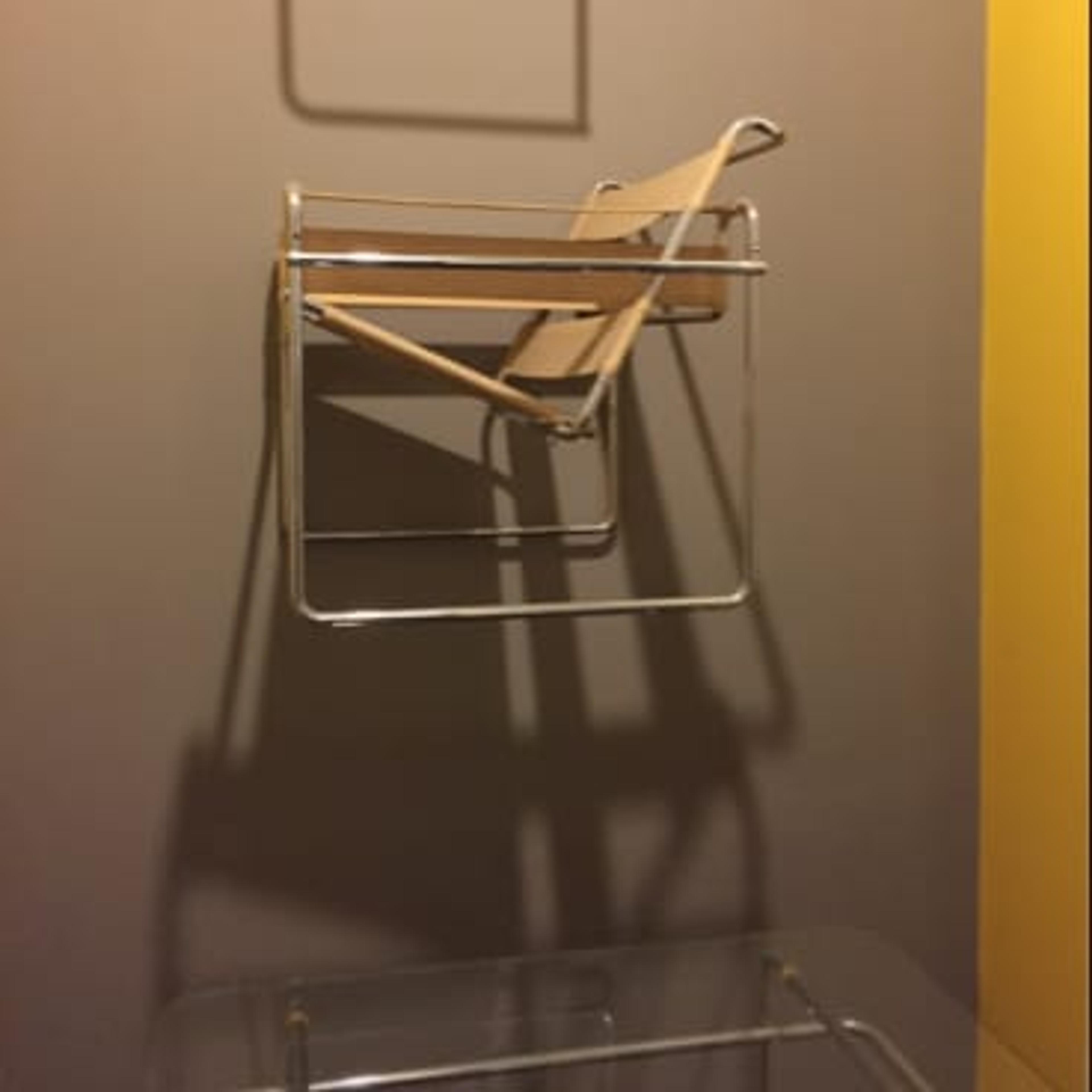 Breuer pieces were certainly created and sold to be used and the donors did indeed purchase these and use them in their home before gifting them to the Museum.Thanks!
Have information?
Have information about an artwork? Contact us at