Tomb Relief of Itwesh
1 of 6
Object Label
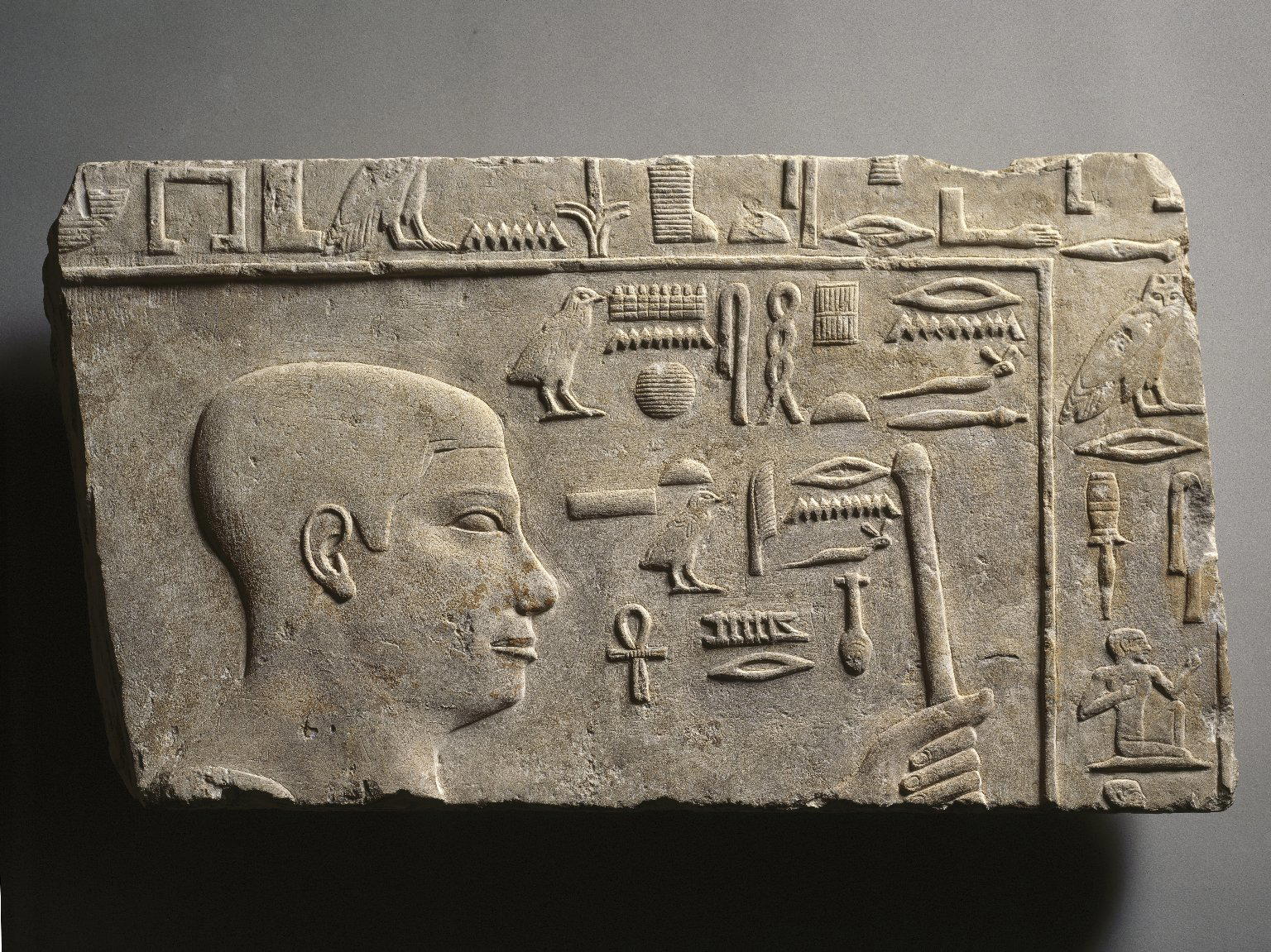
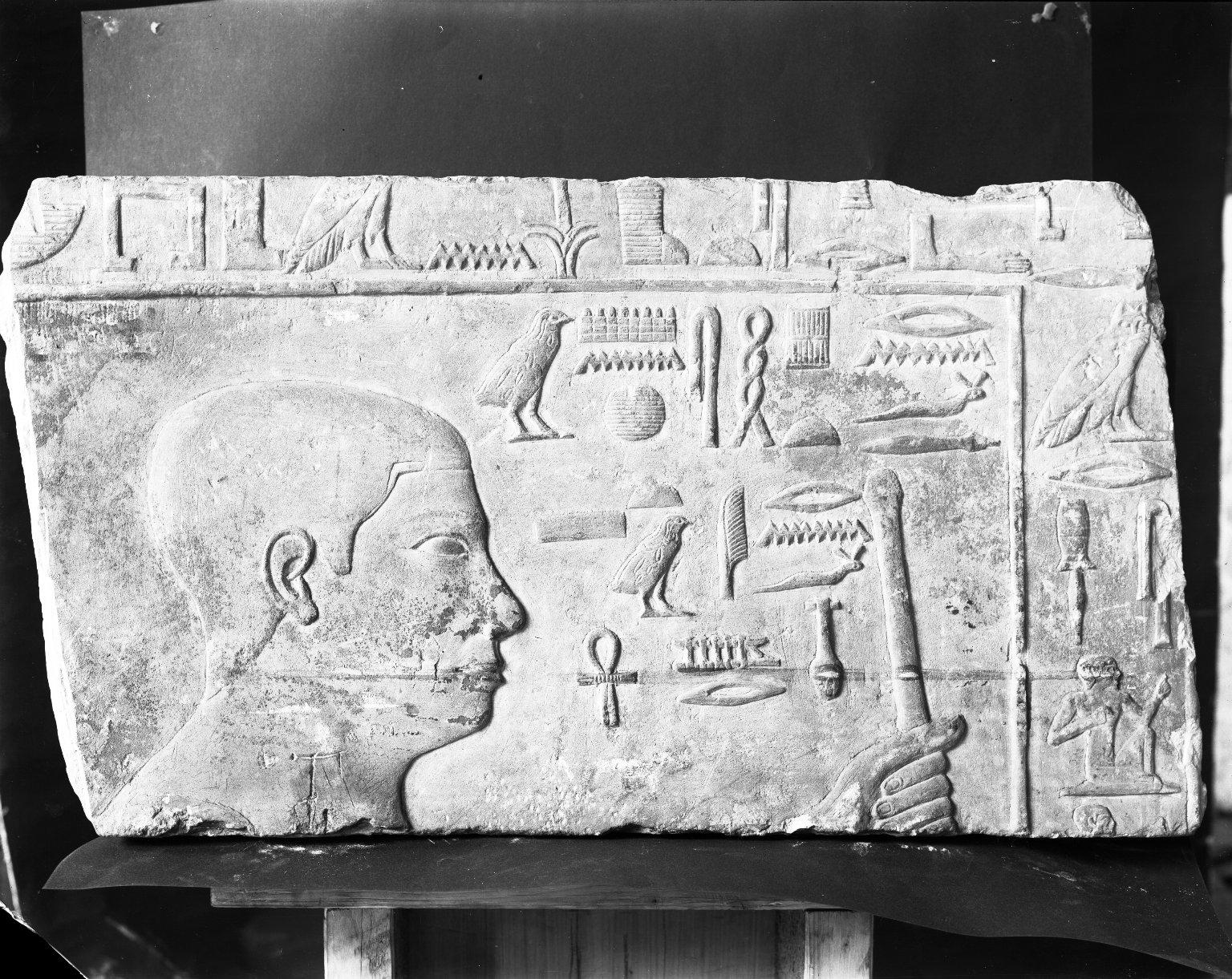
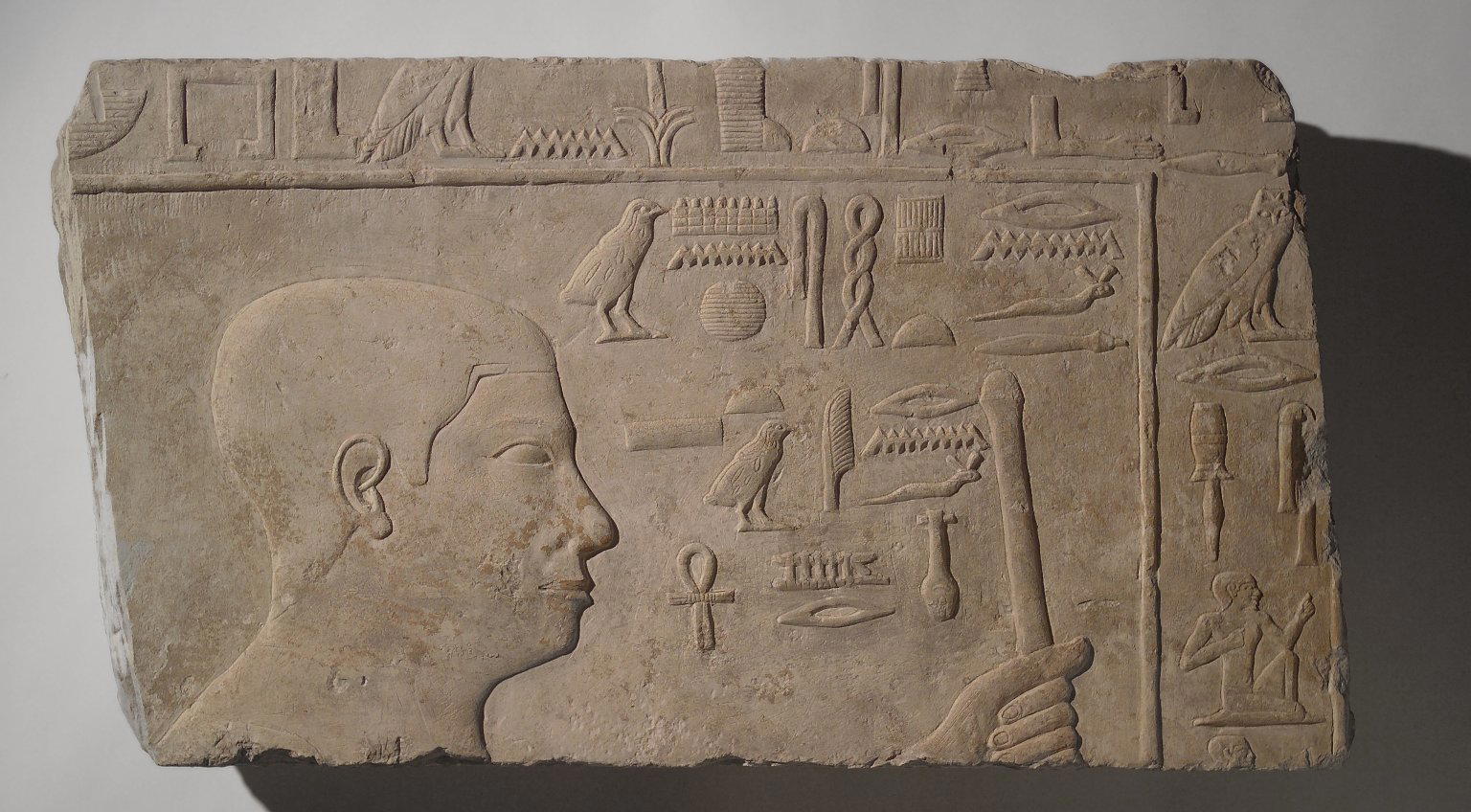
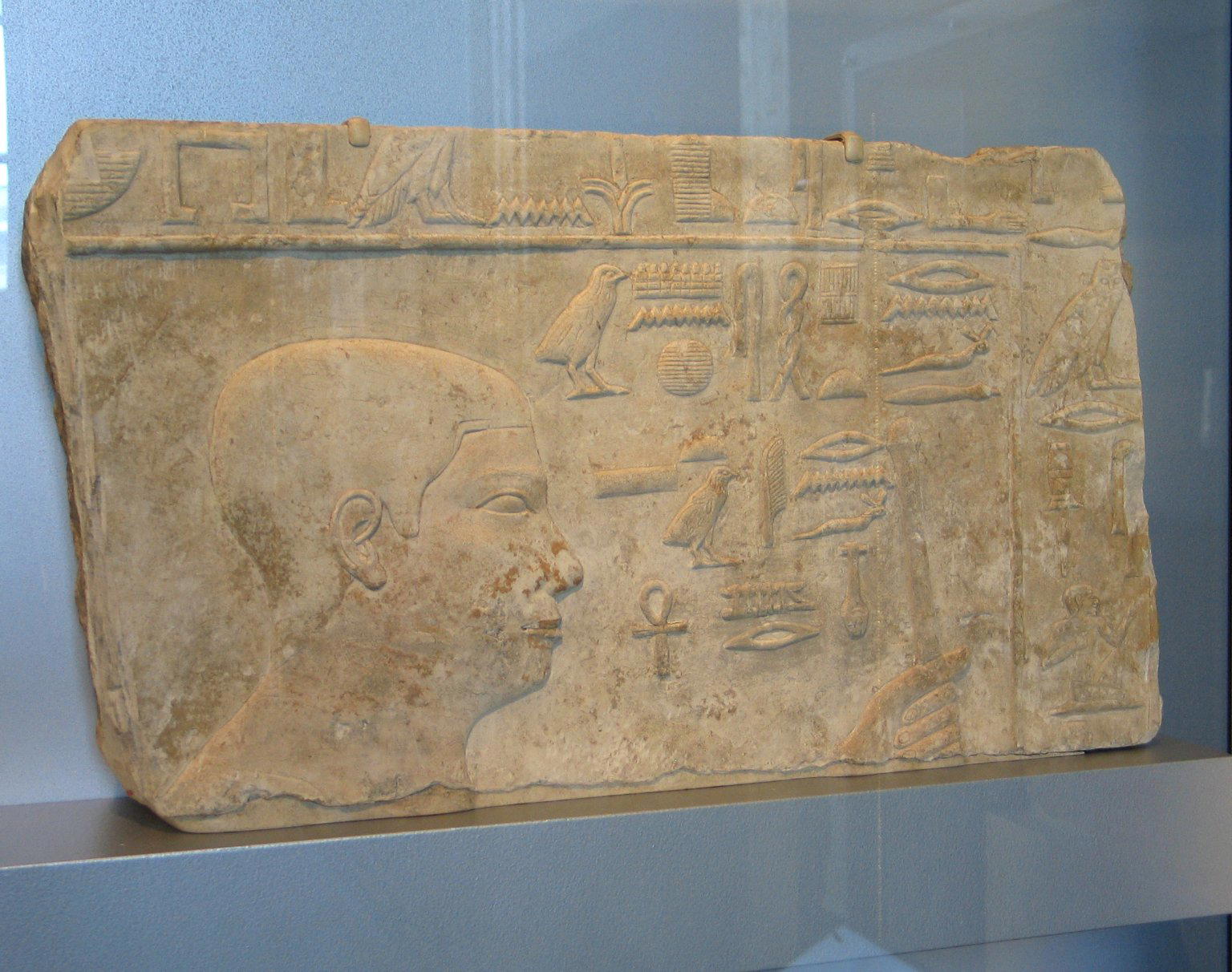
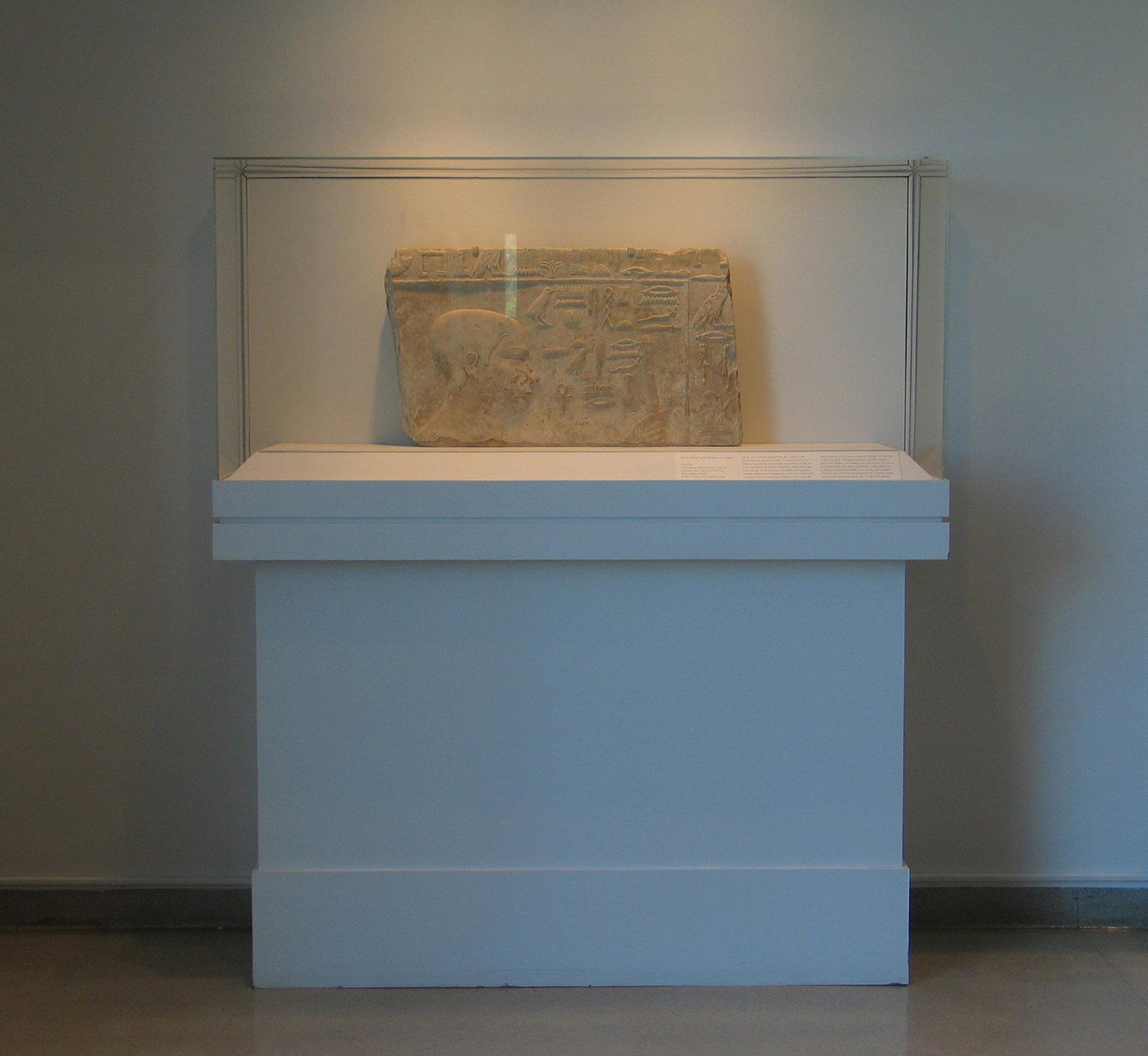
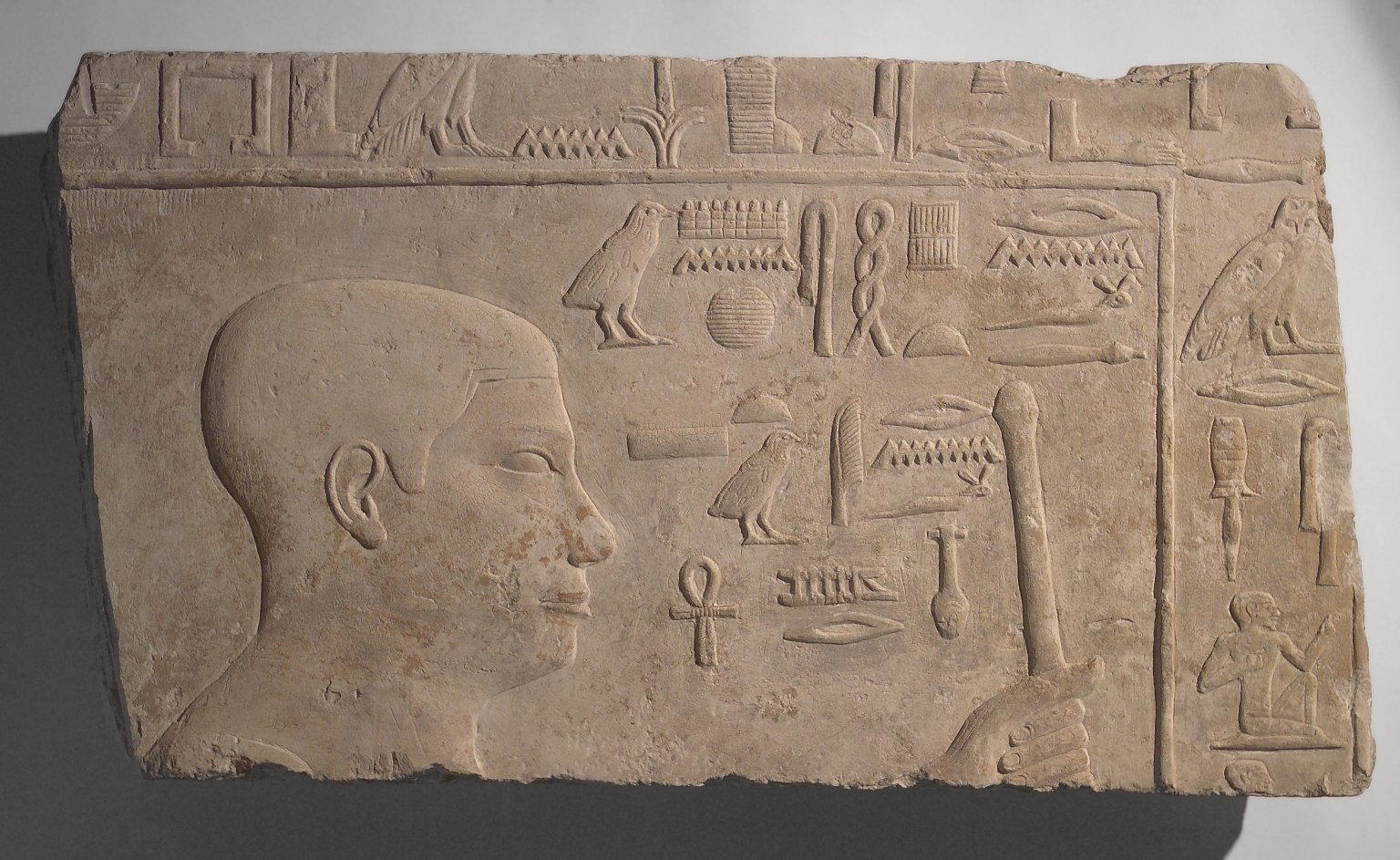
Itwesh, more officially called Semenkhu-Ptah, was an important royal official, according to the inscription on this relief fragment from his tomb. The image represents not the living Itwesh but one of his tomb statues. In Egyptian reliefs, living people are generally depicted with both shoulders in a frontal view, while images of statues show just one shoulder in profile. The full chin, receding (slightly retouched) hairline, and walking stick indicate that the statue of Itwesh shown in this relief portrayed him as a stout man in prosperous middle age.
Caption
Tomb Relief of Itwesh, ca. 2475–2345 B.C.E.. Limestone, 17 x 5 1/2 x 30 in., 141.5 lb. (43.2 x 14 x 76.2 cm, 64.2kg). Brooklyn Museum, Charles Edwin Wilbour Fund, 37.25E. (Photo: Brooklyn Museum)
Title
Tomb Relief of Itwesh
Date
ca. 2475–2345 B.C.E.
Dynasty
end of Dynasty 5
Period
Old Kingdom
Geography
Reportedly from: Saqqara, Egypt
Medium
Limestone
Classification
Dimensions
17 x 5 1/2 x 30 in., 141.5 lb. (43.2 x 14 x 76.2 cm, 64.2kg)
Credit Line
Charles Edwin Wilbour Fund
Accession Number
37.25E
Frequent Art Questions
Do you know what this symbol means?
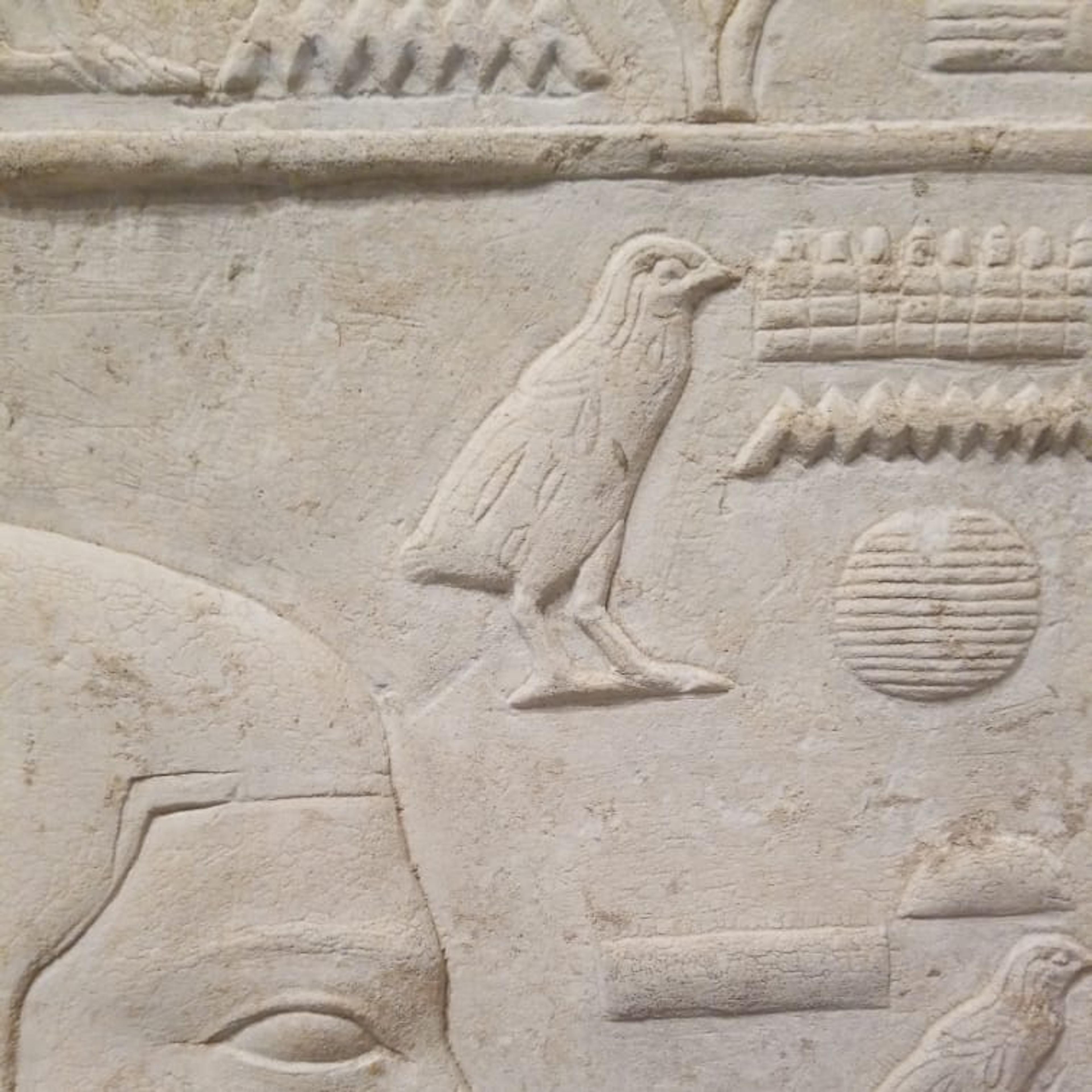 I do! I don't know all hieroglyphs, but this one, the quail chick, is a very common one! It stands for w or u sound. This sign can also tell us that this inscription is meant to be read from right to left because you always read into the faces of people and animals.
Have information?
Have information about an artwork? Contact us at