Plaque of the Goddess Hathor in Relief
ca. 664–525 B.C.E. or later


1 of 2
Caption
Plaque of the Goddess Hathor in Relief, ca. 664–525 B.C.E. or later. Gold, 1 × 5/8 × 1/16 in. (2.5 × 1.6 × 0.2 cm). Brooklyn Museum, Charles Edwin Wilbour Fund, 37.810E. (Photo: Brooklyn Museum)
Gallery
Not on view
Gallery
Not on view
Title
Plaque of the Goddess Hathor in Relief
Date
ca. 664–525 B.C.E. or later
Dynasty
Dynasty 26, or later
Period
Late Period
Geography
Reportedly from: Saqqara, Egypt
Medium
Gold
Classification
Dimensions
1 × 5/8 × 1/16 in. (2.5 × 1.6 × 0.2 cm)
Credit Line
Charles Edwin Wilbour Fund
Accession Number
37.810E
Frequent Art Questions
More explanation!
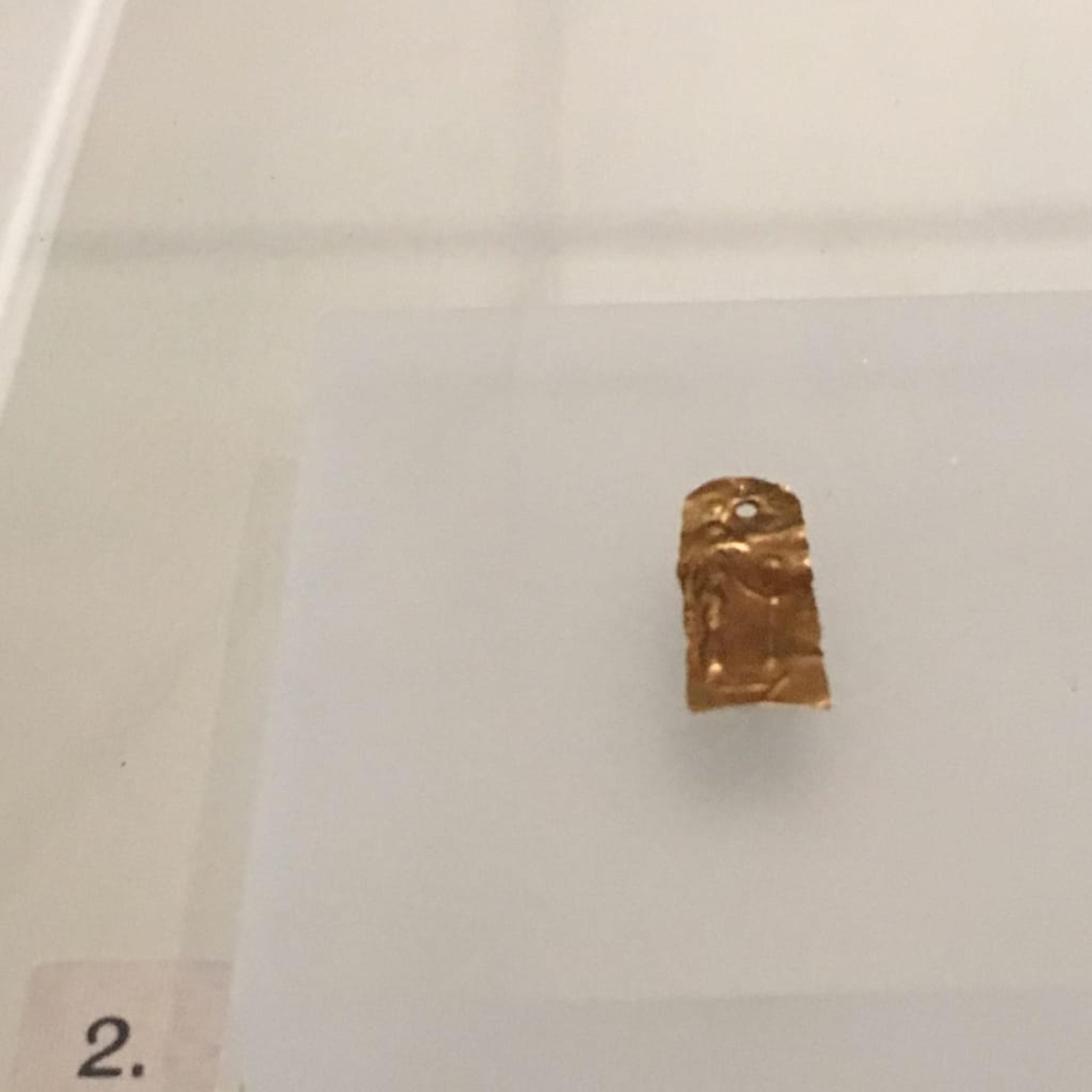 This tiny plaque with the image of Hathor was likely threaded into a piece of jewelry and worn as a type of amulet. We can tell that it is Hathor because she has the body of a woman, but the head of a cow.If you look closely, you can also see the suggestion of a "was" scepter in her left hand, and an ankh in the right hand reinforcing that this is, in fact, a deity.Hathor was a fertility goddess related to both fertility of the earth and to sexual love.Incredible.Indeed! You may have also noticed that this object is made of gold, amazingly, gold does not tarnish so this tiny plaque has always appeared this brilliant!Sensational.
Have information?
Have information about an artwork? Contact us at