Stela from the Tomb of a Noblewoman
ca. 2675–2625 B.C.E.
1 of 5
Object Label
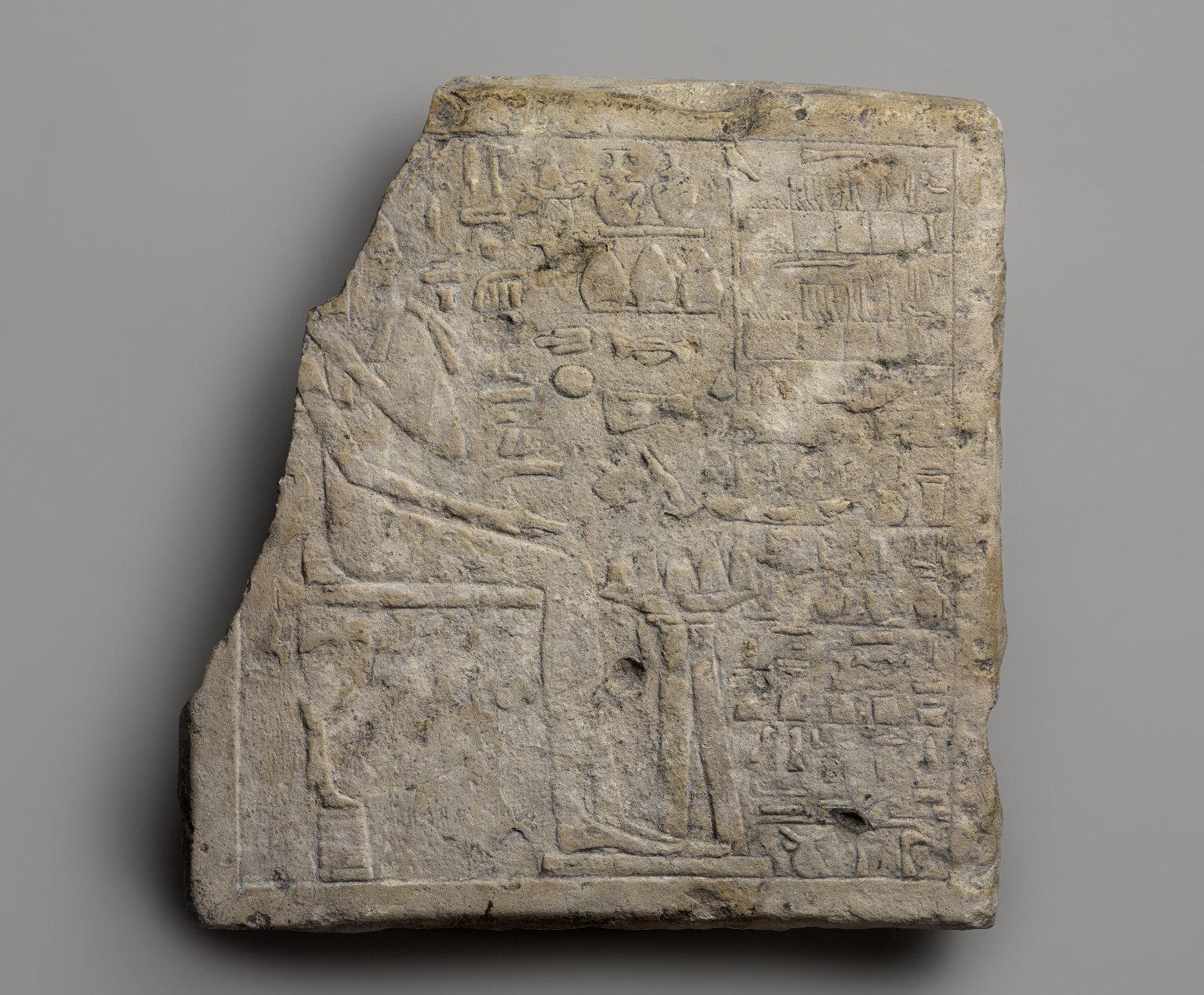
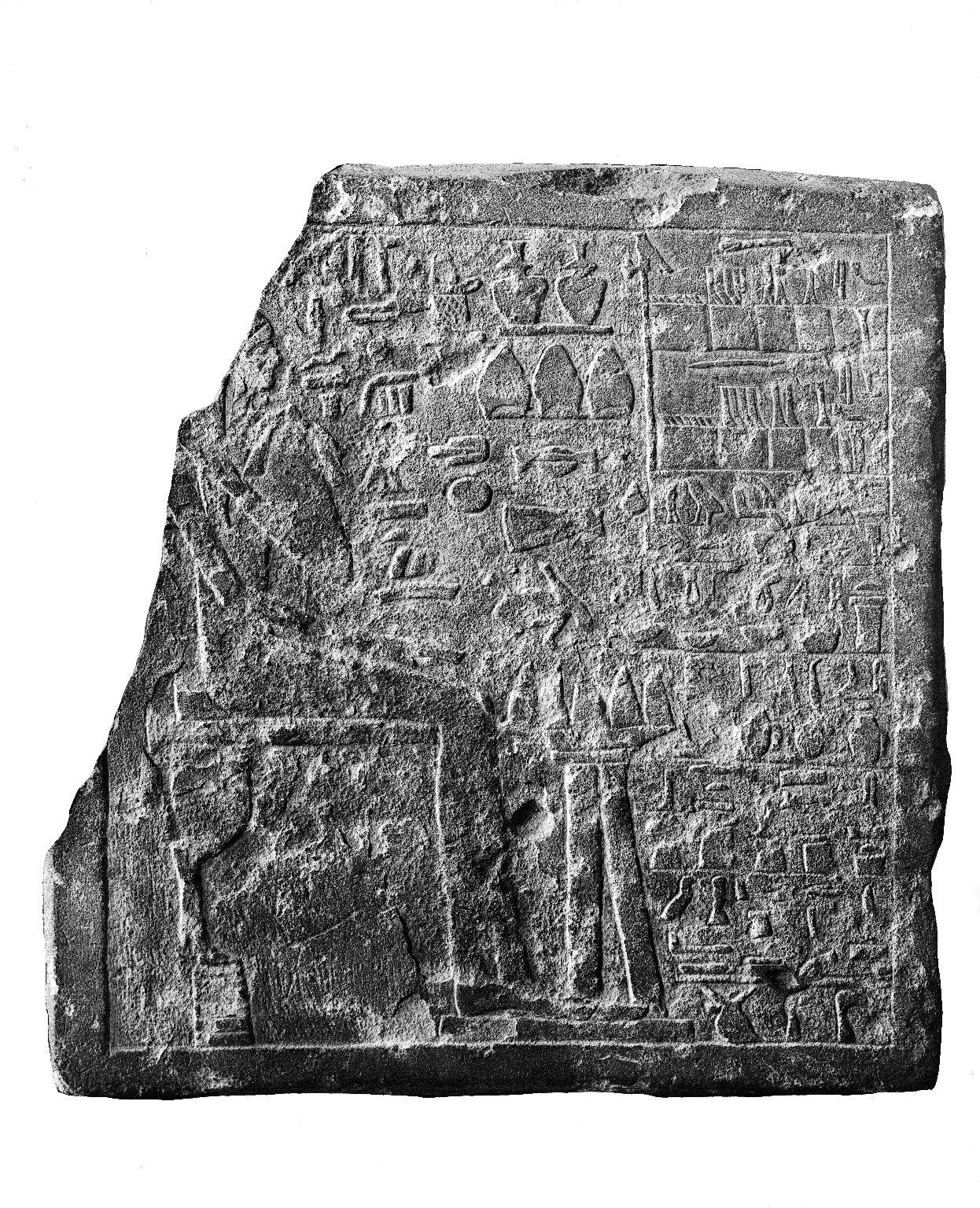
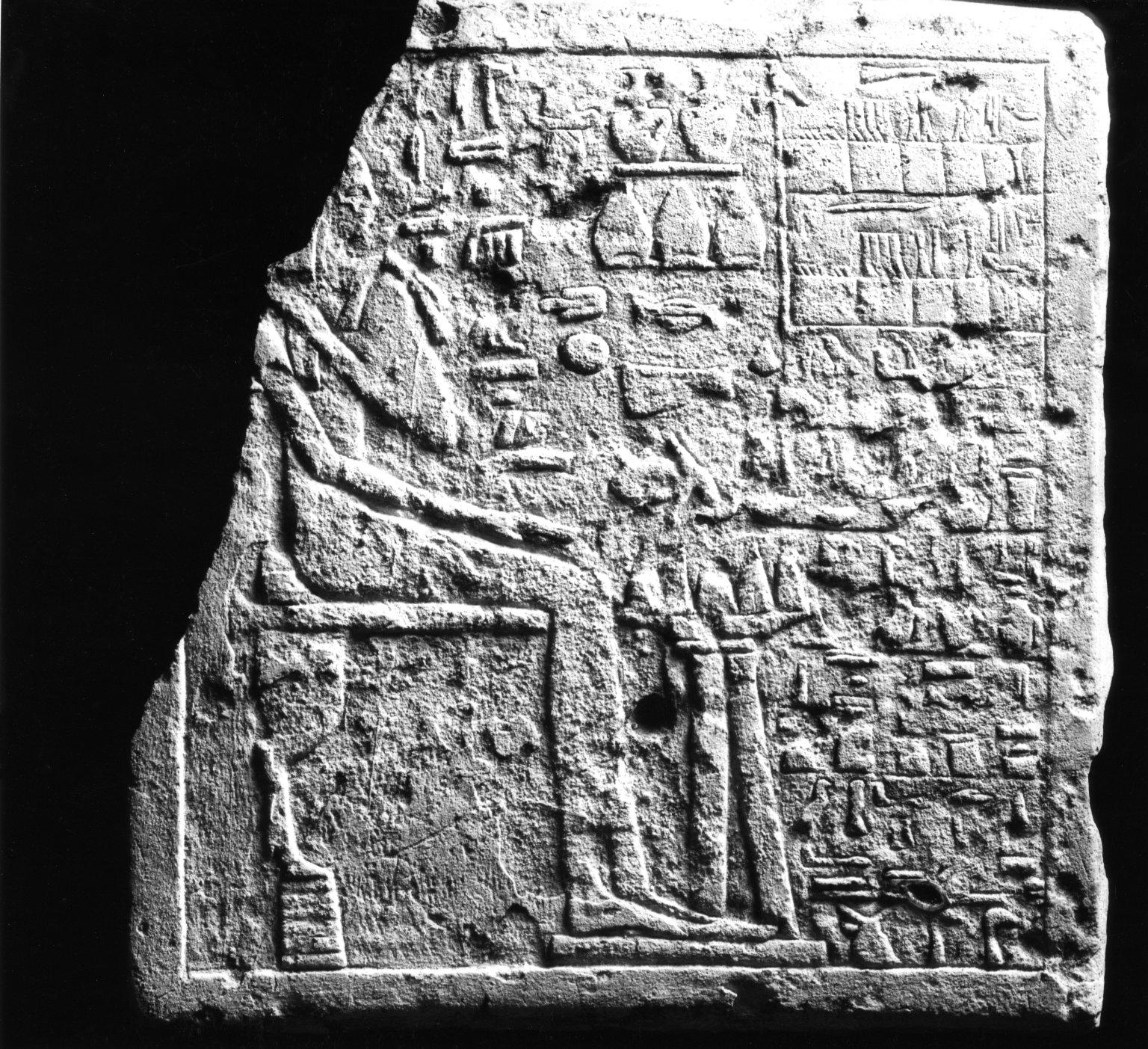
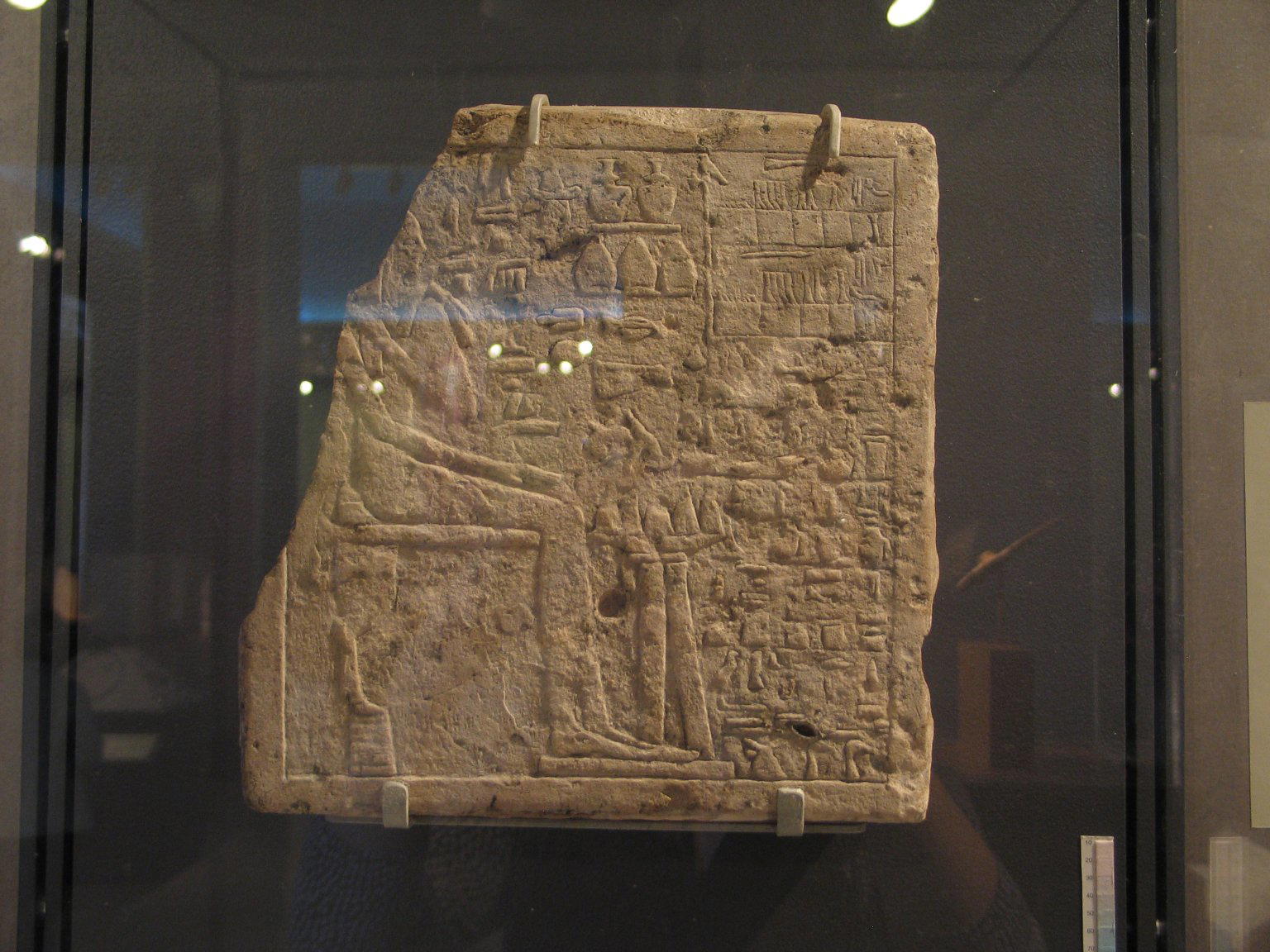
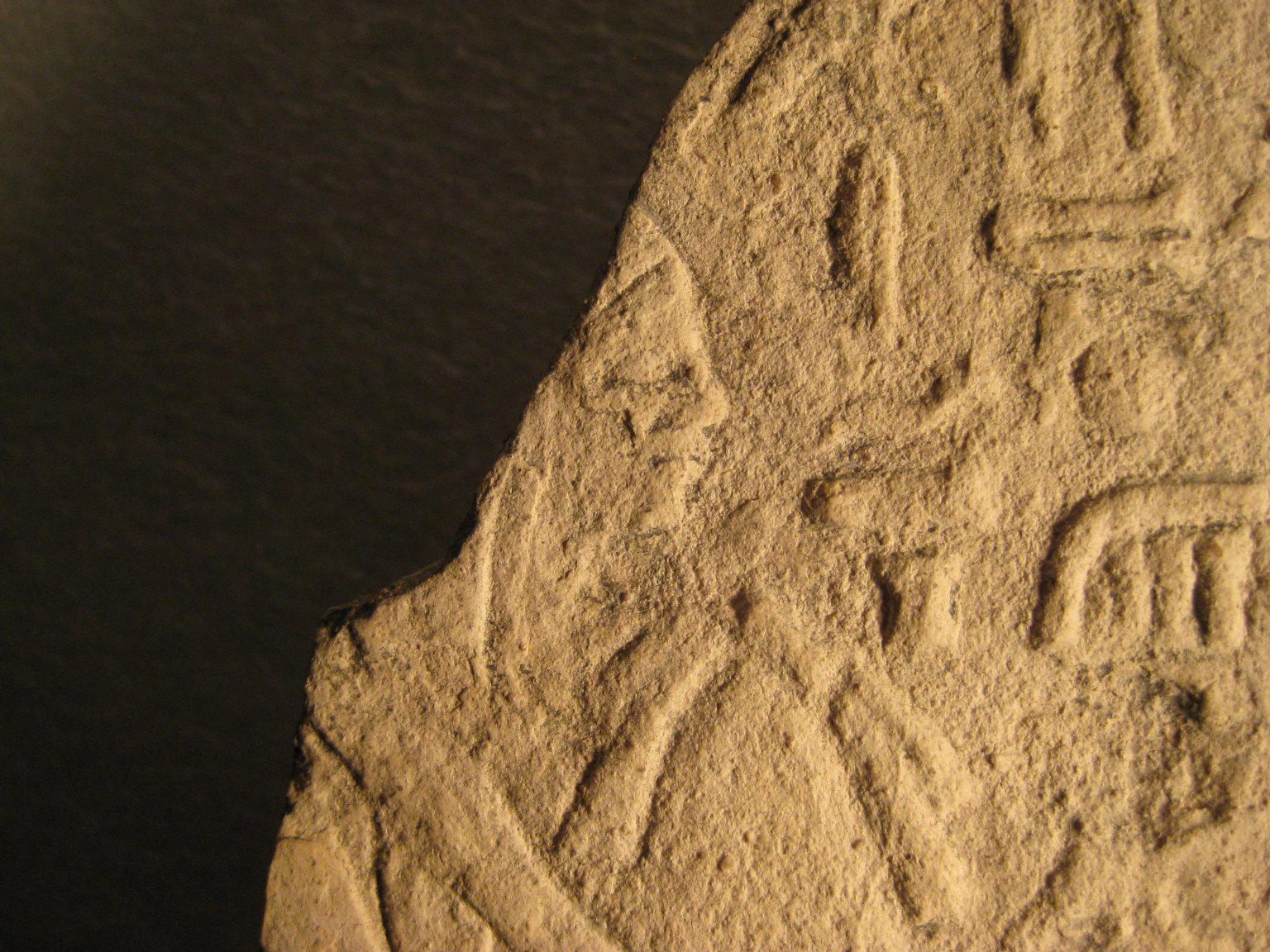
Though rebirth in the tomb required gender transformation for women, in the next world women lived forever returned to their original state. In this very ancient and rare Early Dynastic Period stela, a noblewoman is seated at an offering table, able to eat and drink for all eternity. The demands of rebirth are long past and will not be faced again. For the Egyptians, people were reborn only once. There was no further reincarnation beyond the next world.
Caption
Stela from the Tomb of a Noblewoman, ca. 2675–2625 B.C.E.. Limestone, 10 7/8 x 10 7/16 x 2 9/16 in. (27.7 x 26.5 x 6.5 cm). Brooklyn Museum, Charles Edwin Wilbour Fund, 37.1348E. (Photo: Brooklyn Museum)
Title
Stela from the Tomb of a Noblewoman
Date
ca. 2675–2625 B.C.E.
Dynasty
Dynasty 3
Period
Early Old Kingdom
Geography
Place made: Egypt
Medium
Limestone
Classification
Dimensions
10 7/8 x 10 7/16 x 2 9/16 in. (27.7 x 26.5 x 6.5 cm)
Credit Line
Charles Edwin Wilbour Fund
Accession Number
37.1348E
Frequent Art Questions
What is a “stela”?
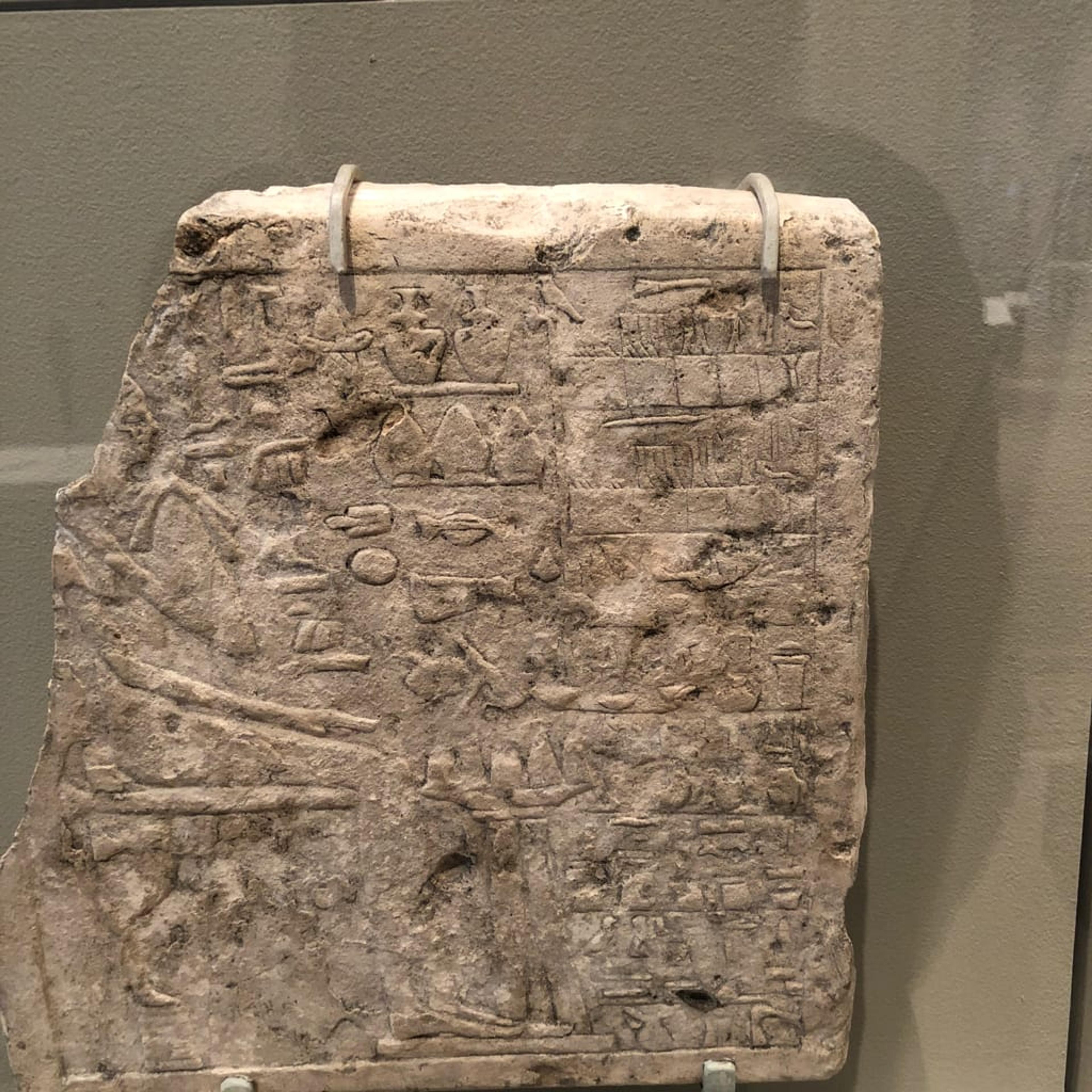 The word "stela" basically means a freestanding, decorated panel. They're often stone like the one you photographed, but can also be wood.Most of the stelae that you see in our Egyptian galleries are funerary, designed to be in or near the person's tomb. The images and text on them either honors to gods or asks for offerings from the living.
Have information?
Have information about an artwork? Contact us at