Ibis Mummy
760–399 B.C.E.
1 of 10
Caption
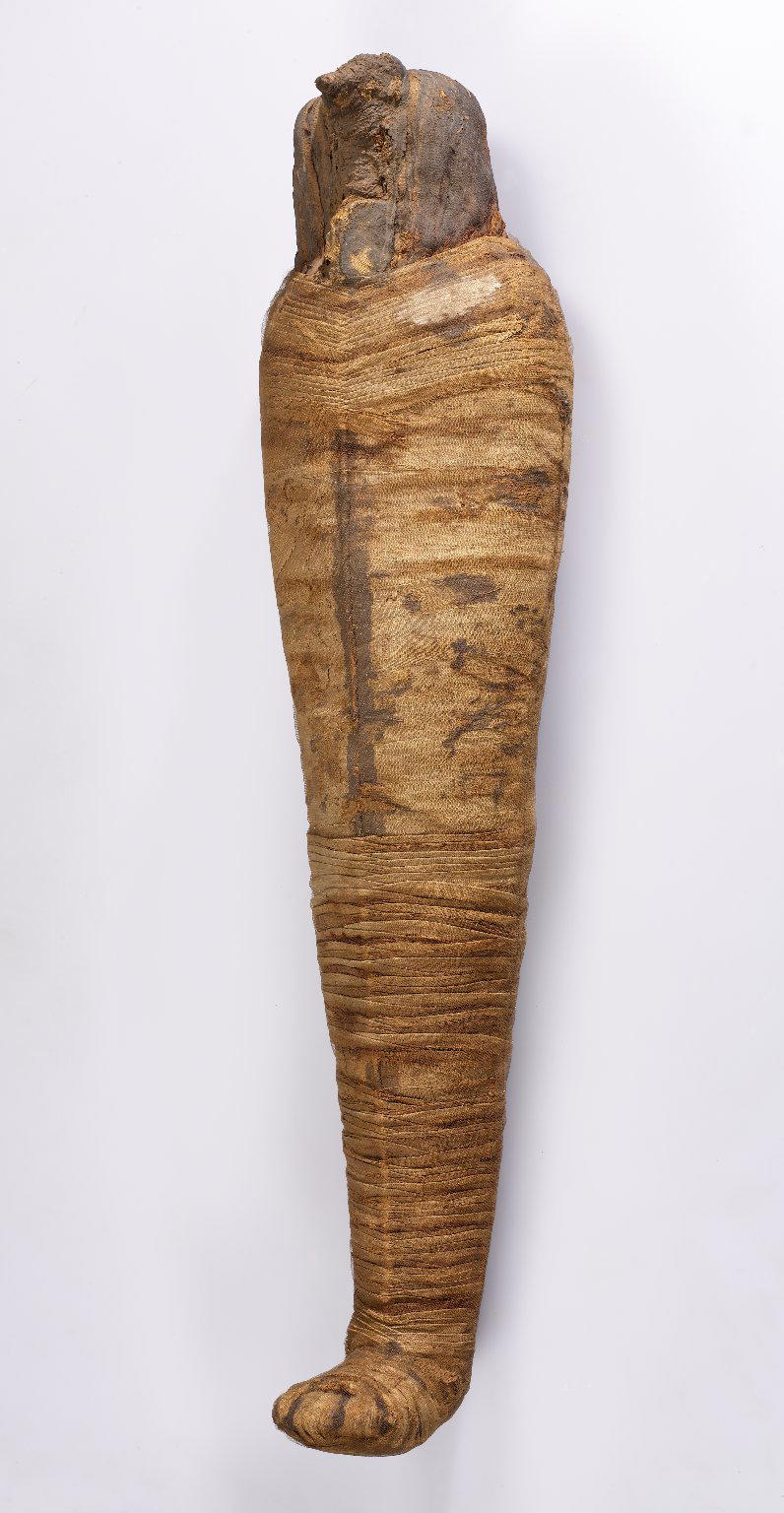
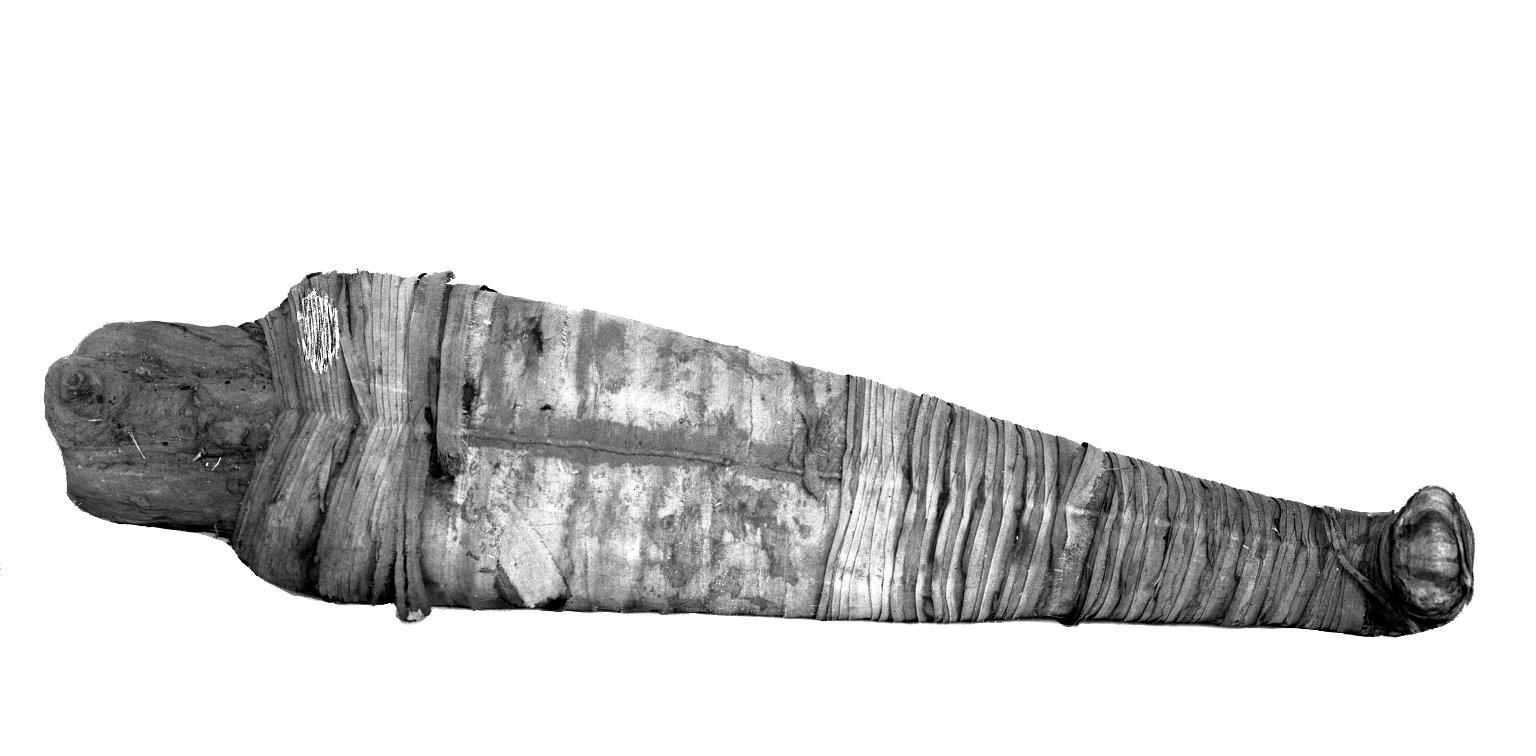
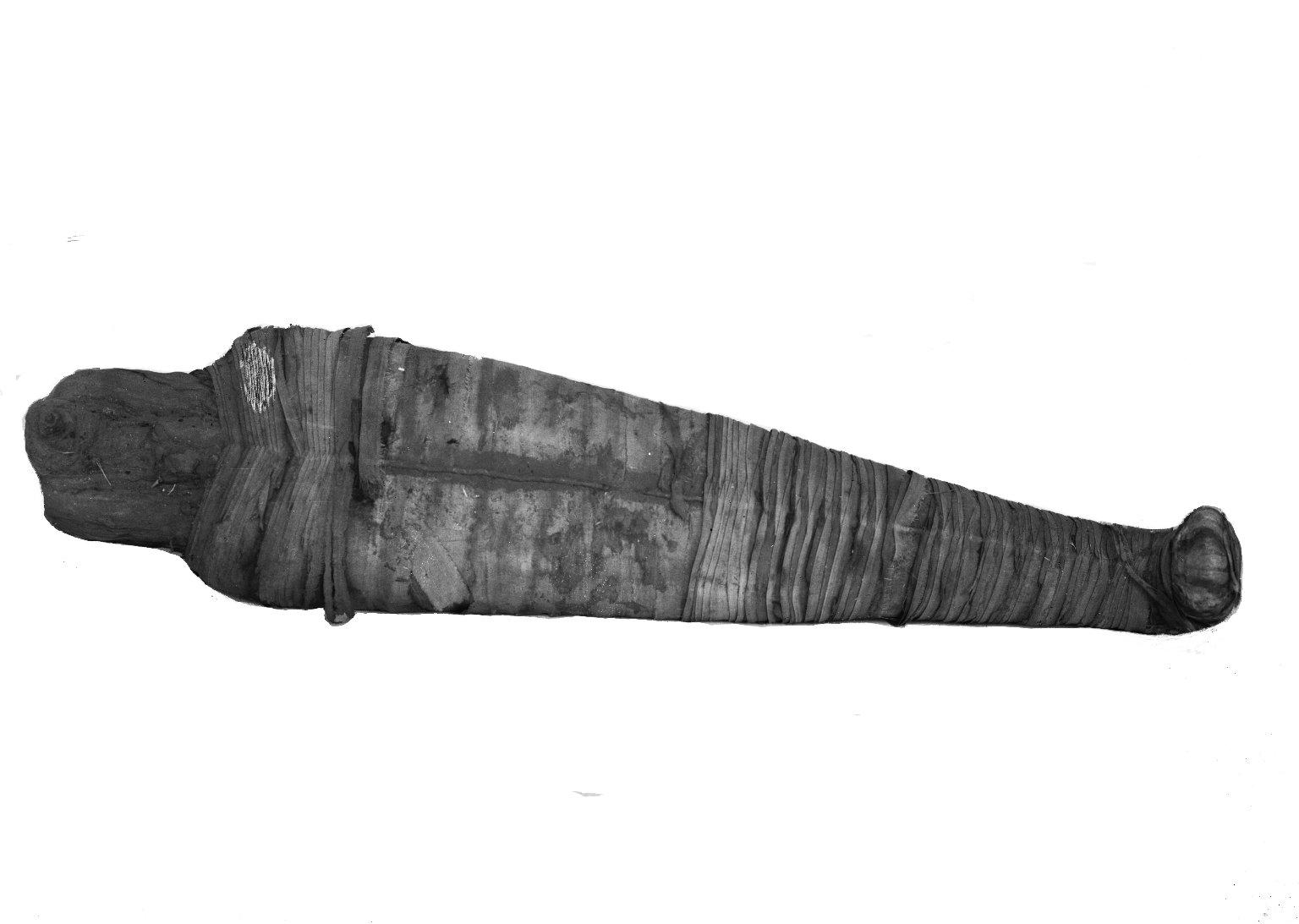
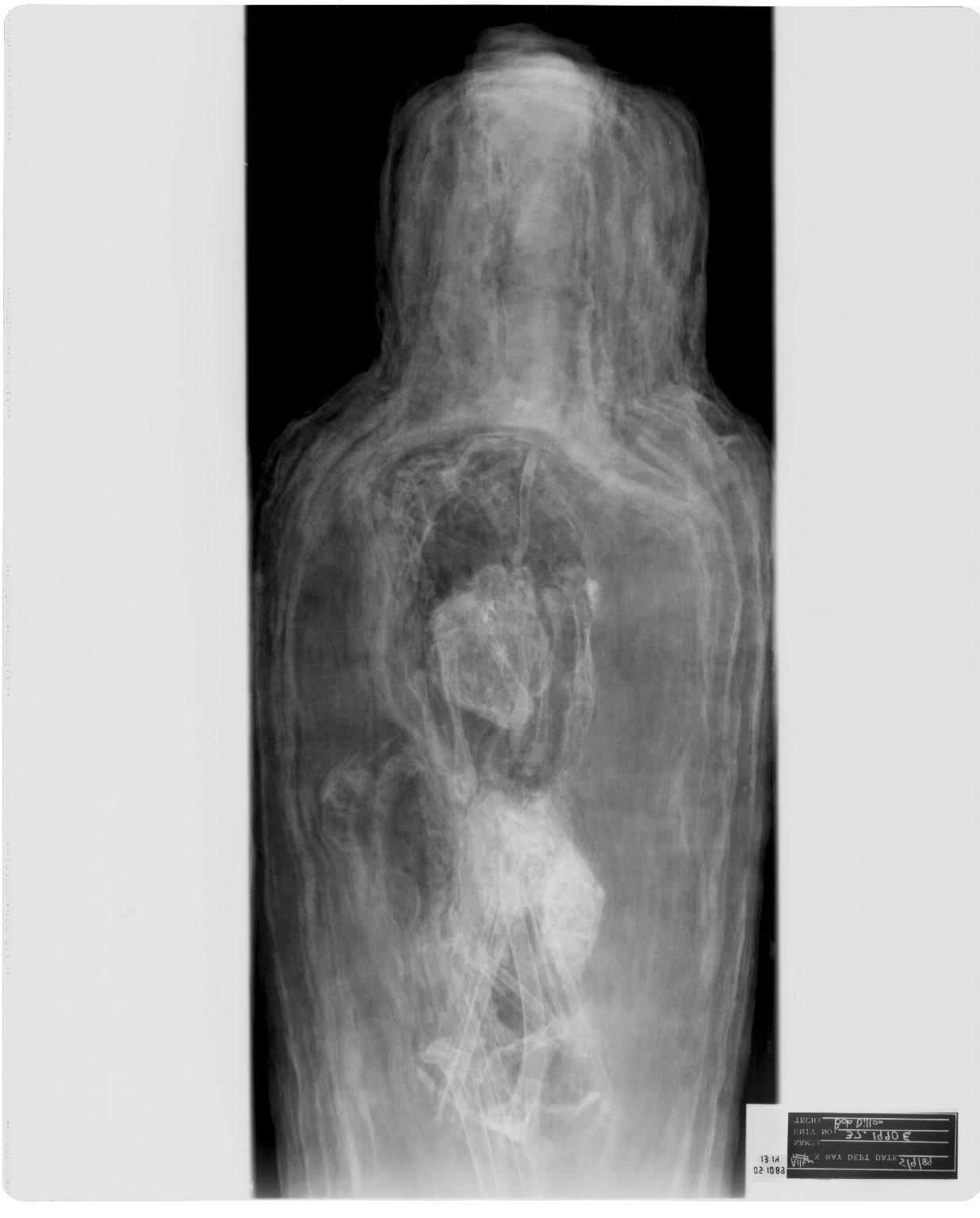
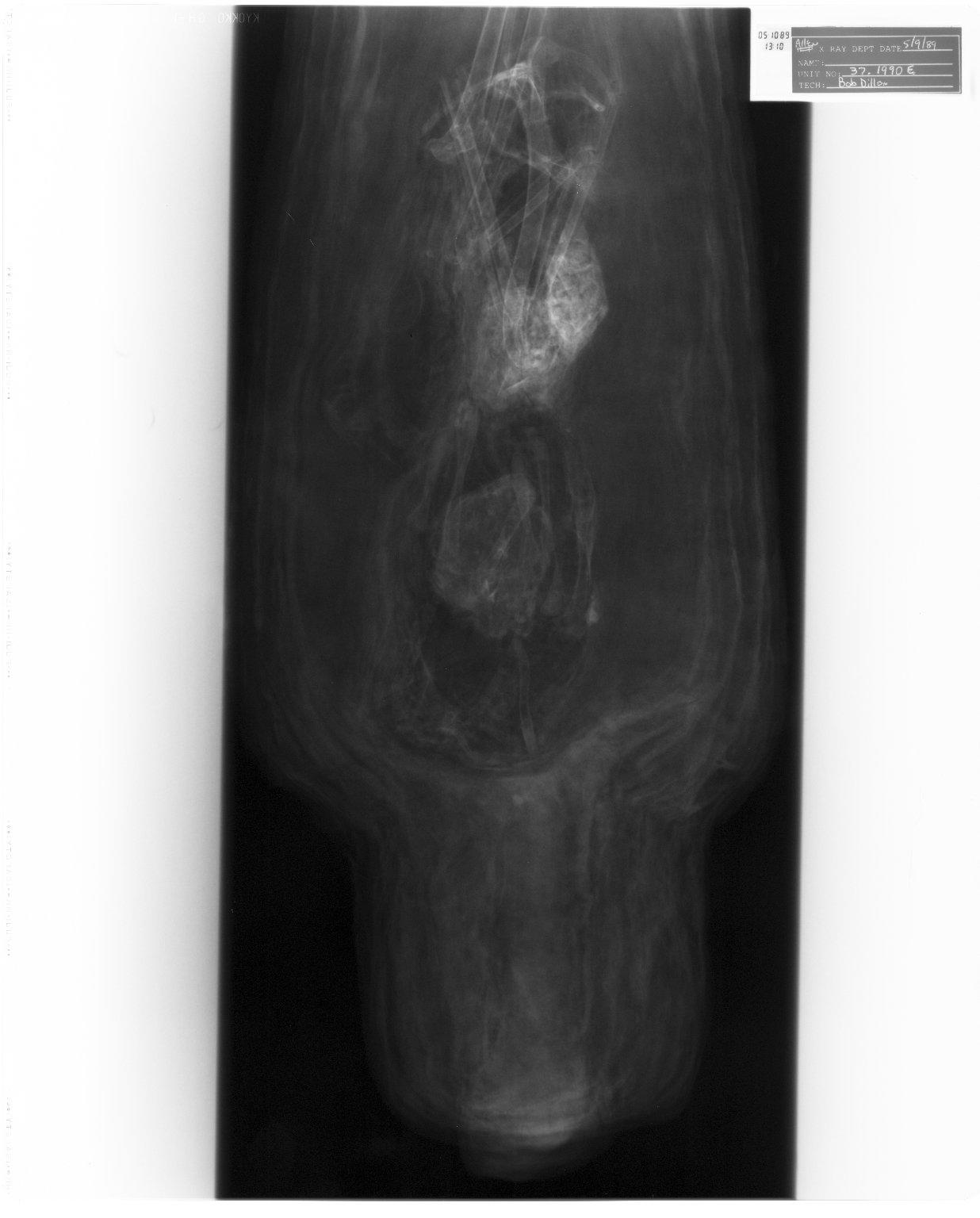
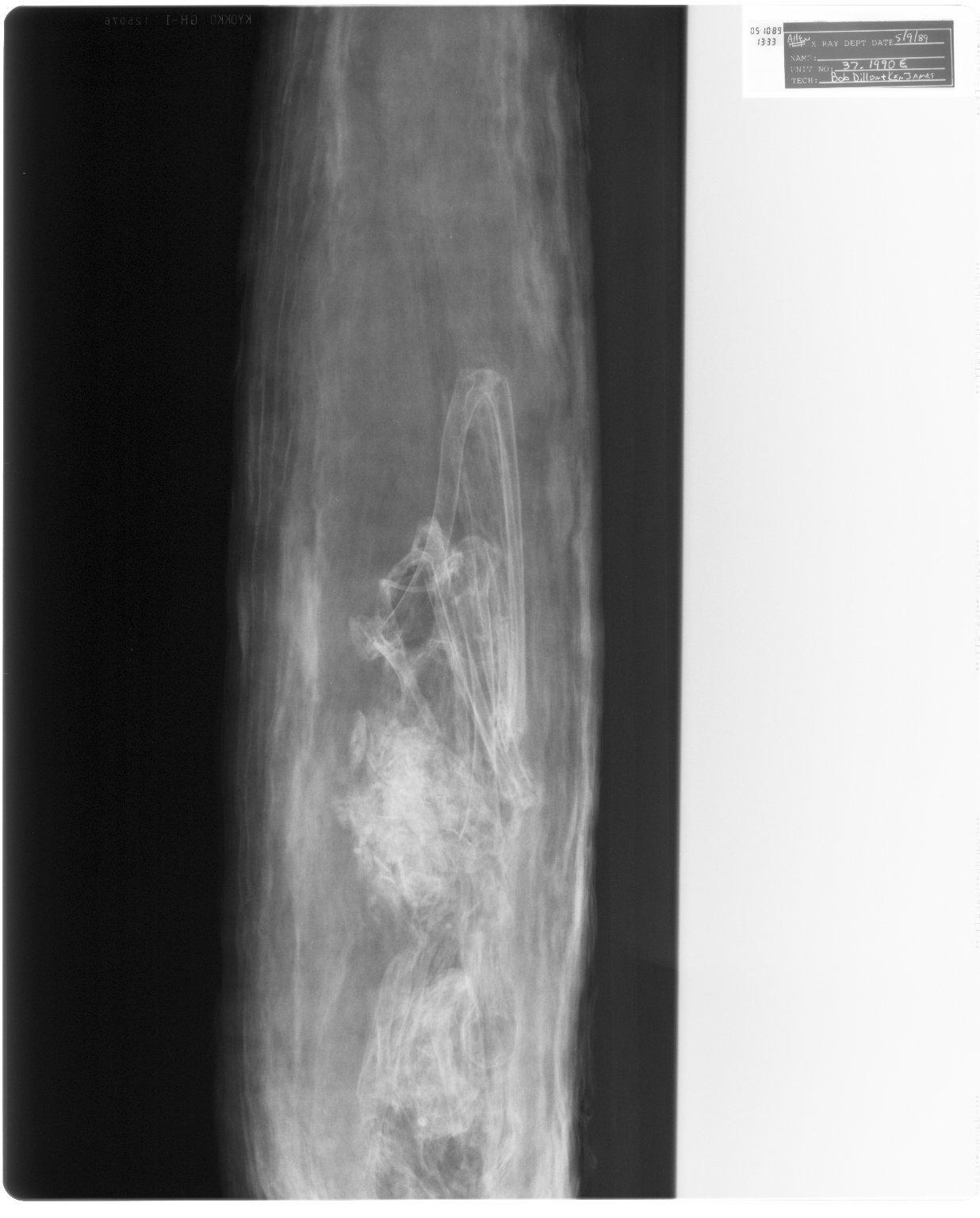
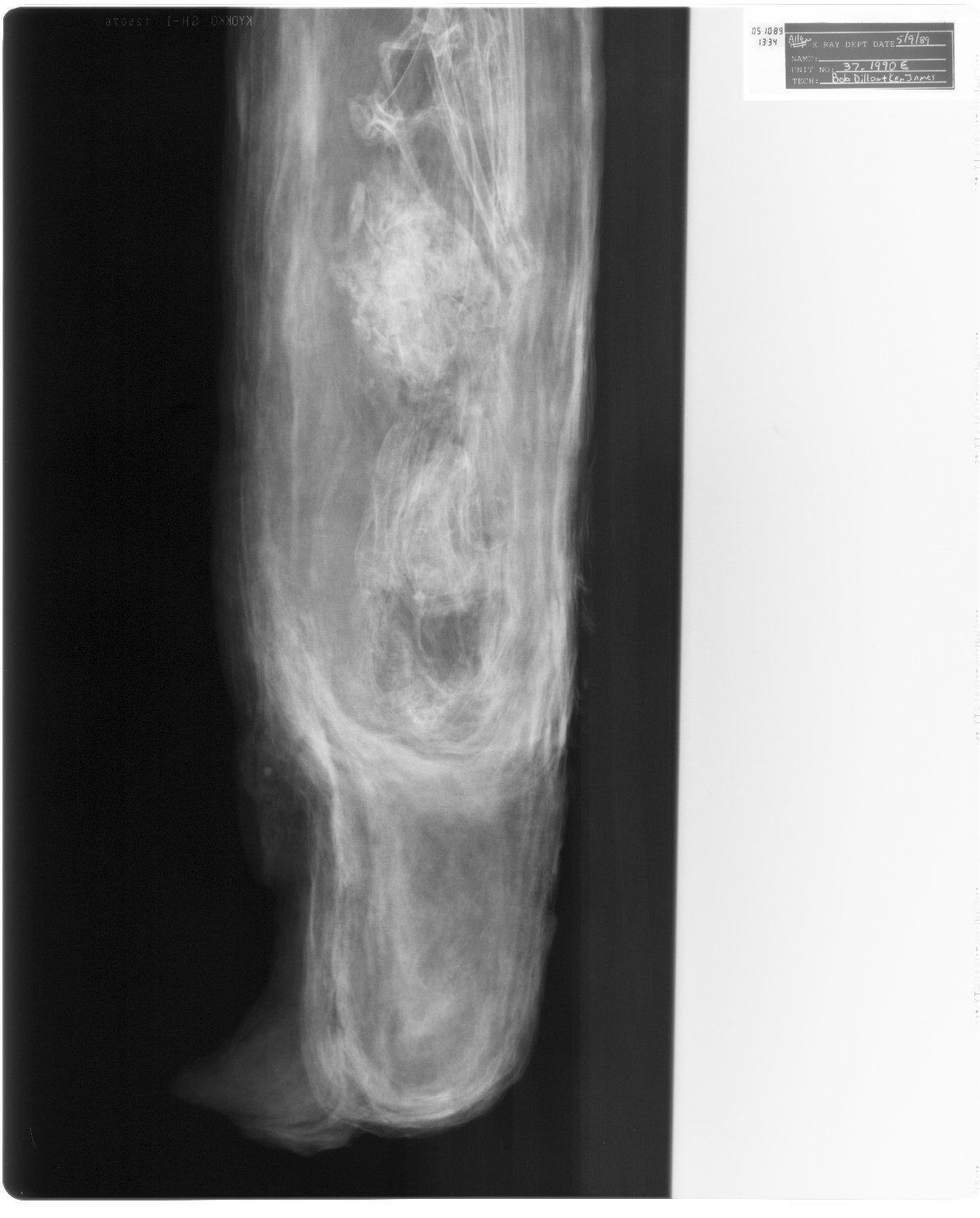
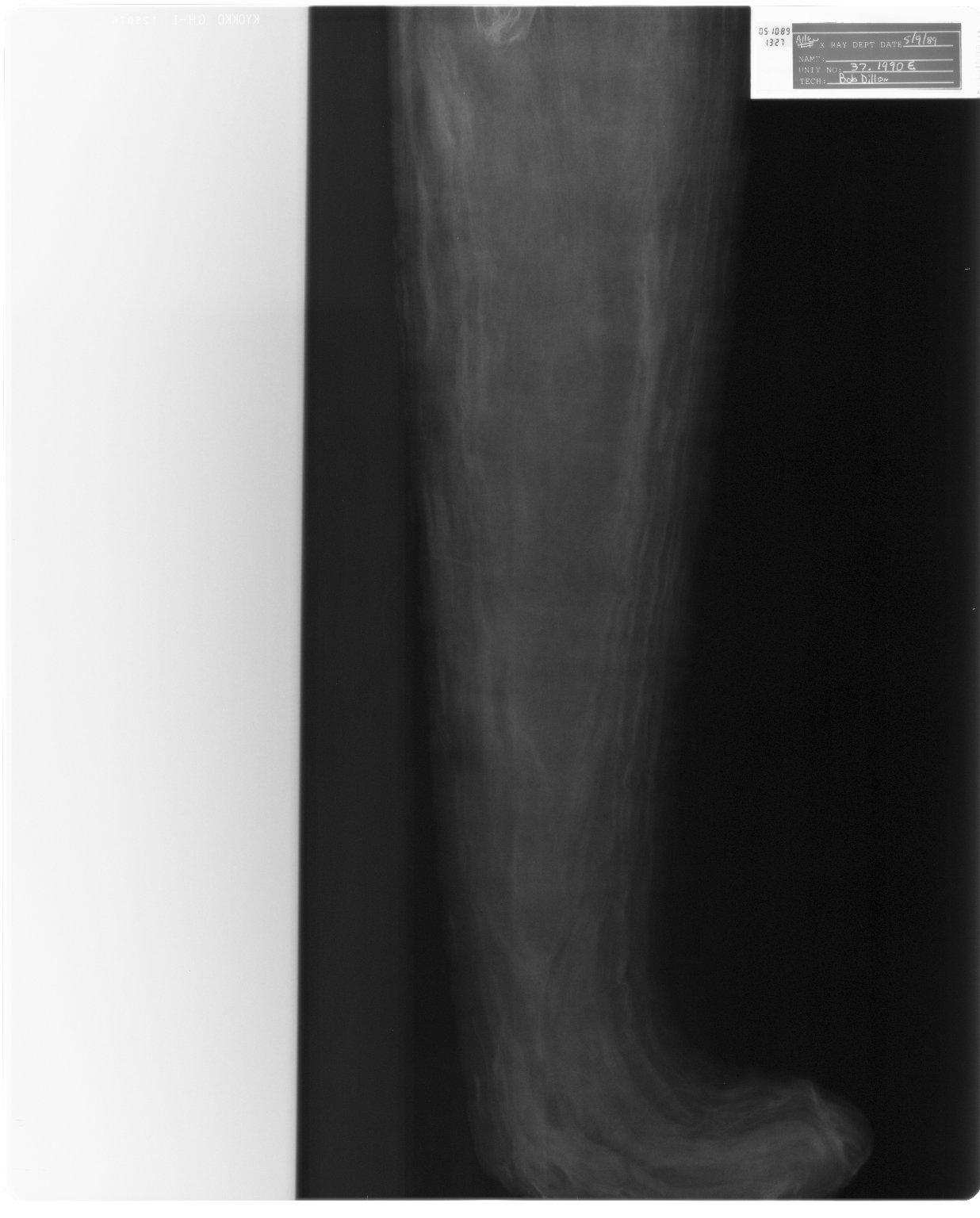
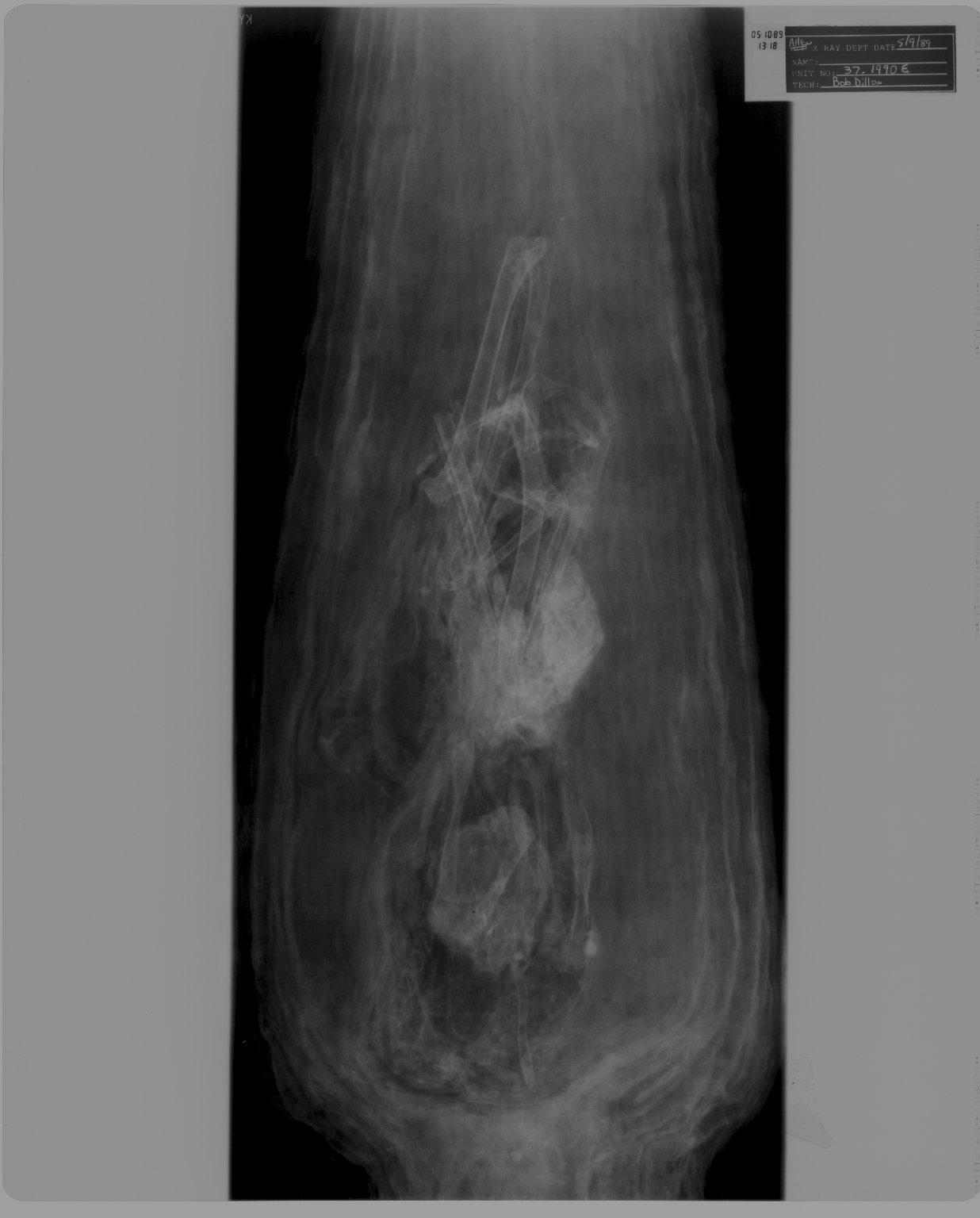
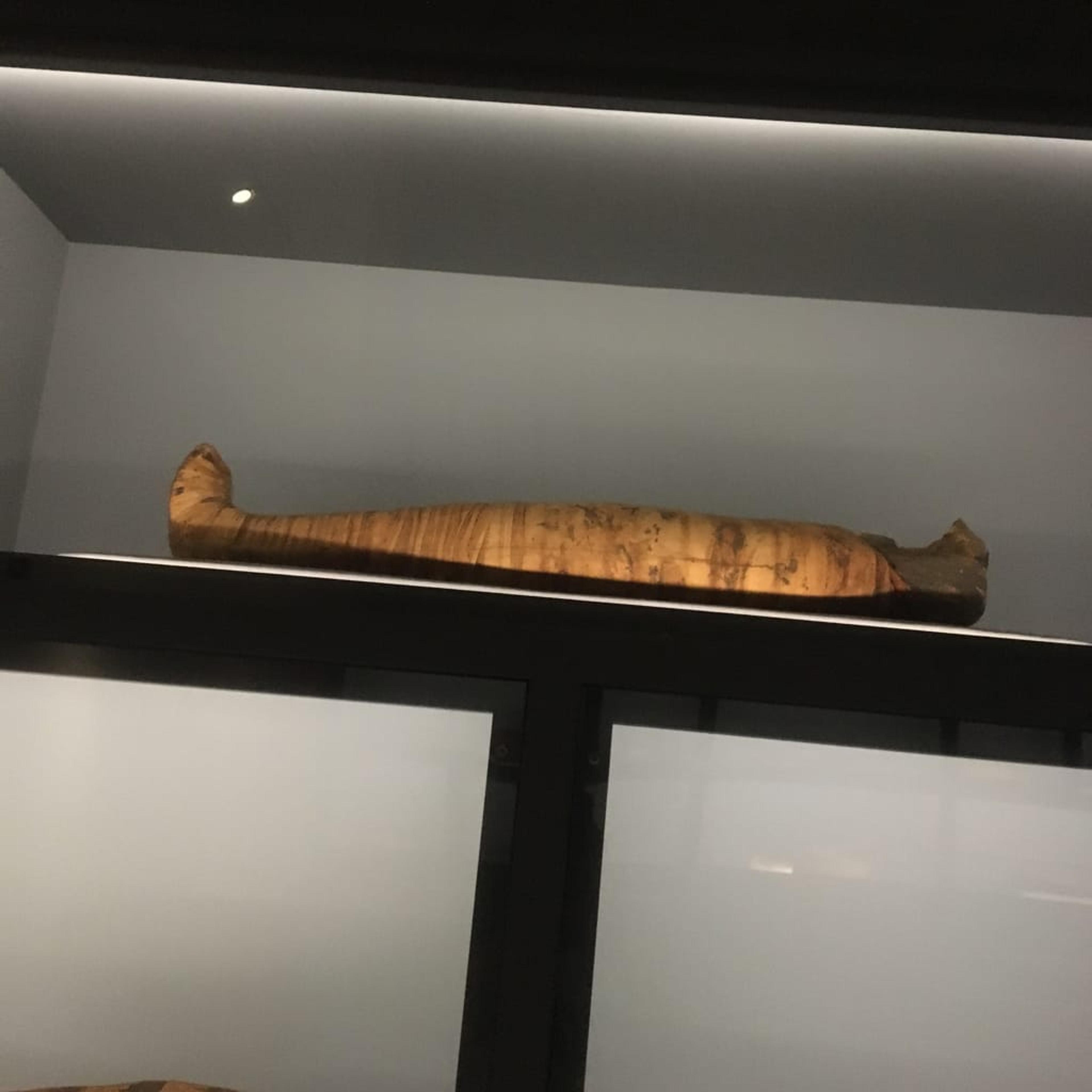
Ibis Mummy, 760–399 B.C.E.. Animal remains, linen, 30 × 7 5/8 × 5 1/2 in. (76.2 × 19.4 × 14 cm) as mounted: 7 × 11 × 33 in. (17.8 × 27.9 × 83.8 cm). Brooklyn Museum, Charles Edwin Wilbour Fund, 37.1990E. (Photo: Brooklyn Museum (Gavin Ashworth, photographer))
Gallery
Not on view
Gallery
Not on view
Title
Ibis Mummy
Date
760–399 B.C.E.
Dynasty
Dynasty 25 to Dynasty 28
Period
Third Intermediate Period to Late Period
Geography
Place made: Egypt
Medium
Animal remains, linen
Classification
Dimensions
30 × 7 5/8 × 5 1/2 in. (76.2 × 19.4 × 14 cm) as mounted: 7 × 11 × 33 in. (17.8 × 27.9 × 83.8 cm)
Credit Line
Charles Edwin Wilbour Fund
Accession Number
37.1990E
Frequent Art Questions
Do the animal mummies turn into gods?
 The ancient Egyptians believed that they did! They believed that the animal's soul would become a god and join the other gods when they were mummified.They also believed that they could send messages to the gods along with the souls of the animals. That's why they mummified so many!
What is the ibis mummy
Hi! An ibis is a type of water bird with a long, curved beak. The ancient Egyptians associated them with Thoth, the god of wisdom and writing.There were certain temples where the priests bred the birds specifically to be mummified and sold to the public for making donations to the god.Thank you!!What did the ibis symbolize something that made them so popular?
Their long beak resembled the reed pens used by scribes, which is how they came to be associated with the god Thoth.Why was it forbidden to wrap more than one animal in one bundle?
That's a great question. In 174 BCE, a new regulation stated, “one god in one vessel.” This was one of several new regulations passed in response to corrupt practices concerning animal mummies and their sale at the House of Thoth in Saqqara. Though it was not outlined exactly what problem bundling multiple animals together posed, the evidence suggests that it undermined the sanctity of the votive object.Are there really animal skeletons inside of mummies?
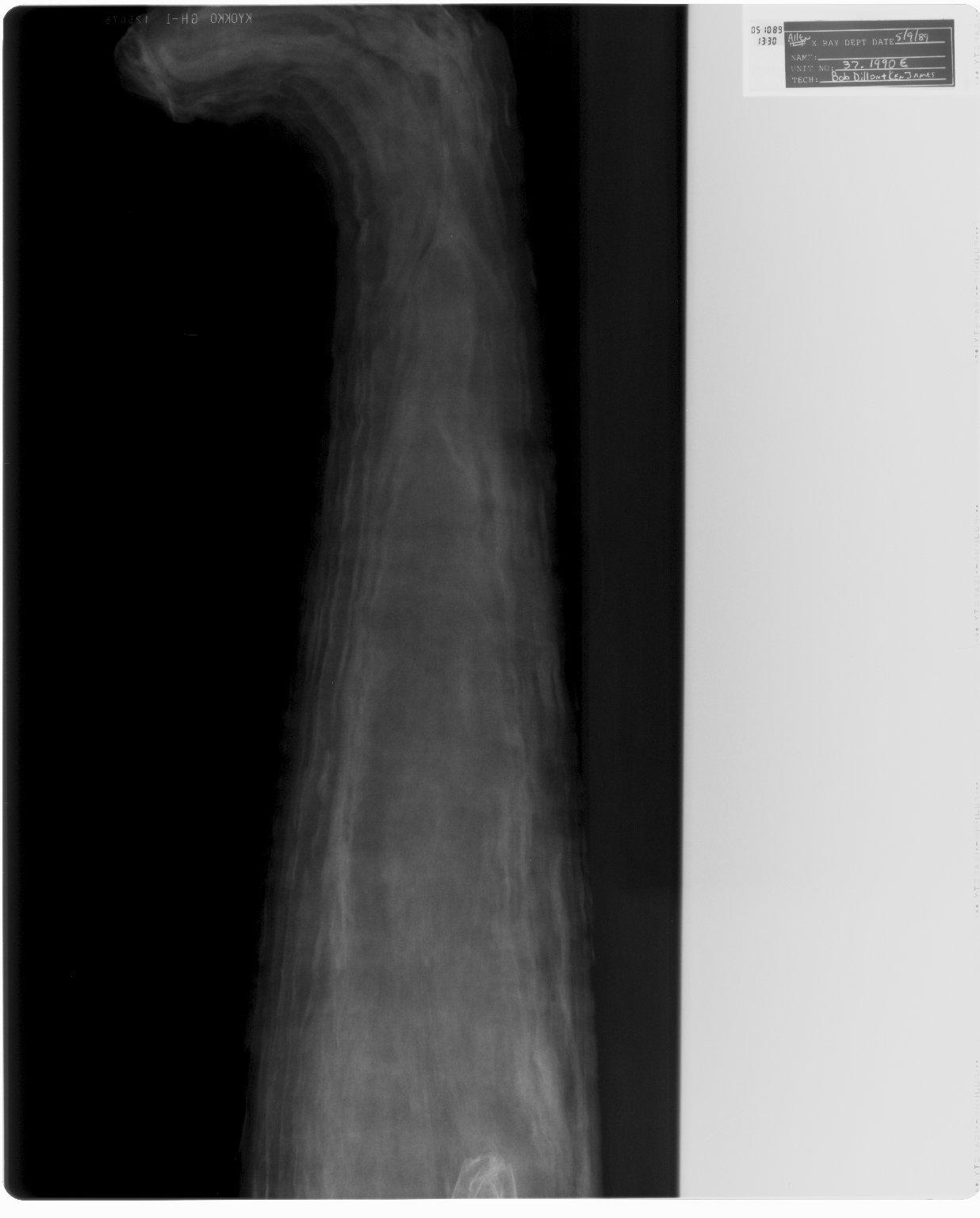
There are a number of ibis mummies in the exhibition. Some of them contain full bird mummies and some contain just partial remains or even just a feather! A few mummies have no animal remains at all. It appears that in some cases, the elaborate wrappings compensate for partial mummies.
Have information?
Have information about an artwork? Contact us at