Coney Island, Brooklyn
Breading G. Way


1 of 2
Caption
Breading G. Way (American, 1860–1940). Coney Island, Brooklyn, ca. 1868. Gelatin silver print, image: 10 13/16 x 13 9/16 in. (27.5 x 34.4 cm) sheet: 10 7/8 x 13 13/16 in. (27.6 x 35.1 cm). Brooklyn Museum, Brooklyn Museum Collection, X892.13. (Photo: Brooklyn Museum)
Gallery
Not on view
Collection
Gallery
Not on view
Collection
Artist
Title
Coney Island, Brooklyn
Date
ca. 1868
Medium
Gelatin silver print
Classification
Dimensions
image: 10 13/16 x 13 9/16 in. (27.5 x 34.4 cm) sheet: 10 7/8 x 13 13/16 in. (27.6 x 35.1 cm)
Credit Line
Brooklyn Museum Collection
Accession Number
X892.13
Frequent Art Questions
What would people at this time period wear in the water? Definitely not this, right?
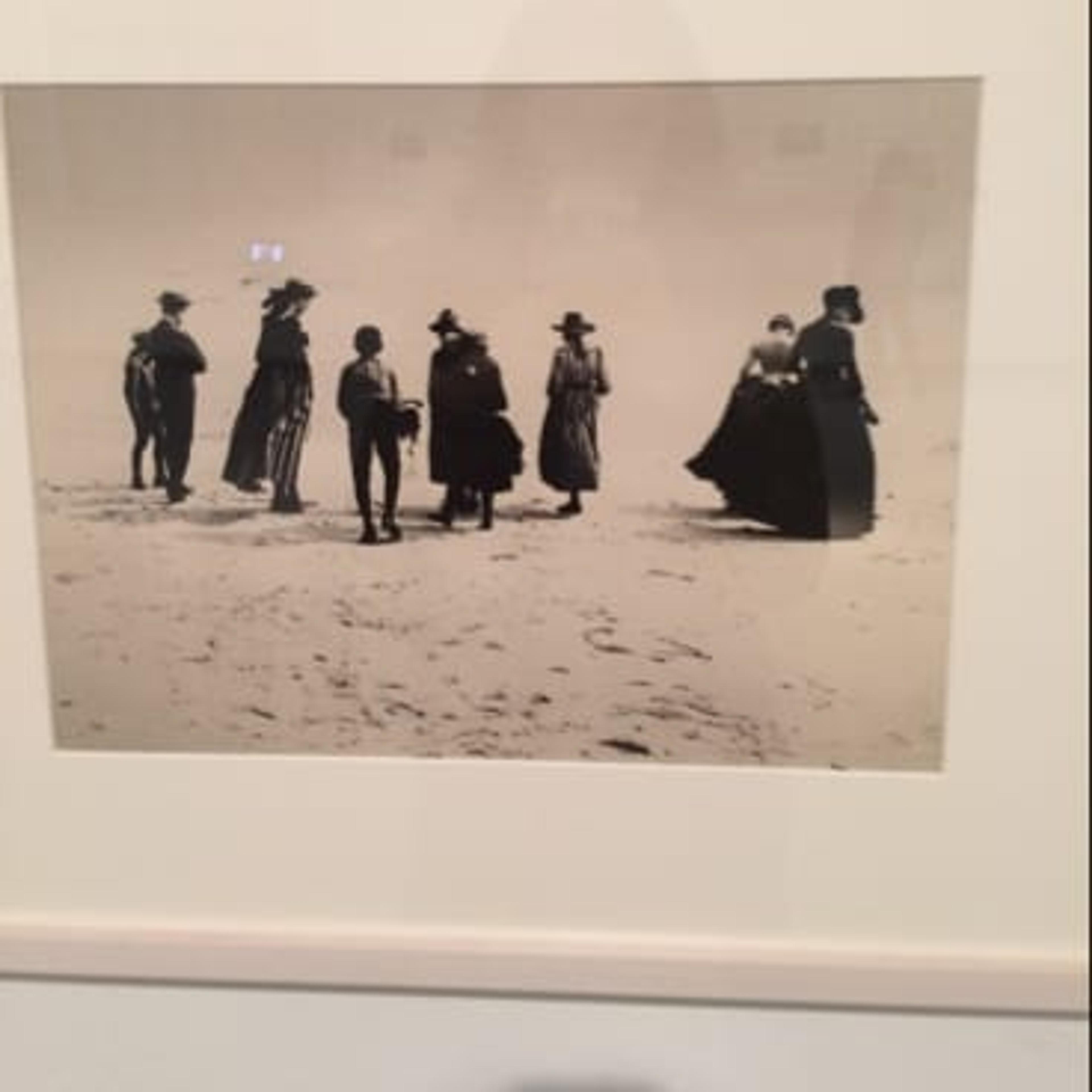 Swimwear was significantly more conservative in the past, and this photograph was from the mid-19th century. I'm not sure exactly what people wore into the water at this time, I'm not entirely certain that swimwear separate from regular clothing had been invented. I know as recently as the 1920's wool dresses and body suits were the norm for bathing.Because of this, would they swim or play in the water less?You are most likely correct. The development of more practical attire was driven by the rising popularity of beach-going in the 20th century. If you find George Bradford Brainerd's "Bathers, Steel Pier, Coney Island" in the same gallery, you'll see what people wore into the water in the 1880'sWhat would they do on the beach? Because according to the pictures there were tons of people!At the dawn of Coney Island as a destination, there were entertainments on the beach. You can see a painting of puppet show for example in the first gallery of Coney Island: Visions of a American Dreamland. These entertainments developed into attractions on the Boardwalk. The Boardwalk at Coney Island (on a conceptual level) predates the kind of beachgoing you see in Ross's 1946 photograph.
Have information?
Have information about an artwork? Contact us at