Bowl
1 of 8
Object Label
Caption
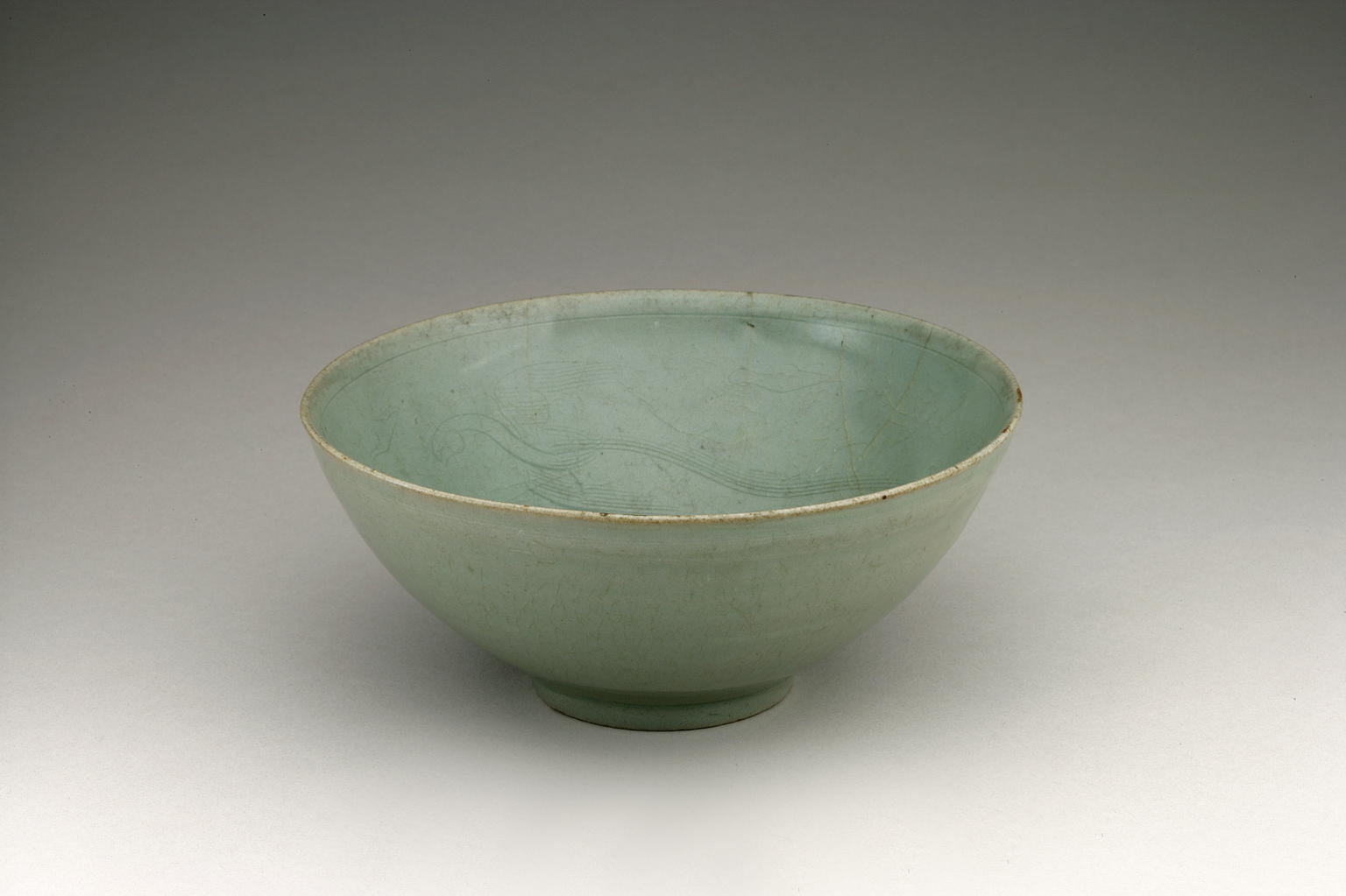
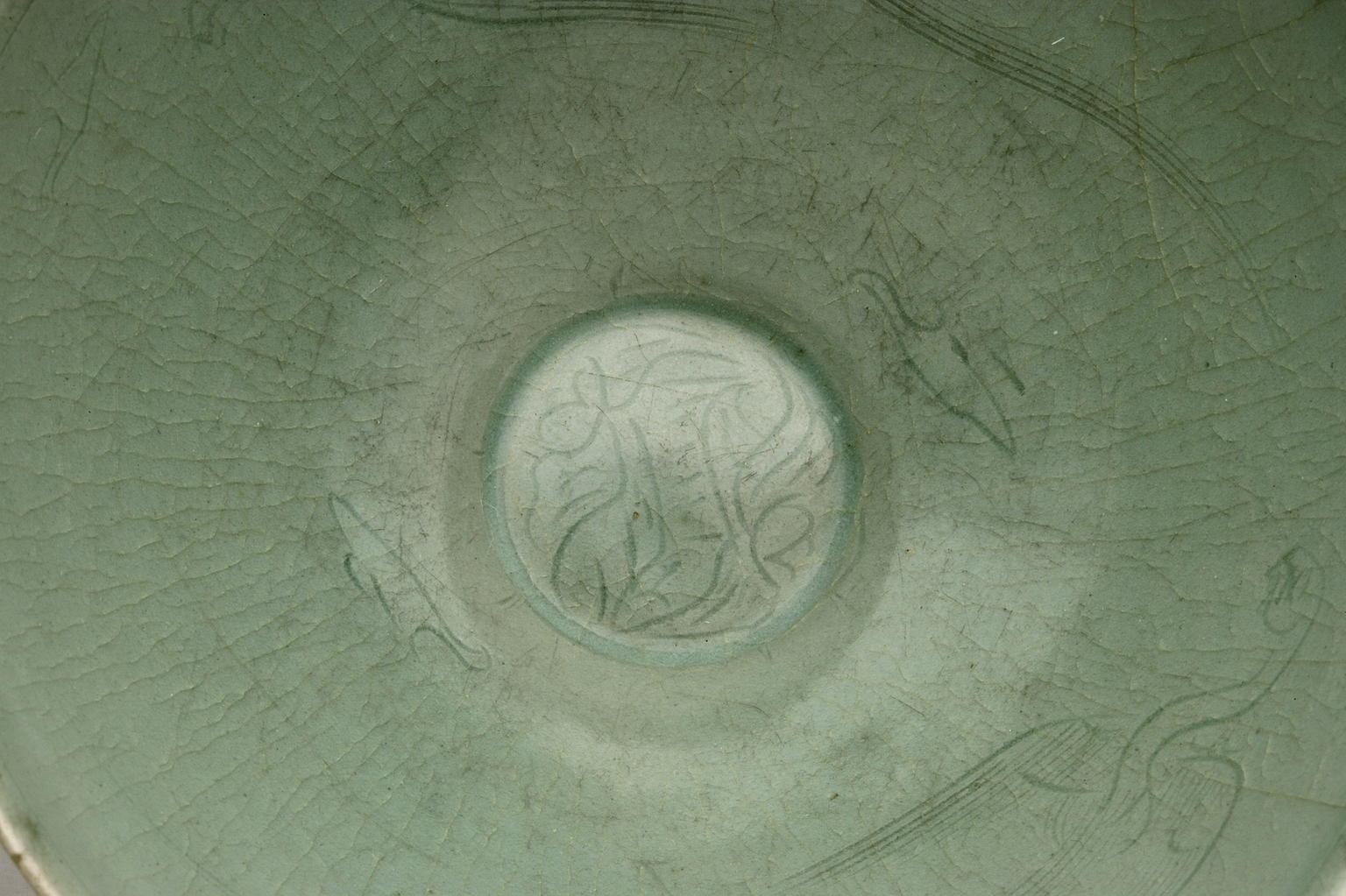
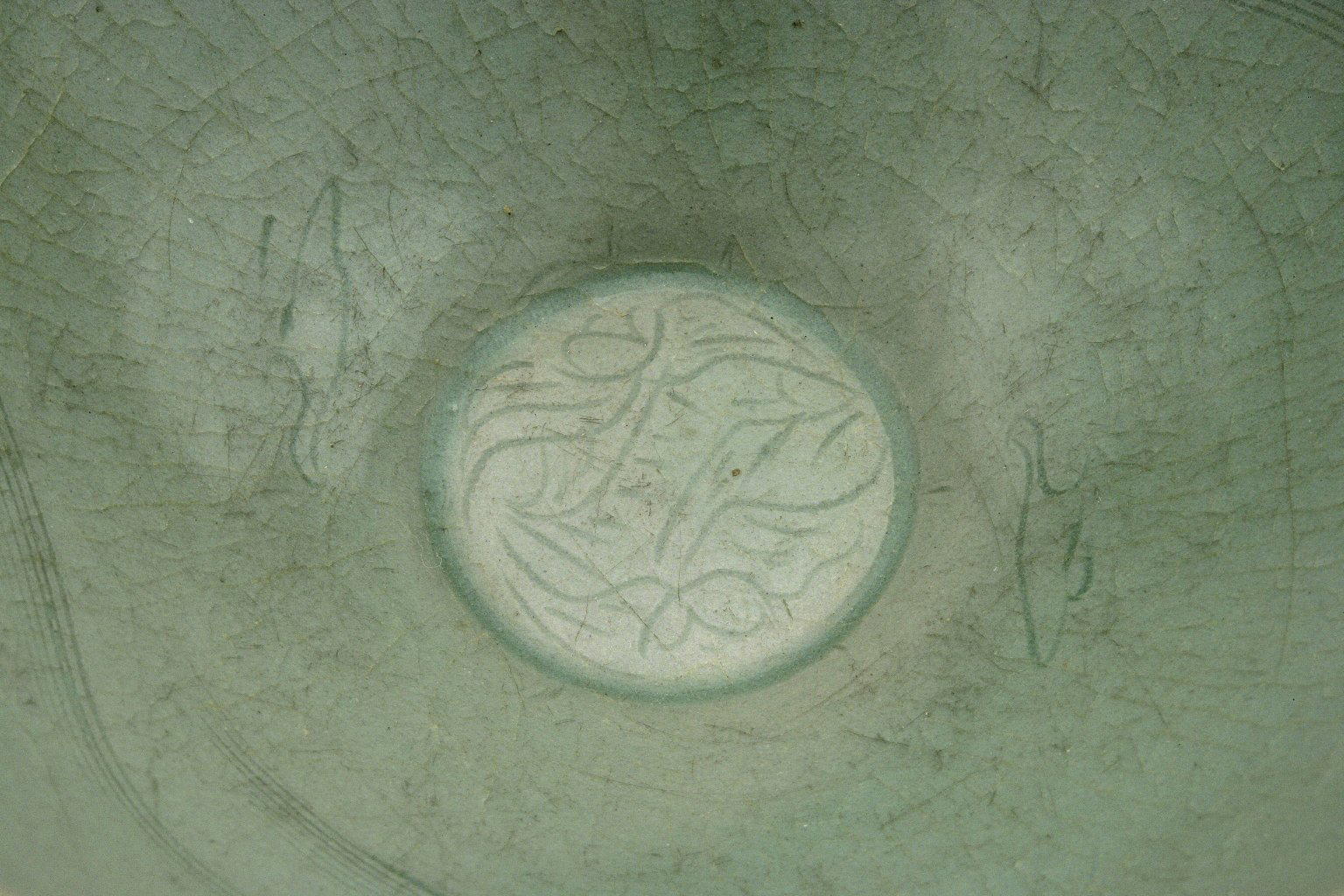
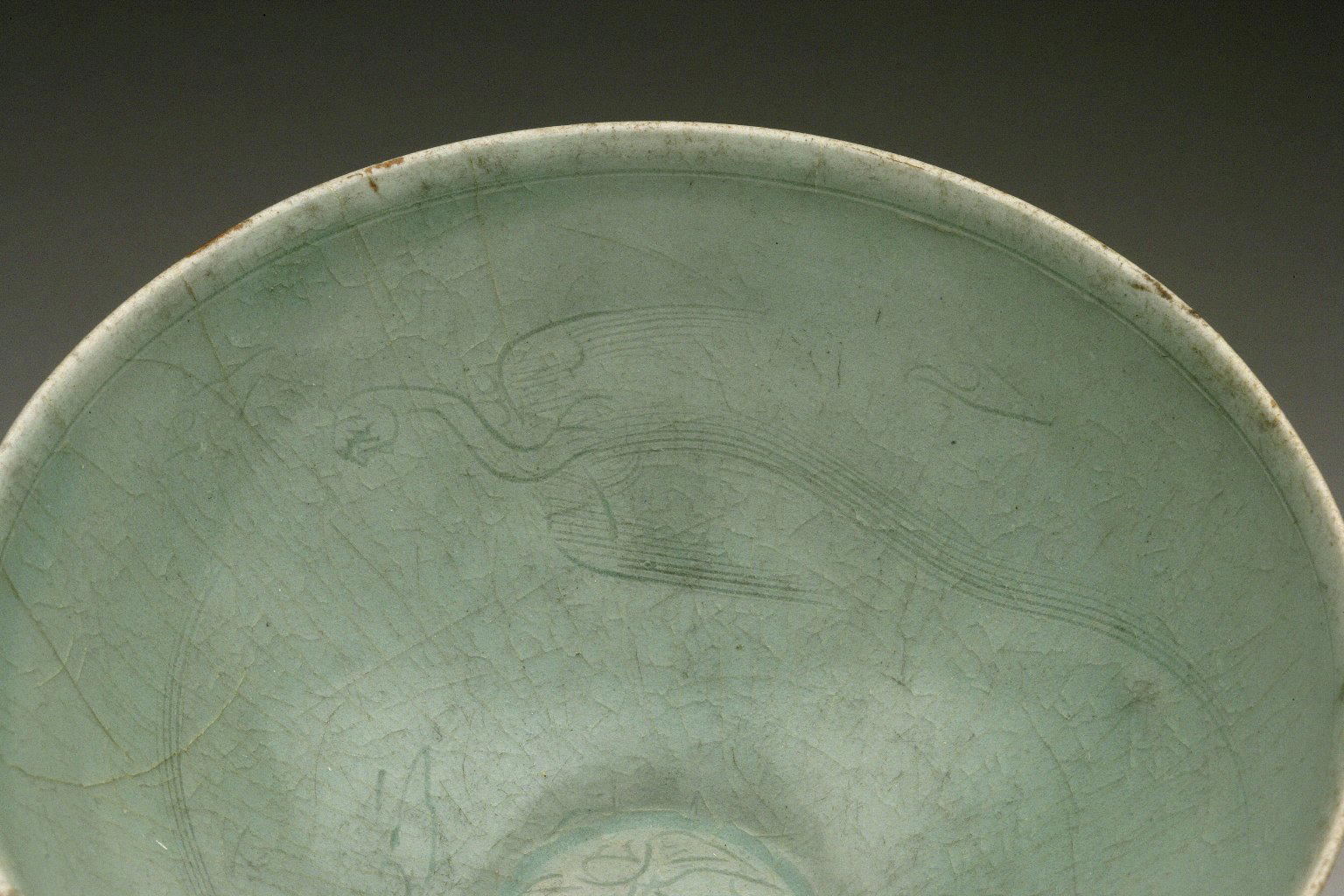
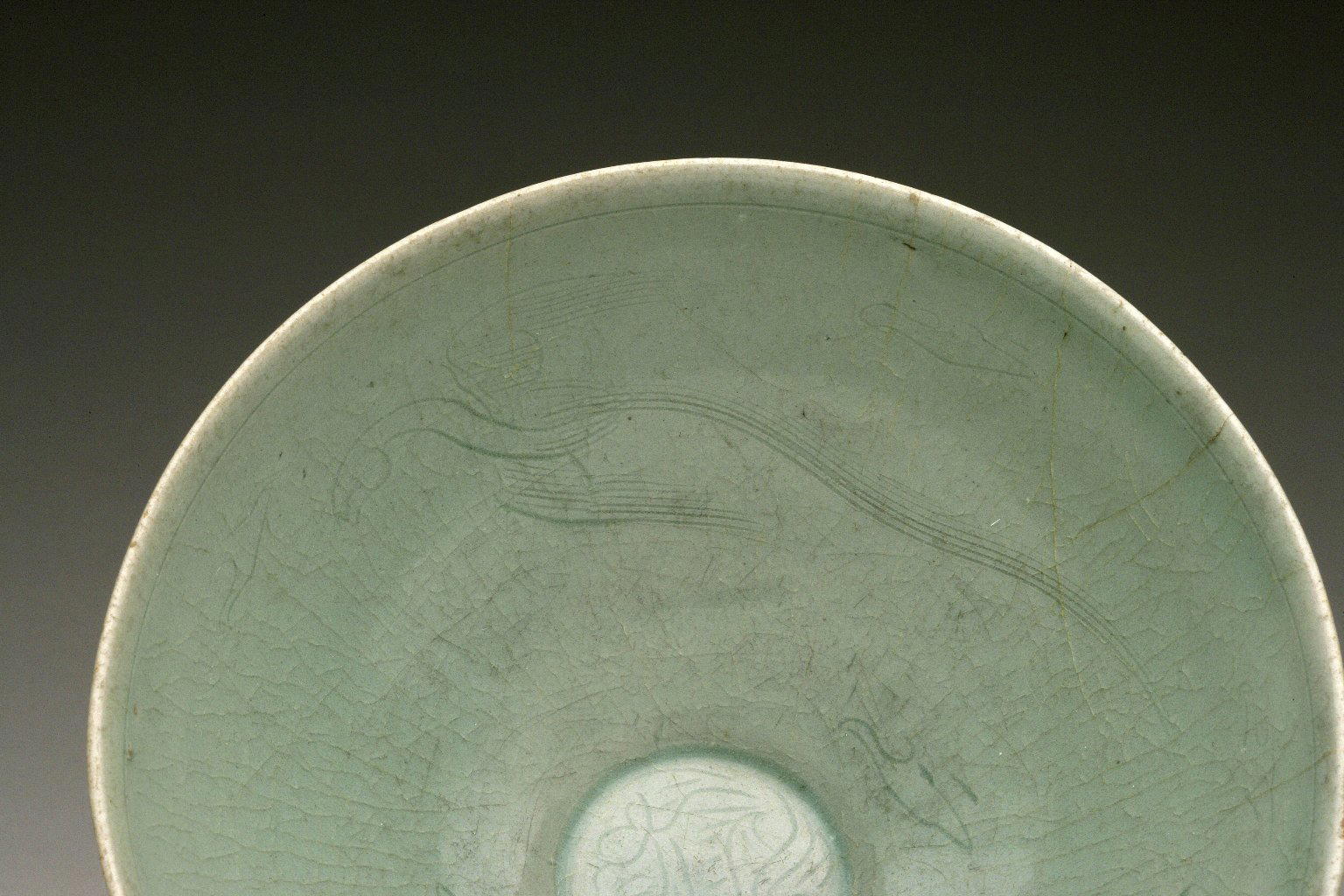
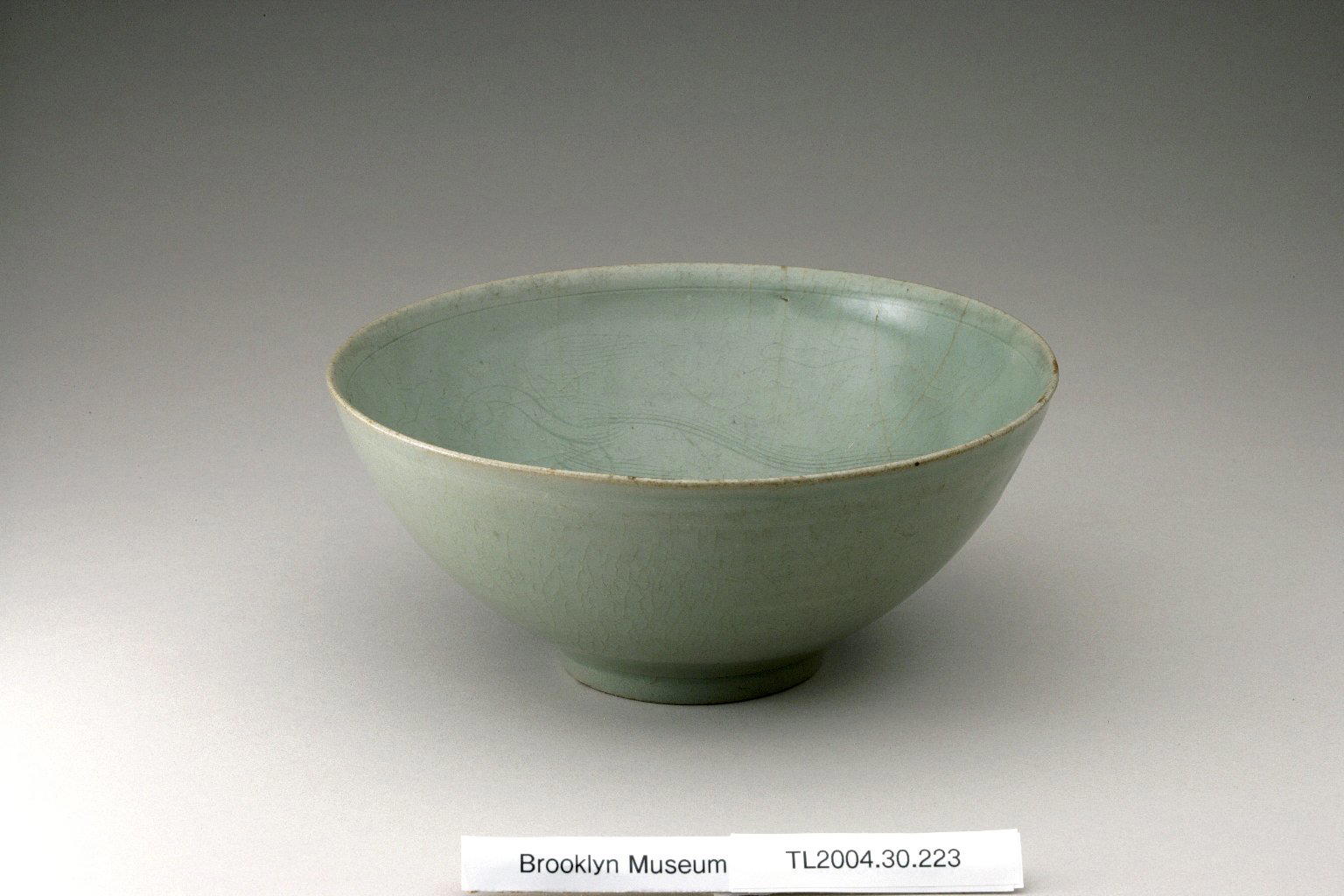
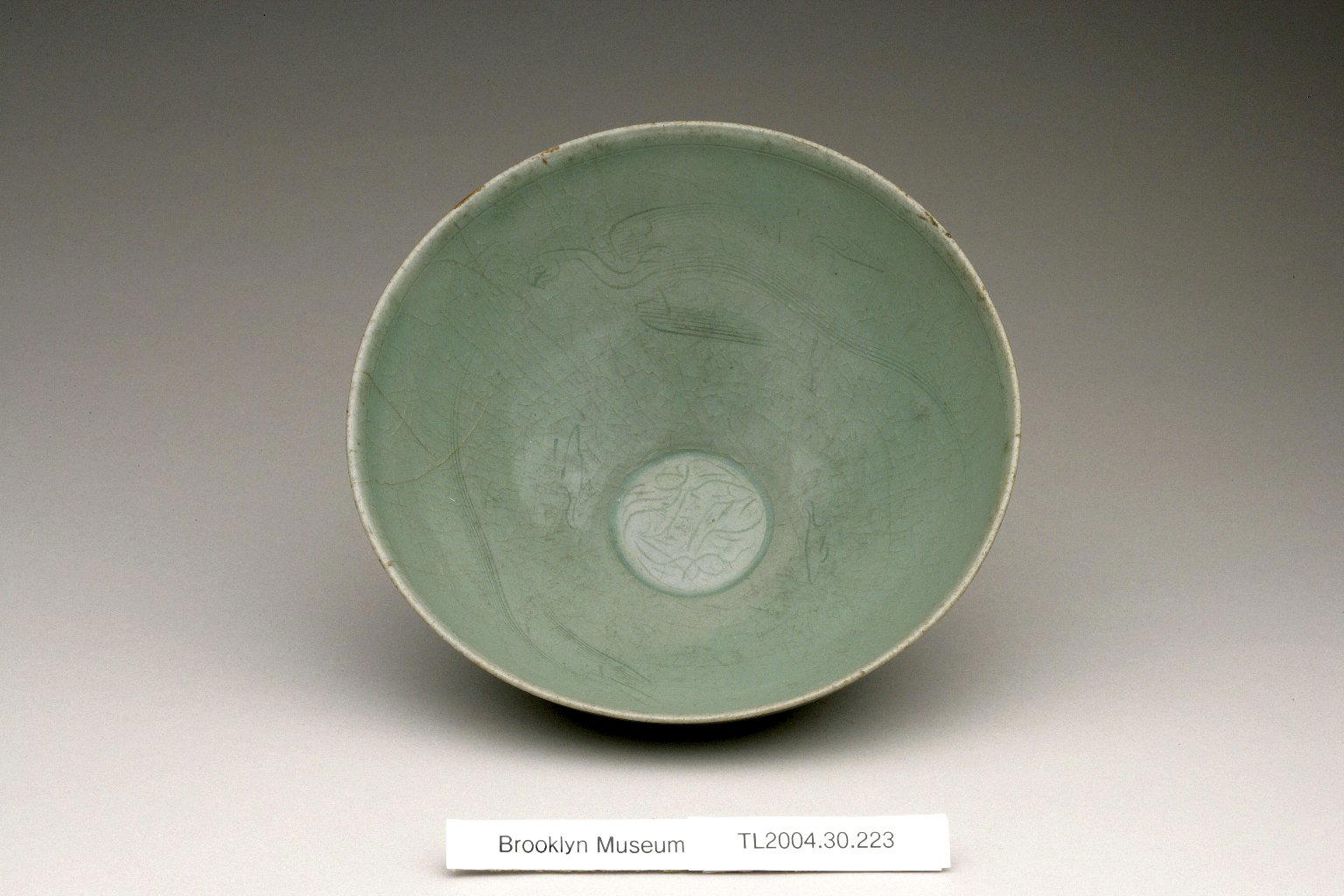
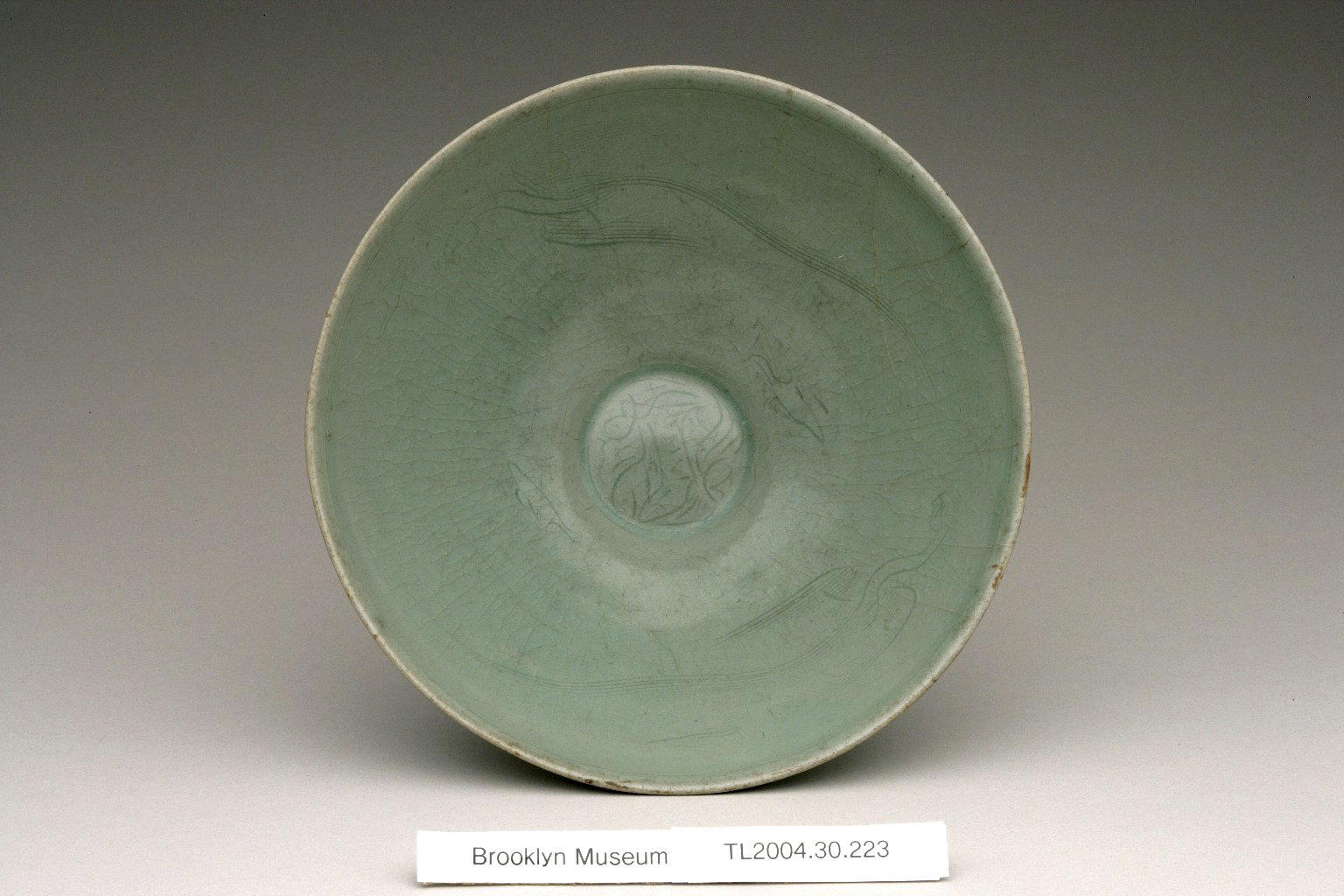
Bowl, first half 12th century. Stoneware with celadon glaze, Height: 2 7/8 in. (7.3 cm) Diameter at mouth: 6 5/8 in. (16.8 cm) Diameter at base: 2 7/16 in. (6.2 cm). Brooklyn Museum, The Peggy N. and Roger G. Gerry Collection, 2004.28.245. (Photo: Brooklyn Museum (in collaboration with National Research Institute of Cultural Heritage, Daejon, Korea))
Gallery
Not on view
Collection
Gallery
Not on view
Collection
Title
Bowl
Date
first half 12th century
Dynasty
Goryeo dynasty
Geography
Place made: Korea
Medium
Stoneware with celadon glaze
Classification
Dimensions
Height: 2 7/8 in. (7.3 cm) Diameter at mouth: 6 5/8 in. (16.8 cm) Diameter at base: 2 7/16 in. (6.2 cm)
Credit Line
The Peggy N. and Roger G. Gerry Collection
Accession Number
2004.28.245
Frequent Art Questions
I am a ceramics student and was wondering if celadon was an important, even unique glaze in ancient Asian Art and why so. And to what extent is the use of celadon within contemporary ceramics bound to celadon's history?
Celadon glaze was especially valued for the cloud-like, pale blue-green color that could be achieved. Korean potters were internationally recognized as having mastered the technique.I don't know much about contemporary use of celadon for practical vessels, but I do know that some contemporary artists use it. In that case it is usually a reference to the history and historical applications of the material.Yes, thanks so much!What is celadon?
Celadon is a blue-green glaze, often used on stoneware, a kind of ceramic. Celadons are named due to the greenish-blue color of their glaze. Their color can vary in tone from grayish to greenish depending on the composition of the clay. The color of celadon is achieved by placing a green-colored glaze over a gray clay body and the reaction of iron oxide when the vessel is fired in a reduction atmosphere.Thank you.
Have information?
Have information about an artwork? Contact us at