Looking Glass
ca.1740–1780


1 of 2
Caption
Looking Glass, ca.1740–1780. Mahogany, walnut veneer, spruce, gilt, 56.5 x 29.5 x 3.25 in. (143.5 x 74.9 x 8.3 cm). Brooklyn Museum, Matthew Scott Sloan Collection, Gift of Lidie Lane Sloan McBurney, 1997.150.23. (Photo: Brooklyn Museum)
Title
Looking Glass
Date
ca.1740–1780
Geography
Possible place made: England, Possible place made: United States
Medium
Mahogany, walnut veneer, spruce, gilt
Classification
Dimensions
56.5 x 29.5 x 3.25 in. (143.5 x 74.9 x 8.3 cm)
Credit Line
Matthew Scott Sloan Collection, Gift of Lidie Lane Sloan McBurney
Accession Number
1997.150.23
Frequent Art Questions
When was the first mirror invented and what was it made out of?
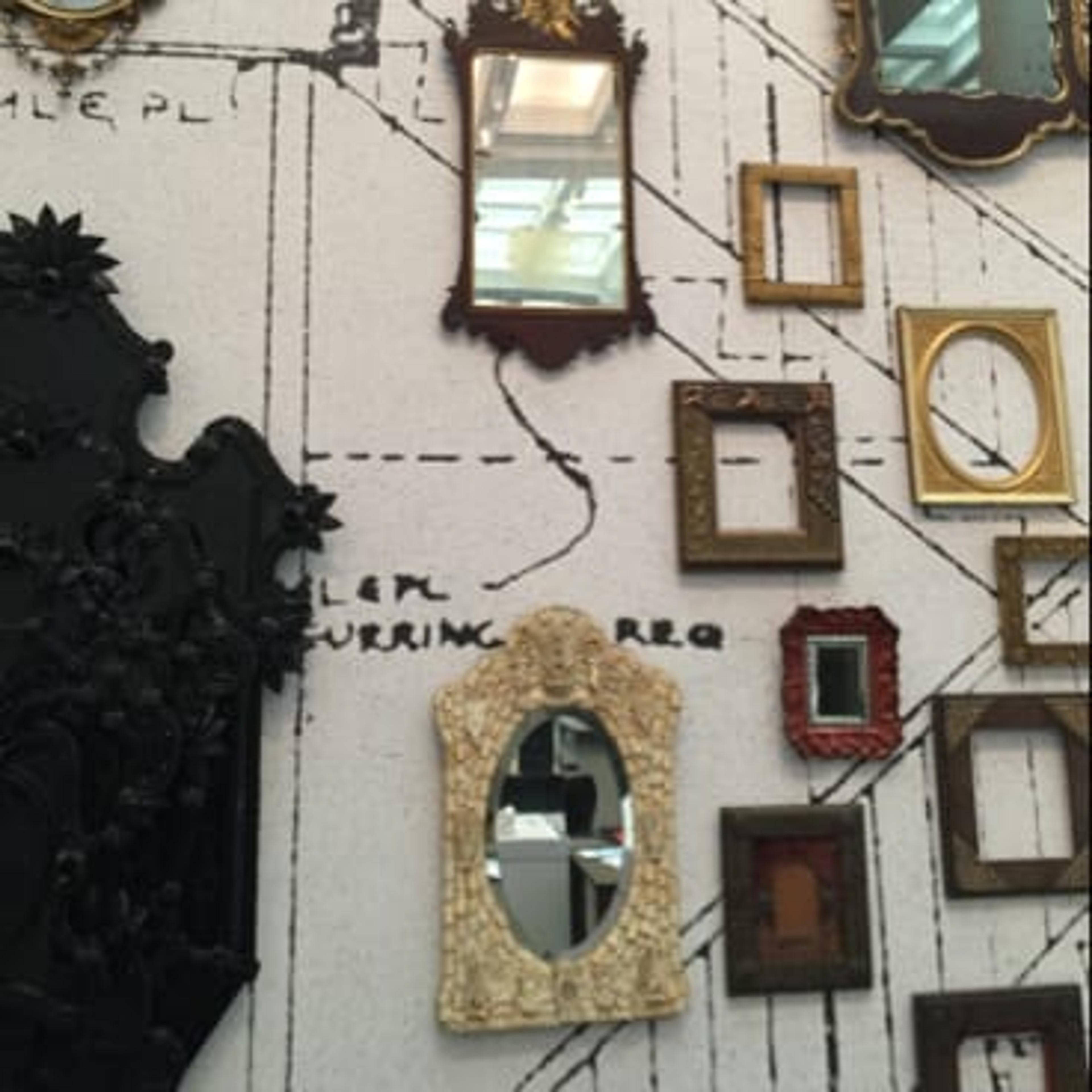 This comes from the National Center for Biotechnology Information from the US National Library: "The earliest known manufactured mirrors (approximately 8000 years old) have been found in Anatolia (south central modern-day Turkey). These were made from obsidian (volcanic glass), had a convex surface and remarkably good optical quality. Mirrors from more recent periods have been found both in Egypt and Mesopotamia and still later in China and in the New World. In each of these areas, mirrors were in use by approximately 2000 BC or 4000 years ago."
Why are these frames and mirrors in your collection?
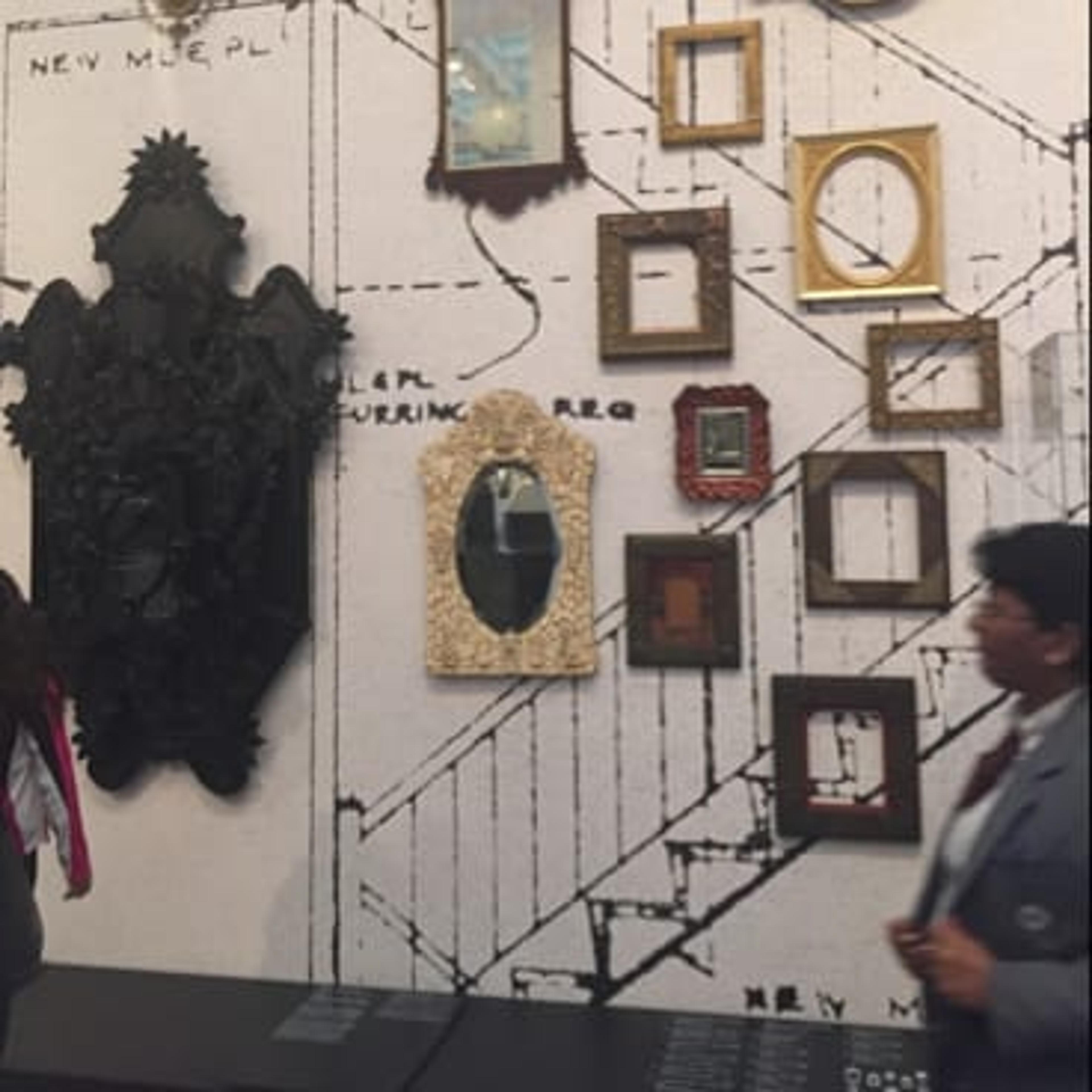 The mirrors (excluding the black mirror) are part of our Decorative Arts collection. They're in our collection because they are part of material culture, and can help us understand the way in which people lived in the past, styles and approaches to making throughout time. Many are emblematic of specific times and specific concerns. You might notice higher on the wall there is a convex mirror, it was made that way to reflect and maximize how much light a candle could give off.Thanks yes I see
Have information?
Have information about an artwork? Contact us at