Cup
1 of 14
Object Label
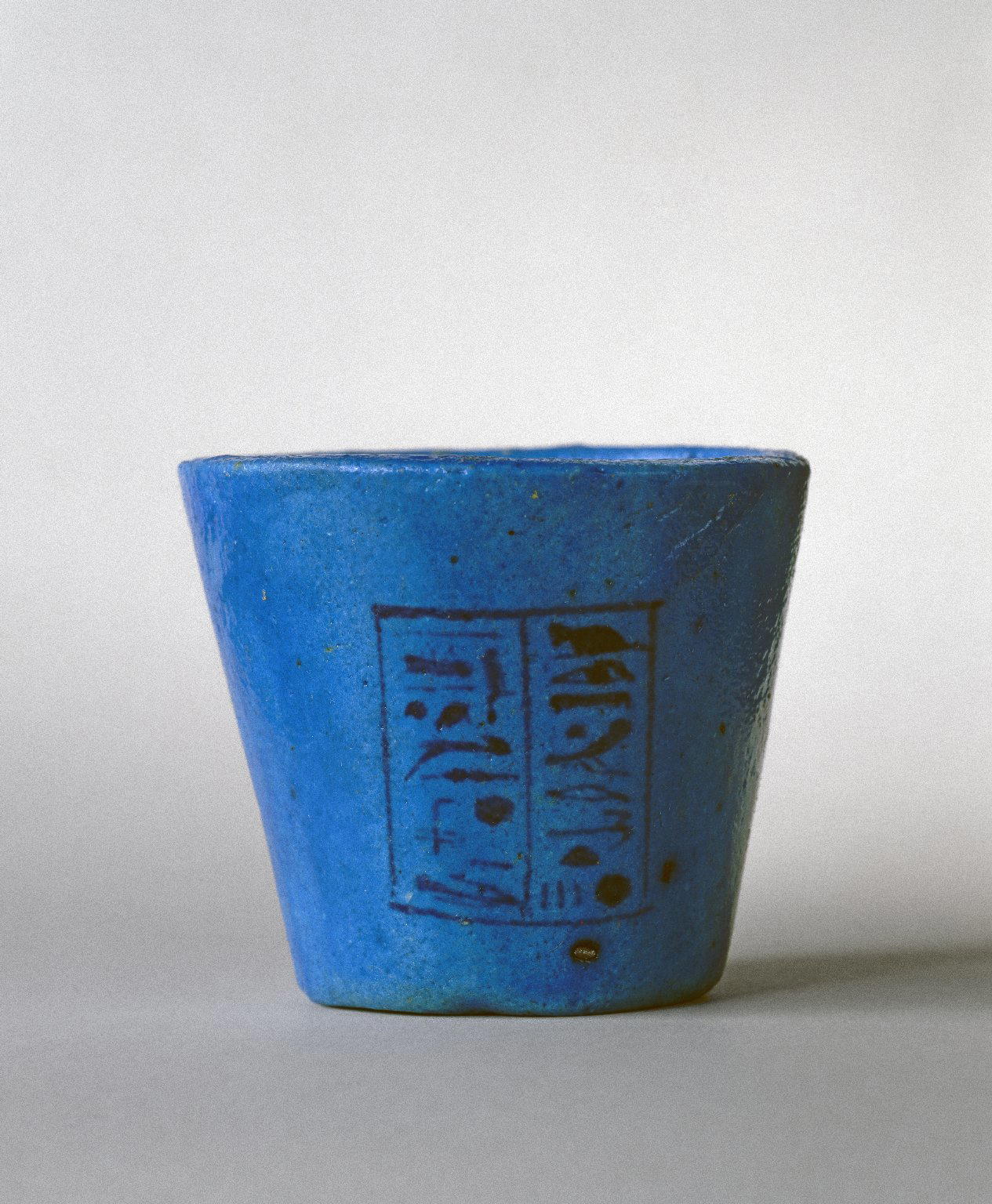
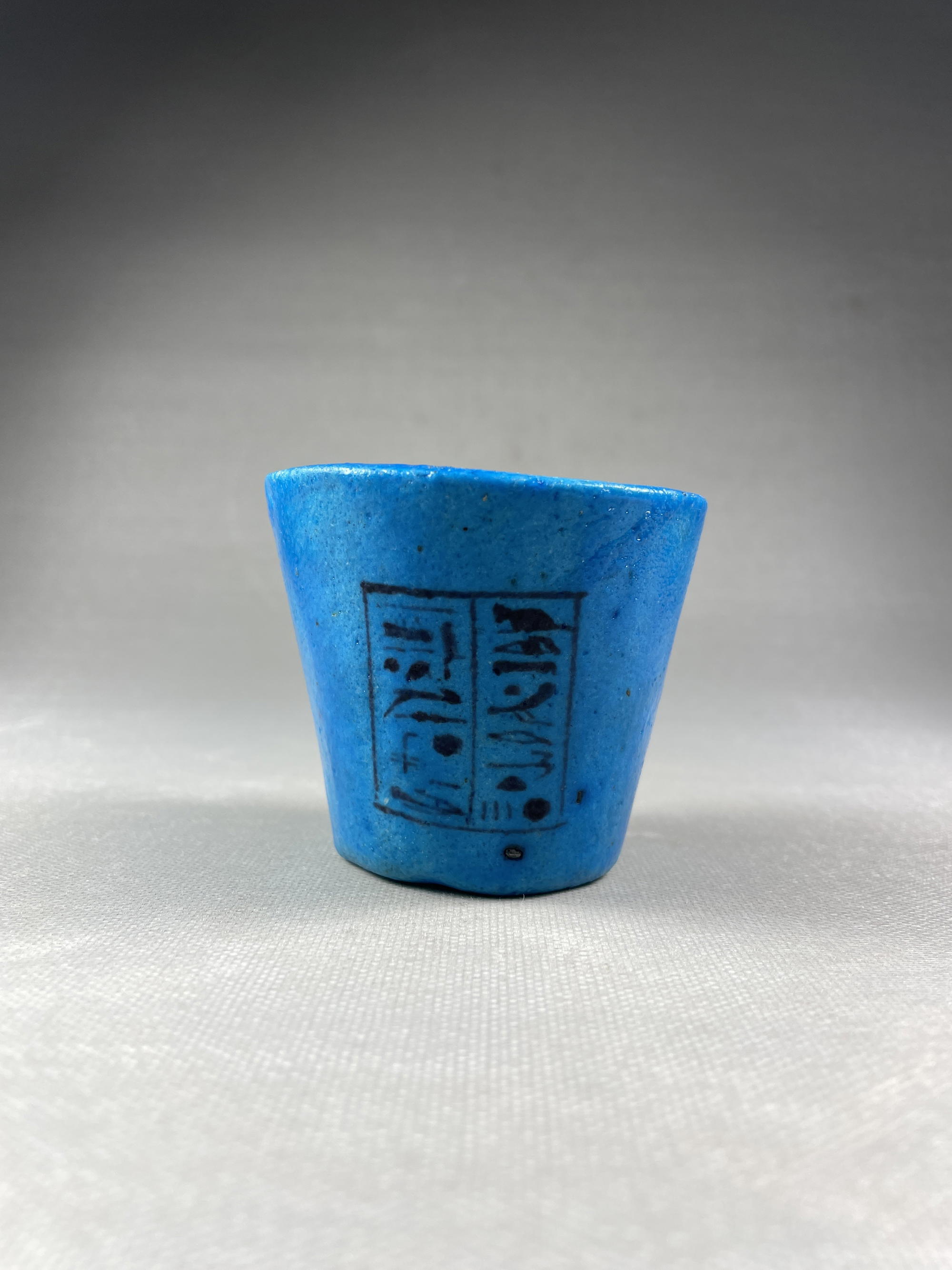
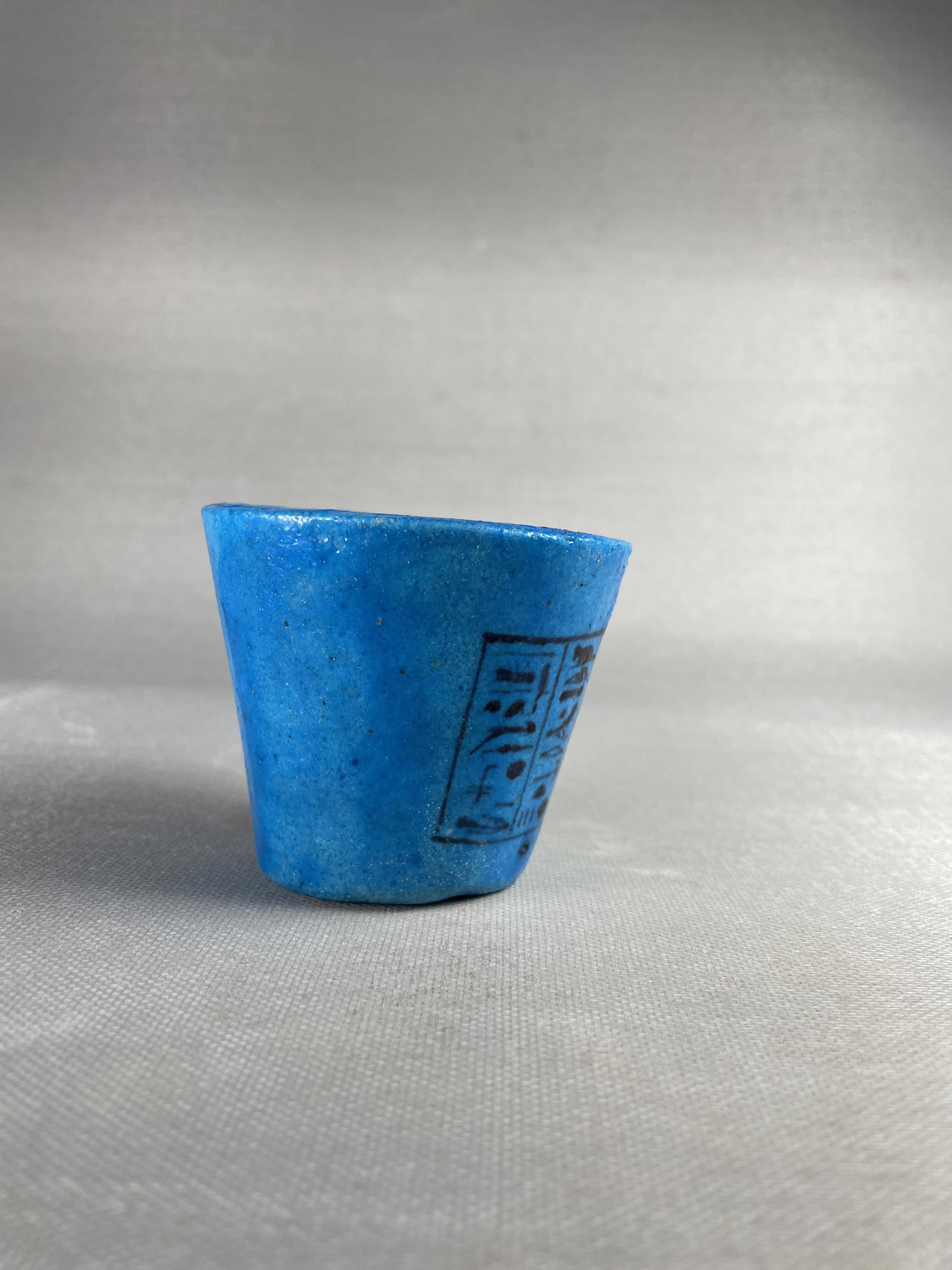
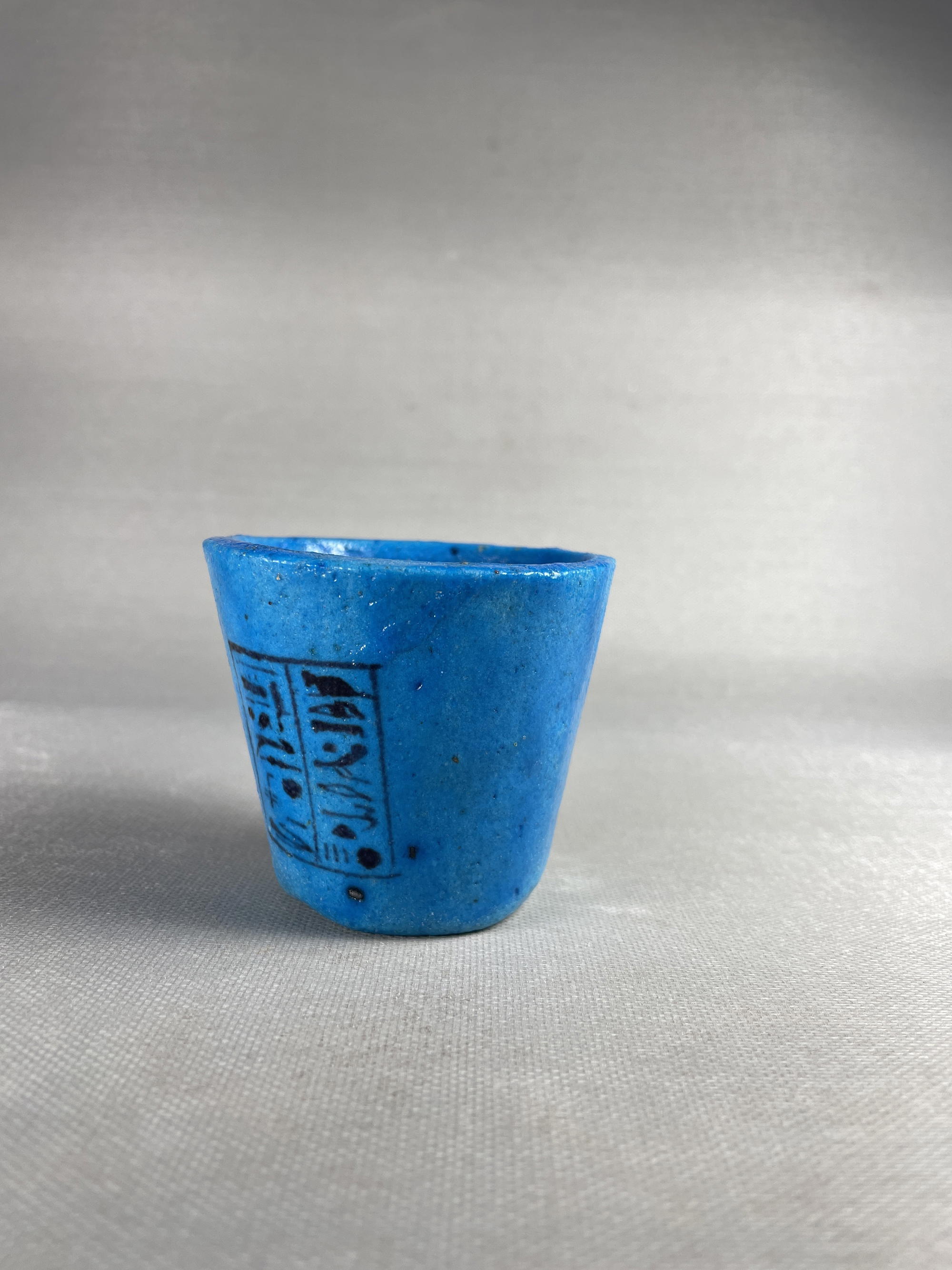
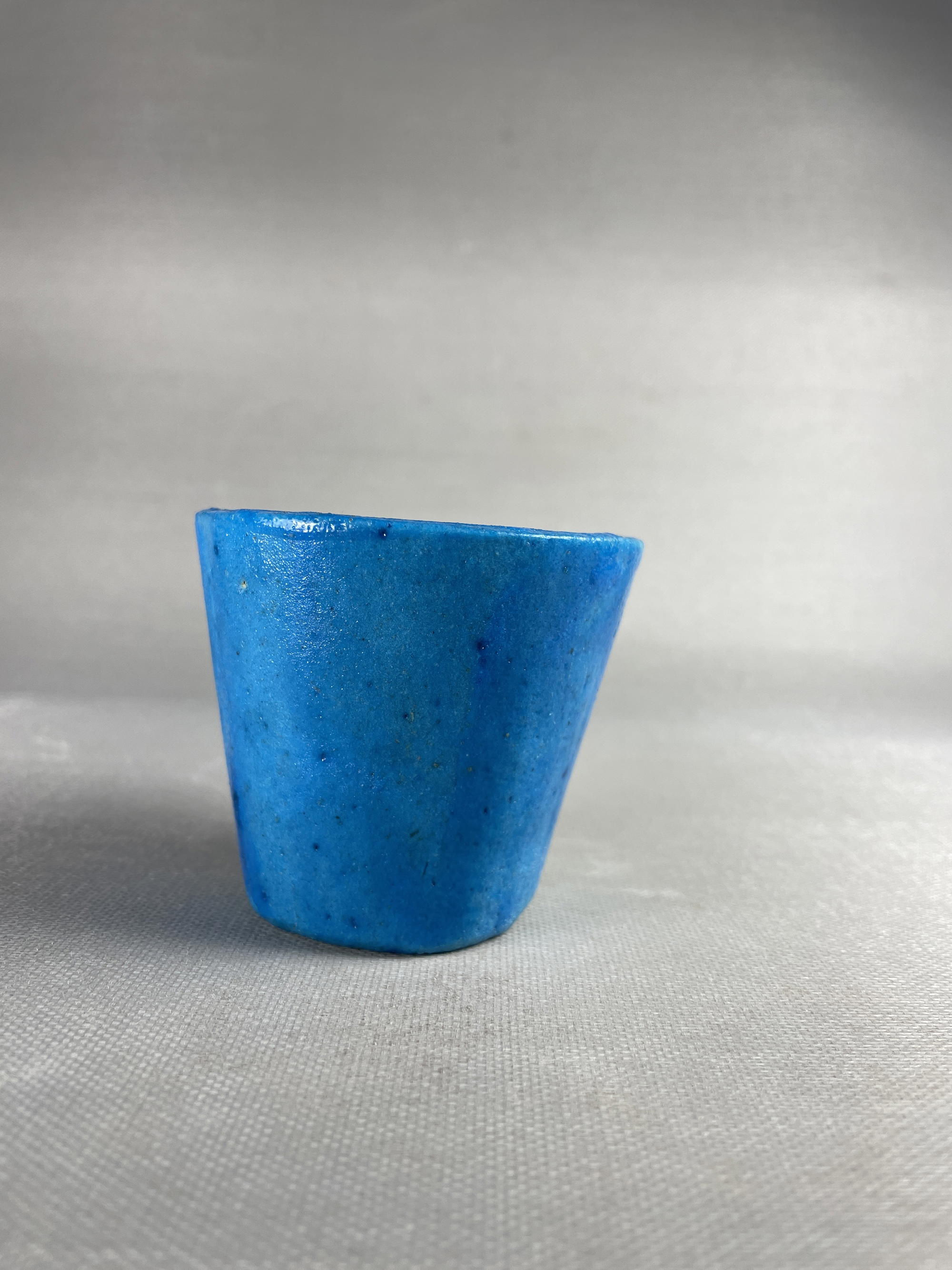
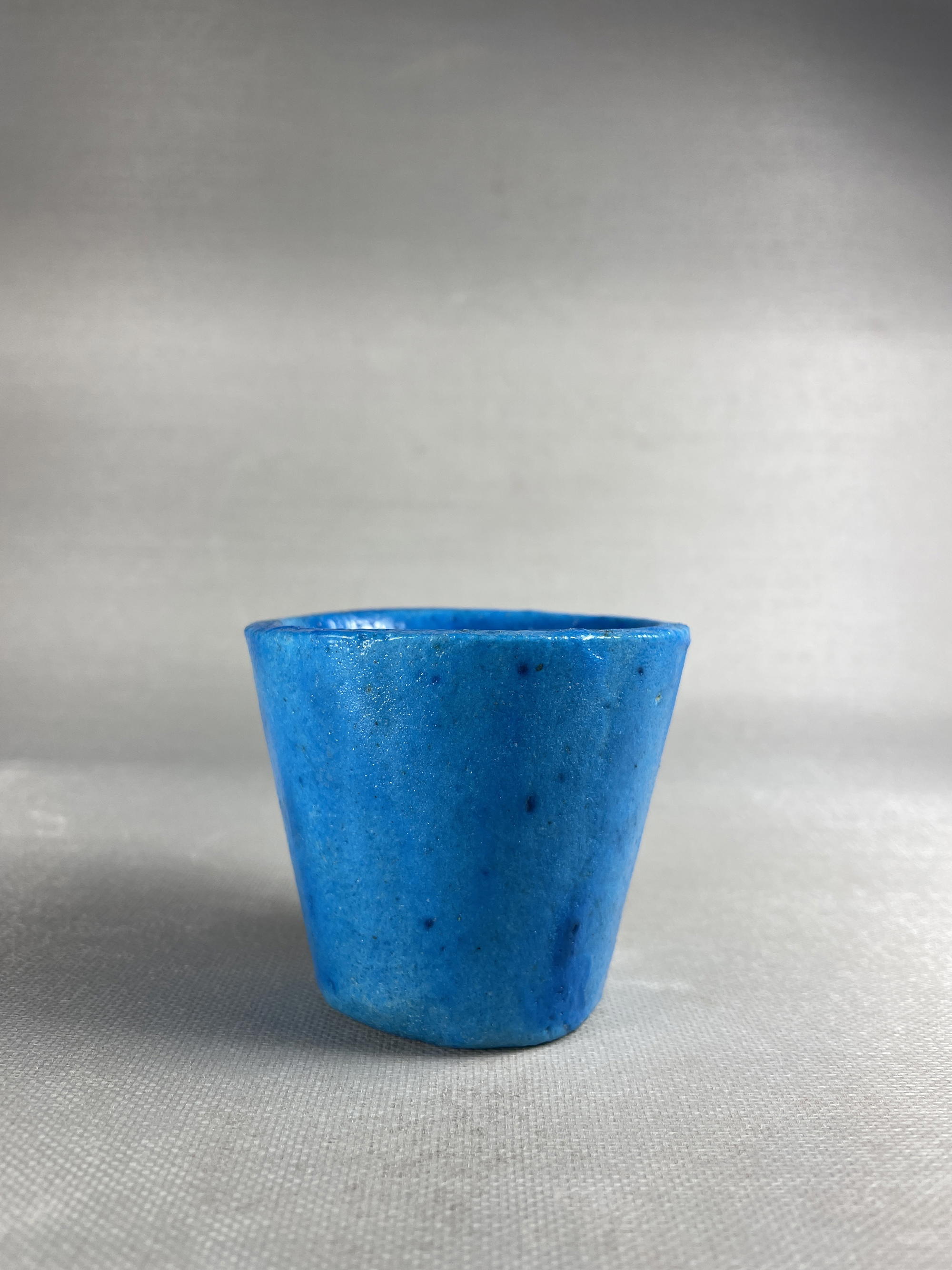
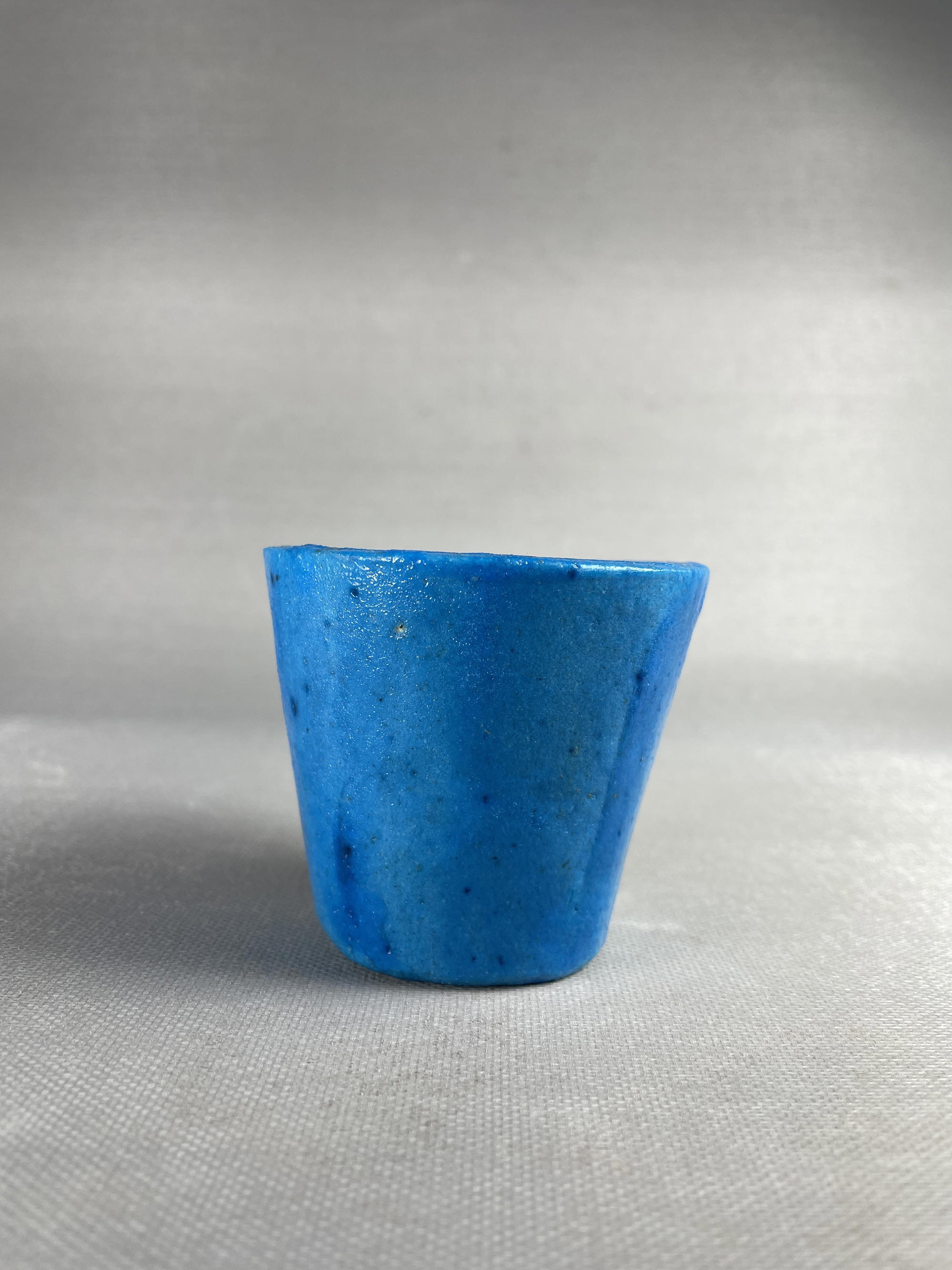
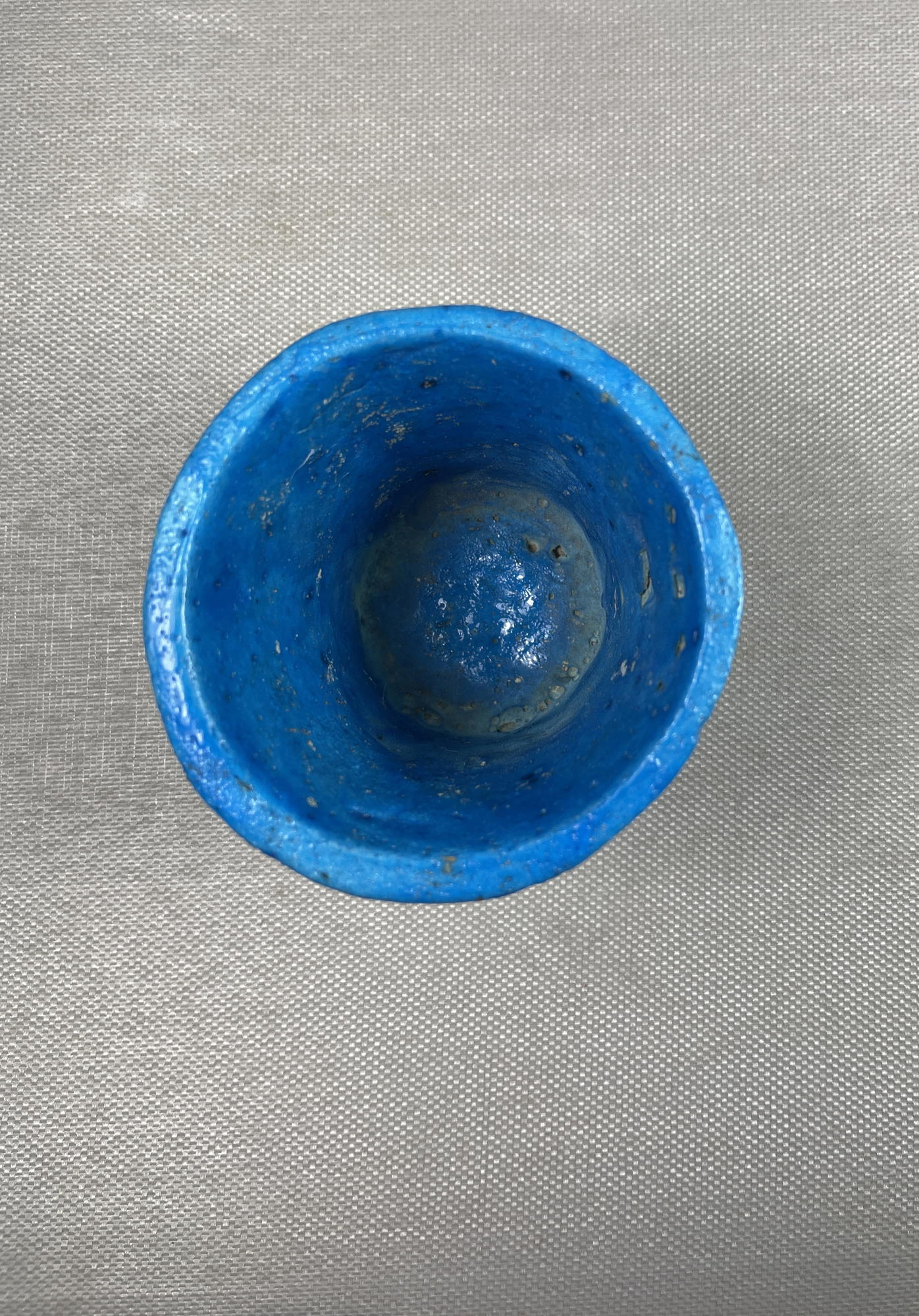
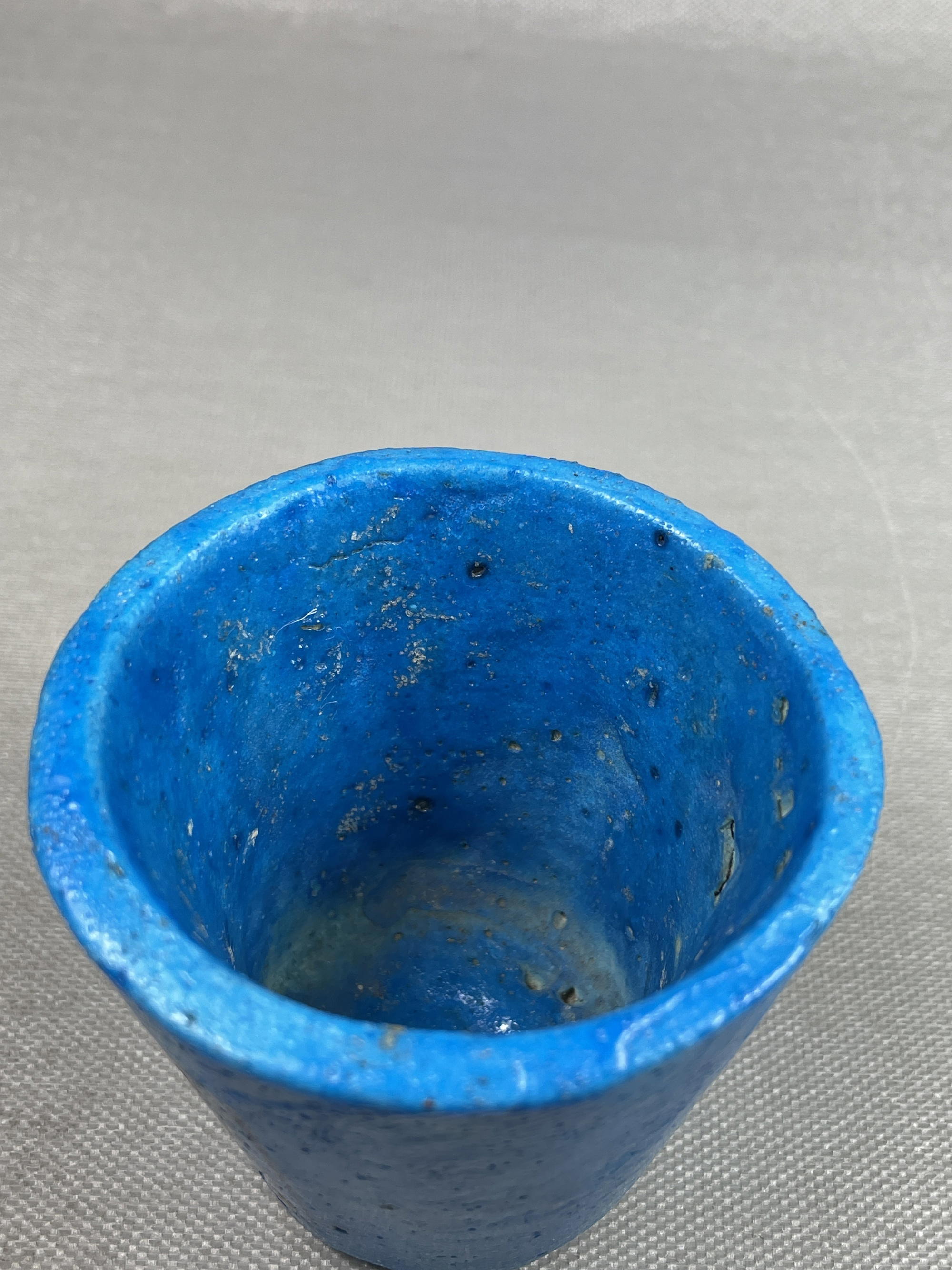
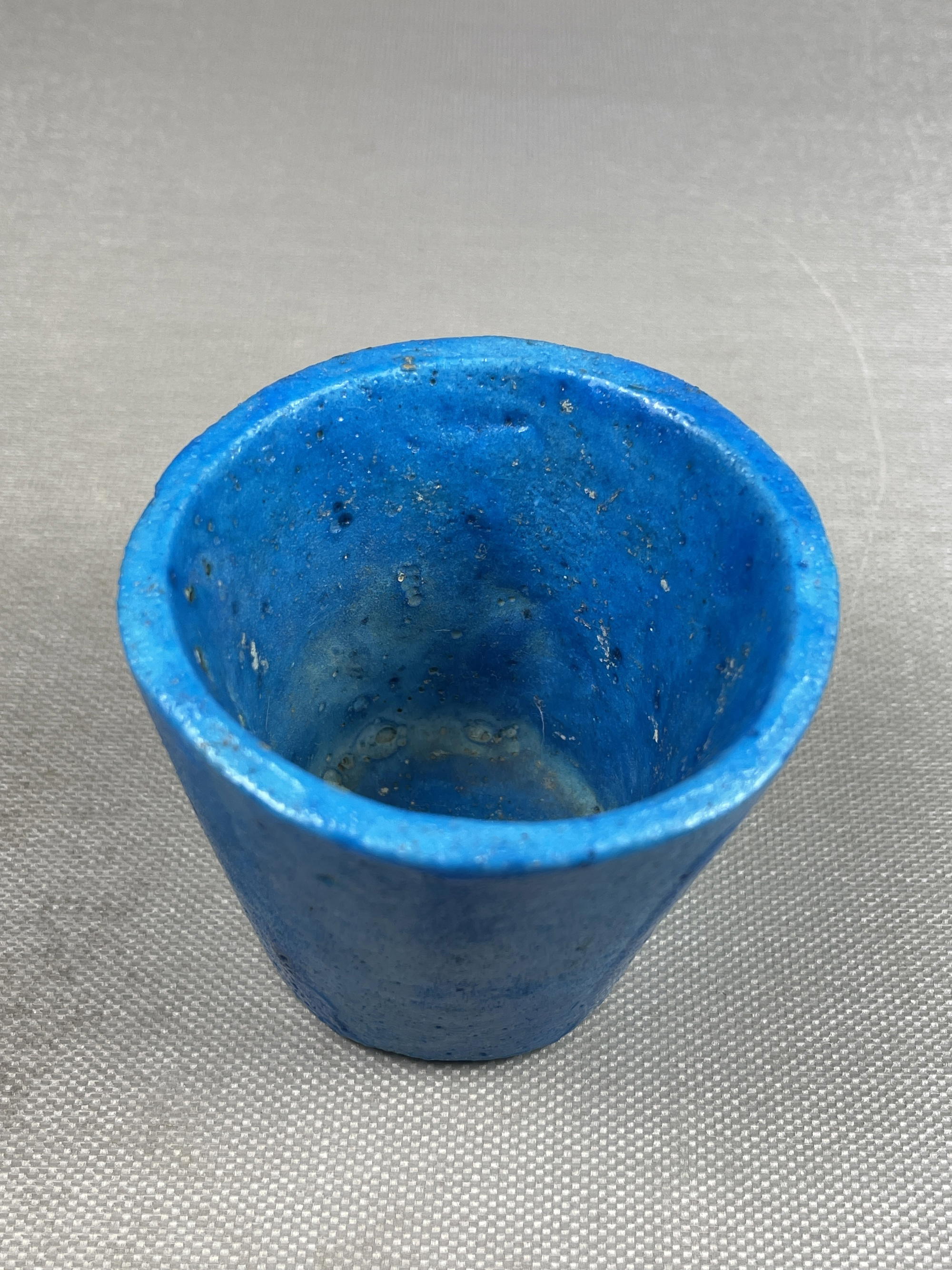
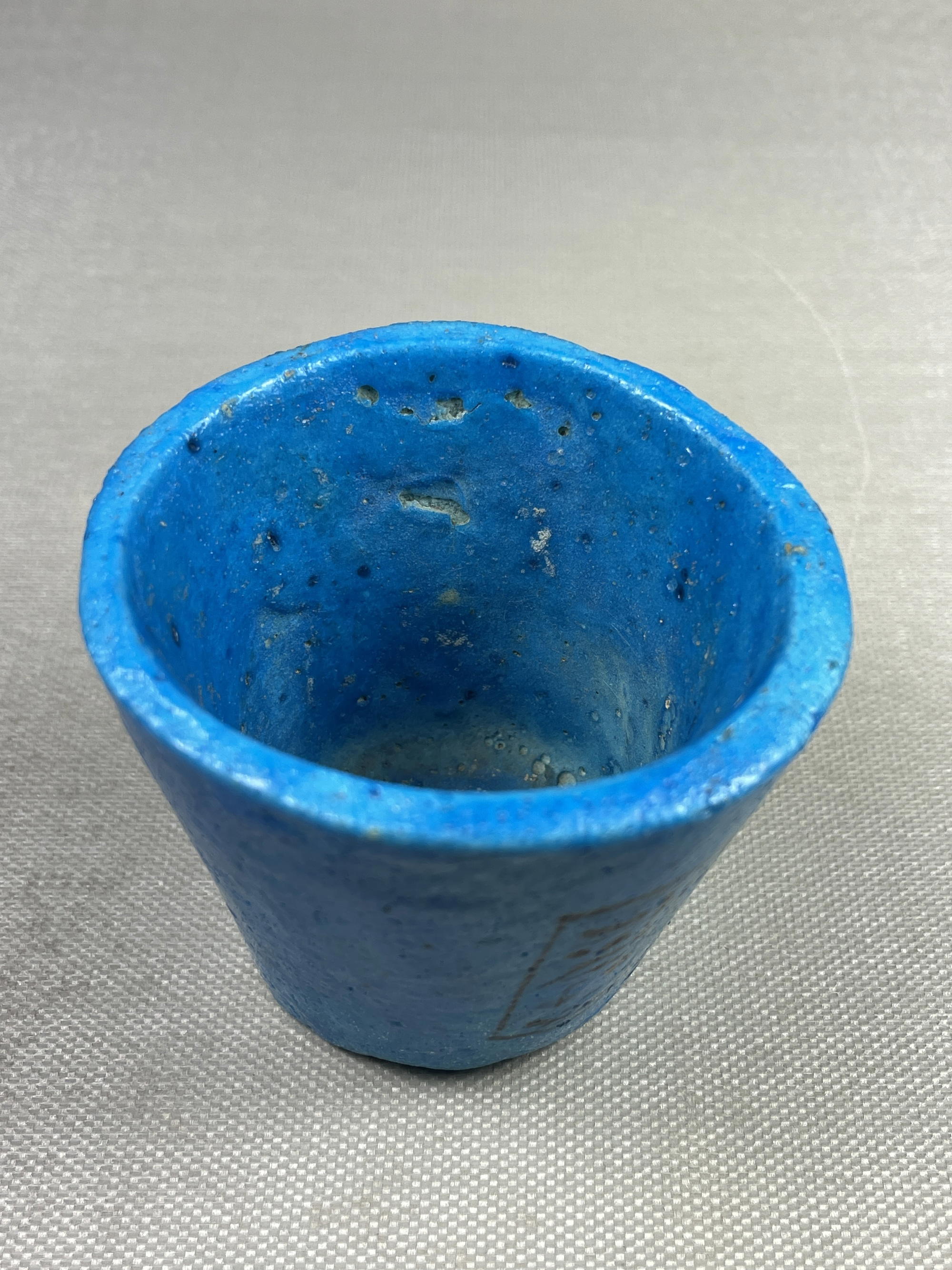
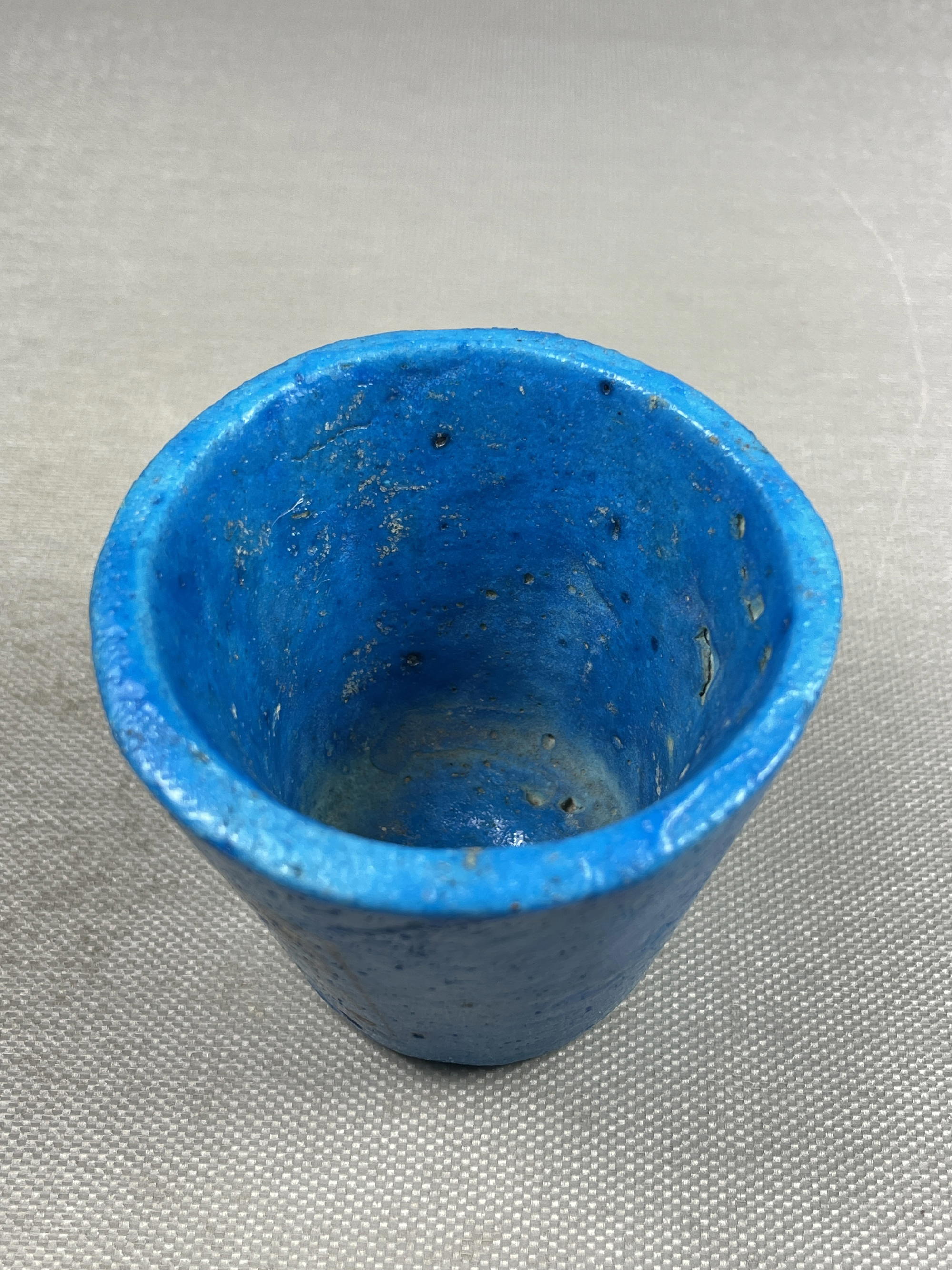
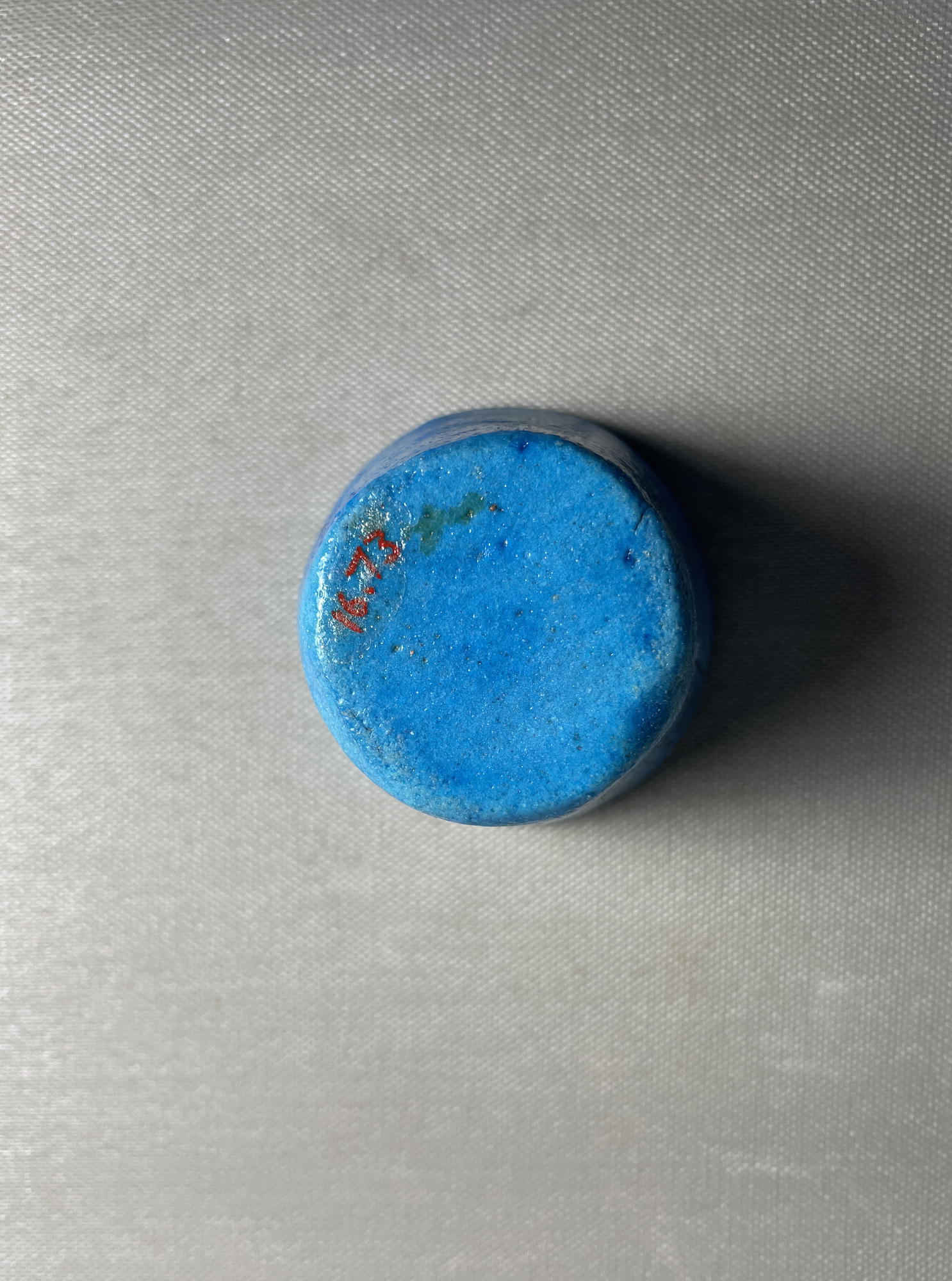
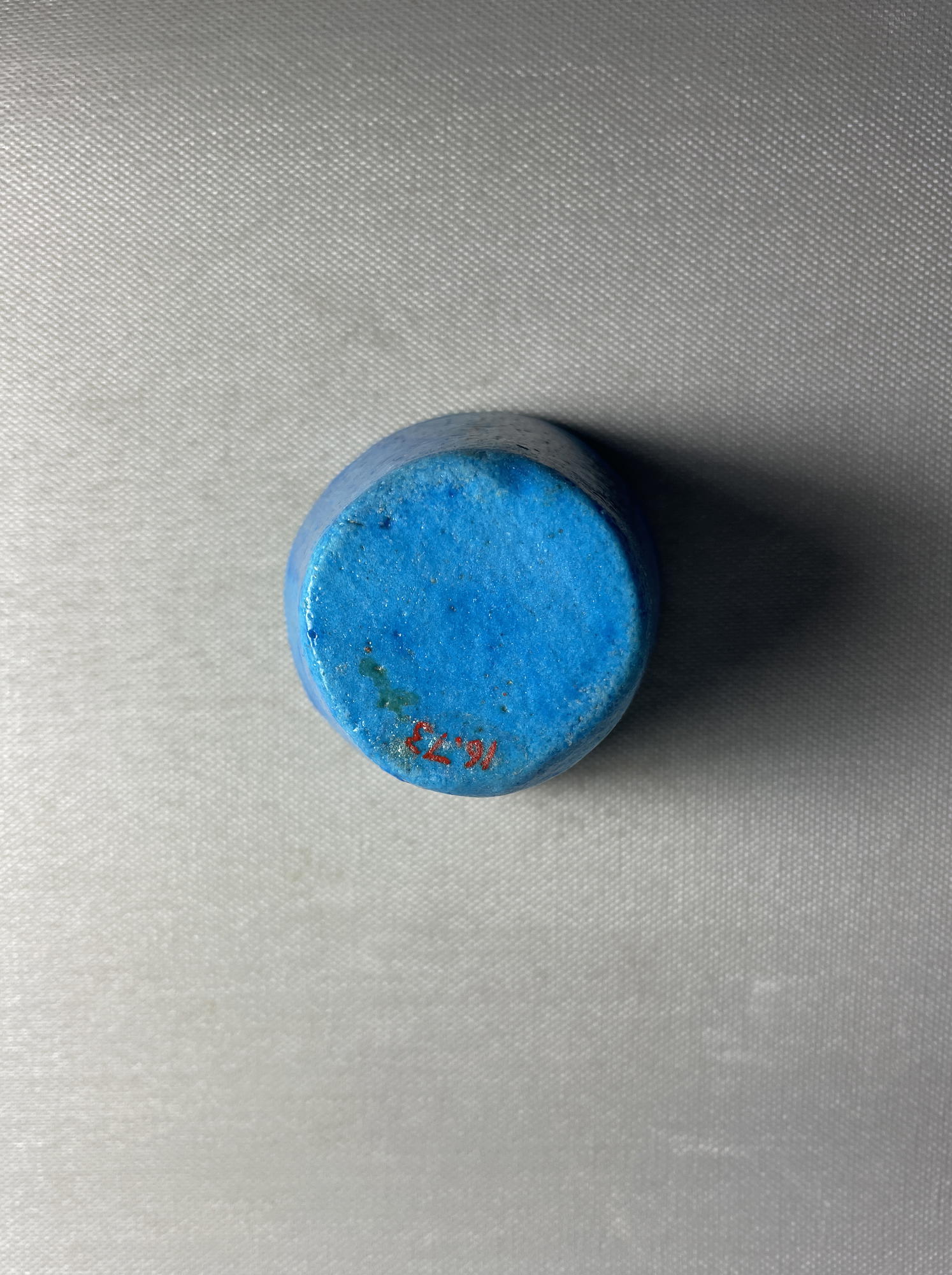
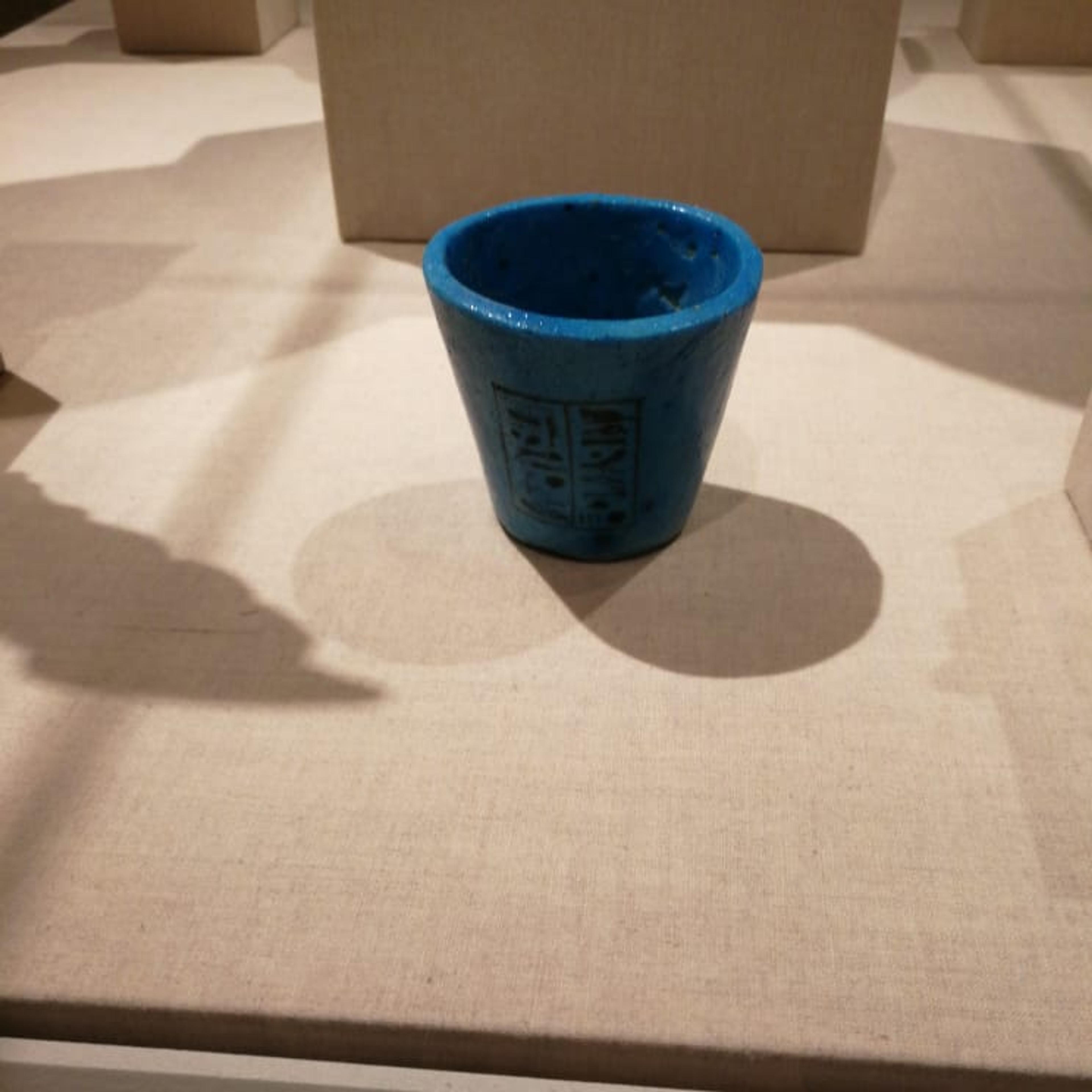
This cup comes from the burial of a woman named Nesikhonsu. She was the daughter of one high priest of the god Amun-Re, the Wife of another, and herself an important priestess of that deity.
Caption
Cup, ca. 985–974 B.C.E.. Faience, 2 5/16 x Diam. 2 11/16 in. (5.9 x 6.9 cm). Brooklyn Museum, Gift of Evangeline Wilbour Blashfield, Theodora Wilbour, and Victor Wilbour honoring the wishes of their mother, Charlotte Beebe Wilbour, as a memorial to their father, Charles Edwin Wilbour, 16.73. (Photo: Brooklyn Museum)
Title
Cup
Date
ca. 985–974 B.C.E.
Dynasty
second half of Dynasty 21
Period
Third Intermediate Period
Geography
Place collected: Thebes (Deir el-Bahri), Egypt
Medium
Faience
Classification
Dimensions
2 5/16 x Diam. 2 11/16 in. (5.9 x 6.9 cm)
Credit Line
Gift of Evangeline Wilbour Blashfield, Theodora Wilbour, and Victor Wilbour honoring the wishes of their mother, Charlotte Beebe Wilbour, as a memorial to their father, Charles Edwin Wilbour
Accession Number
16.73
Frequent Art Questions
Wow. How did the vase get this rich blue color?
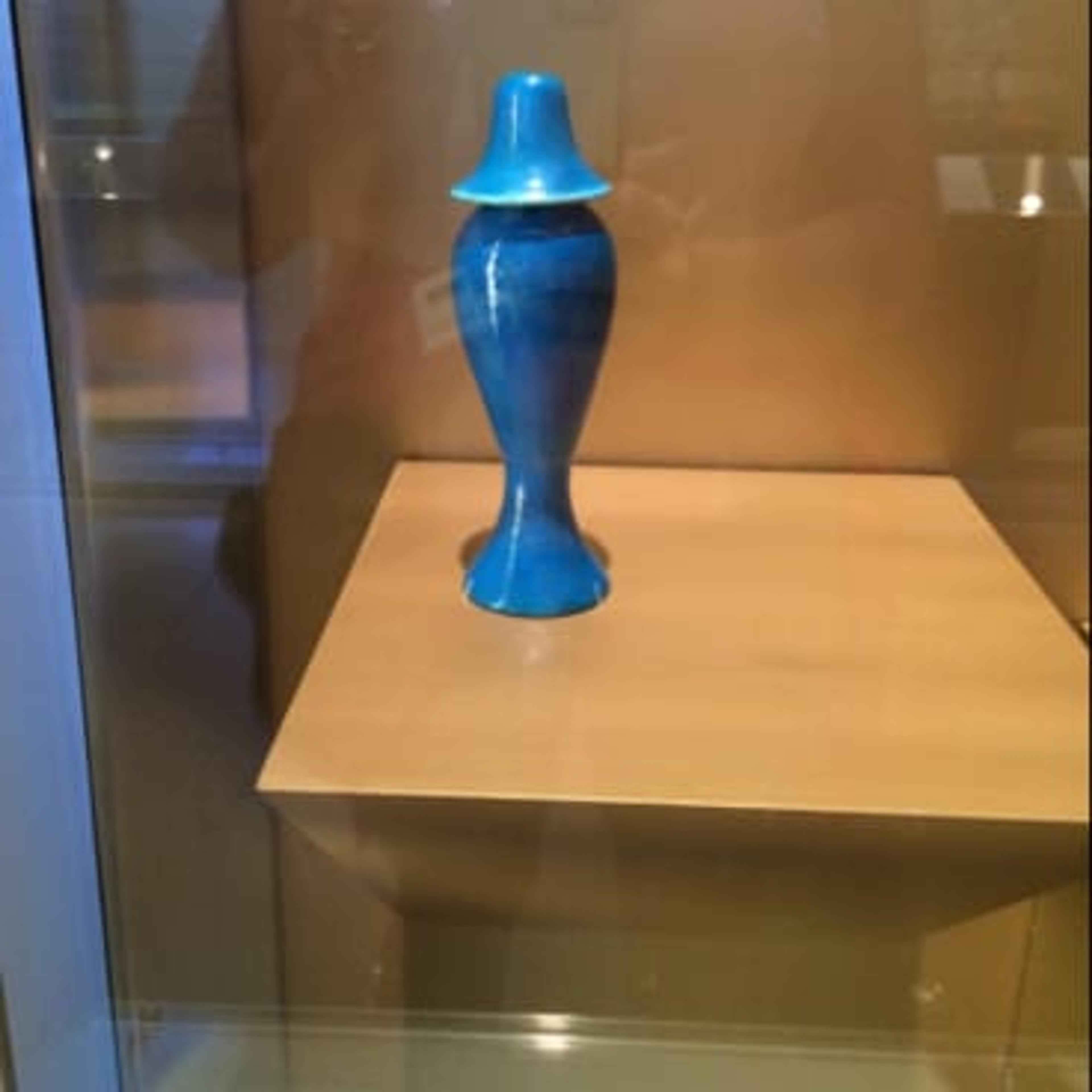 That is made of a really interesting material called faience, considered by Egyptologists as the first high-tech ceramic. The material is made of pure ground quartz, which has a dazzling, white look to it, which is why the ancient Egyptians called it tjehenet (dazzling). The quartz would have several other ingredients added to it; a small part of lime or calcium oxide and soda, all found in the rich desert sands and quarries in their landscape. These ingredients were either added to it before firing in the kiln, so that the beautiful blue would rise to the surface, or it would be put in a vessel of this powder so it would be coated from the outside while fired. Faience is glazed in many different shades of green and blue, which you'll see throughout the galleries.
Do you know anything about the ancient Egyptians using colors for health?
 Certain colors were associated with certain meanings, though not directly with health in a medicinal way. Light blue and turquoise, for instance, were seen as interchangeable with green. This meant these colors were linked to the color of water, plants, and vegetation, and were associated with life.So light blue and green were connected to health, rather than serving as a means to health.
Have information?
Have information about an artwork? Contact us at