Inlay in the Form of a Bunch of Grapes
1 of 4
Object Label
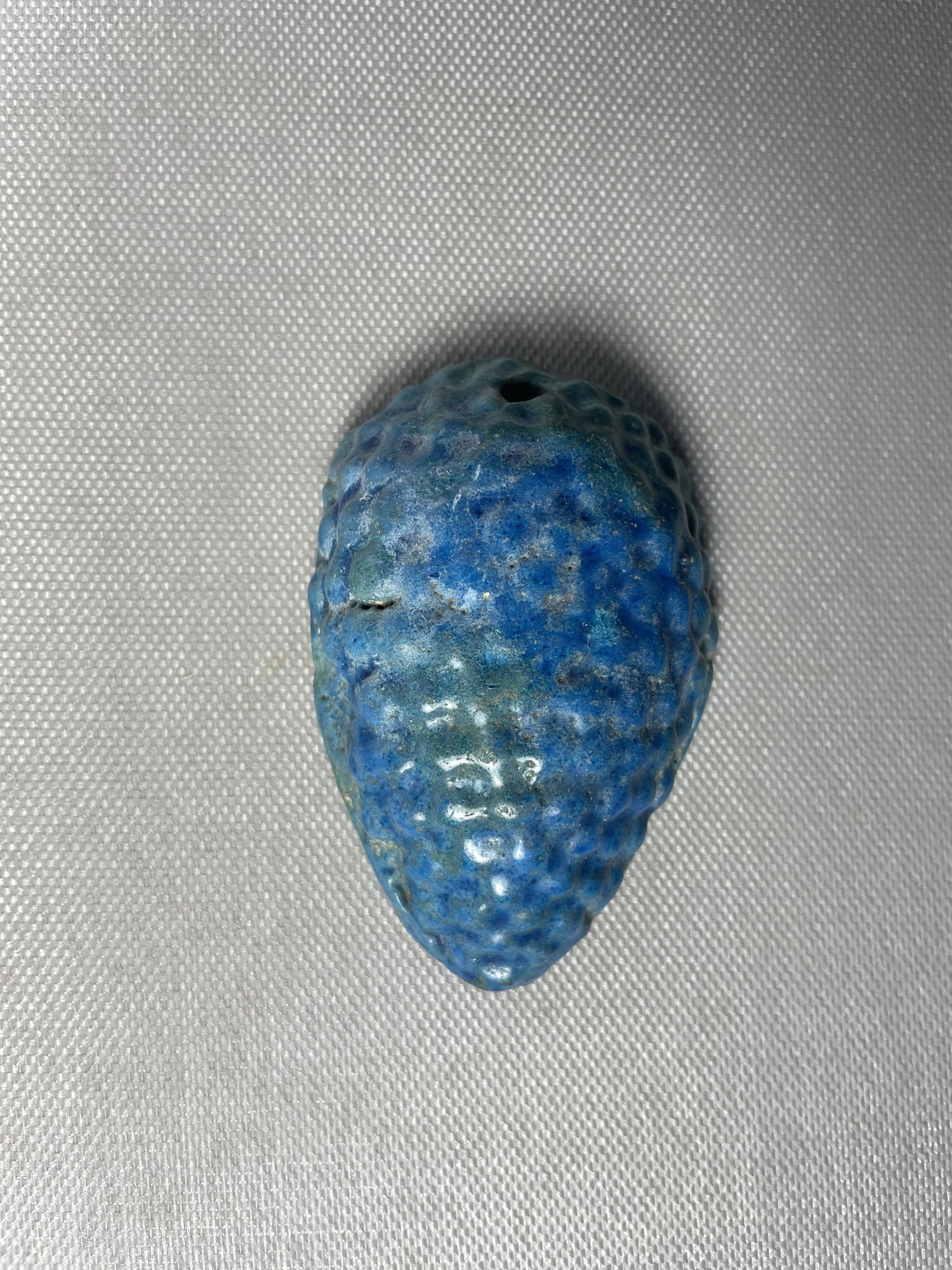
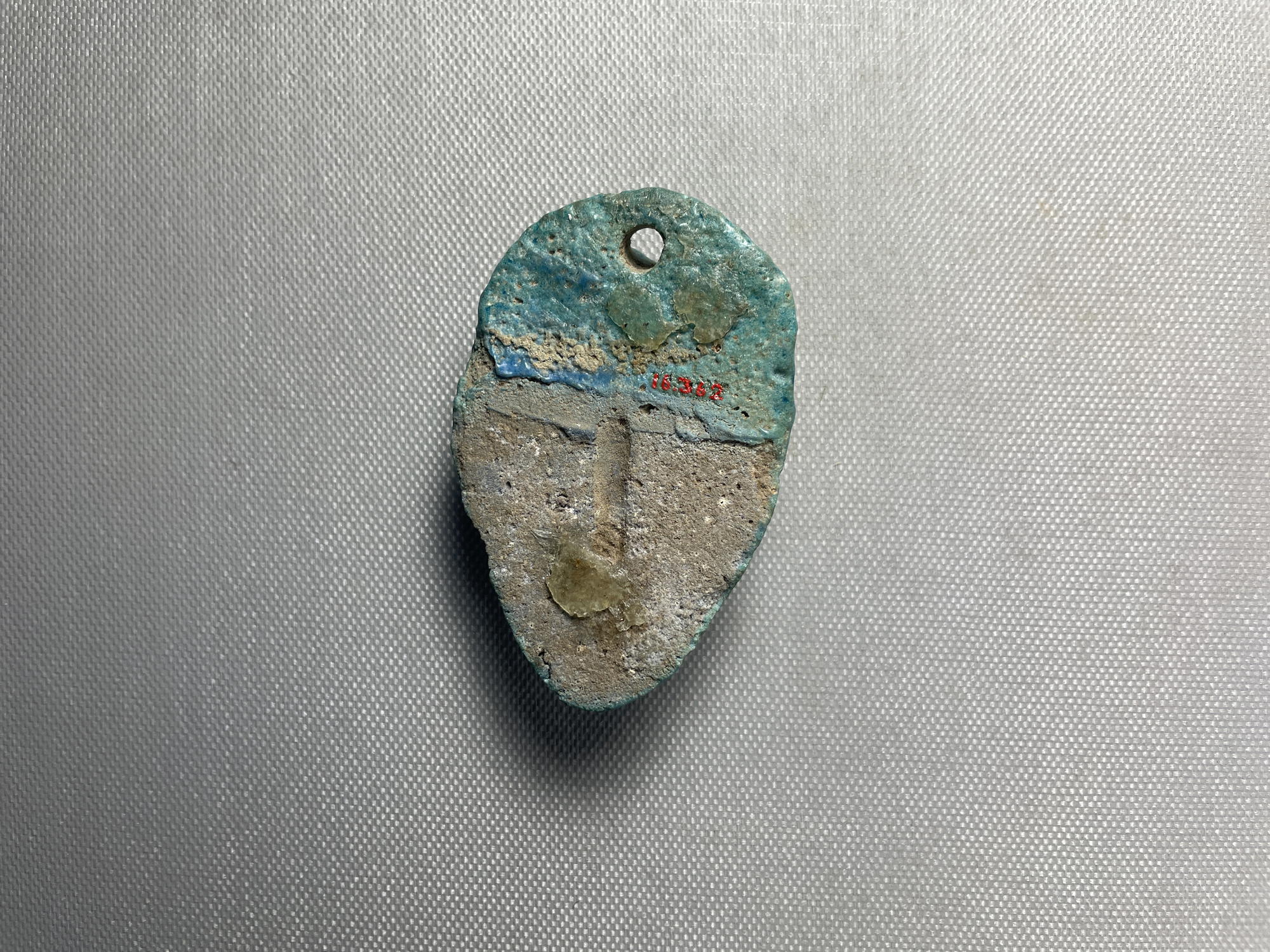
Amarna artists often tried to create interior spaces that looked and felt like the outdoors. Many rooms in Akhenaten's palaces featured three-dimensional grape clusters hung high on the wall and grapevines painted on the ceiling. Such decorations created the illusion of sitting under a huge grape arbor.
Caption
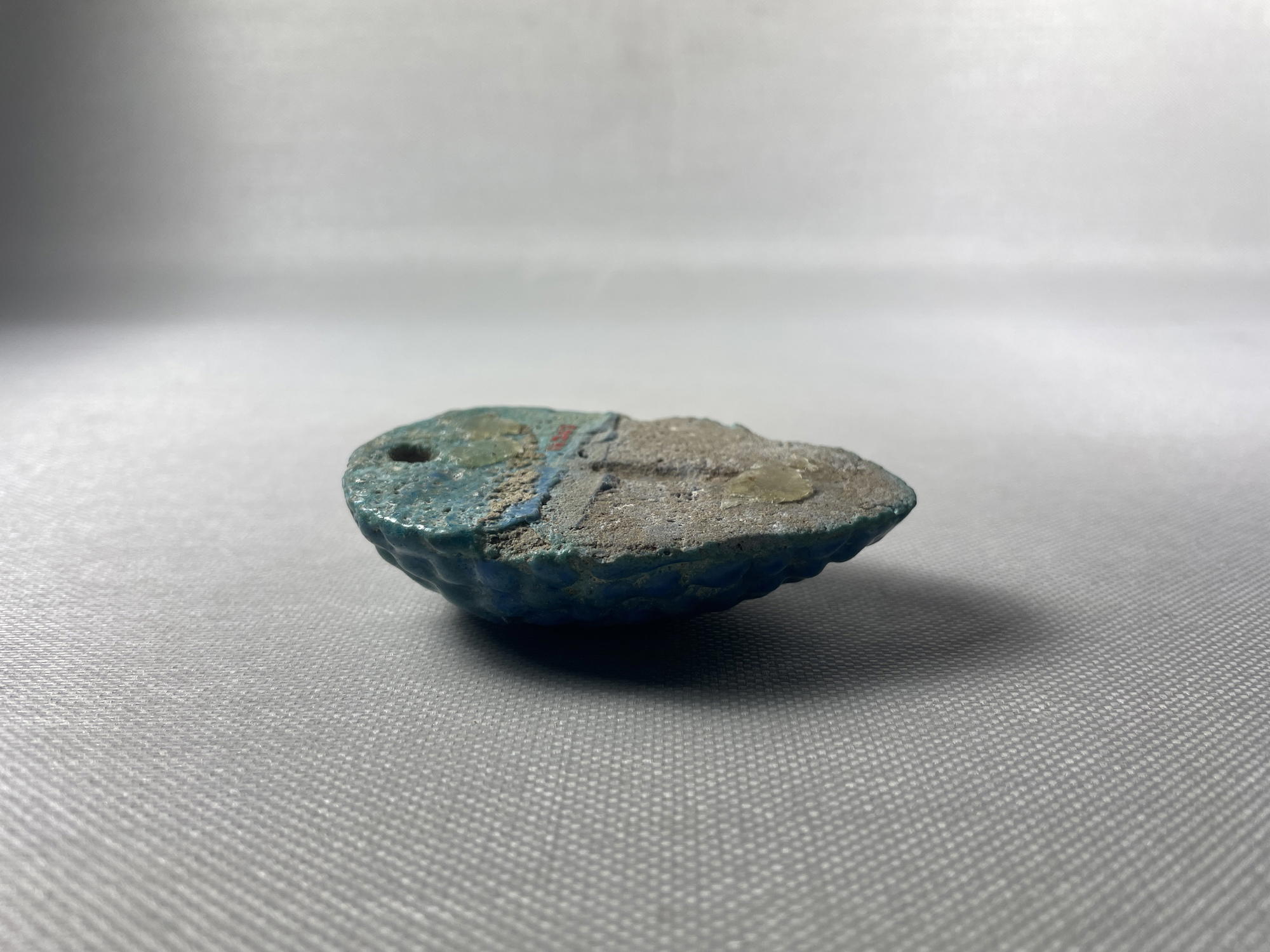
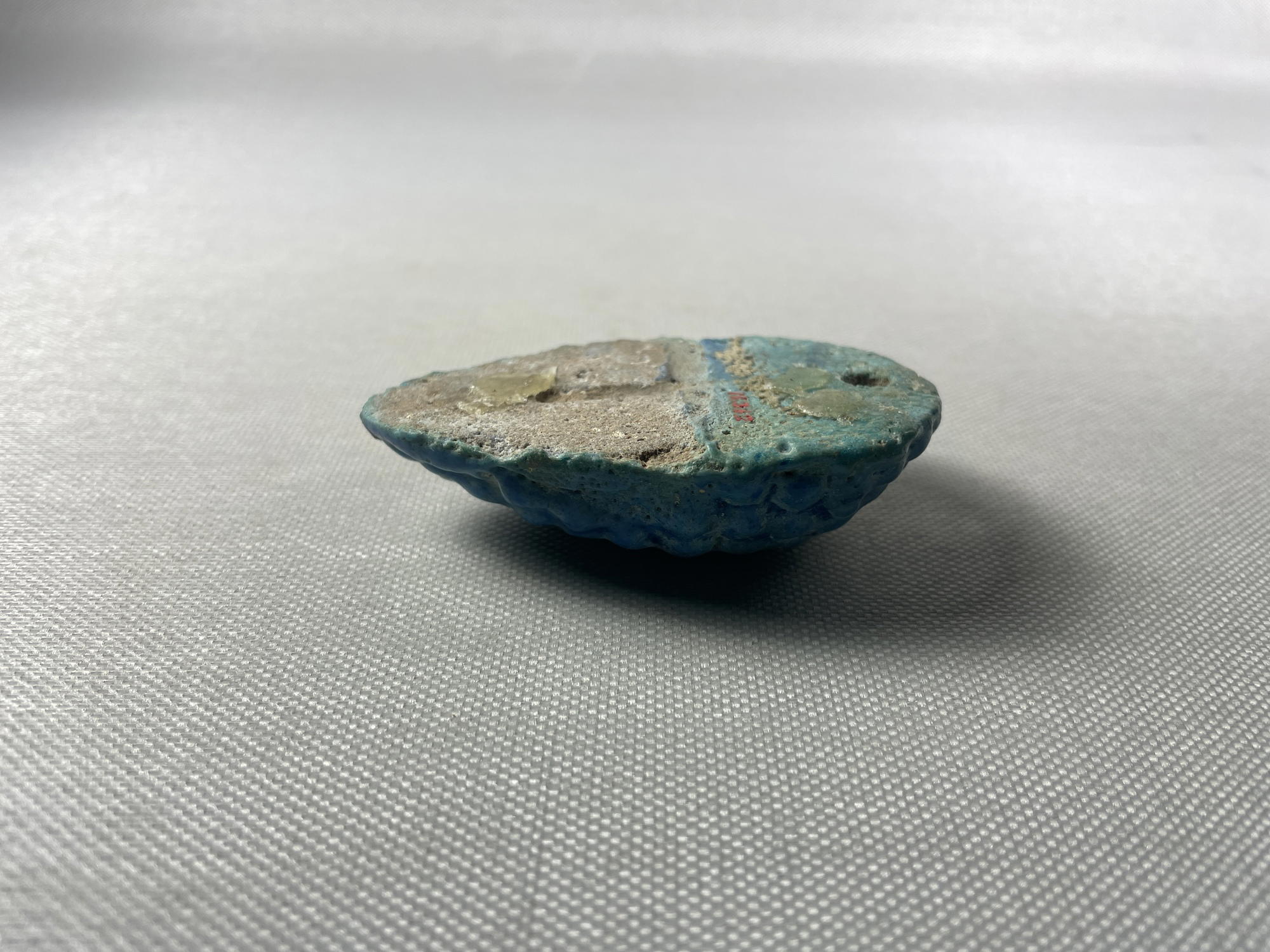
Inlay in the Form of a Bunch of Grapes, ca. 1352–1336 B.C.E.. Faience, 2 7/8 × 1 7/8 × 3/4 in. (7.3 × 4.8 × 1.9 cm). Brooklyn Museum, Gift of Evangeline Wilbour Blashfield, Theodora Wilbour, and Victor Wilbour honoring the wishes of their mother, Charlotte Beebe Wilbour, as a memorial to their father, Charles Edwin Wilbour, 16.362. (Photo: Brooklyn Museum)
Gallery
Not on view
Gallery
Not on view
Title
Inlay in the Form of a Bunch of Grapes
Date
ca. 1352–1336 B.C.E.
Dynasty
late Dynasty 18
Period
New Kingdom, Amarna Period
Medium
Faience
Classification
Dimensions
2 7/8 × 1 7/8 × 3/4 in. (7.3 × 4.8 × 1.9 cm)
Credit Line
Gift of Evangeline Wilbour Blashfield, Theodora Wilbour, and Victor Wilbour honoring the wishes of their mother, Charlotte Beebe Wilbour, as a memorial to their father, Charles Edwin Wilbour
Accession Number
16.362
Frequent Art Questions
I've never seen ancient art like this before. Is this considered more rare than the limestone pieces from that era?
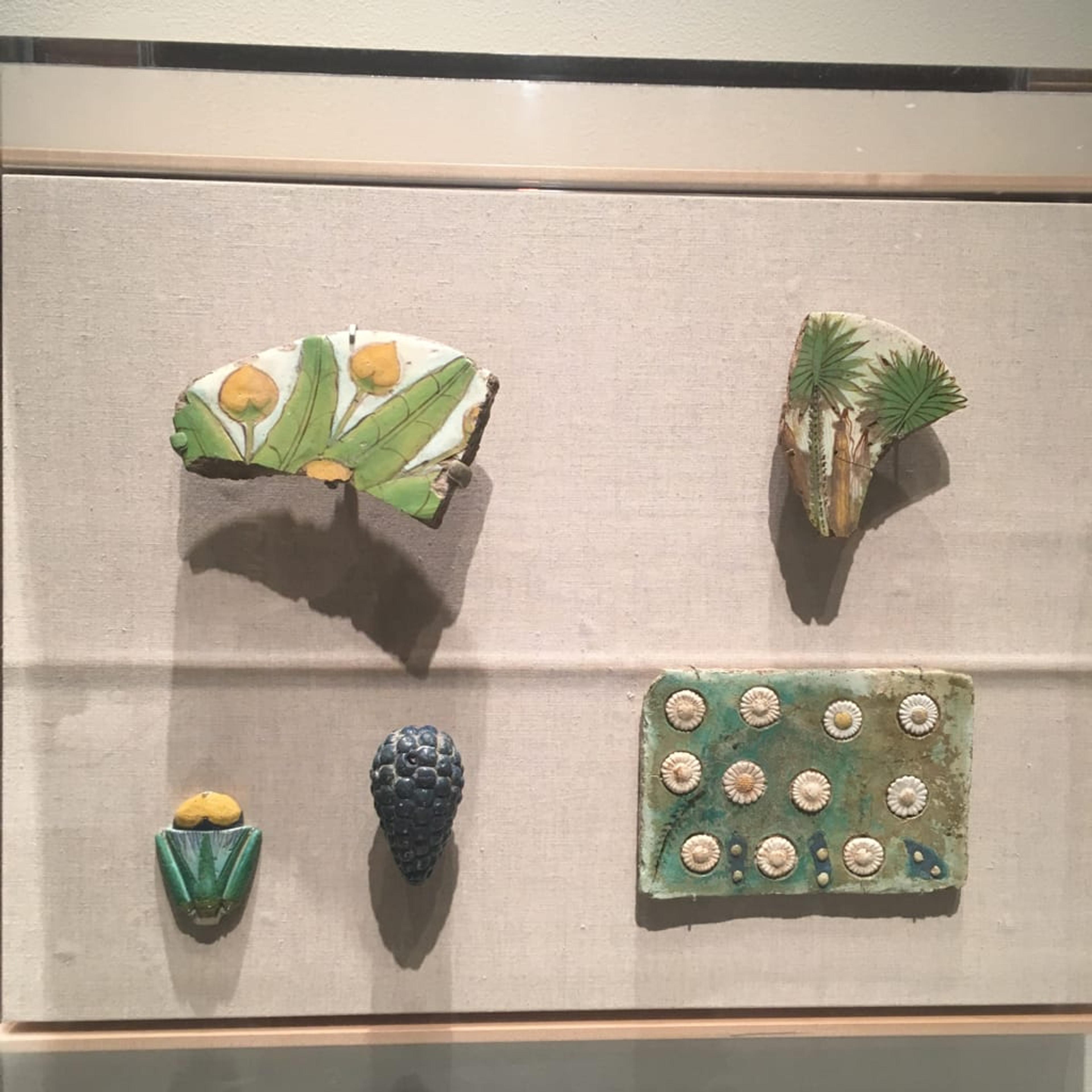 I'm not sure how frequent inlays like this are found, but I do know that they are often quite fragmentary thus making them not as interesting or informative to display. Which explains why you don't see them as much. Plus these inlays come from the city of Amarna where people actually lived rather than a tomb or temple like much of the objects on view from ancient Egypt.The material that they are made out of was actually quite common. You'll see many small objects like figurines--usually blue--made out of faience as well.
Wanted to know more about this. Also, where is this region?
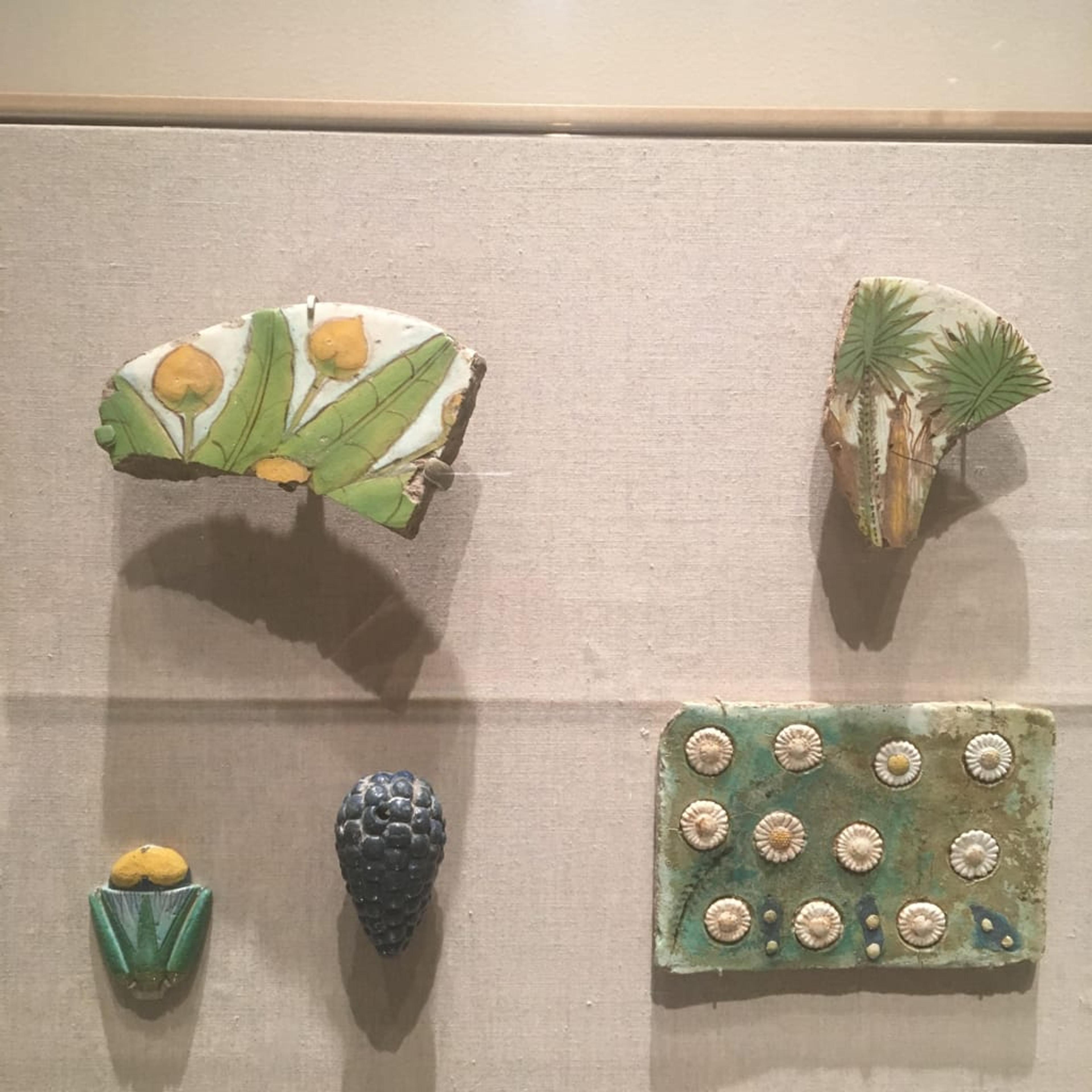 This case shows a sampling of faience inlays from Amarna, the capital of the era in which Akhenaten and Nefertiti ruled and worshipped the deity the sun disc, Aten. The city was called Akhetaten in ancient times and was located to the east of the Nile in central Egypt, in what is now the Minya governate.The material you're looking at, faience, is something you will see throughout Egyptian art. Often green-blue, faience is made from a quartz-based paste molded and fired at a high temperature, with a glaze of powdered glass mixed with liquid.
Have information?
Have information about an artwork? Contact us at