Siphon
ca. 1539–1292 B.C.E.
Object Label
Tools
Egyptian workers, including artisans, farmers, and fishermen, required a wide variety of specialized tools.
Woodworkers employed axes that had copper or bronze blades lashed to wooden handles with leather.
Carpenters produced smooth surfaces with copper chisels, often with serrated edges.
Tanners used broad, flat knives to cut strips of leather for sandals, harnesses, and whips, which they then pierced with metal awls.
Field hands cut grain with curved sickles fitted with small flint blades.
Fishermen relied on metal hooks with tiny barbs, much like their modern-day equivalents.
Officials used siphons to inspect the liquid contents of vessels without breaking through the protective mud seals.
Egyptian workers, including artisans, farmers, and fishermen, required a wide variety of specialized tools.
Woodworkers employed axes that had copper or bronze blades lashed to wooden handles with leather.
Carpenters produced smooth surfaces with copper chisels, often with serrated edges.
Tanners used broad, flat knives to cut strips of leather for sandals, harnesses, and whips, which they then pierced with metal awls.
Field hands cut grain with curved sickles fitted with small flint blades.
Fishermen relied on metal hooks with tiny barbs, much like their modern-day equivalents.
Officials used siphons to inspect the liquid contents of vessels without breaking through the protective mud seals.
Caption
Siphon, ca. 1539–1292 B.C.E.. Bronze, 2 1/4 x 1/4 in. (5.7 x 0.6 cm). Brooklyn Museum, Charles Edwin Wilbour Fund, 34.1186.
Frequent Art Questions
What is a siphon?
A siphon is a object that forces liquid to flow upwards. Officials used siphons to inspect the liquid contents of vessels.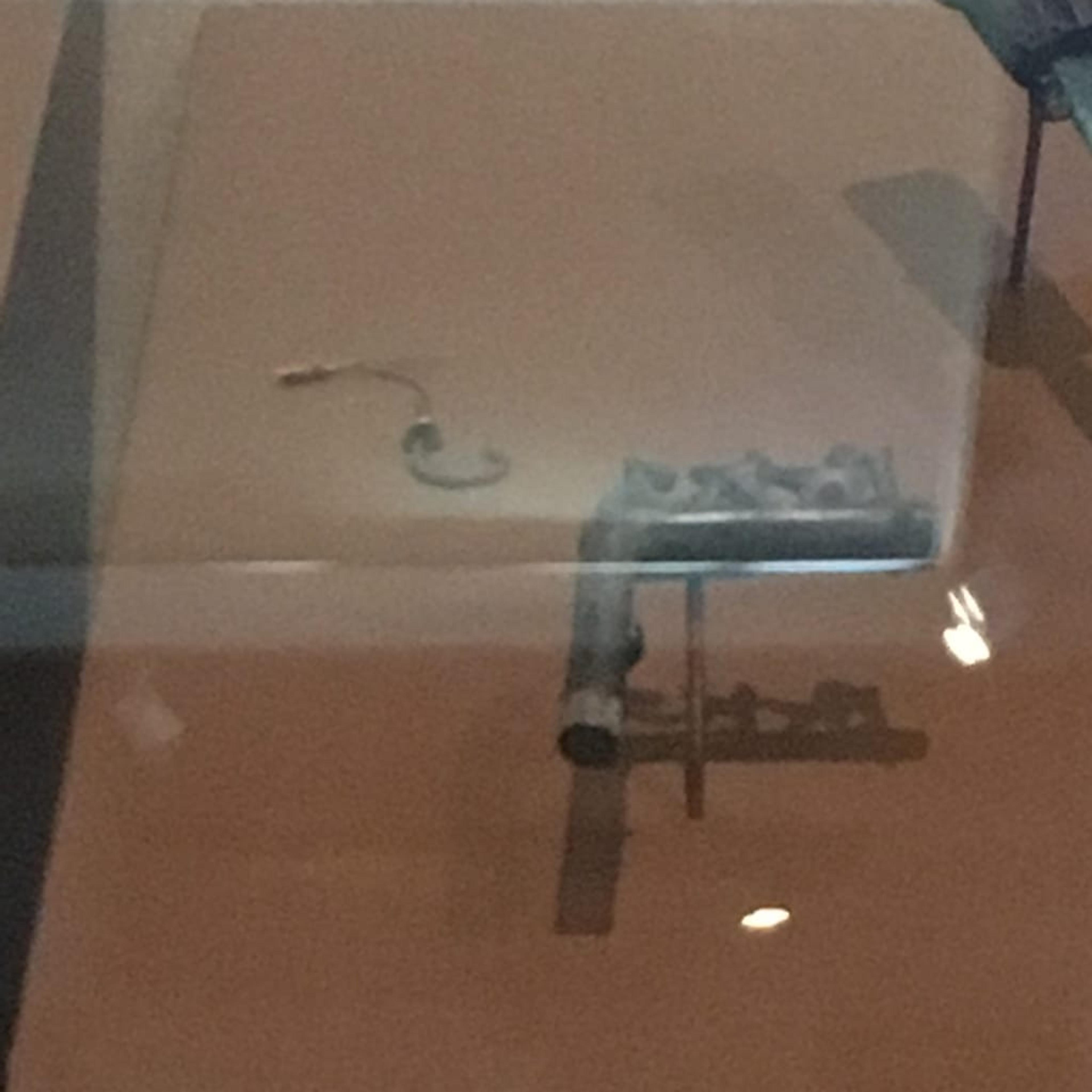 Is this a siphon?Yup! There would have likely been something else attached, like a tube, down which the liquid could flow.
Have information?
Have information about an artwork? Contact us at