Male Statuette
ca. 3800–3650 B.C.E.
1 of 5
Object Label
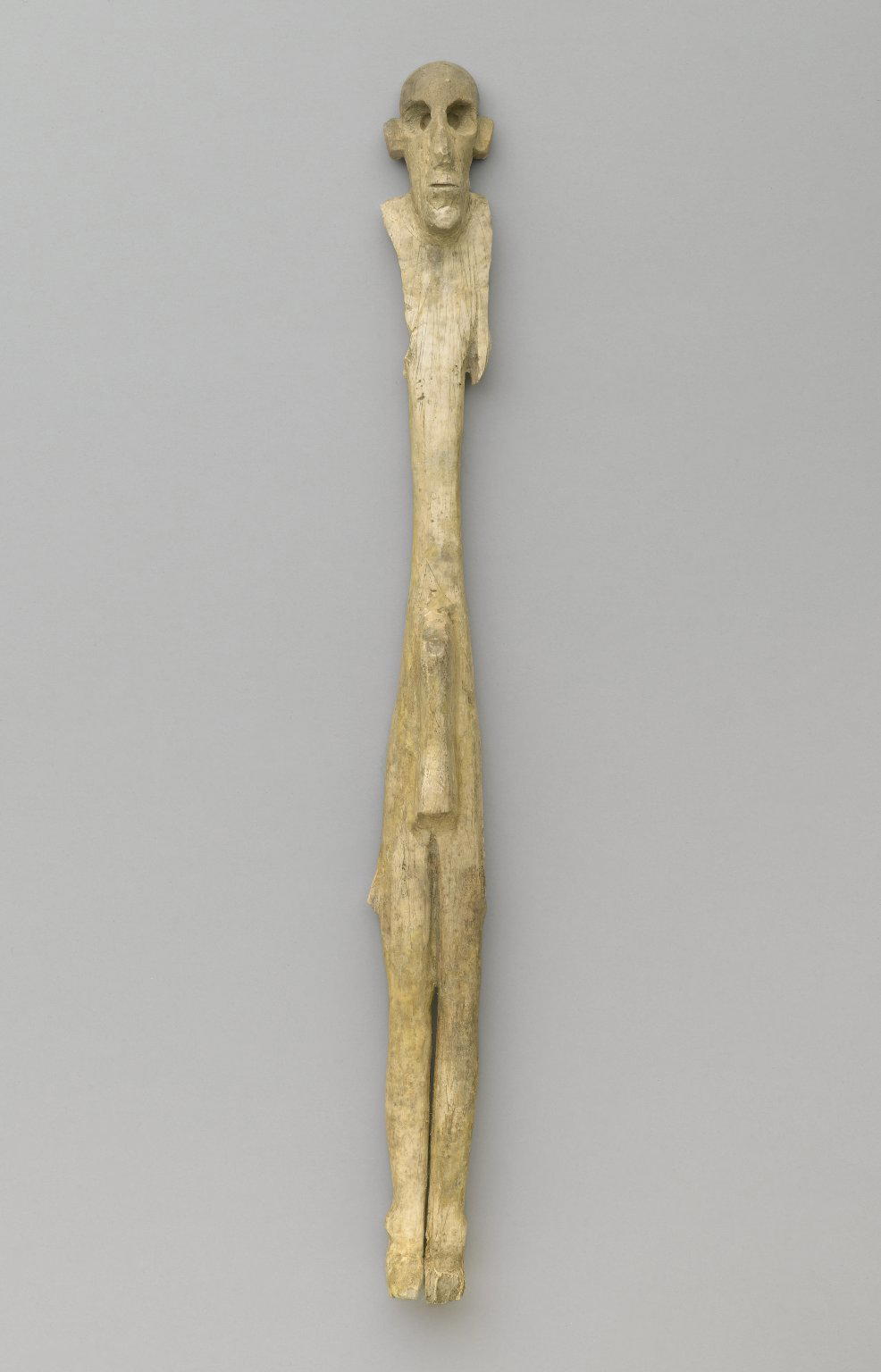
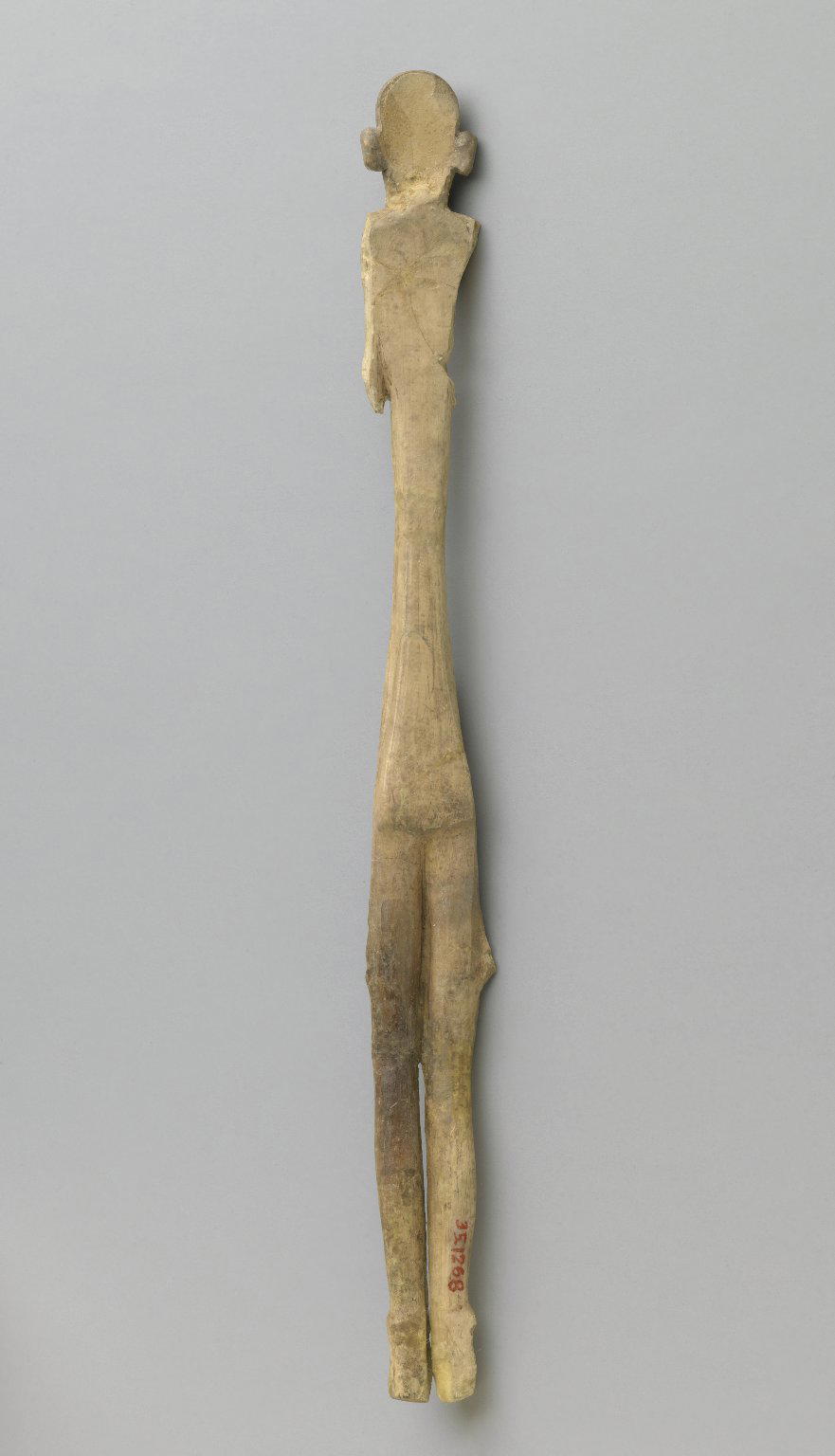
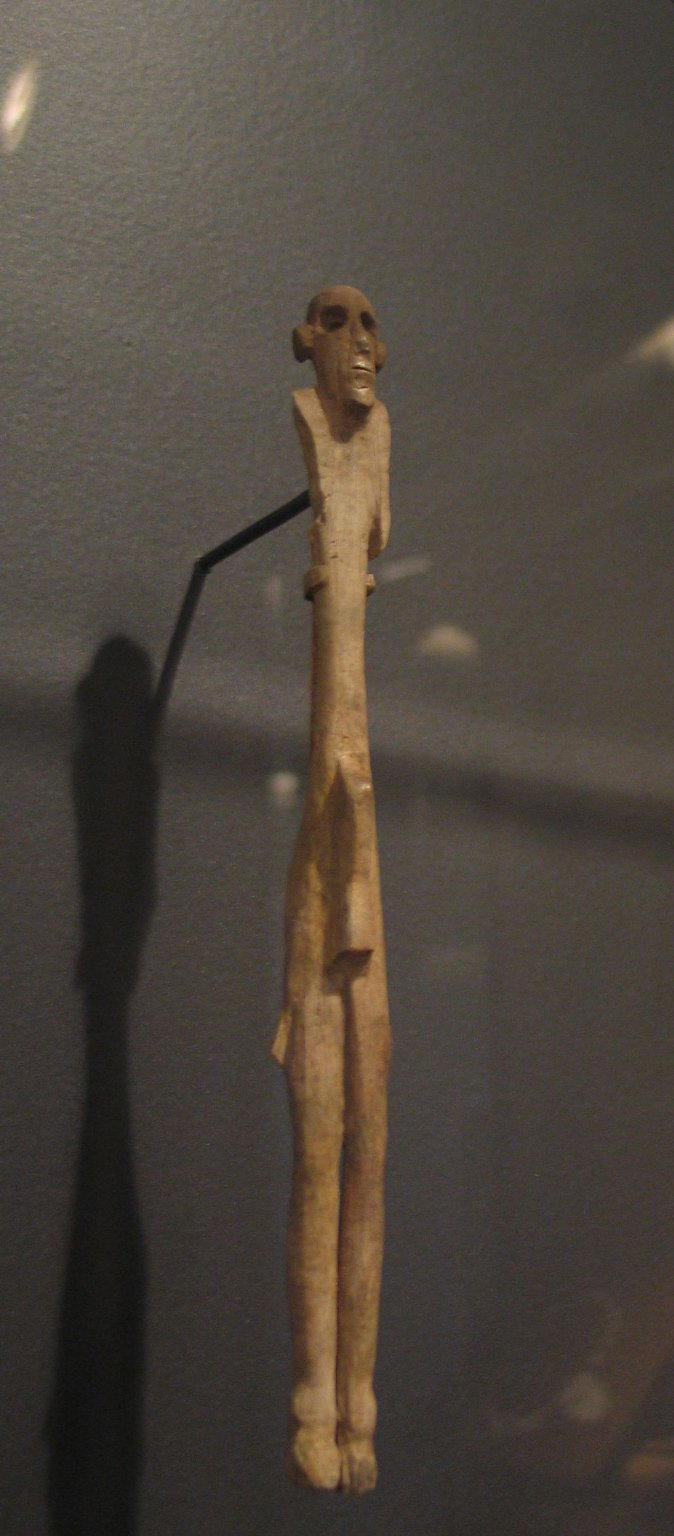
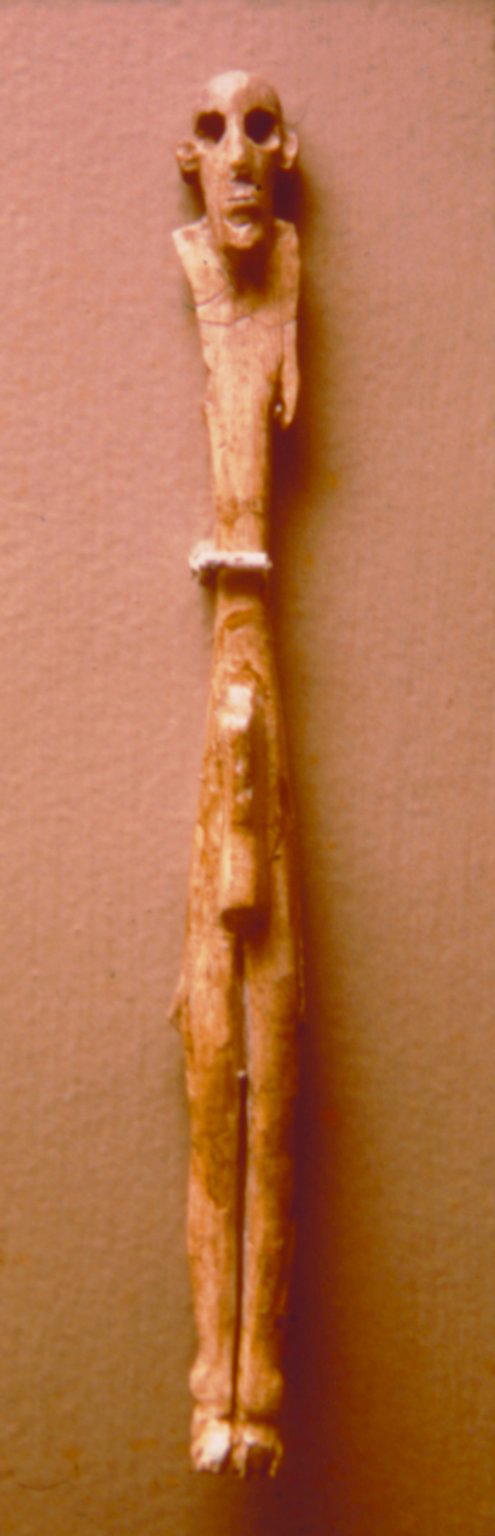
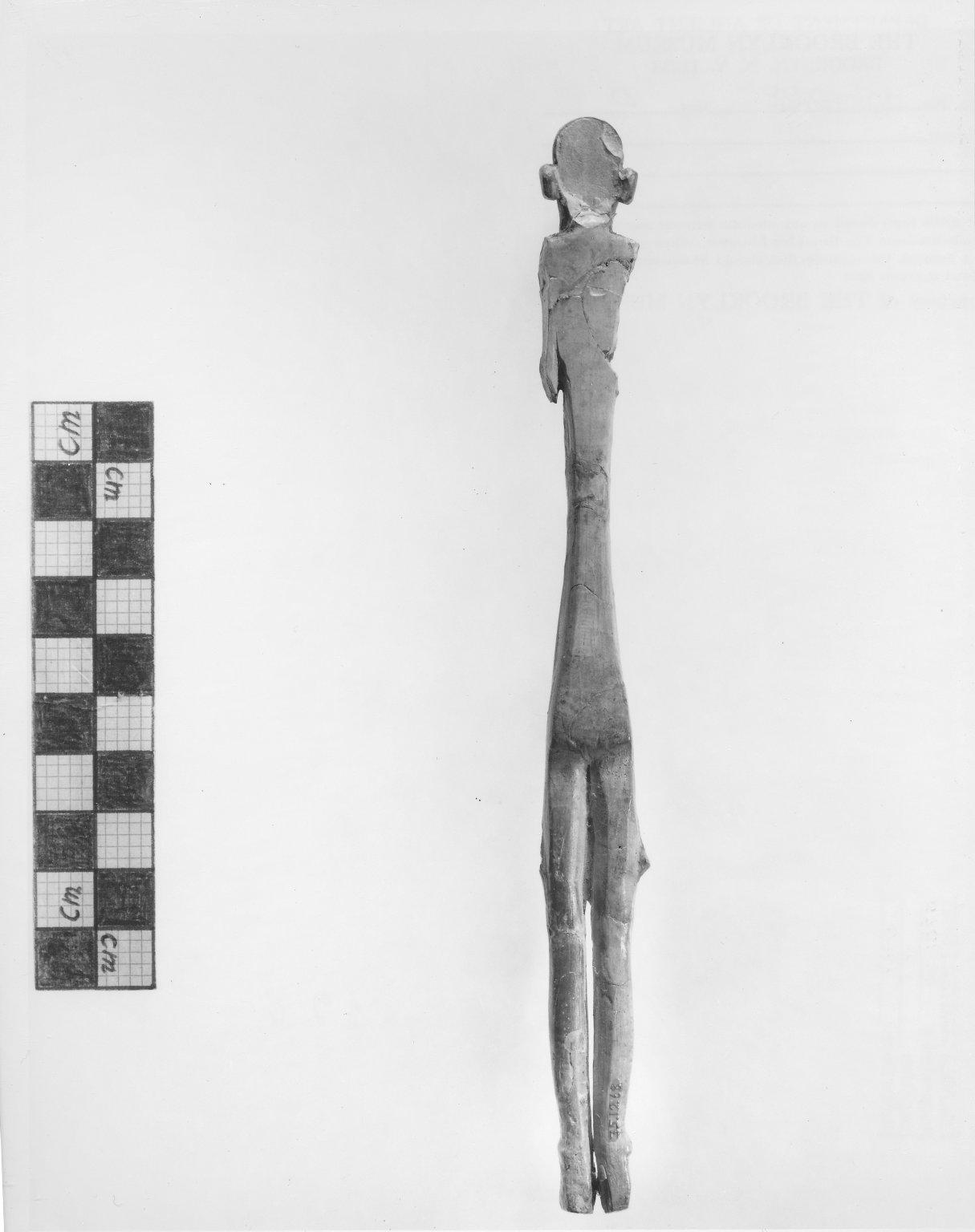
This flat, extremely elongated figure wears only a penis sheath. The arms, now mostly lost, originally extended down along the figure’s body. Inlays of another material once filled the vacant eyeholes.
Caption
Male Statuette, ca. 3800–3650 B.C.E.. Ivory, 11/16 x 7 1/16 in. (1.8 x 17.9 cm). Brooklyn Museum, Charles Edwin Wilbour Fund, 35.1268. (Photo: Brooklyn Museum)
Frequent Art Questions
Why's this guy so long?!
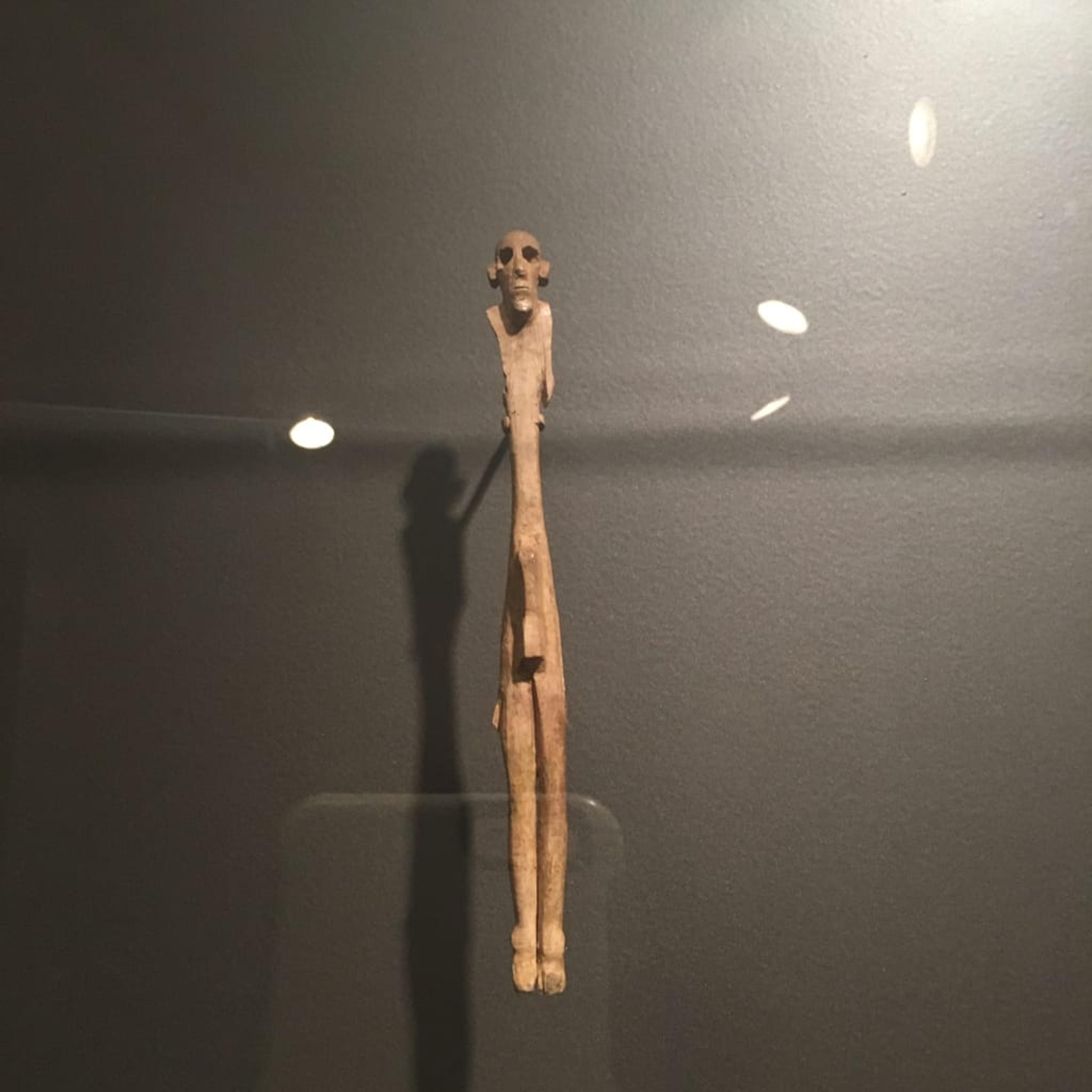 We're not sure. This figure dates to the earliest part of Egyptian civilization referred to as the "Predynastic Period;" it predates writing and many of the iconographic or spiritual beliefs we know of Egyptian civilization. It may be because of the material itself. The shape and size may have been restricted by the shape and size of the tusk it was made from.
Tell me more.
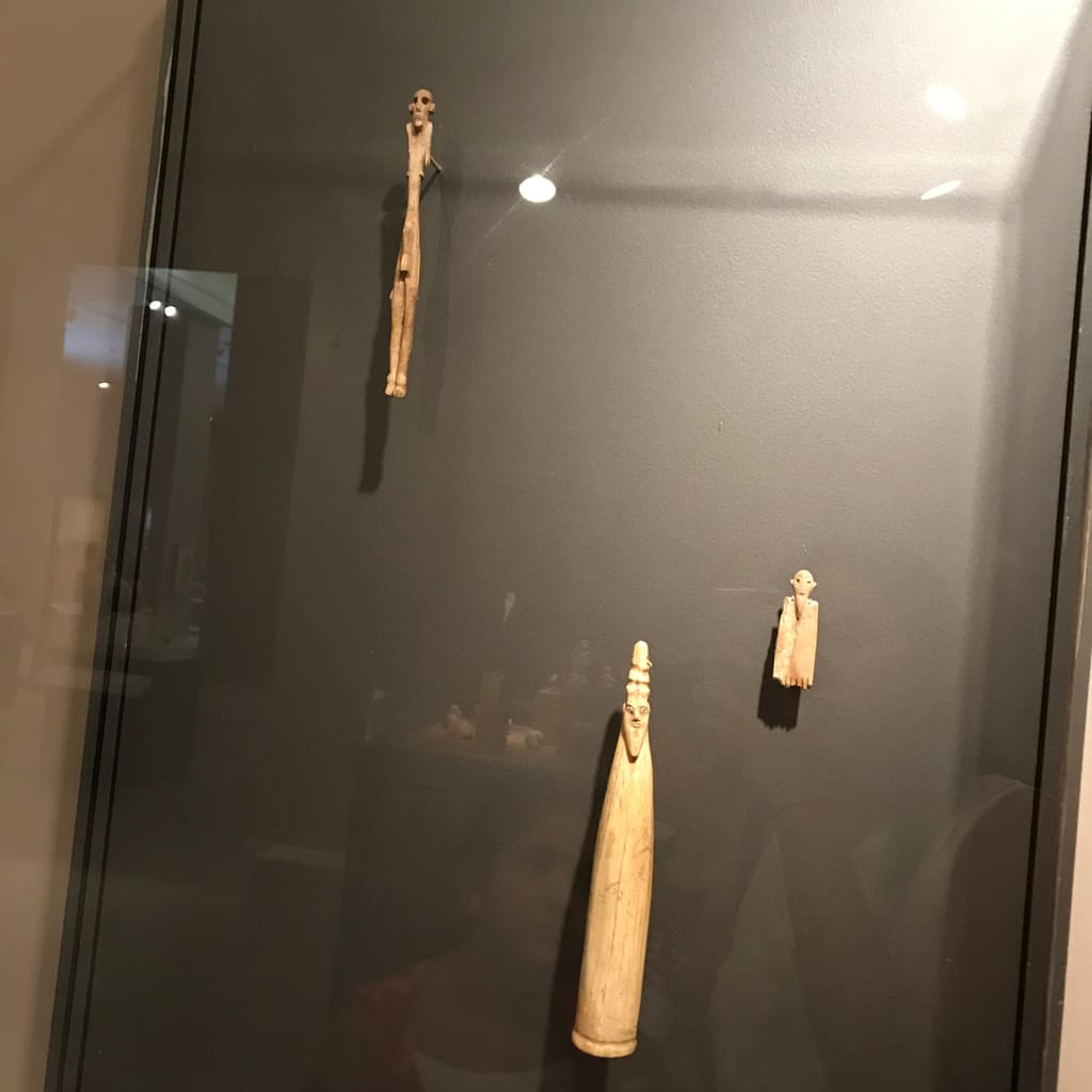 Not many people ask about this statuette from very early in ancient Egyptian history. The inlaid eyes were likely made from lapis lazuli, a brilliant blue stone that had to be imported from Afghanistan.It's possible that this statuette was related to the cult of the god Min, a fertility god represented as a nude male. Min was very popular in certain regions of early Egypt and remained important for thousands of years.
Have information?
Have information about an artwork? Contact us at