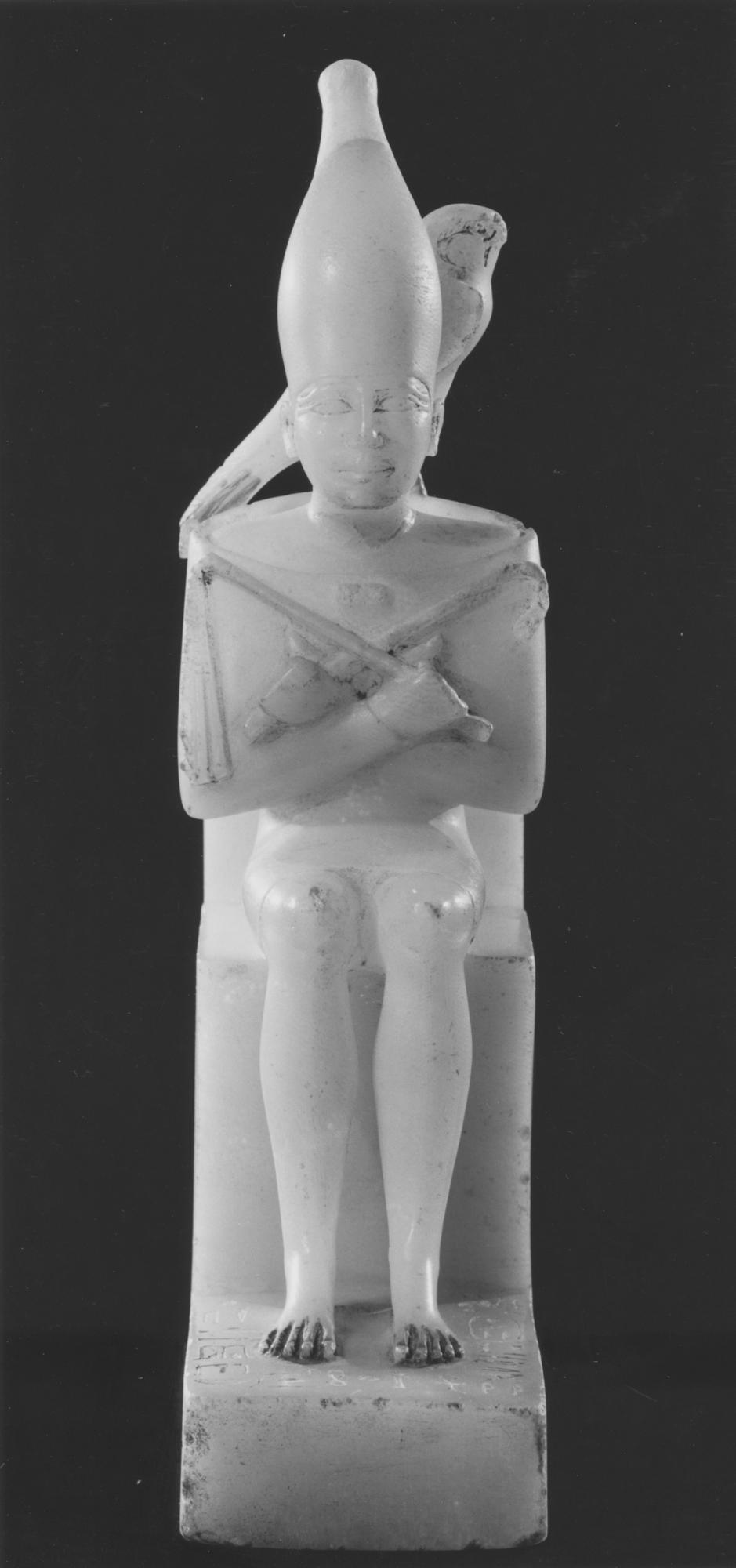
Seated Statuette of Pepy I with Horus Falcon




1 of 36
Object Label
Some scholars have suggested that the Egyptians created votive animal mummies to use in this festival.
Caption
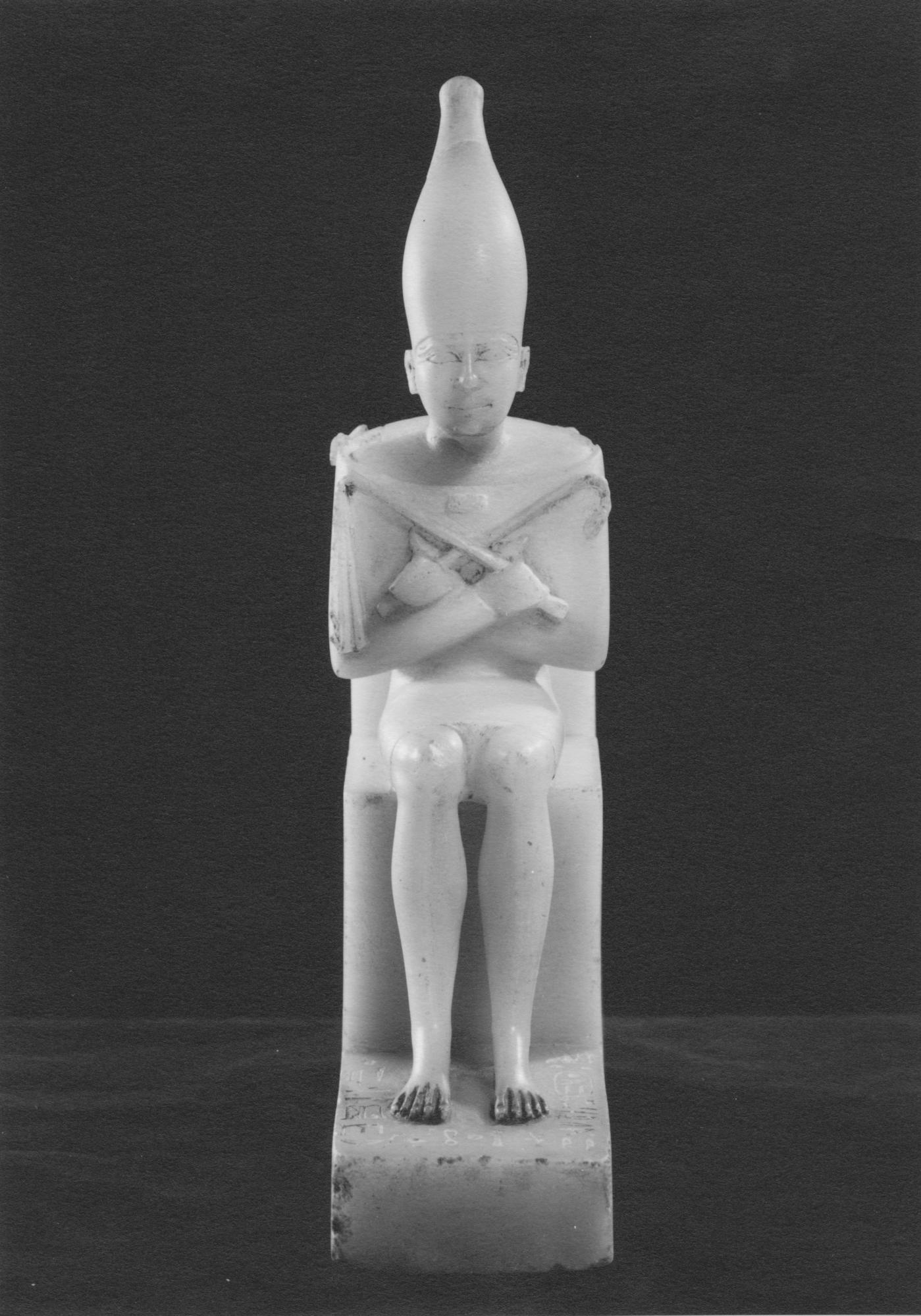
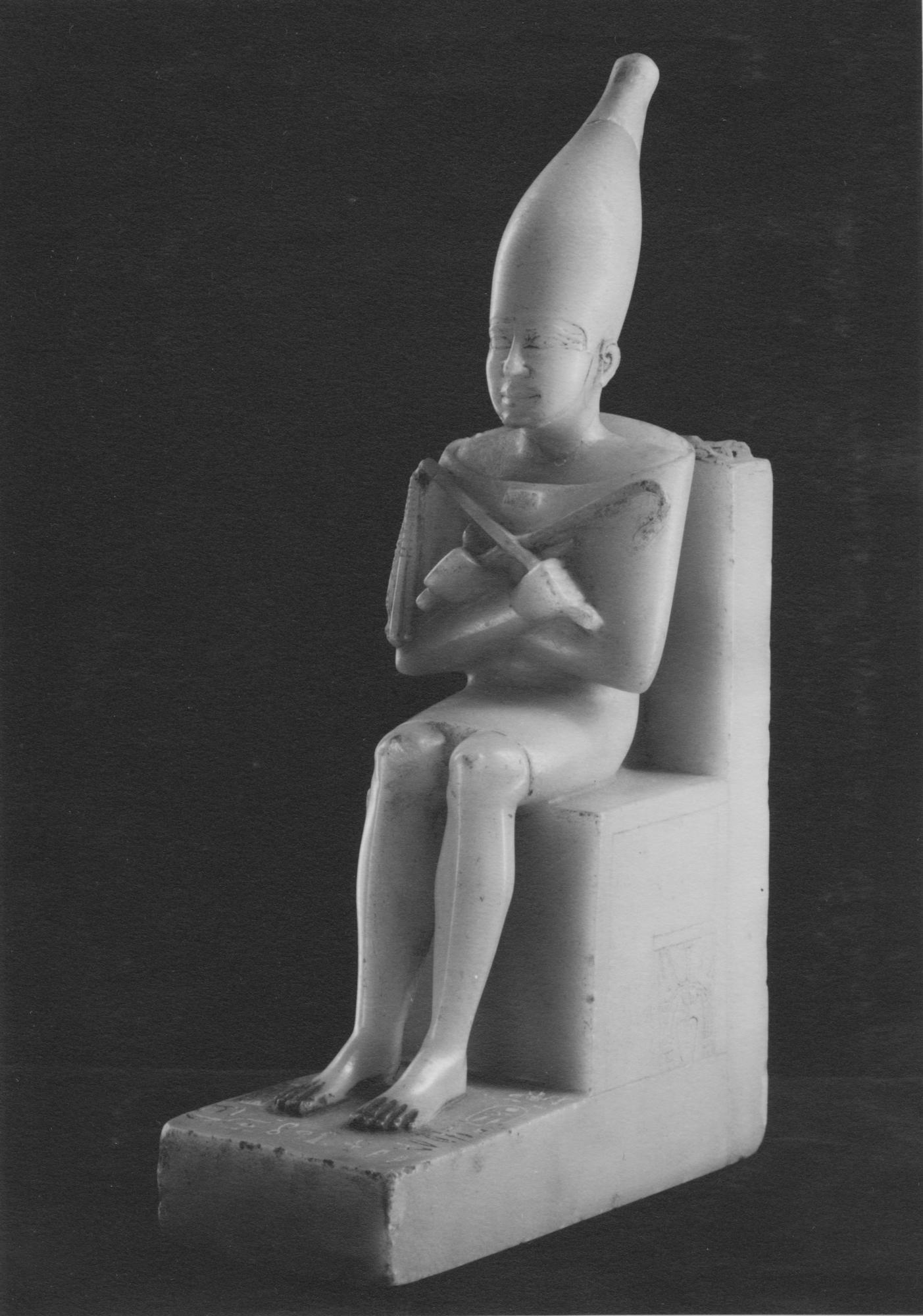
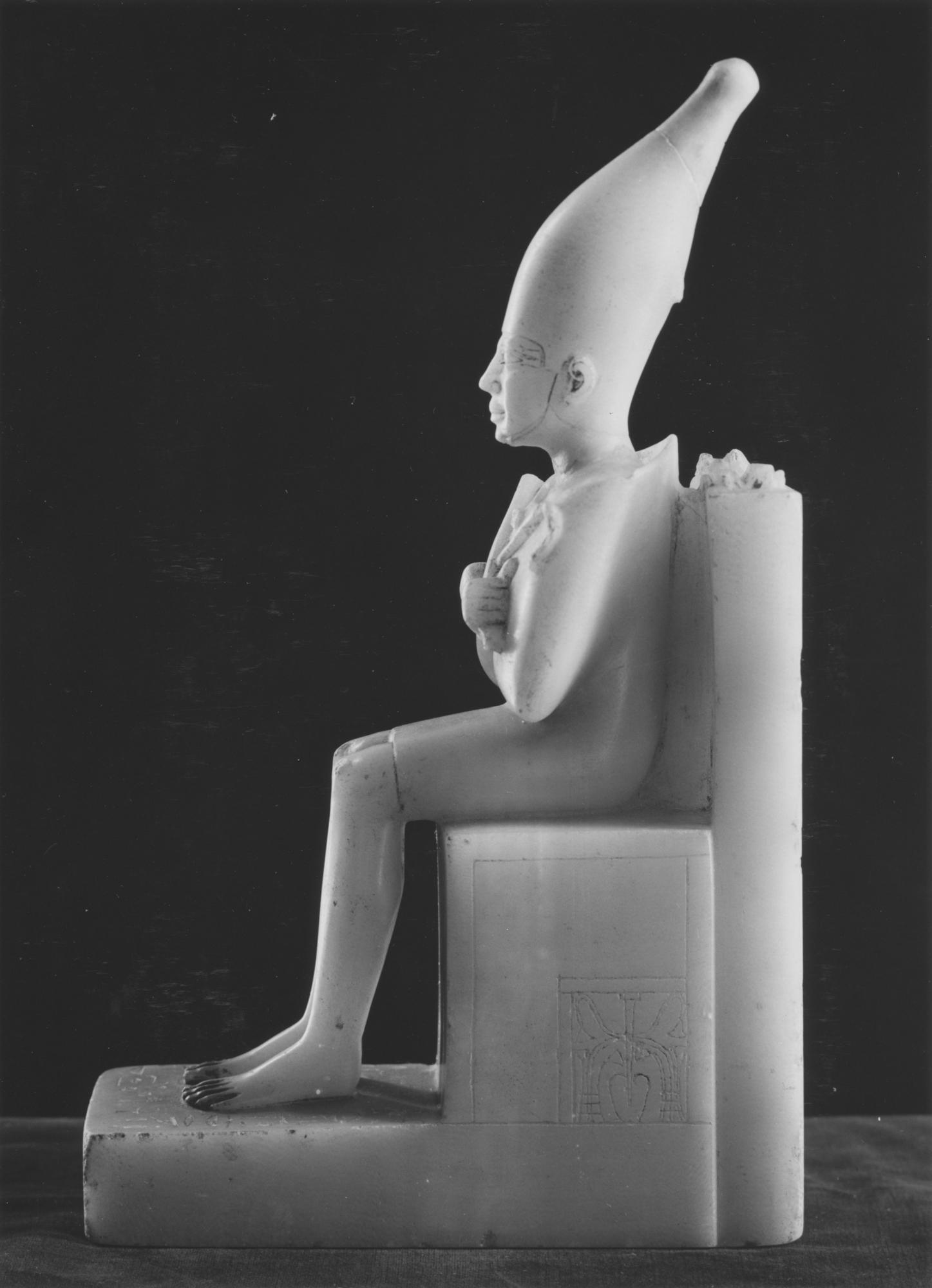
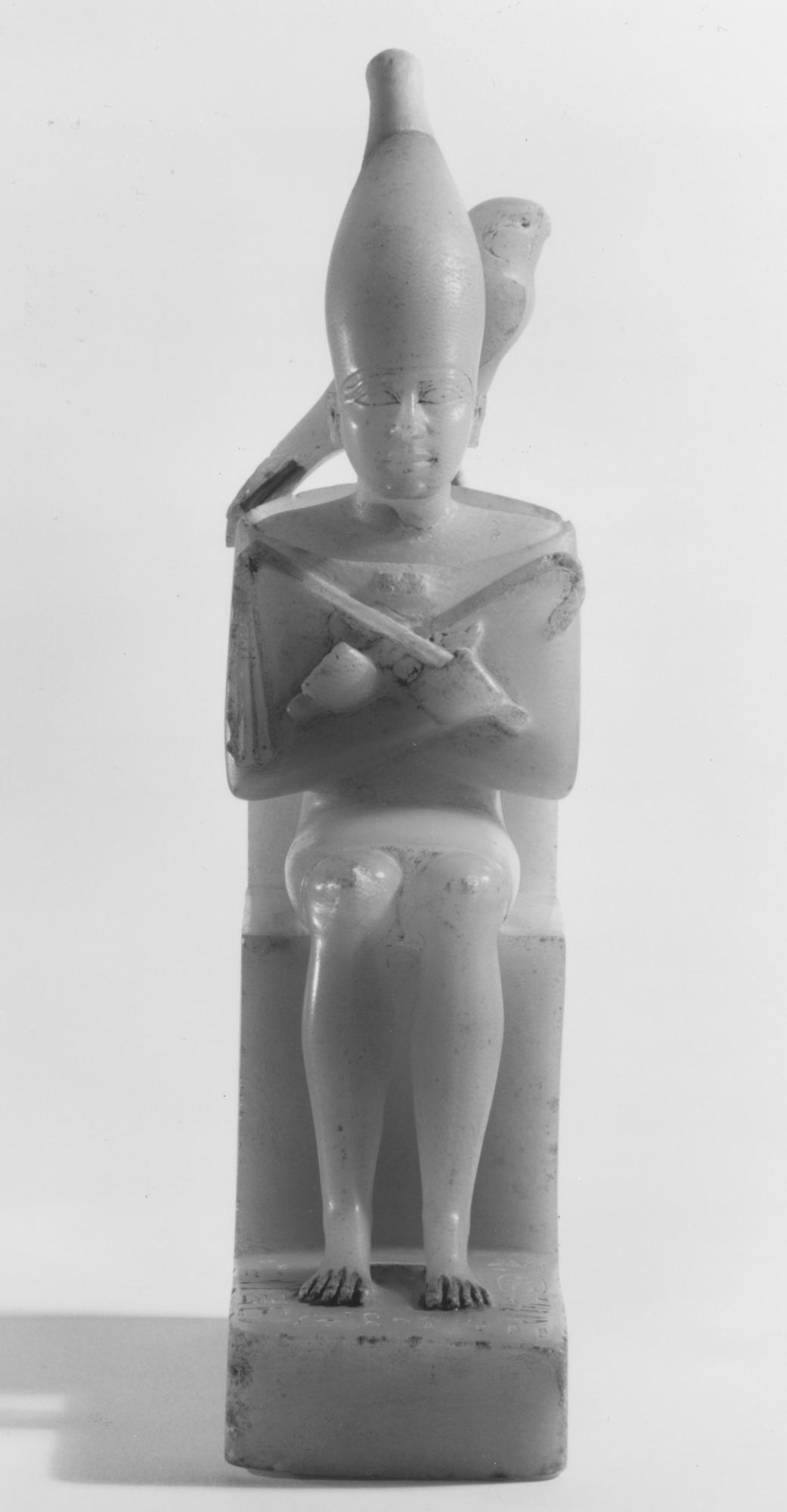
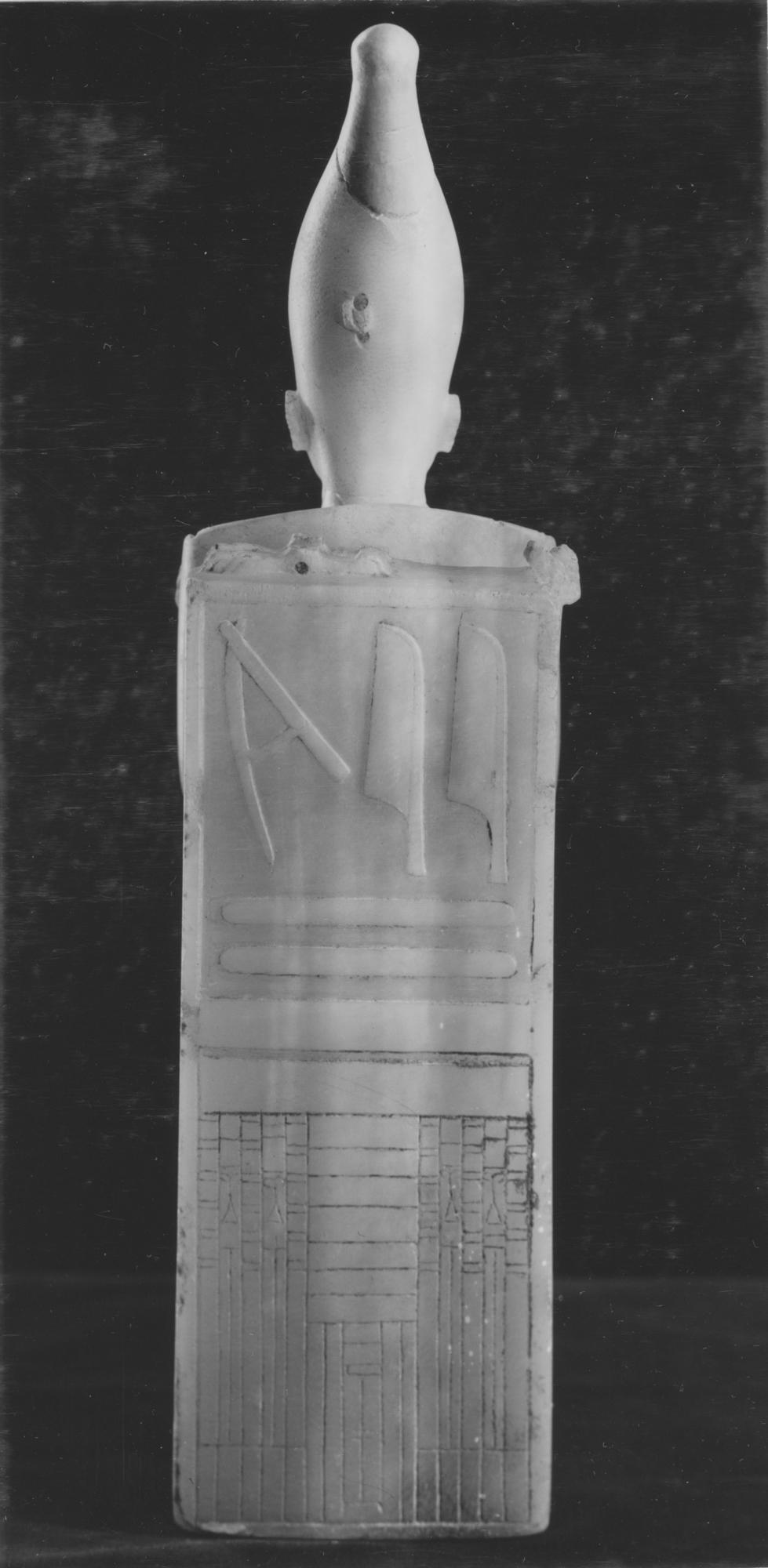
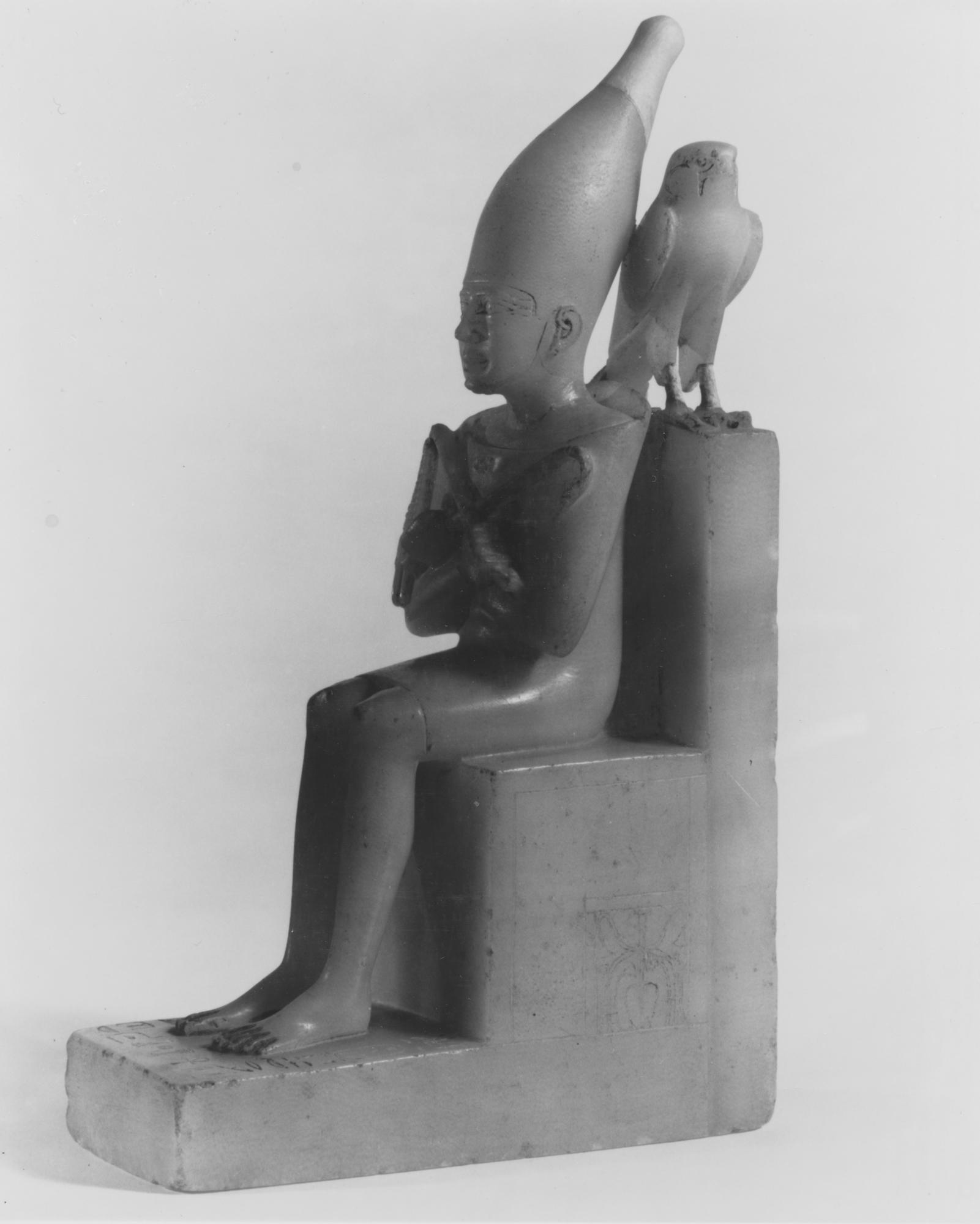
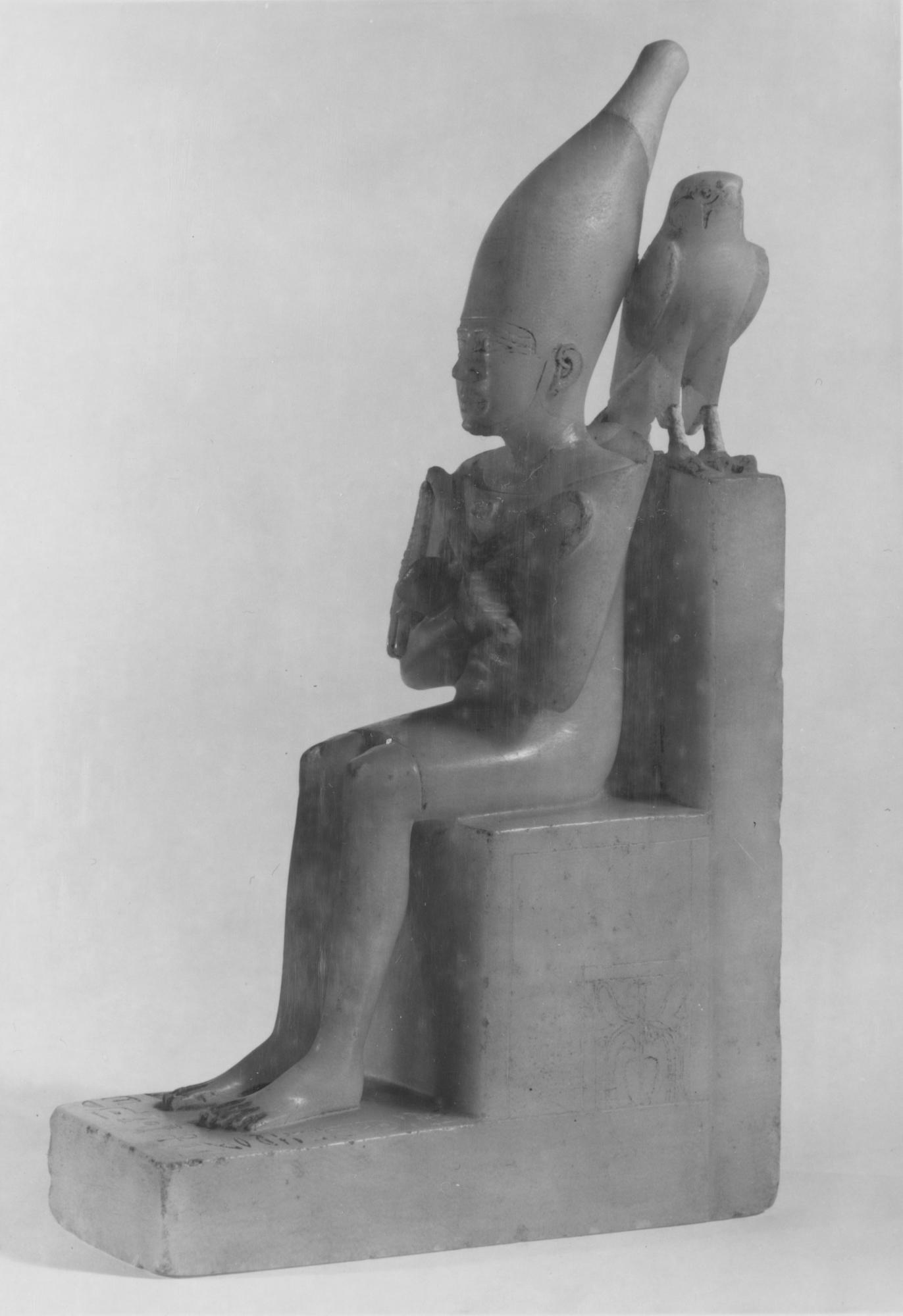
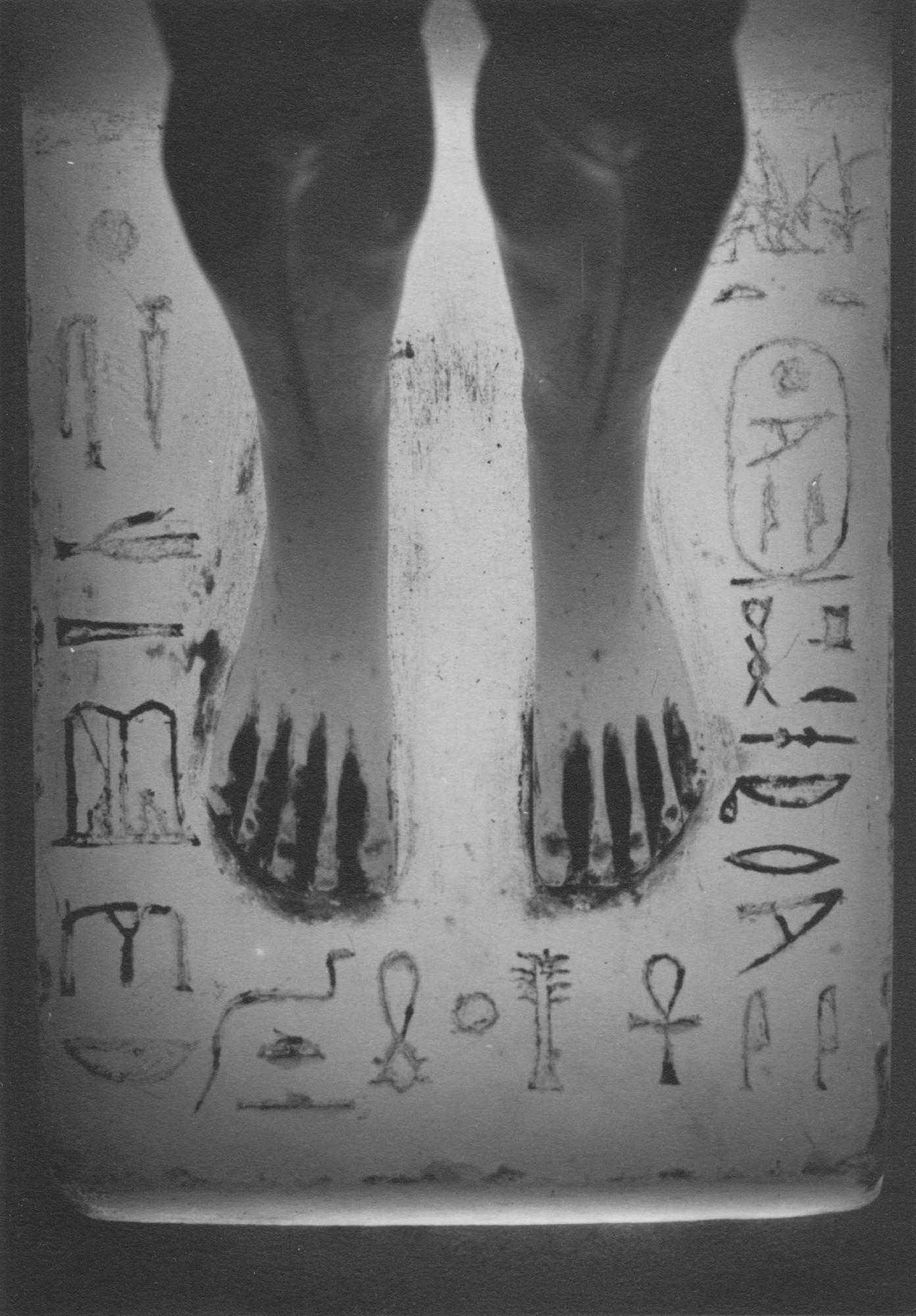
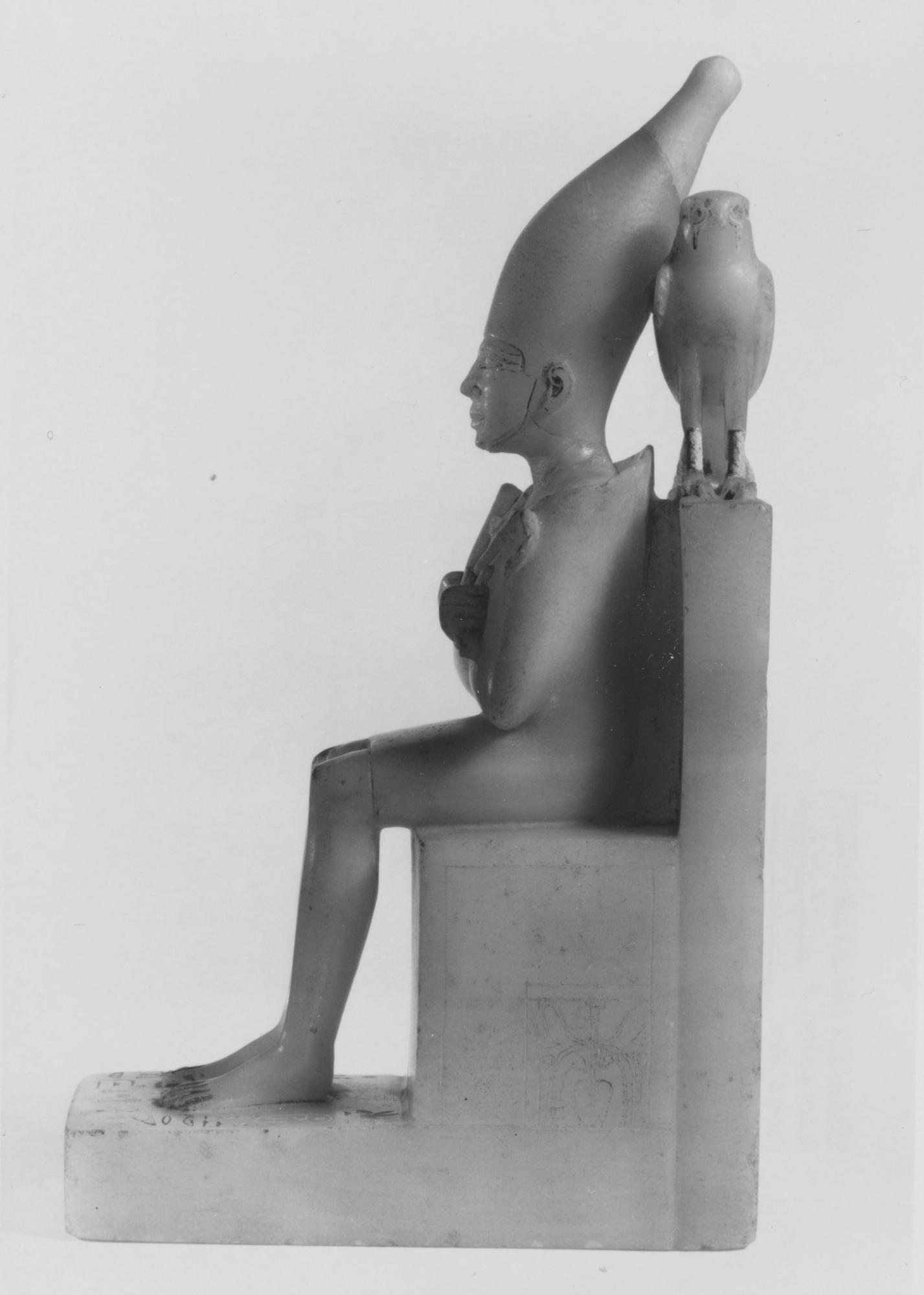
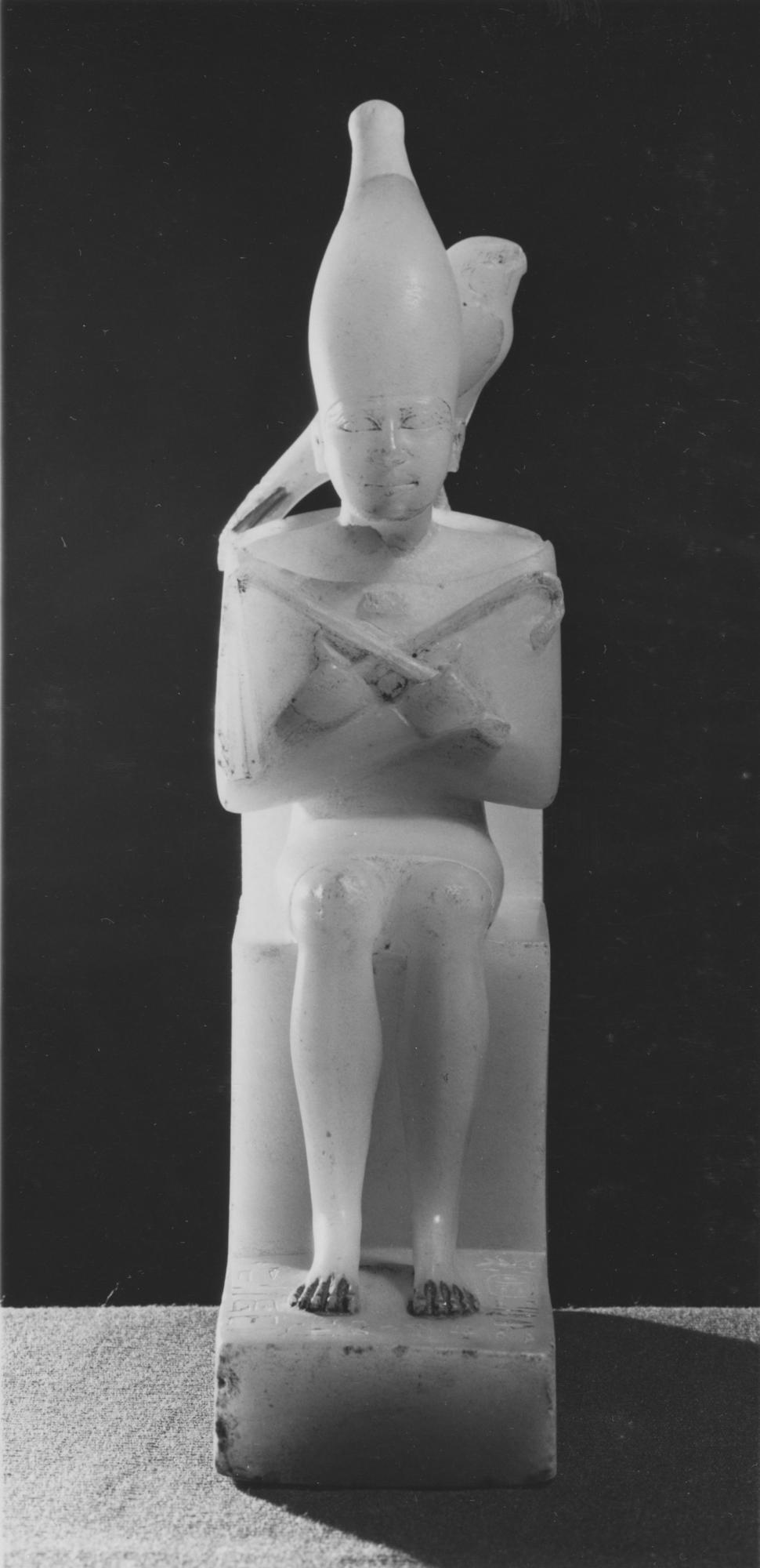
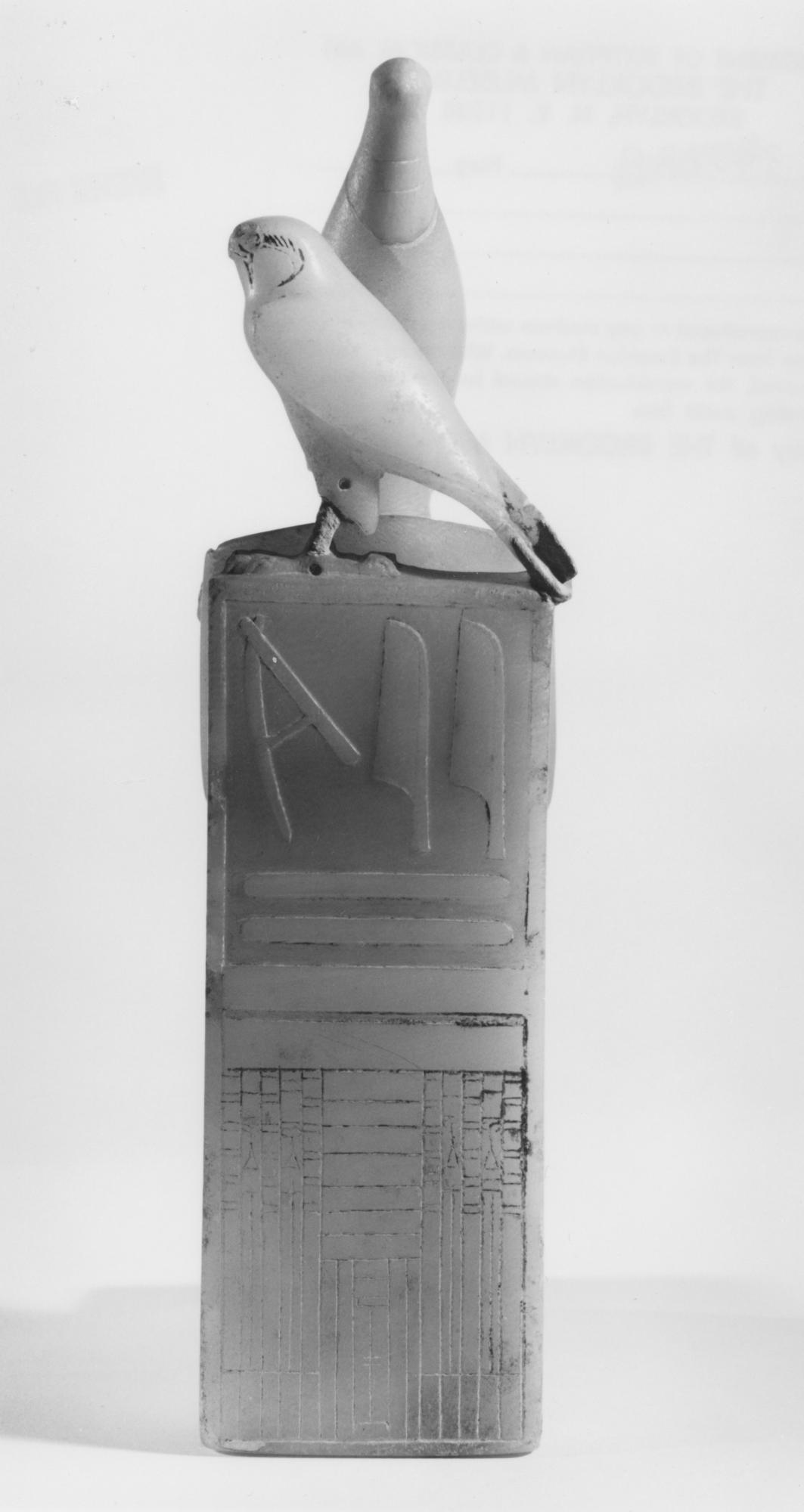
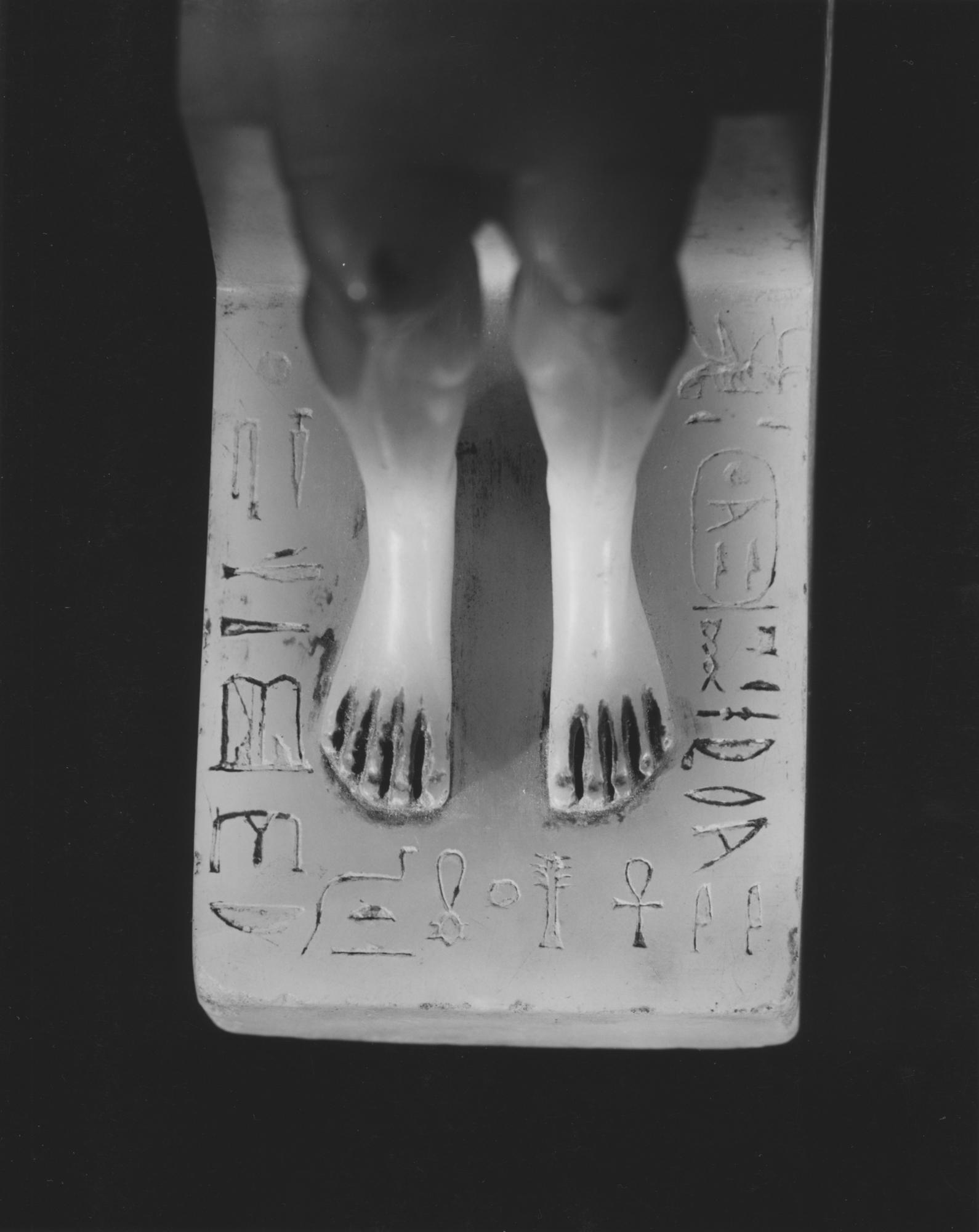
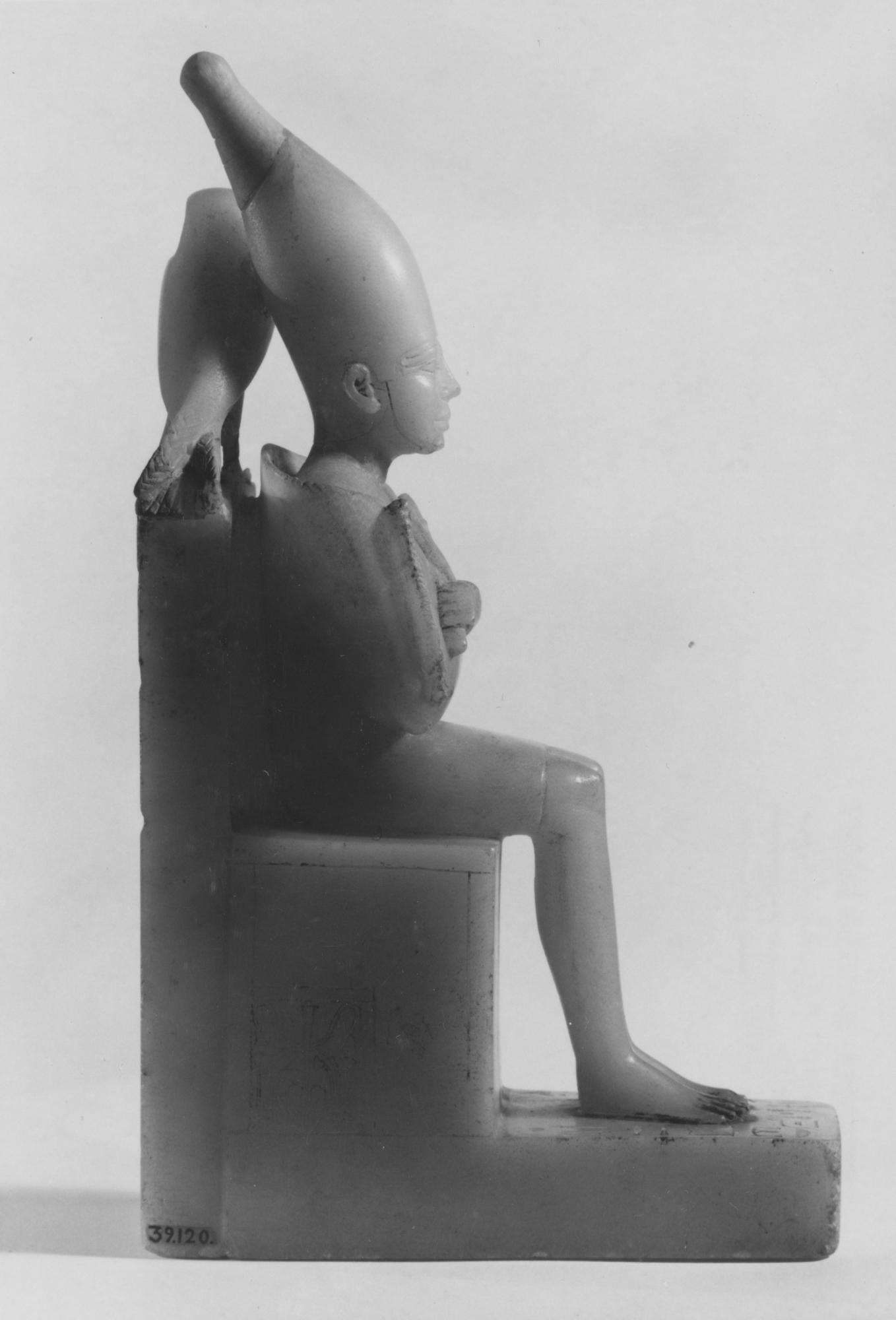
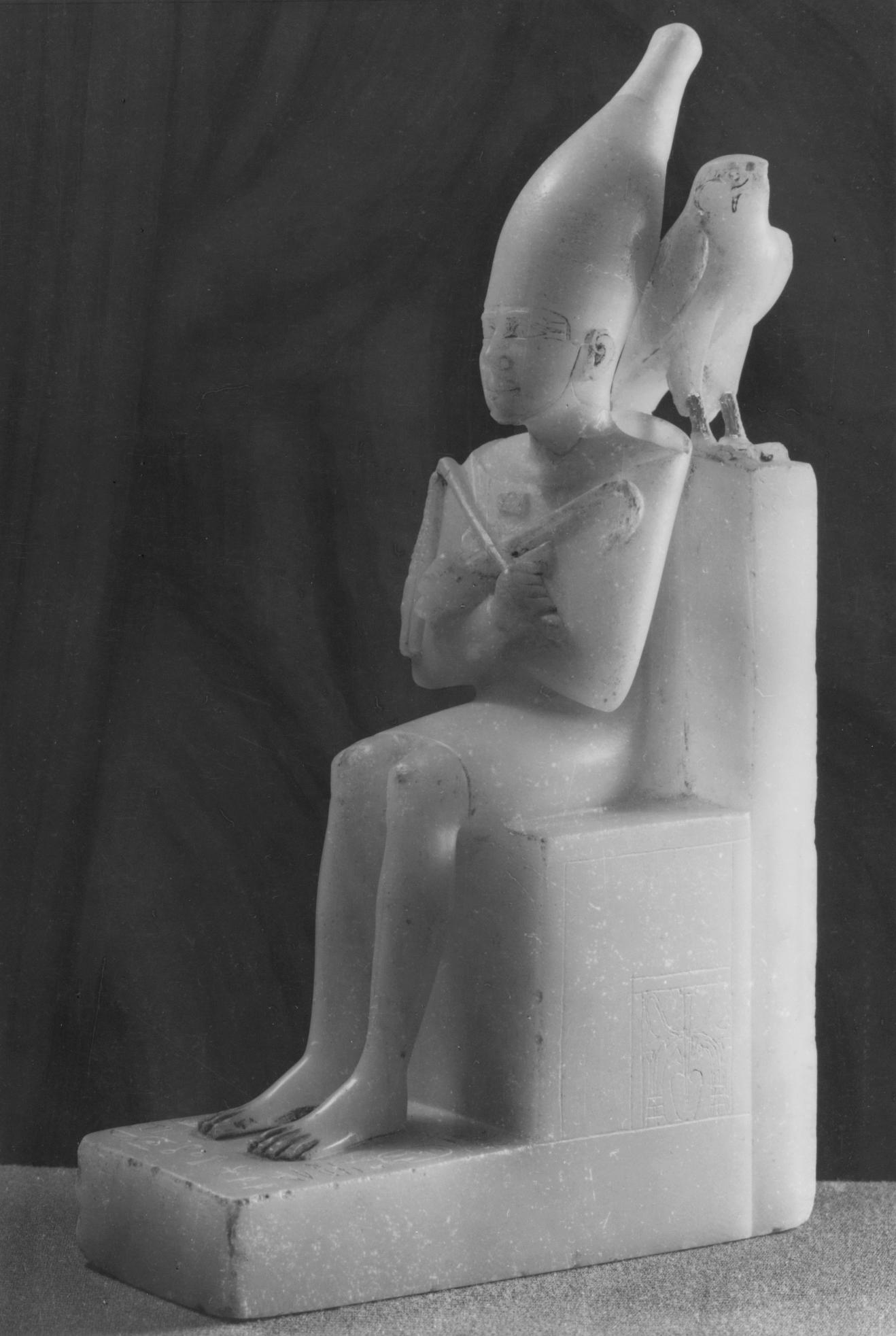
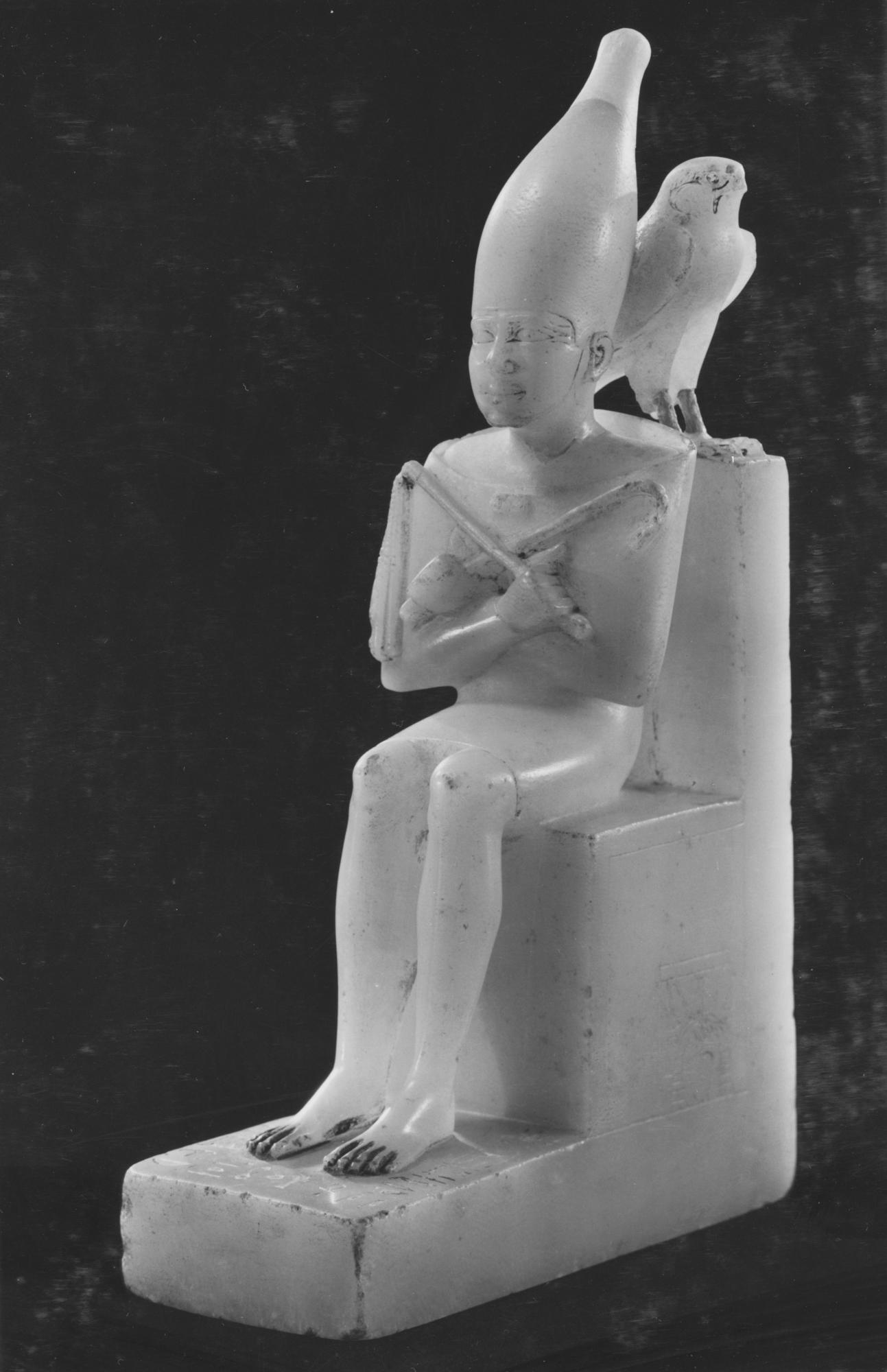
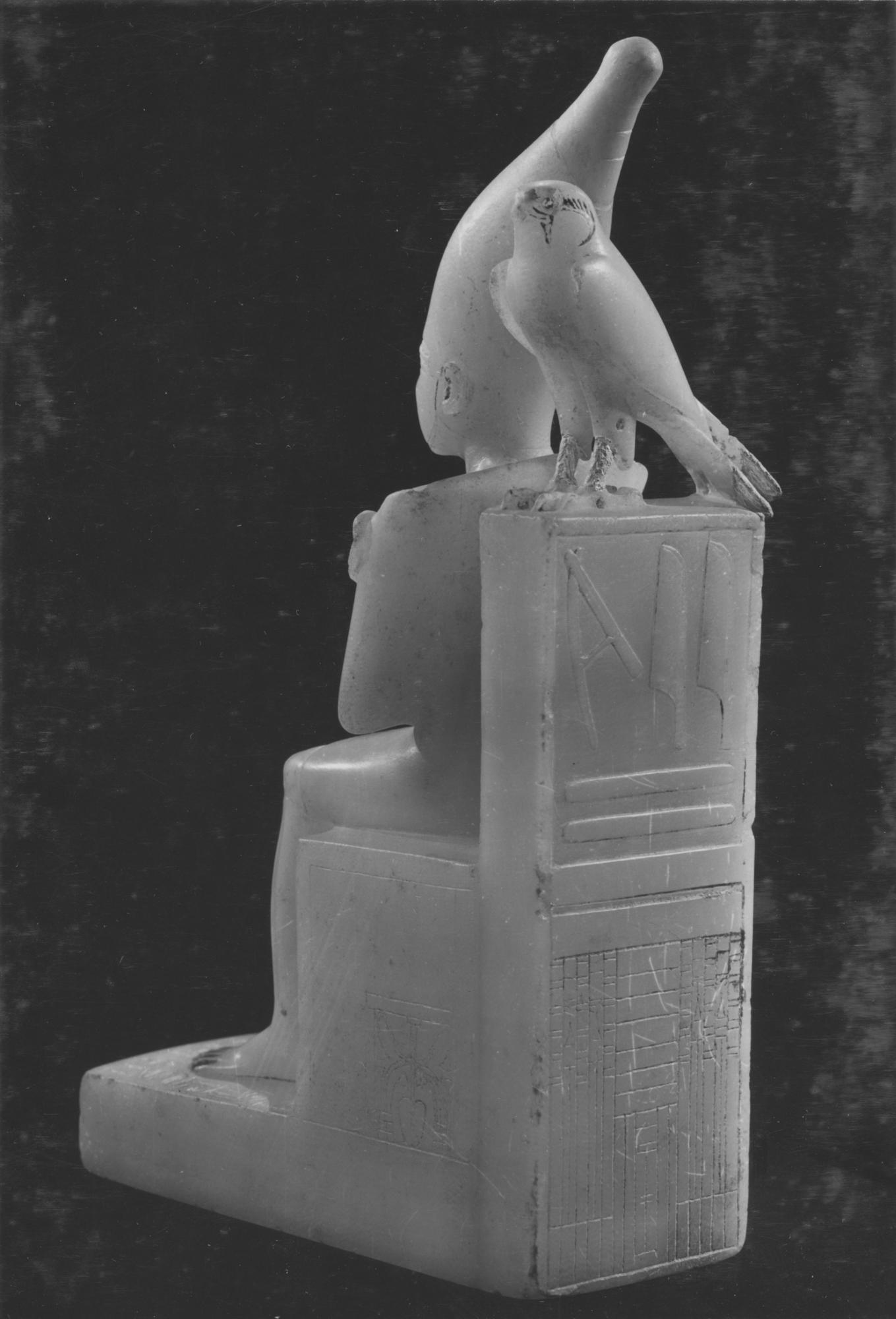
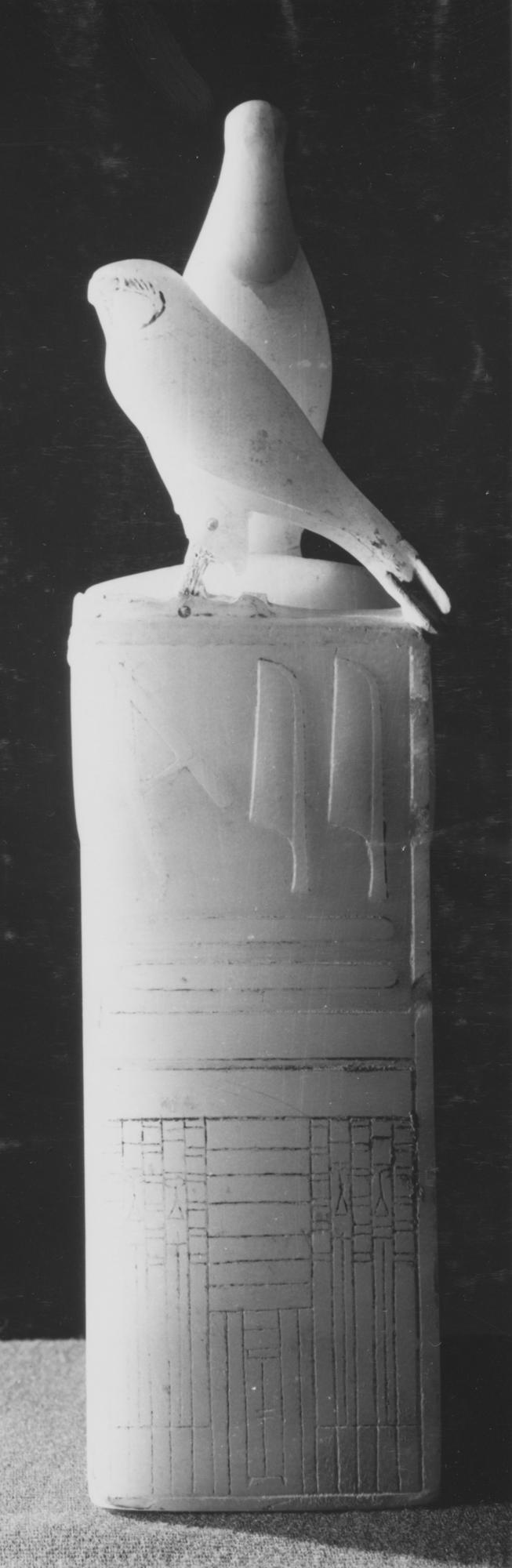
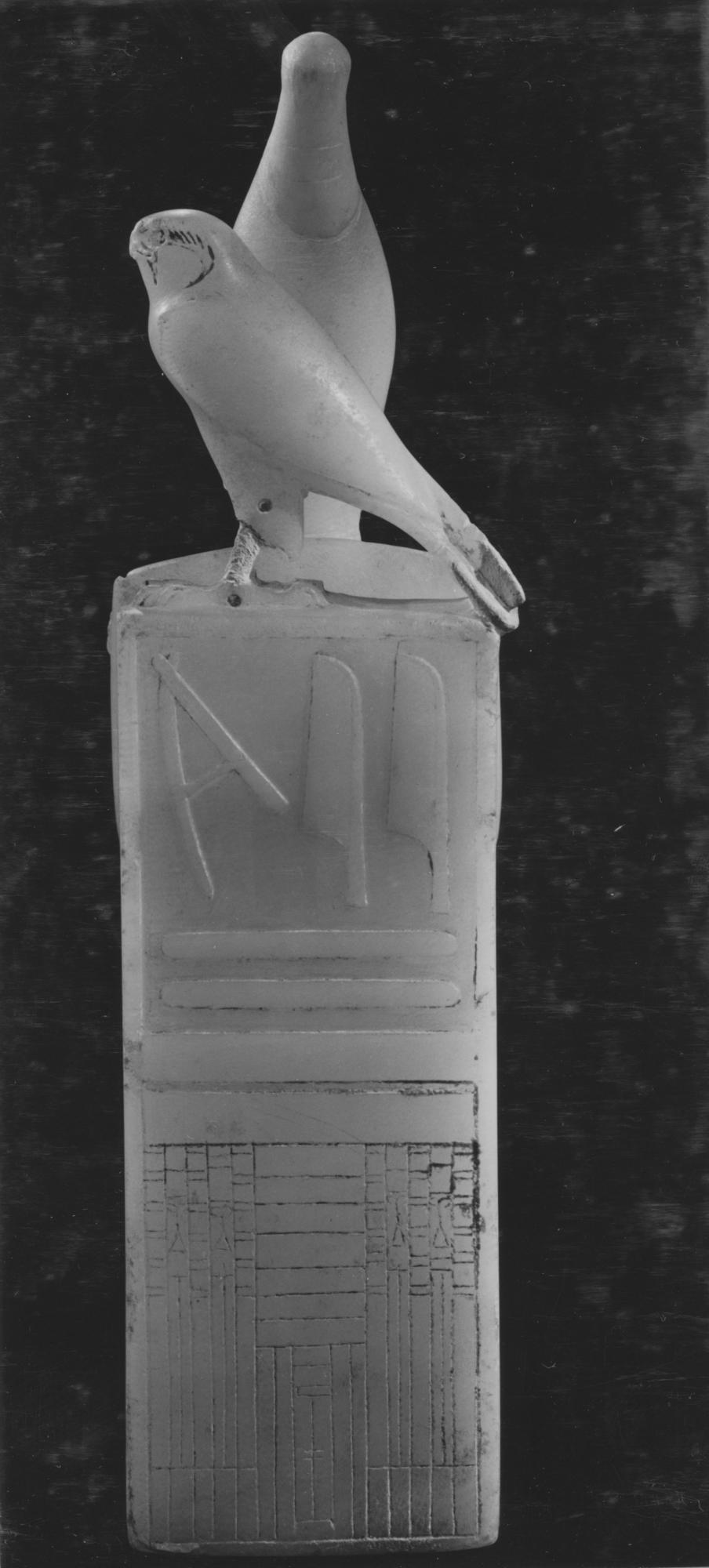
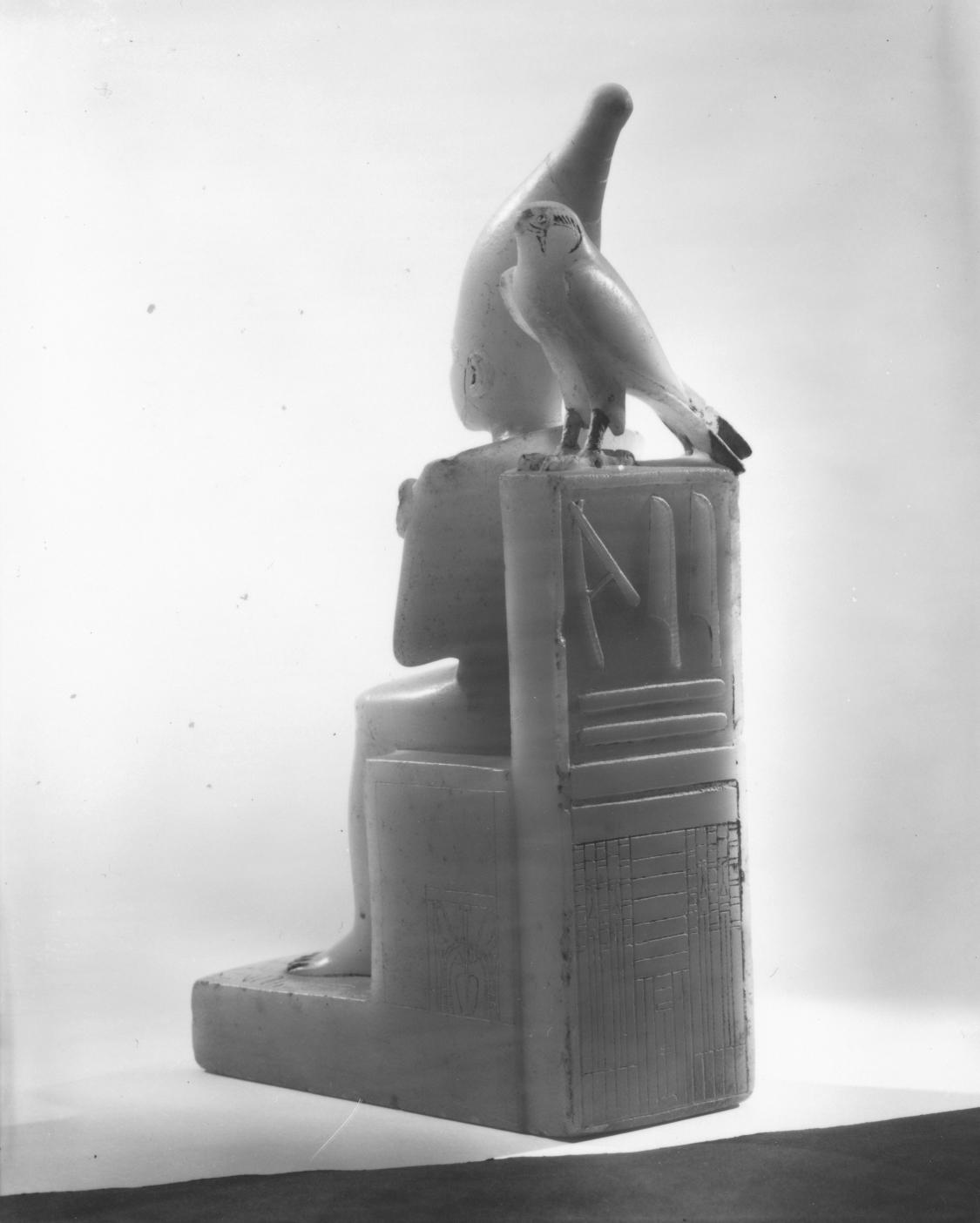
Seated Statuette of Pepy I with Horus Falcon, ca. 2338–2298 B.C.E.. Egyptian alabaster (calcite), pigment (Egyptian blue, red), and gypsum, 10 1/2 x 2 3/4 x 6 1/4 in. (26.7 x 6.98 x 15.9 cm). Brooklyn Museum, Charles Edwin Wilbour Fund, 39.120. (Photo: Brooklyn Museum)
Gallery
Not on view
Gallery
Not on view
Title
Seated Statuette of Pepy I with Horus Falcon
Date
ca. 2338–2298 B.C.E.
Dynasty
Dynasty 6
Period
Old Kingdom
Geography
Possible place collected: Southern Egypt, Egypt
Medium
Egyptian alabaster (calcite), pigment (Egyptian blue, red), and gypsum
Classification
Dimensions
10 1/2 x 2 3/4 x 6 1/4 in. (26.7 x 6.98 x 15.9 cm)
Credit Line
Charles Edwin Wilbour Fund
Accession Number
39.120
Frequent Art Questions
What is this made out of
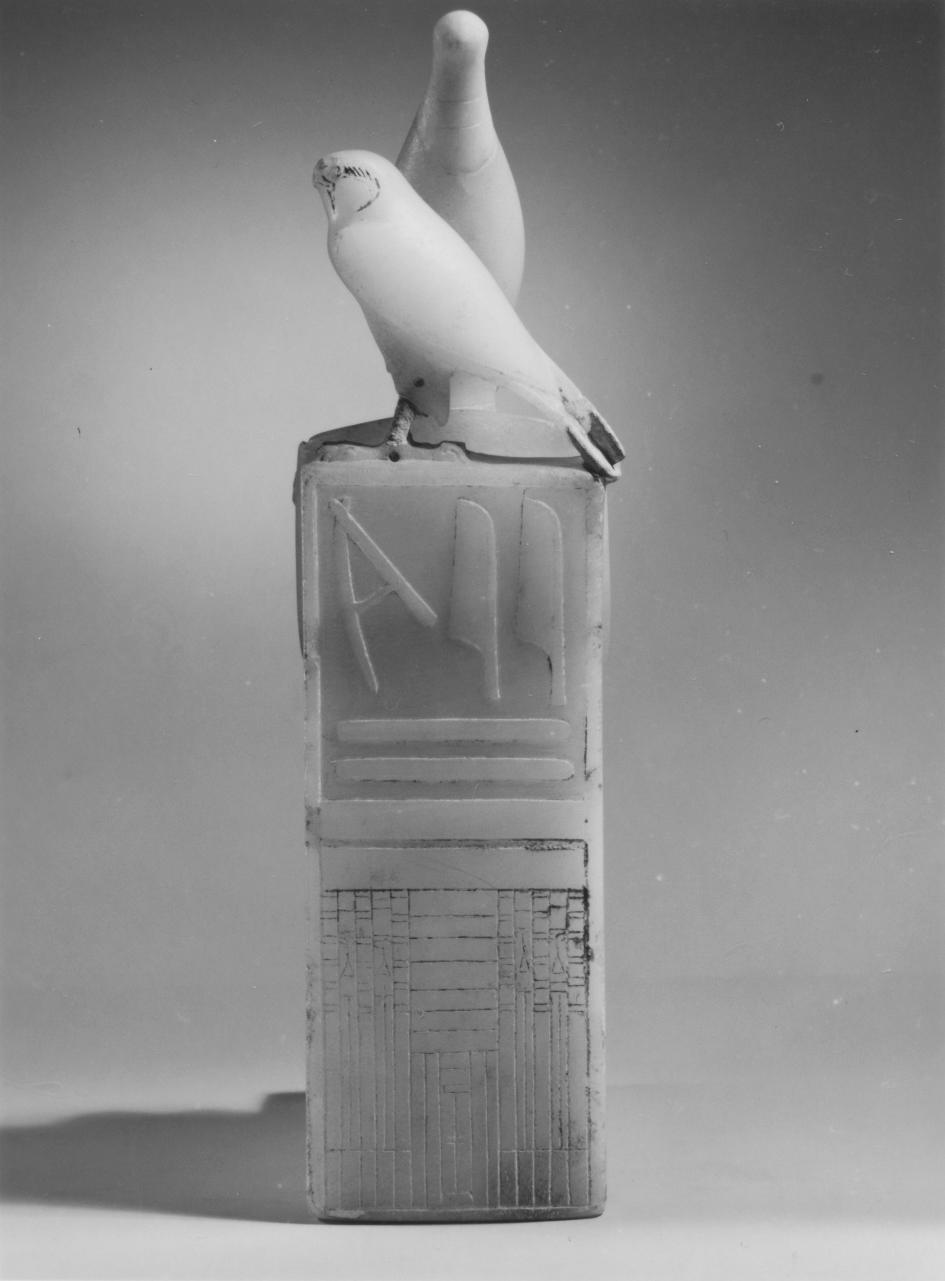
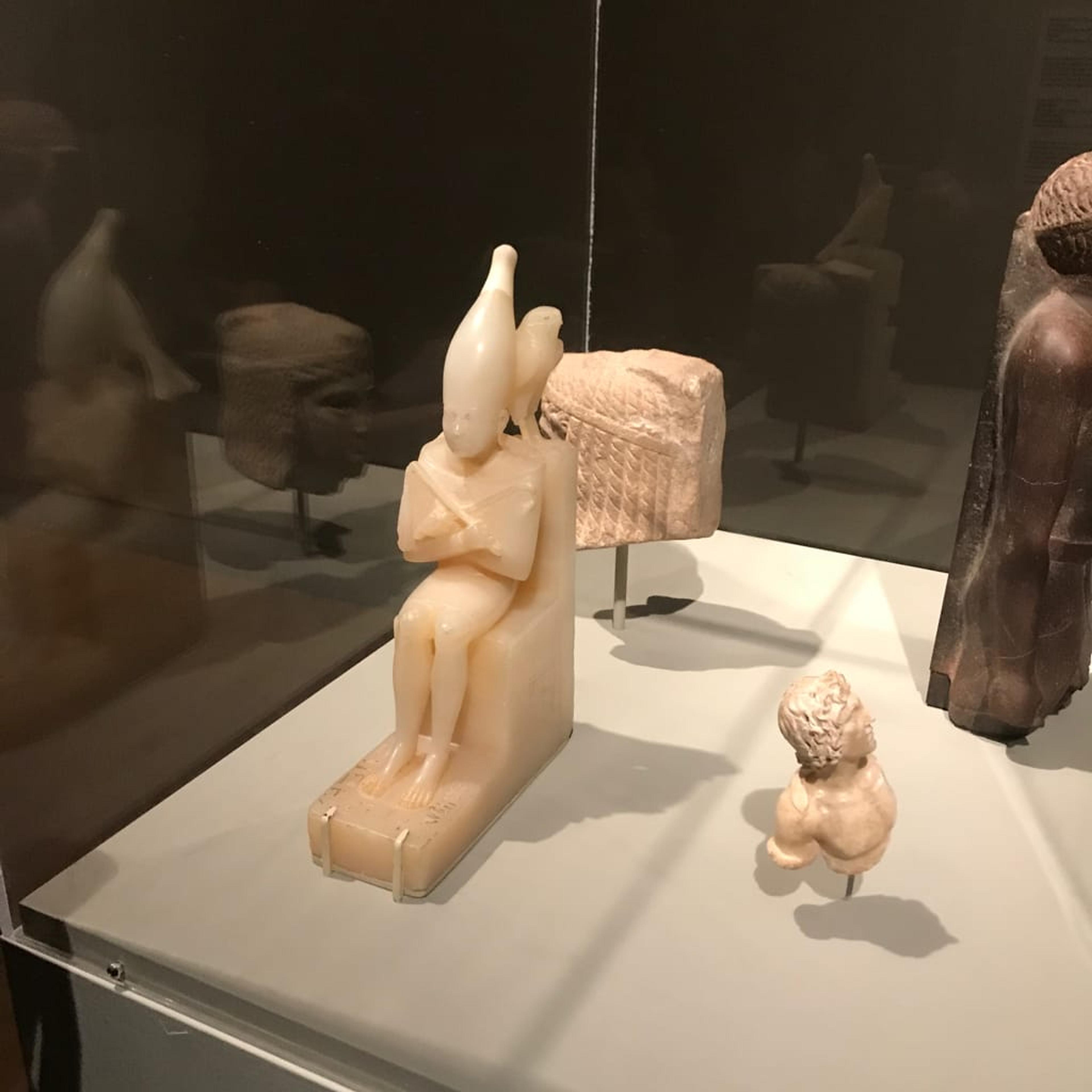 That is made of Egyptian alabaster which refers to calcite.It is a depiction of an Egyptian King, Pepy I. Take note of the falcon behind his crown. The god of kingship, Horus, was often depicted as a falcon. This statue emphasizes the close relationship between the king and god.
Why is Pepy I shown seated?
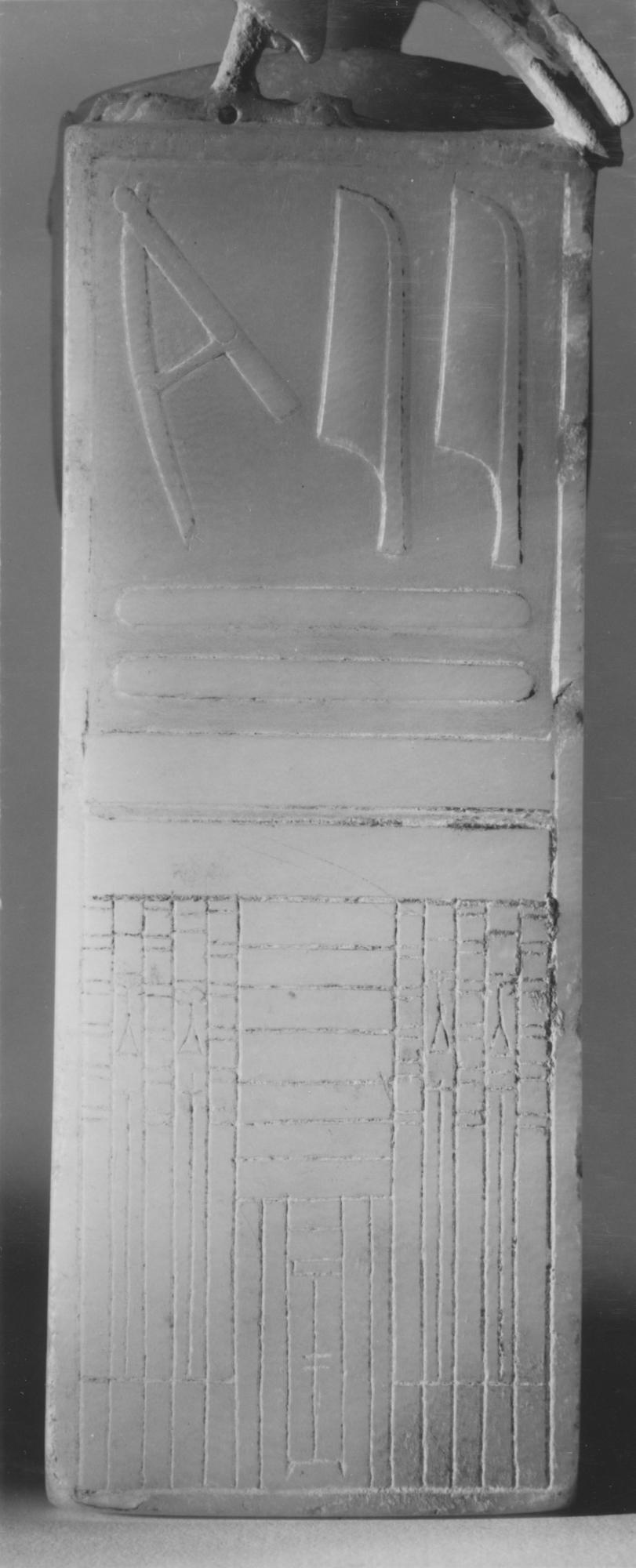
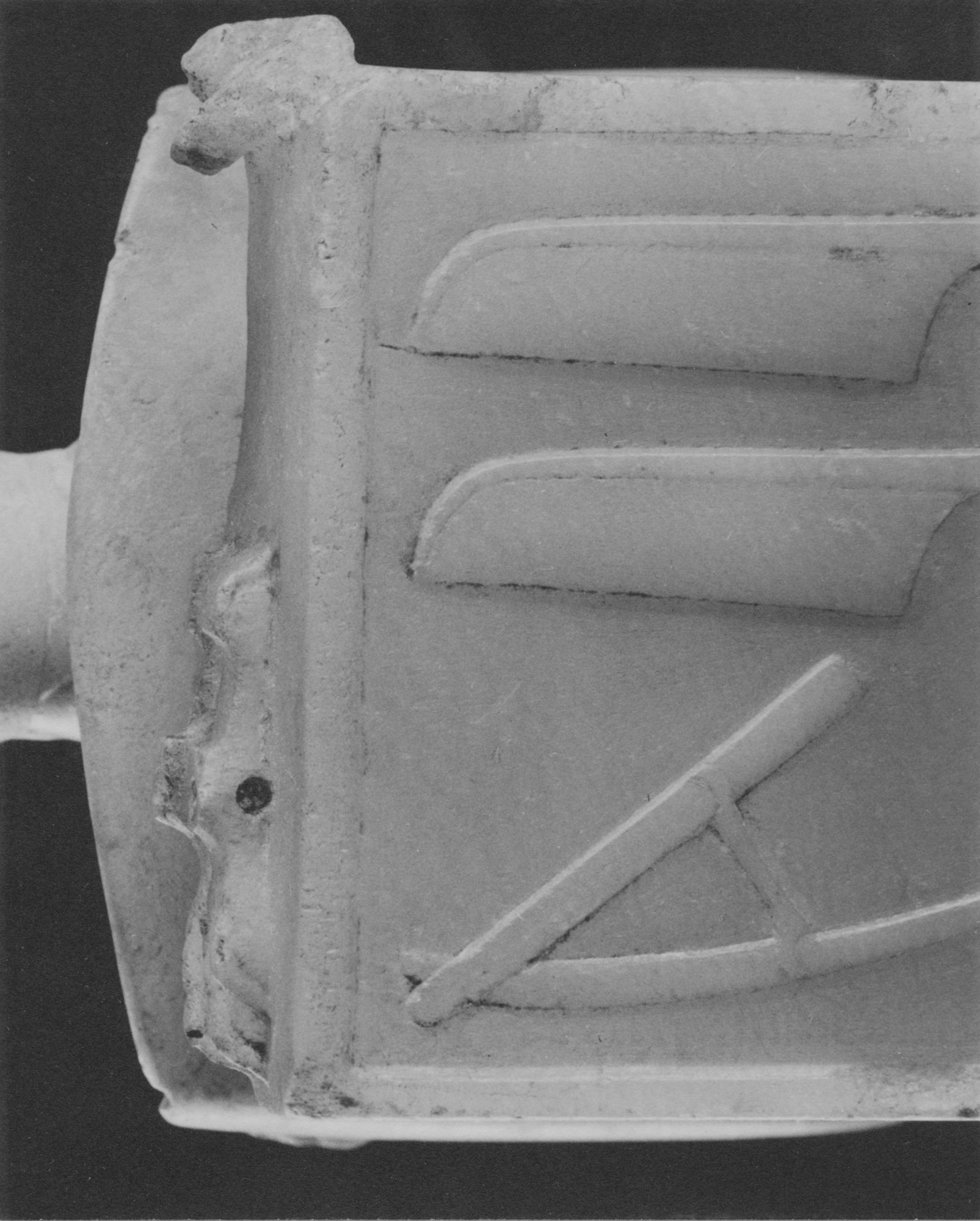
In this statue, the king is shown sitting on a throne. In art, the throne is one of many ways to indicate the king plus it provides ample surface for inscriptions and decoration. The sides of this throne show intertwined lotus and sedge plants, a common symbol of a united Upper and Lower Egypt known as a sema tawy motif. The back of the throne is covered with a serekh, the most ancient way to indicate an Egyptian king’s name.
Have information?
Have information about an artwork? Contact us at