Royal Offering Bearer


1 of 2
Object Label
When complete, the scene to which these two fragments belonged showed a long procession of female offering bearers. One figure carries a tall basket and the other brings a tray. In each case the contents are obscured by a cloth, but similar scenes indicate that these gifts were offerings of food. The Egyptians believed that food and drink were required to ensure the deceased’s continued existence in the afterlife.
Caption
Egyptian. Royal Offering Bearer, ca. 2008–1957 B.C.E.. Limestone, pigment, 9 1/16 x 12 1/2 in. (23 x 31.7 cm). Brooklyn Museum, Charles Edwin Wilbour Fund, 53.178. (Photo: Brooklyn Museum)
Culture
Title
Royal Offering Bearer
Date
ca. 2008–1957 B.C.E.
Dynasty
second part of Dynasty 11
Period
Middle Kingdom
Geography
Place excavated: Thebes (Deir el-Bahri), Egypt
Medium
Limestone, pigment
Classification
Dimensions
9 1/16 x 12 1/2 in. (23 x 31.7 cm)
Credit Line
Charles Edwin Wilbour Fund
Accession Number
53.178
Frequent Art Questions
Are these from tombs?
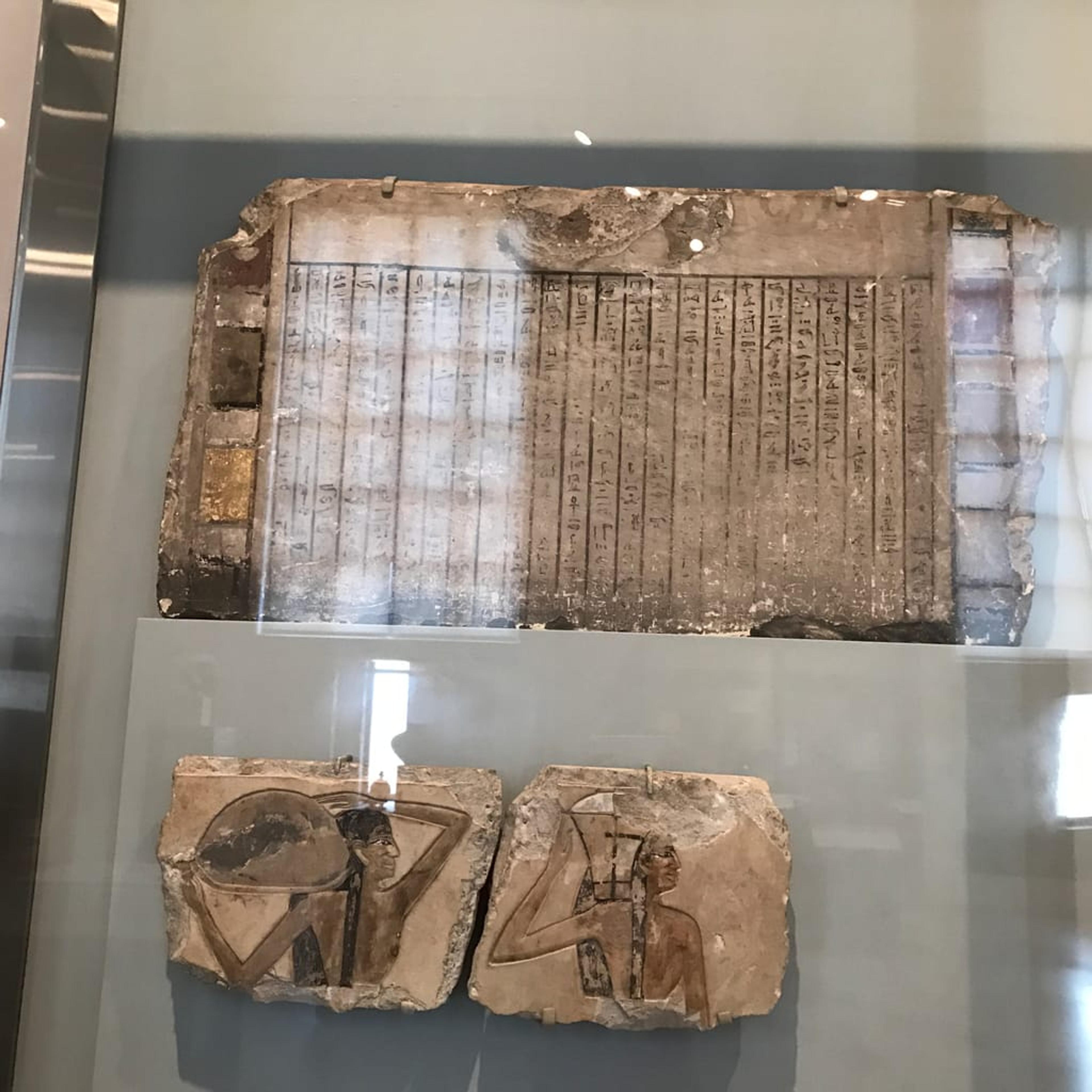 These works come from two different tombs from Egypt's Middle Kingdom. The Middle Kingdom was a very important time in ancient Egyptian art, as it represents a high point for artistic production, and it was the first time Egypt was reunified, a strong narrative point.The lower reliefs, showing two servants, come from the Tomb of Queen Neferu, the wife of Mentuhotep II who reunified Egypt and founded the Middle Kingdom. These reliefs would have served an important role in the tomb, as they represented offerings one would give to the deceased.
Have information?
Have information about an artwork? Contact us at