Padimahes
Egyptian
1 of 27
Object Label
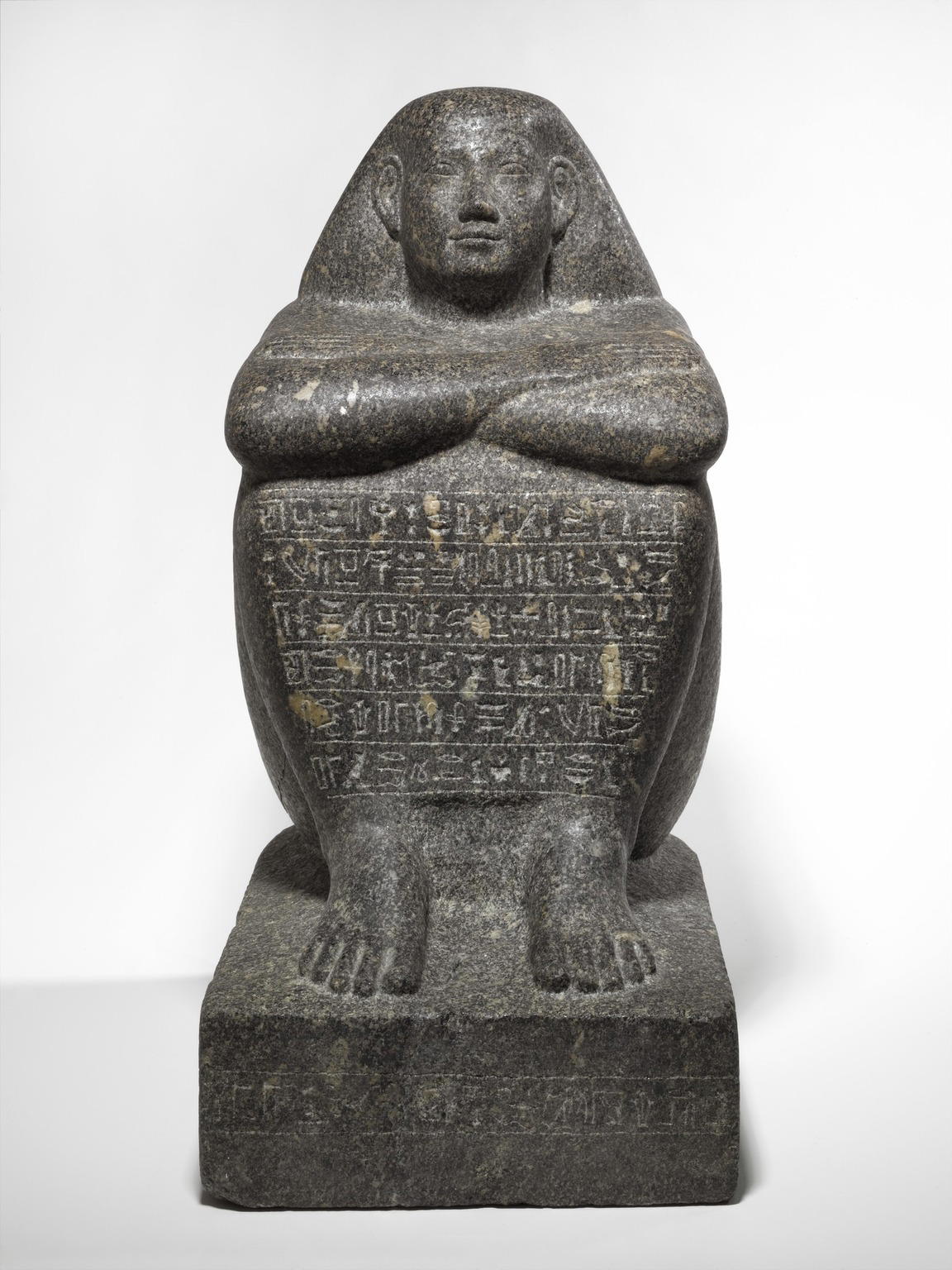
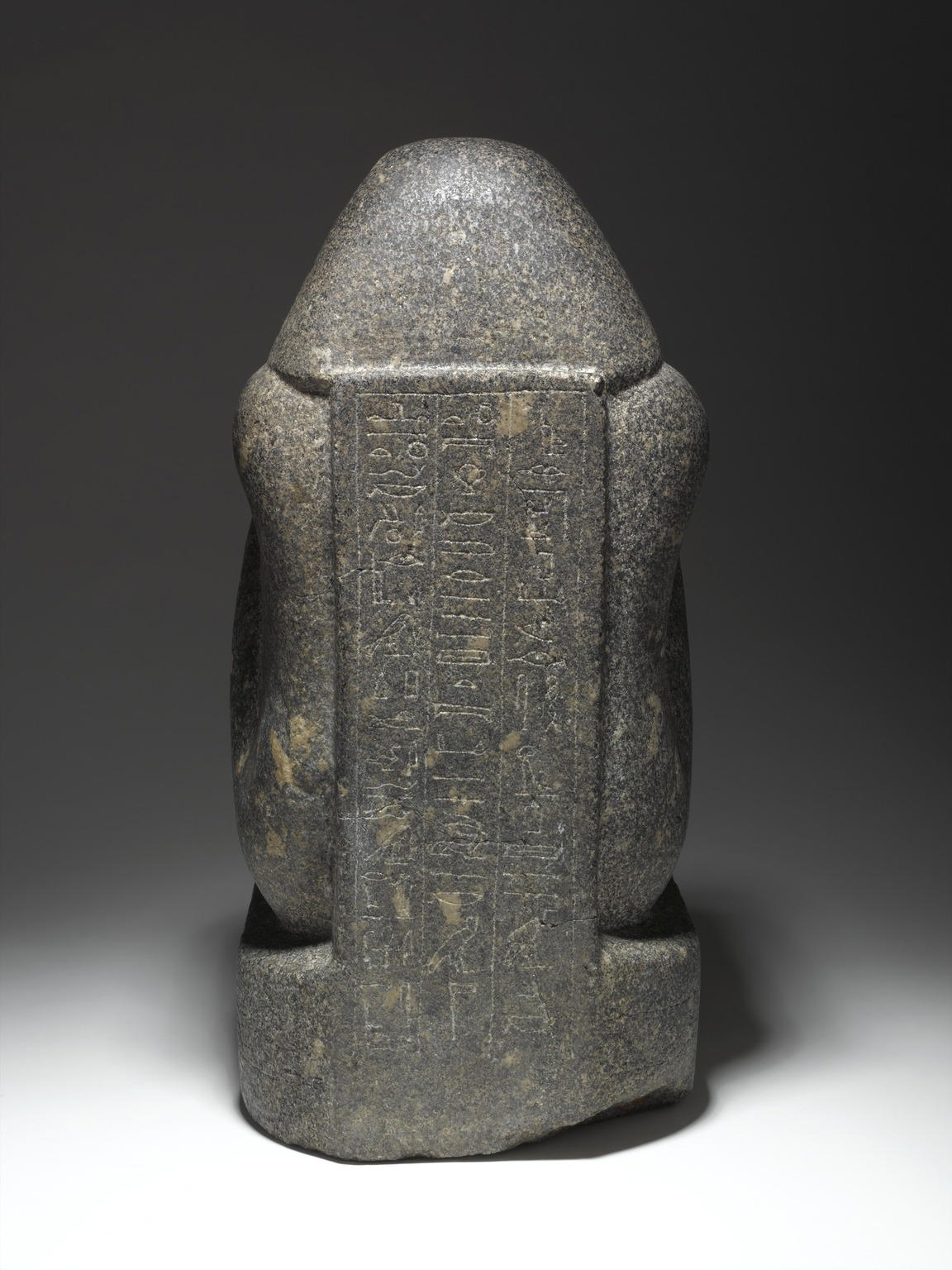
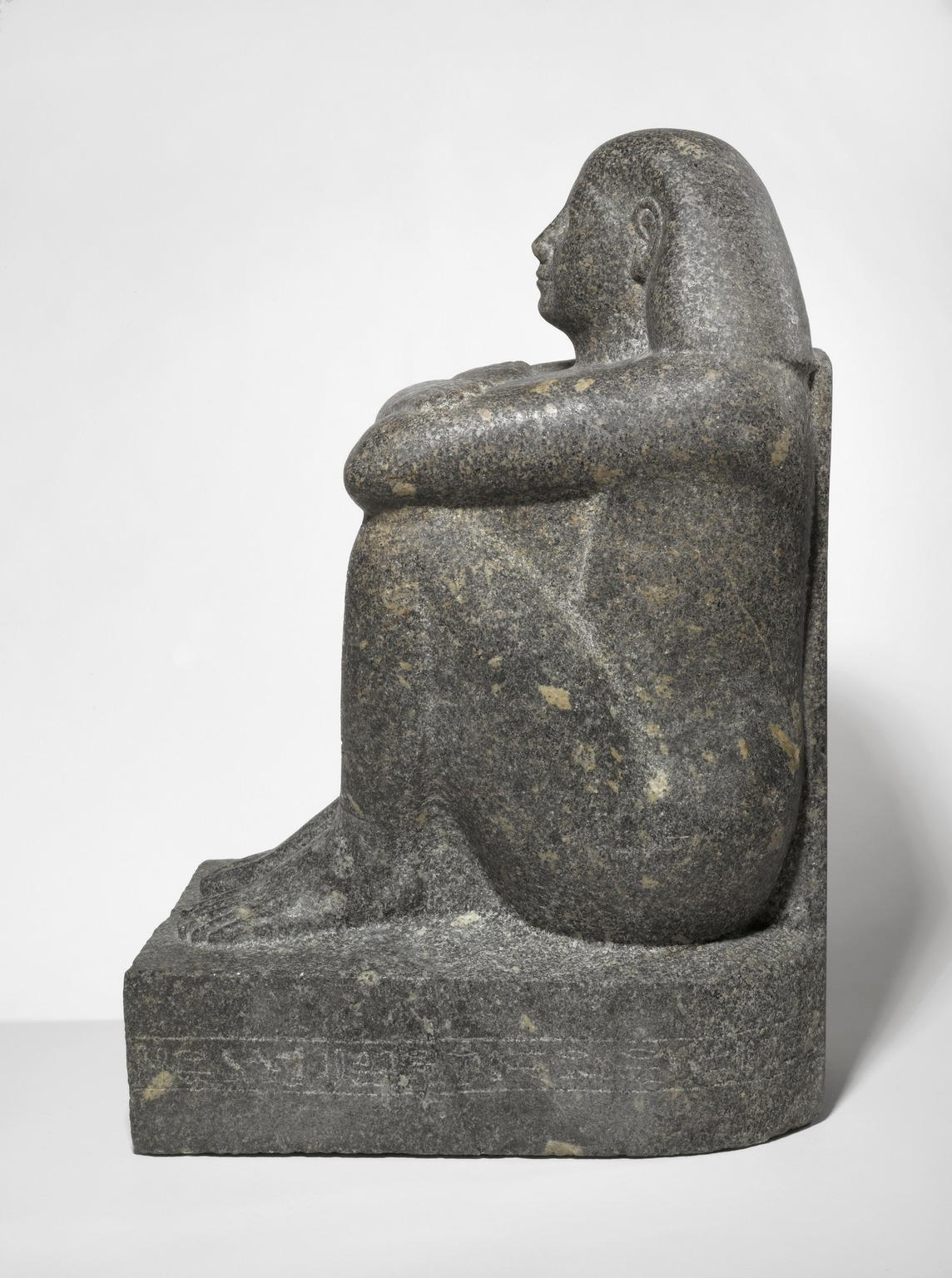
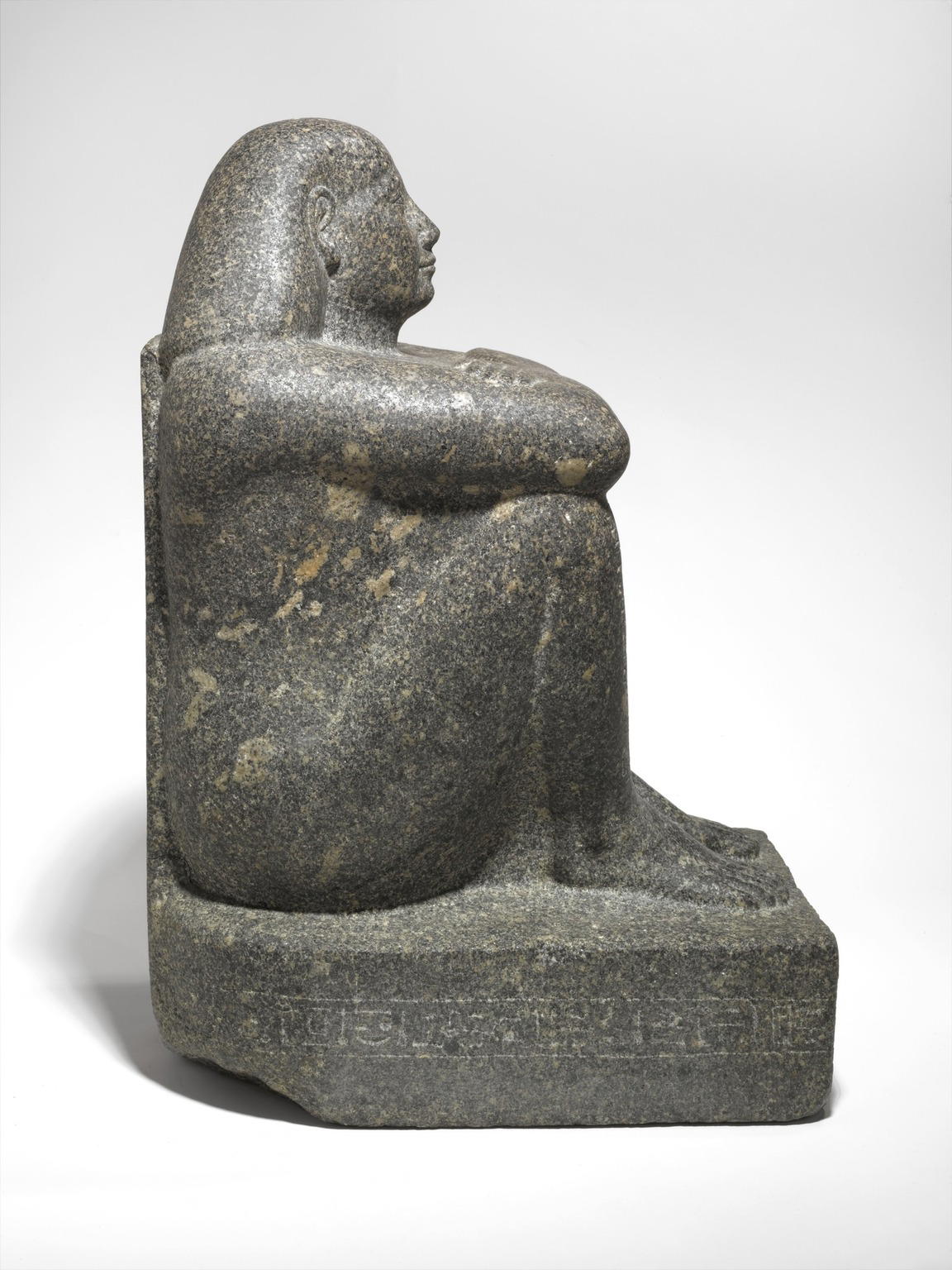
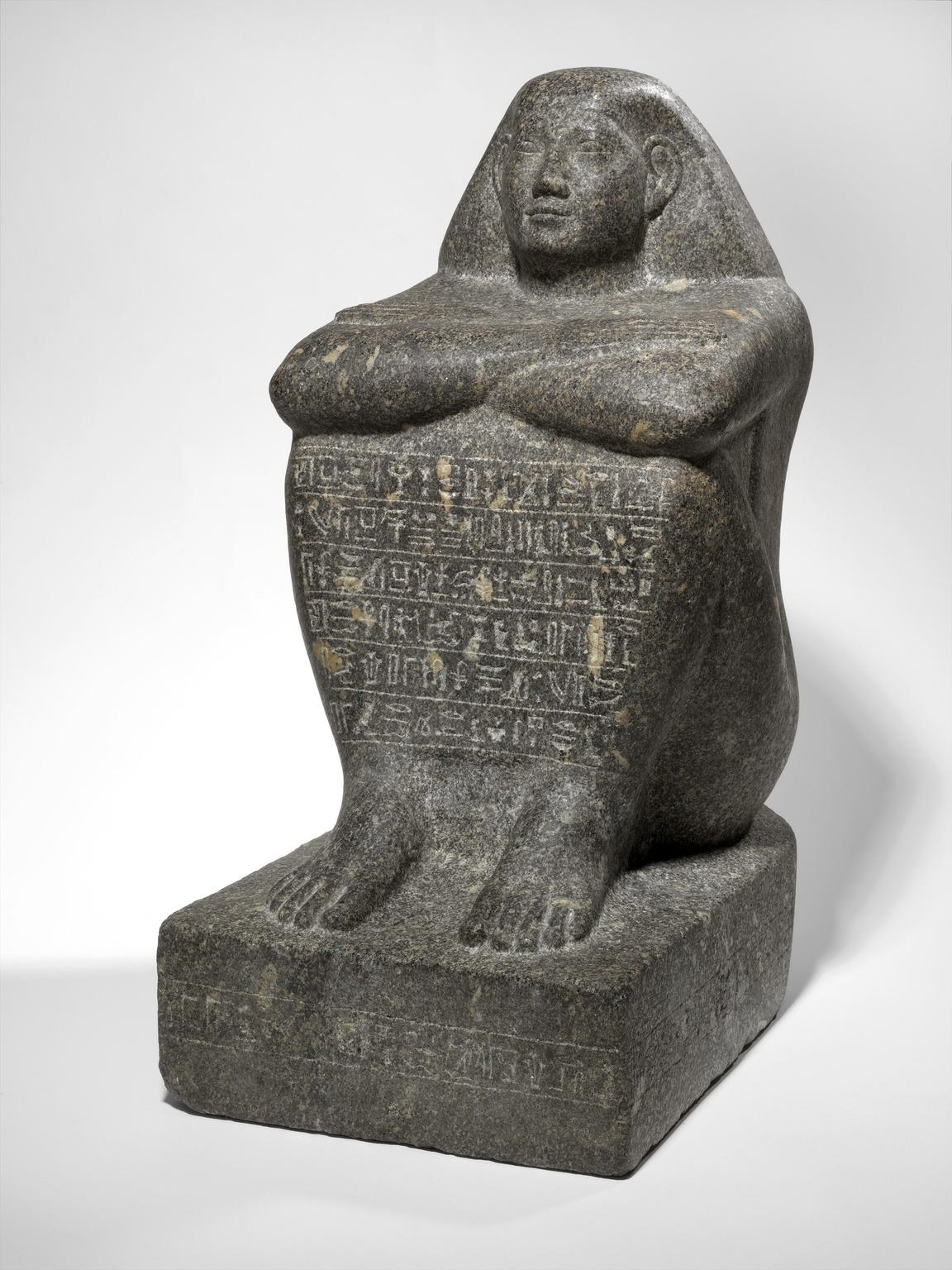
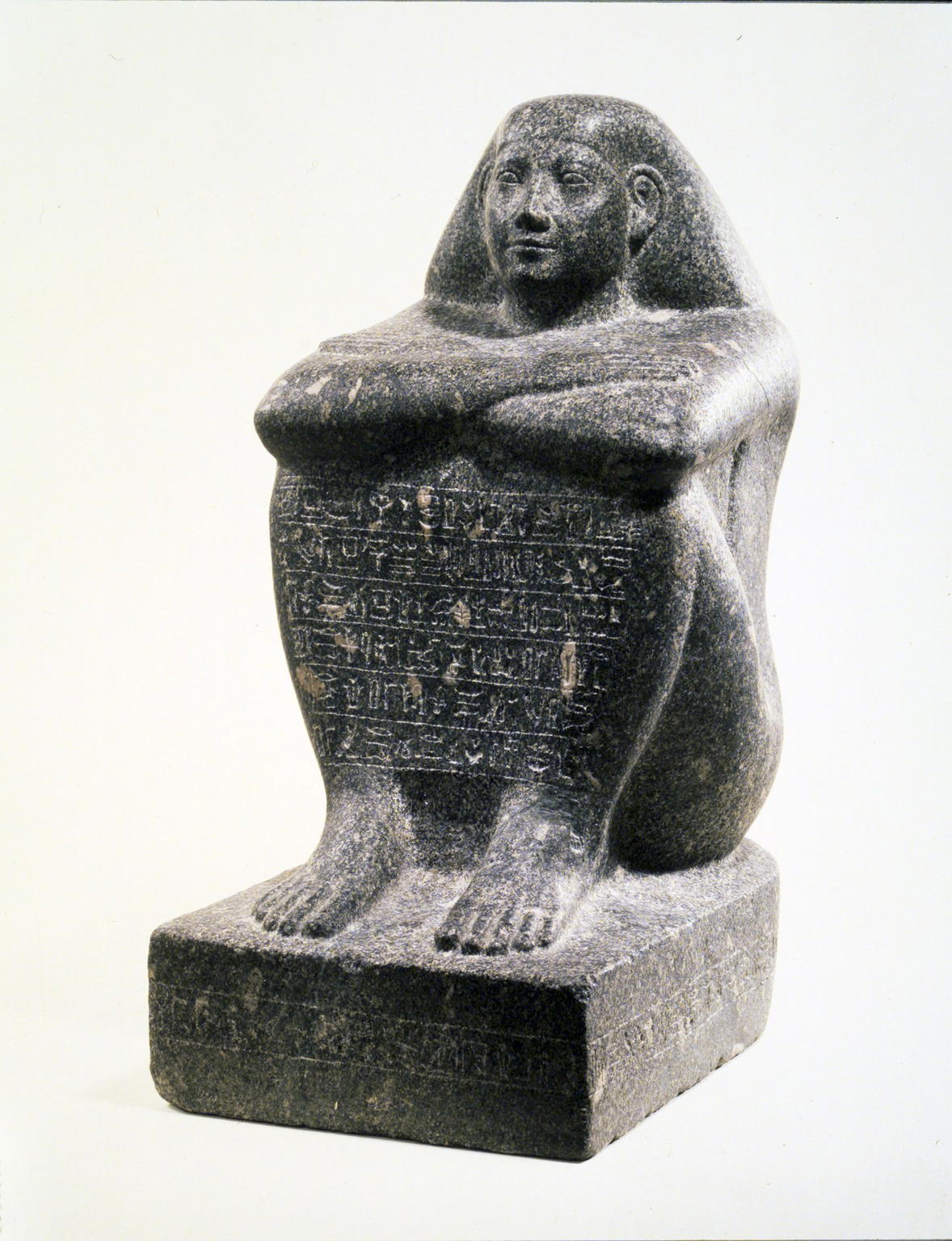
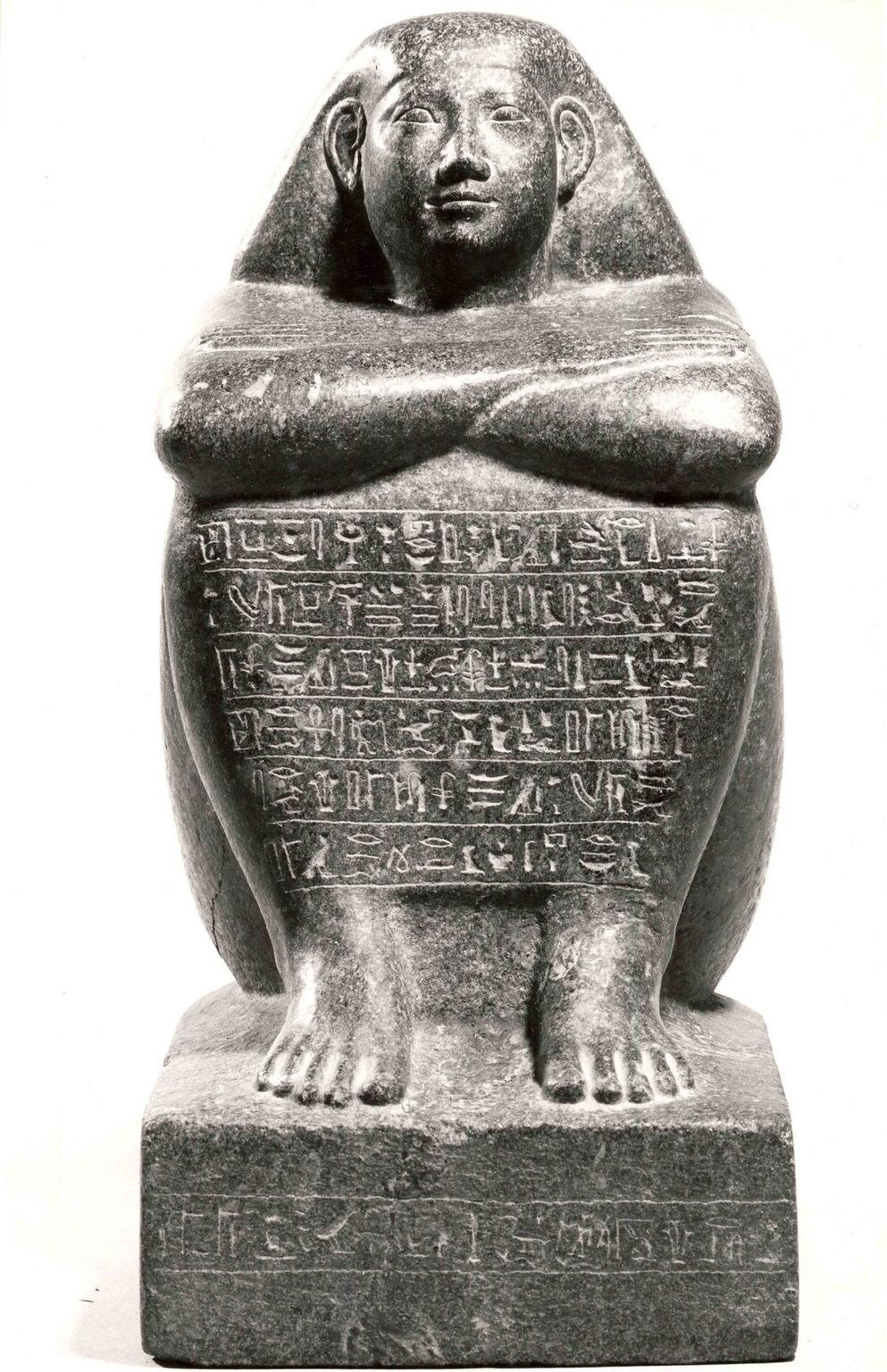
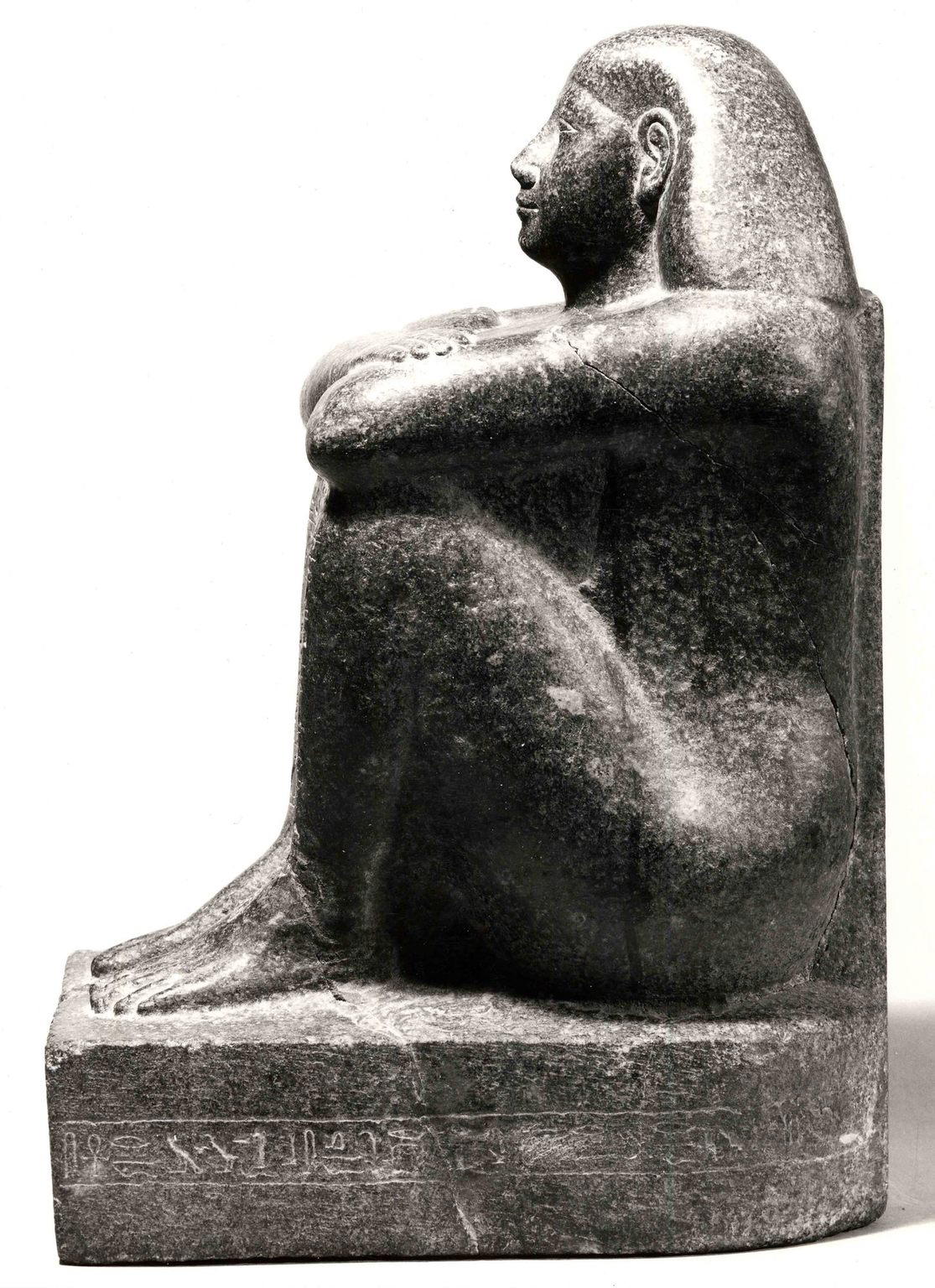
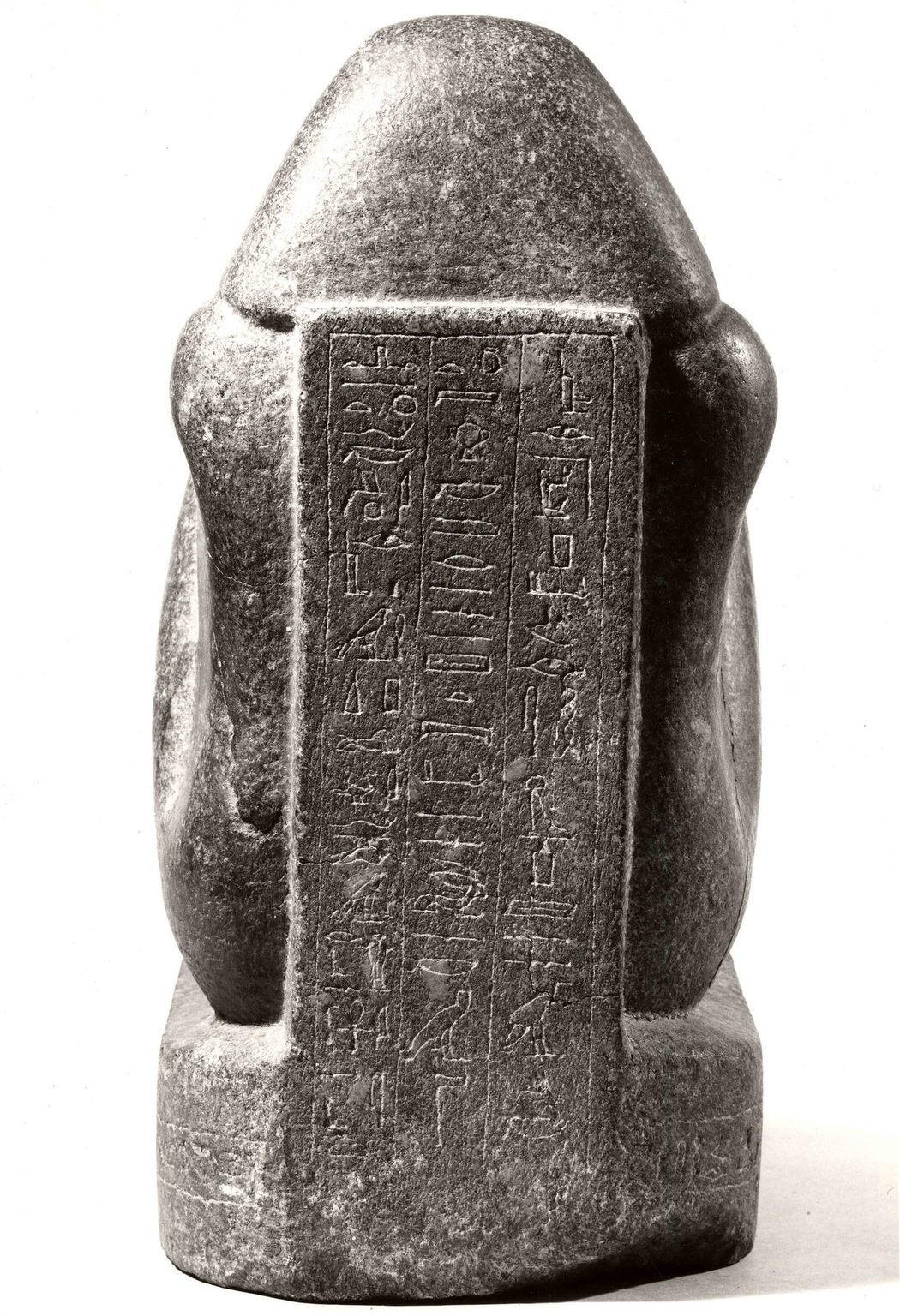
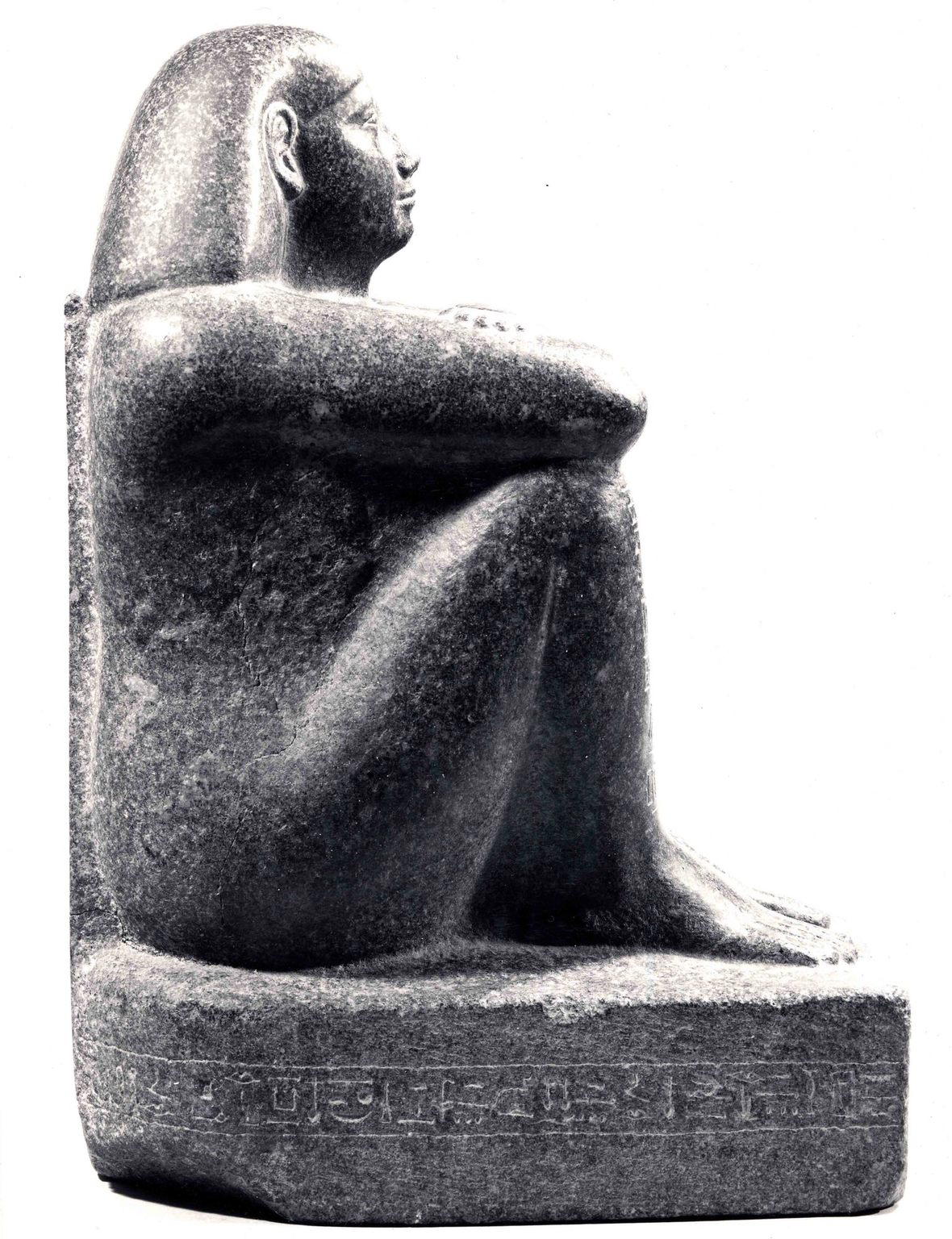
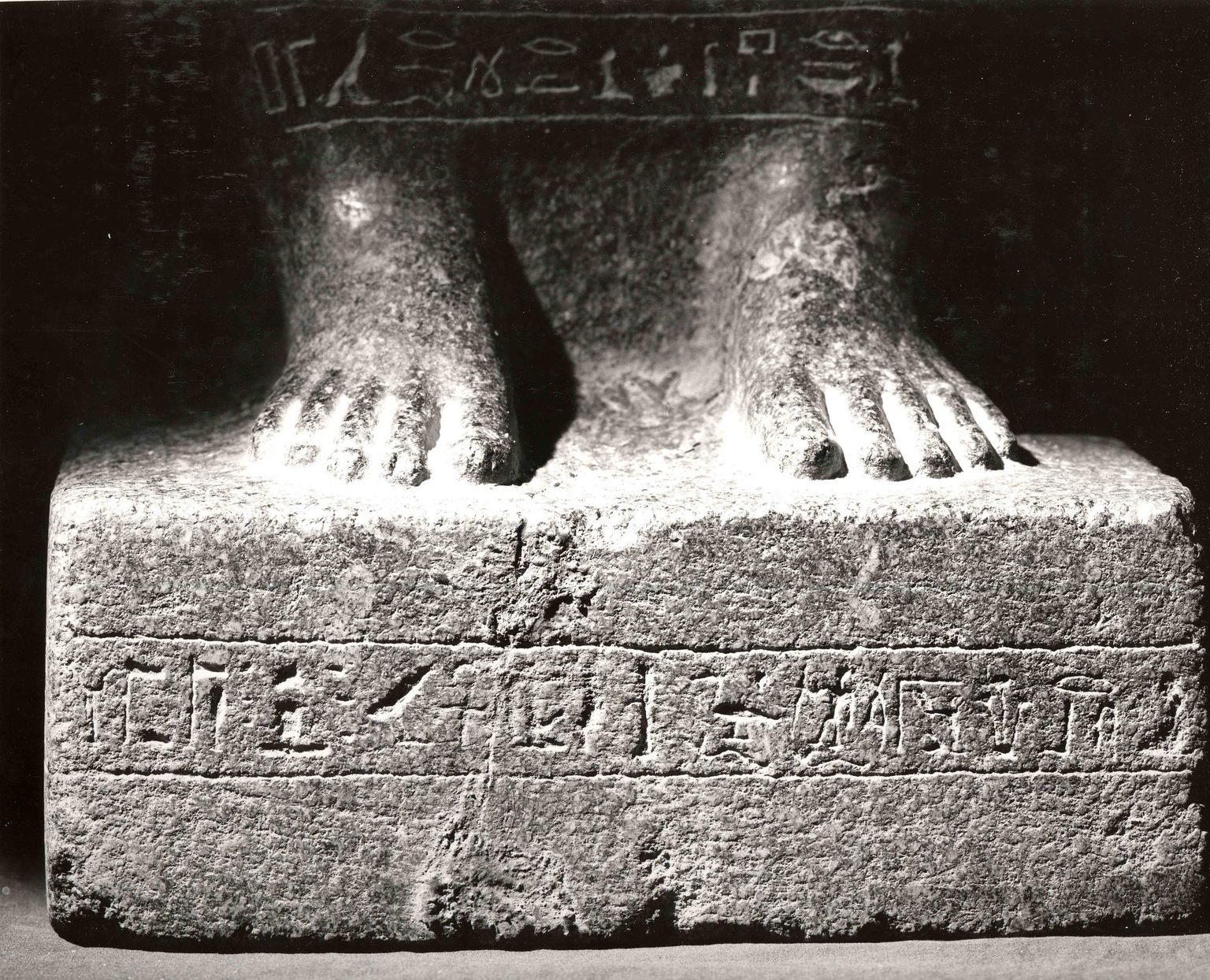
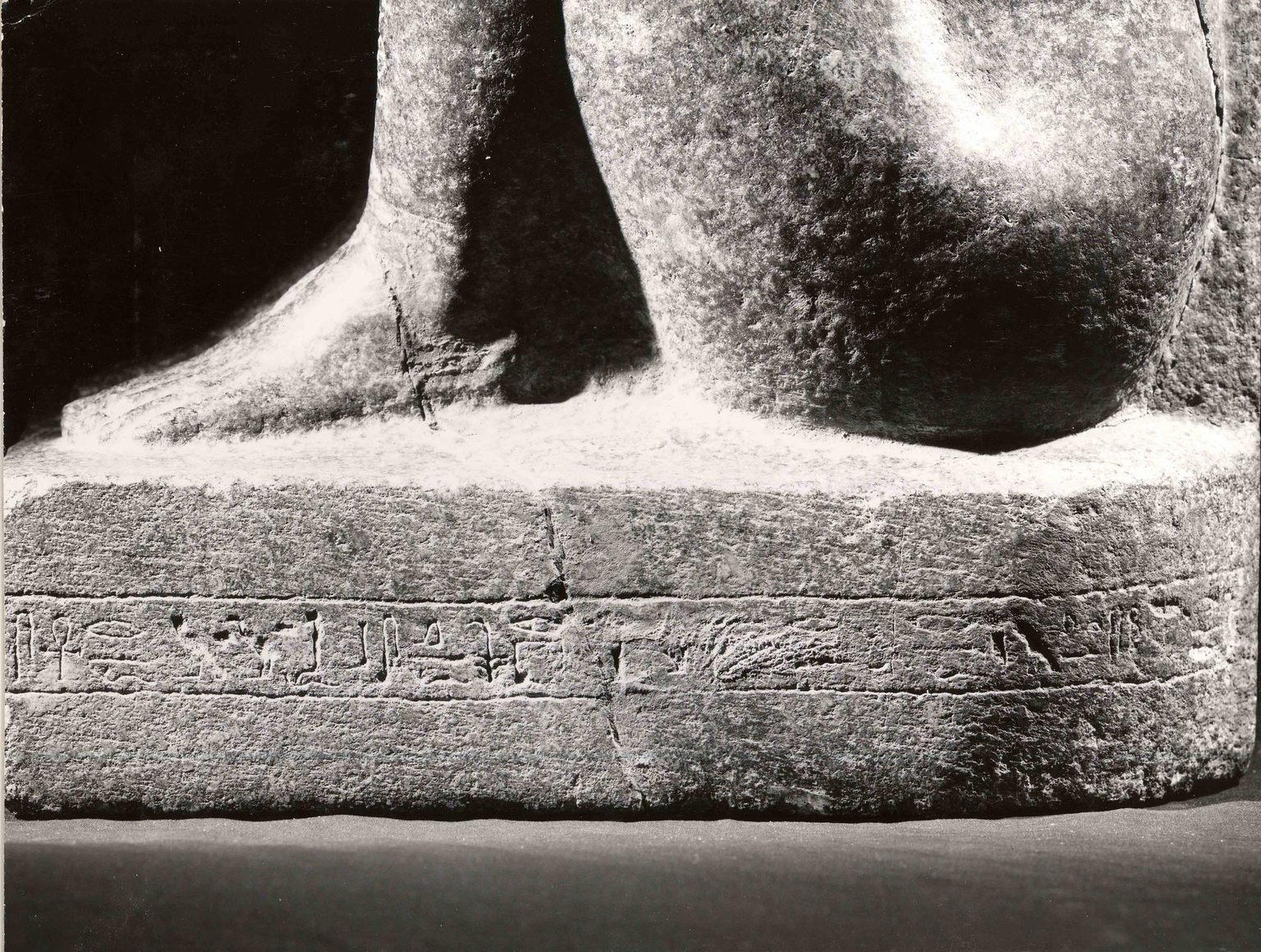
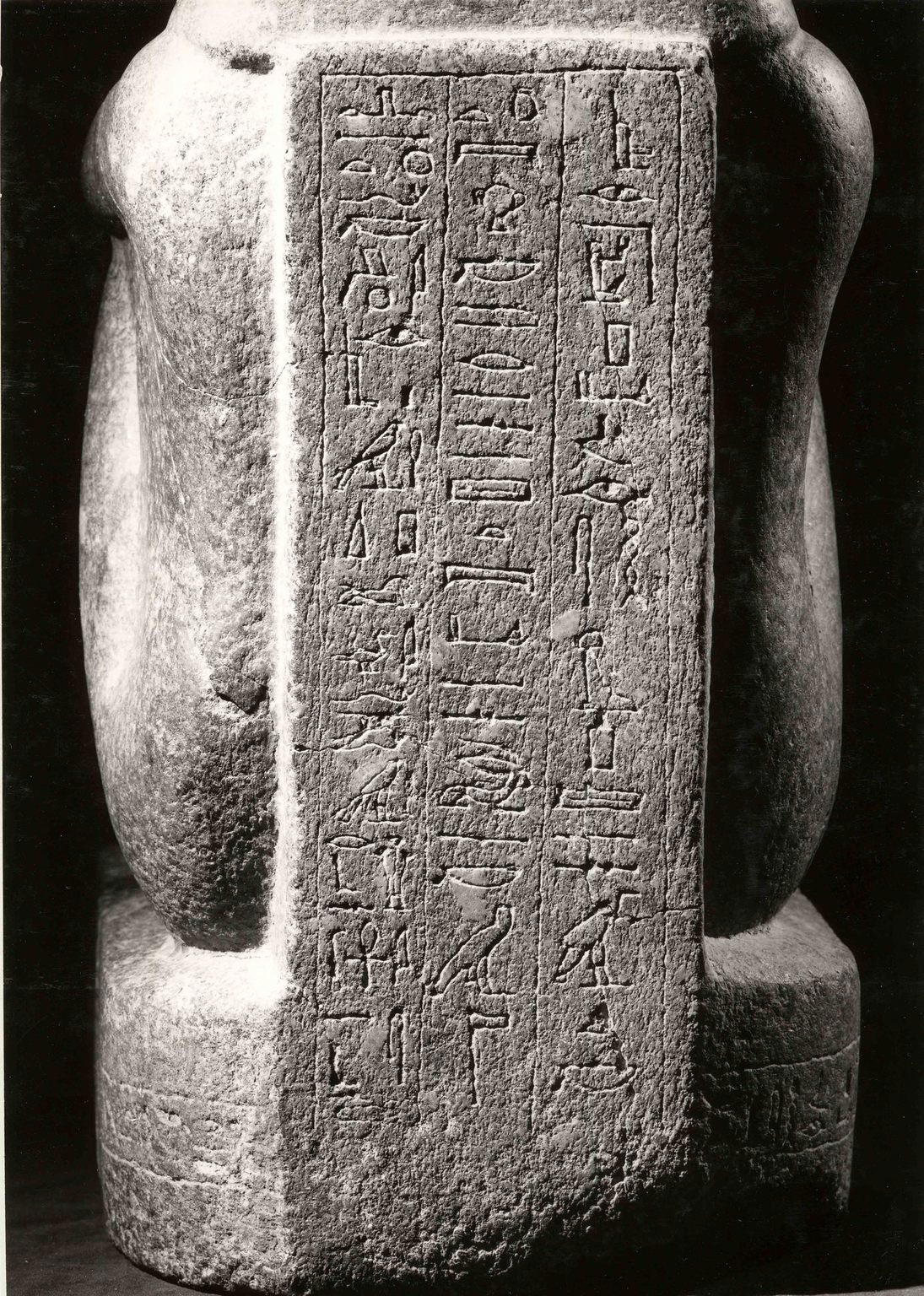
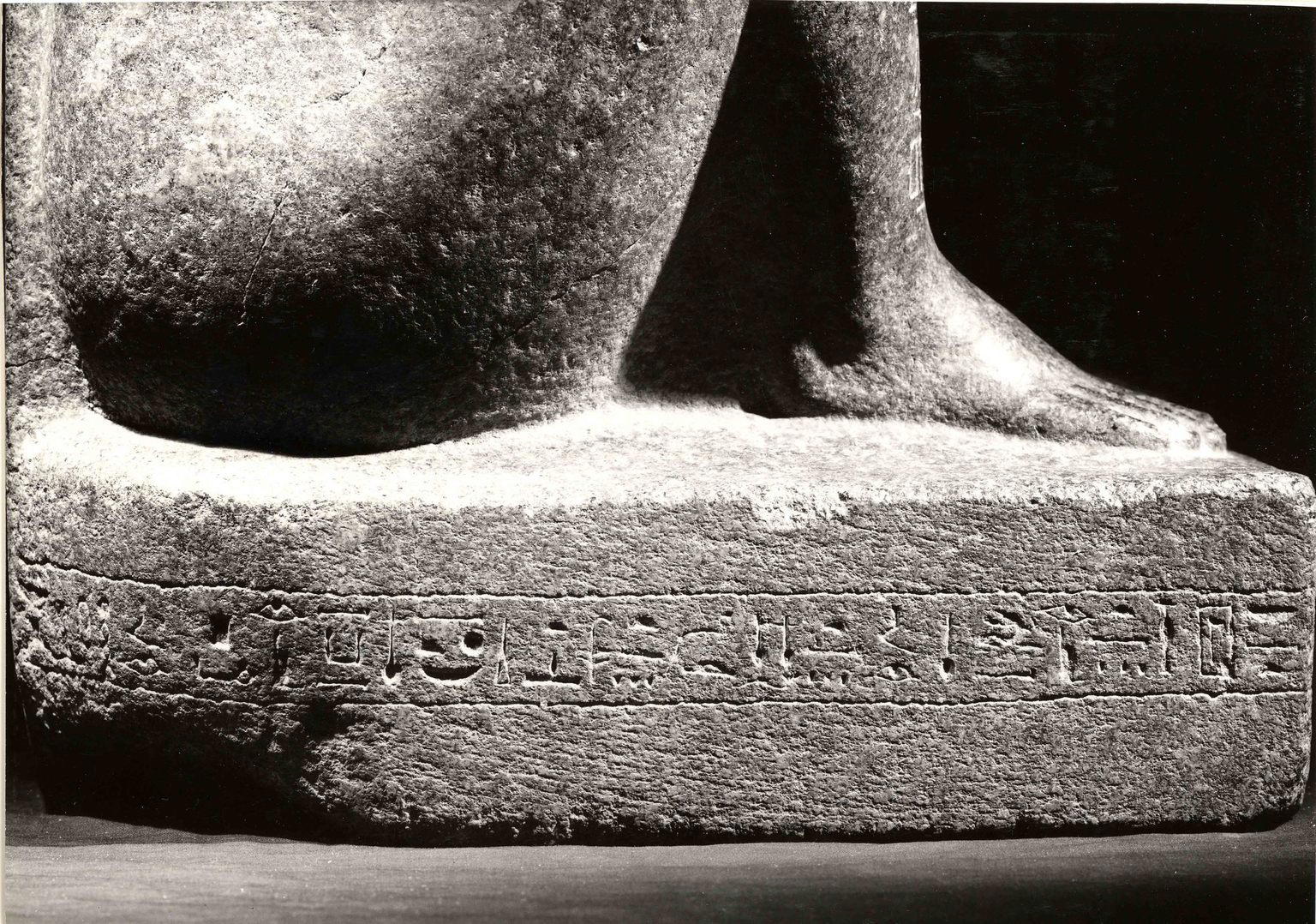
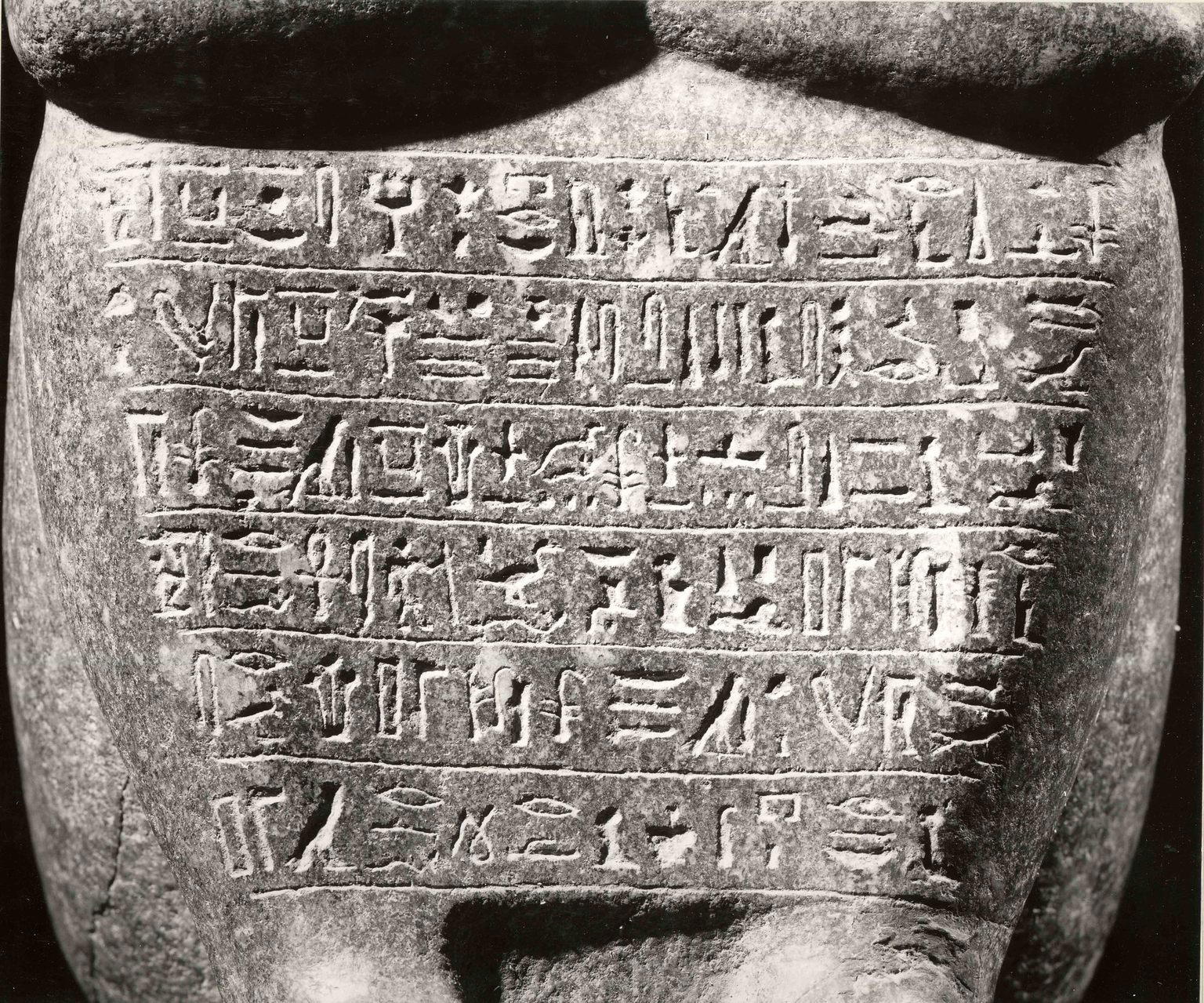
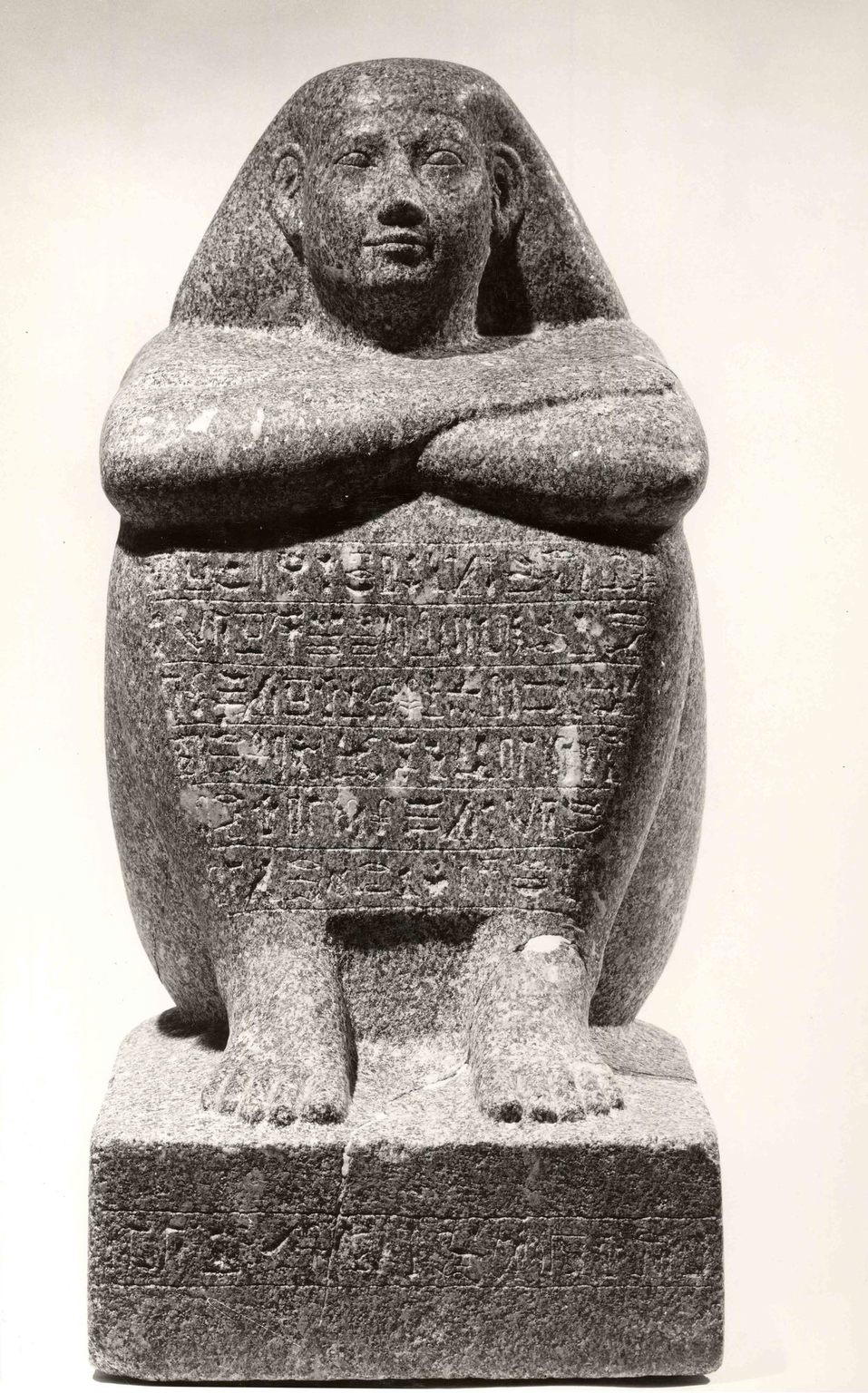
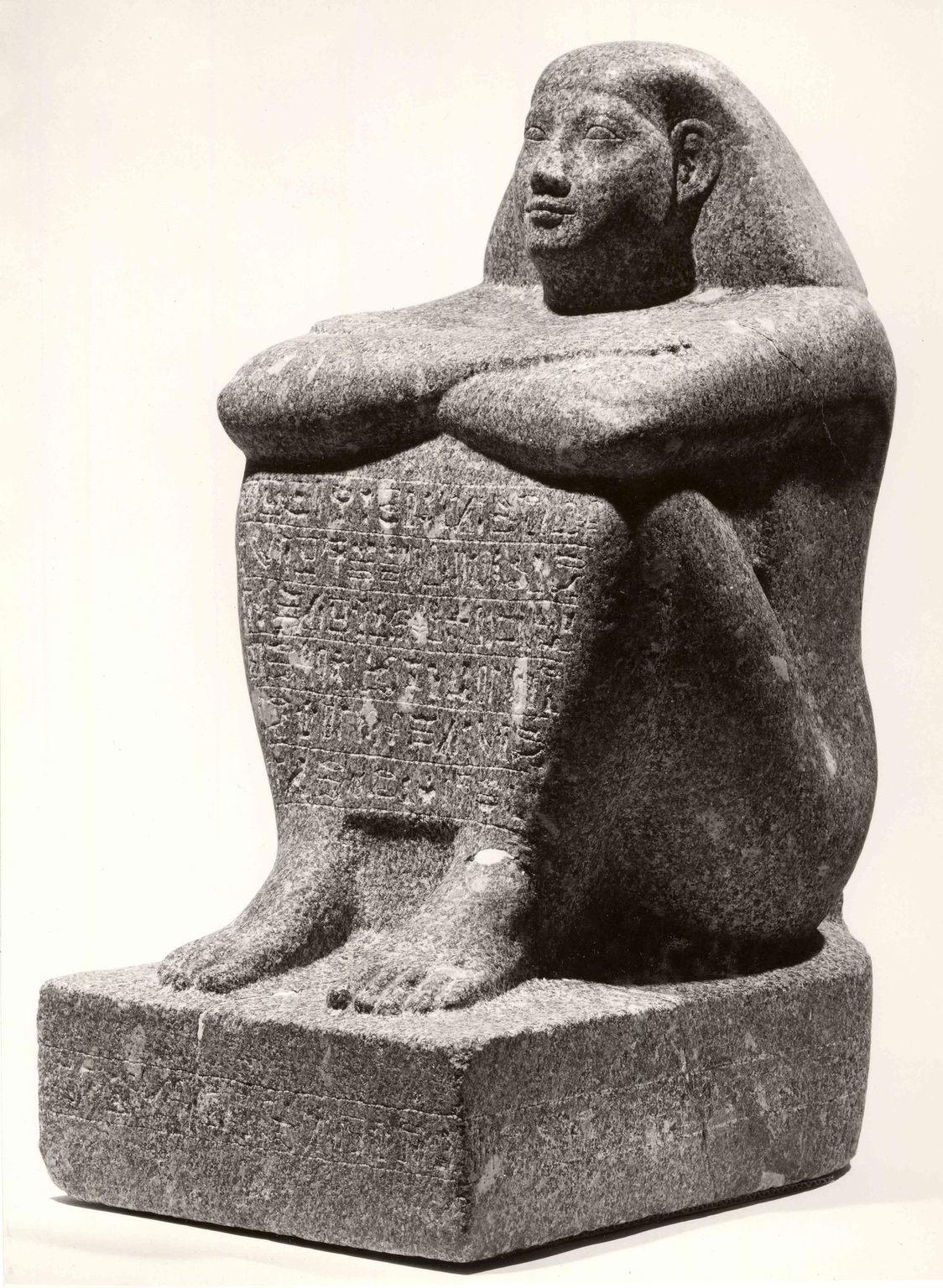
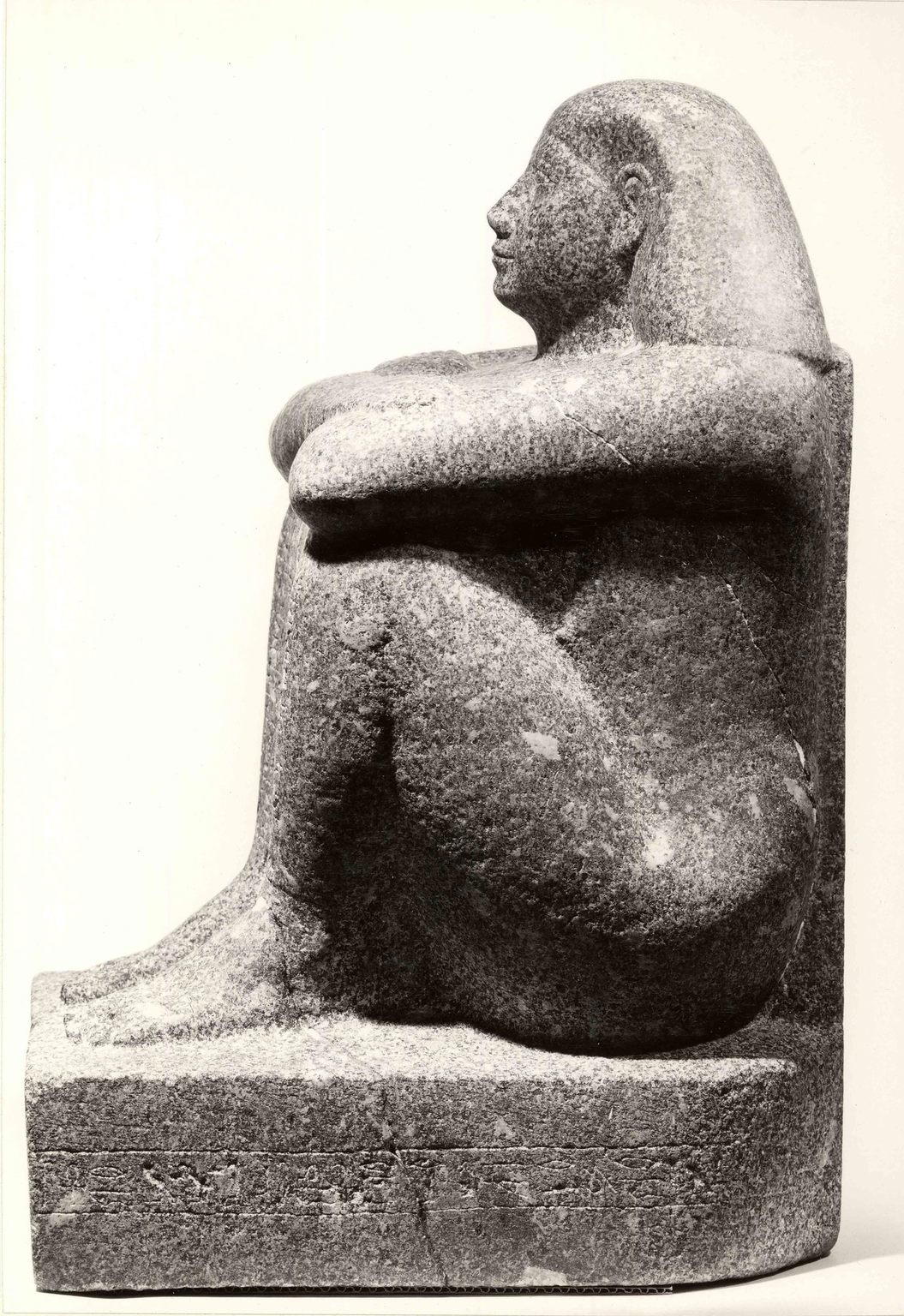
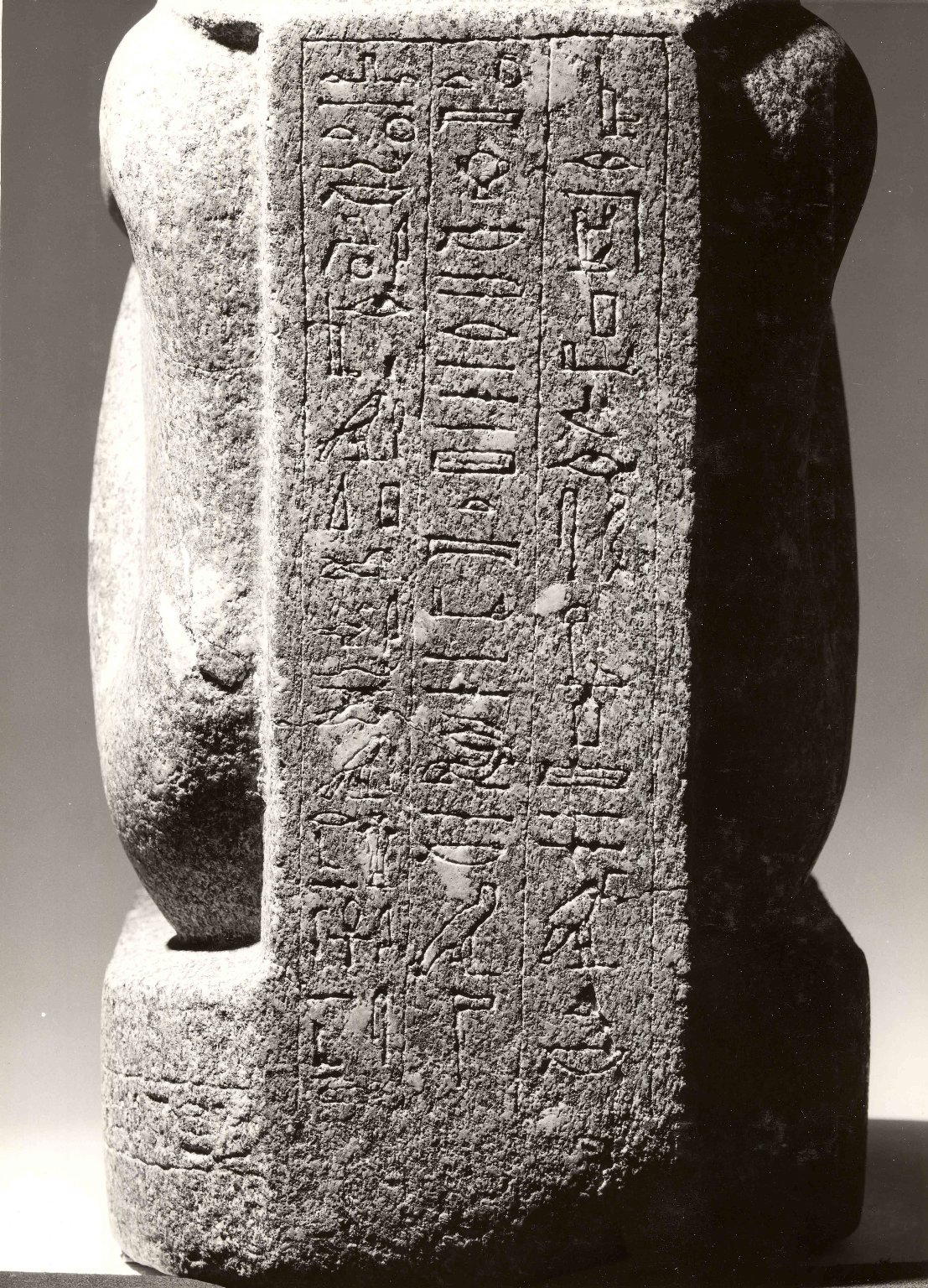
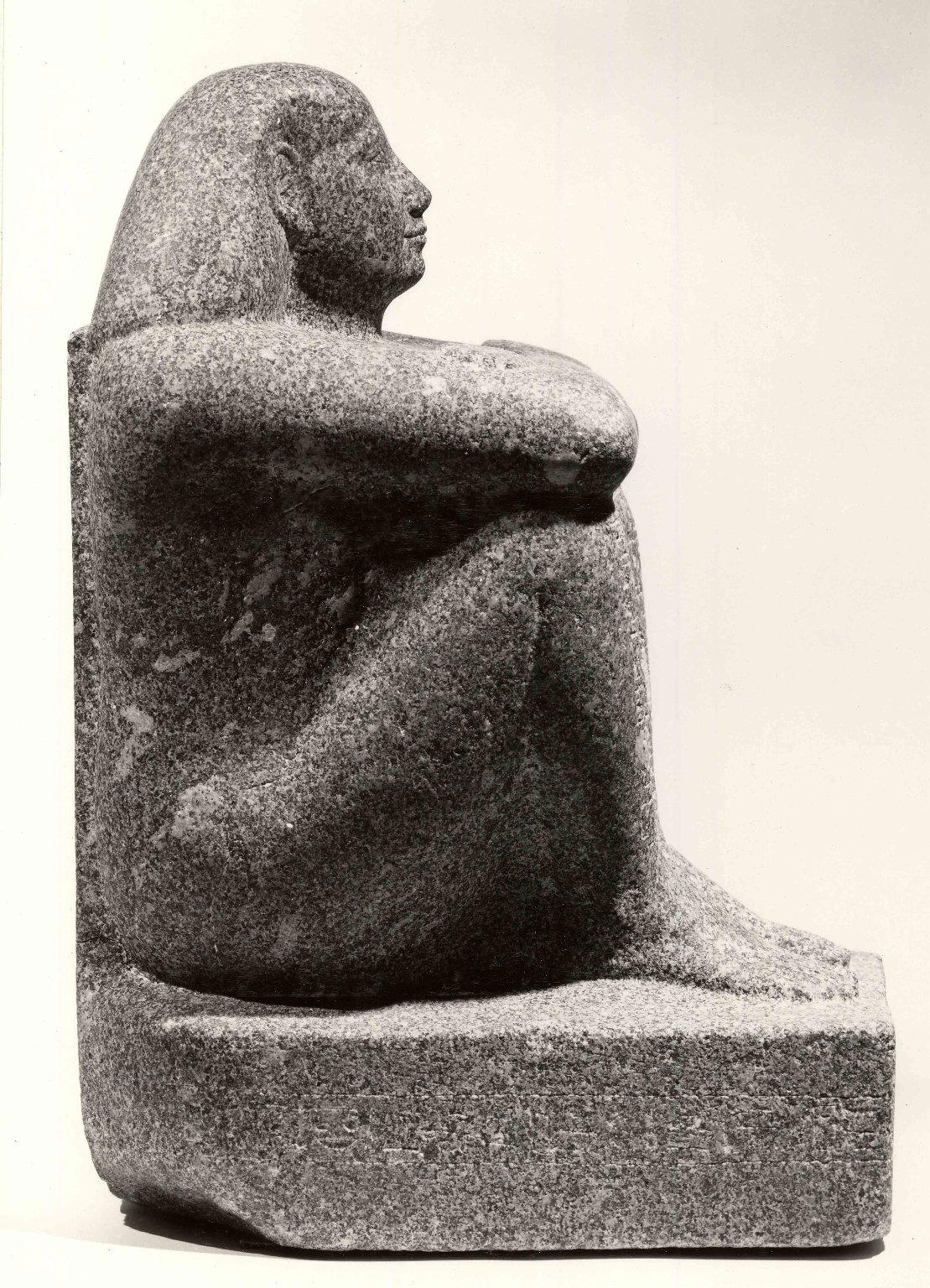
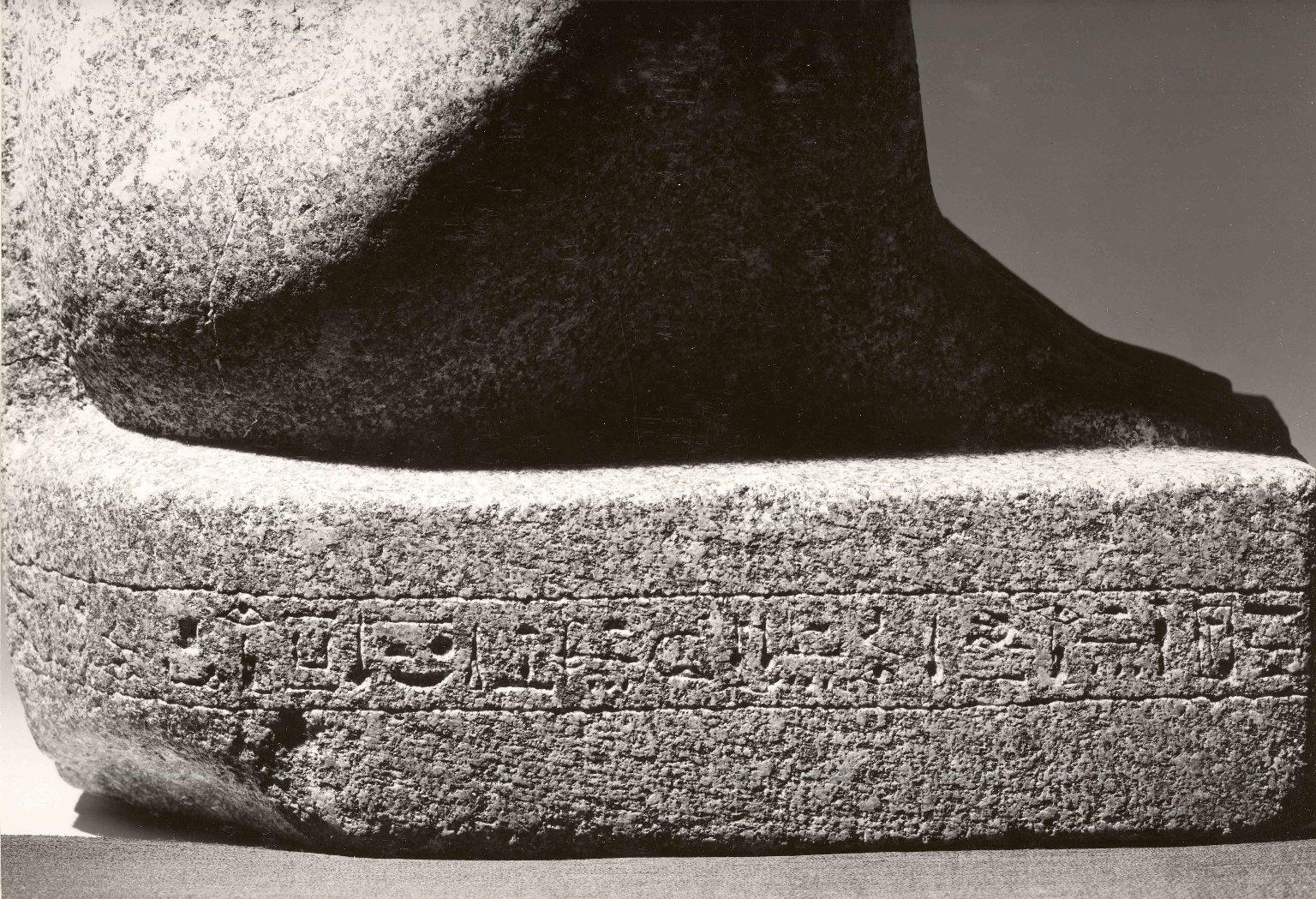
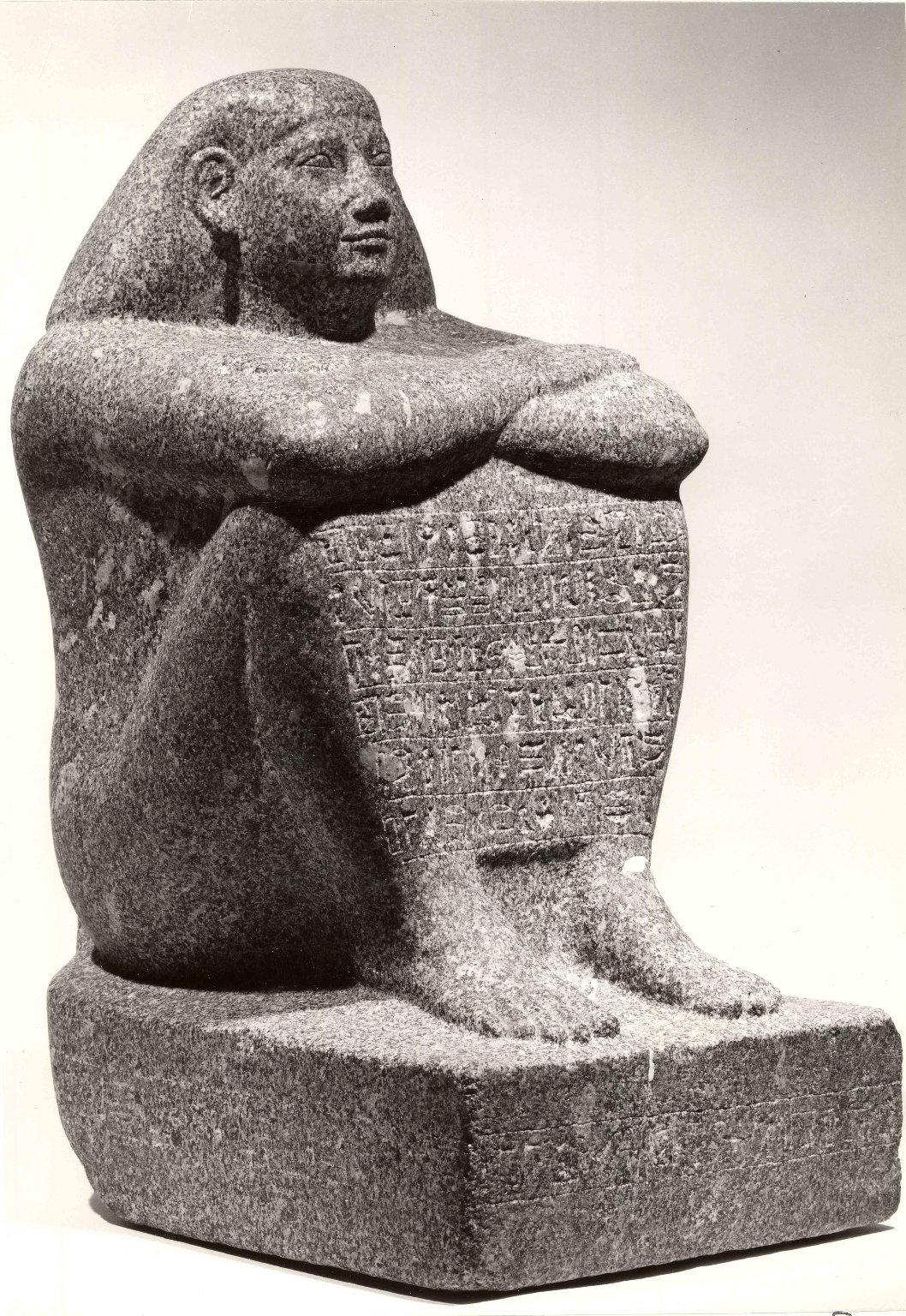
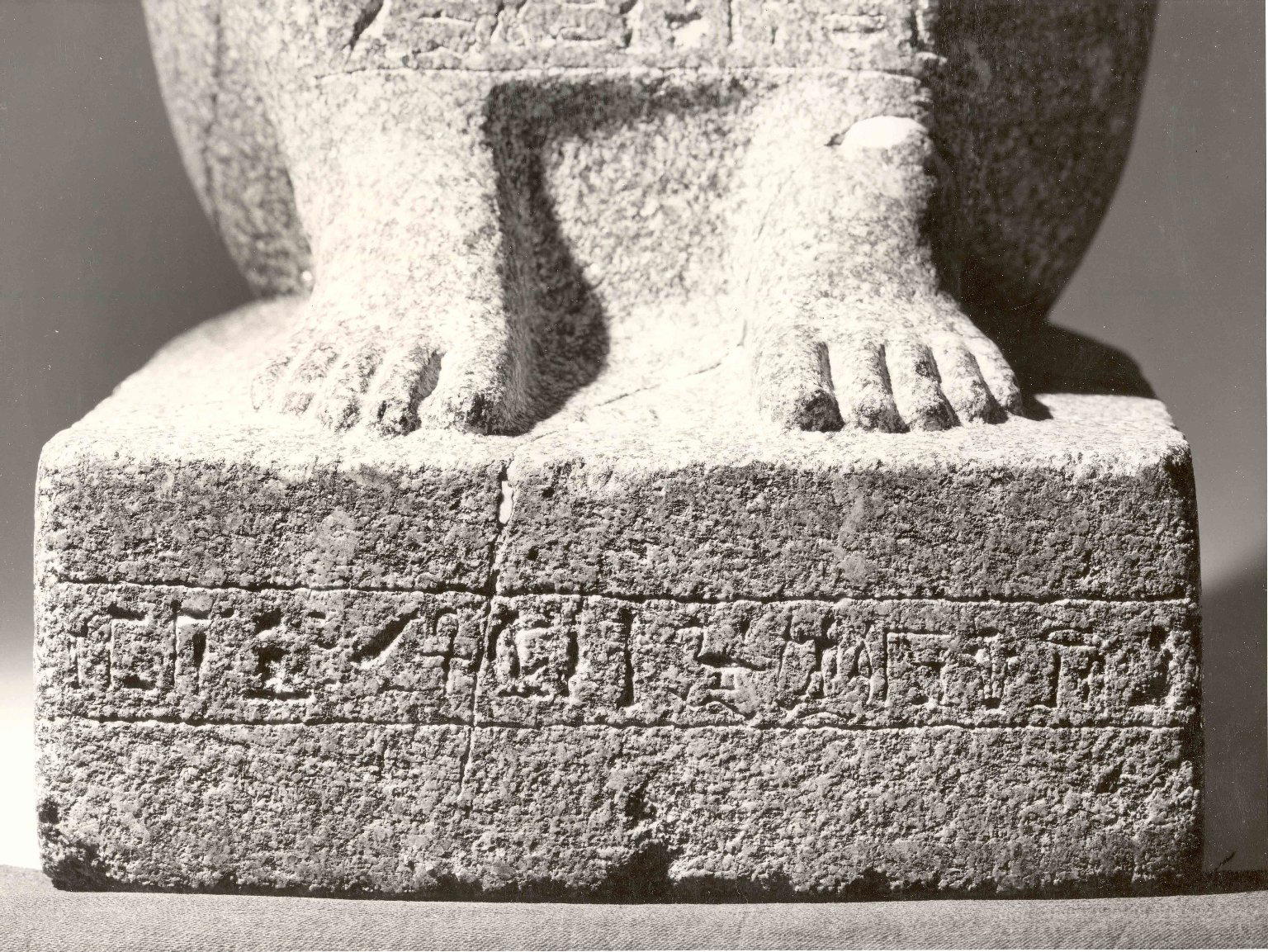
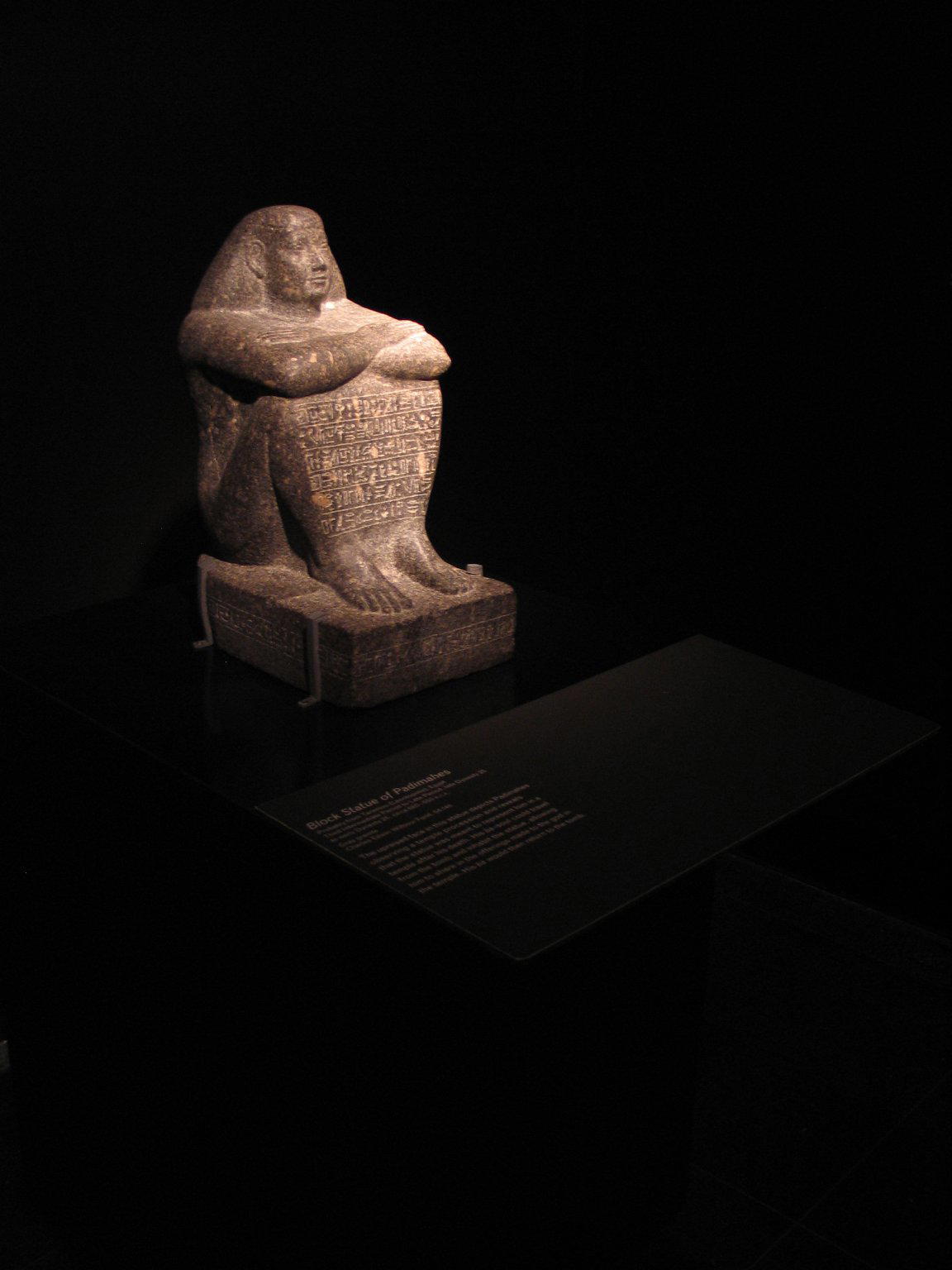
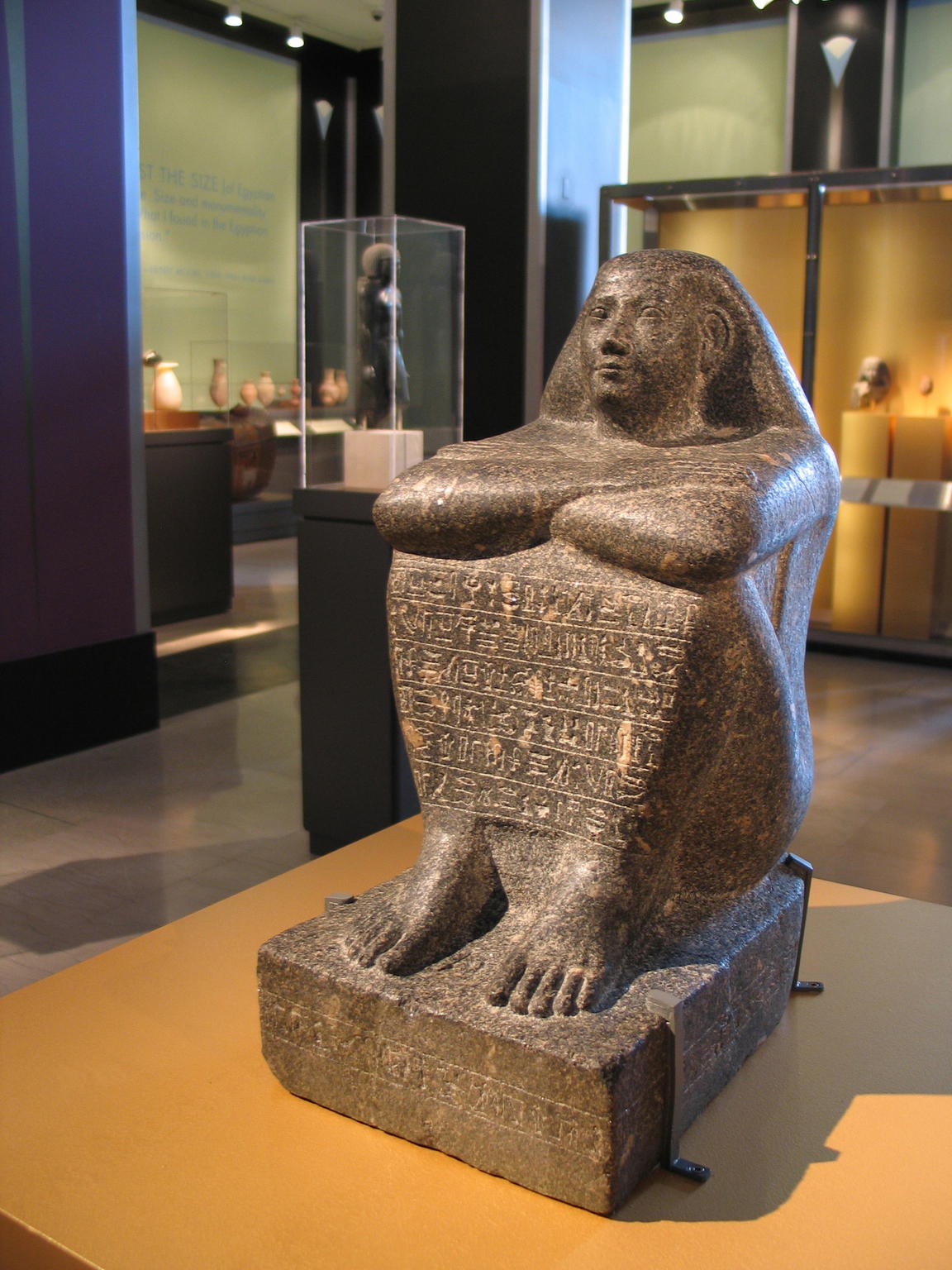
Block statues show their subject seated on the ground with knees drawn up to the chest, resulting in a block-like form. Placed on the floor of a temple, block statues represented their owners with the head slightly tilted upwards, as if observing all temple rites and processions. Depicted this way, the priest Padimahes could eternally partake in the rituals performed for the gods. While a cloak envelops his legs and torso, his carefully modeled arms and feet remain uncovered—a somewhat unusual feature in statues of this type.
Caption
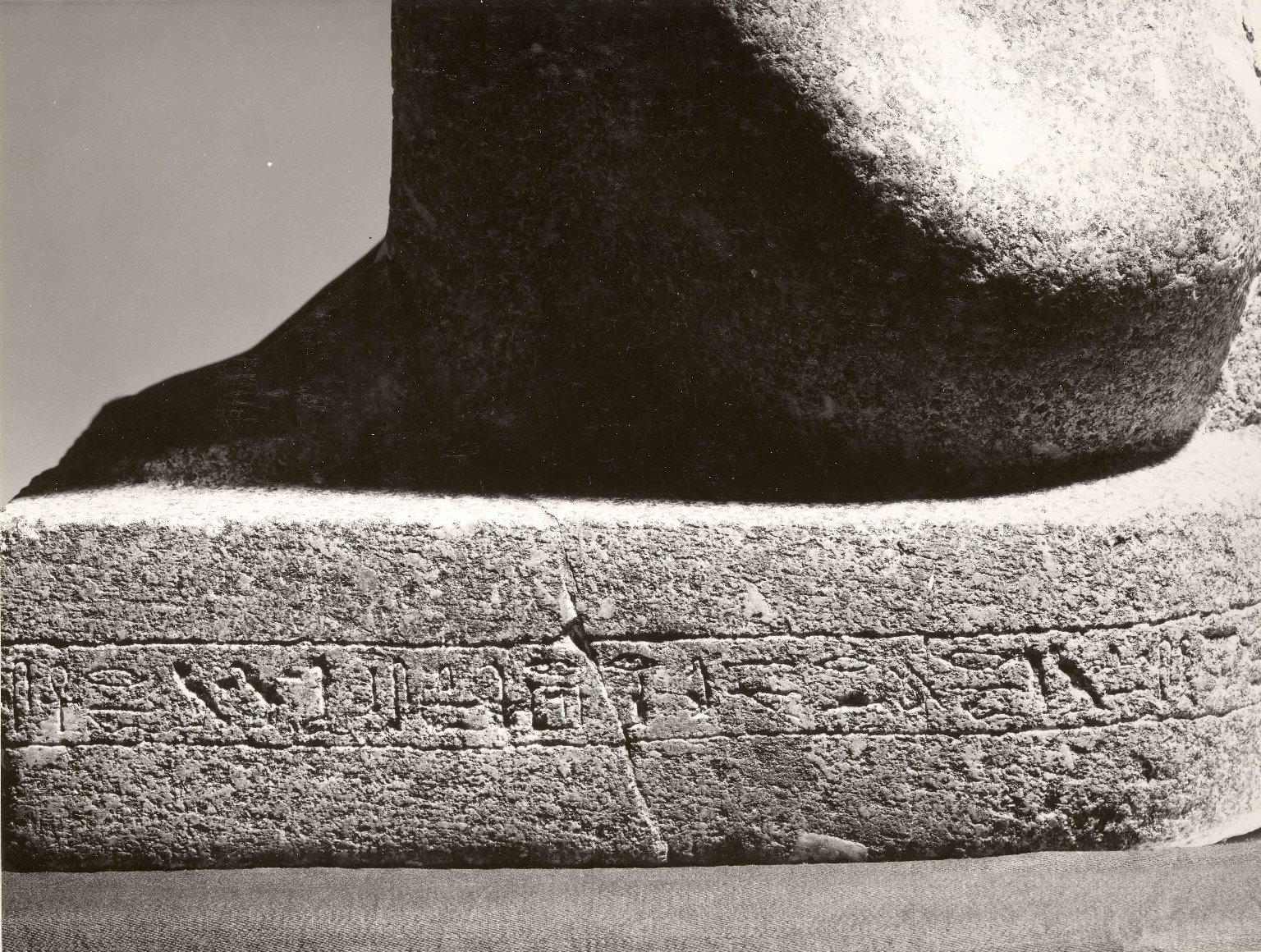
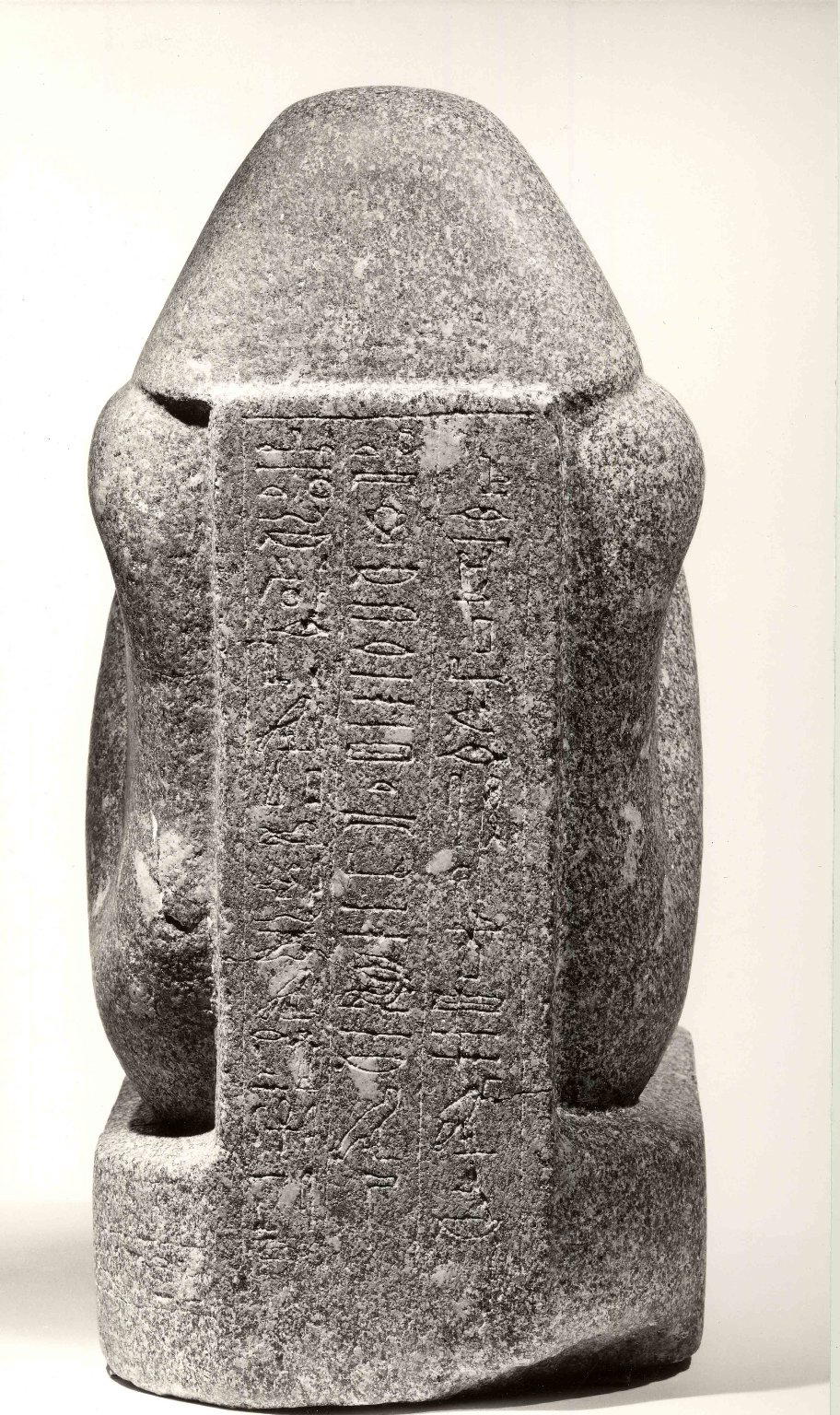
Egyptian. Padimahes, ca. 760–525 B.C.E.. Granodiorite with feldspar phenocrystals, 18 1/4 x 8 11/16 x 12 5/8 in., 115 lb. (46.3 x 22 x 32.1 cm, 52.16kg). Brooklyn Museum, Charles Edwin Wilbour Fund, 64.146. (Photo: Brooklyn Museum)
Culture
Title
Padimahes
Date
ca. 760–525 B.C.E.
Dynasty
late Dynasty 25 to early Dynasty 26
Period
Third Intermediate Period to Late Period
Geography
Possible place collected: Taremou (Leontopolis), Egypt
Medium
Granodiorite with feldspar phenocrystals
Classification
Dimensions
18 1/4 x 8 11/16 x 12 5/8 in., 115 lb. (46.3 x 22 x 32.1 cm, 52.16kg)
Credit Line
Charles Edwin Wilbour Fund
Accession Number
64.146
Frequent Art Questions
What is this?
 He's a block statue of a scribe, he is eternally sitting watching his processions. These type of sculptures were set outside of temples.
Have information?
Have information about an artwork? Contact us at