Ceremonial Saw in the Shape of a Ma`at-Feather
ca. 1353–1336 B.C.E.


1 of 3
Object Label
The unusual shape of this saw’s handle is a reproduction of a Ma`at -feather (an ostrich plume signifying “truth”). This shape suggests that the saw was used for ceremonial purposes, such as preparing meat for sacrifice to a god.
Caption
Ceremonial Saw in the Shape of a Ma`at-Feather, ca. 1353–1336 B.C.E.. Bronze, 12 3/8 x 1 5/8 in. (31.5 x 4.2 cm). Brooklyn Museum, Charles Edwin Wilbour Fund, 65.133. (Photo: Brooklyn Museum)
Frequent Art Questions
How integral were acts such as sacrifices to various gods to the daily operations of Egyptian societies?
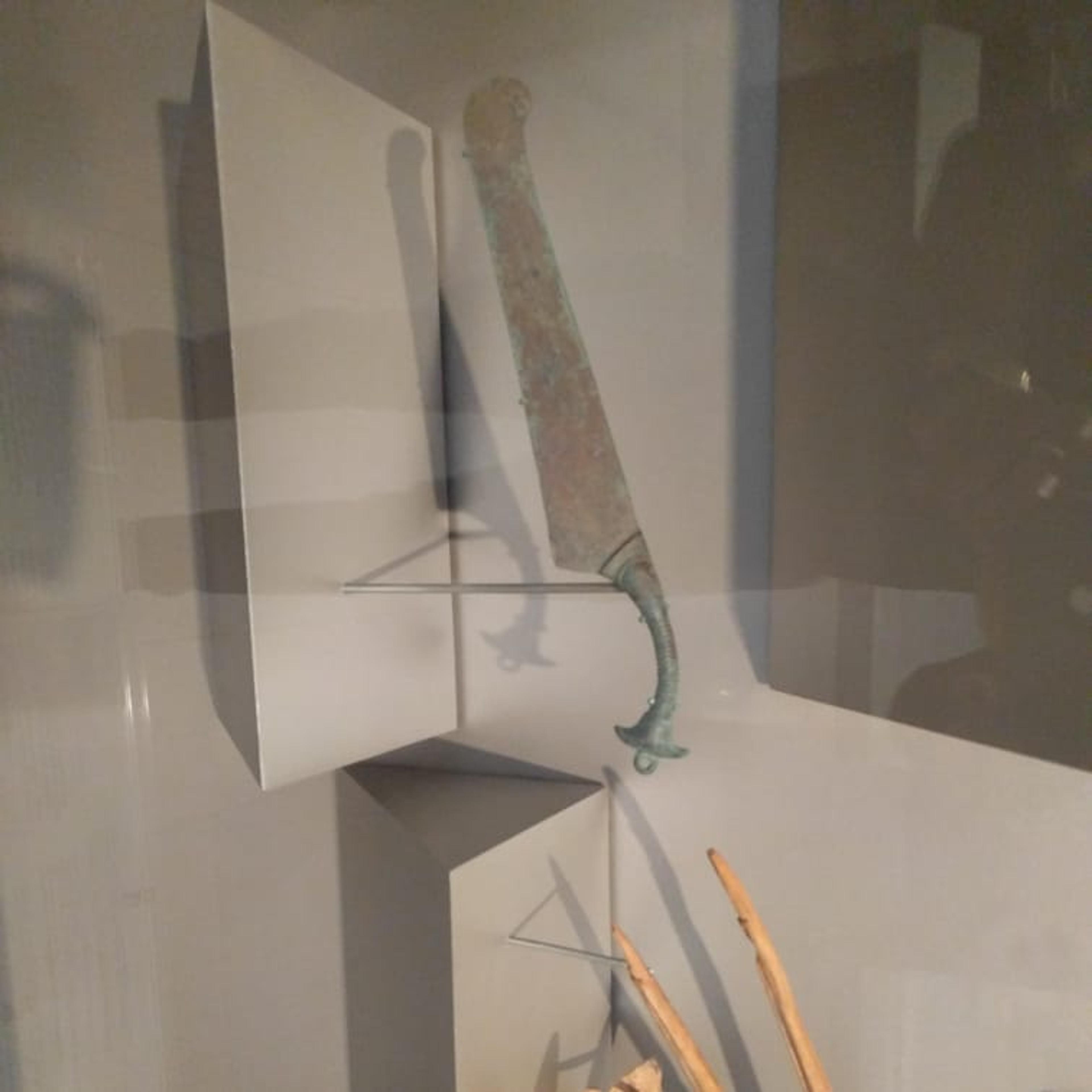 To be honest, we aren't entirely sure how religion figured into the daily lives of Ancient Egyptians. Most what we know about Ancient Egyptian religion is based on monumental temples and funerary archaeology. An implement like this Ritual Saw in the shape of a Maat Feather would have been used in a temple or other elite setting.
Have information?
Have information about an artwork? Contact us at