Bound Nubian Prisoner
1 of 8
Object Label
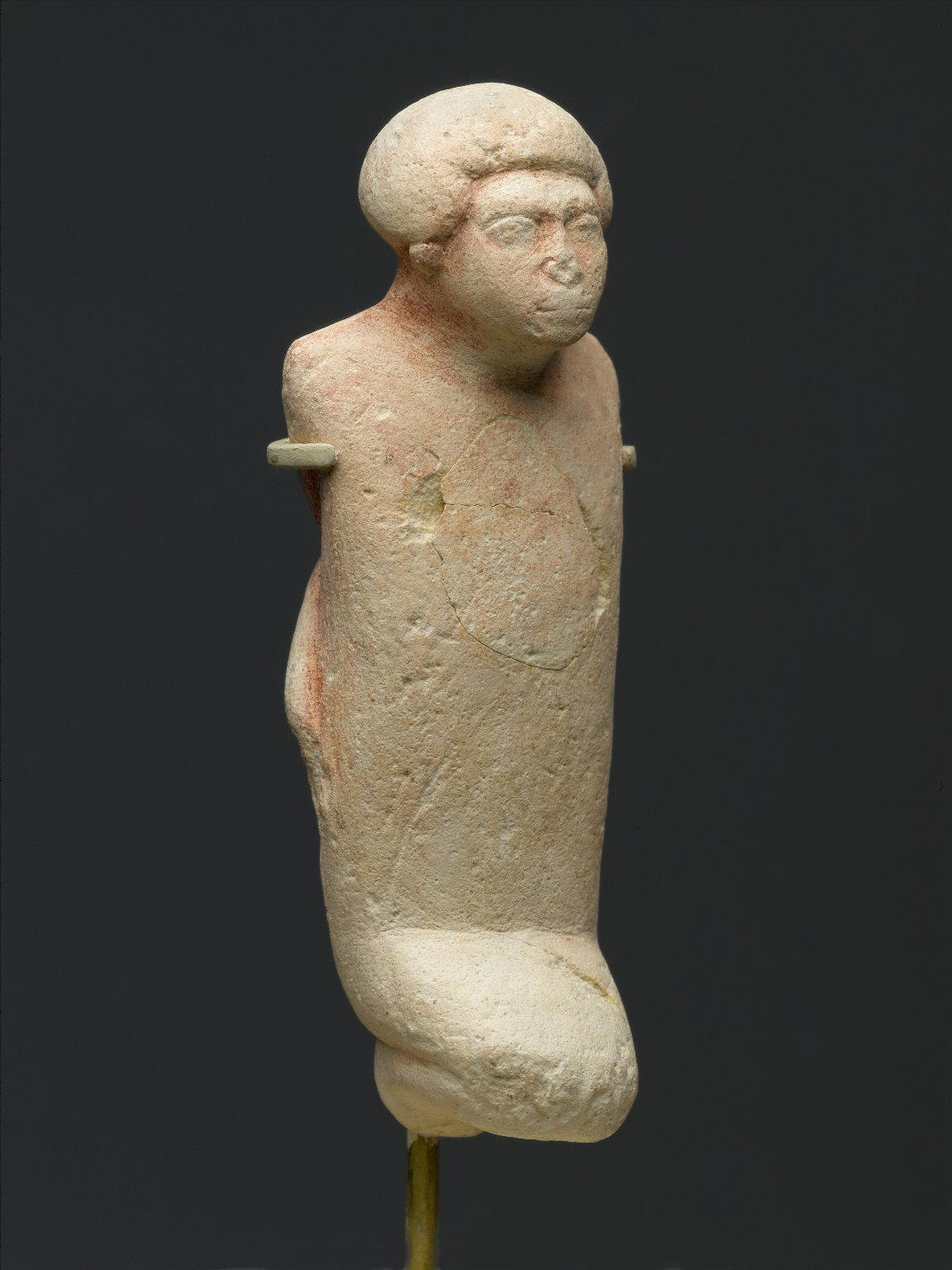
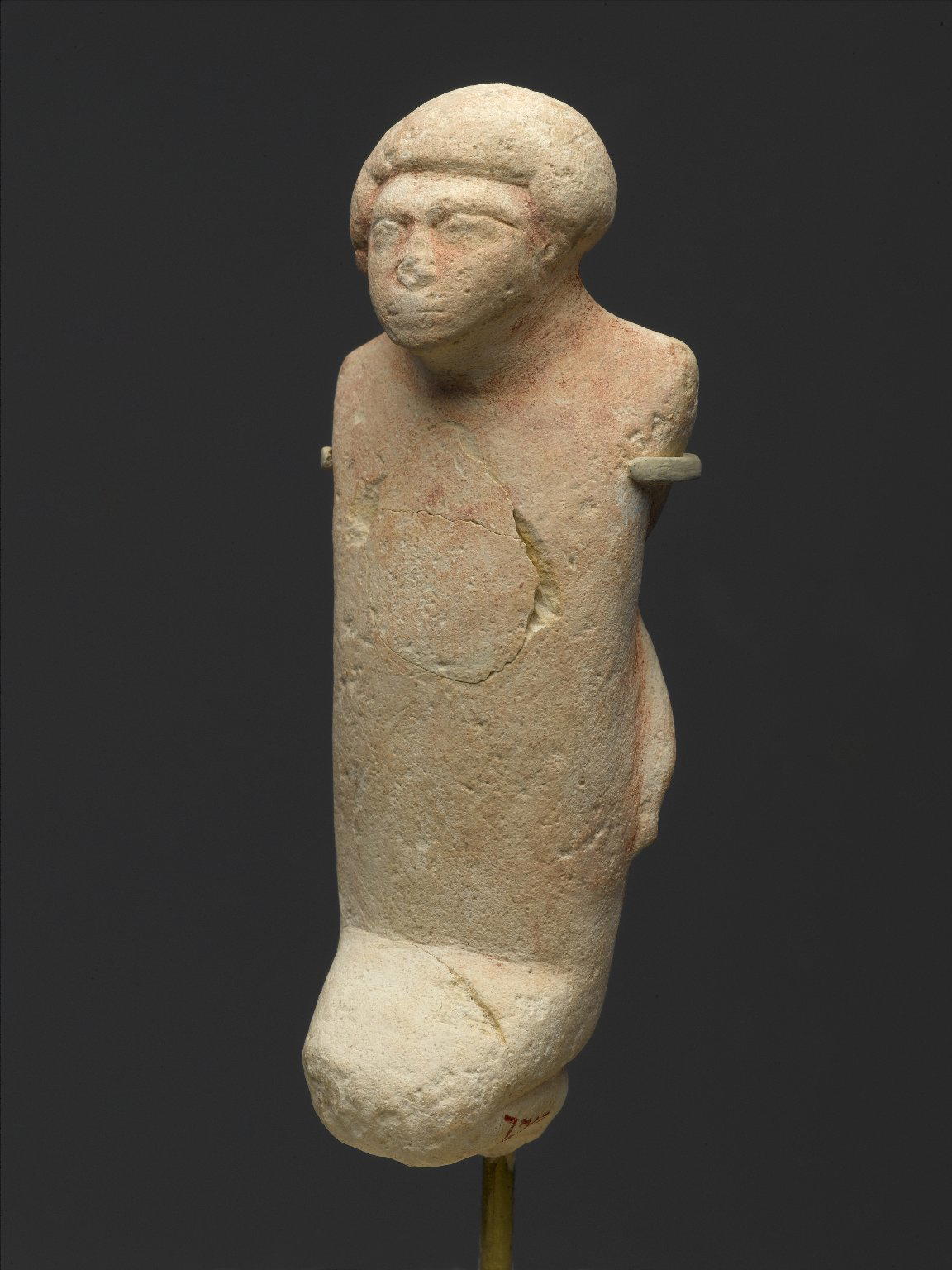
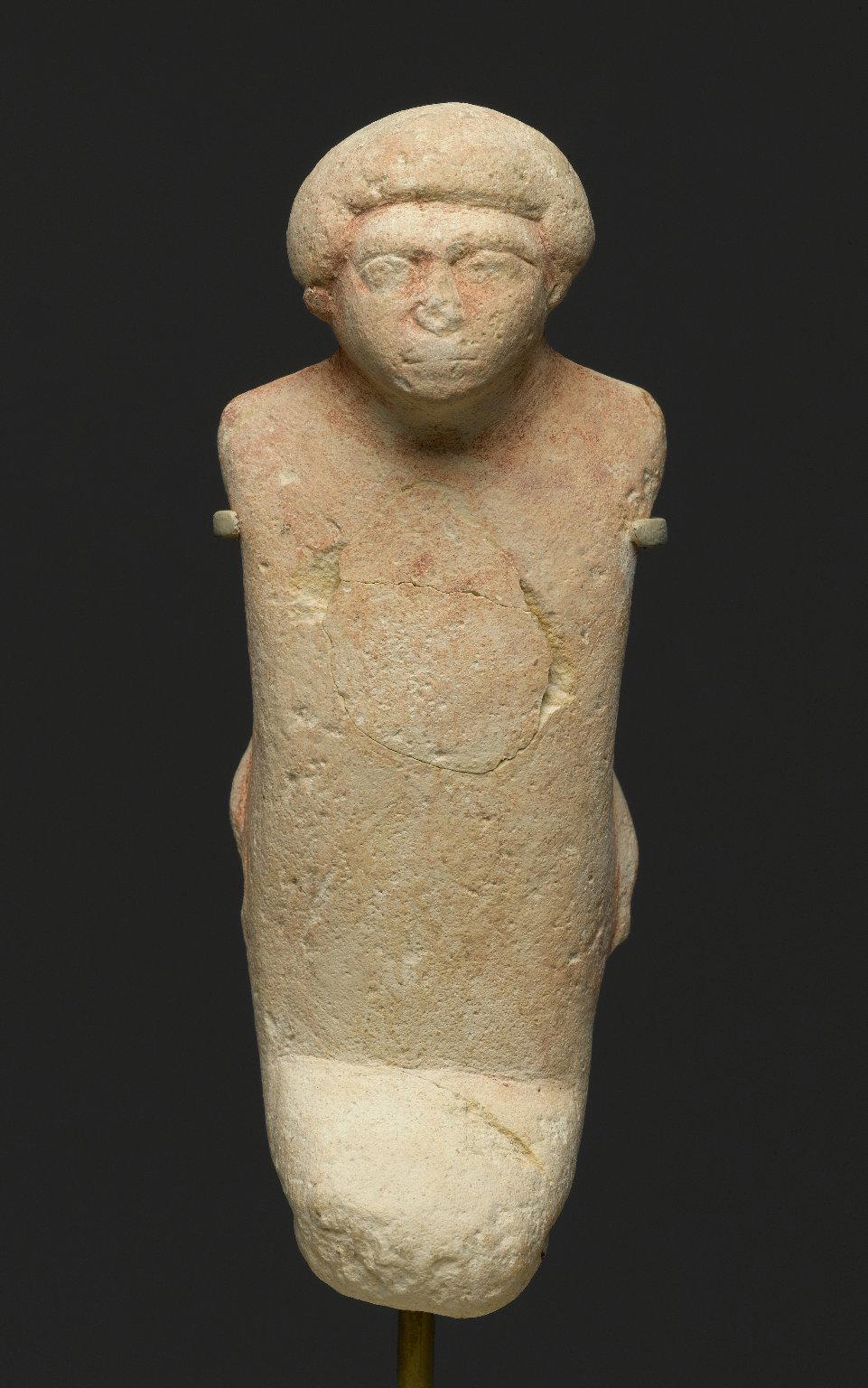
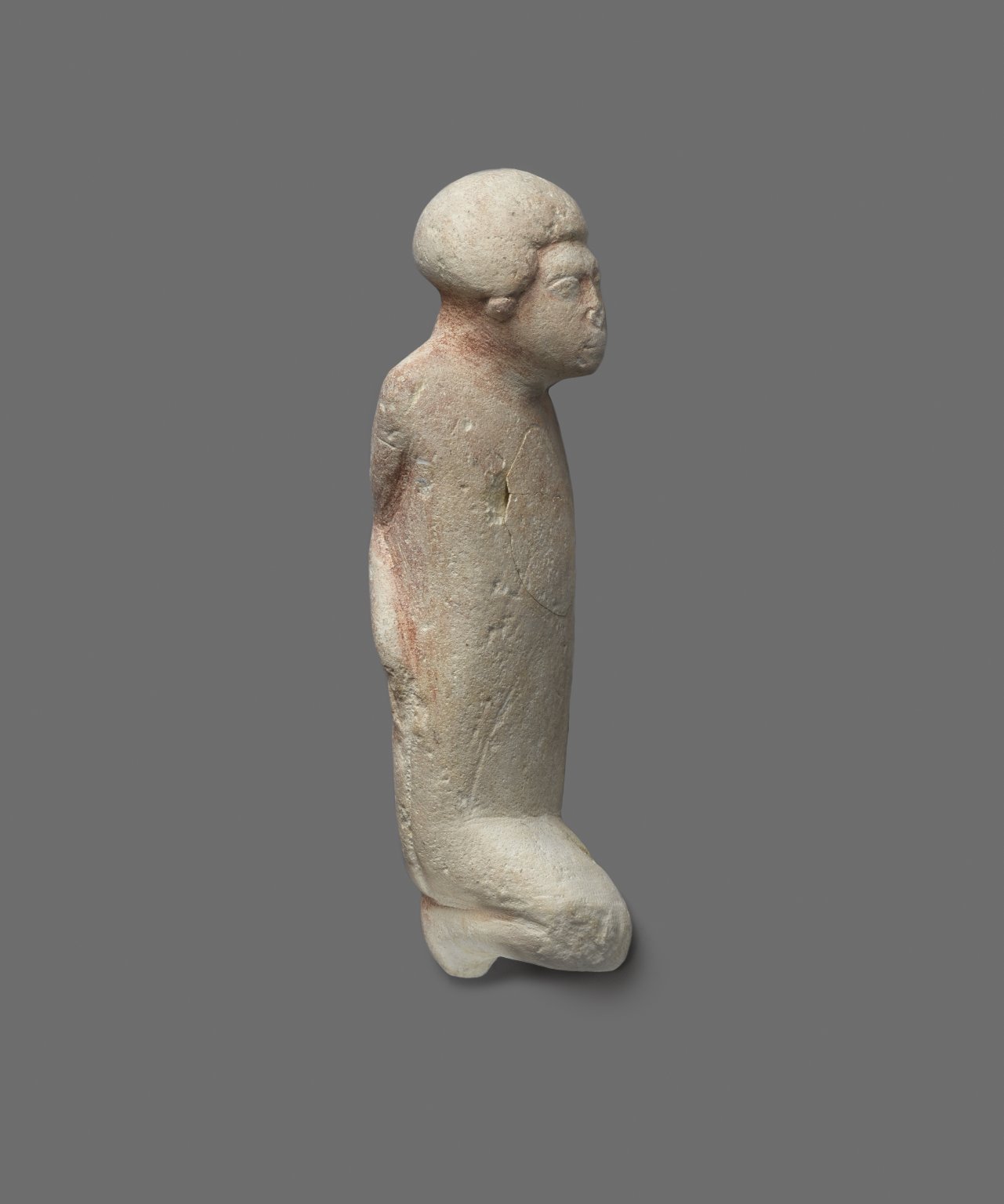
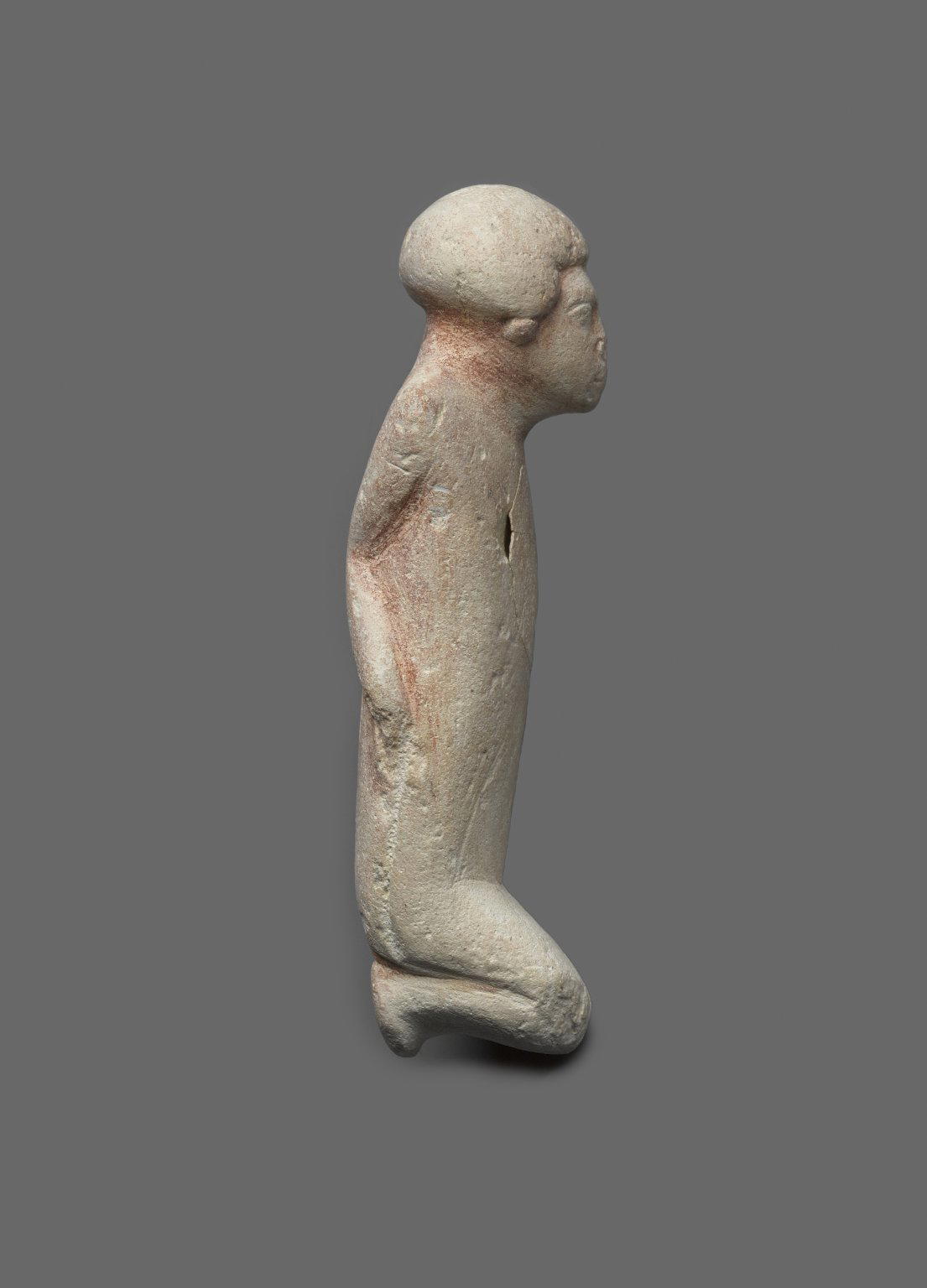
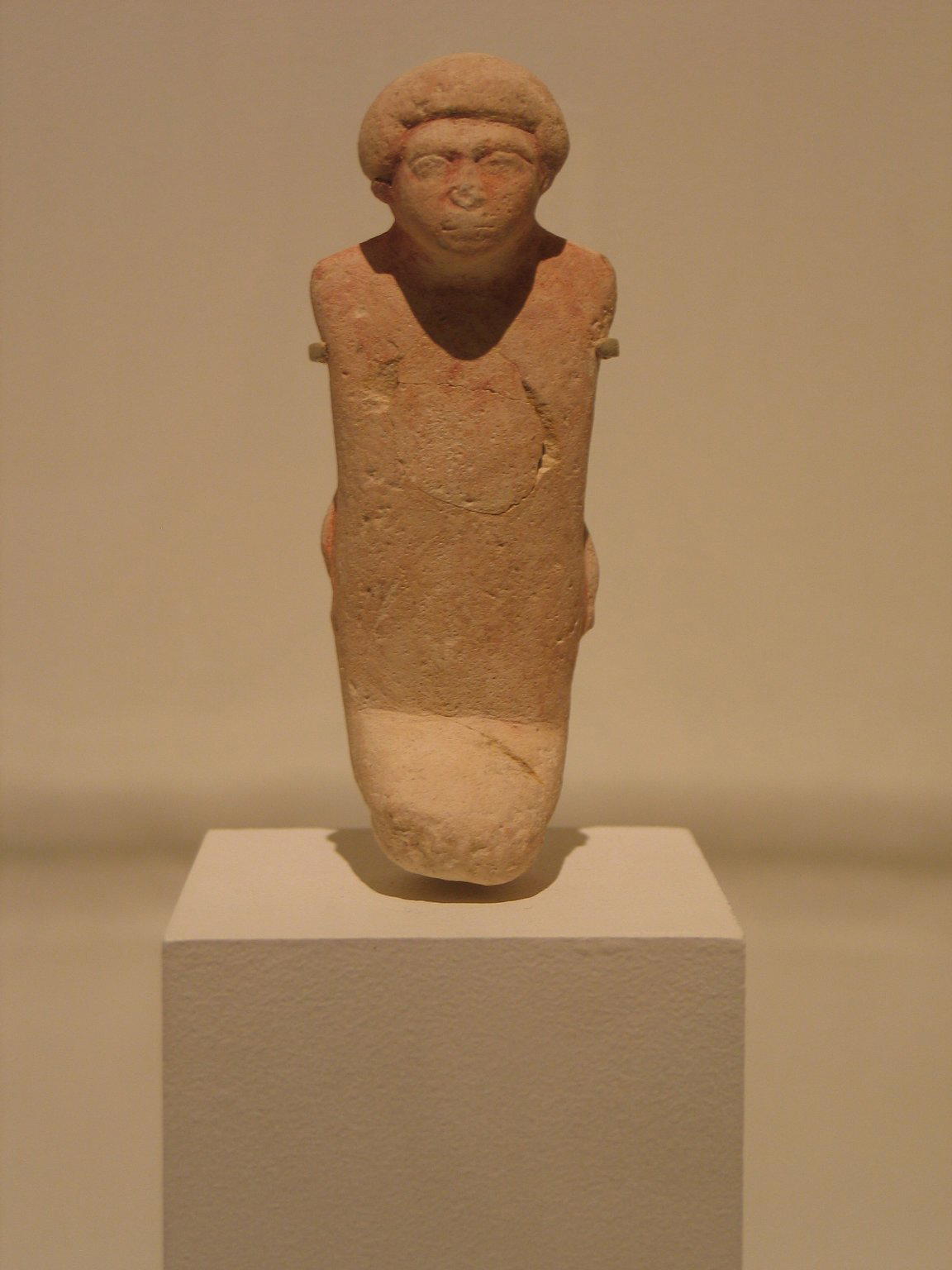
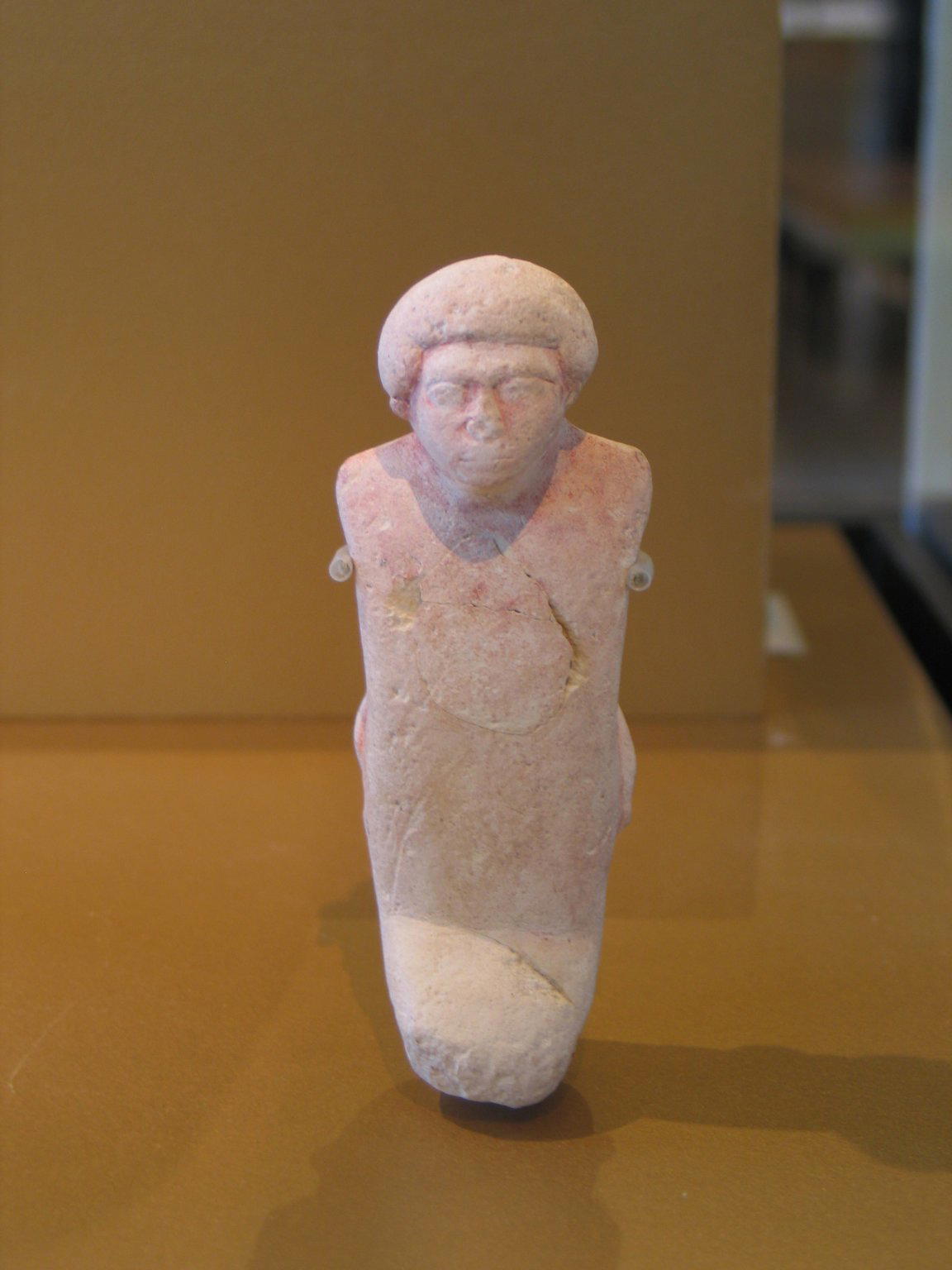
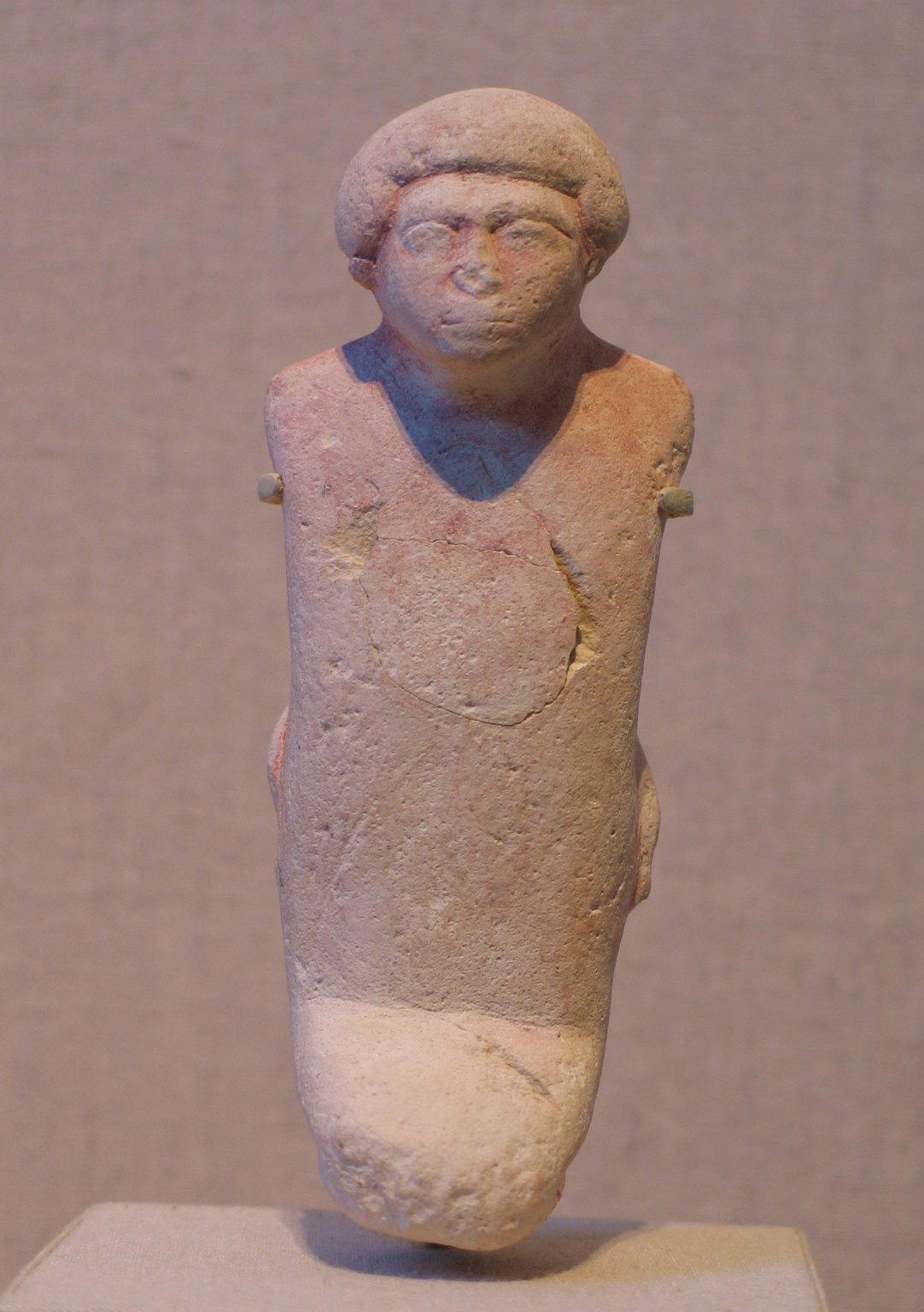
The ancient Egyptians thought of their country as the center of the ordered universe. They saw foreigners as emanations of chaos that had to be controlled or even annihilated. Since the Egyptians believed that images of things might be magically equated with the things themselves, ritually damaging and burying representations of bound foreigners (here a man from Nubia, a neighboring culture) was meant to guarantee dominion over potential enemies and control over external threats to order.
Caption
Egyptian. Bound Nubian Prisoner, ca. 1979–1801 B.C.E.. Limestone, 4 7/16 x 1 3/4 x 1 3/8 in. (11.3 x 4.5 x 3.5 cm). Brooklyn Museum, Charles Edwin Wilbour Fund, 73.23. (Photo: Brooklyn Museum)
Culture
Title
Bound Nubian Prisoner
Date
ca. 1979–1801 B.C.E.
Dynasty
Dynasty 12 (possibly)
Period
Middle Kingdom (possibly)
Geography
Possible place made: Thebes, Egypt
Medium
Limestone
Classification
Dimensions
4 7/16 x 1 3/4 x 1 3/8 in. (11.3 x 4.5 x 3.5 cm)
Credit Line
Charles Edwin Wilbour Fund
Accession Number
73.23
Have information?
Have information about an artwork? Contact us at