Sculptor’s Model of a Royal Head
381–2nd century B.C.E.
1 of 8
Object Label
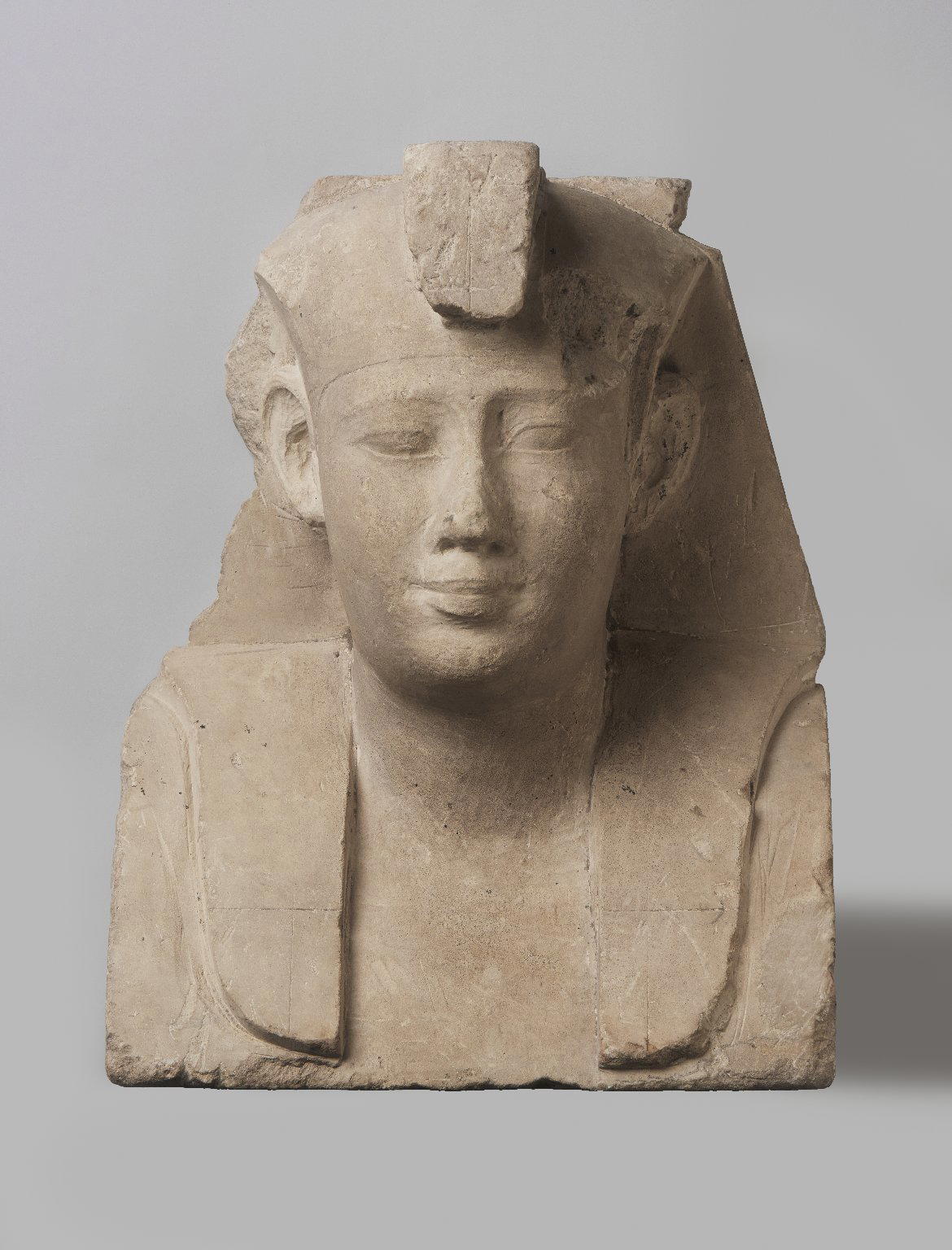
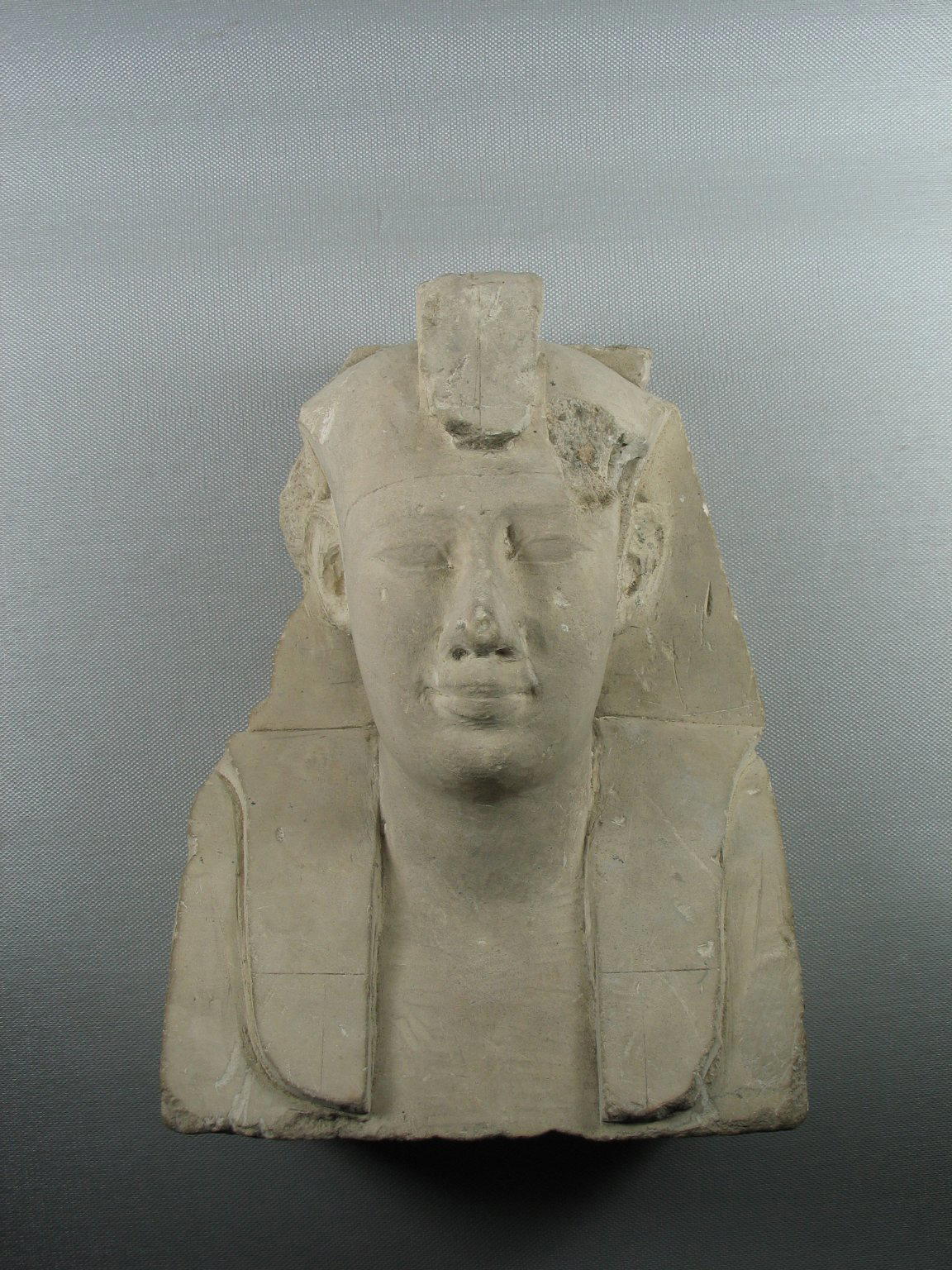
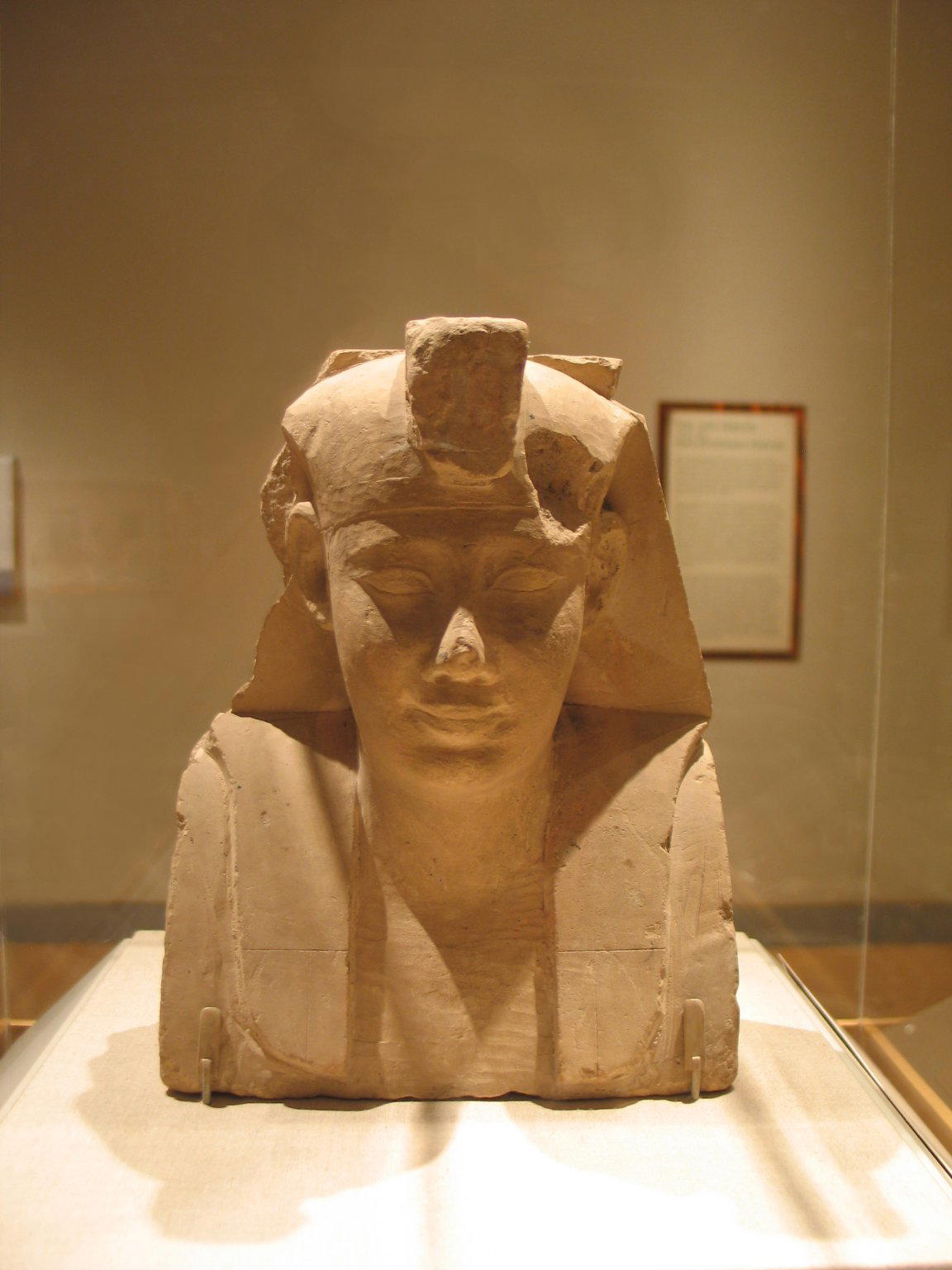
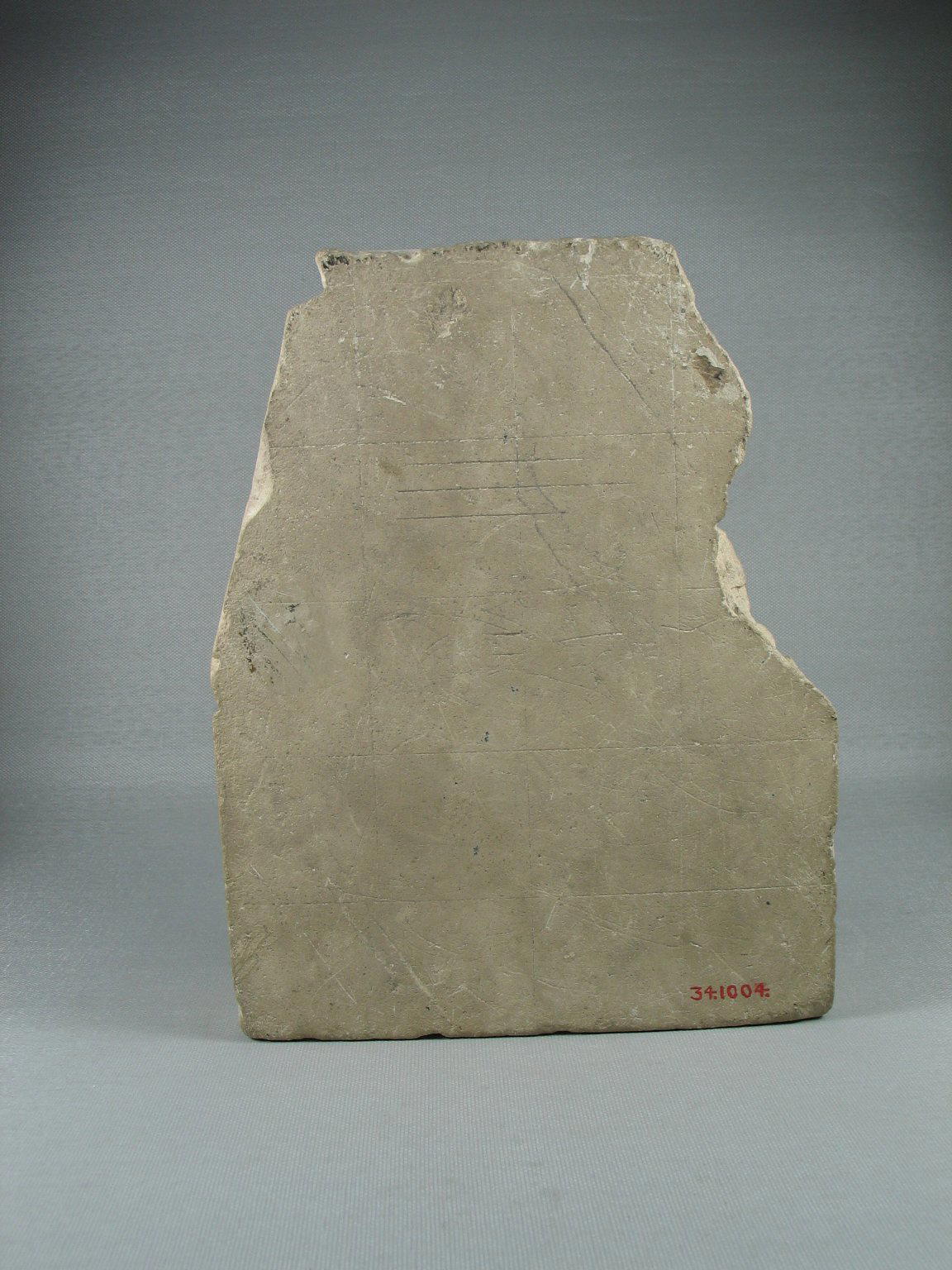
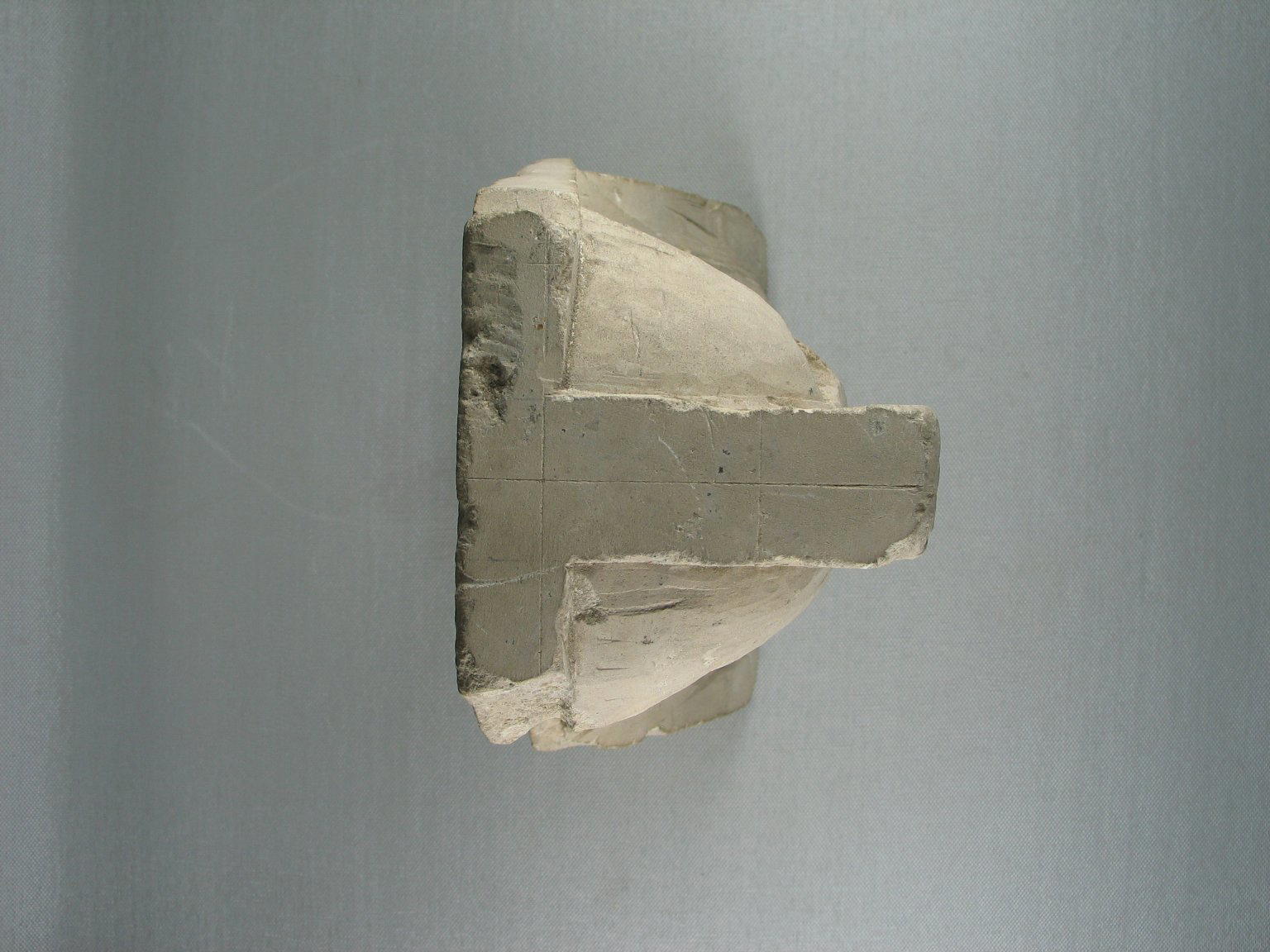
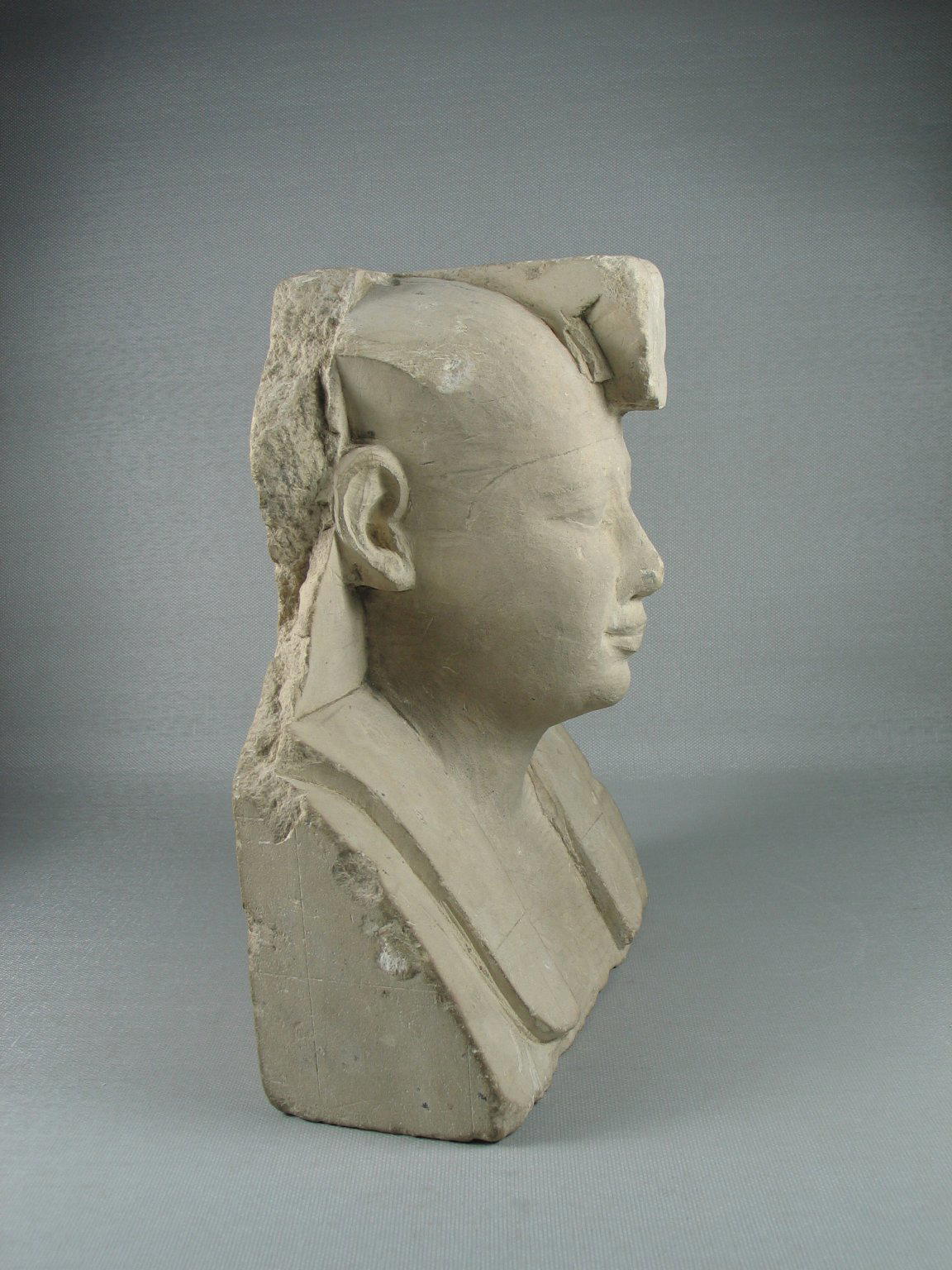
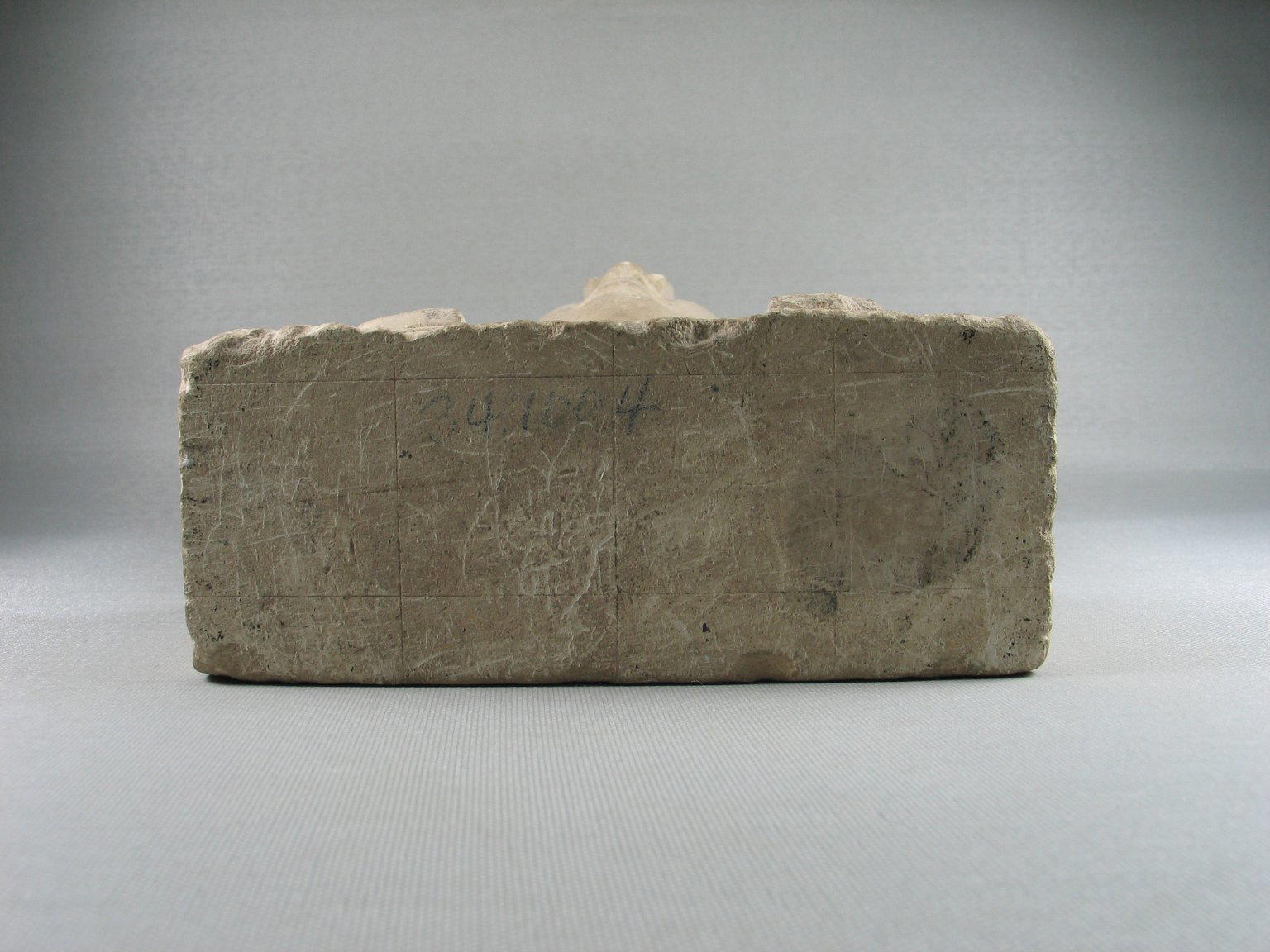
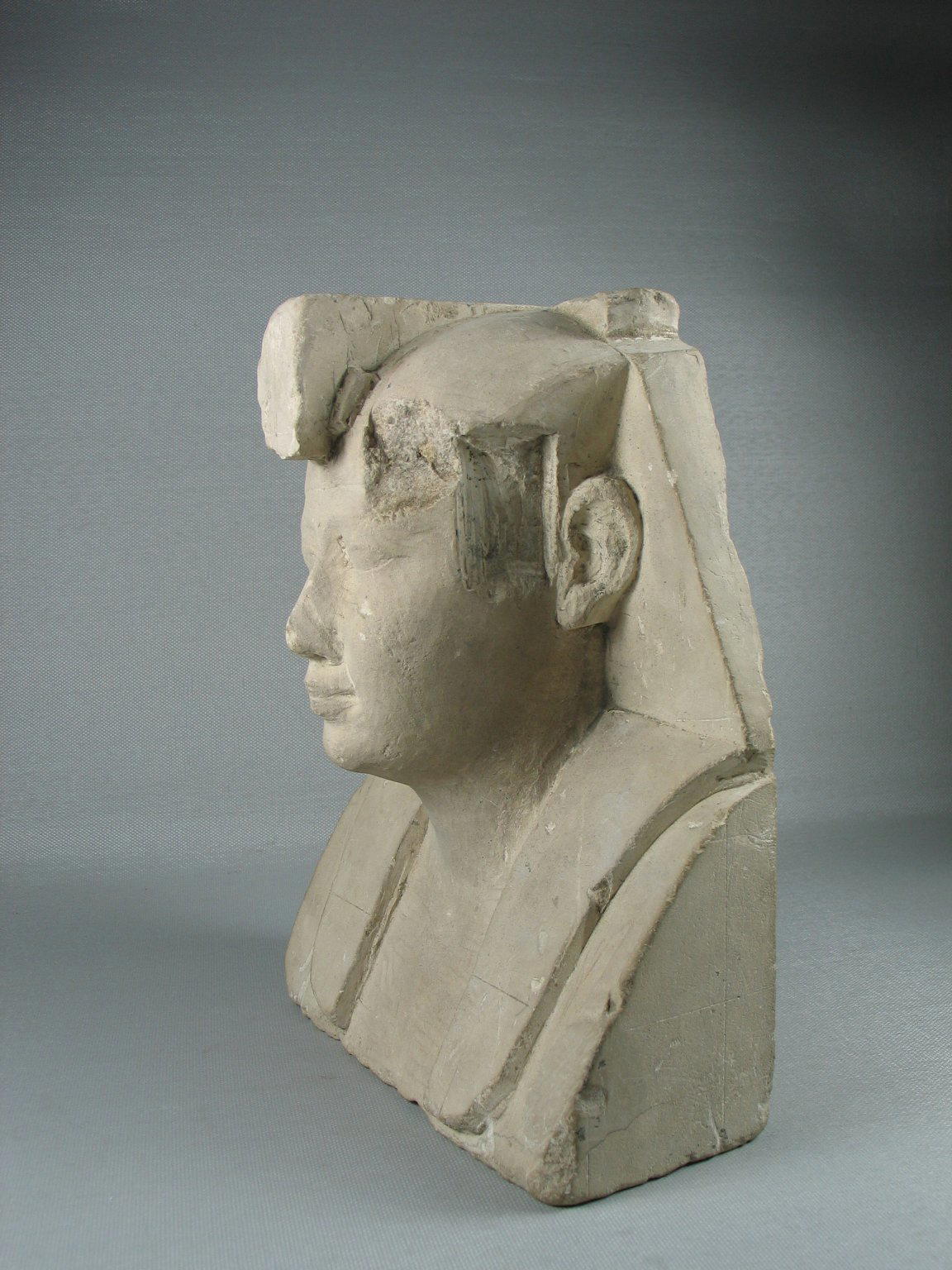
The incised grid lines on the sides and back of this sculpture and on the lappets of its headdress suggest that this figure was a sculptor’s model, or trial piece. The rectangular protrusion, from which a uraeus (a cobra on the forehead) would have been modeled, as well as the chisel marks on the chest, support this. However, because royal busts of this type were commonly found in temples, they may have served as a votive, or offering, to a divinity in his or her shrine.
Caption
Sculptor’s Model of a Royal Head, 381–2nd century B.C.E.. Limestone, 9 1/4 x 7 1/8 x 4 7/16 in. (23.5 x 18.1 x 11.2 cm). Brooklyn Museum, Charles Edwin Wilbour Fund, 34.1004. (Photo: Brooklyn Museum)
Gallery
Not on view
Gallery
Not on view
Have information?
Have information about an artwork? Contact us at