Statue of Hori Represented as a Scribe


1 of 15
Object Label
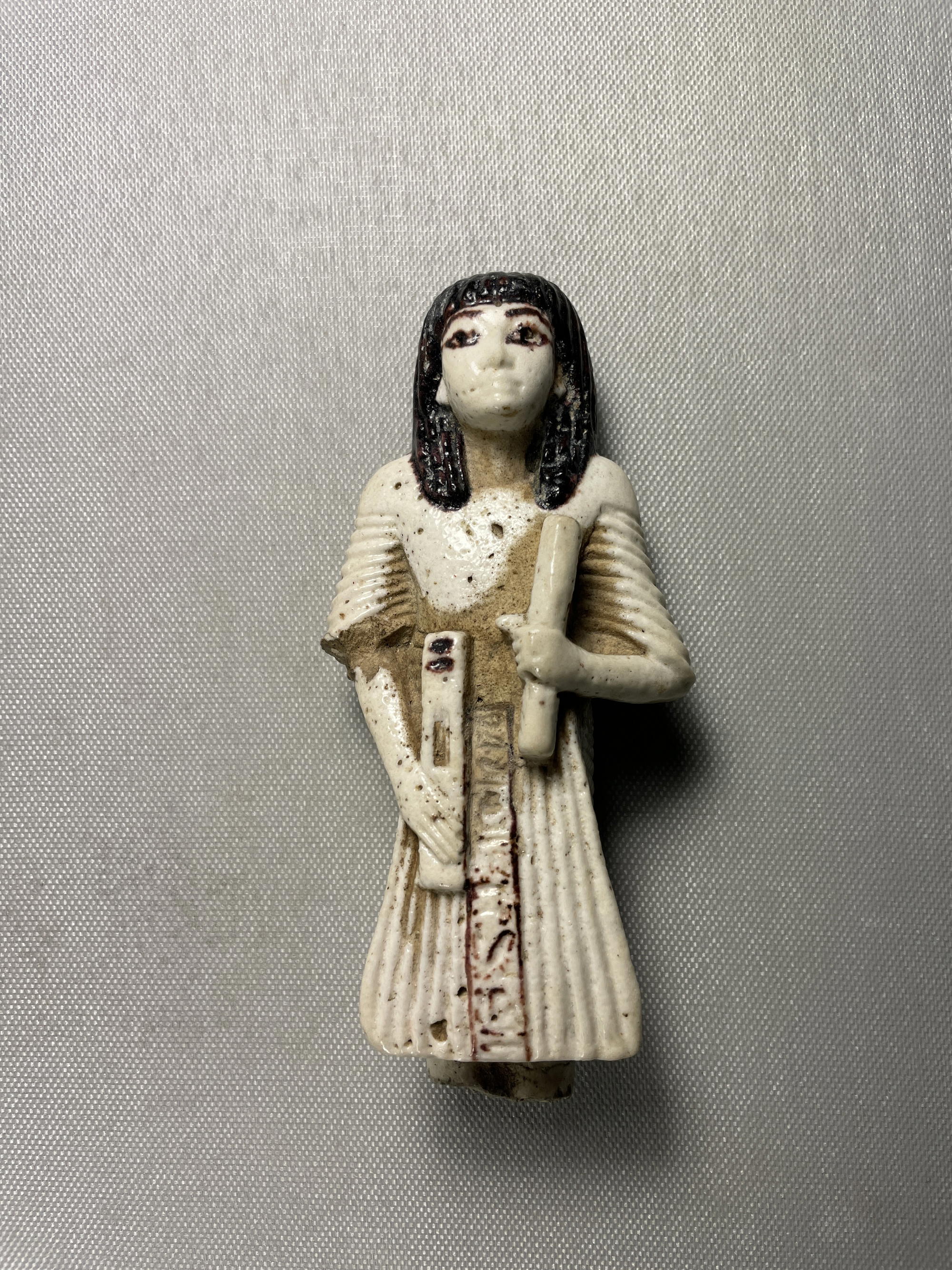
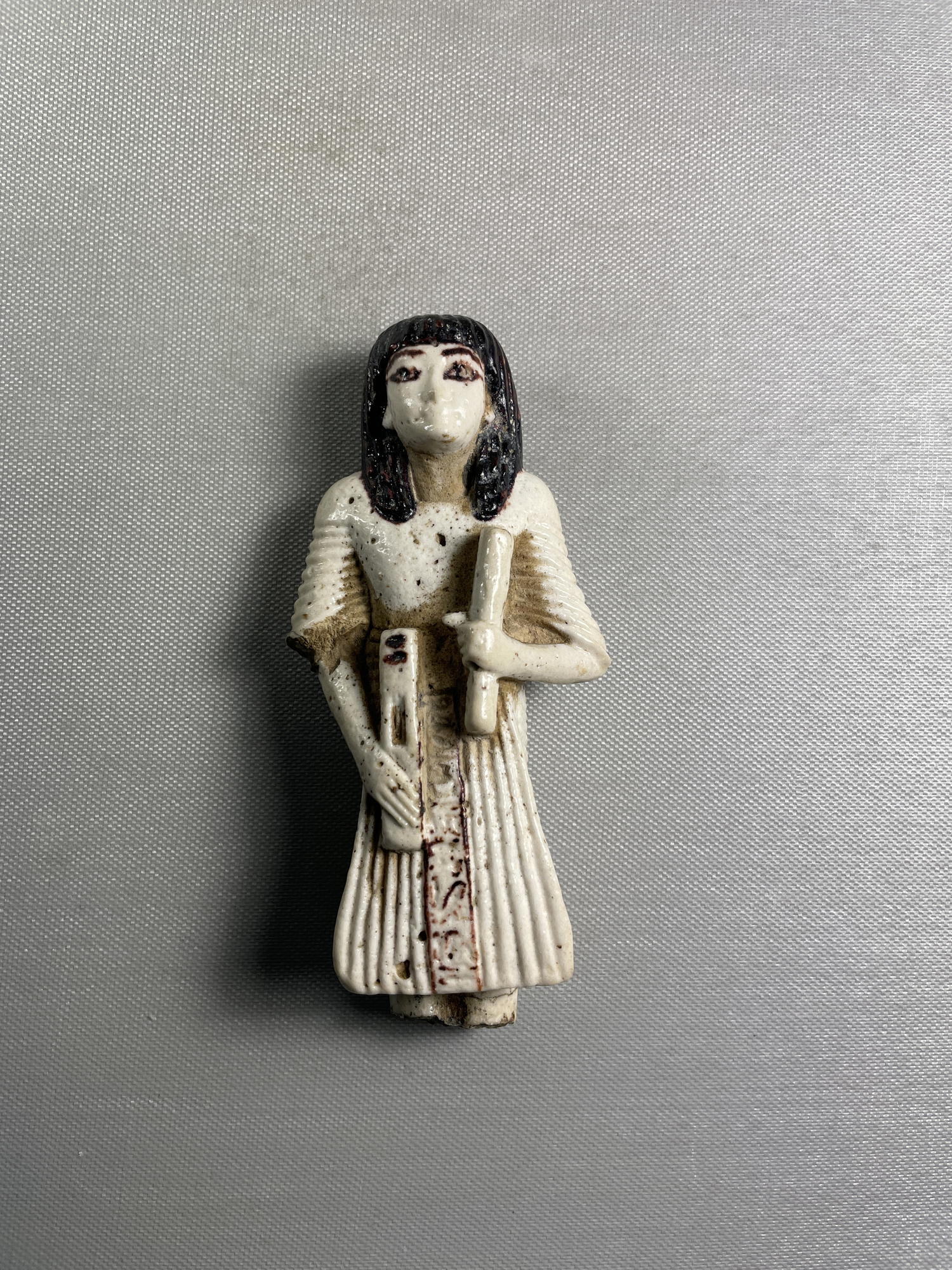
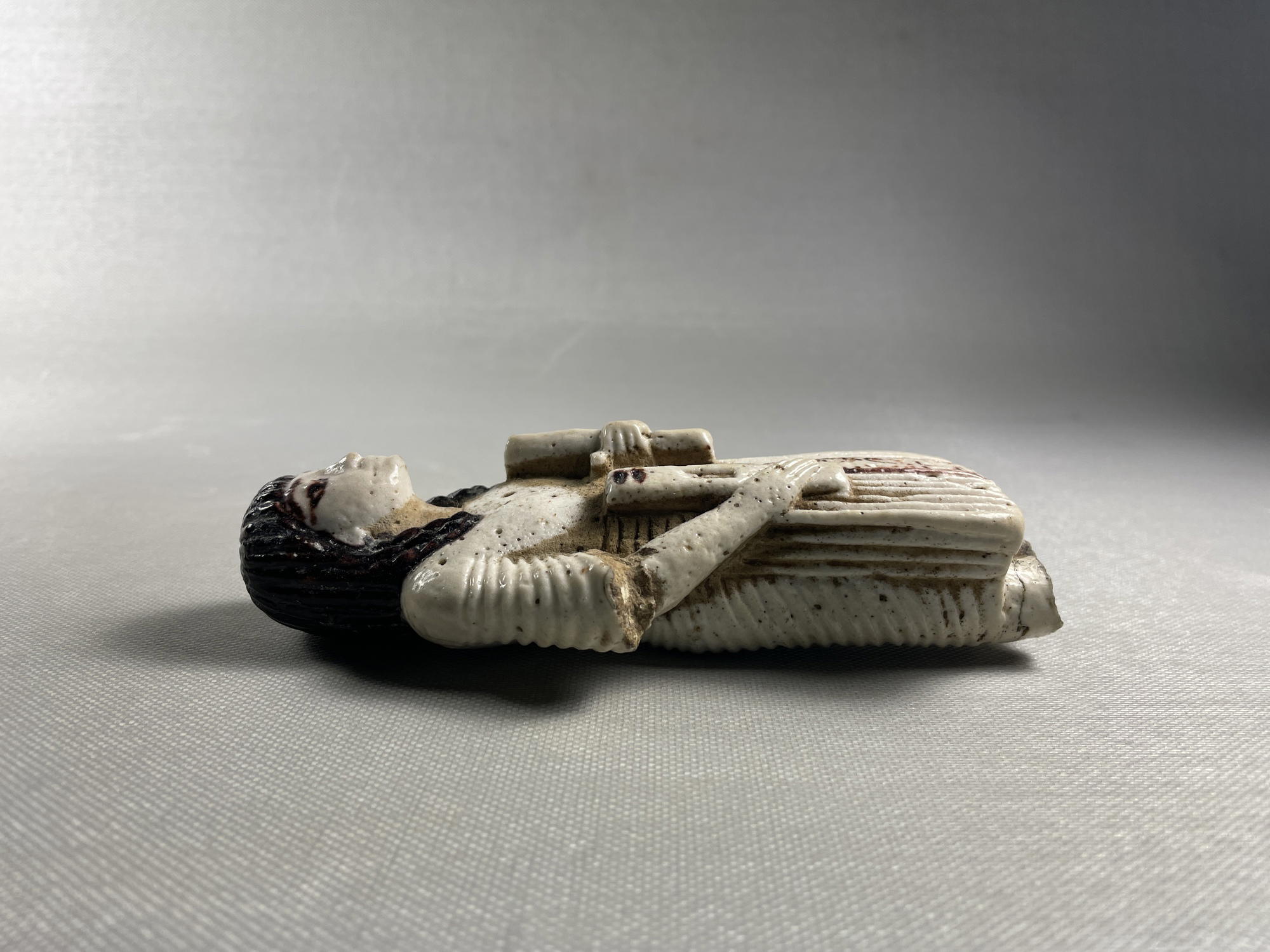
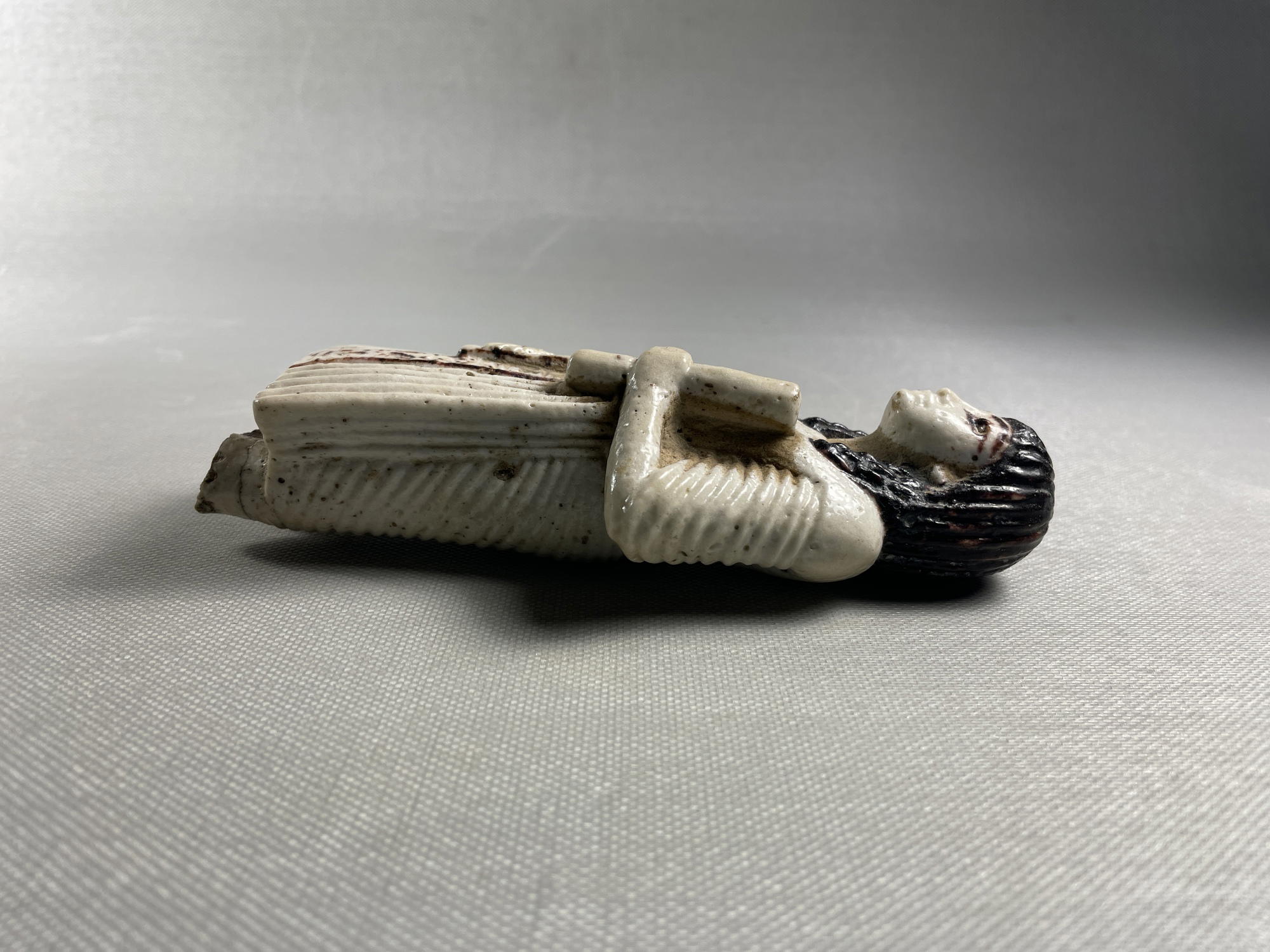
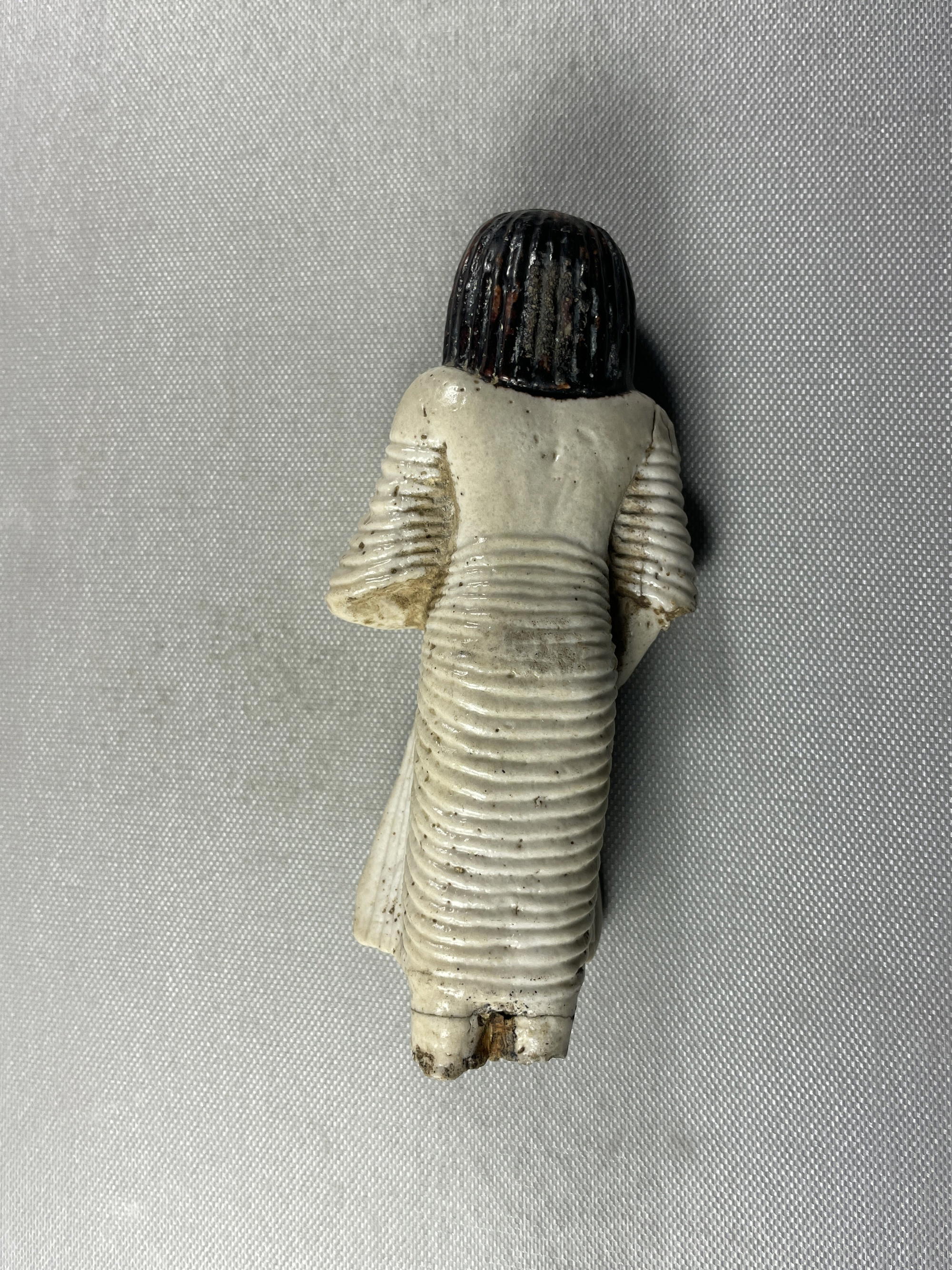
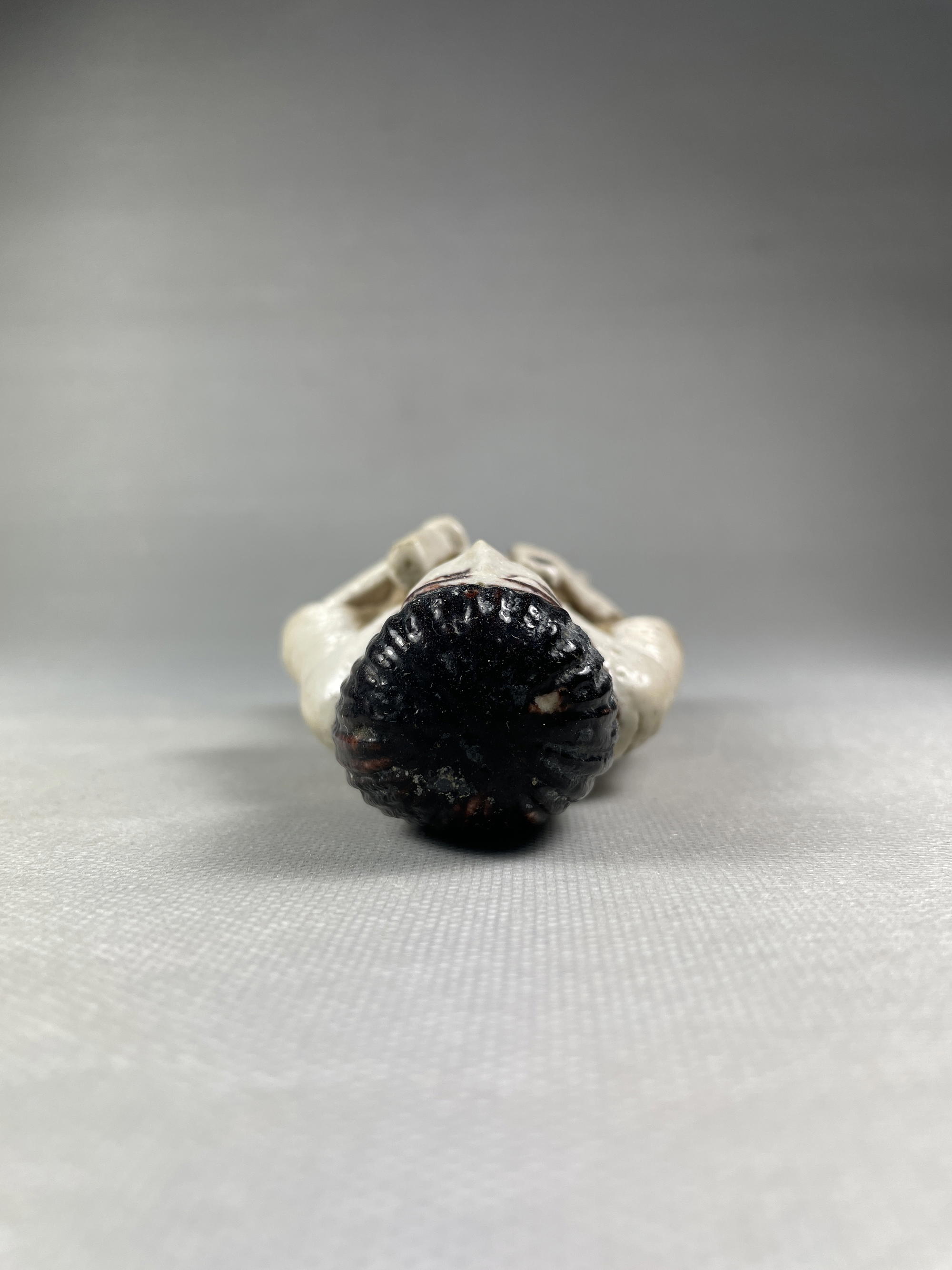
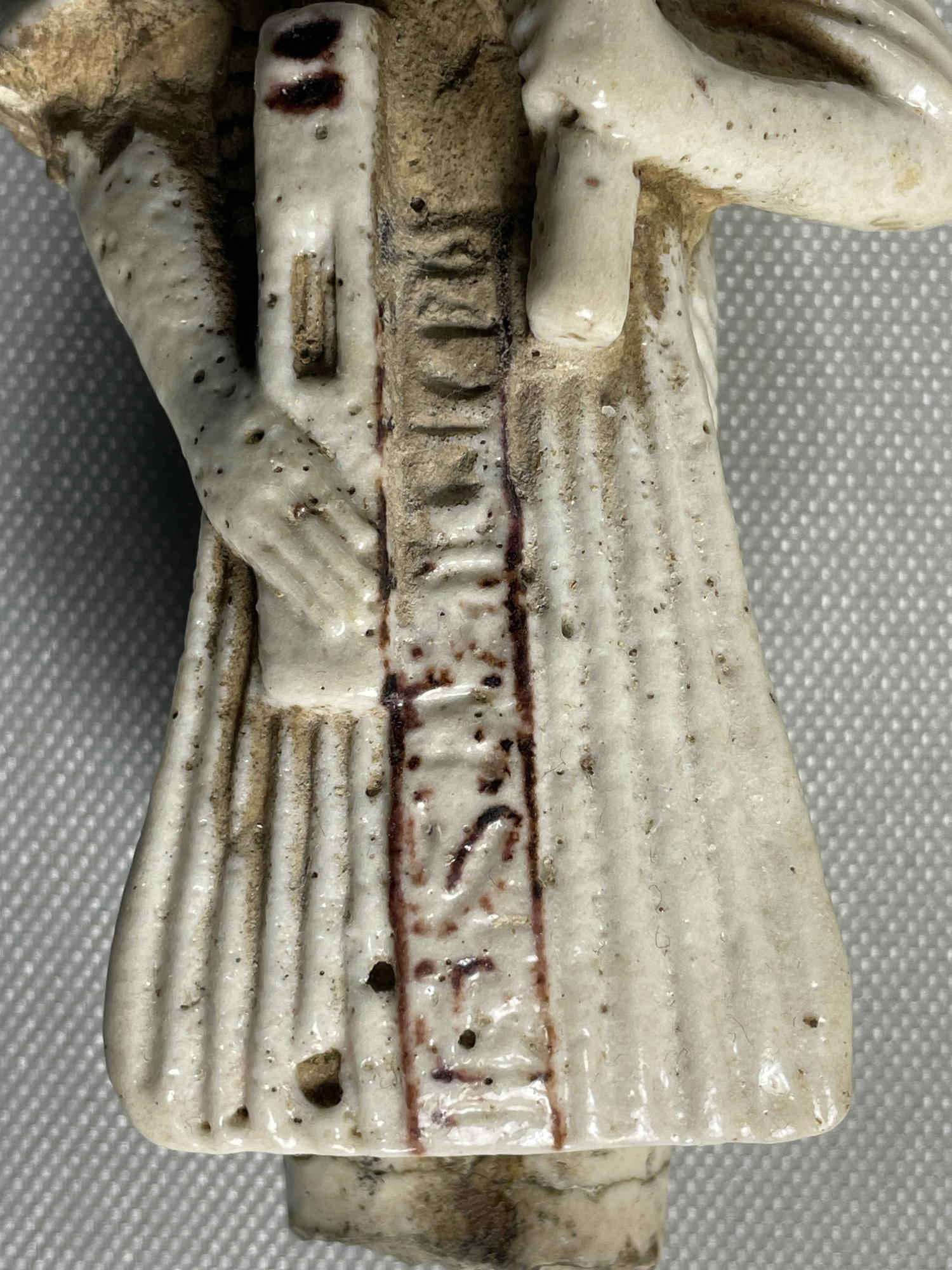
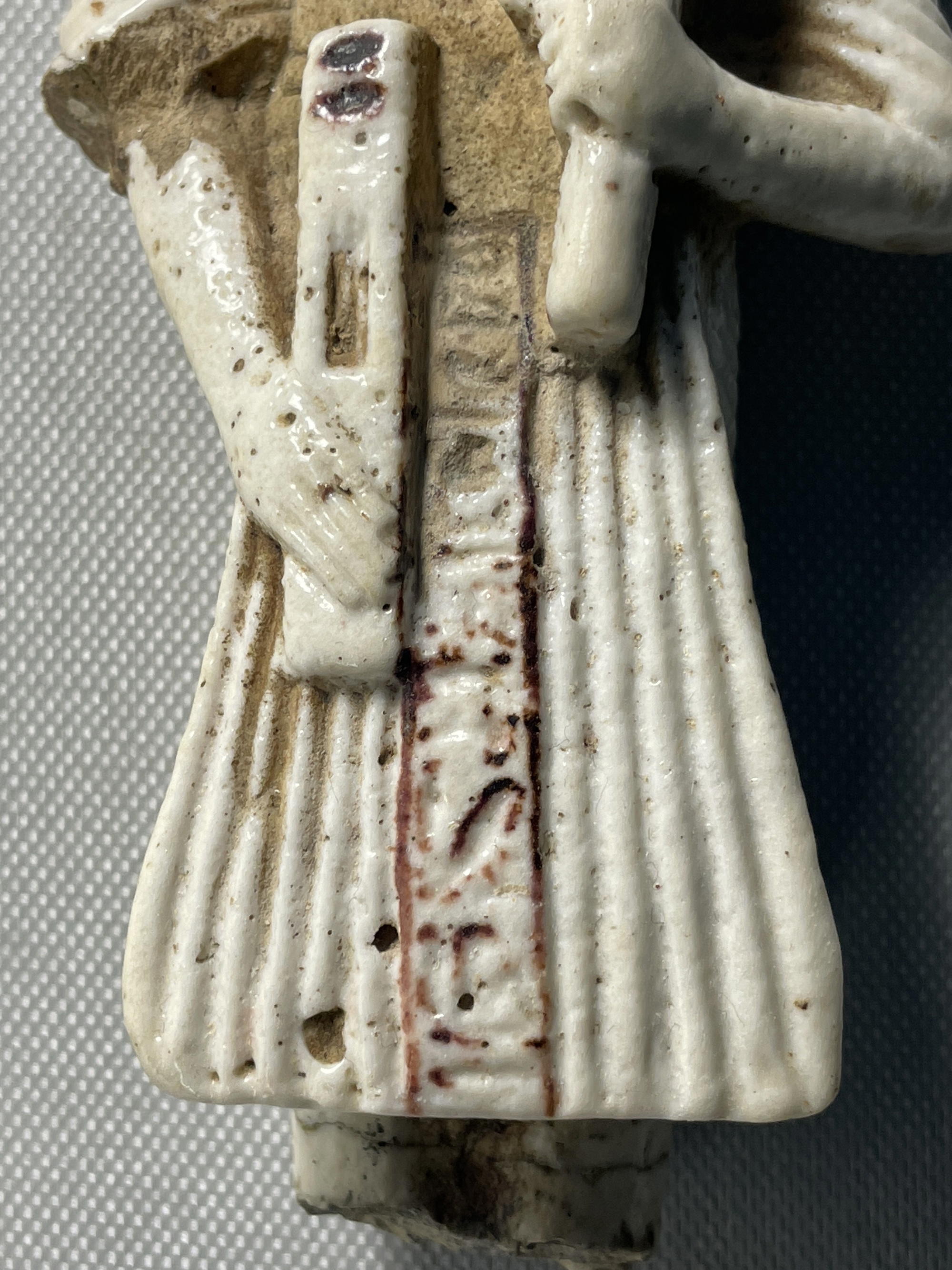
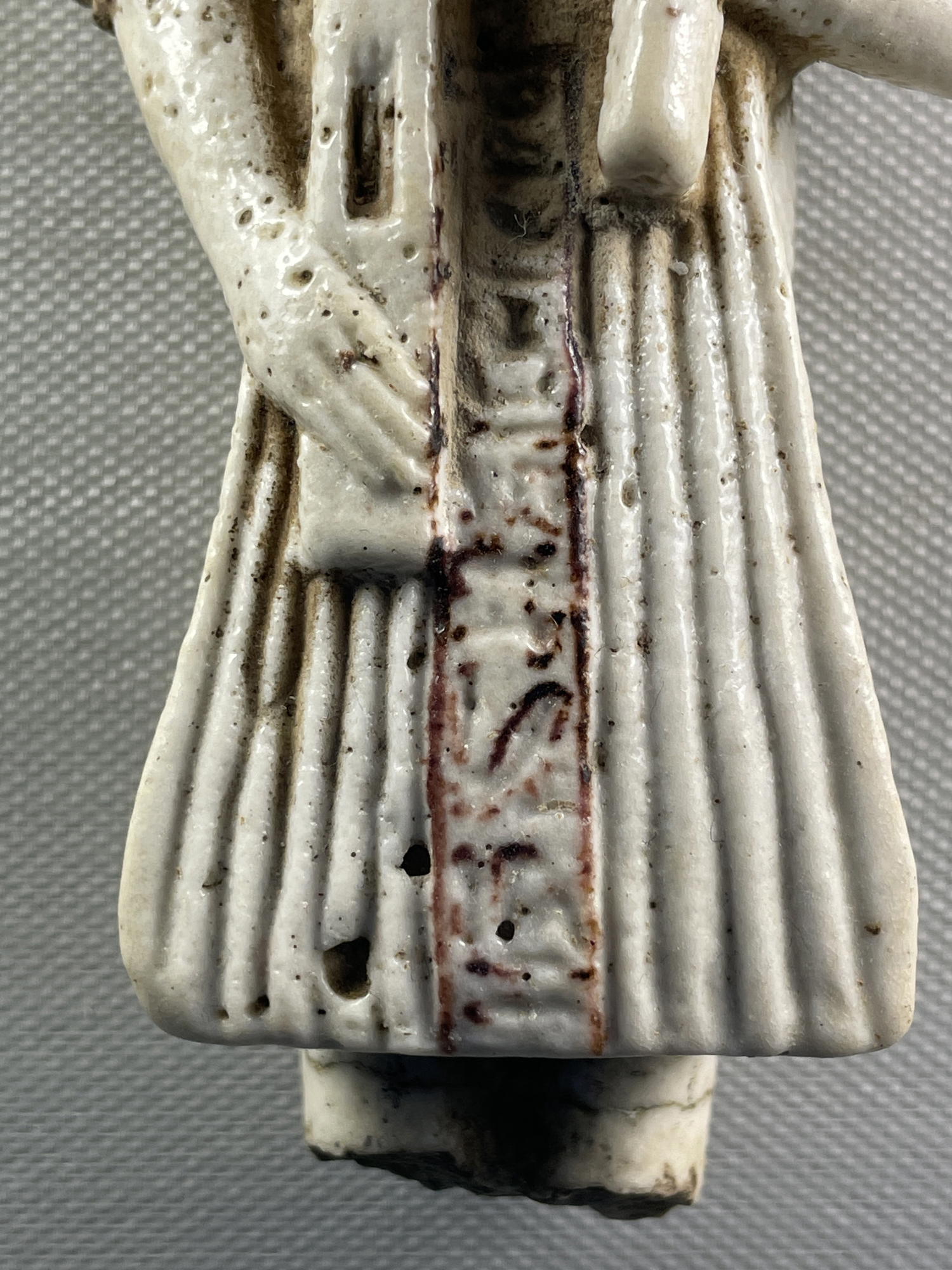
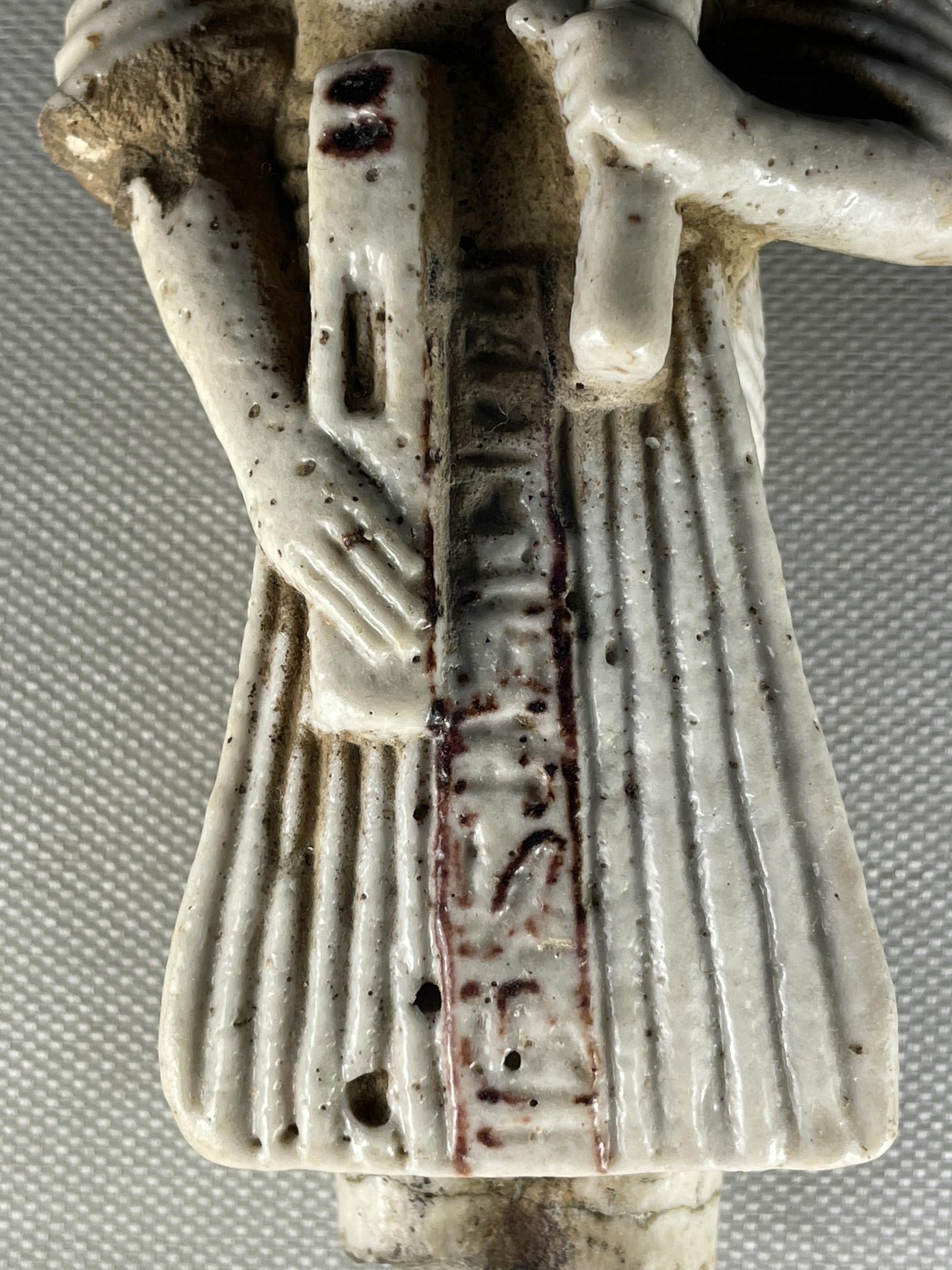
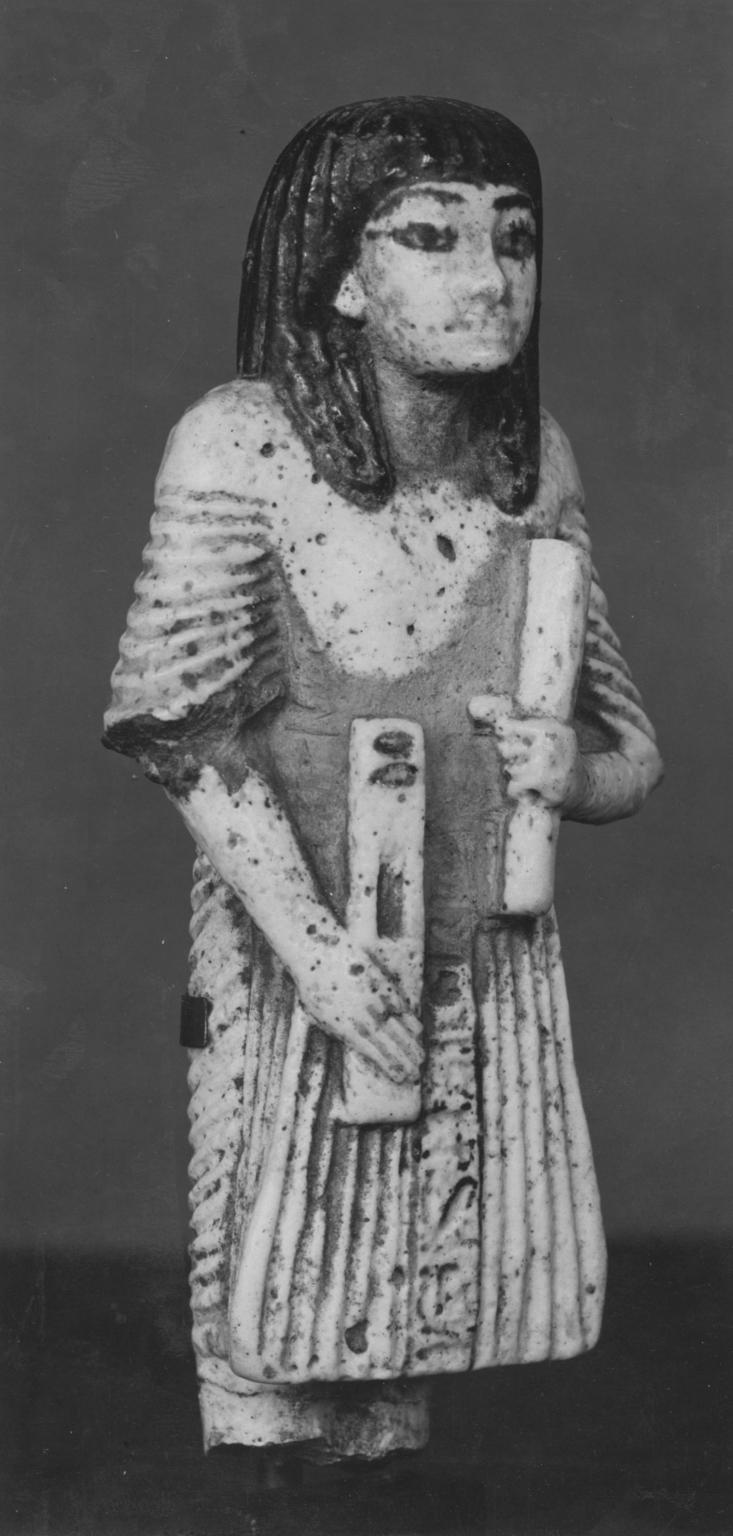
Fashioned much like a funerary figurine, or shabti, this statuette of a man named Hori features the fastidious braided wig and the loose, flowing, tightly pleated garments found in sculpture of late Dynasty XVIII and especially Dynasty XIX. In his right hand Hori holds a scribal palette, and in his left he clutches either a papyrus roll or a short, stout staff. Interestingly, although the inscription is damaged, enough survives to indicate that Hori was not a scribe.
Caption
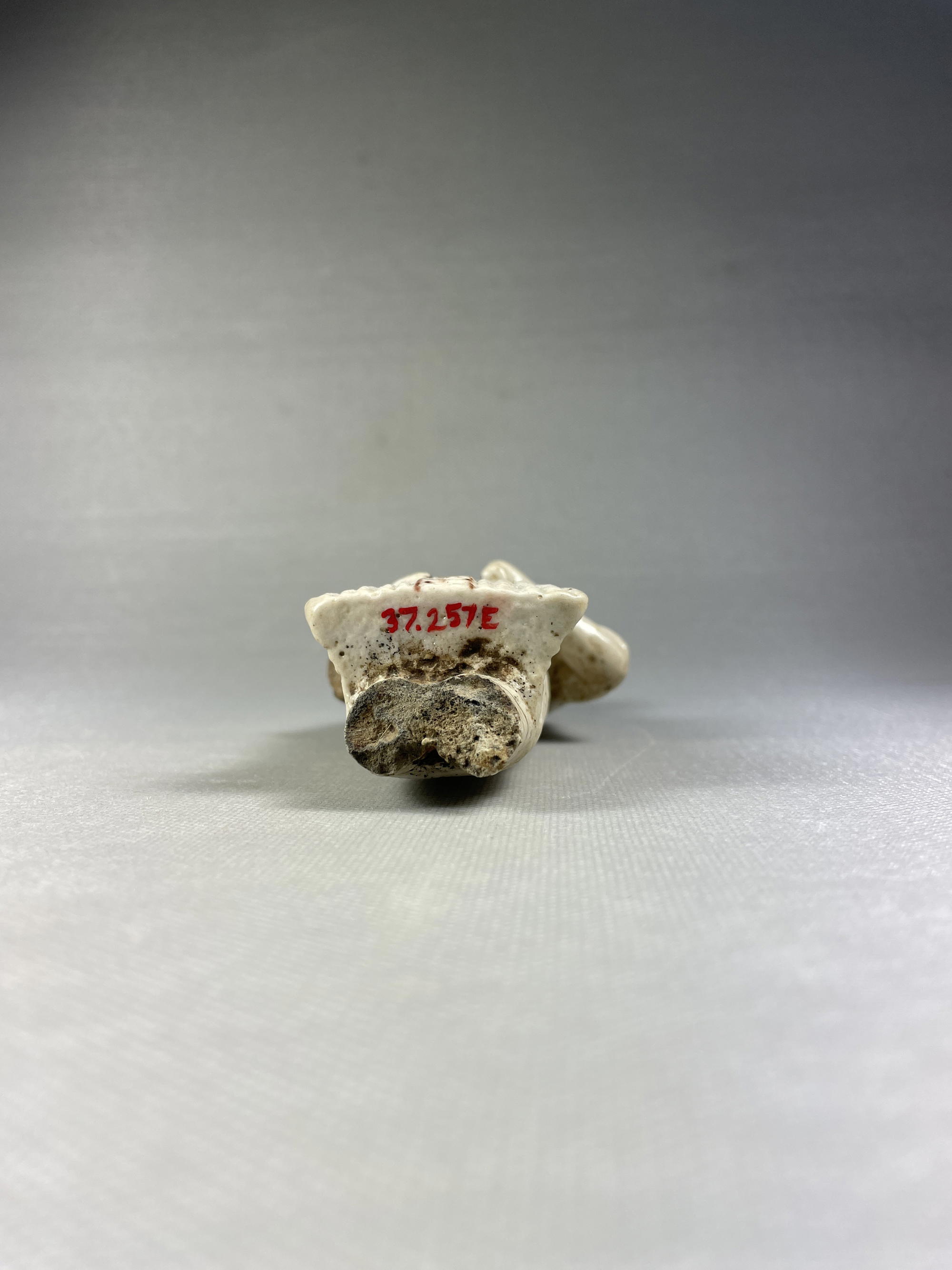
Statue of Hori Represented as a Scribe, ca. 1295–1185 B.C.E.. Faience, 5 1/4 x 2 5/8 x 1 3/16 in. (13.3 x 6.6 x 3 cm) mount (dimensions as installed): 9 × 2 3/4 × 1 5/8 in. (22.9 × 7 × 4.1 cm). Brooklyn Museum, Charles Edwin Wilbour Fund, 37.257E. (Photo: Brooklyn Museum)
Gallery
Not on view
Gallery
Not on view
Title
Statue of Hori Represented as a Scribe
Date
ca. 1295–1185 B.C.E.
Dynasty
Dynasty 19
Period
New Kingdom
Geography
Possible place made: Thebes, Egypt
Medium
Faience
Classification
Dimensions
5 1/4 x 2 5/8 x 1 3/16 in. (13.3 x 6.6 x 3 cm) mount (dimensions as installed): 9 × 2 3/4 × 1 5/8 in. (22.9 × 7 × 4.1 cm)
Credit Line
Charles Edwin Wilbour Fund
Accession Number
37.257E
Have information?
Have information about an artwork? Contact us at