Scribe and Treasurer, Sety
ca. 1479–1458 B.C.E.


1 of 15
Object Label
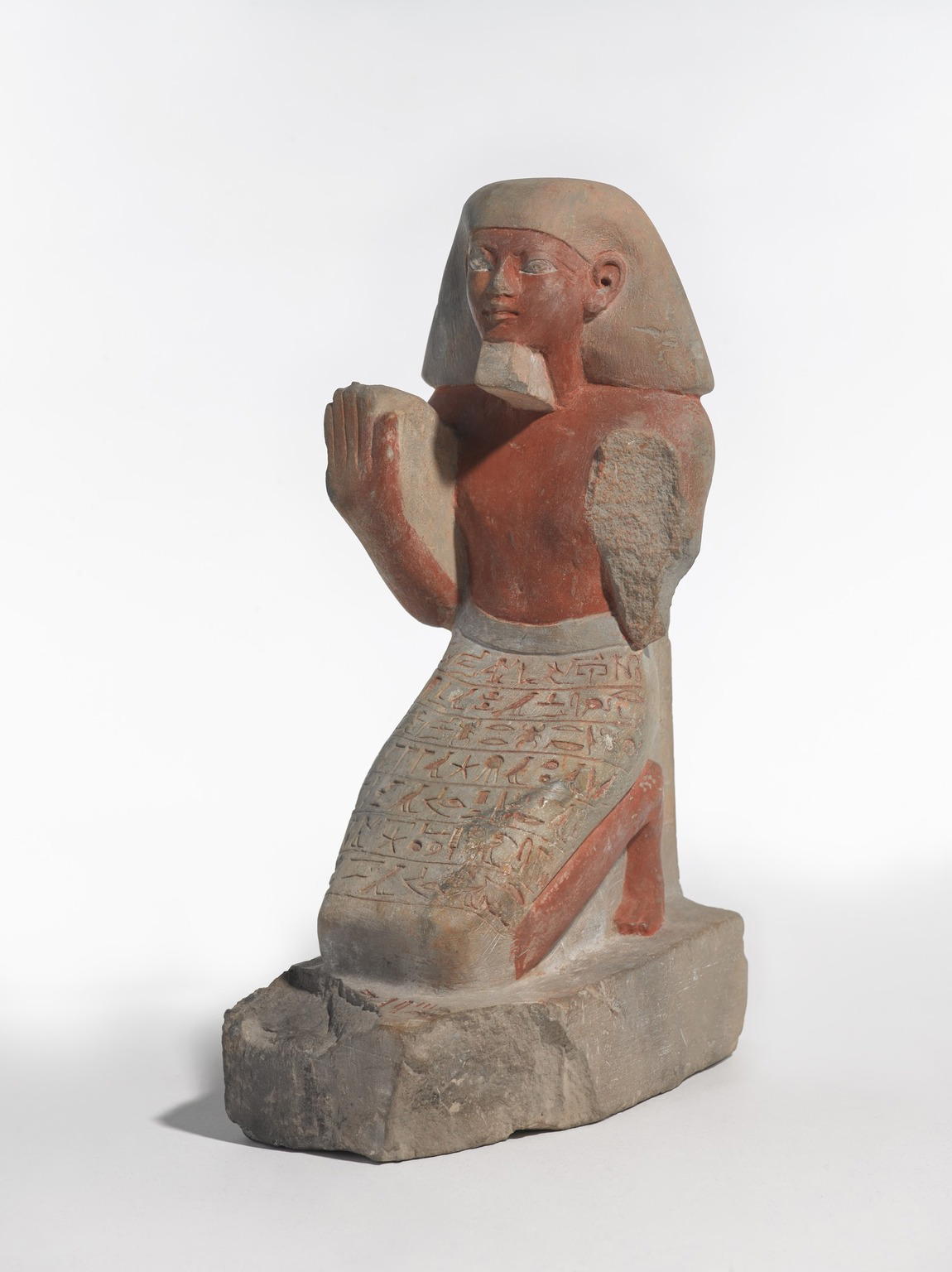
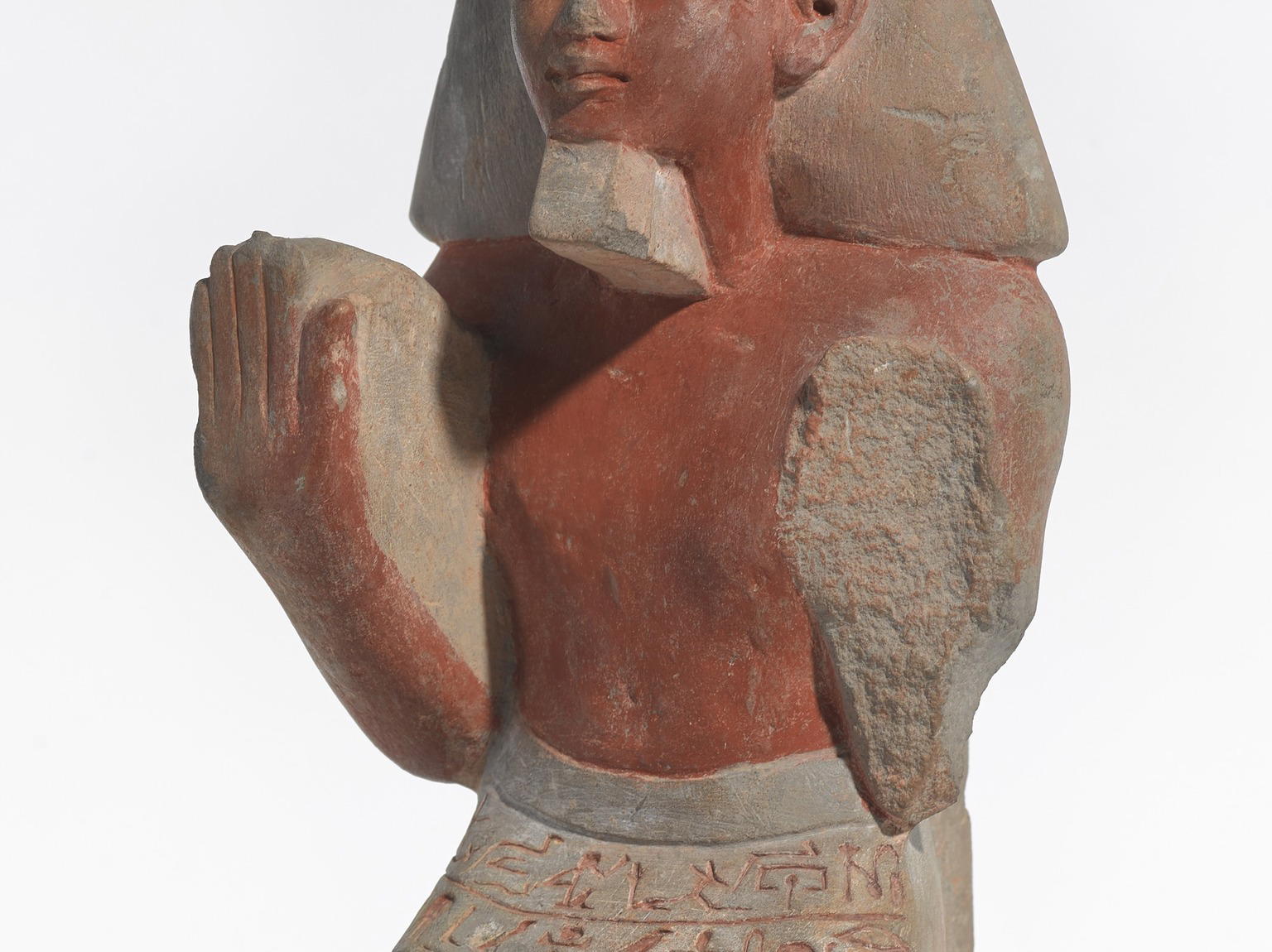
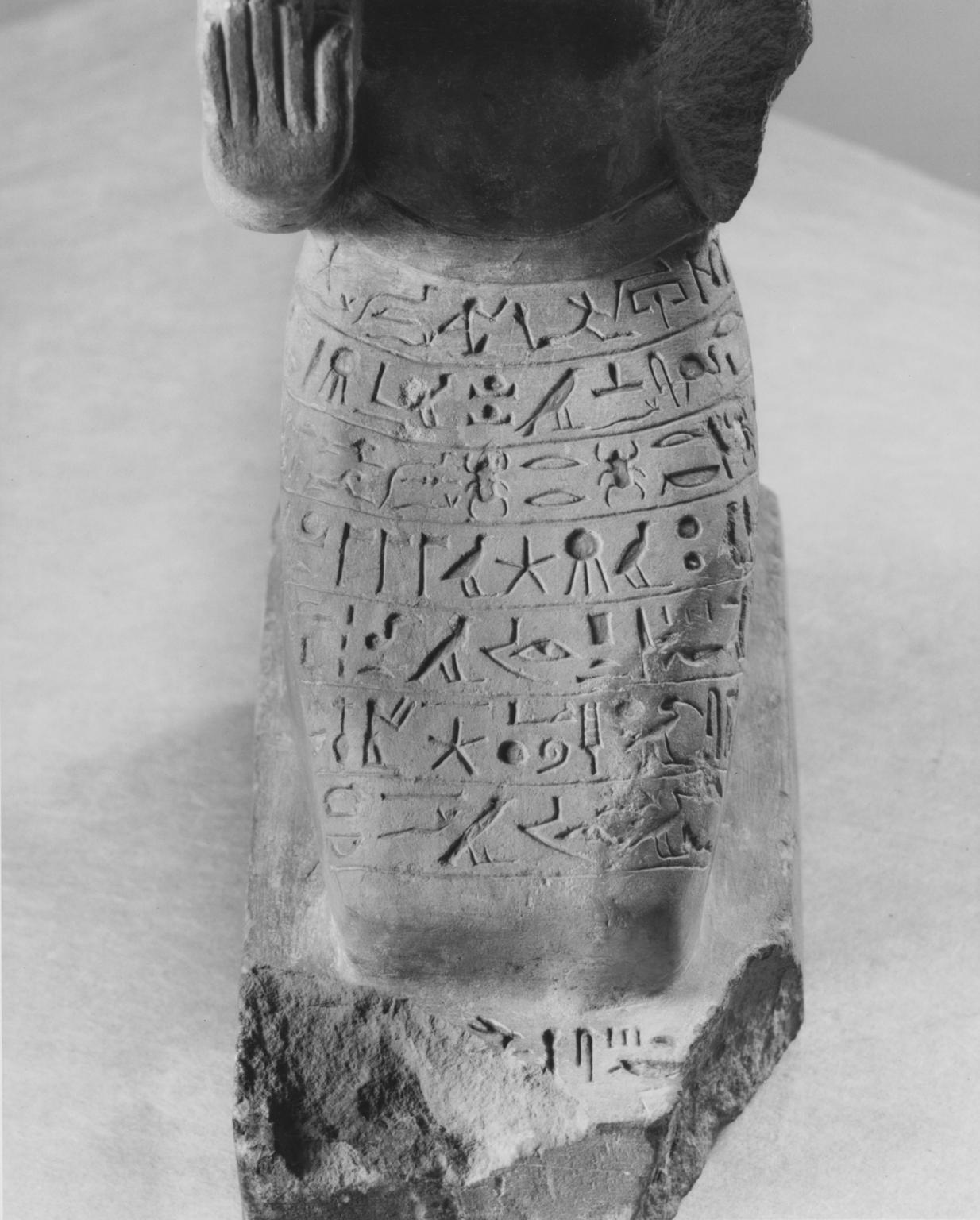
This statue of Sety, a scribe and superintendent of the treasury, is an early example of a non-royal person shown kneeling. The figure’s pose, the obeliskshaped back pillar (a solar symbol), and the inscribed prayer to the sun-god Re indicate that the statue was set into a niche above Sety’s tomb, facing east to greet the sunrise.
Later kneeling figures of this type often hold a stela inscribed with a prayer, eliminating the need for clumsy stone bridges like the ones that reinforce the hands in this work.
Later kneeling figures of this type often hold a stela inscribed with a prayer, eliminating the need for clumsy stone bridges like the ones that reinforce the hands in this work.
Caption
Scribe and Treasurer, Sety, ca. 1479–1458 B.C.E.. Limestone, pigment, 13 × 4 × 7 1/2 in., 10.5 lb. (33 × 10.2 × 19.1 cm, 4.76kg). Brooklyn Museum, Charles Edwin Wilbour Fund, 37.263E.
Gallery
Not on view
Gallery
Not on view
Title
Scribe and Treasurer, Sety
Date
ca. 1479–1458 B.C.E.
Dynasty
Dynasty 18
Period
New Kingdom
Geography
Reportedly from: Thebes, Egypt
Medium
Limestone, pigment
Classification
Dimensions
13 × 4 × 7 1/2 in., 10.5 lb. (33 × 10.2 × 19.1 cm, 4.76kg)
Credit Line
Charles Edwin Wilbour Fund
Accession Number
37.263E
Frequent Art Questions
Why are officials presented as kneeling?
 This statue is in the pose of praising or worshipping. Oftentimes these sculptures were created by officials to stay in a temple as their placeholder and participate in ceremonies and rituals for them. Think of it as having a statue sit in for you at church. Only people with a good amount of money (like officials) could afford these sort of things.
Have information?
Have information about an artwork? Contact us at