Stela of Amenemhat
ca. 1938–1875 B.C.E.


1 of 4
Object Label
The four lines of hieroglyphic text at the top of this stela list what every Egyptian wanted in the afterlife: “thousands of portions of cattle, fowl, bread, alabaster, linen, and all kinds of green vegetables.” The inscription below mentions the name of the deceased, a man called Amunemhat, and his mother, Shabut. Amunemhat’s image appears just to the left of the offering table in the traditional place of honor. He was probably born in the reign of Amunemhat I and named for that king.
Caption
Stela of Amenemhat, ca. 1938–1875 B.C.E.. Limestone, pigment, 17 × 21 × 2 1/2 in. (43.2 × 53.3 × 6.4 cm). Brooklyn Museum, Charles Edwin Wilbour Fund, 37.1346E. (Photo: Brooklyn Museum)
Gallery
Not on view
Gallery
Not on view
Title
Stela of Amenemhat
Date
ca. 1938–1875 B.C.E.
Dynasty
early Dynasty 12
Period
Middle Kingdom
Geography
Reportedly from: Saqqara, Egypt
Medium
Limestone, pigment
Classification
Dimensions
17 × 21 × 2 1/2 in. (43.2 × 53.3 × 6.4 cm)
Credit Line
Charles Edwin Wilbour Fund
Accession Number
37.1346E
Frequent Art Questions
What is the significance of the woman holding the lily flower?
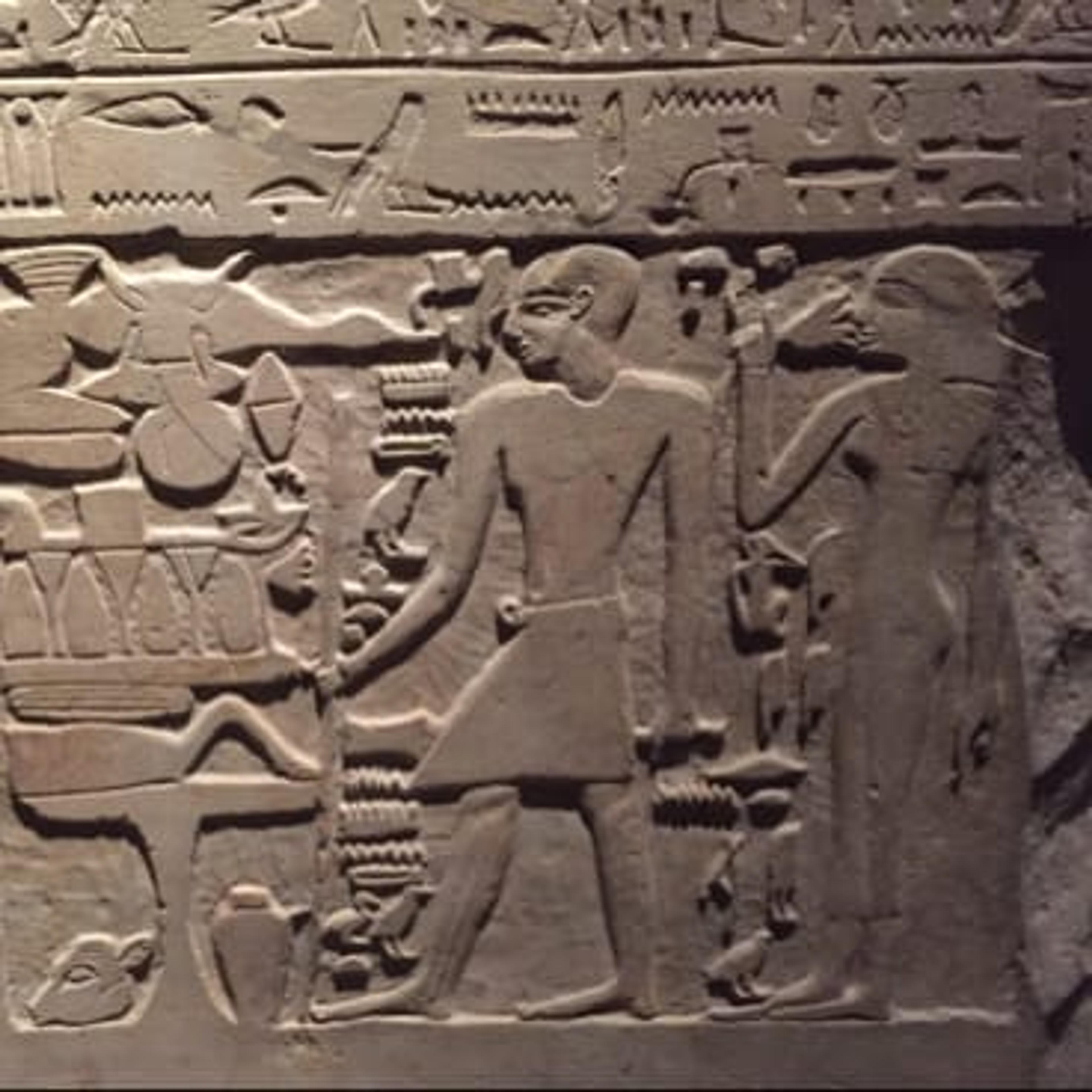 Thank you, I can read the number from the first label. Shabut appears to be holding a lotus flower, a common symbol in Ancient Egypt, associated with the all-important marshes where it grows as well as birth and rebirth.
What does this mean?
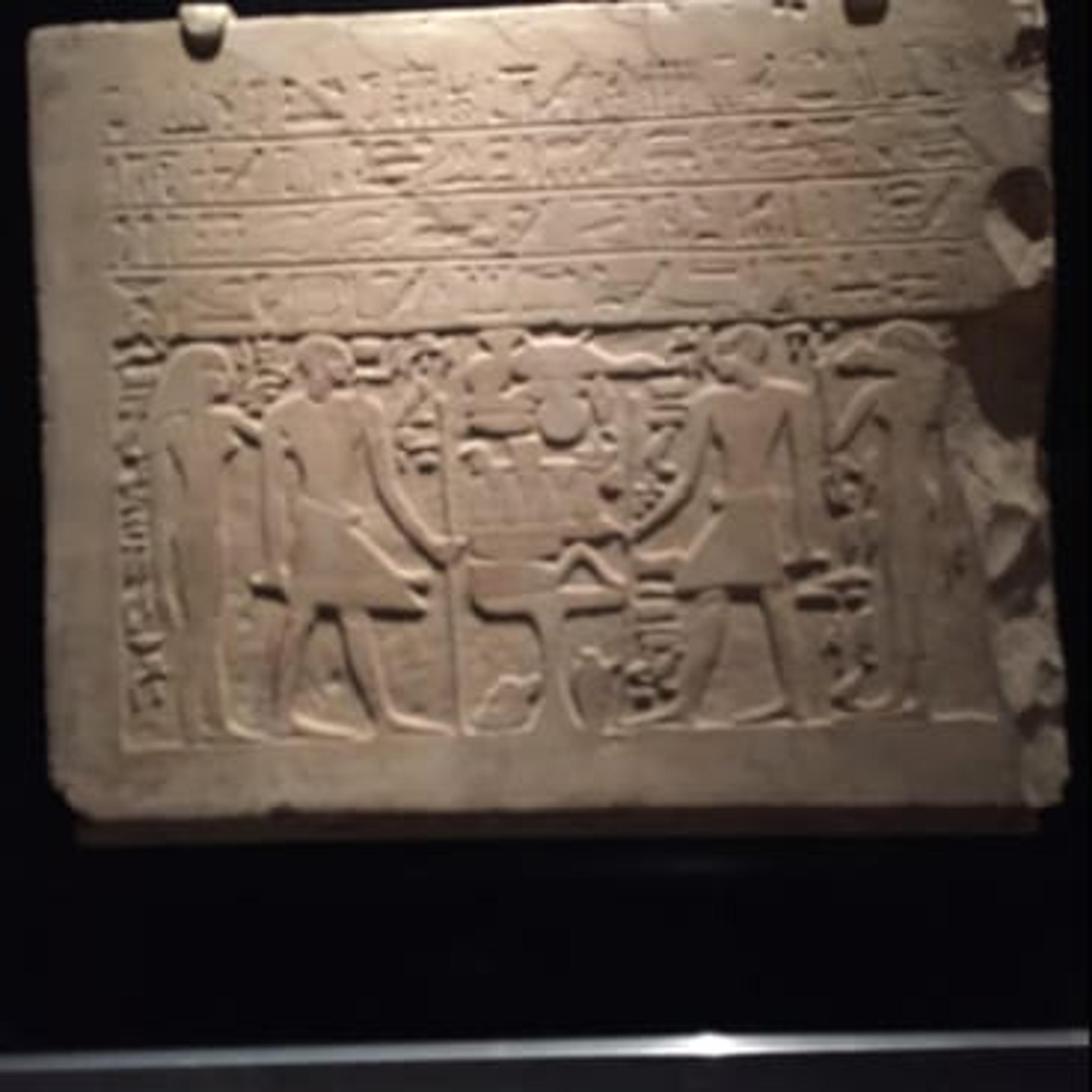 This is the Stela of Amunemhat. The hieroglyphs and the images discuss things Amunemhat wanted for a prosperous afterlife like lots of cattle, food, and fancy clothes.When was this made?This was carved around 1938-1875 BCE, so almost 4000 years ago! That time in Ancient Egypt was called the Middle Kingdom.
Have information?
Have information about an artwork? Contact us at