Illustrated Papyrus





1 of 31
Object Label
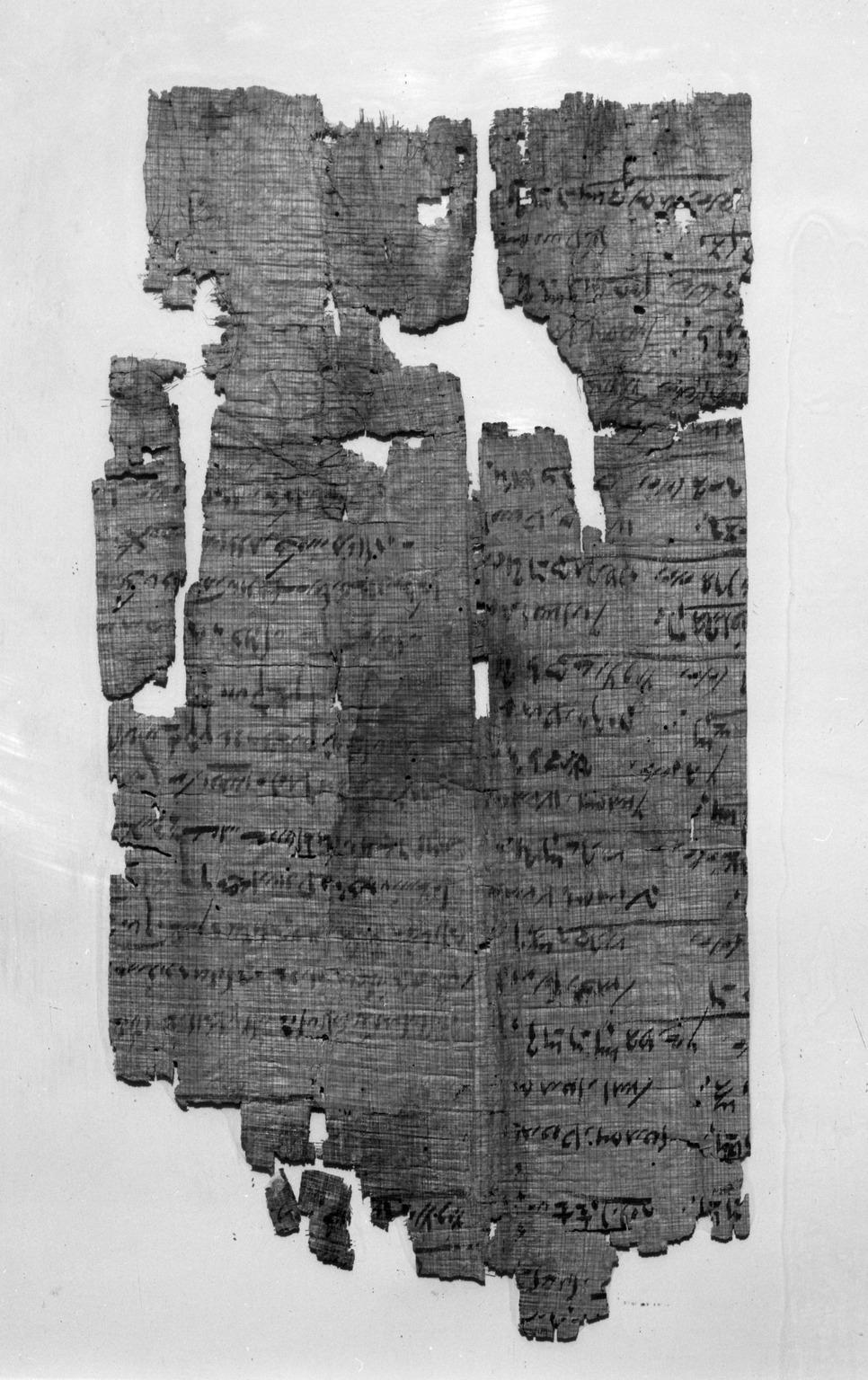
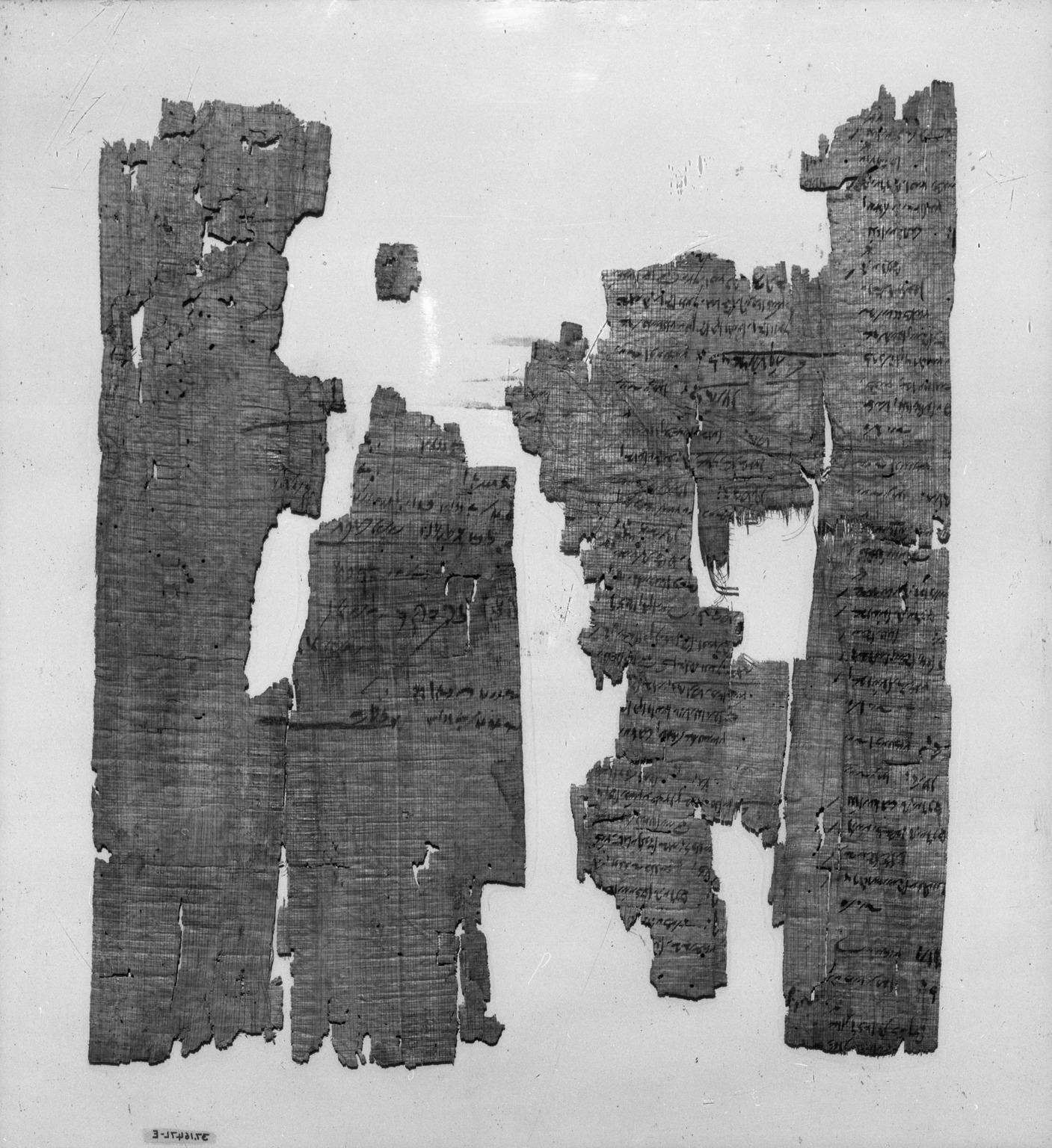
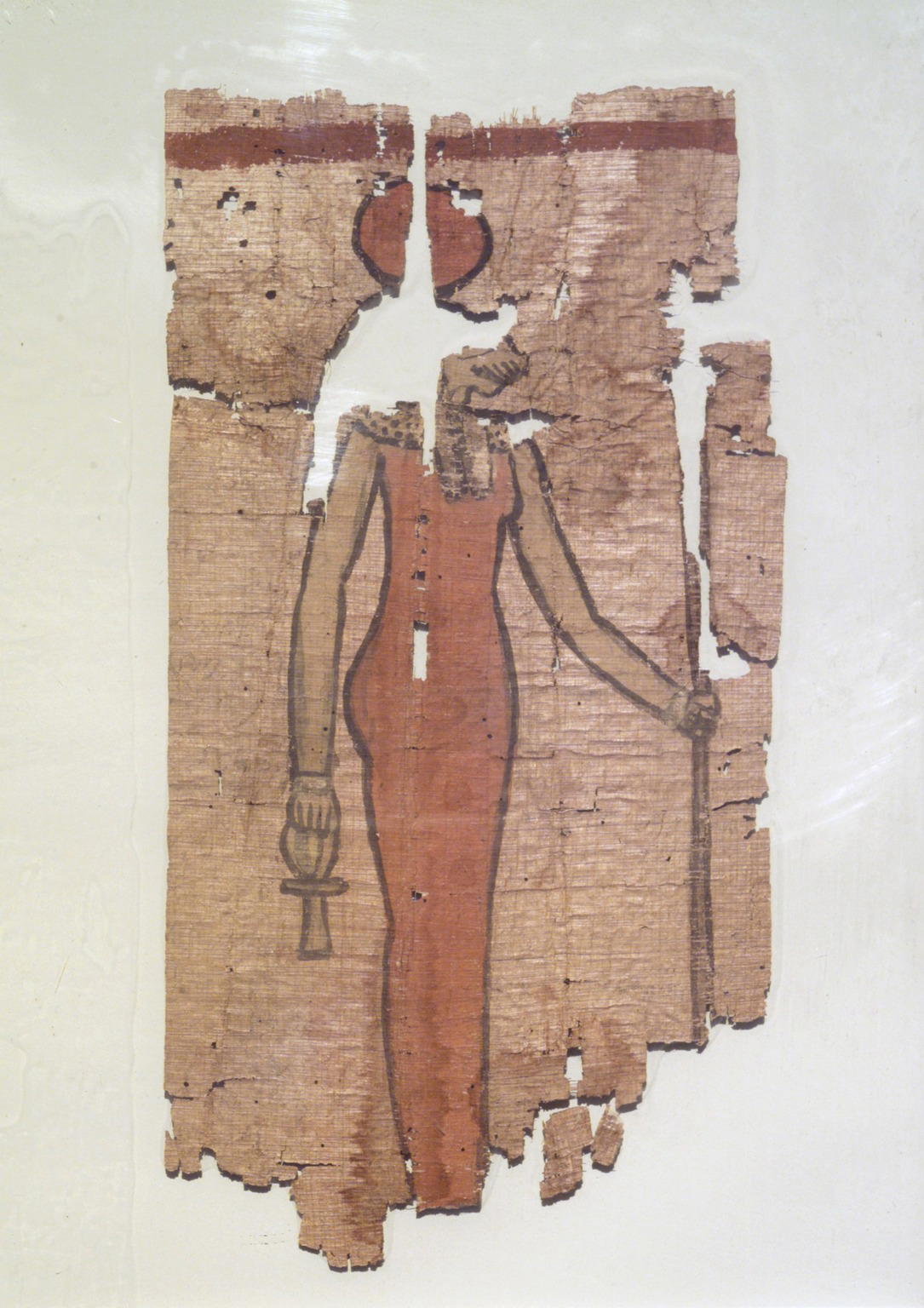
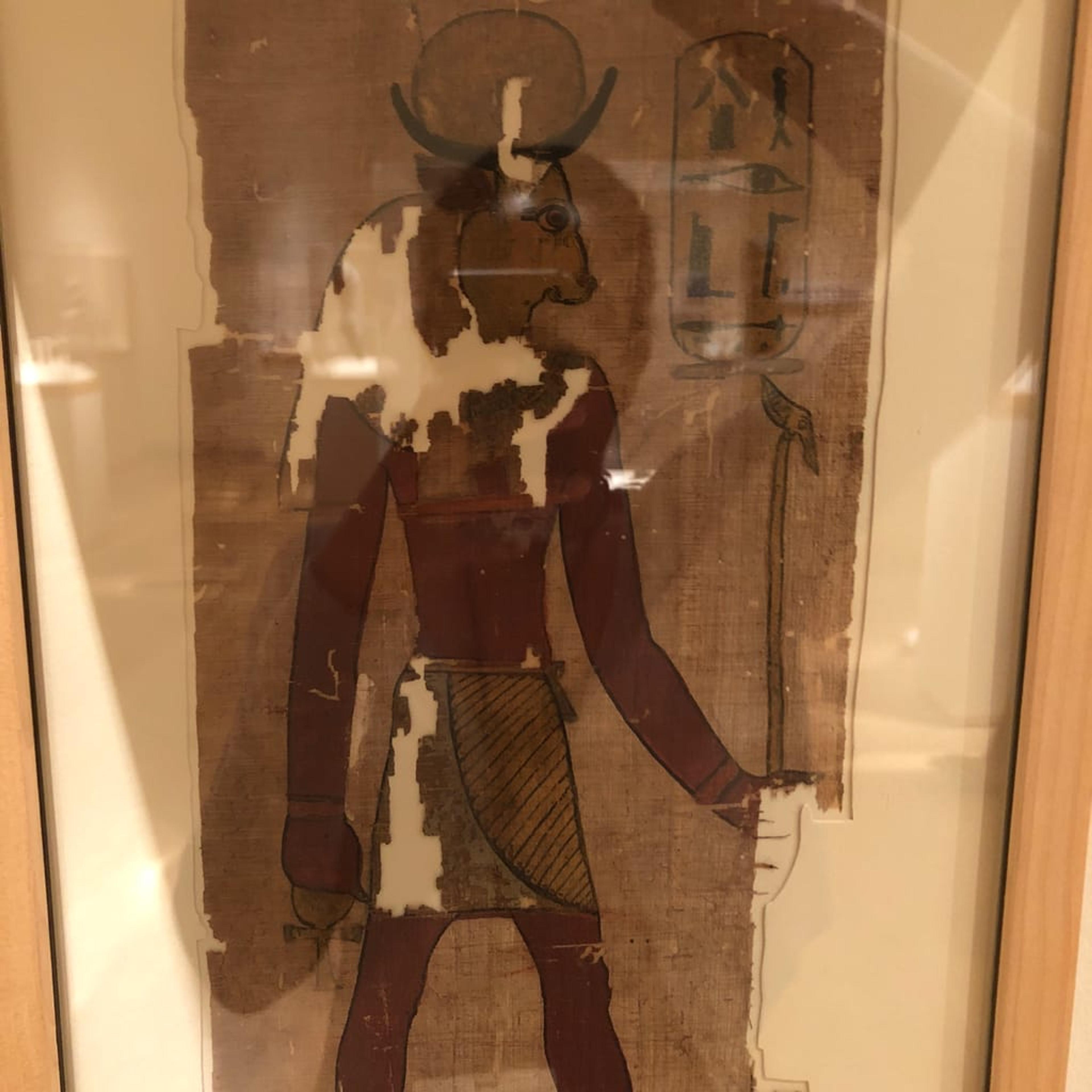
Because papyrus was a costly material, it was normally reserved for important documents such as administrative records and funerary literature. For the same reason, talented artists usually drew the illustrations. This crudely drawn parade of important Egyptian deities is therefore quite surprising.
Caption
Illustrated Papyrus, 4th–3rd century B.C.E.. Papyrus, pigment, ink, 37.1647Ea1: 13 9/16 × 6 9/16 in. (34.5 × 16.6 cm). Brooklyn Museum, Charles Edwin Wilbour Fund, 37.1647Ea1. (Photo: Brooklyn Museum)
Title
Illustrated Papyrus
Date
4th–3rd century B.C.E.
Period
Early Ptolemaic Period
Geography
Reportedly from: Memphis, Egypt
Medium
Papyrus, pigment, ink
Classification
Dimensions
37.1647Ea1: 13 9/16 × 6 9/16 in. (34.5 × 16.6 cm)
Credit Line
Charles Edwin Wilbour Fund
Accession Number
37.1647Ea1
Frequent Art Questions
What's this?
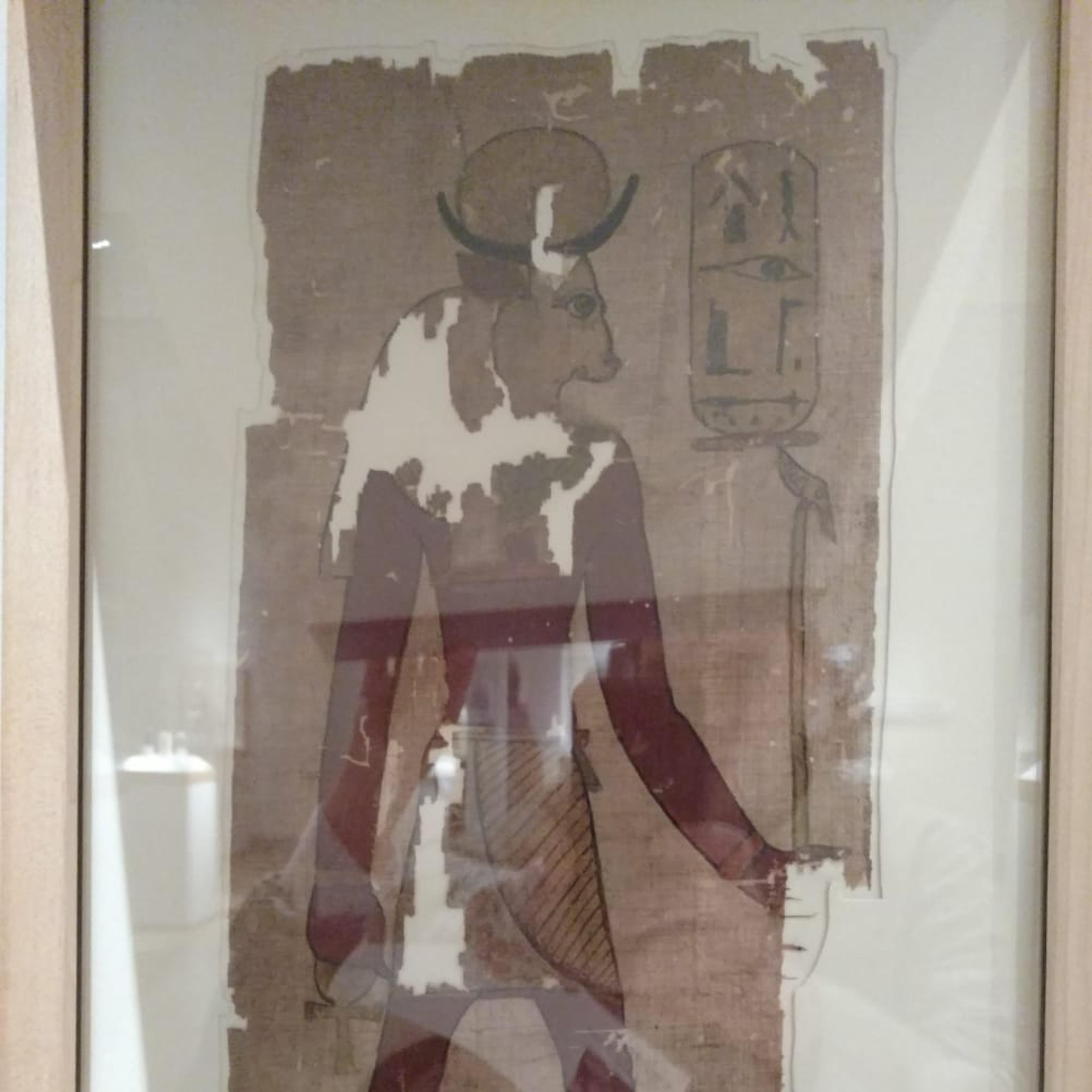 This painting of a bull-headed deity is one of several fragments of a somewhat enigmatic papyrus. The fourteen figures on it are rendered relatively crudely and therefore scholars suggest that they represent an artist practicing figures and symbols.The most degraded parts of the papyrus like this deities wig, are areas that would have been blue suggesting that the blue pigment was harmful to the material.
What is this?
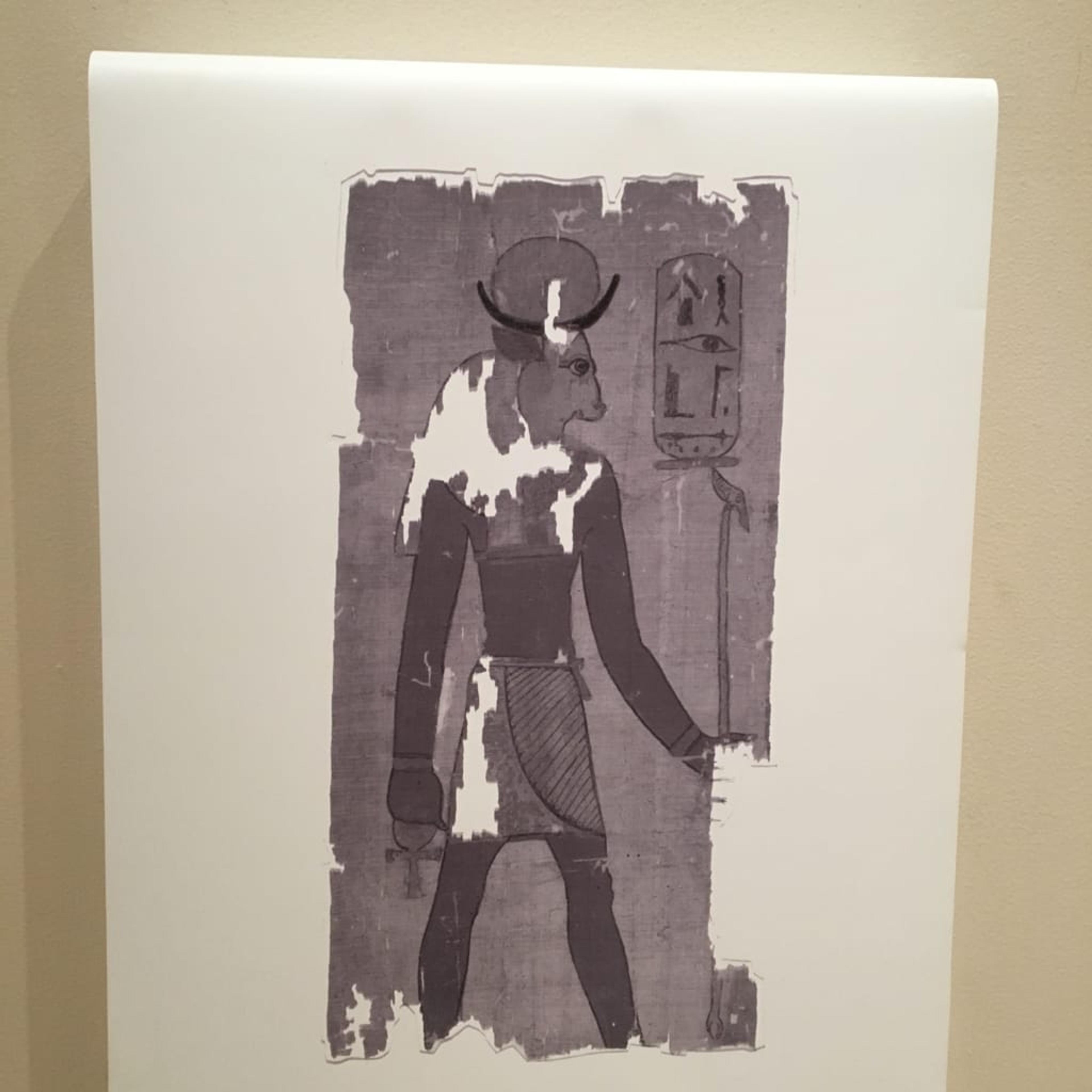 This painting of a bull-headed deity is a fragment of a large papyrus that scholars think show practice paintings. If you lift the flap you can see the original image!Whatever blue pigment the artist used was harmful to the papyrus and created holes that you see in the deity's wig and kilt!Could you tell me what the round symbol with characters in it means? Thank you!The symbol is called a cartouche by Egyptologists or "shenu" in ancient Egyptian. It's used to enclose names written in hieroglyphs, usually the names of deities or royalty. This cartouche says "Osiris-Hapy, great god."That's great! Thank you!You're welcome!
Why is this sensitive to light?
 Organic materials like paper, textiles, wood, certain pigments, et cetera fade and degrade when exposed to ultraviolet light for an extended period of time. Have you ever noticed how the cover of a book exposed to sunlight fades? It's the same principal.Since this paper is over 2000 years old it is even more susceptible to light damage.Ultraviolet light breaks down the bonds in organic materials and will effectively cause the material to disintegrate.
Have information?
Have information about an artwork? Contact us at