Power Figure (Nkishi)
Songye
1 of 4
Object Label
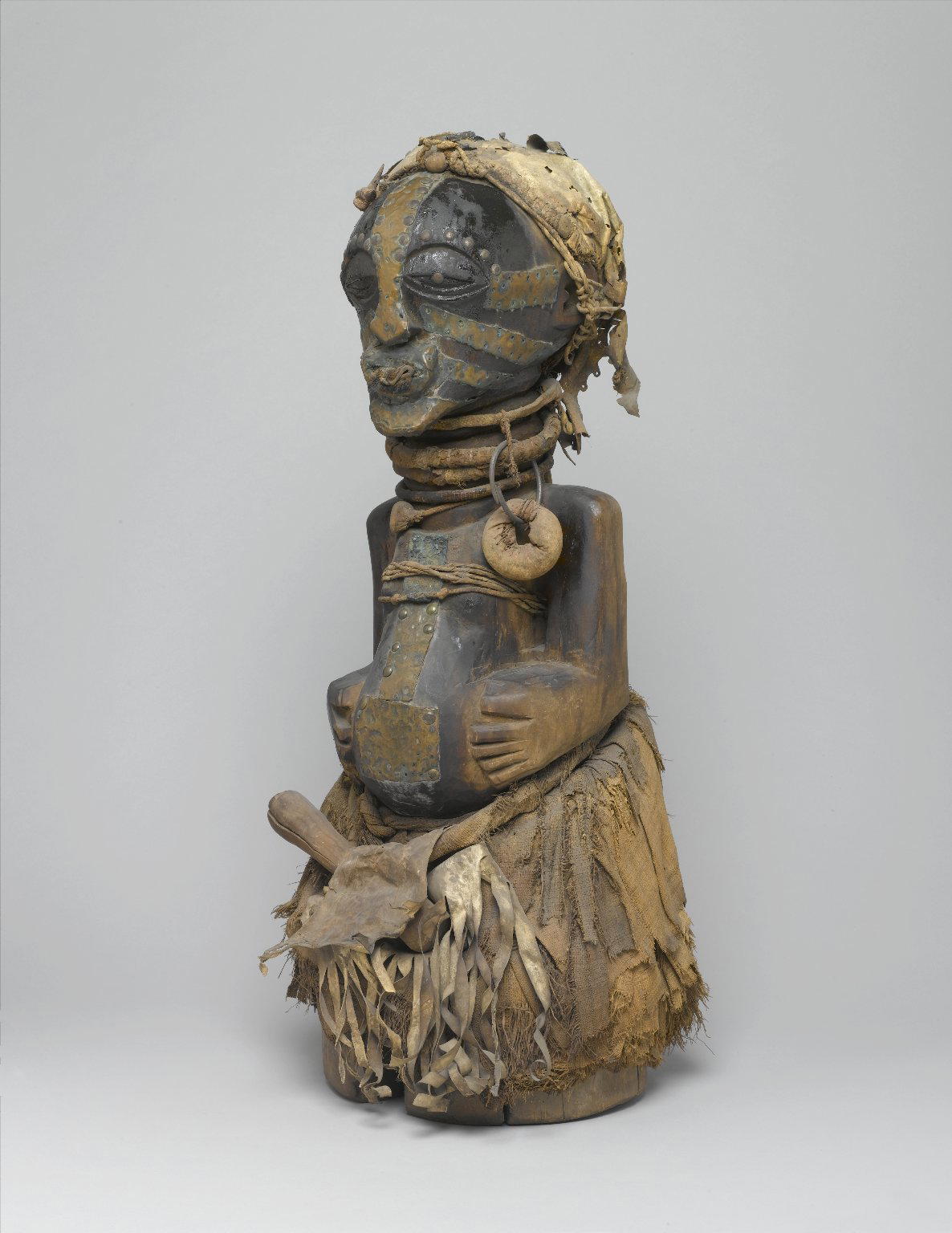
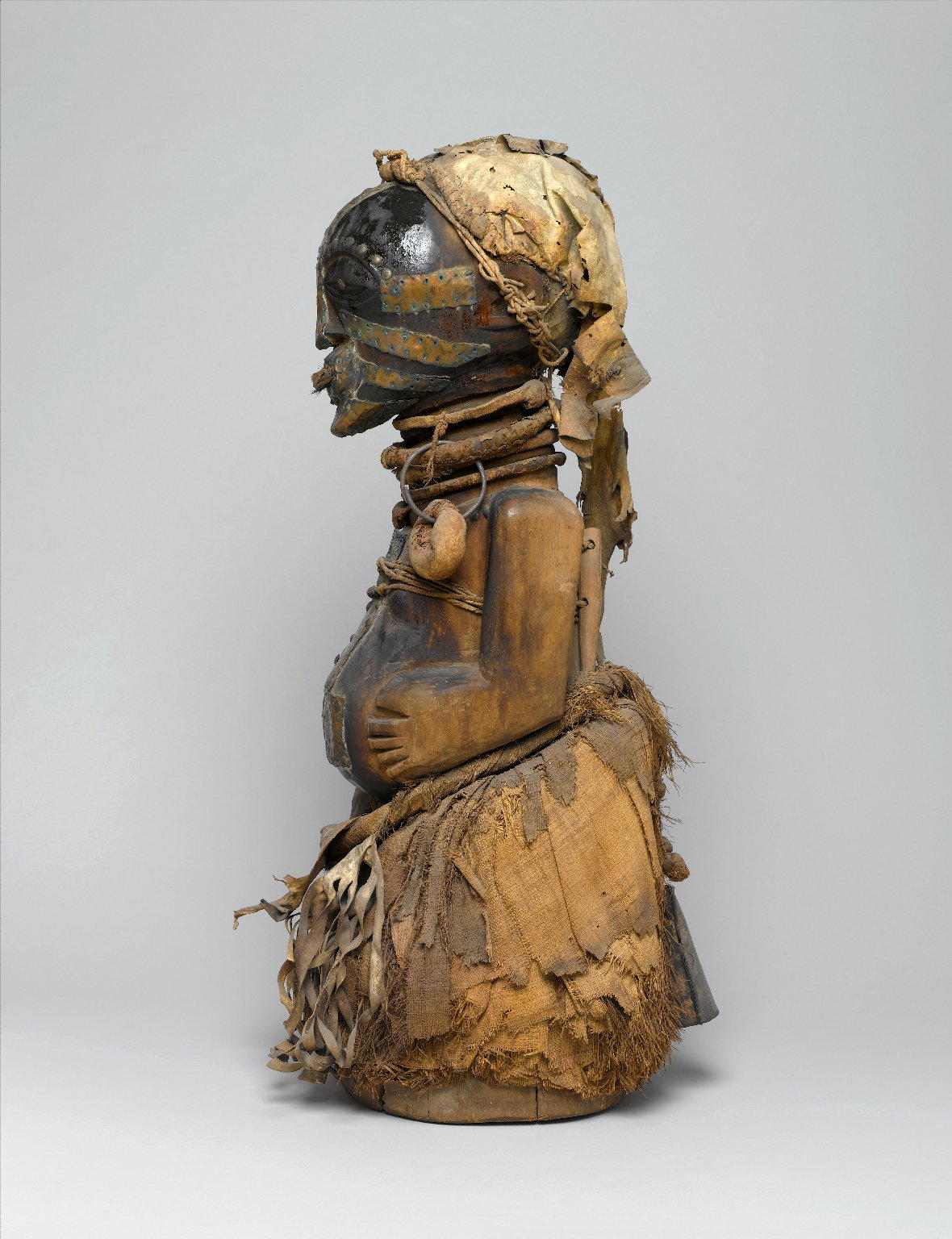
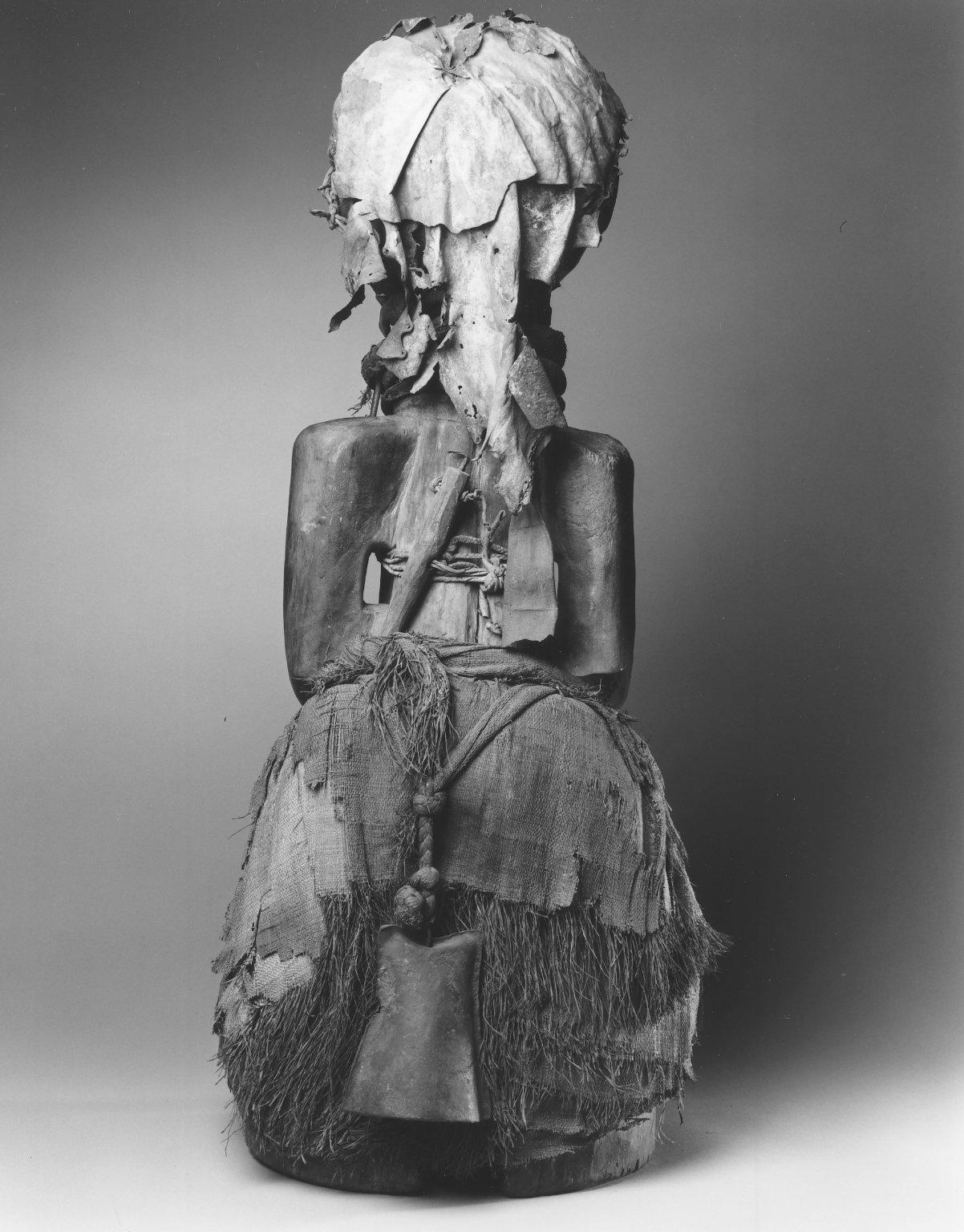
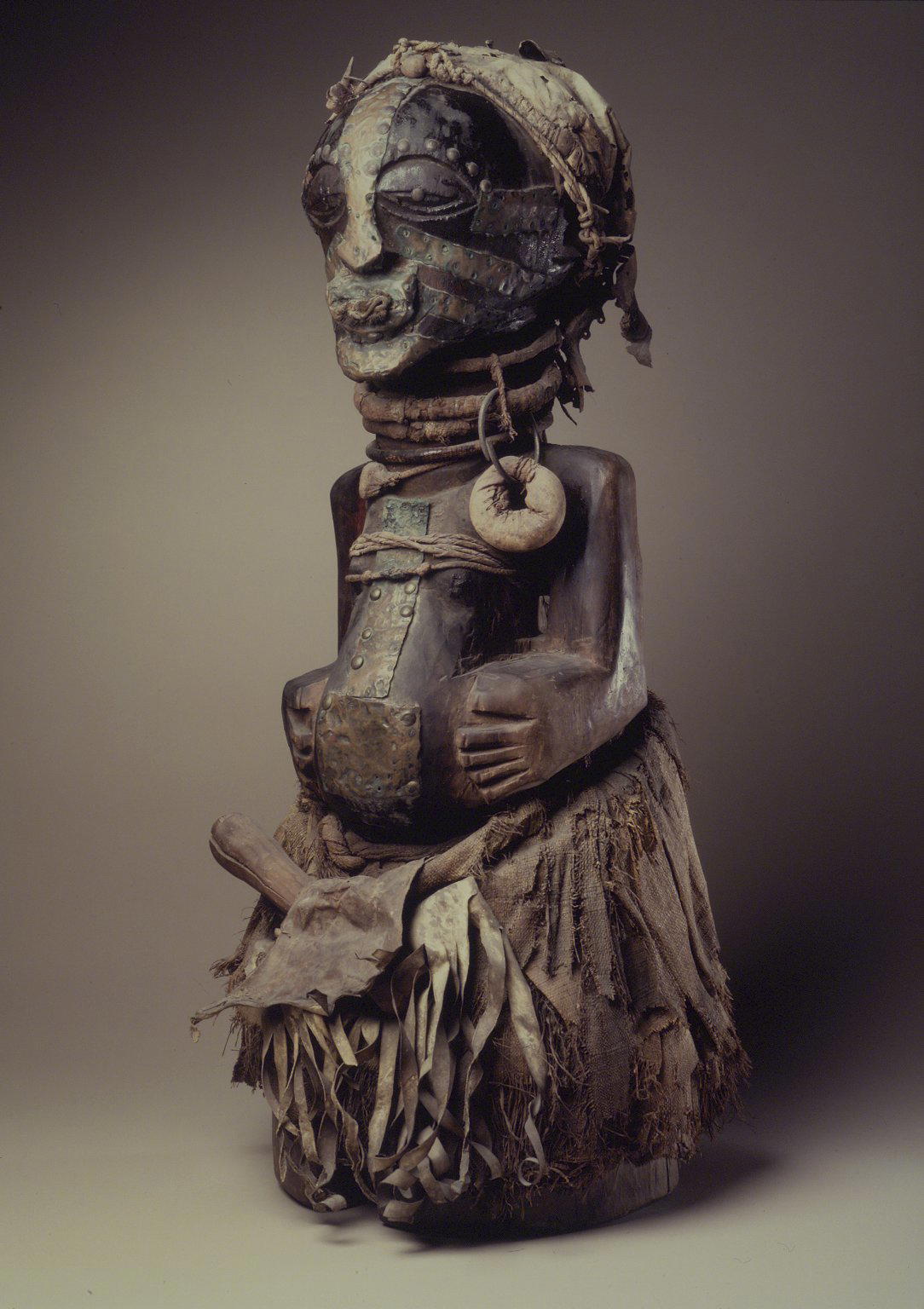
While Western collectors value the visual impact of power figures, the ultimate importance of these sculptures to the Songye lies in their effectiveness as protectors of the community from malevolent forces and disease. The power of such figures depends on their ingredients (bishimba), concealed in the abdominal cavity, in the top of the head, or in a horn set into the cranium (missing from this piece). These hidden substances acquire potency and interact with the spirit world when assembled by the nganga, or ritual practitioner.
Caption
Songye. Power Figure (Nkishi), late 19th or early 20th century. Wood, raffia, metal, cloth, leather, horn, beads, 30 x 12 x 14 3/4 in. (76.2 x 30.5 x 37.5 cm). Brooklyn Museum, Museum Collection Fund, 50.79. (Photo: Brooklyn Museum)
Gallery
Not on view
Collection
Gallery
Not on view
Collection
Culture
Title
Power Figure (Nkishi)
Date
late 19th or early 20th century
Geography
Place made: Tanganyika Province, Democratic Republic of the Congo
Medium
Wood, raffia, metal, cloth, leather, horn, beads
Classification
Dimensions
30 x 12 x 14 3/4 in. (76.2 x 30.5 x 37.5 cm)
Credit Line
Museum Collection Fund
Accession Number
50.79
Frequent Art Questions
Tell me more about this power figure!
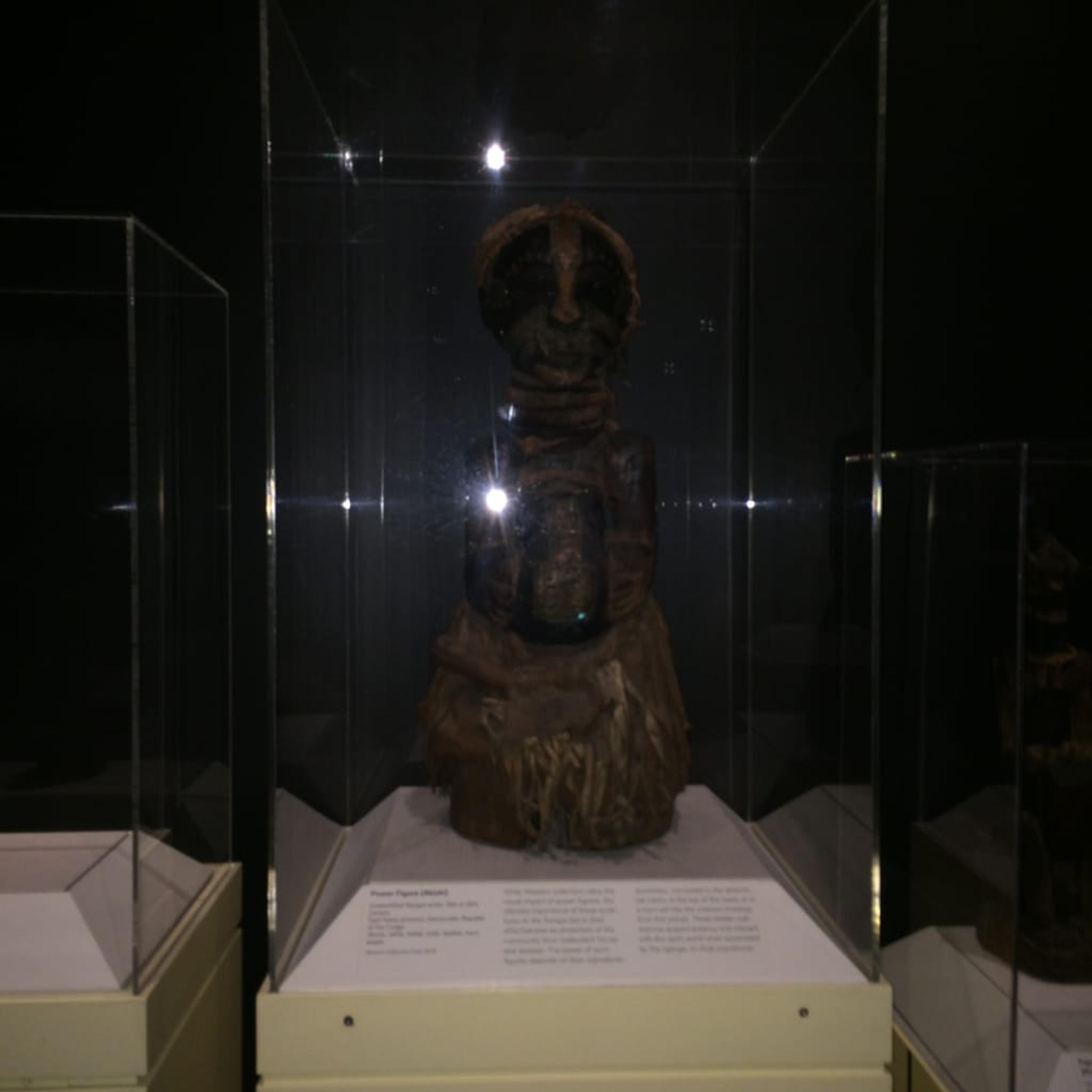 This power figure would be used by an entire community for protection. As instruments of protection and healing, the aesthetic characteristics are secondary to their effectiveness. Their effectiveness isn’t determined by the carving but rather by what combination of powerful ingredients (bishimba) are inserted into them by ritual specialists (nganga).The raffia skirt and leather headdress symbolize the formal attire of chiefs, and thus help augment the spiritual power of the bishimba inside the figure. There are even snakeskins draped like necklaces, which likely serve to further emphasize the danger of the nkishi, helping it to counteract malevolent forces.
Have information?
Have information about an artwork? Contact us at