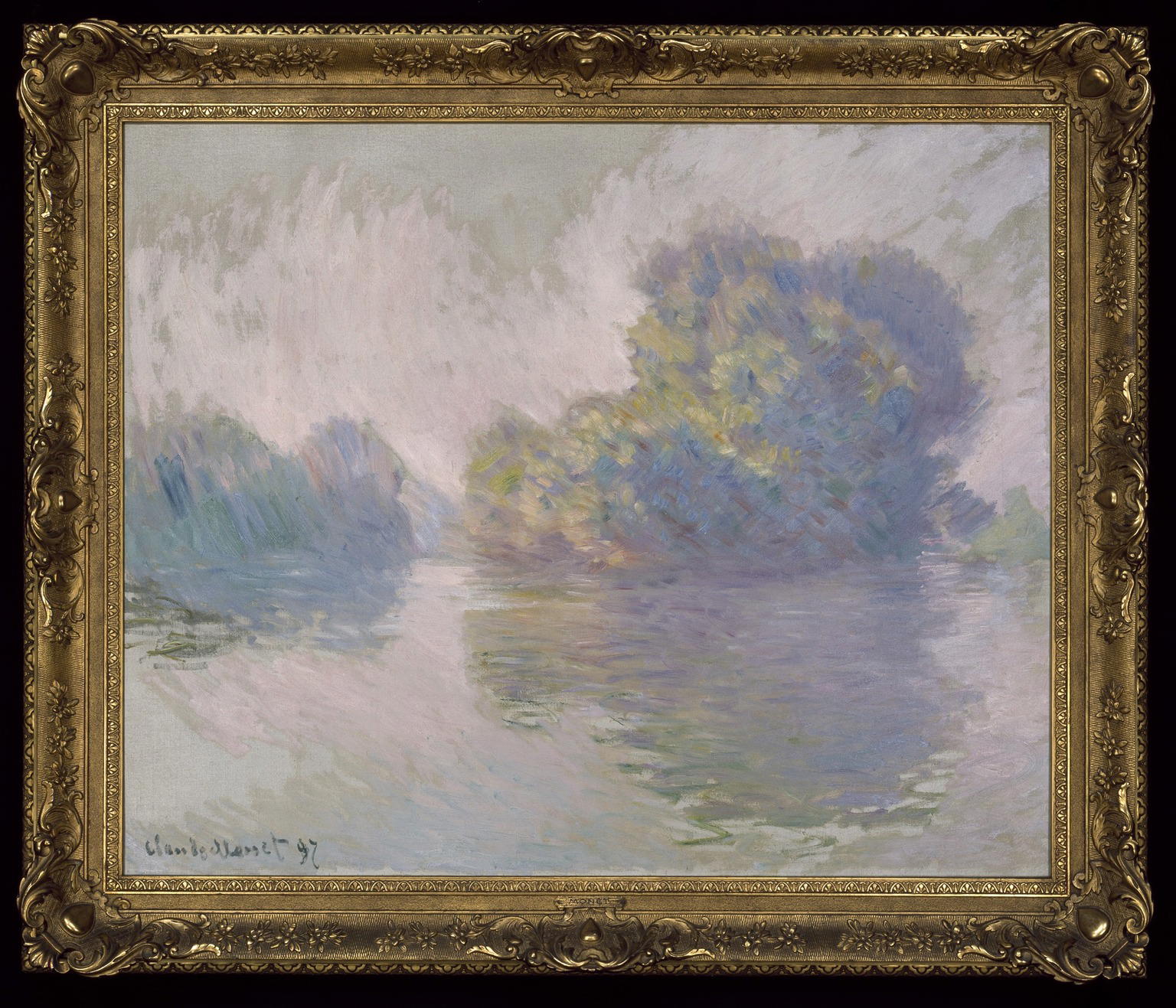
The Islets at Port-Villez (Les Iles à Port-Villez)
Claude Monet
1 of 2
Caption
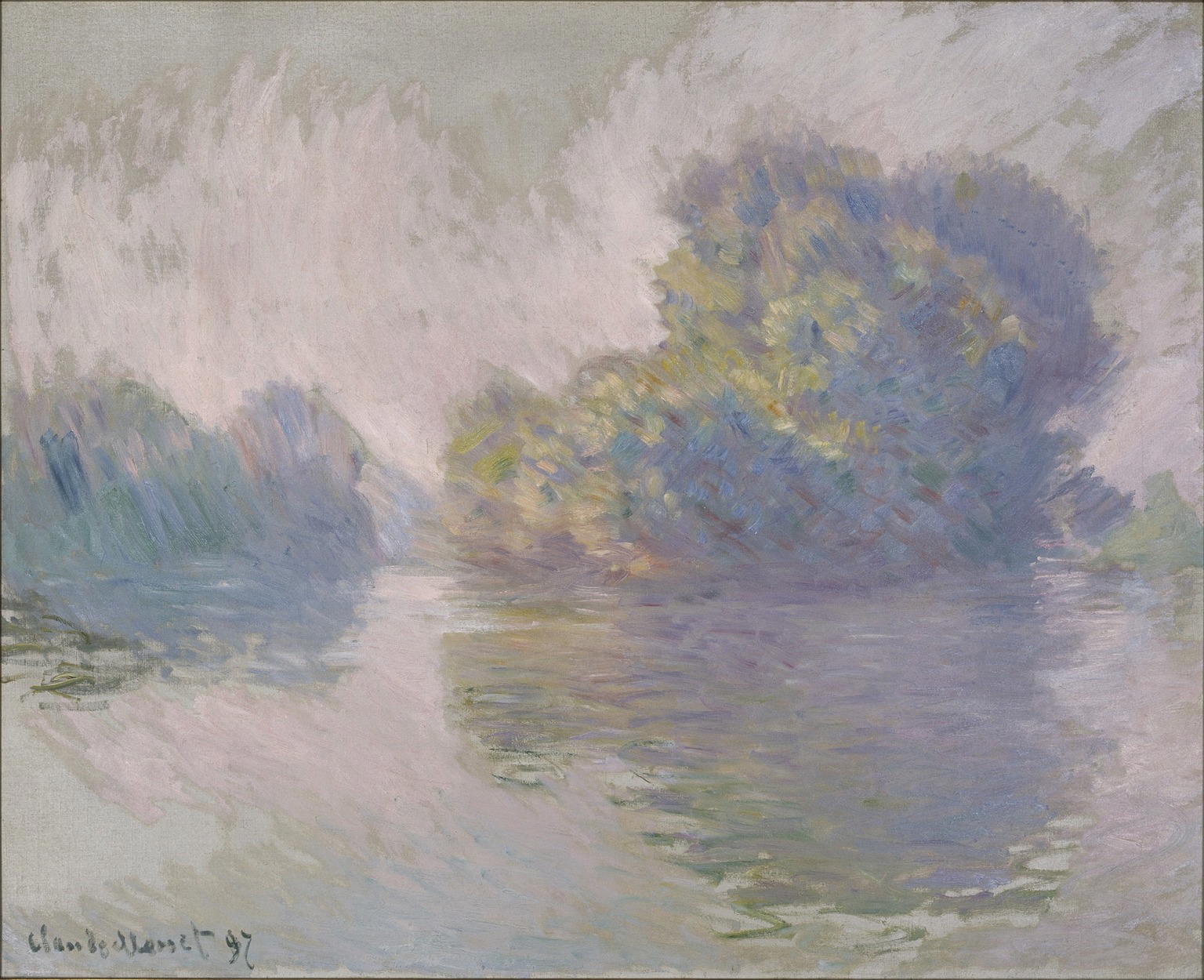
Claude Monet (French, 1840–1926). The Islets at Port-Villez (Les Iles à Port-Villez), 1897. Oil on canvas, 32 3/16 x 39 3/4 in. (81.8 x 101 cm) frame: 41 5/8 x 49 1/4 x 4 7/8 in. (105.7 x 125.1 x 12.4 cm). Brooklyn Museum, Bequest of Grace Underwood Barton, 68.48.2. (Photo: Brooklyn Museum)
Gallery
Not on view
Gallery
Not on view
Artist
Title
The Islets at Port-Villez (Les Iles à Port-Villez)
Date
1897
Medium
Oil on canvas
Classification
Dimensions
32 3/16 x 39 3/4 in. (81.8 x 101 cm) frame: 41 5/8 x 49 1/4 x 4 7/8 in. (105.7 x 125.1 x 12.4 cm)
Signatures
Signed and dated lower left: "Claude Monet 97"
Credit Line
Bequest of Grace Underwood Barton
Accession Number
68.48.2
Frequent Art Questions
How can I tell an Impressionist painting from a Post Impressionist one?
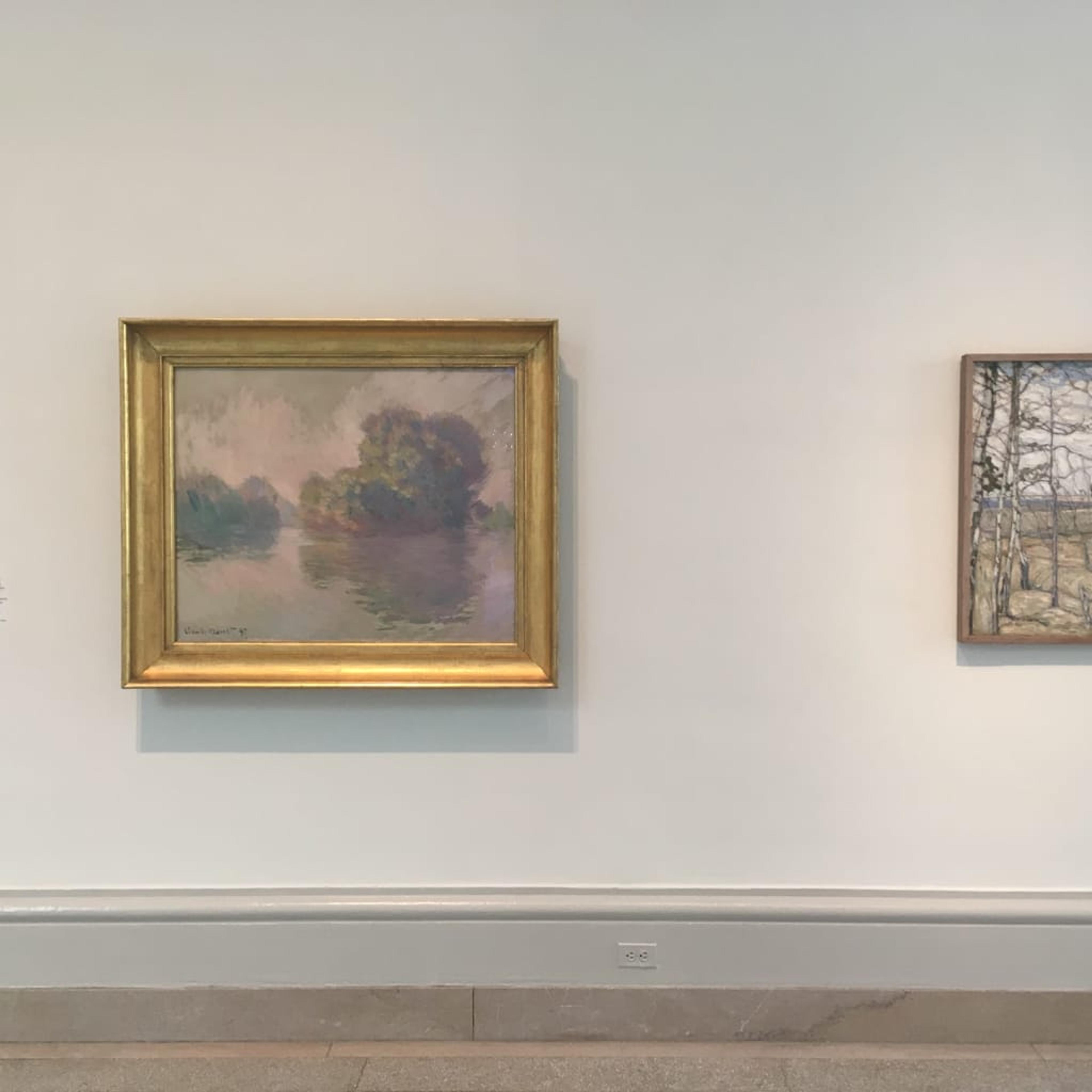 That's a great question! And you photographed two great paintings to compare. There are no hard and fast rules here, but I can give you some general points. Typically, Impressionist works are a bit softer as you can see with the Monet on the left. Like the term "impressionist" suggests, it's an impression of a moment.Post-Impressionist paintings, like Manievich's on the right are a bit harder and build on the "impression" with some abstracted reinterpretation. If you get up close to "Birch Trees," you'll notice the pale, neutral colors are built out of many bright colors used together.Impressionist paintings do, also, tend to be a study in the effects of light, in a way. It's something Monet, especially was known for. The Post-Impressionists tended to focus a bit more on objects than air. Overall, Post-Impressionism has a looser definition, it's the movement that came after Impressionism.Very informative! Thanks.
When was this acquired by the Brooklyn Museum?
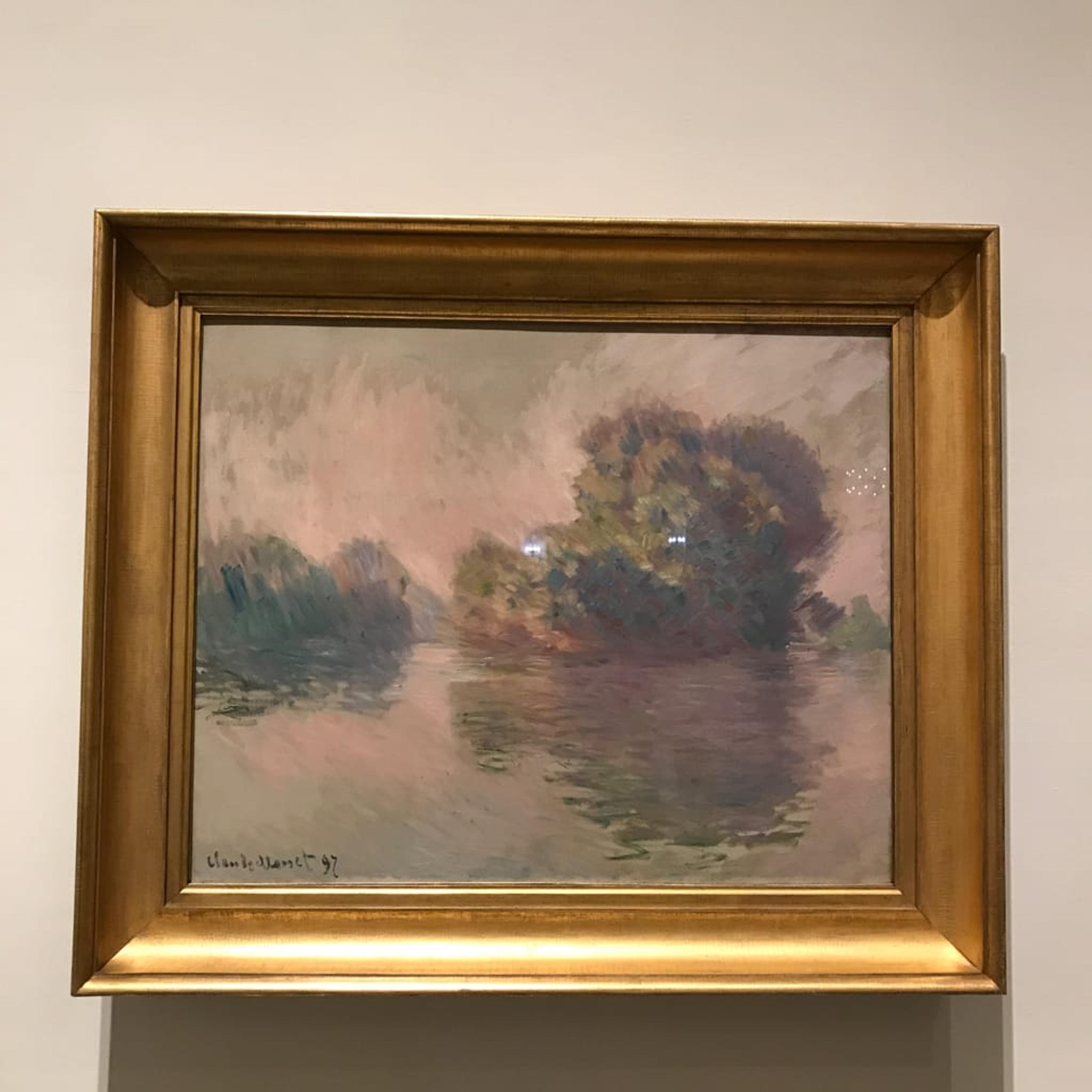 We acquired it in 1968. It had belonged to a woman named Grace Barton.
The label says that Monet used a flat bottomed studio boat, were they common? Who else painted on boats?
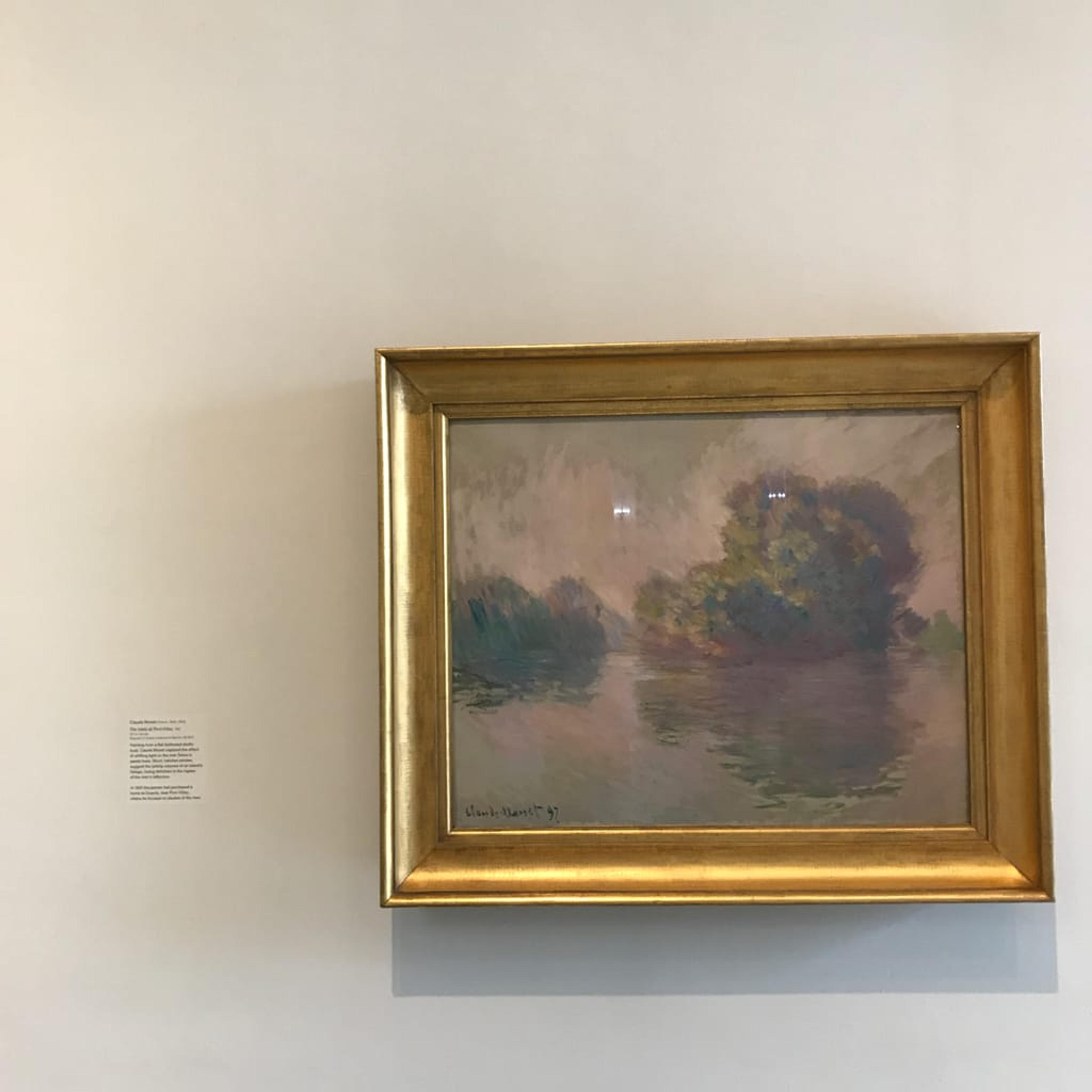 Monet painted in boats at various sites. It definitely gave a more intimate point of view than painting from the shore or a port, bringing the viewer right into the composition and the scene.I do know that John Singer Sargent also did this! In fact, many of the more adventurous landscape painters used boats to access unique vantage points.This practice first became popular with the French Realist painters of the 19th century, the movement that led up to Impressionism.Thank you!You're welcome!
This painting looks blurry, is that Monet's style?
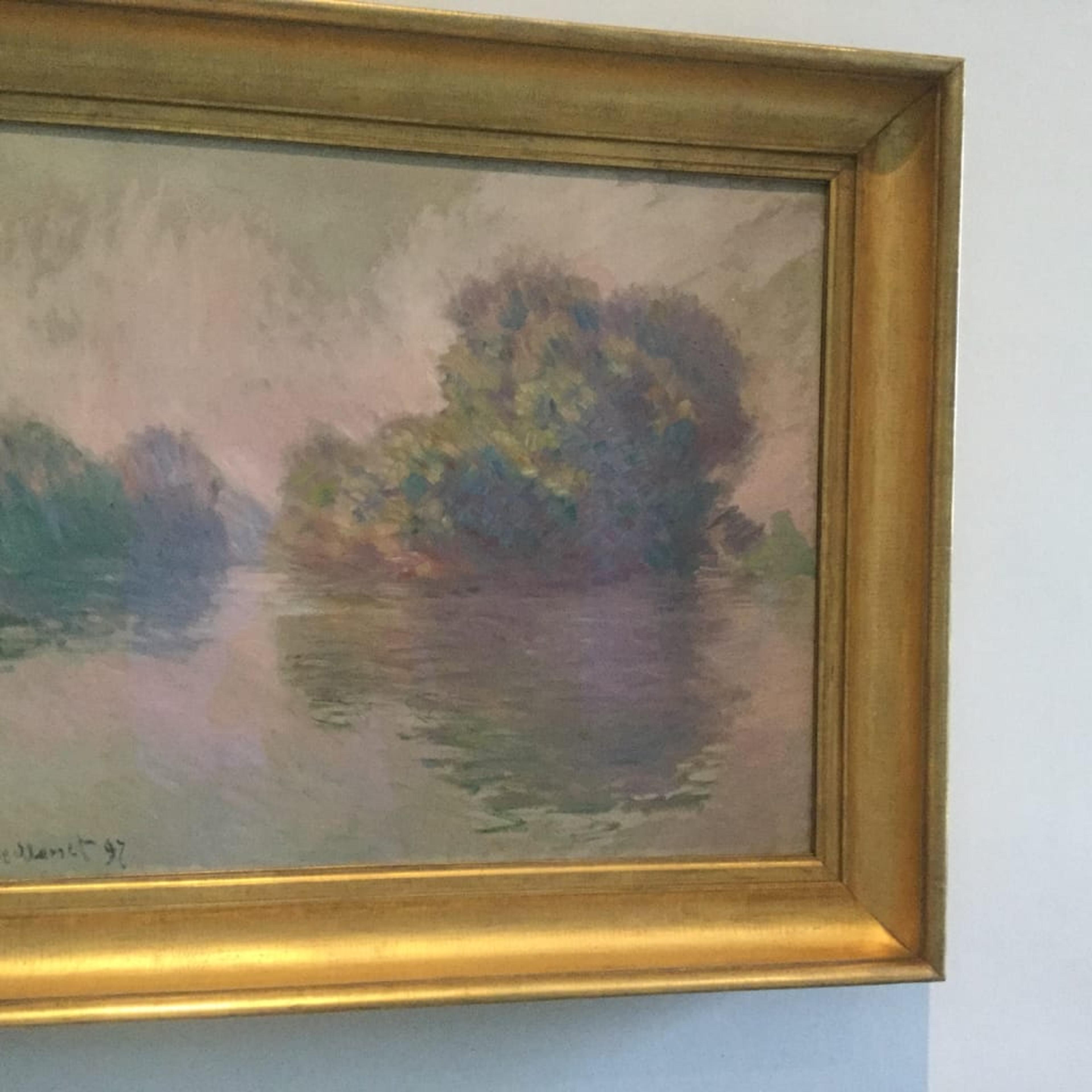 Yes, exactly! Monet and the other artists of the Impressionist movement typically painted this way. They were more interested in created and "impression" rather than a realistic view. They paid a lot of attention to the play of light against objects and the effects of the air.If you look closely, you'll notice that Monet used many short brush strokes to achieve this effect.
Have information?
Have information about an artwork? Contact us at