My Uncle
1 of 2
Object Label
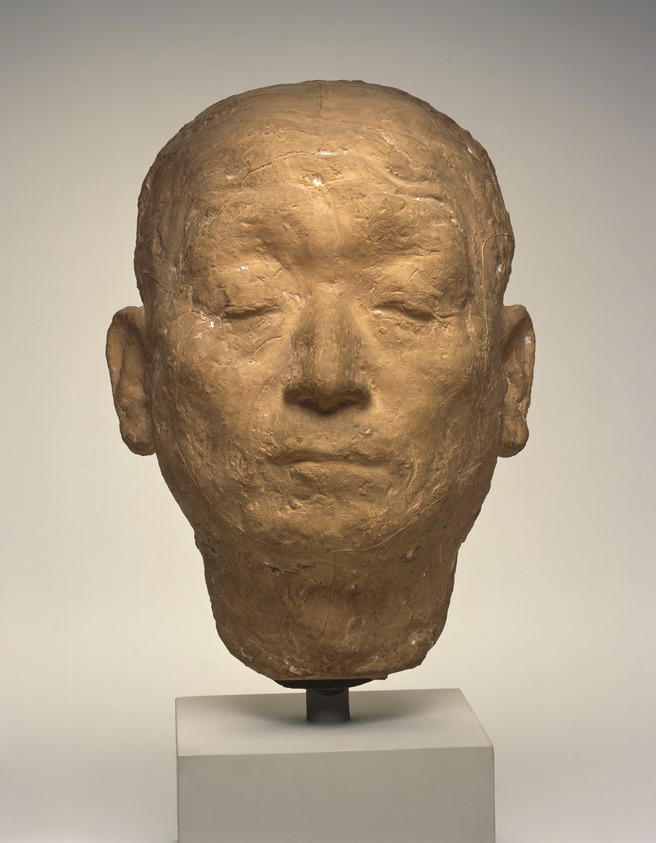
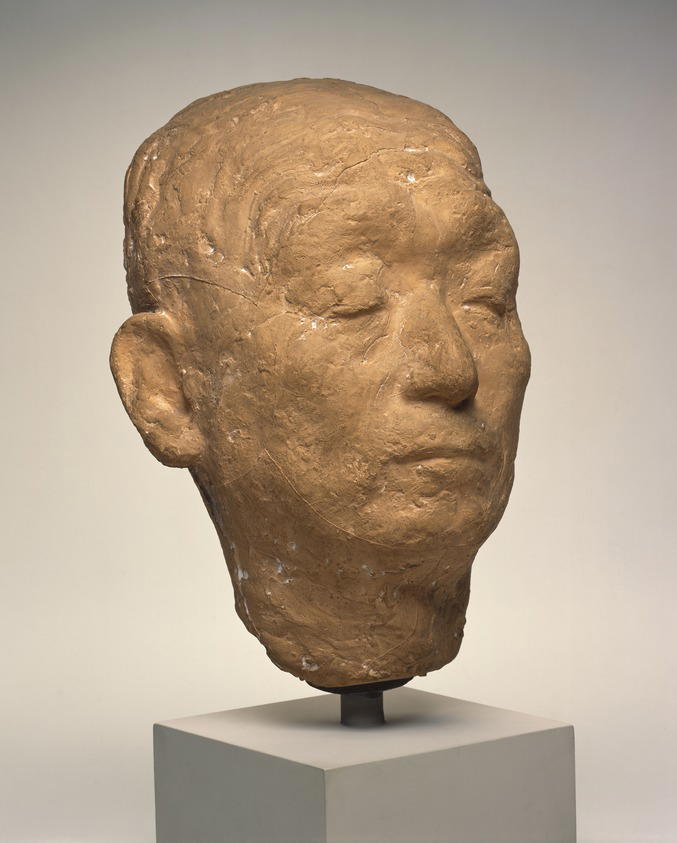
The surface of this head is lifelike, but its expression may lead us to contemplate the psychic life at play behind the closed eyes. The sculptor Isamu Noguchi modeled this likeness of his uncle Takagi, a Buddhist priest, in gratitude for his hospitality during the artist’s visit to Tokyo in 1931. One of three casts from the original clay sculpture, the head suggests the “closed-eye vision” achieved through meditation.
Caption
Isamu Noguchi (American, 1904–1988). My Uncle, 1931. Terracotta, plaster, 16 1/2 × 9 × 8 in. (41.9 × 22.9 × 20.3 cm). Brooklyn Museum, Dick S. Ramsay Fund, 42.339. (Photo: Brooklyn Museum)
Gallery
Not on view
Collection
Gallery
Not on view
Collection
Artist
Title
My Uncle
Date
1931
Medium
Terracotta, plaster
Classification
Dimensions
16 1/2 × 9 × 8 in. (41.9 × 22.9 × 20.3 cm)
Signatures
Incised at back of neck, proper left: "1931 / ISAMU"
Credit Line
Dick S. Ramsay Fund
Accession Number
42.339
Frequent Art Questions
I thought Noguchi only made furniture?
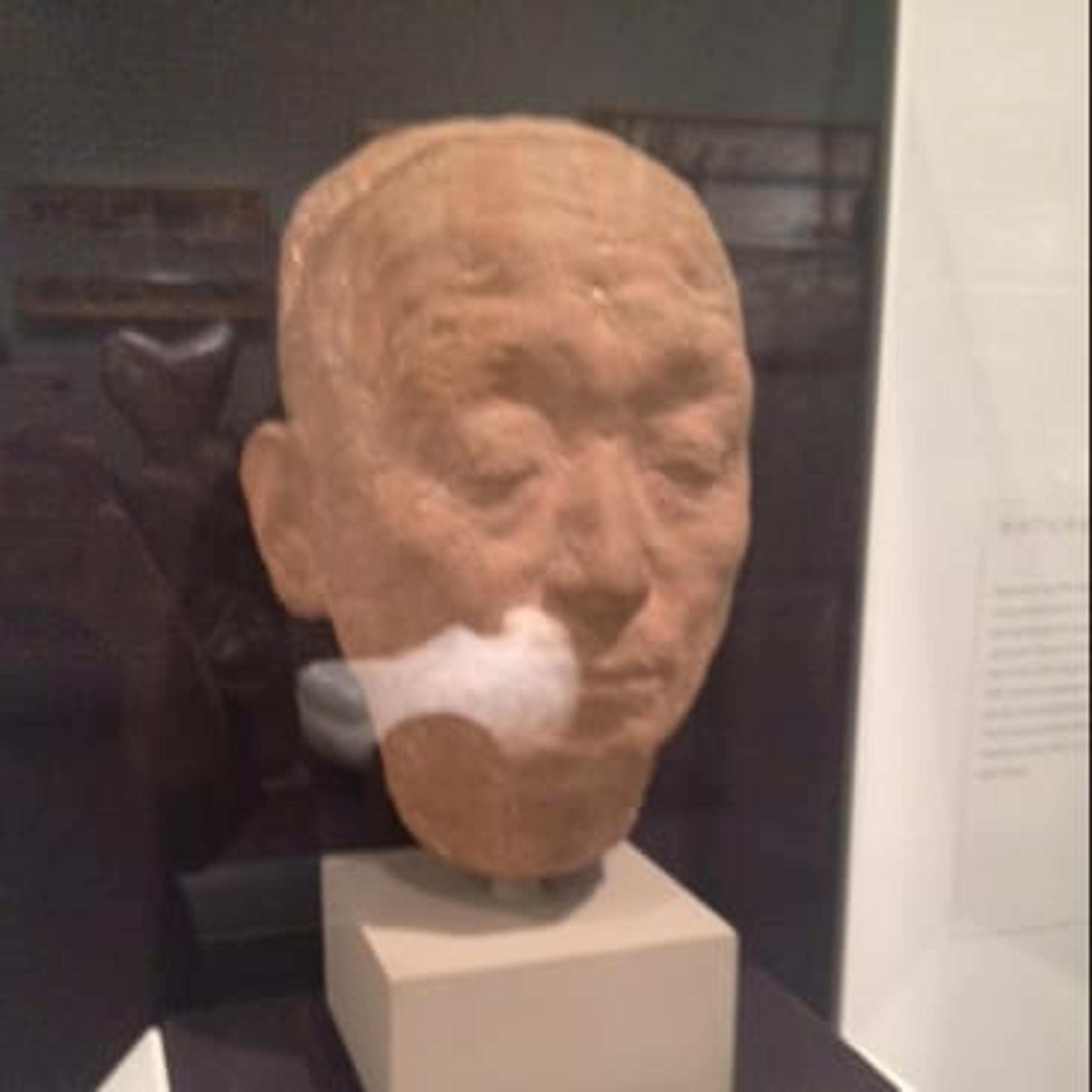 His furniture is really well-known, and some of it is still in production I believe. He was also a sculptor, although his abstract sculptures were his most influential works. His use of terracotta in the 1930s was influenced by travel to China and Japan, where he viewed ancient terracotta sculptures of figures and animals. For this piece, Noguchi modeled this likeness of his uncle Takagi, a Buddhist priest, in gratitude for his hospitality during the artist's visit to Tokyo In 1931. One of three casts from the original clay sculpture, the head suggests the "closed-eye vision" achieved through meditation.
Is this a death mask?
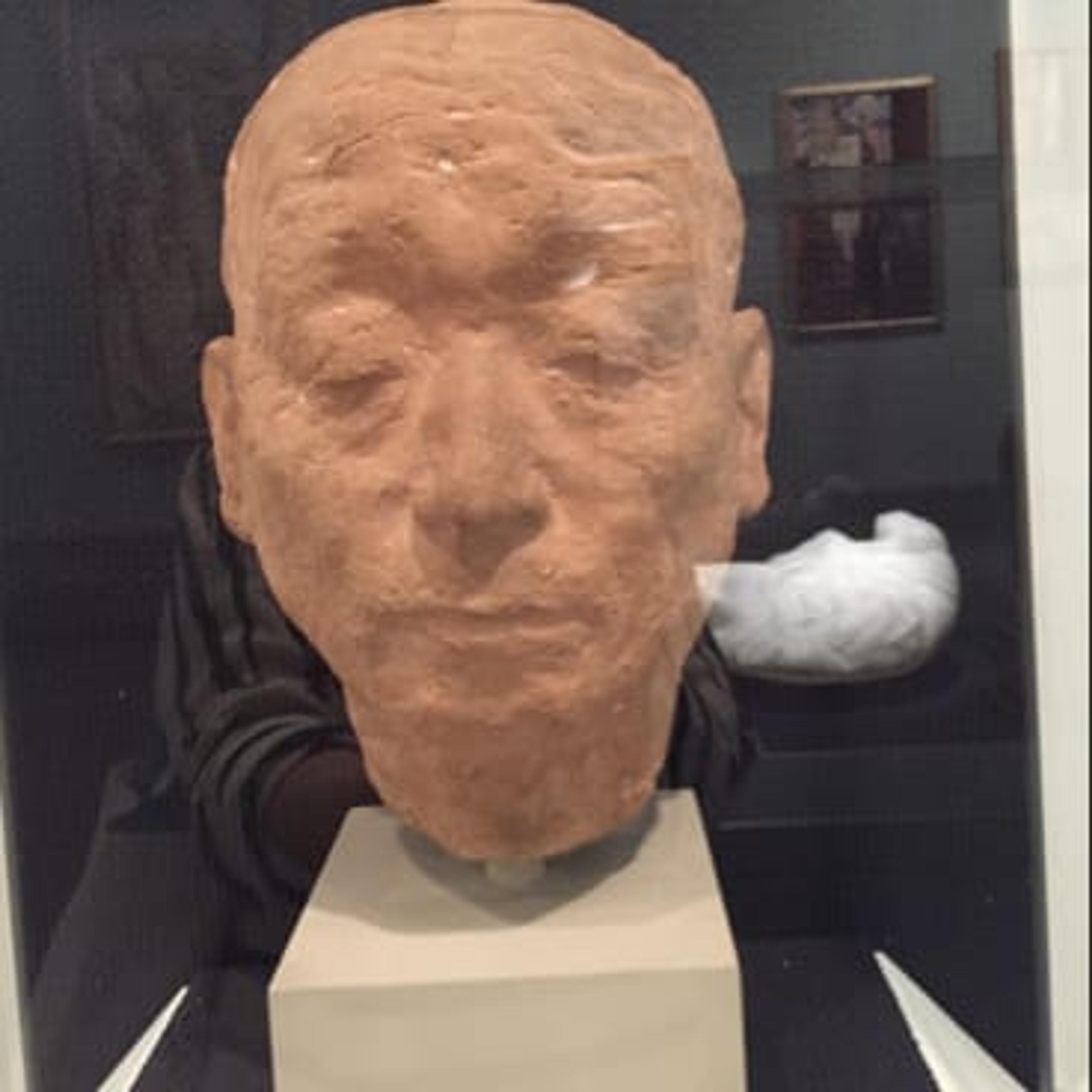 Good guess! The piece shows a man with his eyes closed and his skin molded very loosely. Very similar to funerary masks we see from Ancient Egypt and other similar civilizations. However, this piece was made in 1931, so it's not really ancient.What made you think of it as a death mask?The Japanese don't have a custom to make death masks. So it gave me a strange impression.Very good observation. Noguchi is Japanese American, but he's drawing parallels between customs from ancient civilizations and putting them in the modern world. His father was Japanese, but he wasn't present in Noguchi's life, so Noguchi may have felt conflicted about his Japanese heritage
What's this?
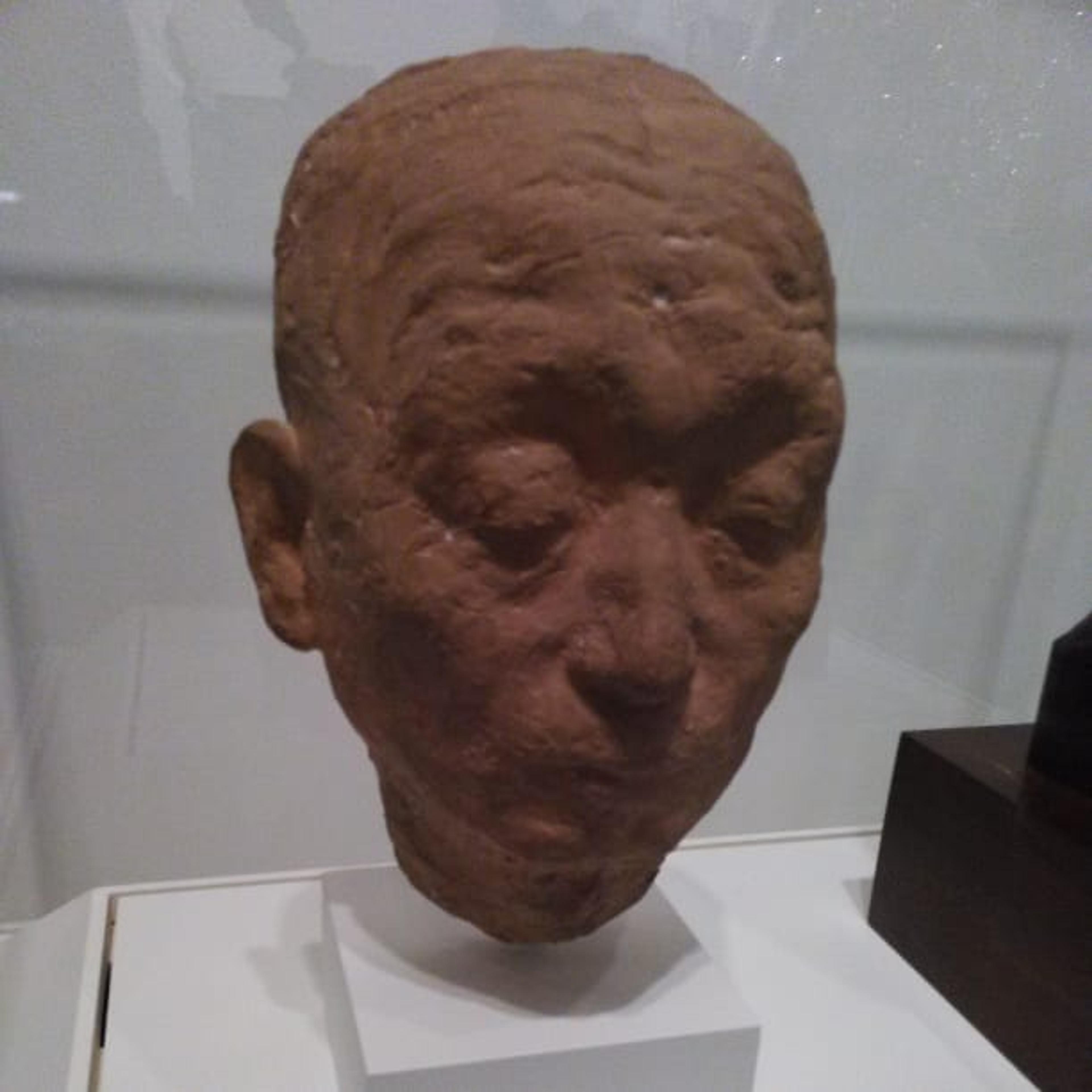 Many people think this work is ancient because it looks somehow similar to funerary masks we see from Ancient Egypt and other similar civilizations. However, this sculpture was made in 1931.This work demonstrates the Japanese aesthetic concern of "wabi sabi" or the beauty found in imperfection, roughness, and incompleteness. this idea stems from Buddhist ideology, something Noguchi may have learned while staying with his uncle (who was a monk) or while he studied Japanese ceramics there.
Have information?
Have information about an artwork? Contact us at