Ibis Mummy
410–200 B.C.E.





1 of 11
Object Label
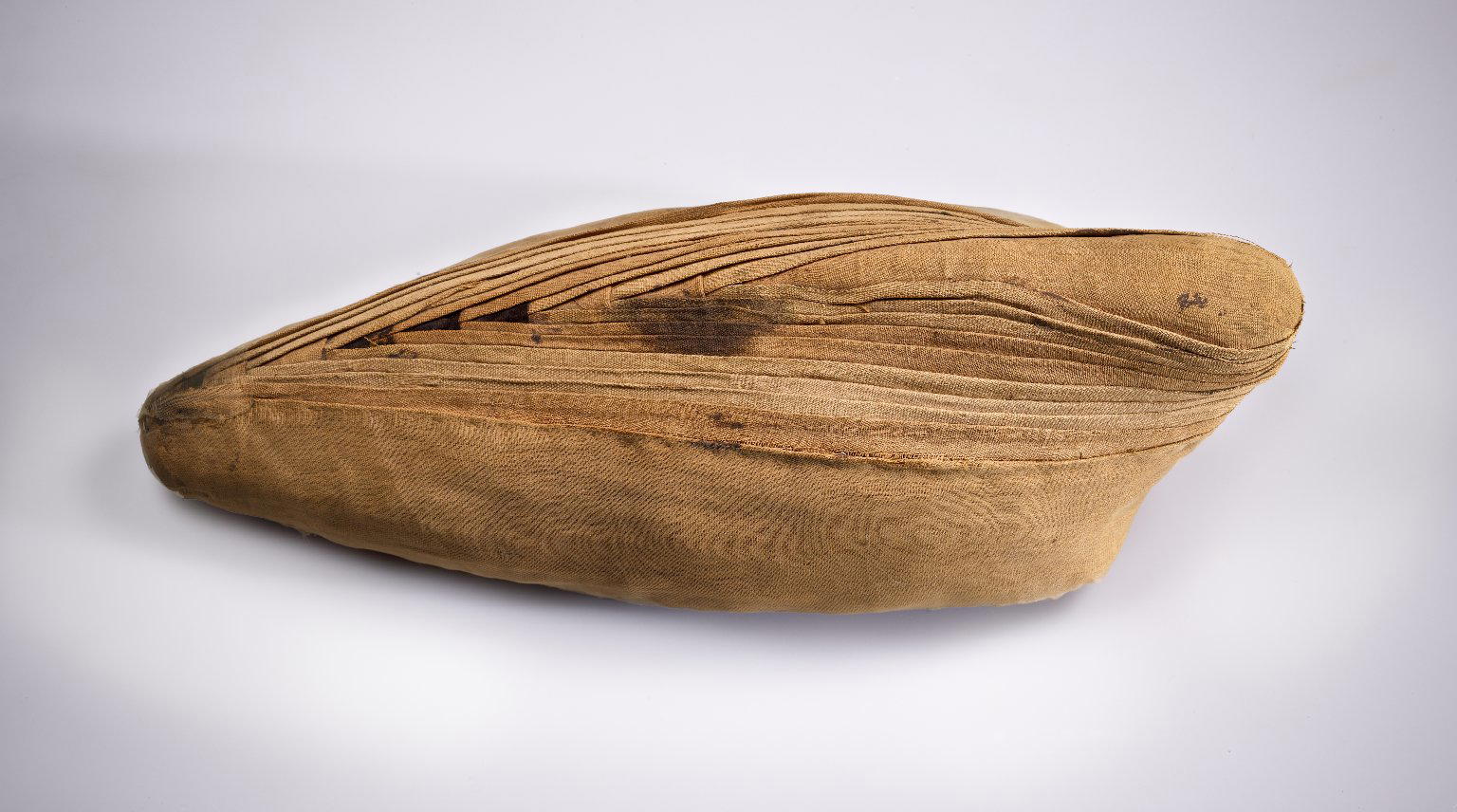
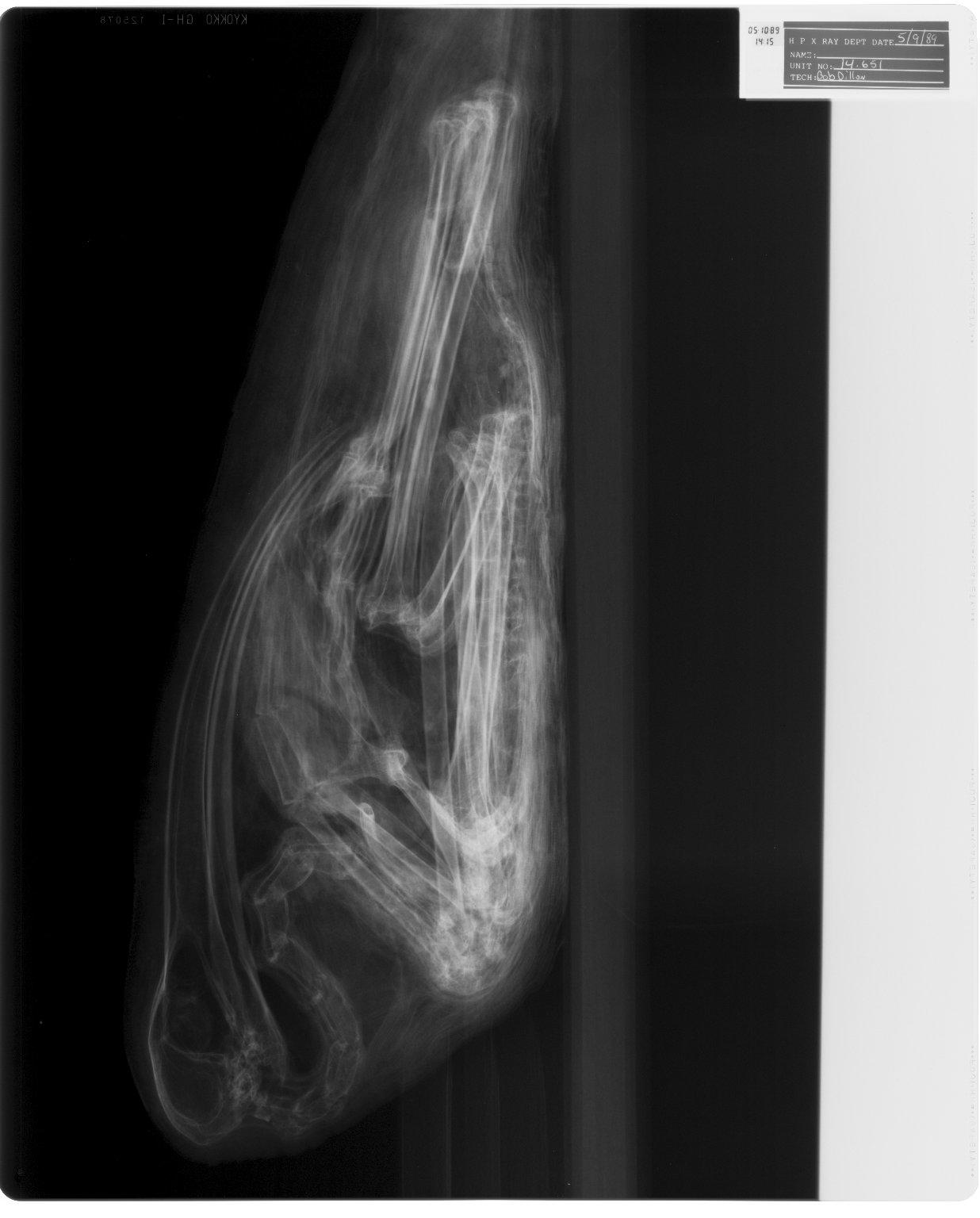
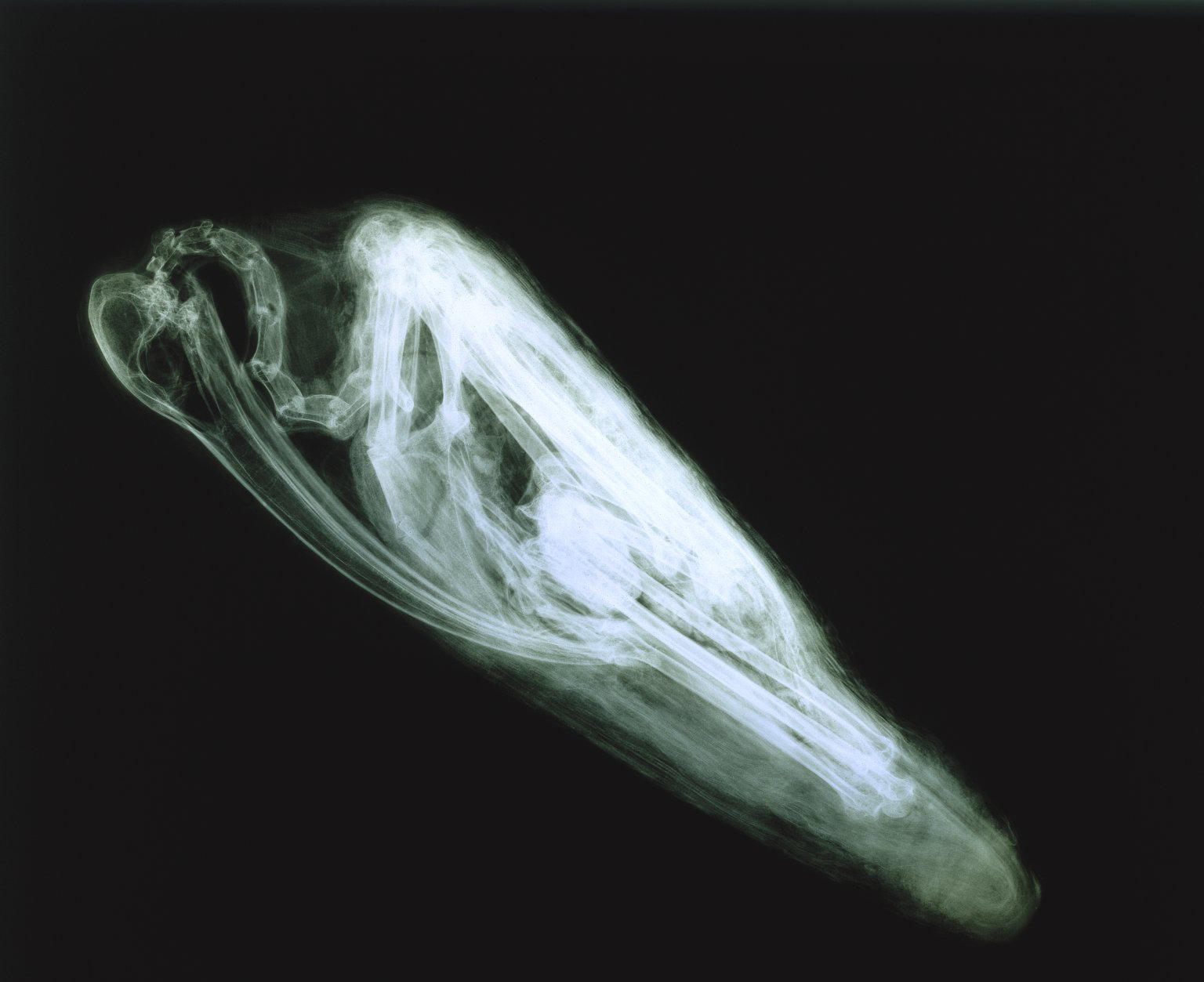
The CT scan shown here reveals that the wrappings of this mummy directly reflect the position of the ibis’s bones and its beak, curving over its breast. The length of the beak indicates a male.
Carbon 14 dating of a sample taken from the linen places this mummy in a period earlier than suggested by the wrapping style. Future testing will include in addition a sample from the animal itself, to determine whether old, recycled linen was used in preparing the mummy.
Carbon 14 dating of a sample taken from the linen places this mummy in a period earlier than suggested by the wrapping style. Future testing will include in addition a sample from the animal itself, to determine whether old, recycled linen was used in preparing the mummy.
Caption
Ibis Mummy, 410–200 B.C.E.. Animal remains, linen, 5 11/16 × 5 7/8 × 16 9/16 in. (14.5 × 15 × 42 cm). Brooklyn Museum, Gift of the Egypt Exploration Fund, 14.651. (Photo: Brooklyn Museum)
Gallery
Not on view
Gallery
Not on view
Title
Ibis Mummy
Date
410–200 B.C.E.
Dynasty
Dynasty 28, or later
Period
Late Period to Ptolemaic Period
Geography
Place excavated: Abydos, Egypt
Medium
Animal remains, linen
Classification
Dimensions
5 11/16 × 5 7/8 × 16 9/16 in. (14.5 × 15 × 42 cm)
Credit Line
Gift of the Egypt Exploration Fund
Accession Number
14.651
Frequent Art Questions
What is the ibis mummy
Hi! An ibis is a type of water bird with a long, curved beak. The ancient Egyptians associated them with Thoth, the god of wisdom and writing.There were certain temples where the priests bred the birds specifically to be mummified and sold to the public for making donations to the god.Thank you!!What did the ibis symbolize something that made them so popular?
Their long beak resembled the reed pens used by scribes, which is how they came to be associated with the god Thoth.
Have information?
Have information about an artwork? Contact us at