Stela of Tsanna
Coptic
1 of 13
Object Label
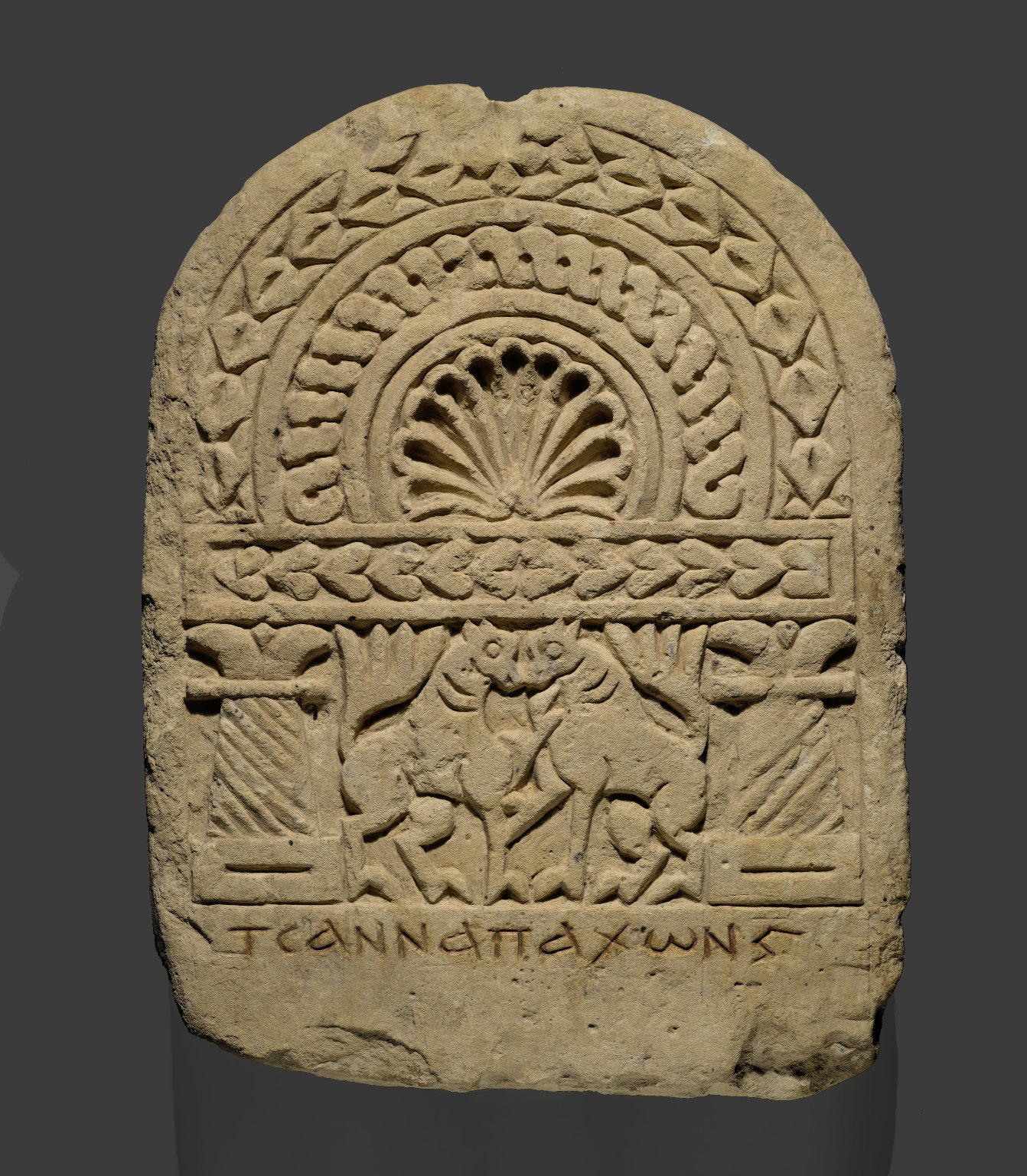
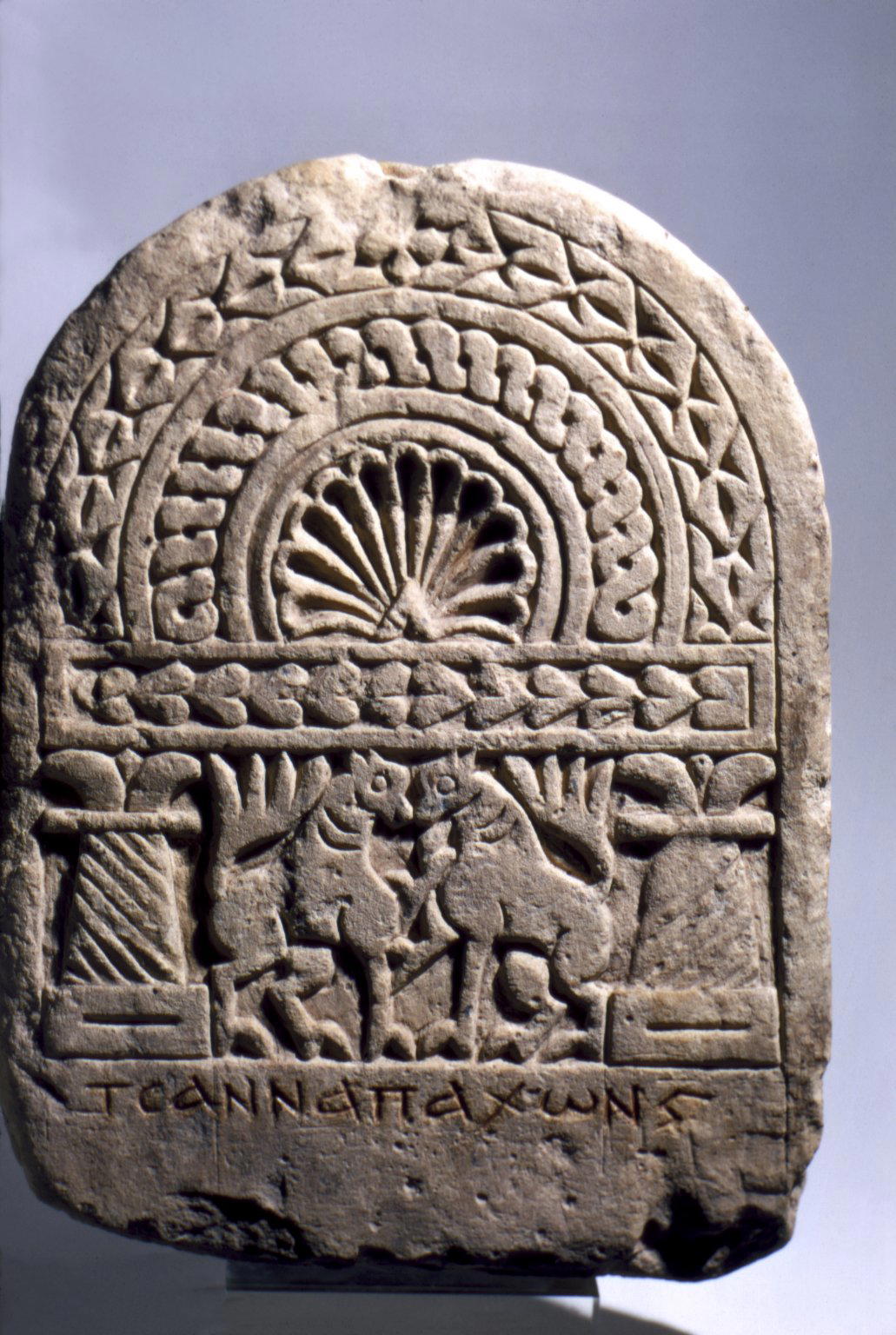
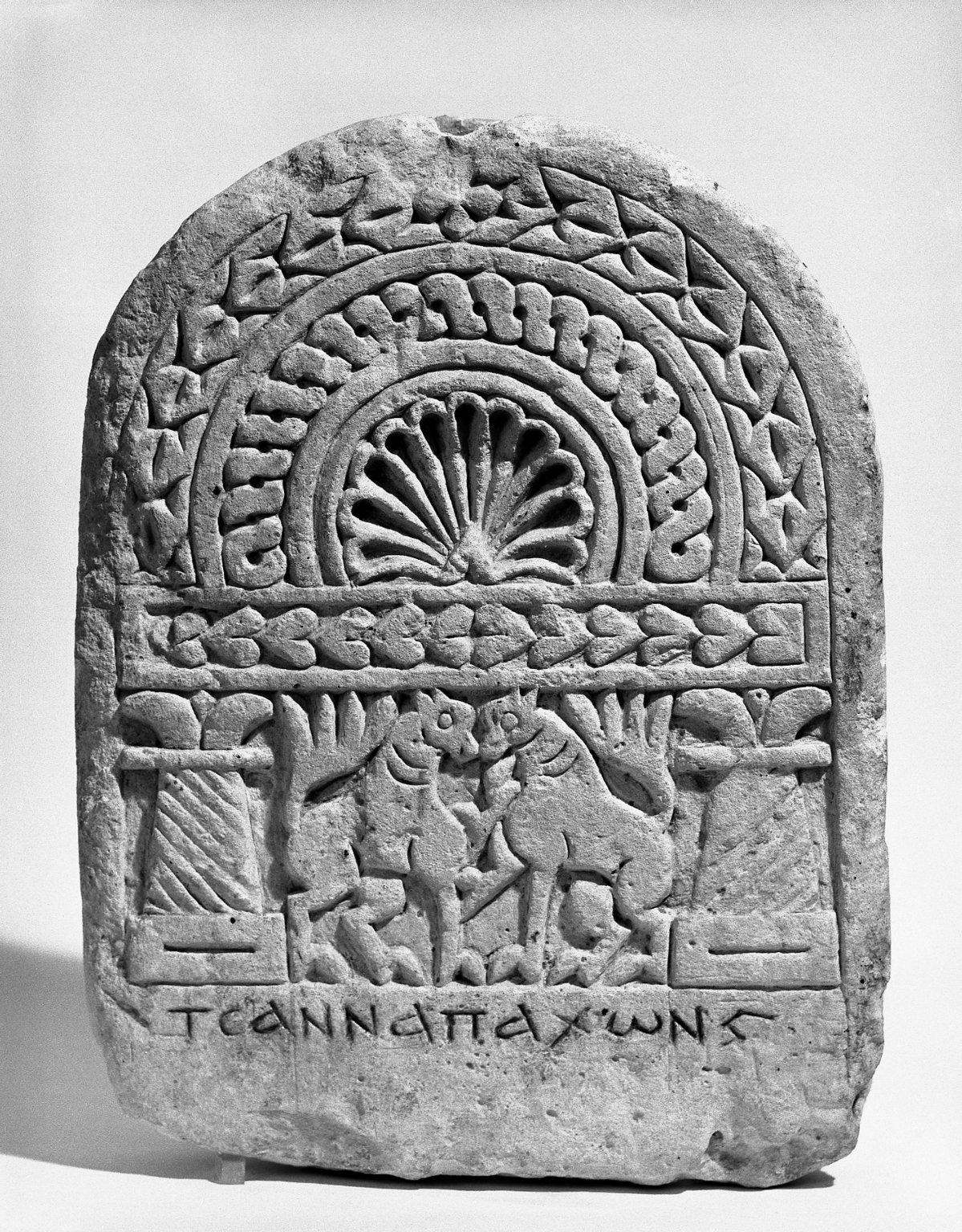
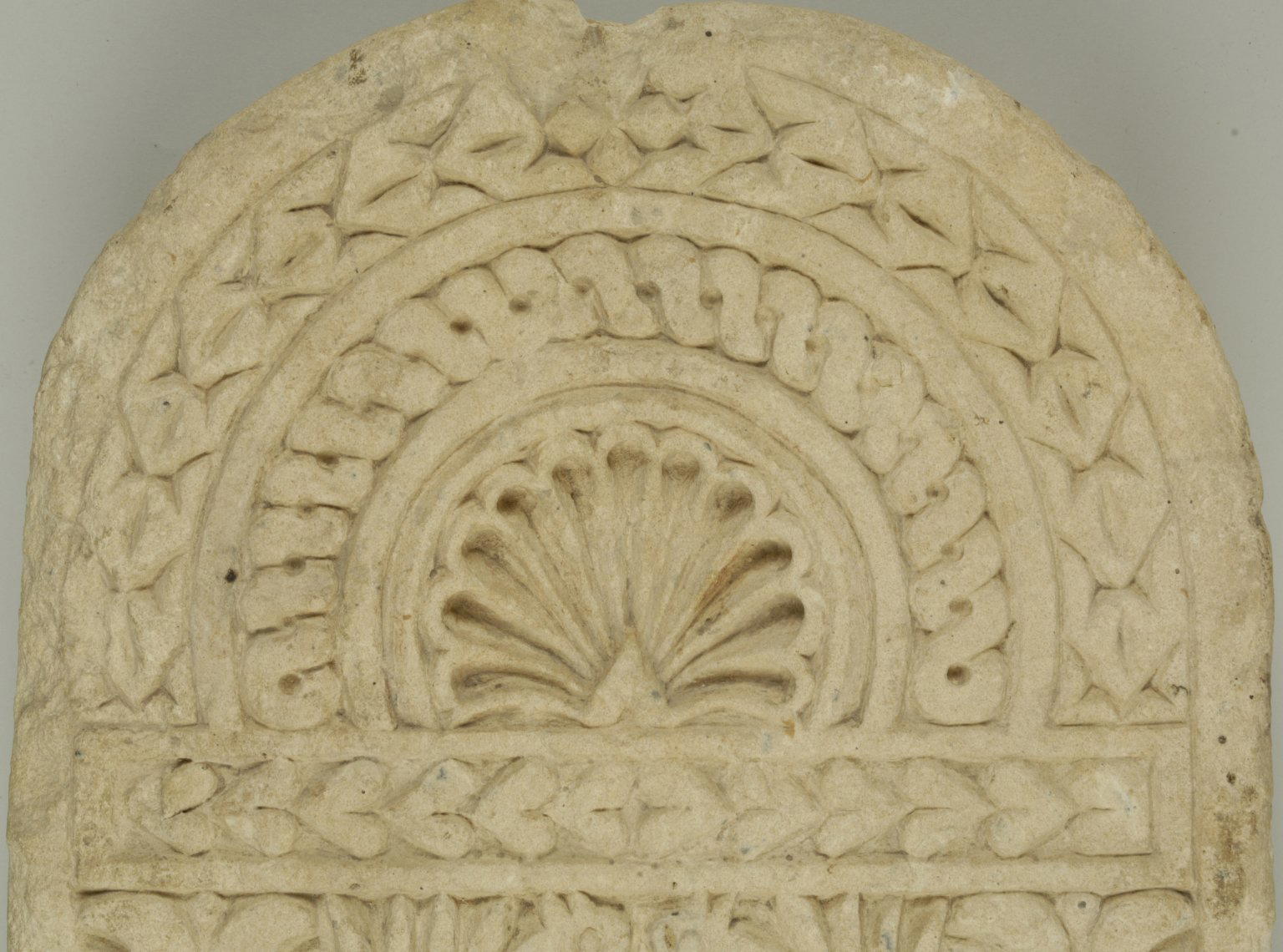
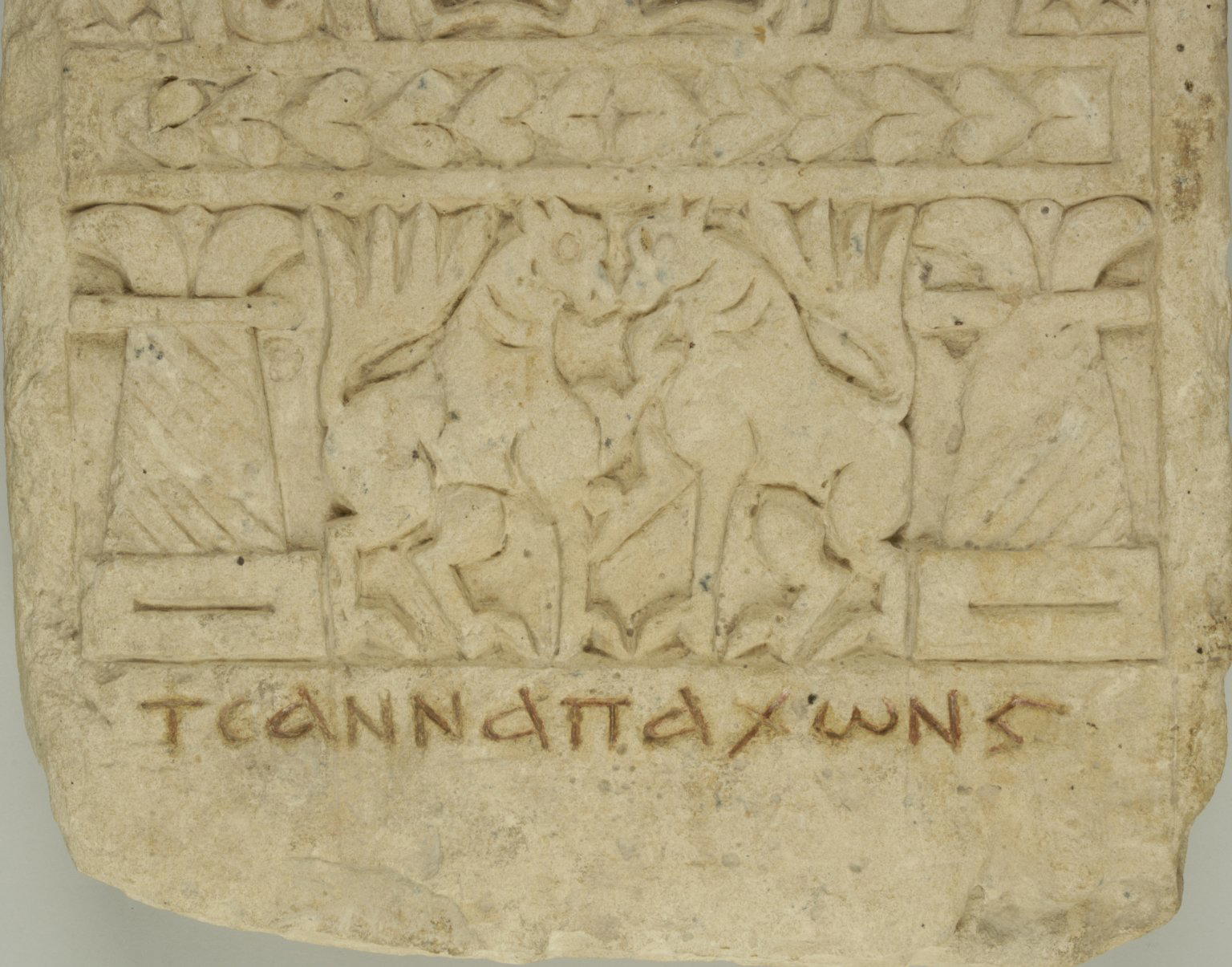
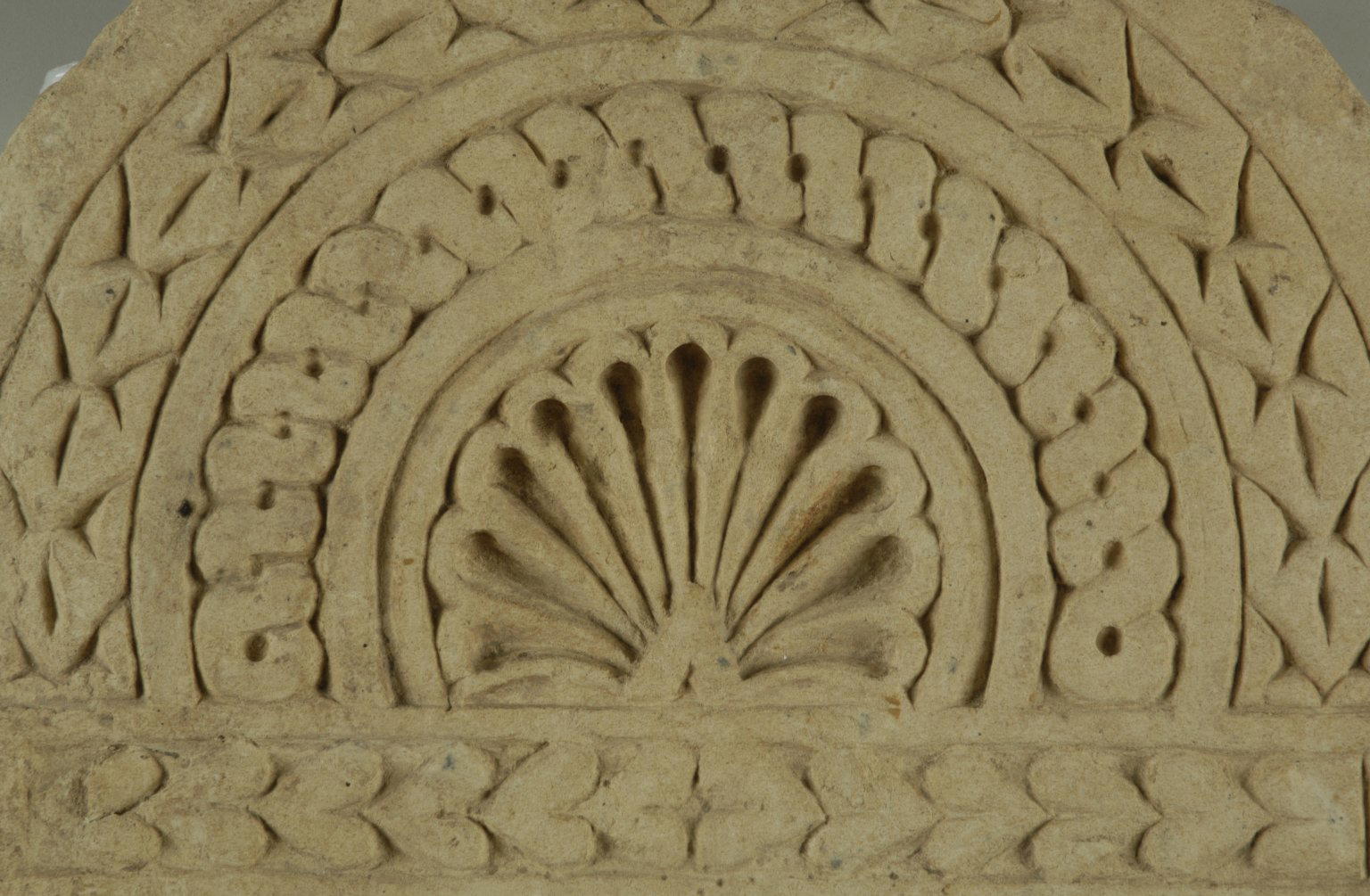
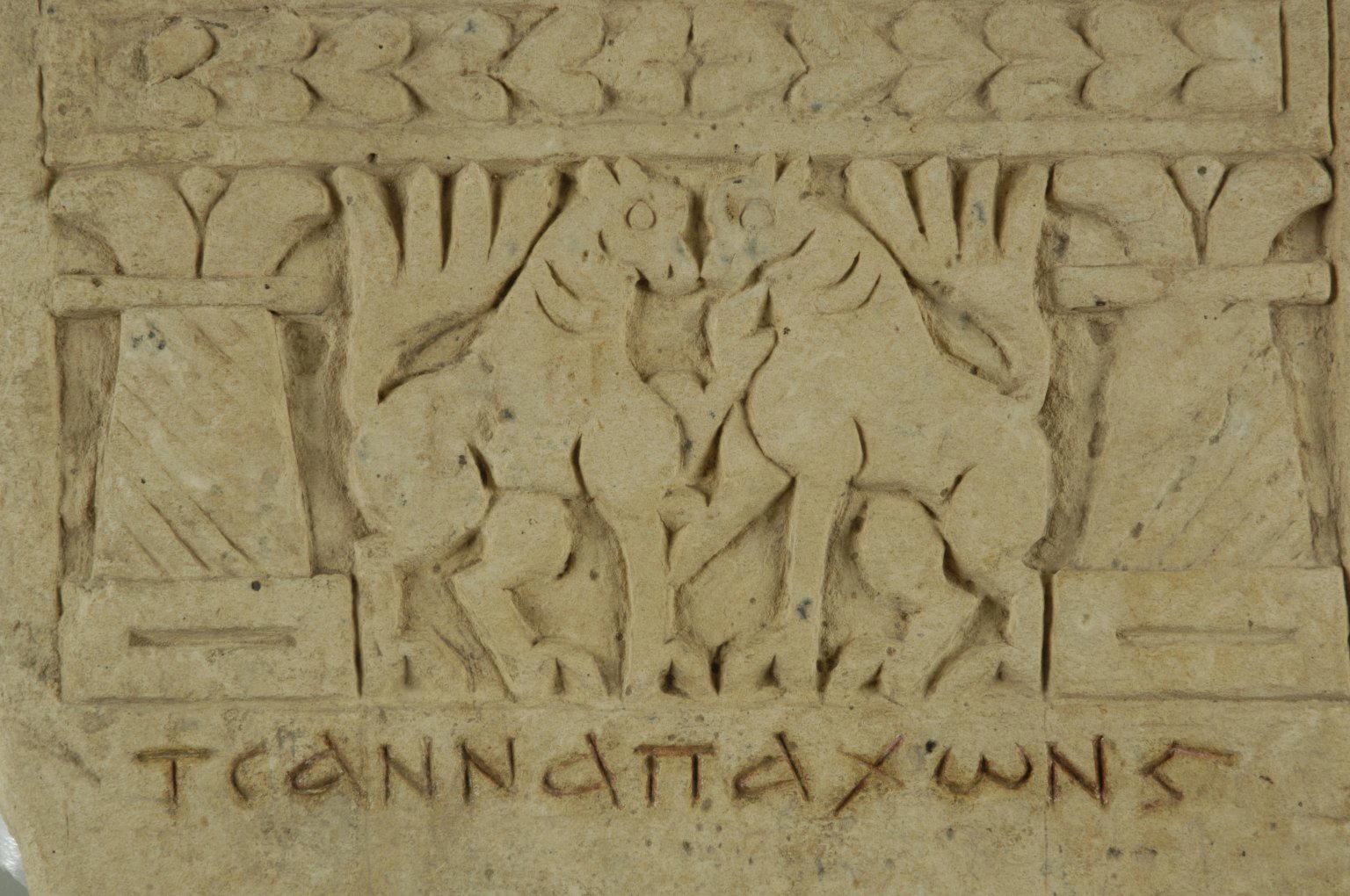
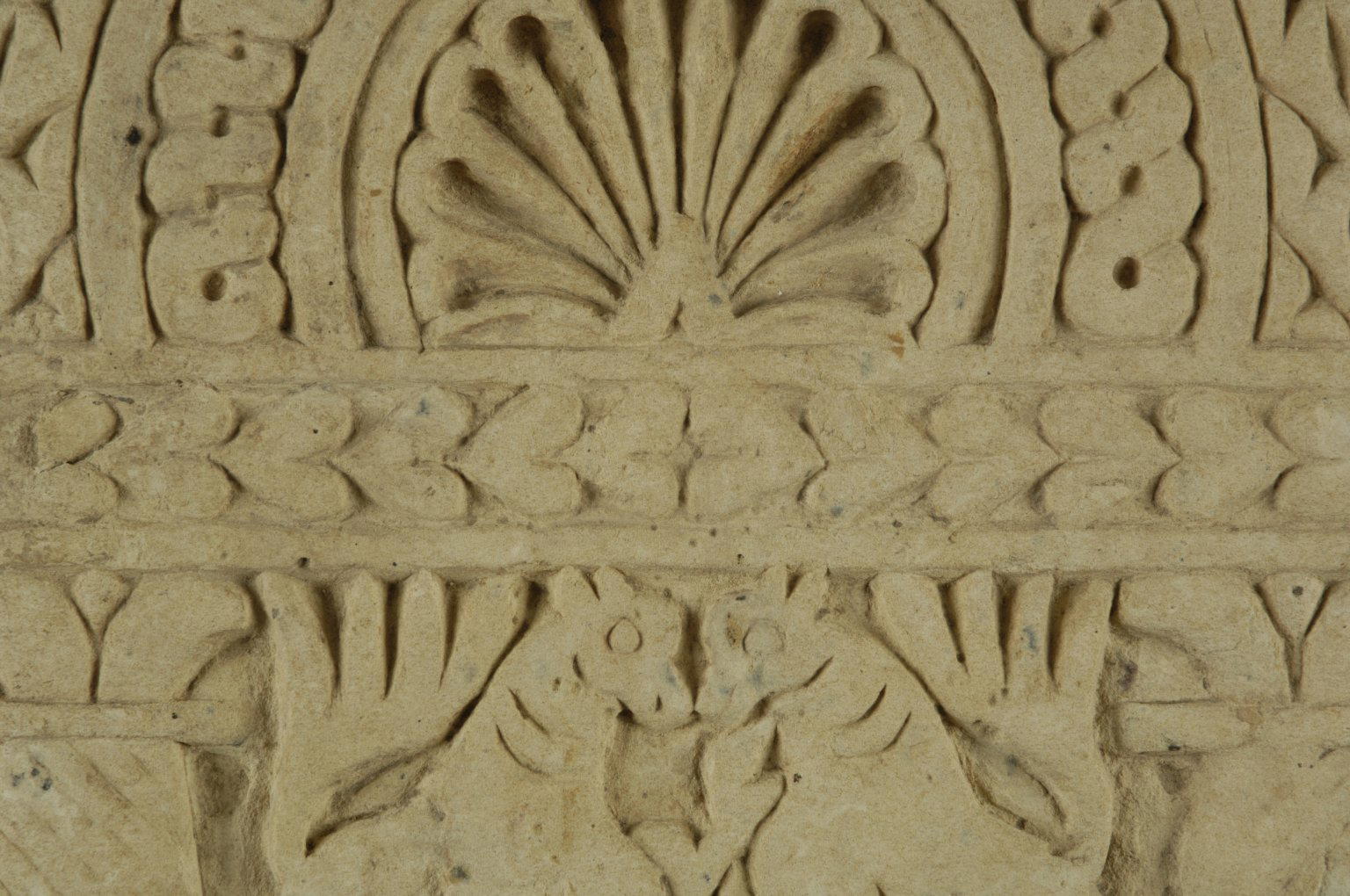
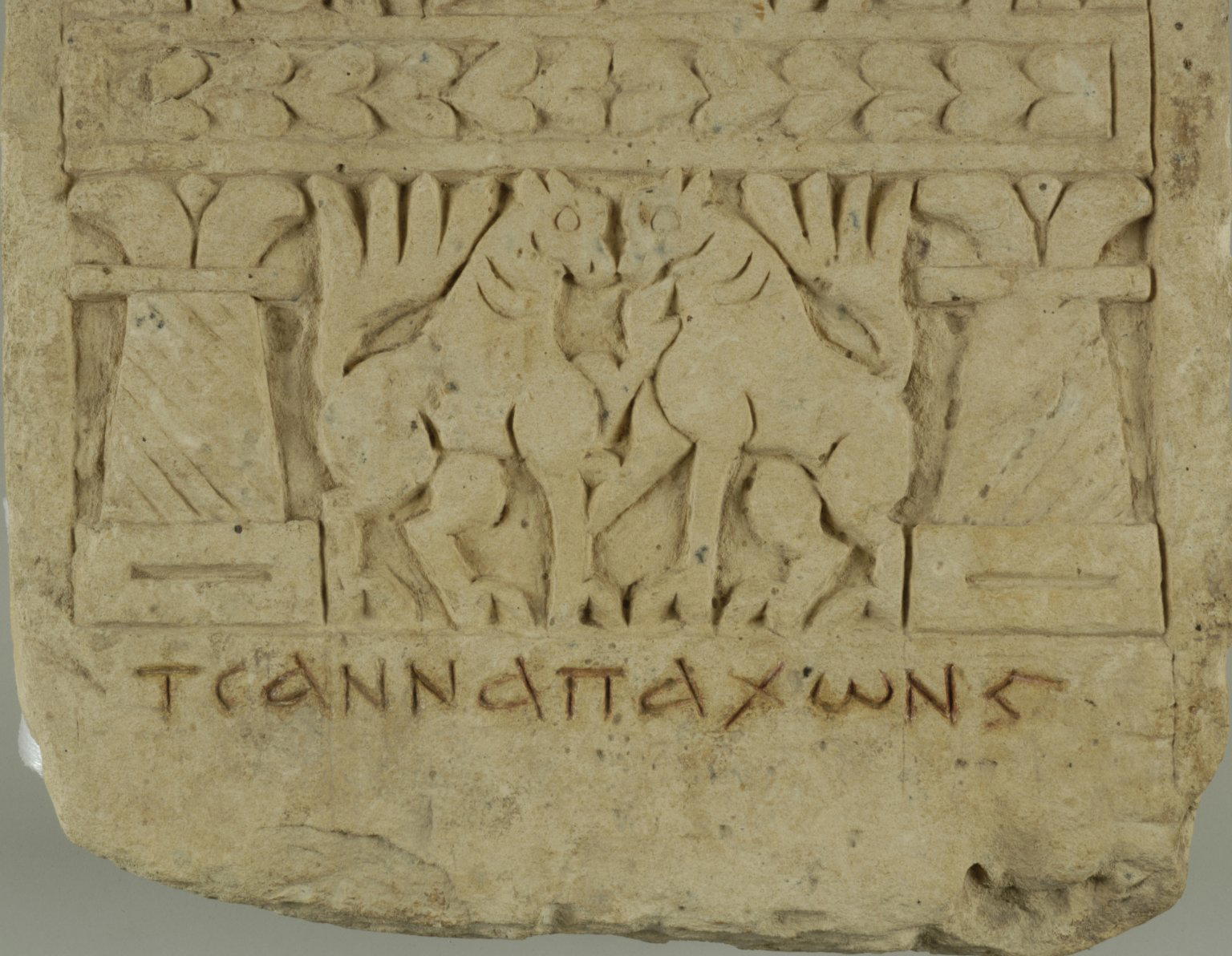
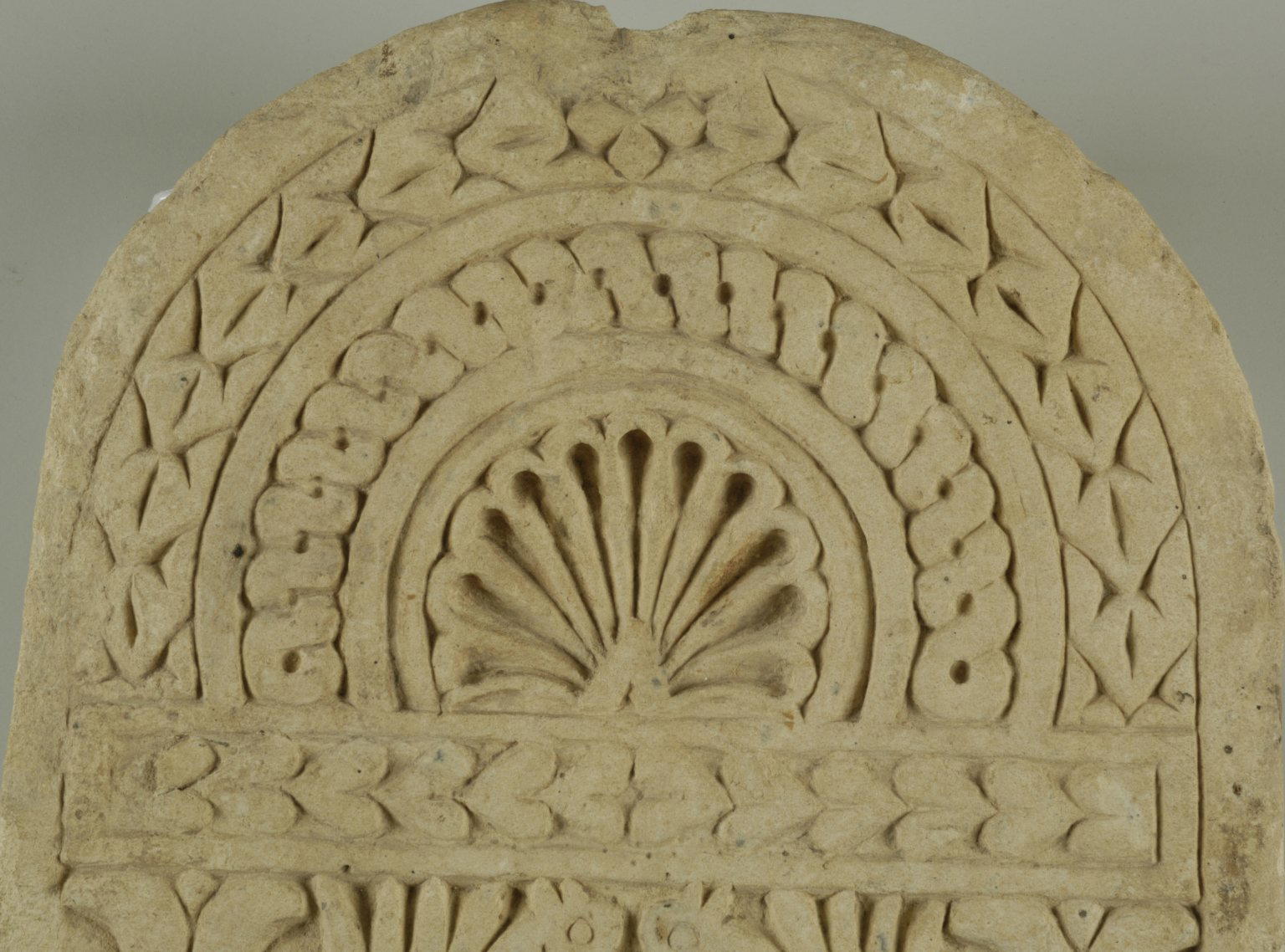
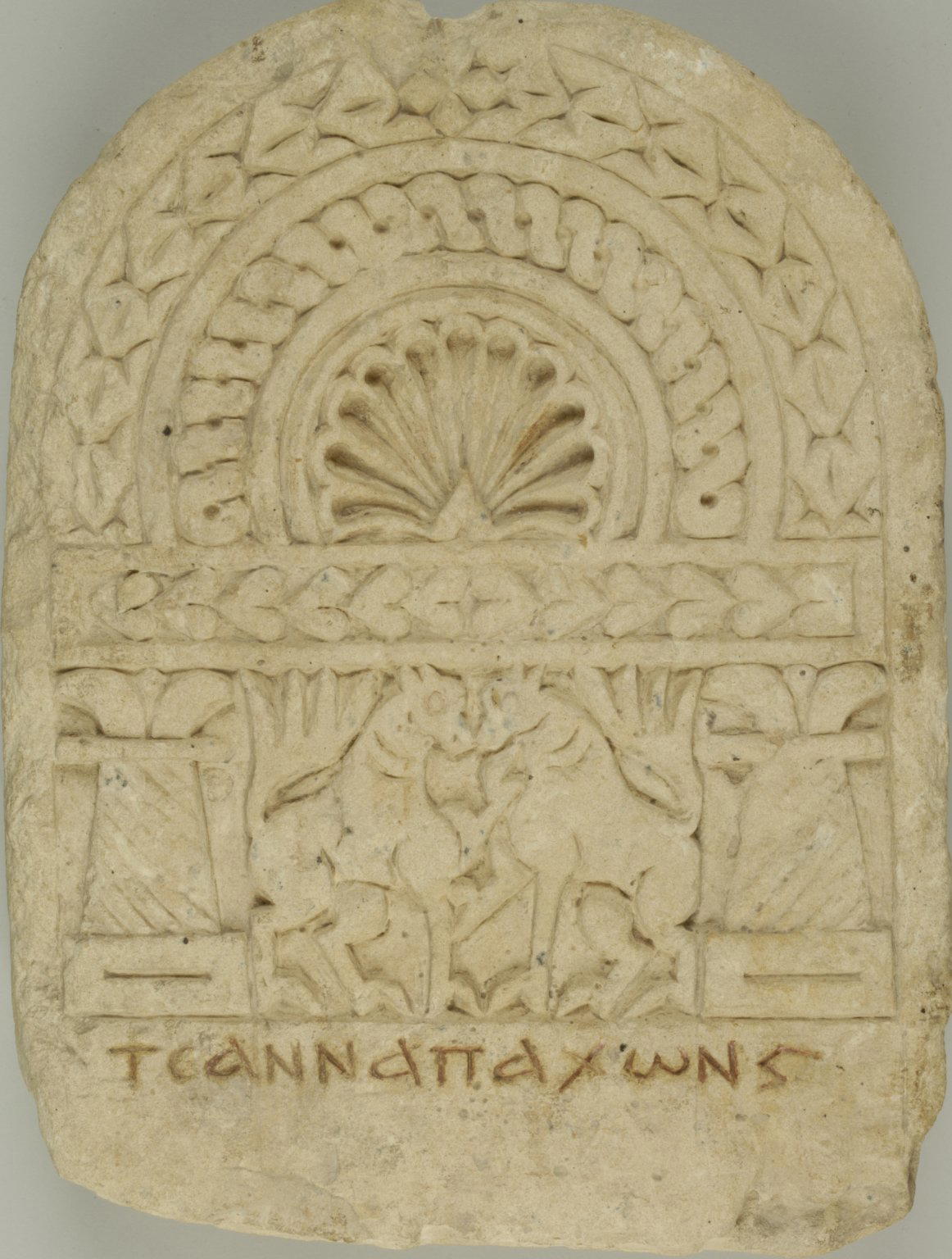
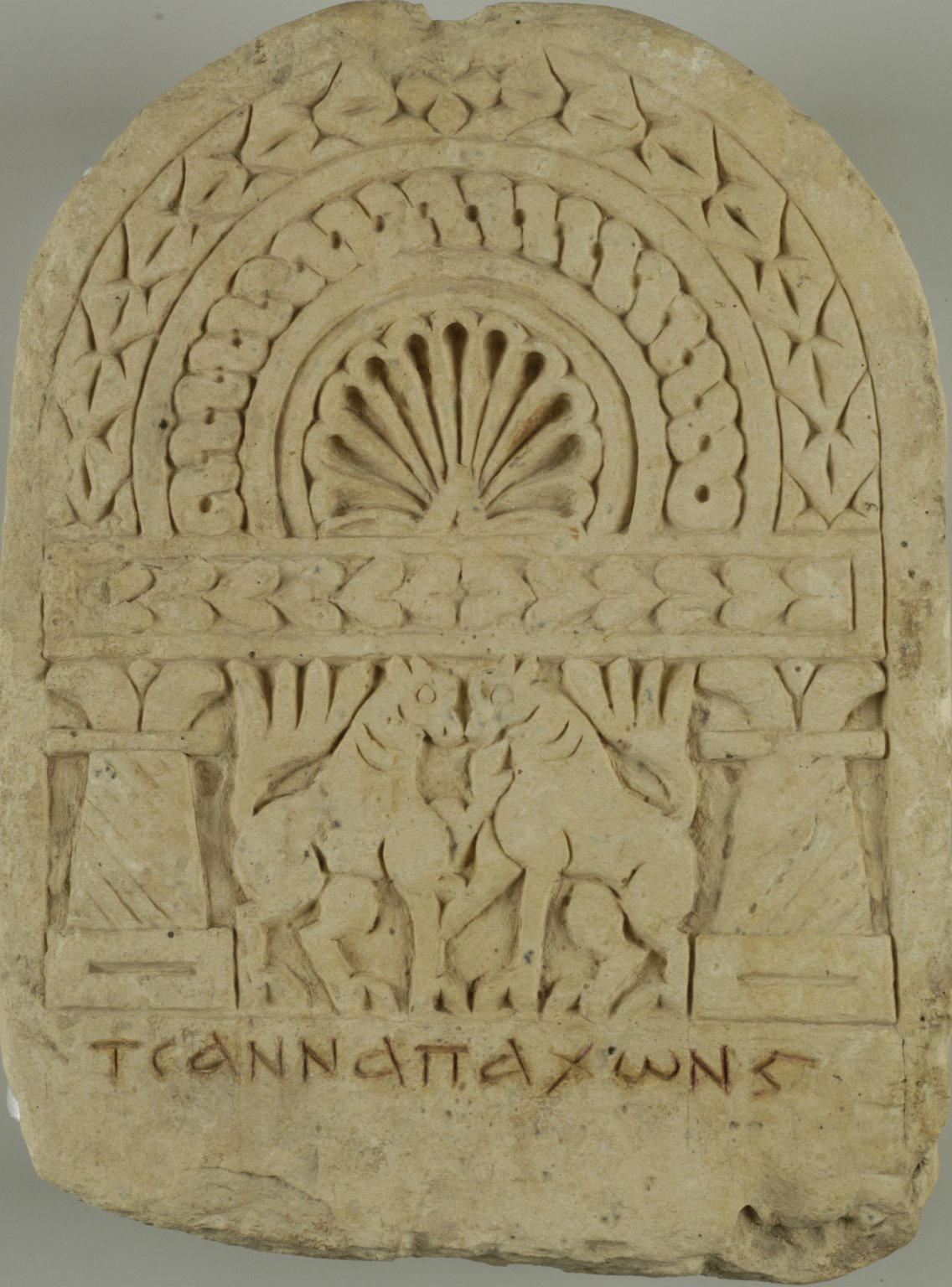
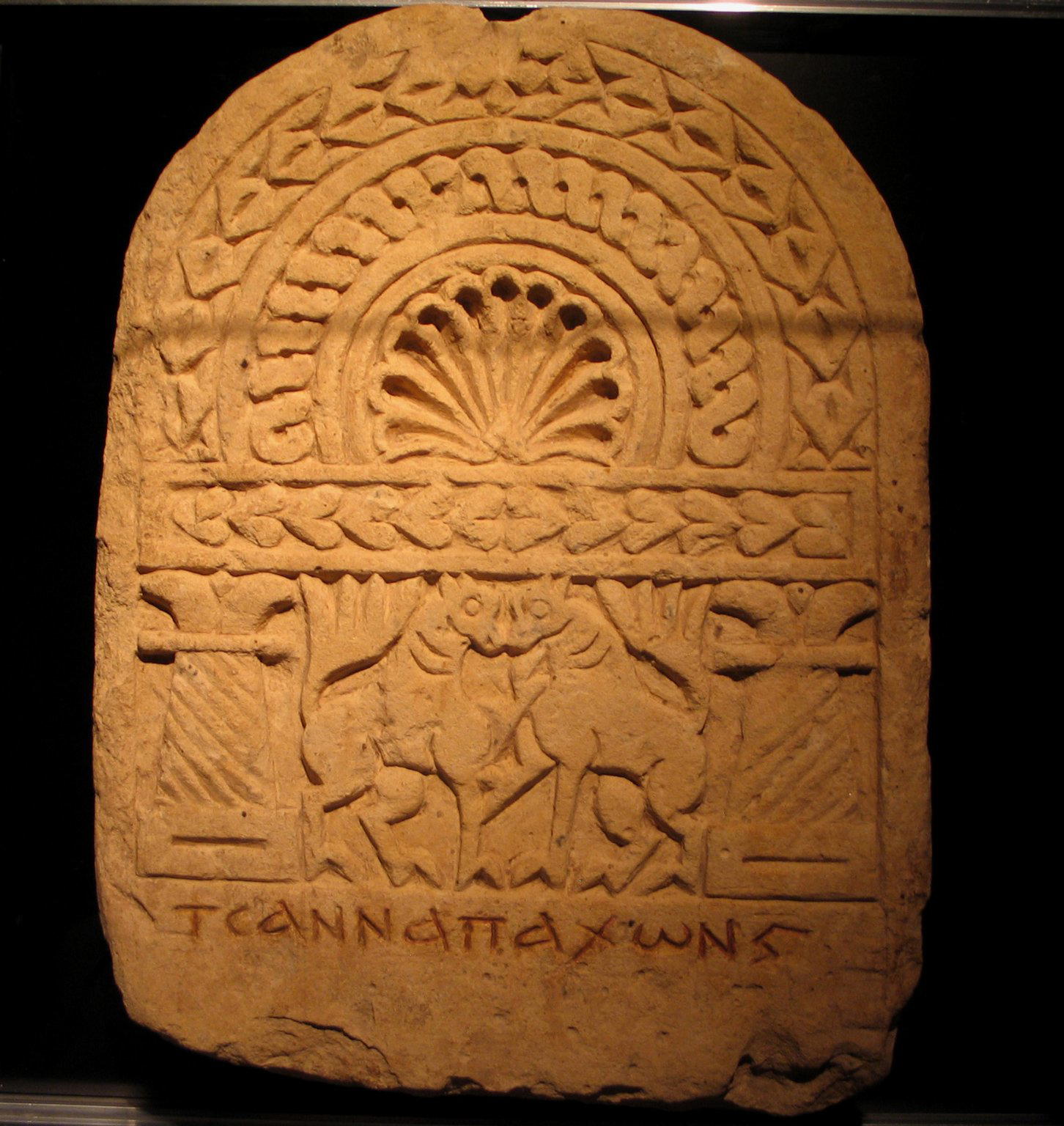
These two Christian stelae, made after the Arabs conquered Egypt in 642 c.e., reflect new styles from the East. The larger example (71.39.1), which has lost its top section, would have decorated a tomb wall much like the woven wall hangings in homes. Here, exuberant vegetal motifs almost submerge the small crosses. The round-topped stela (69.74.2), which has two lionlike animals in Eastern style and no Christian symbols at all, was made for a woman whose name, Suzanna, indicates that she was Christian. Her father’s name, Pachons, suggest that he was not Christian, a possibility that may explain the lack of Christian imagery here.
Caption
Coptic. Stela of Tsanna, 8th century C.E.. Limestone, pigment, 17 11/16 x 13 3/8 x 3 5/16 in. (45 x 34 x 8.4 cm). Brooklyn Museum, Charles Edwin Wilbour Fund, 69.74.2. (Photo: Brooklyn Museum)
Gallery
Not on view
Gallery
Not on view
Culture
Title
Stela of Tsanna
Date
8th century C.E.
Period
Umayyad Period to Tulunid Period
Geography
Place found: Esna, Egypt
Medium
Limestone, pigment
Classification
Dimensions
17 11/16 x 13 3/8 x 3 5/16 in. (45 x 34 x 8.4 cm)
Inscriptions
Epitaph in Coptic, "Tsanna [Suzanne] (daughter of) Pachôns," as translated by the Index of Christian Art.
Credit Line
Charles Edwin Wilbour Fund
Accession Number
69.74.2
Have information?
Have information about an artwork? Contact us at