Offering Vessel
Cupisnique


1 of 16
Object Label
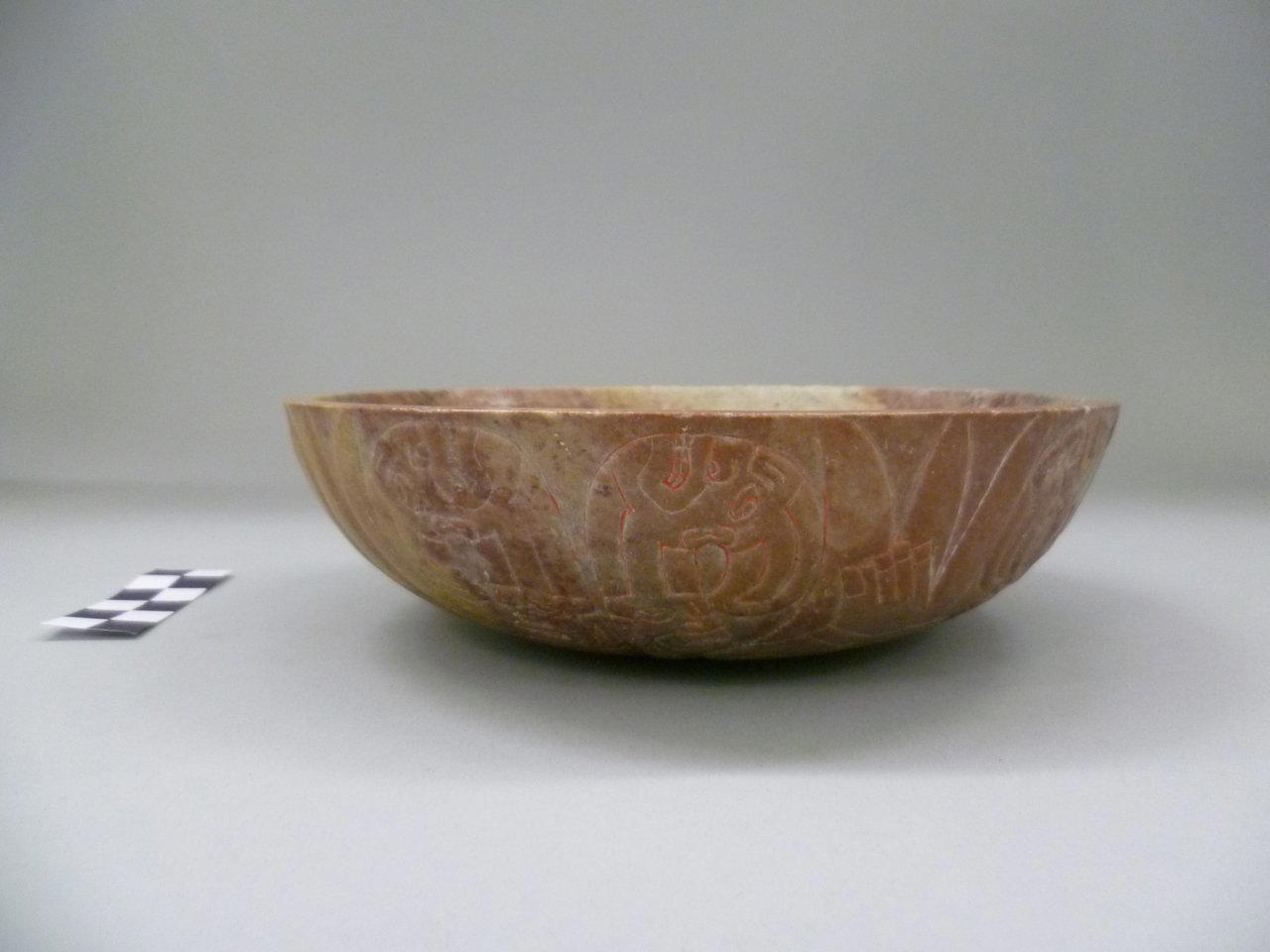
The Cupisnique people produced carved stone bowls embellished with complex mythological beings. The figure on this vessel represents a spider with two human arms and legs, and eight radiating trophy heads. It holds a knife in one hand and a decapitated head in the other. A snake emerges from a Strombus shell in the genital area.
The trophy heads allude to the figure’s supernatural powers. The spider may be associated with fertility rituals and stories of human sacrifice.
The trophy heads allude to the figure’s supernatural powers. The spider may be associated with fertility rituals and stories of human sacrifice.
Caption
Cupisnique. Offering Vessel, 900–200 B.C.E.. Carved steatite, pigment, 1 7/8 x 6 5/8 x 6 5/8 in. (4.8 x 16.8 x 16.8 cm). Brooklyn Museum, Gift of The Roebling Society and Dick S. Ramsay Fund, 71.23. (Photo: Brooklyn Museum)
Gallery
Not on view
Collection
Gallery
Not on view
Collection
Culture
Title
Offering Vessel
Date
900–200 B.C.E.
Geography
Place made: North Coast, Peru
Medium
Carved steatite, pigment
Classification
Dimensions
1 7/8 x 6 5/8 x 6 5/8 in. (4.8 x 16.8 x 16.8 cm)
Credit Line
Gift of The Roebling Society and Dick S. Ramsay Fund
Accession Number
71.23
Frequent Art Questions
Where was it found?
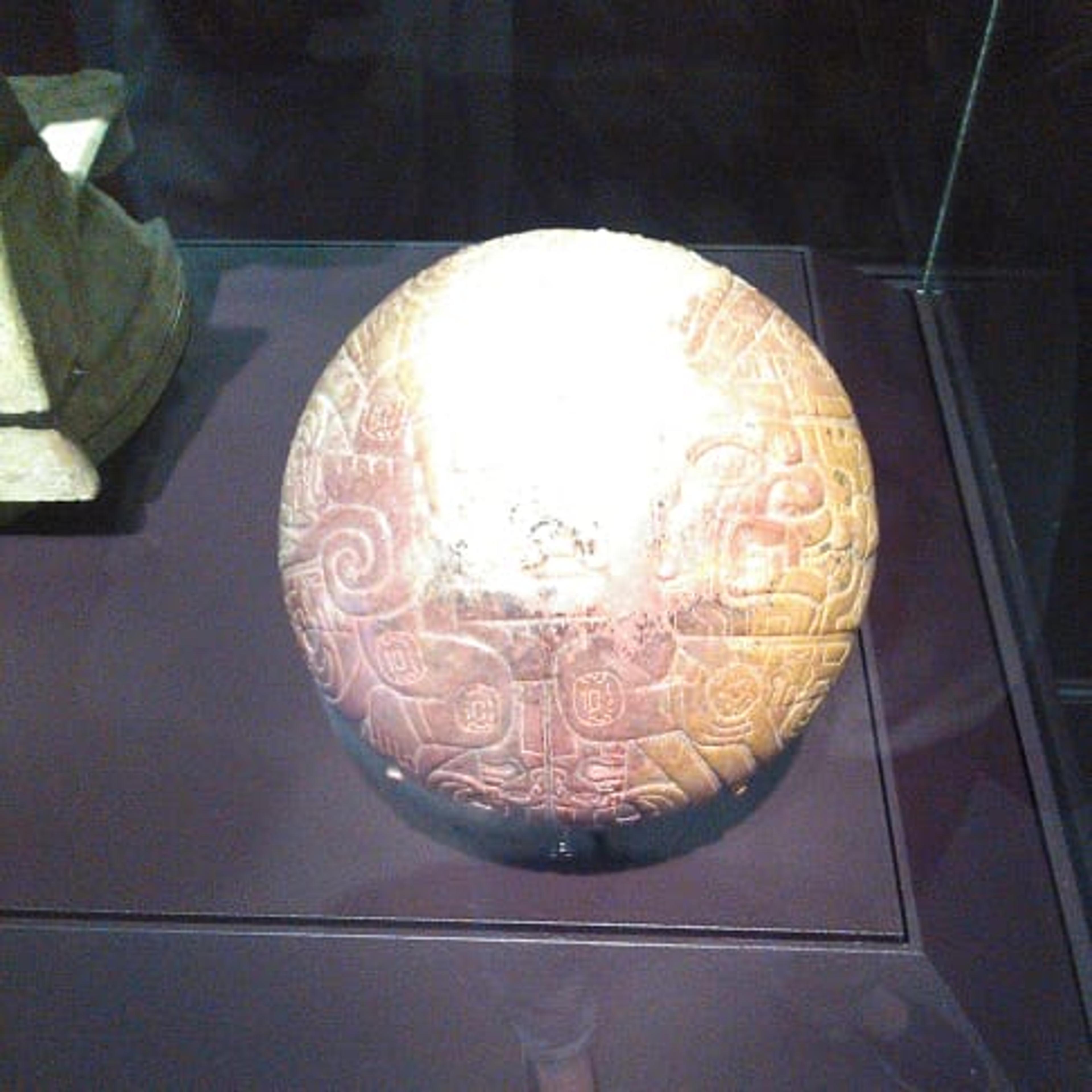 This Offering Vessel by a Cupisnique was found in the North Coast of Peru. Early Peruvian artists created a language of visual metaphors, which they inserted into their artworks. For example, hair may be portrayed by snakes, but an audience at the time would understand that hair was being represented.
Have information?
Have information about an artwork? Contact us at