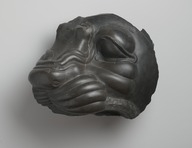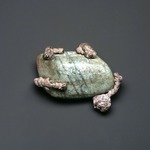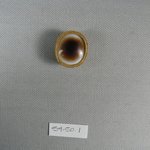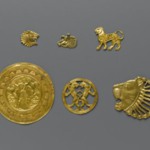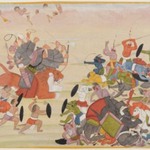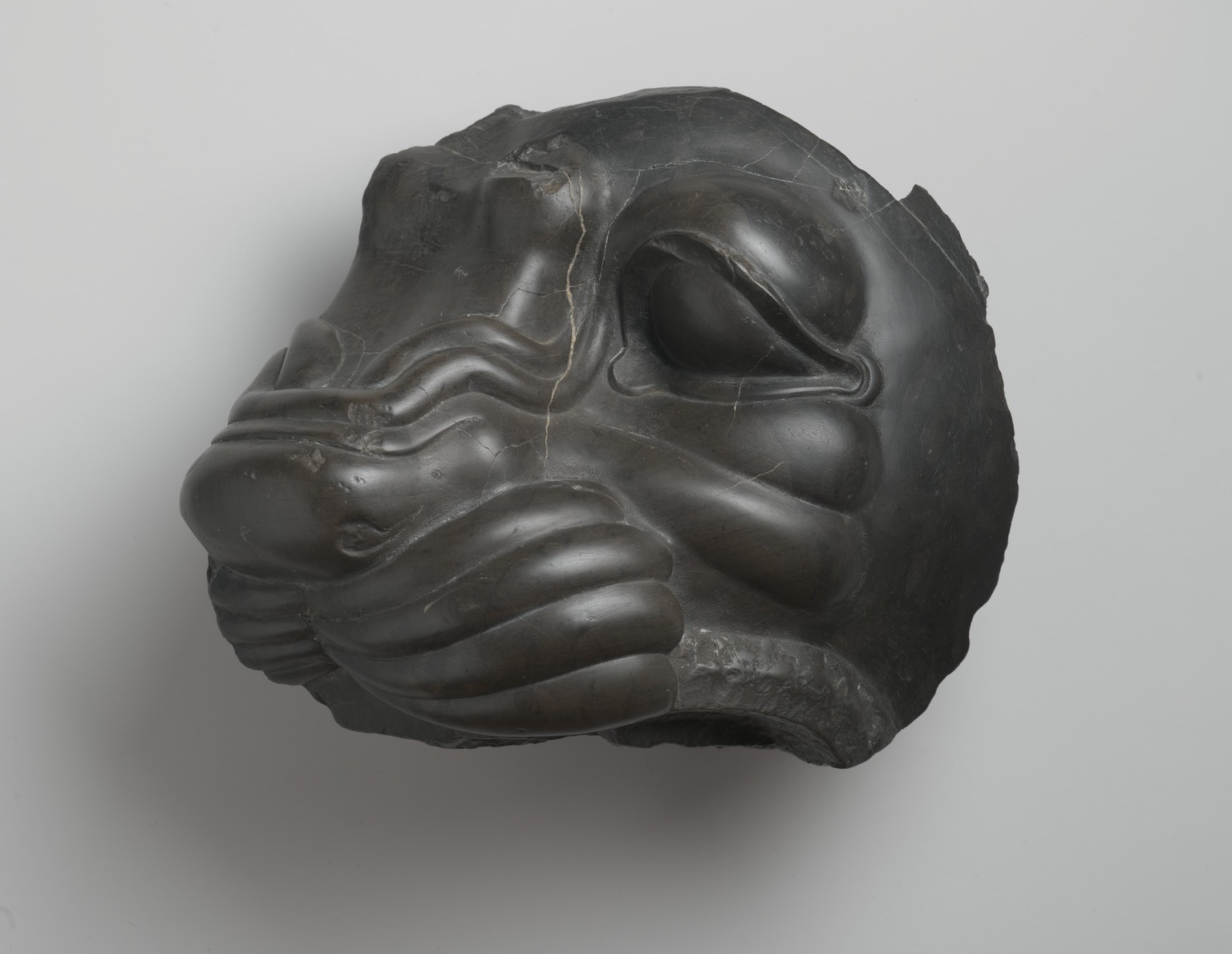
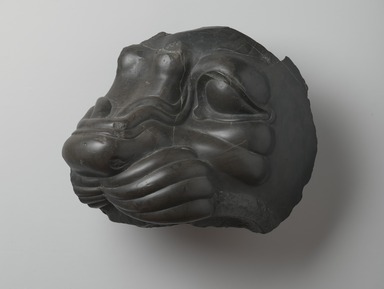
Persian. Head of a Lion, 5th–4th century B.C.E. Bituminous limestone, pigment (Egyptian blue), 8 7/8 x 9 13/16 in. (22.6 x 25 cm). Collection of Robin B. Martin Trust, L54.3. Creative Commons-BY (Photo: Brooklyn Museum, L54.3_view1_PS2.jpg)
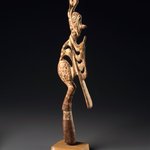
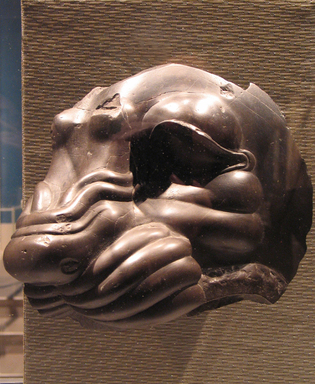
Persian. Head of a Lion, 5th–4th century B.C.E. Bituminous limestone, pigment (Egyptian blue), 8 7/8 x 9 13/16 in. (22.6 x 25 cm). Collection of Robin B. Martin Trust, L54.3. Creative Commons-BY (Photo: Brooklyn Museum, L54.3_view2_PS2.jpg)
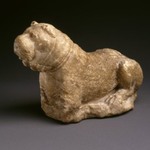
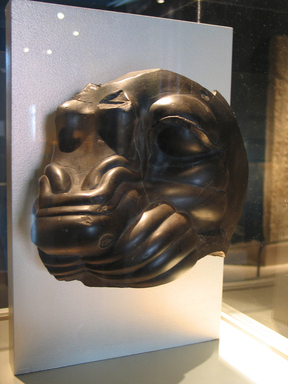
Persian. Head of a Lion, 5th–4th century B.C.E. Bituminous limestone, pigment (Egyptian blue), 8 7/8 x 9 13/16 in. (22.6 x 25 cm). Collection of Robin B. Martin Trust, L54.3. Creative Commons-BY (Photo: Brooklyn Museum, CUR.L54.3_kevorkian_03_09.jpg)
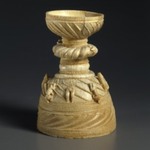
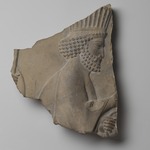
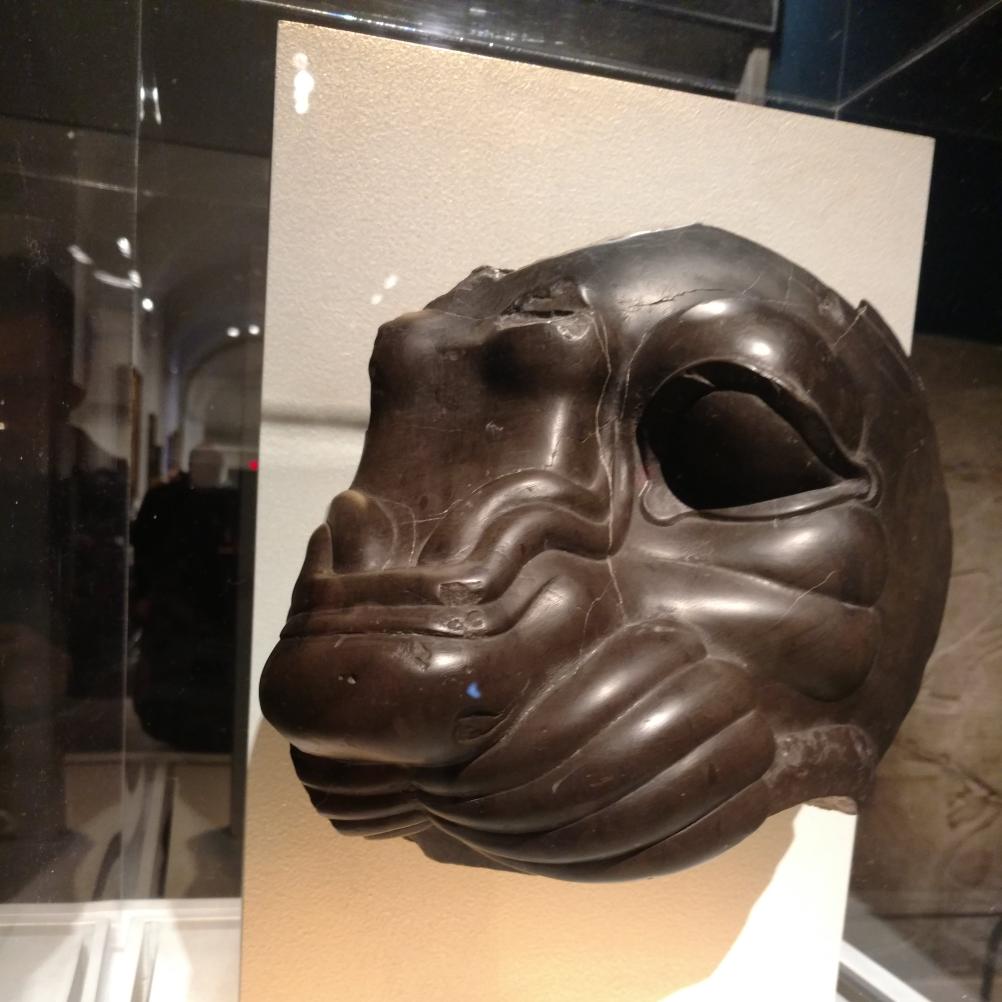
Persian. Head of a Lion, 5th–4th century B.C.E. Bituminous limestone, pigment (Egyptian blue), 8 7/8 x 9 13/16 in. (22.6 x 25 cm). Collection of Robin B. Martin Trust, L54.3. Creative Commons-BY (Photo: Brooklyn Museum, CUR.L54.3_kev09.jpg)


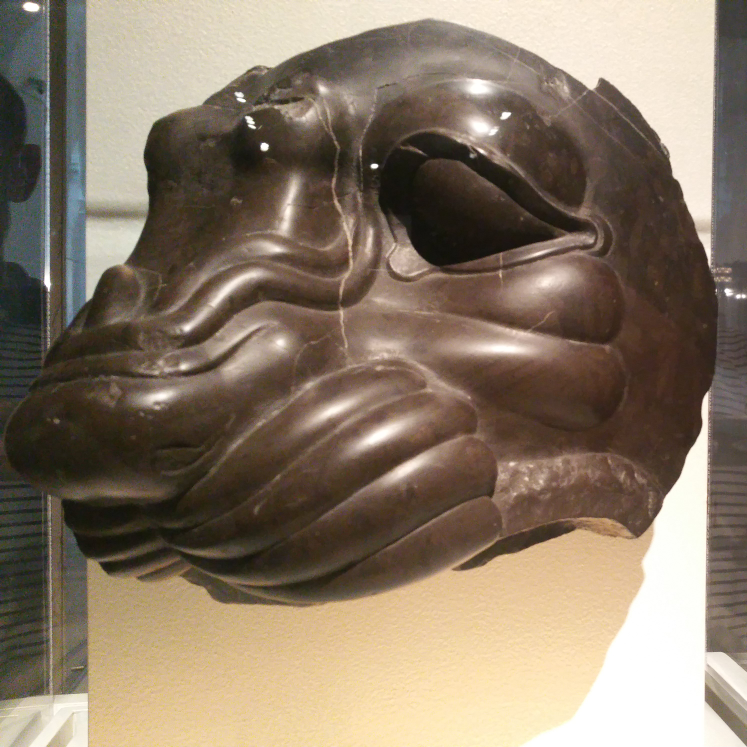
Head of a Lion
Egyptian, Classical, Ancient Near Eastern Art
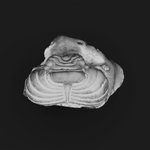
This fragmentary lion’s head—representing an eye and part of the muzzle—was part of the decoration of a palace. The modeling of its facial folds is highly stylized and, as on all Achaemenid representations of lions, its mouth is open to snarl or roar.