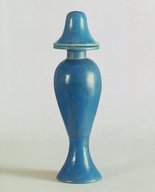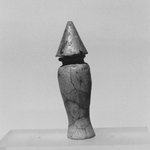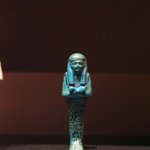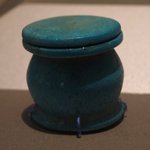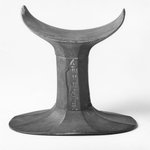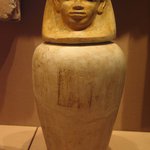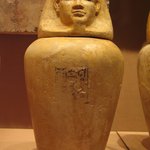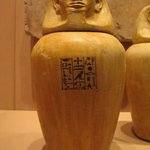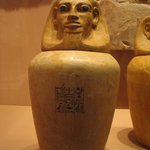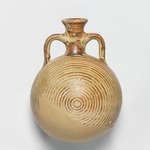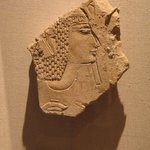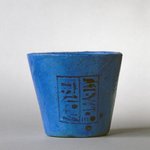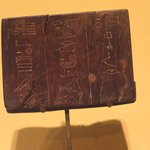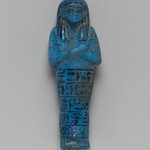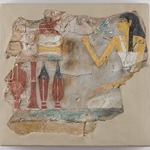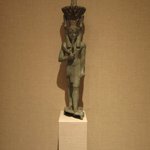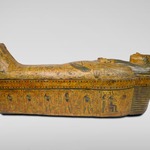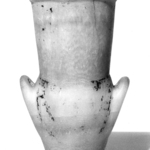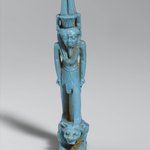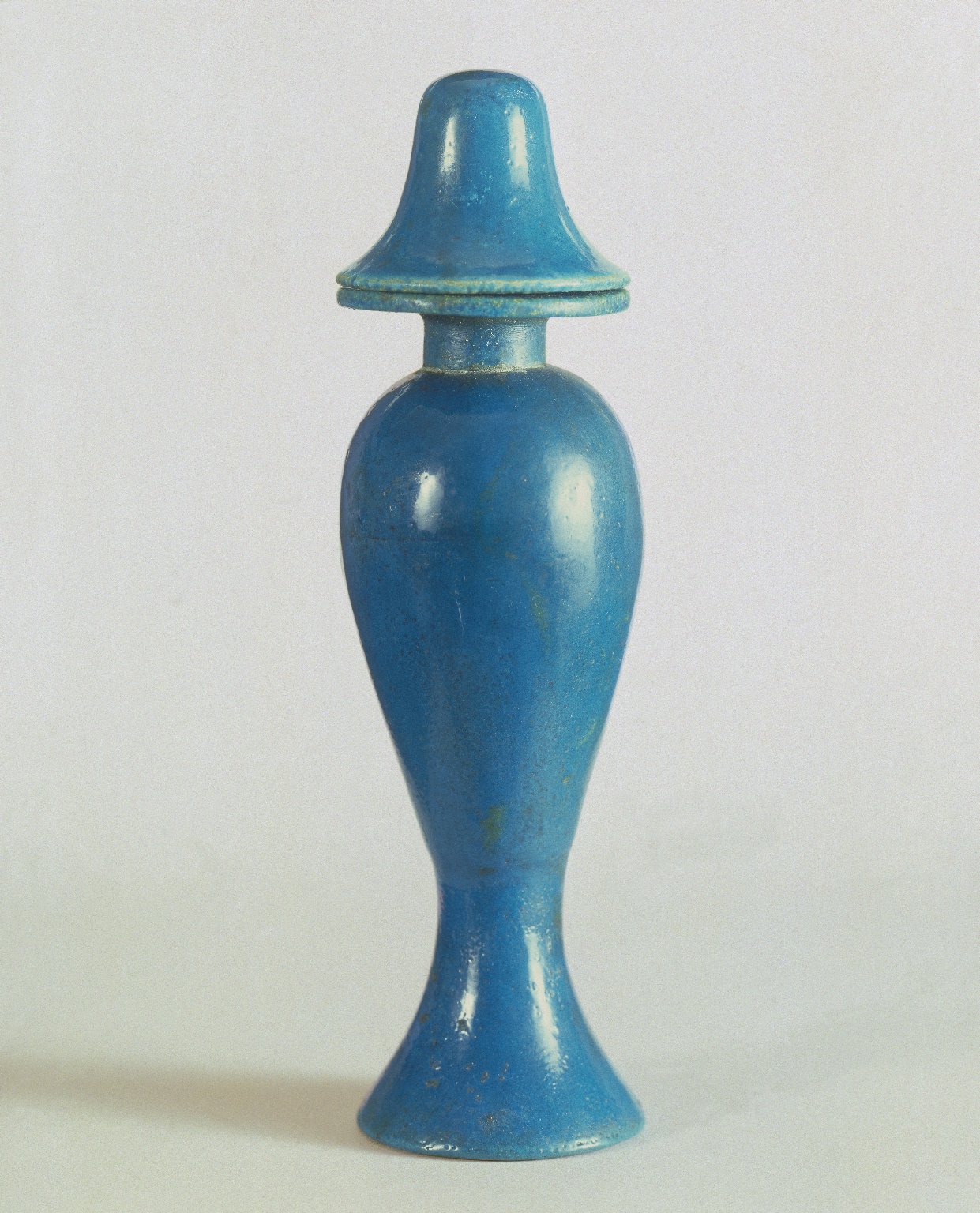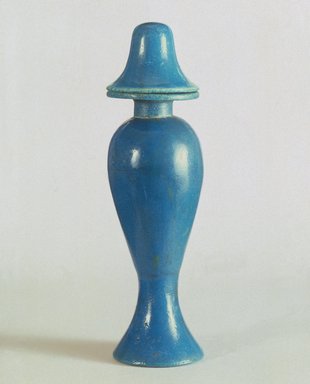
Hes-Vase with Cover, ca. 1350–1295 B.C.E. Faience, 8 1/16 x Diam. 2 3/16 in. (20.5 x 5.6 cm). Brooklyn Museum, Charles Edwin Wilbour Fund, 48.55a-b. Creative Commons-BY (Photo: Brooklyn Museum, 48.55a-b_SL1.jpg)
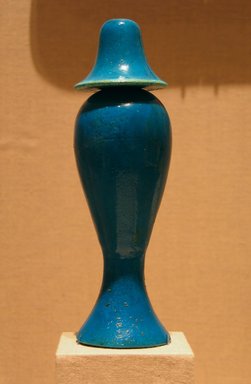
Hes-Vase with Cover, ca. 1350–1295 B.C.E. Faience, 8 1/16 x Diam. 2 3/16 in. (20.5 x 5.6 cm). Brooklyn Museum, Charles Edwin Wilbour Fund, 48.55a-b. Creative Commons-BY (Photo: Brooklyn Museum, CUR.48.55a-b_wwgA-2.jpg)

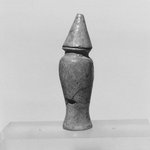
Hes-Vase with Cover, ca. 1350–1295 B.C.E. Faience, 8 1/16 x Diam. 2 3/16 in. (20.5 x 5.6 cm). Brooklyn Museum, Charles Edwin Wilbour Fund, 48.55a-b. Creative Commons-BY (Photo: Brooklyn Museum, CUR.48.55a-b_temples.jpg)


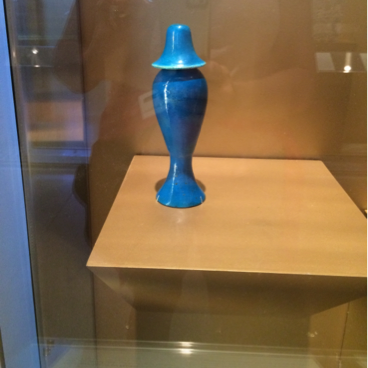
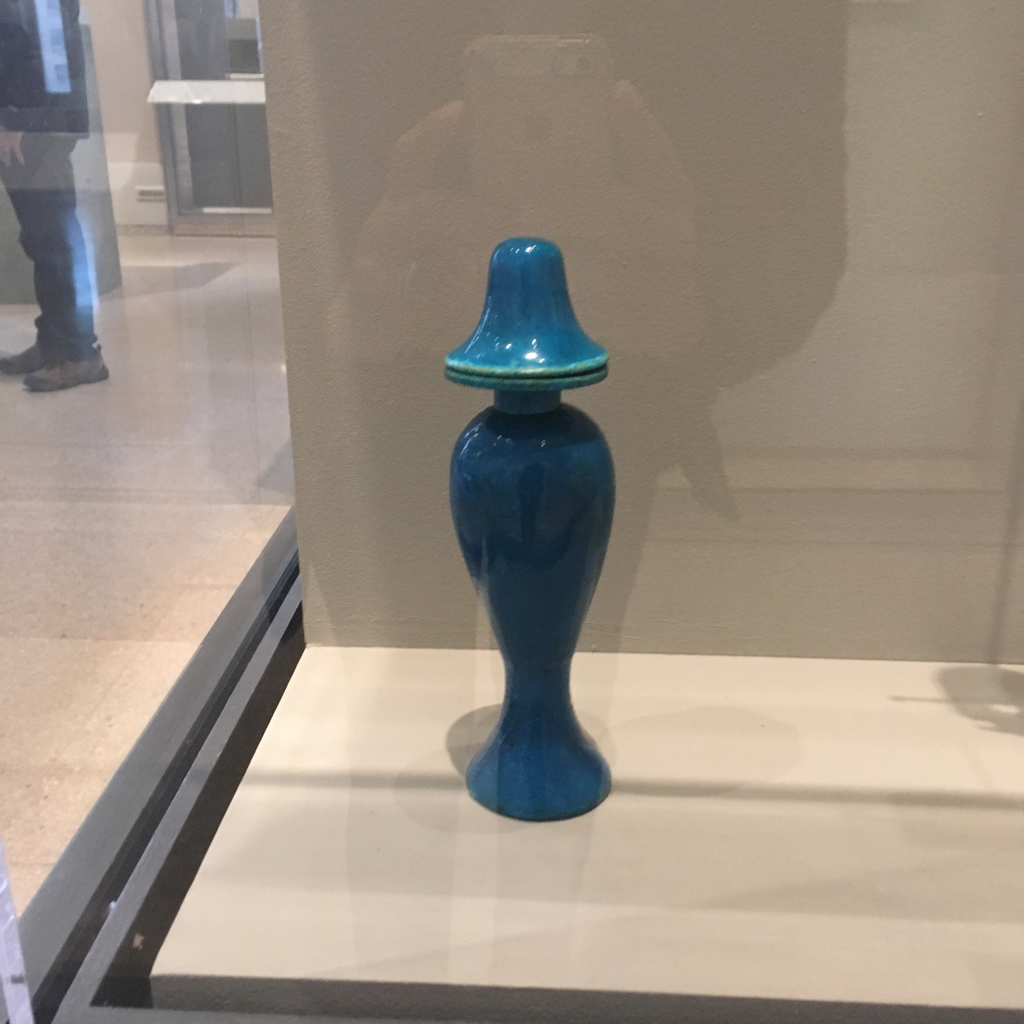
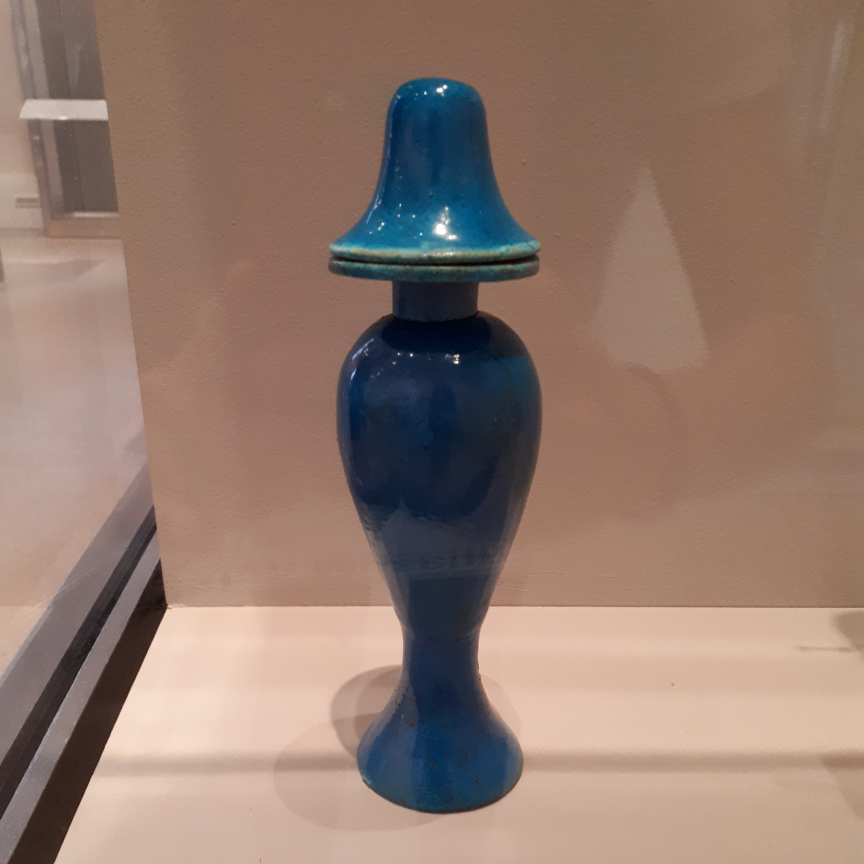
Hes-Vase with Cover
Egyptian, Classical, Ancient Near Eastern Art
On View: Old Kingdom to 18th Dynasty, Egyptian Galleries, 3rd Floor