Ibis Mummy
740–380 B.C.E.

Brooklyn Museum photograph
Object Label
These four animal mummies are in ibis-related shapes but different wrapping styles. The CT scans and X-rays shown here reveal that two of these mummies are indeed ibises, as expected, but that of the two others, one contains snakes and the other contains shrews.
Scientific examination has revolutionized scholars’ understanding of the most basic data available in analyzing animal mummies.
Scientific examination has revolutionized scholars’ understanding of the most basic data available in analyzing animal mummies.
Caption
Ibis Mummy, 740–380 B.C.E.. Animal remains (female sacred ibis, Threskiornis aethiopicus), linen, 16 × 5 3/4 × 4 3/4 in. (40.6 × 14.6 × 12.1 cm). Brooklyn Museum, Charles Edwin Wilbour Fund, 37.1382E. (Photo: Brooklyn Museum)
Gallery
Not on view
Gallery
Not on view
Title
Ibis Mummy
Date
740–380 B.C.E.
Dynasty
Dynasty 22 to Dynasty 27
Period
Third Intermediate Period to Late Period
Geography
Place made: Egypt
Medium
Animal remains (female sacred ibis, Threskiornis aethiopicus), linen
Classification
Dimensions
16 × 5 3/4 × 4 3/4 in. (40.6 × 14.6 × 12.1 cm)
Credit Line
Charles Edwin Wilbour Fund
Accession Number
37.1382E
Frequent Art Questions
The animal mummies are so fascinating! I was surprised to learn that the more elaborate the mummy's wrappings are, the less likely it is that there is a complete animal inside.
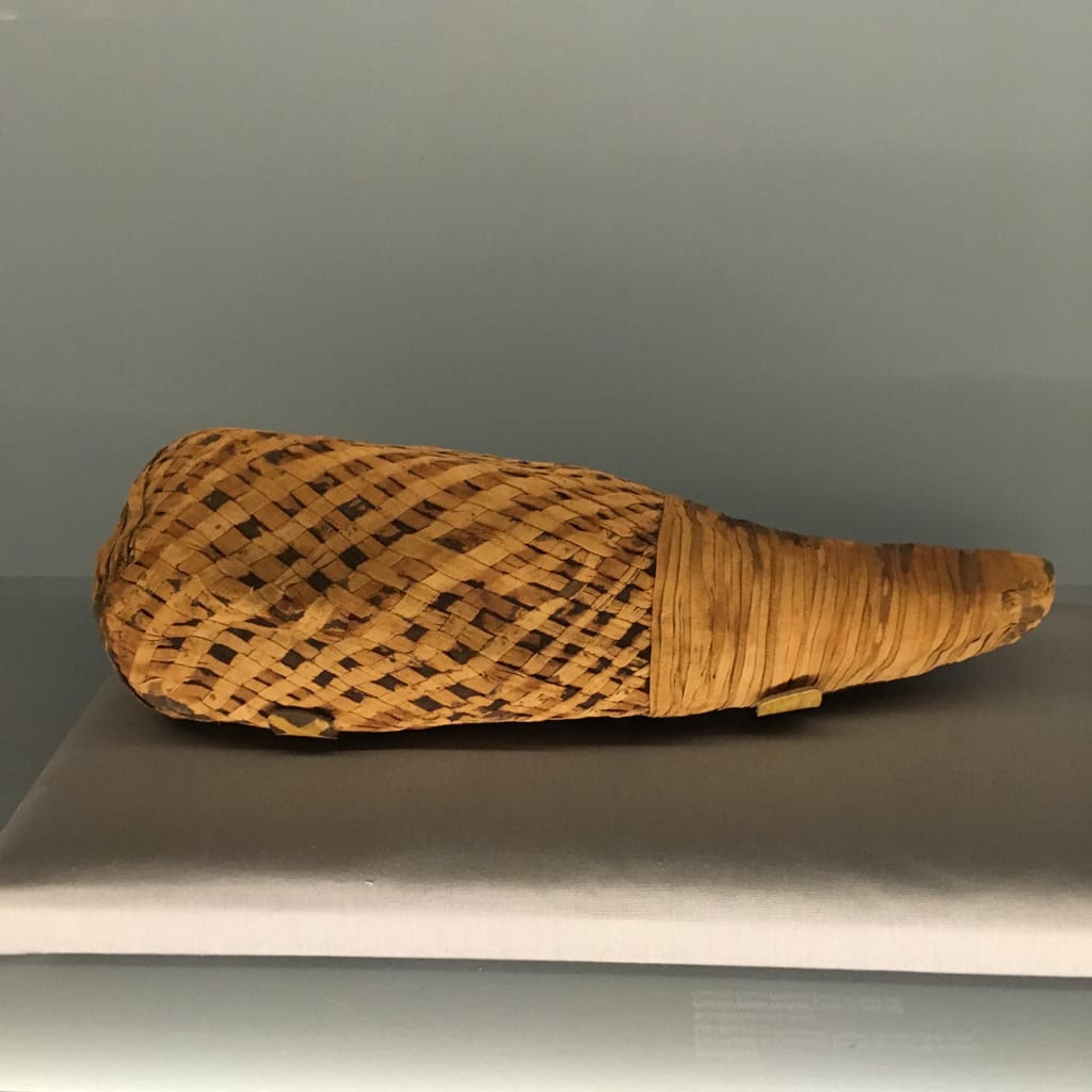 Oh wow, that is interesting. Like this for example?This mummy contains a complete ibis. You can compare it to the extremely elaborate (and beautiful!) ibis mummy in the last room which has a resin mask and headdress, but only contains feathers!It appears that there may have been some corrupt priests working in the temples that sold these mummies to the public.Wow how rude! Corruption.
What is the ibis mummy
Hi! An ibis is a type of water bird with a long, curved beak. The ancient Egyptians associated them with Thoth, the god of wisdom and writing.There were certain temples where the priests bred the birds specifically to be mummified and sold to the public for making donations to the god.Thank you!!What did the ibis symbolize something that made them so popular?
Their long beak resembled the reed pens used by scribes, which is how they came to be associated with the god Thoth.Tell me more.
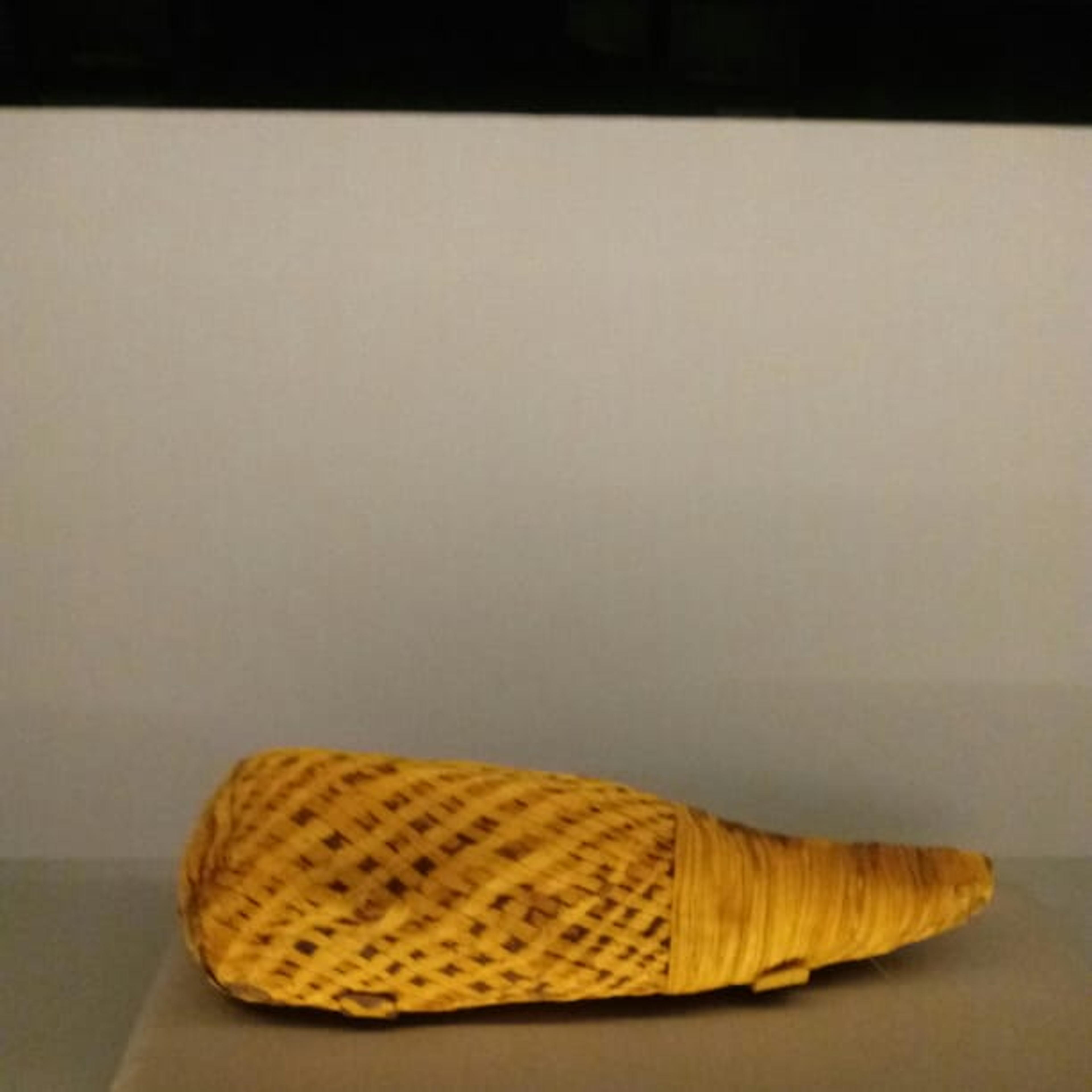 This is a typical example of a votive mummy. The ancient Egyptians believed that animals has spirits that could carry messages to the gods. The ibis was associated with Thoth, the god of wisdom.Thank You
Have information?
Have information about an artwork? Contact us at